Registration
REGISTER FOR THE CONFERENCE
Registration
REGISTER FOR THE CONFERENCE
 Apply to Exhibit
APPLICATION FOR EXHIBITION
Apply to Exhibit
APPLICATION FOR EXHIBITION
 Sponsorship
SPONSORSHIP APPLICATION
Sponsorship
SPONSORSHIP APPLICATION
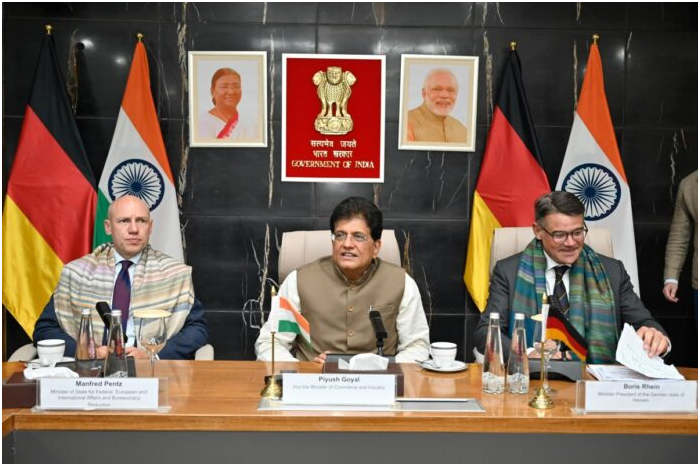
India and Germany's Hesse Explore Clean Energy Cooperation, with Discussions Covering Laser-Based Nuclear Fusion Research
On August 19, India's Minister of Commerce and Industry Piyush Goyal held talks with Boris Rhein, Minister-President of the German state of Hesse, to discuss strengthening economic and technological cooperation between India and Hesse. Manfred Pentz, Minister for Federal and European Affairs, International Affairs and Deregulation, along with a German business delegation, attended the meeting. The talks covered several emerging and high-growth sectors, with energy-related discussions focusing on clean energy and future technologies. The two sides discussed Hesse's initiatives in next-generation energy technologies, including laser-based...
2026-08-20
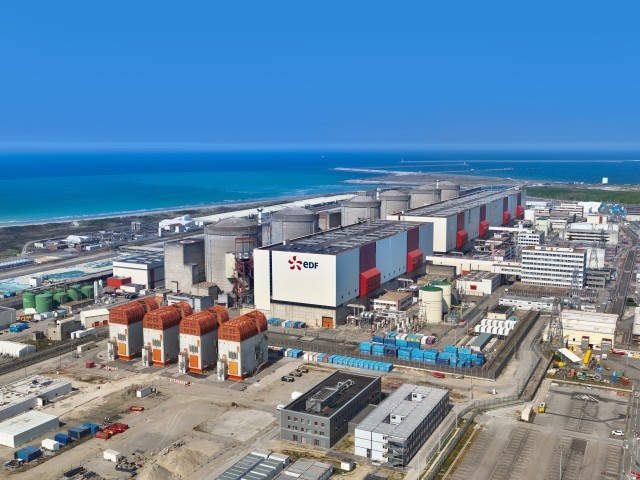
Unit 3 of France's Gravelines Nuclear Power Plant Reconnected to Grid, Unit 4 Remains Shut Down
2026-08-20
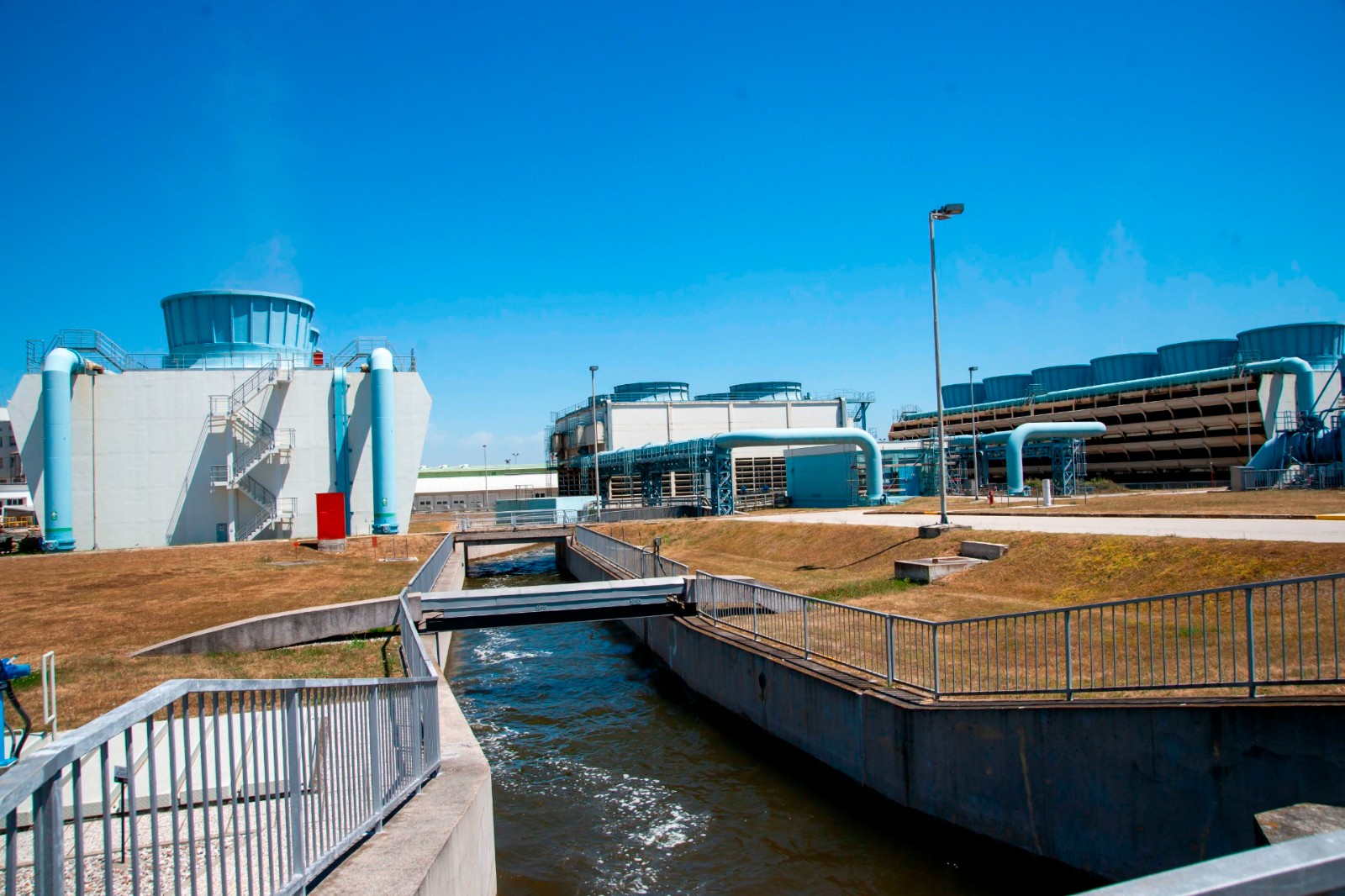
Slovenia's Krško Nuclear Power Plant Returns to Full Power Operation
2026-08-20
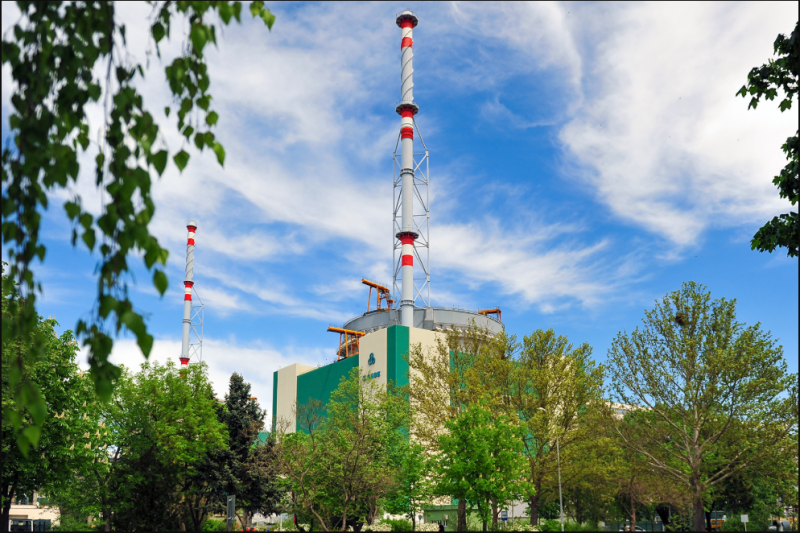
Danube Water Levels Recover, Paks Nuclear Power Plant Expected to Resume Full-Capacity Operation
2026-08-20
South Korea's Woori Technology Wins Supply Contract for Control Systems for Kori Nuclear Power Plant Units 3 and 4
2026-08-20
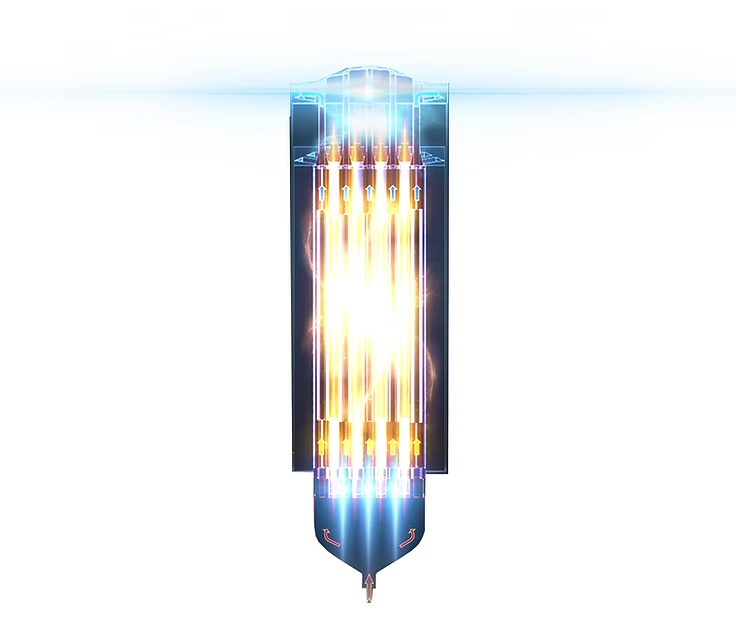
NRC Initiates Pre-Application Review of Terra Innovatum's SOLO Construction Permit Application
2026-08-20
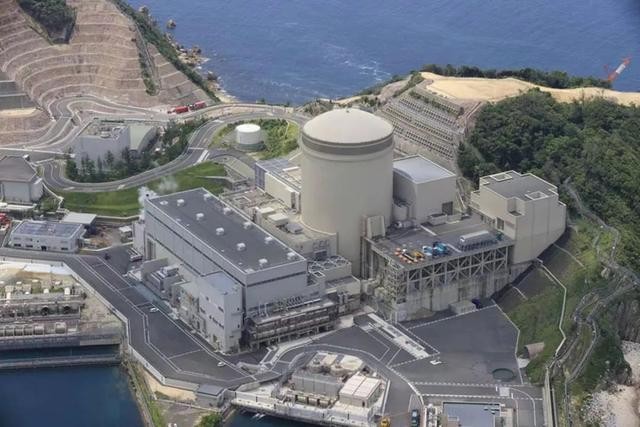
Japan's regulator says steam leak at Mihama Nuclear Power Plant Unit 3 was "avoidable"
2026-08-20
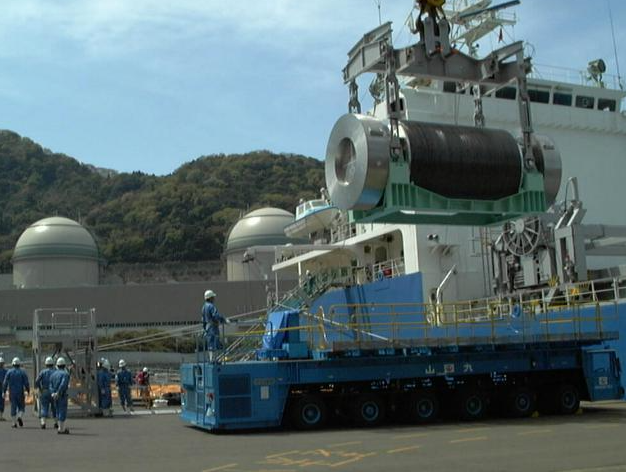
Kansai Electric's Dry Cask Storage Project for Spent Fuel at Three Fukui Nuclear Plants Accelerates
2026-08-20
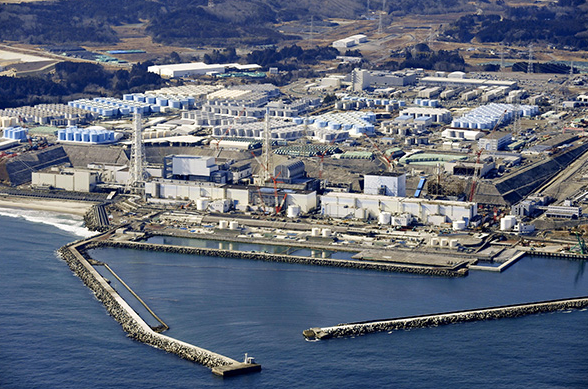
Trial lifting of damaged fuel assembly completed at Unit 2 of Japan's Fukushima Daiichi Nuclear Power Station
2026-08-20
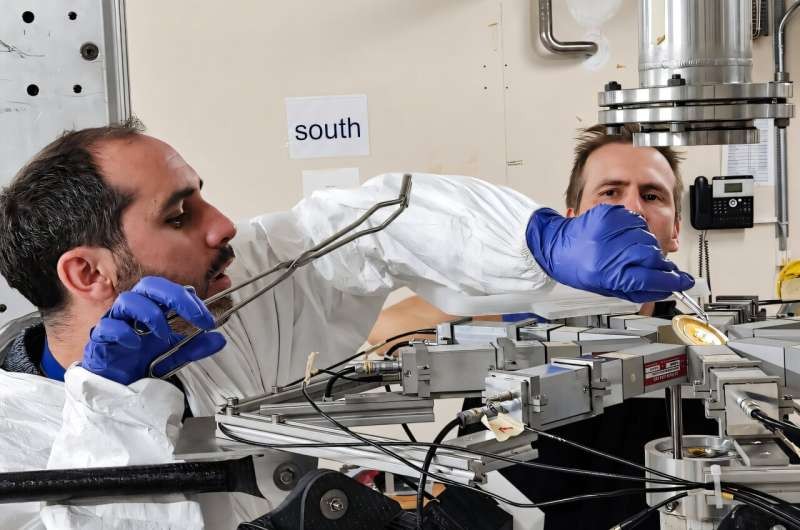
The n_TOF collaboration at CERN recently reported that researchers have for the first time measured the probability of neutron capture by niobium-94. The results, published in Physical Review Letters, provide new experimental evidence for explaining the anomalous abundance of molybdenum-94 in presolar grains. The EAR2 facility in the n_TOF experiment at CERN produces intense neutron beams, opening new possibilities for nuclear research. Credit: CERN Niobium-94 is a niobium isotope containing 41 protons and 53 neutrons, occupying a critical juncture in the nuclear reaction chain that produces heavy elements in dying stars. Researchers are interested in it because niobium-94 is very close to molybdenum-94, differing by just one fewer proton and one more neutron. Under the high-temperature, high-pressure conditions inside stars, niobium-94 may either transform into molybdenum-94 through beta decay or form niobium-95 through neutron capture. The competition between these two reaction pathways directly affects scientists' understanding of the origin of molybdenum-94.
2026-08-20
Bruce Power has recently received approval from the Canadian Nuclear Safety Commission to operate its on-site hot cell facility for target carrier removal (TCR) work, a critical step in the production process of the medical isotope lutetium-177 (Lu-177). Lu-177 is used in the treatment of prostate cancer and is increasingly applied in targeted therapies for precision medicine. Under the approval, Bruce Power can perform the relevant processing steps on site, further streamlining the isotope production process, reducing transportation requirements, while helping to enhance operational safety, lower emissions, and strengthen Ontario's capabilities in the global medical isotope supply chain. The hot cell facility was completed earlier this year...
2026-08-20
HOBOKEN, N.J. — Wiley recently announced the launch of its spectroscopy analysis Application Programming Interface (API) portfolio, opening its spectral data, analytical algorithms, and predictive models to laboratories, instrument vendors, and software platforms to help users identify and verify unknown compounds faster within their own workflows. According to the company, Wiley has long been building scientific reference databases, with its spectral data applied across pharmaceuticals, forensics, environmental science, chemistry, food, and materials. The newly launched API portfolio aims to integrate these databases and analytical tools into more modern software environments, enabling laboratories to incorporate high-quality spectral information directly into existing...
2026-08-20
Firefly Aerospace announced on August 19 that it has reached a commercial payload agreement with Zeno Power Systems to carry Zeno's Lunar Night Survival Package and radioisotope heater unit on a Blue Ghost lunar lander mission. The mission is scheduled to launch no earlier than 2028 and aims to verify whether the relevant nuclear power technologies can help spacecraft, lunar infrastructure, and future lunar base systems continue operating through the long, extremely cold lunar night environment. *Rendering of Firefly's Blue Ghost lunar lander with Zeno Power's Lunar Night Survival Package on its top deck. Under the plan, Zeno's payload will travel with Blue Ghost to the lunar nearside...
2026-08-20
A neutron radiation protection material developed by Russian company NPO Gelar has obtained relevant certification. The material, named Polikeramoplast-PB, is a borated polyethylene that resembles ordinary gray or black plastic sheets in appearance, but its protective performance derives from the combination of hydrogen and boron. According to reports, the hydrogen in the material effectively moderates fast neutrons, reducing the likelihood of subsequent secondary reactions, while the boron helps absorb moderated neutrons. In contrast, traditional heavy metal materials used for gamma-ray shielding are not suitable for standalone neutron protection, as heavy atomic nuclei have limited attenuation effects on neutrons. The material can be used in radiation therapy room protection systems and combined with lead...
2026-08-19
On August 17, 2026, the US Department of Energy's Oak Ridge National Laboratory stated that its nuclear battery program is advancing the development of radioisotope power systems to meet the demand for stable, long-life power sources in deep space exploration, long-term power supply in remote areas, and national security-related scenarios. NASA's Perseverance Mars rover poses with several of the 10 sample tubes it placed in a sample depot it established in a region of Jezero Crater called "Three Forks." The rover's radioisotope thermoelectric generator is powered by a nuclear battery. Image credit: NASA/JPL-Caltech/MSSS. Nuclear batteries generate electricity from the energy released by the decay of radioisotopes, making them suitable for environments such as the seafloor, remote deserts, and extraterrestrial surfaces where maintenance is difficult and continuous power supply is needed for years or even decades.
2026-08-19
Thor Medical ASA announced on August 19 that its AlphaOne production facility at the Herøya industrial park in Norway will be officially inaugurated on September 9, 2026, with Norwegian Prime Minister Jonas Gahr Støre attending the ceremony. According to reports, AlphaOne is Thor Medical's first industrial-scale production facility for high-purity α radioisotopes and the first of its kind globally. The facility is already in operation, primarily producing isotope products for next-generation targeted cancer therapies, supplying high-purity α emitters to the radiopharmaceutical industry. Thor Medical CEO Jasper Kurth stated that AlphaOn...
2026-08-19