Registration
REGISTER FOR THE CONFERENCE
Registration
REGISTER FOR THE CONFERENCE
 Apply to Exhibit
APPLICATION FOR EXHIBITION
Apply to Exhibit
APPLICATION FOR EXHIBITION
 Sponsorship
SPONSORSHIP APPLICATION
Sponsorship
SPONSORSHIP APPLICATION

Argentina's Nucleoeléctrica Argentina adjusts organizational structure to boost nuclear service exports
The Board of Directors of Nucleoeléctrica Argentina SA held a meeting on August 12, 2026, and approved Resolution No. 1018, authorizing adjustments to the company's organizational structure with a focus on supporting the development of new business units, particularly the export of specialized nuclear services to international markets. This adjustment provides organizational support for the company's earlier formal incorporation of "provision of services to foreign nuclear facilities" into its corporate purpose. In recent years, the company has participated in projects and services related to nuclear facilities in Canada, Brazil, China, South Korea, and Spain, and has developed proprietary technological solutions applicable to CANDU reactors. Under the new structure, the company's management...
2026-08-22
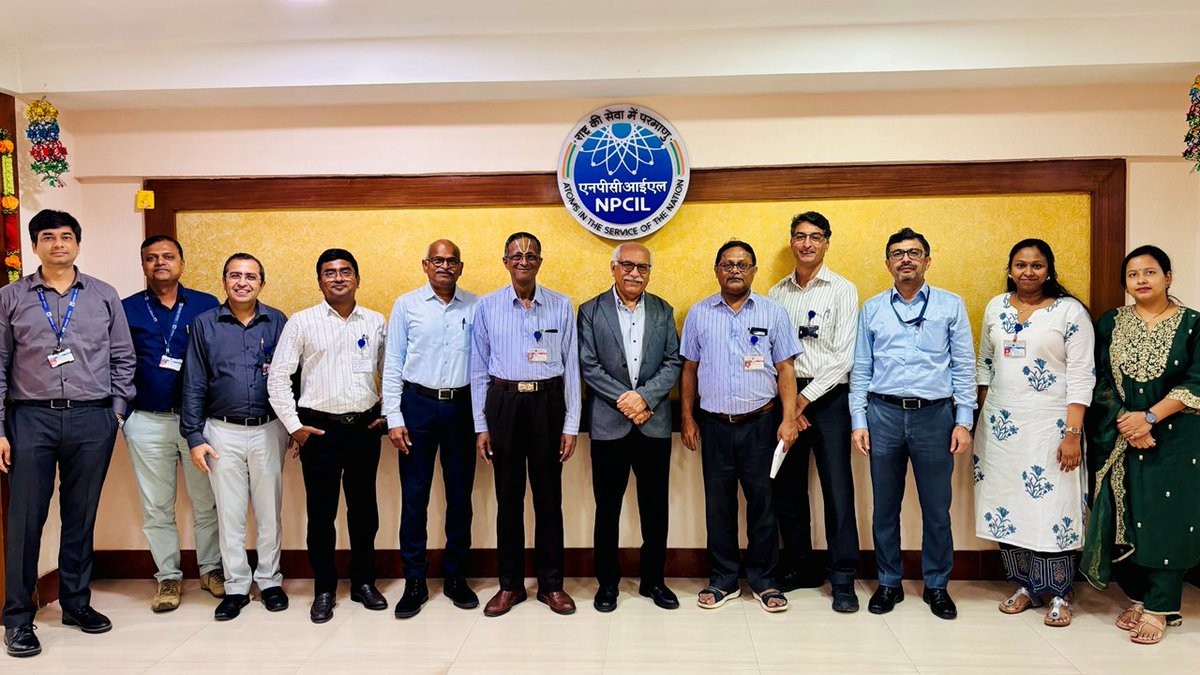
NPCIL Participates in WANO Performance Monitoring Pilot Program
2026-08-22
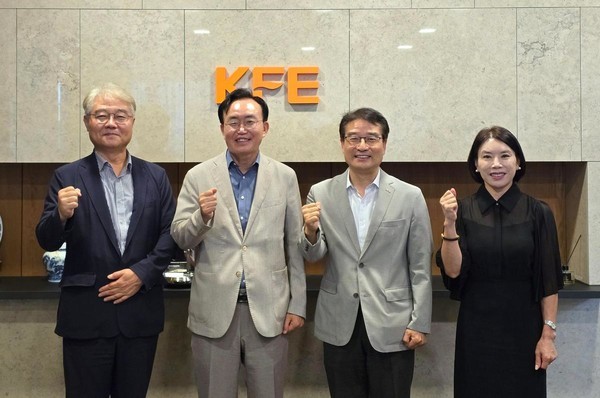
Naju City, Korea Proposes Construction of National Fusion Energy Center
2026-08-22
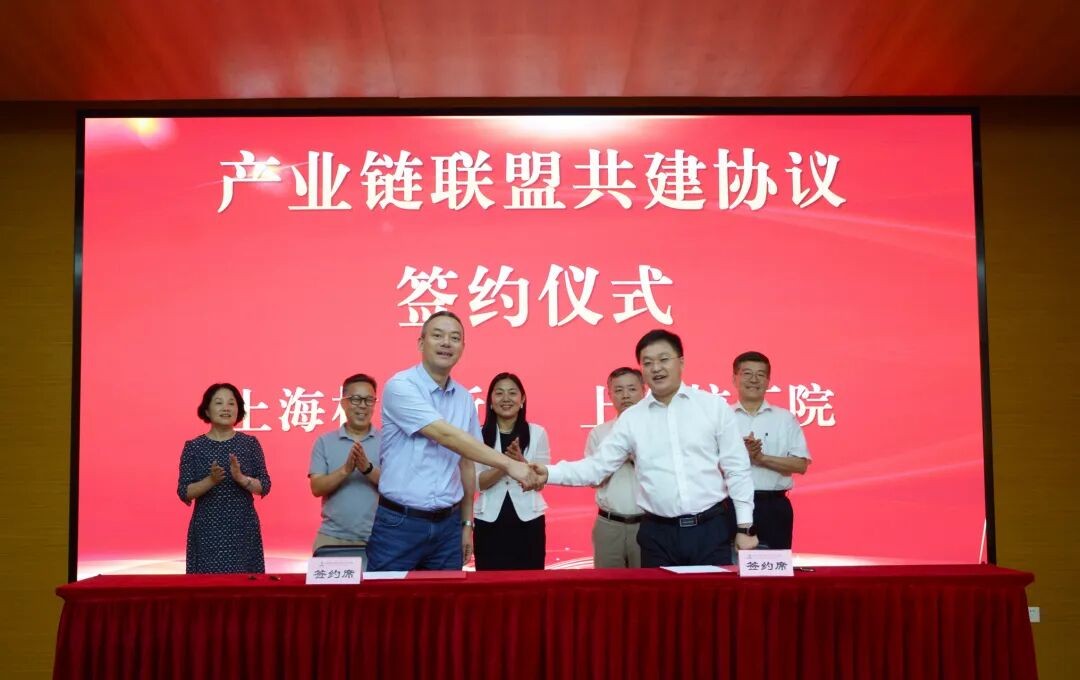
Two New Members Join the "Guohe One" Industrial Chain Alliance
2026-08-22
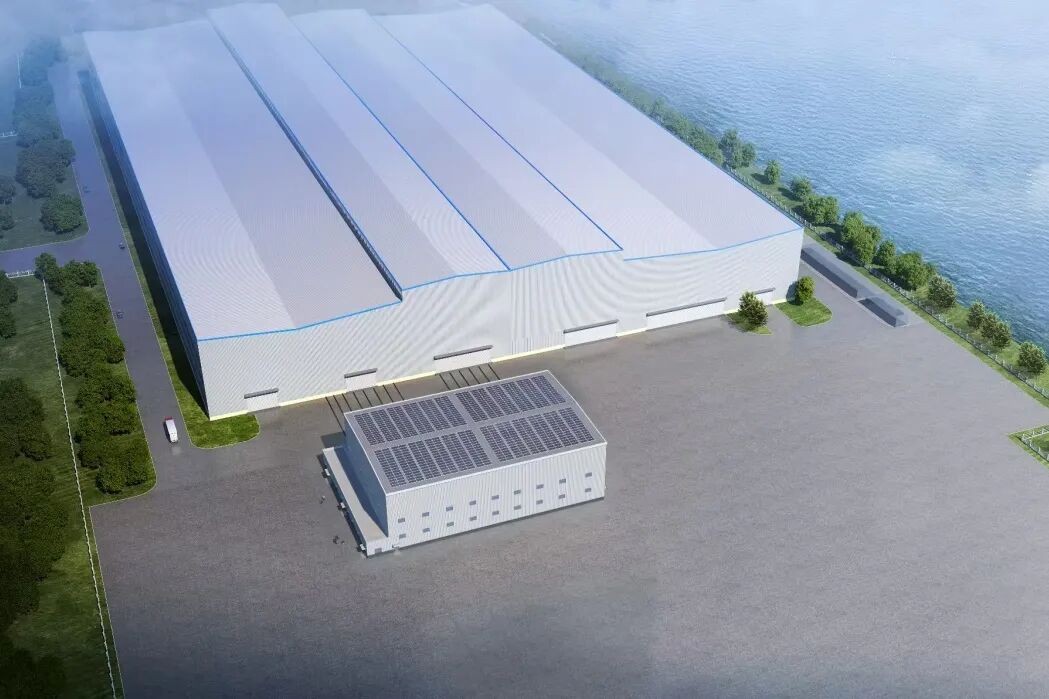
CFHI Dalian Nuclear Power Evaporator Clean Room Project Advances Preliminary Preparations
2026-08-22

Vietnam's National Assembly Agrees to Include Splitting Ninh Thuan Nuclear Power Project into Independent Items on Meeting Agenda
2026-08-22

Uzbekistan Approves Radiation Accident Emergency Procedures for Nuclear Power Plants
2026-08-22
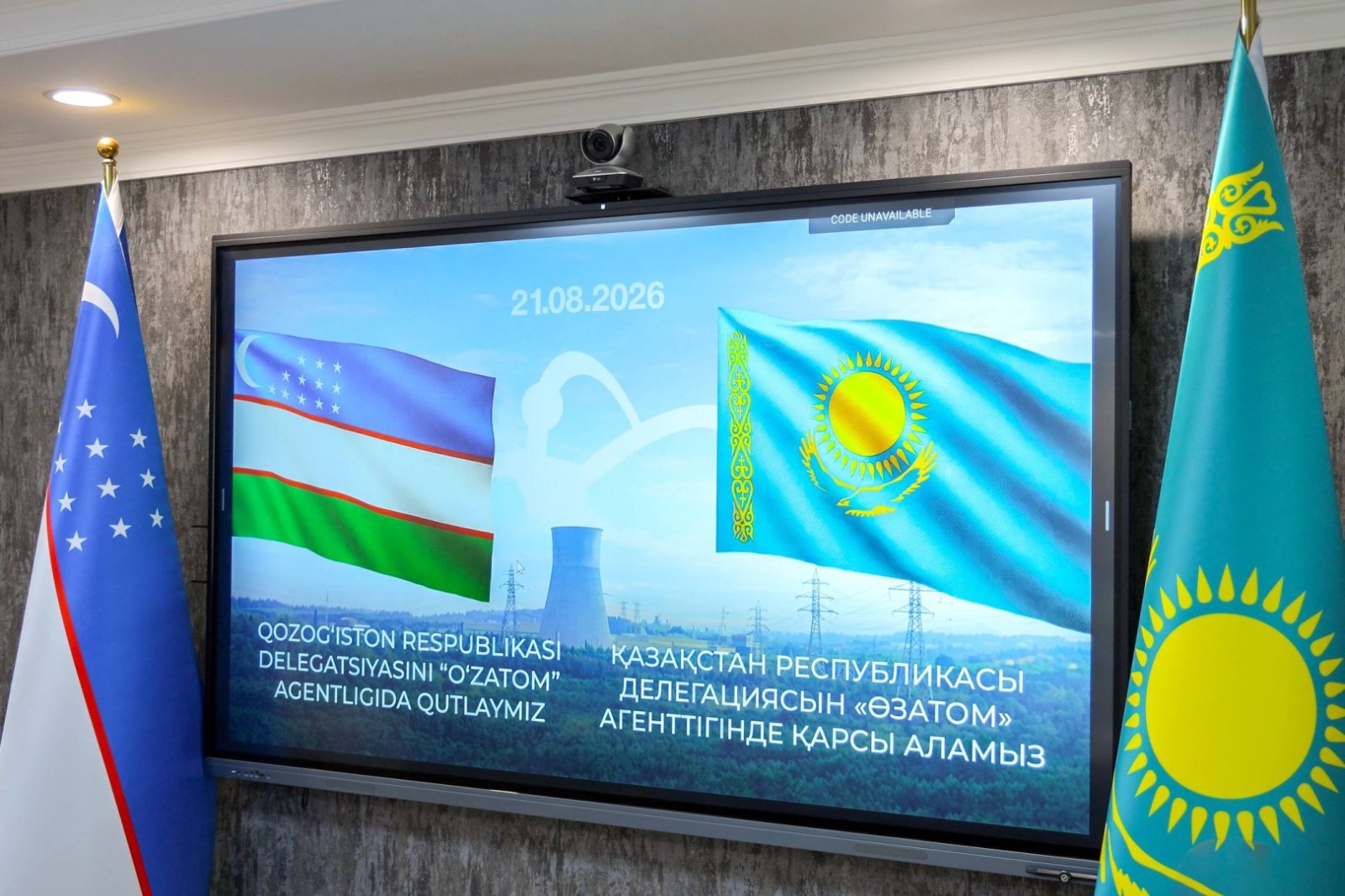
Uzbekistan and Kazakhstan Strengthen Nuclear Safety Cooperation Dialogue
2026-08-22

Preventive Power Reduction of Unit 5 at Bulgaria's Kozloduy NPP
2026-08-22
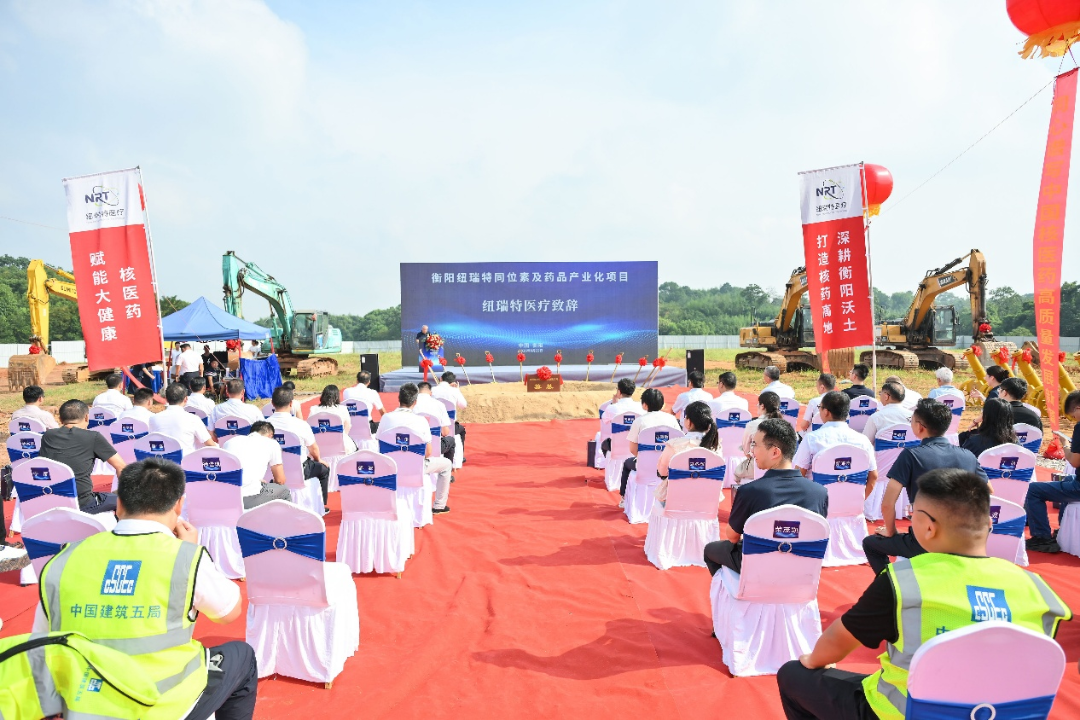
On August 22, the groundbreaking ceremony for the Hengyang New Radiopharmaceutical Isotope and Drug Industrialization Project was held in Hengyang, Hunan Province. Officials from Hengyang City and Zhuhui District, representatives from relevant colleges of the University of South China, investment institutions, and relevant personnel from New Radiopharmaceutical Medical attended the event. Cai Jiming, Chairman and President of New Radiopharmaceutical Medical, stated at the ceremony that the project's landing in Hengyang represents an important strategic layout for the company's nuclear medicine business. From contract signing to construction commencement, the project has received support from local governments, partners, and relevant organizations. The company will leverage this project as an opportunity to continue advancing the transformation of innovative achievements in the fields of medical isotopes and radiopharmaceuticals. Wang Jing, Deputy Mayor of Hengyang City, stated that Hengyang...
2026-08-22
Molecular imaging technology company Cubresa Inc. announced on August 20 that its Cubresa BrainPET™ scanner has received 510(k) clearance from the U.S. Food and Drug Administration (FDA). According to the company, the Cubresa BrainPET™ is a positron emission tomography (PET) device specifically designed for brain imaging and can be integrated into existing Siemens Biograph mMR MR/PET systems. The device enables healthcare institutions to perform simultaneous PET/MR brain imaging on existing MRI infrastructure, capturing molecular and anatomical information without the need to purchase a separate whole-body hybrid imaging system. Cubresa founder and CEO James ...
2026-08-22
On August 20, the customs authorities of the Kaliningrad region of Russia, together with the equipment manufacturer, conducted functional tests of the portal inspection and screening system at the Chernyshevskoye border crossing on the Russia-Lithuania border, focusing on verifying equipment operational status and vehicle inspection capabilities. According to reports, among all Russian border crossings in the Kaliningrad region, only the Chernyshevskoye international road crossing is currently equipped with portal inspection and screening devices. A total of two systems have been installed at this crossing, used respectively for inspecting vehicles entering Russia and those departing, with both units installed and put into operation in December 2025. The inspection and demonstration were carried out with the participation of government regulatory authorities and supplier representatives. The relevant equipment is planned to be...
2026-08-22
The research team at Asan Medical Center in Seoul announced on the 21st that it has recently been selected for the "2026 Korea-U.S. Innovative Outcomes R&D New Support Project" organized by the Ministry of Health and Welfare, and will collaborate with U.S. research institutions to develop an artificial intelligence-based radiopharmaceutical therapy platform aimed at exploring new treatment strategies for solid tumors that respond poorly to conventional therapies. The team is composed of professors including Myung Seung-jae from the Department of Gastroenterology, Oh Seung-jun from the Department of Nuclear Medicine, Ryu Chang-hoon from the Department of Oncology, Jung Byung-kwan from the Department of Pathology, and Son Byung-ho from the Department of Breast Surgery at Asan Medical Center. The project will combine Asan Medical Center's large-scale clinical and pathological data, Emory University's AI-based digital pathology analysis technology, and Case Western Reserve University and University Hospitals Cleveland Medical Center's pathological and clinical research capabilities.
2026-08-22
In 1984, researchers at Texas A&M University used radiation mutagenesis to develop the Rio Red grapefruit. Forty-two years later, this variety has become the dominant cultivar in Texas's grapefruit industry, accounting for approximately 75% of the state's total grapefruit production. The Rio Red grapefruit is distinguished by its vibrant pink flesh, as well as its greater cold tolerance and higher yields compared to other grapefruit varieties. These traits have facilitated its widespread adoption across Texas growing regions, gradually establishing it as a representative grapefruit variety in the local market. Grapefruit itself was not originally a product of artificial breeding. The earliest known grapefruit seedlings appeared in Barbados in the 18th century, resulting from a cross between the Jamaican sweet...
2026-08-22
On August 20, CNNC Particle and the Beijing Institute of Medical Device Testing carried out a joint learning and co-building activity. Representatives from both sides engaged in in-depth discussions on topics such as Party building leading business development, joint development of technical standards, and enhancement of inspection and testing capabilities. Wu Wei, Secretary of the Party Branch and Director of CNNC Particle, Wu Kechun, Deputy Secretary of the Party Committee of the Institute, and more than twenty Party member representatives from both sides participated in the event. At the beginning of the event, the CNNC Particle delegation visited the Institute's laboratories to gain first-hand understanding of its technical capabilities and research progress in inspection and testing. The Institute's advanced experimental platforms and technologies left a deep impression on the visitors. During the discussion session, Wu Kechun and Wu Wei delivered speeches respectively. Both sides...
2026-08-22
U.S. uranium producer Ur-Energy announced that on August 19, 2026, its Shirley Basin uranium mine in Wyoming shipped its first uranium to the Lost Creek processing plant in the same state. This marks the company's second in-situ recovery (ISR) uranium mine entering full production and beginning its ramp-up phase. Ur-Energy President and CEO Matt Gili stated that the shipment of first uranium signifies the full commissioning of the Shirley Basin project and represents the company's transition into a multi-asset U.S.-based uranium producer. According to him, the Shirley Basin project took approximately two and a half years from planning and construction to production. The Shirley Basin uranium mine is Ur-Energy's second in-situ uranium...
2026-08-21