
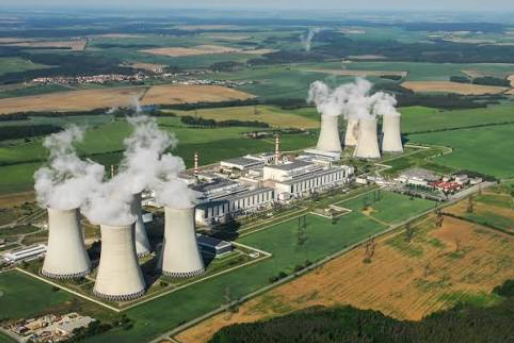
South Korean Environmental Groups to Hold Nuclear Safety Seminar, Focusing on SMR Regulatory Independence and Institutional Gaps
The Korean Federation for Environmental Movement recently announced that it will hold a session of the Continuous Nuclear Safety Seminar Series, under the safety regulation domain, at 10:00 a.m. on August 21, 2026, in Conference Room 8 of the National Assembly Members' Office Building, under the theme "Moving Beyond Promotion-Centered Nuclear Policy Toward an Independent Safety Regulatory System." The event is hosted by National Assembly member Lee Ju-hee and co-organized by the Citizens' Institute for Environmental Studies and the Korean Federation for Environmental Movement, aiming to discuss structural issues in South Korea's nuclear safety regulatory system. According to available information, the South Korean government is accelerating the research and development, industrial support, and commercialization of small modular reactors (SMRs), with the i-SMR standard design approval application already accepted and the Special Act on SMR Development Promotion scheduled to take effect in September.
2026-08-11
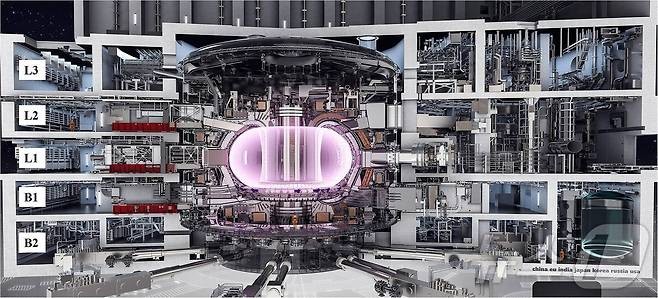
Korea's Naju Artificial Sun Research Facility Expected to Receive Preliminary Feasibility Study Results in September
The project to build the Naju Artificial Sun research facility in Korea is expected to receive the results of the national preliminary feasibility study in September. With a total investment of approximately 1.2 trillion KRW, the project plans to construct large-scale nuclear fusion research and demonstration infrastructure in Wangok-myeon, Naju City, South Jeolla Province, and is regarded by local governments as a key pillar in the future industrial layout of the South Jeolla–Gwangju Integrated Special Zone. The Ministry of Science and ICT (MSIT) designated the "Nuclear Fusion Core Technology Development and Strategic Infrastructure Construction Project" as a national R&D project and included it in the preliminary feasibility study on January 30. According to the previous schedule, the evaluation period was approximately seven months. The results were originally expected to be announced in August, but...
2026-08-11
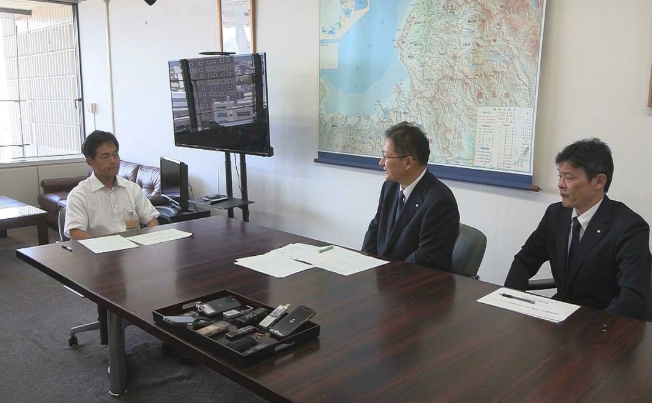
Automatic Shutdown of Unit 3 at Oi Nuclear Power Plant During Operation; Kansai Electric Power to Investigate Cause from the 12th
Unit 3 of the Oi Nuclear Power Plant in Fukui Prefecture, Japan, experienced an automatic shutdown during operation in the early hours of the 9th. Operator Kansai Electric Power stated that the fault is related to an internal abnormality in the generator and plans to formally begin a cause investigation from the 12th. Currently, there is no clear timeline for when the unit can resume operation. According to reports, an alarm related to loss of magnetic field occurred inside the generator used for power generation at the time of the incident, after which the generator stopped, and the reactor in operation also automatically shut down. On the 10th, Kansai Electric Power visited the Fukui Prefectural Government to apologize for the fault and report on subsequent response measures. Yuichiro Sakamoto, head of the Fukui Prefecture Disaster Prevention and Safety Division, pointed out that following a steam leak fault at Mihama Nuclear Power Plant Unit 3 in May this year, an unexpected emergency shutdown of a reactor in operation occurring within a short period may undermine public trust in nuclear safety. Local government authorities have demanded that the operator promptly identify the cause and implement measures to prevent similar issues from recurring.
2026-08-11
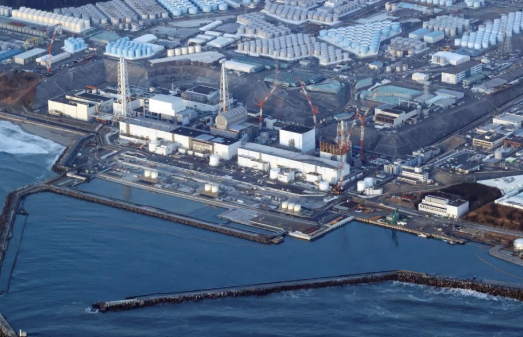
Japan's MEXT to Establish Industry-Academia-Government Collaboration Platform to Strengthen Nuclear Energy Human Resource Development
Japan's Ministry of Education, Culture, Sports, Science and Technology (MEXT) plans to launch a new initiative for nuclear energy human resource development, with the core approach being the establishment of an industry-academia-government collaborative organization within the Japan Atomic Energy Agency (JAEA). This organization will undertake coordination functions such as institutional design and budget allocation, and will promote closer cooperation mechanisms among universities, research institutions, and the industrial sector regarding nuclear energy education and practical training. Based on publicly available information, this arrangement is not merely about adding training courses, but rather an attempt to build a cross-sectoral human resource development platform. JAEA possesses research reactors, experimental facilities, and long-accumulated technical resources; incorporating these resources into the educational system will help bridge the gap between university classroom instruction and actual nuclear engineering field practice...
2026-08-11
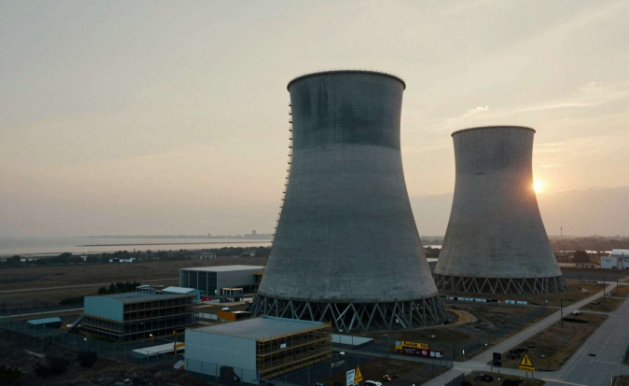
U.S. nuclear energy company Holtec advances on two fronts this week: decommissioning aging nuclear plants and positioning small reactors in the southern U.S.
U.S. nuclear energy company Holtec recently announced two significant developments, reflecting the dual trend in the current nuclear power industry of retiring existing capacity while expanding new capacity. On one hand, the U.S. Nuclear Regulatory Commission approved the license termination plan for the Oyster Creek nuclear power plant, moving the decommissioning process of this veteran commercial nuclear facility in New Jersey, which began operations in 1969, past a key regulatory milestone. On the other hand, Holtec announced a partnership with Entergy and Hyundai Engineering & Construction to evaluate potential sites for deploying new reactors in the southern Gulf Coast region of the United States. The Oyster Creek plant ceased power generation in 2018 and was subsequently taken over by Holtec for decommissioning. The recently approved license termination plan...
2026-08-11
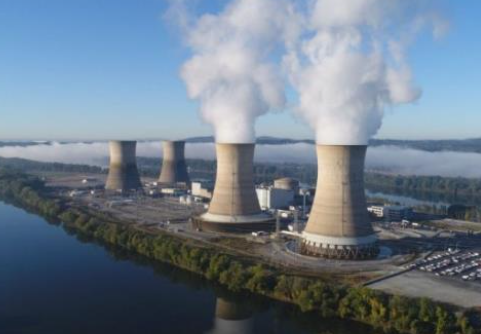
Linn County, Iowa, rejects rezoning application for data center site near nuclear power plant
The Linn County Board of Supervisors in Iowa said Monday it will not proceed with amendments to the EU-2 zoning district. This decision means that large data centers will not be permitted to be built near nuclear facilities through this zoning rule for the time being. The current EU-2 zoning primarily allows for nuclear power generation facilities, nuclear waste storage facilities, and natural gas power generation facilities, and does not list large data centers as permitted uses. The zoning adjustment drew attention due to the potential restart of the Duane Arnold Energy Center near Palo. If the nuclear facility were to resume operations, it could provide a stable power source for energy-intensive data centers, prompting interest from data center companies in surrounding...
2026-08-11

Russia's Atommash Commissions Ultrasonic Weld Inspection Robot to Boost NPP Equipment Testing Efficiency
Atommash, a plant under the mechanical engineering division of Russia's State Atomic Energy Corporation (Rosatom), has recently commissioned a new ultrasonic inspection robot for welded joints, used for weld quality checks on large nuclear power equipment such as nuclear reactors and steam generators. The plant is located in Rostov Oblast, Russia. The new equipment employs two scanning modes and can identify weld defect types and locate defect coordinates. Compared with traditional inspection methods involving manual probe movement, the robot can automatically perform scanning on components with complex geometries, increasing inspection speed by approximately 30% while reducing the need for manual work in hard-to-reach areas. At present, Atommash already operates...
2026-08-11
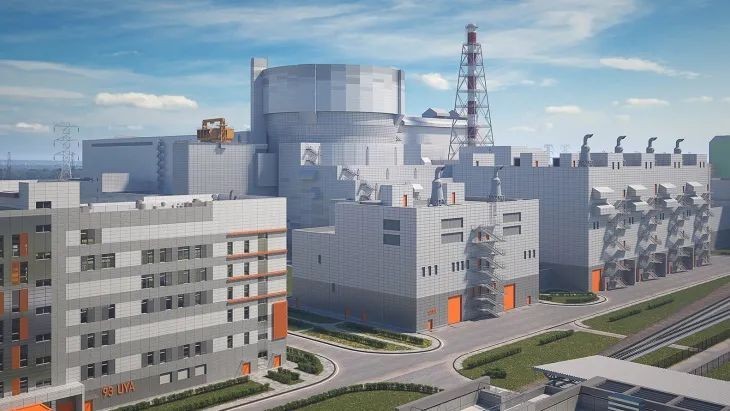
Danube Water Levels Recover, Hungary Restarts Second Turbine at Paks Nuclear Power Plant
On August 10, as the Danube River's water levels recovered, Hungary began restarting a previously constrained turbine at the Paks Nuclear Power Plant. The Paks plant uses Danube water for cooling and normally supplies nearly half of Hungary's electricity. Due to heatwaves and persistent drought, the Danube's water levels fell to historic lows in recent weeks, reducing the plant's generating capacity to about 10%, with only one of its eight turbines remaining operational. According to available information, Hungarian Prime Minister Péter Magyar stated on the 10th that the Danube's water level had risen 19 centimeters from the low point recorded last week, and that restart work on the second turbine at the Paks plant had begun, with power generation expected to resume by Monday evening. He also previously mentioned...
2026-08-11
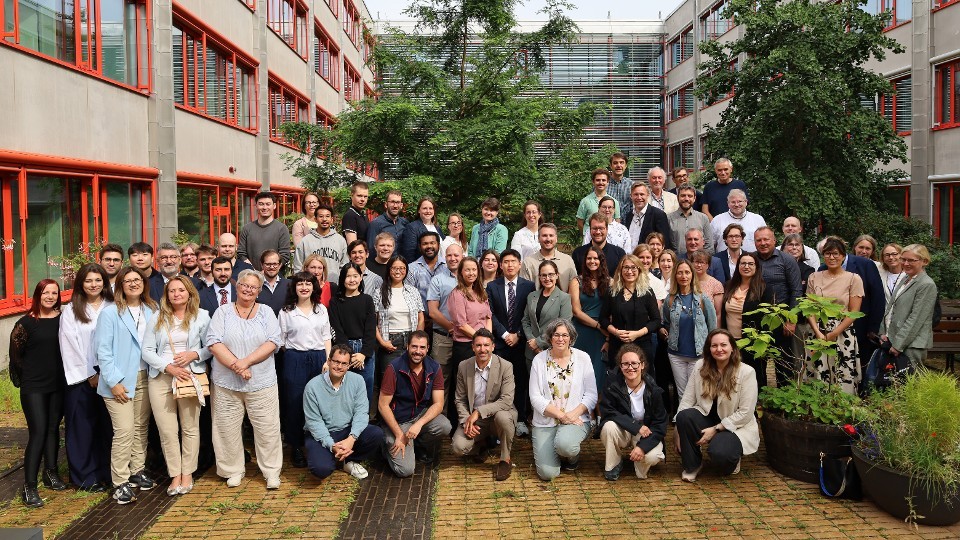
The 8th International Radiation Protection School Held in Stockholm
The Nuclear Energy Agency (NEA) of the Organisation for Economic Co-operation and Development, in collaboration with the Swedish Radiation Safety Authority (SSM) and the Centre for Radiation Protection Research (CRPR) at Stockholm University, will hold the 8th International Radiation Protection School (IRPS) in Stockholm, Sweden, from 10 to 14 August 2026. This five-day course is designed for early-career professionals in the nuclear and related fields, with a focus on helping participants systematically understand the international radiation protection system and master its practical application in emerging scenarios. The curriculum will cover the scientific foundations, historical evolution, development trajectory of the radiation protection system, and its translation into regulatory and national frameworks. According to the organisers, participants...
2026-08-11
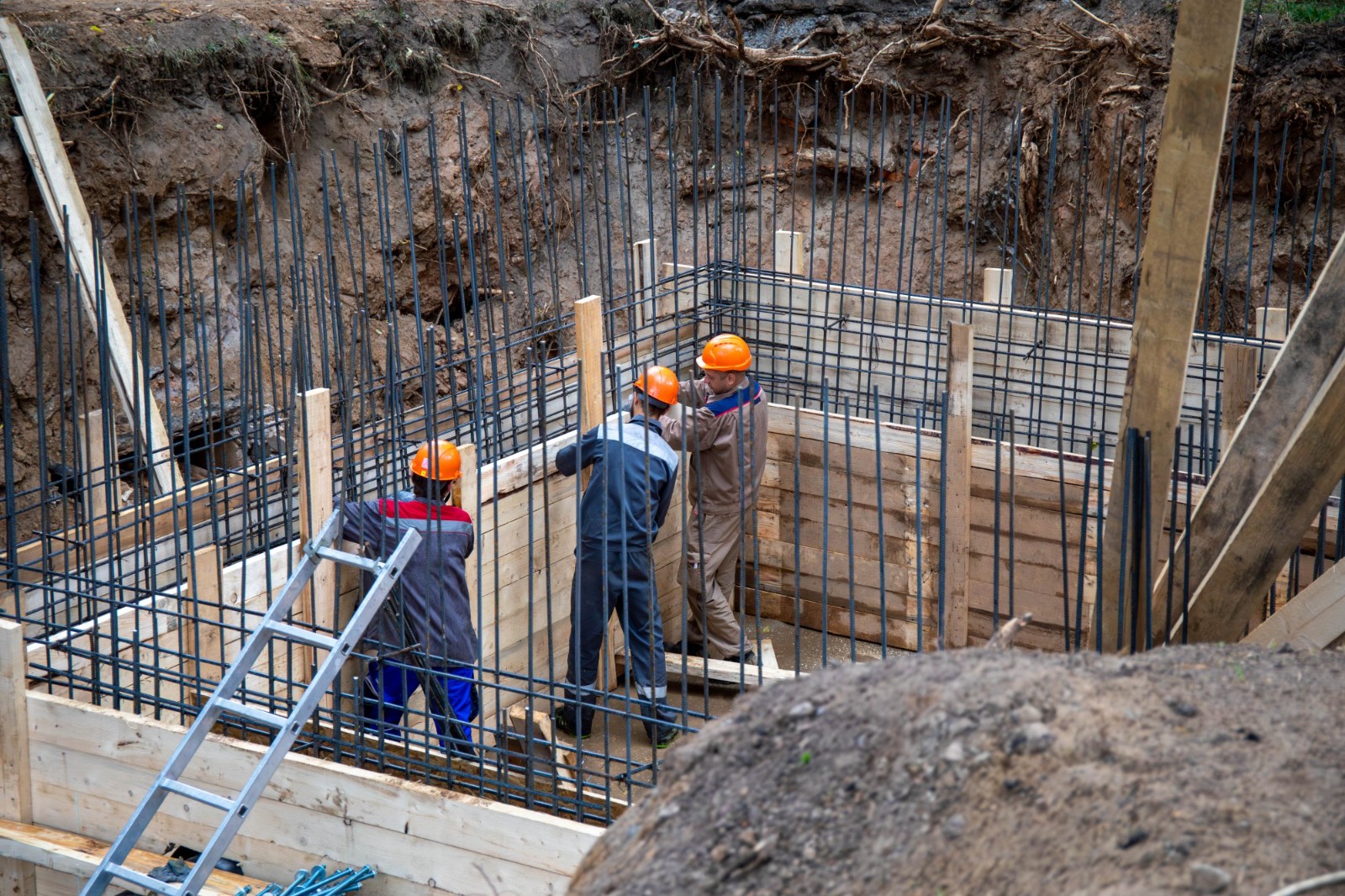
Long-term overhaul of heating networks launched in satellite town of Smolensk NPP
A large-scale modernization of the municipal heating system has been launched in Desnogorsk, the satellite town of Russia's Smolensk Nuclear Power Plant. The project is planned to last 15 years and is expected to replace more than 30 kilometers of main heating pipelines, accounting for about one-third of the city's heating network infrastructure. The work is being carried out by AtomTeploElektroSet, a company affiliated with Rosenergoatom, which operates public utility services including heating, water supply, and drainage in cities hosting nuclear power plants. Currently, renovation work has begun in the first and third residential districts of Desnogorsk. The project's progress is linked to Desnogorsk being included in...
2026-08-11

Rostov NPP's Self-Developed Device Cuts Instrument Calibration Cycle from 60 Days to 5 Days
The metrology team at Russia's Rostov Nuclear Power Plant has recently developed and put into operation a device for calibrating high-precision measuring instruments, reducing the relevant instrument calibration cycle from approximately 60 working days to 5 working days—a twelvefold reduction in time. The project was completed by the plant's metrology personnel within the framework of the Rosatom Production System. Previously, some high-precision instruments at the plant requiring regular maintenance and calibration had to be sent to specialized laboratories, with the entire process involving document preparation, equipment transportation, cargo escort, and coordination with external personnel, typically taking about two months. With the new device in operation, calibration work can now be...
2026-08-11

UK's Harlette Capital seeks partners to develop lunar micro nuclear reactor
UK-based innovative company Harlette Capital has recently issued a Request for Information (RFI), seeking support from industry and research institutions for the development of a micro nuclear reactor for lunar missions. The company stated that the project aims to provide continuous power for long-term scientific research, communications, infrastructure construction, and future crewed exploration on the lunar surface. Harlette Capital is previously better known for its luxury fashion brand Harlette. The company also operates a separate innovation business segment, which is positioning itself in space and energy assets and advancing a small modular reactor (SMR) project named Alpha Moon. According to the company, the RFI has been sent to...
2026-08-11
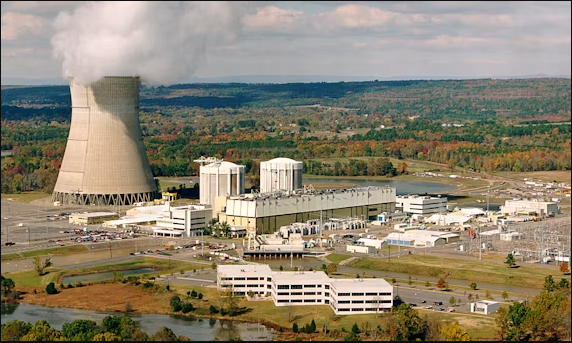
Arkansas Evaluates Six Candidate Areas for New Nuclear Power Development
A latest research report in the U.S. state of Arkansas concludes that six areas in the state could serve as candidate sites for future nuclear power development, and that new reactors are both "feasible and necessary" locally. The report states that, under a relatively aggressive timeline, a new nuclear power plant in Arkansas could begin operation by the mid-2030s. The 533-page study was completed by Excel Services Corporation, a Maryland-based consulting firm, commissioned by the Arkansas Legislature's Joint Energy Committee. The six candidate areas listed in the report include Flint Creek in Benton County, the existing Arkansas Nuclear One (...
2026-08-11

Kyoto Fusioneering to Relocate U.S. Headquarters to Oak Ridge
Kyoto Fusioneering (KF) will relocate its U.S. headquarters to Oak Ridge, Tennessee, investing $46.9 million in Anderson County and creating 51 new jobs. The project will build critical fusion testing infrastructure, with a focus on supporting the development of the fusion nuclear testing facility UNITY-3. UNITY-3 is planned to be built at Oak Ridge National Laboratory (ORNL) through a public-private partnership. The facility has received support from the U.S. Department of Energy (DOE) and has been listed as a national priority in its final "Fusion Science and Technology Roadmap." According to the plan, UNITY-3 will employ a deuterium-tritium (D-T) fusion neutron source to validate tritium breeding capabilities and related performance under conditions approaching a real fusion nuclear environment...
2026-08-11

TMTG Advances $6 Billion-Plus Merger with TAE, Pivoting to Commercial Fusion Energy
Trump Media & Technology Group (TMTG) recently disclosed that it will proceed with its merger plan with fusion energy firm TAE Technologies (TAE), despite reporting significant losses in the second quarter. The deal is valued at over $6 billion, with TMTG committing to invest $300 million in TAE before the transaction closes. According to company disclosures, TMTG recorded a loss of $238 million in the second quarter of 2026, with revenue of $1.7 million and total assets approaching $2 billion. In the first half of 2026, the company's net loss widened to $644 million, compared to a loss of $52 million in the same period last year. The company attributed the widening losses primarily to...
2026-08-11
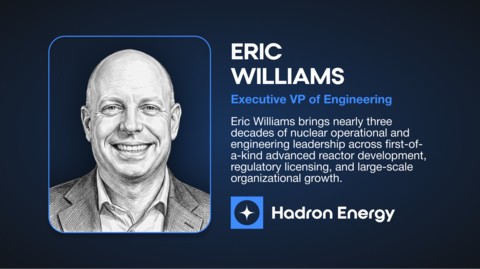
Hadron Energy Appoints Eric Williams as Executive Vice President of Engineering
Advanced nuclear technology company Hadron Energy announced on August 10 that Eric Williams will join the company as Executive Vice President of Engineering, effective August 31, 2026. Hadron Energy is currently developing the Halo micro modular reactor (MMR) based on pressurized water reactor technology. Hadron Energy went public on Nasdaq in May 2026. The company stated that Eric Williams' addition will strengthen its engineering organization and support the advancement of Halo MMR from design and licensing to commercial deployment. According to company information, Hadron Energy has recently made progress in work related to the U.S. Nuclear Regulatory Commission (NRC), including approval of its quality assurance program description and submission of major design criteria white papers.
2026-08-11
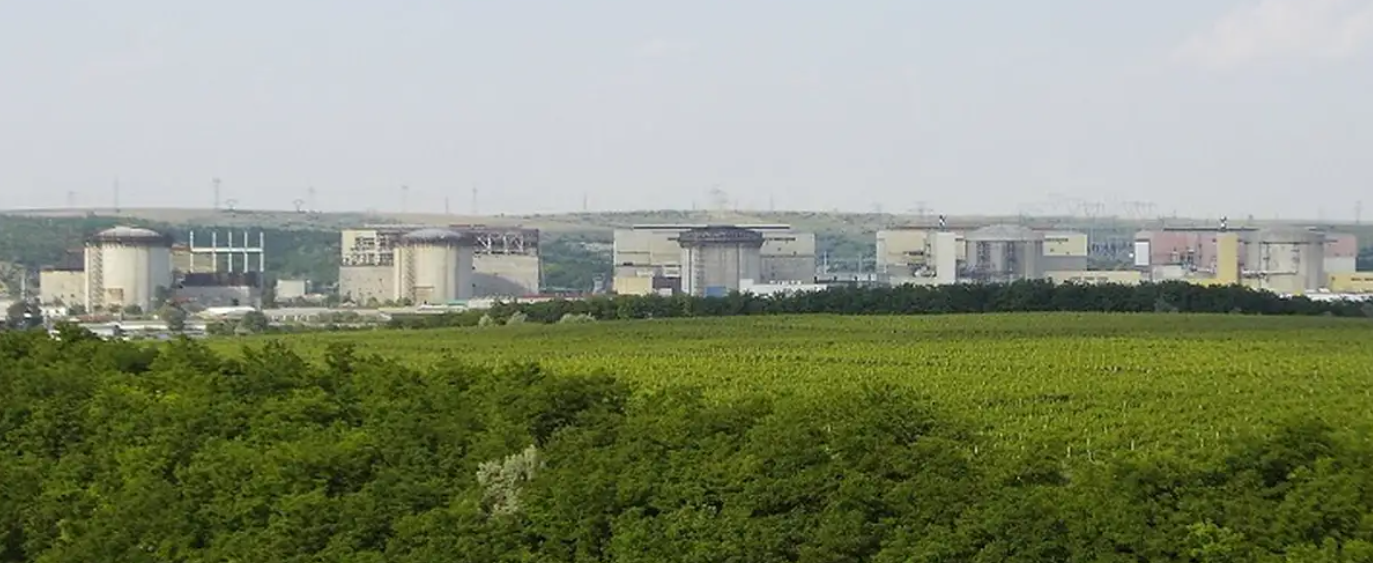
Unit 2 of Romania's Cernavoda Nuclear Power Plant Still at Risk of Shutdown
Ionel Scrioșteanu, State Secretary of Romania's Ministry of Transport and Infrastructure, stated that Unit 2 of the Cernavoda Nuclear Power Plant is currently still in operation, but the risk of shutdown has not been eliminated. On August 8, Romanian authorities took emergency measures by sinking four fully loaded barges into the Danube River to raise local water levels, increasing the water intake into the plant's cooling water system to ensure the cooling needs of the reactor units. Scrioșteanu said on social media that the related actions have achieved positive results, allowing Unit 2 of the Cernavoda Nuclear Power Plant to continue operating...
2026-08-11
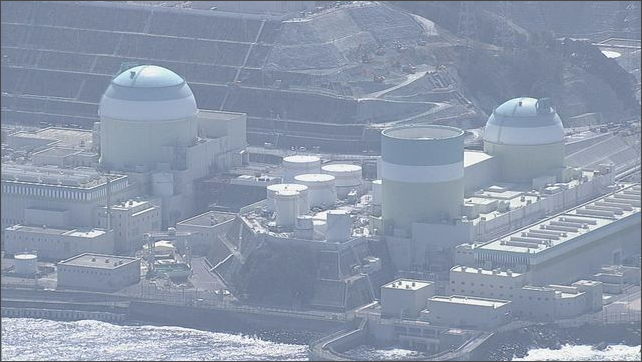
Ikata Nuclear Power Station Reports 5 Notifiable Events in July, None Causing Radiological Environmental Impact
Shikoku Electric Power Co. reported on August 10 that the five events reported to Ehime Prefecture, Ikata Town, and relevant local governments from the Ikata Nuclear Power Station in July 2026 did not fall under legally required reporting events and caused no radiological impact on the environment. The five events were as follows: On July 3, an employee of a partner company at the Ikata Nuclear Power Station experienced physical discomfort at an office location in a non-controlled area and was transported by ambulance at 17:18 that day. The employee was conscious at the time and experienced no radiation exposure or radioactive contamination. On July 16, during the decommissioning process of Unit 2 at the Ikata Nuclear Power Station, seawater leakage was discovered at the flange of the seawater outlet pipe of emergency diesel generator 2B in the reactor auxiliary building. After maintenance personnel determined that a detailed inspection of the flange was required, the leak point was isolated, and the leakage was confirmed to have stopped at 15:38 that day. The maximum estimated volume of leaked seawater was approximately 7 cubic meters, all of which was recovered in the floor drain sump within the building and did not flow outside. Subsequent inspection revealed a through-hole approximately 7 mm in diameter at the flange, and the station replaced the flange and confirmed water flow integrity, restoring normal conditions at 14:05 on July 17. This event did not affect the unit or cause radiological environmental impact, and further investigation into the cause will be conducted.
2026-08-10

MIT Research Proposes Framework for Assessing Economic Viability of Fusion Power Plants
Researchers at the Massachusetts Institute of Technology (MIT) have recently proposed an assessment framework aimed at addressing the core question that fusion energy must confront in transitioning from scientific feasibility to commercial profitability: how can a fusion power plant achieve economic viability in the energy market? The related open-access paper, titled "Criteria for the Economic Viability of Fusion Power Plants," has been published online in the Journal of Fusion Energy. The paper is authored by Dennis Whyte, Professor of Nuclear Science and Engineering at MIT, and Andrew W. Lo, Professor of Finance at the MIT Sloan School of Management, with contributions from researchers at Rutherford Energy Ventures and the MIT Plasma Science and Fusion Center.
2026-08-10
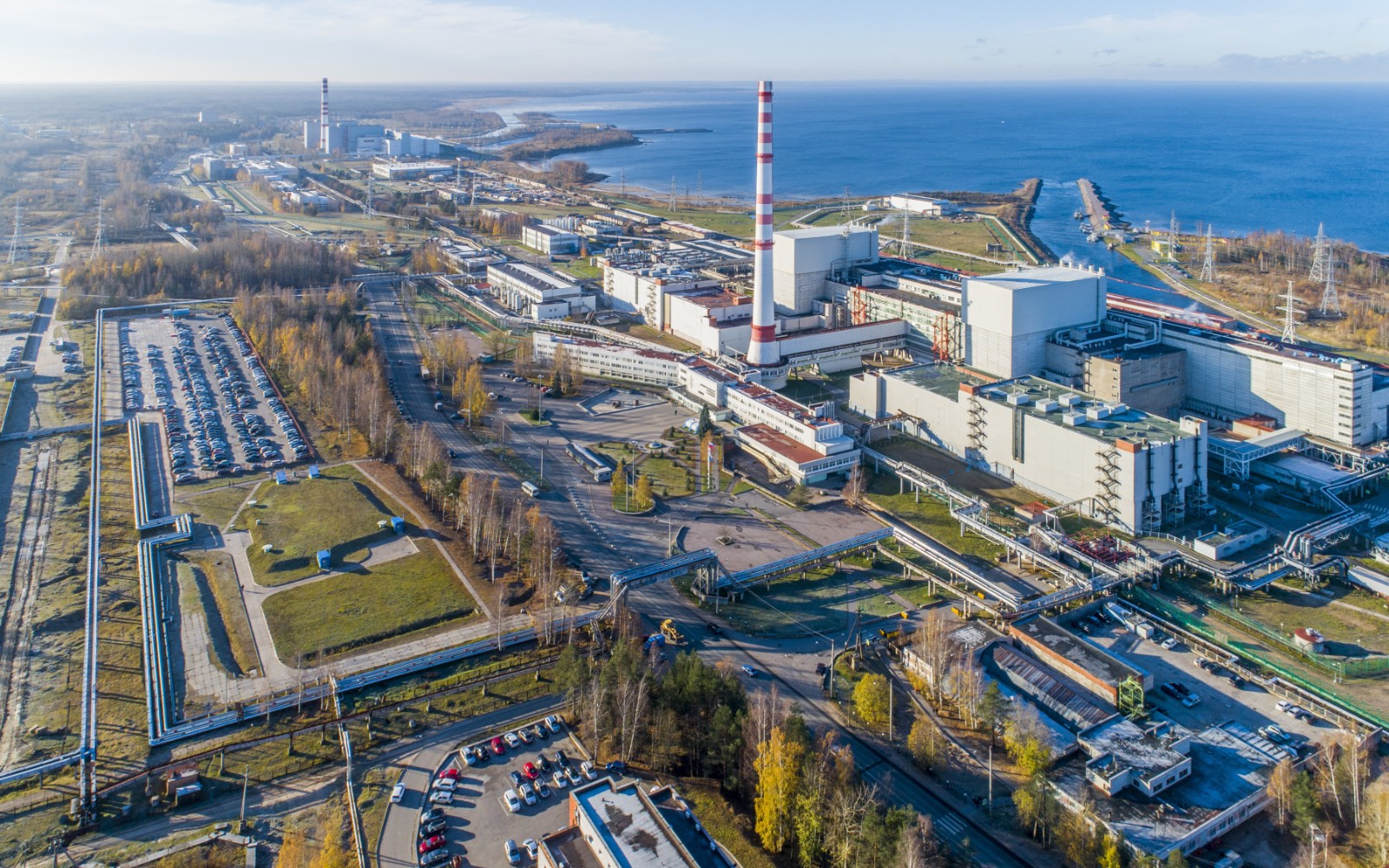
Unit 2 of Leningrad Nuclear Power Plant Phase II automatically shut down for equipment maintenance
At 21:45 local time on August 8, 2026, Unit 2 of Leningrad Nuclear Power Plant Phase II was shut down by the automatic system due to the need for thermal-mechanical equipment maintenance. After the maintenance work is completed, the unit will be reconnected to the grid. The shutdown was carried out in accordance with established procedures and design logic. The plant reported no violations of safe operation limits or operating conditions for any of the units. Currently, RBMK-1000 Units 3 and 4 of Leningrad Nuclear Power Plant, as well as Unit 1 of Phase II, are operating normally and carrying electrical loads in accordance with the dispatch schedule. RBMK-1000 Units 1 and 2 are in the preparation stage for decommissioning...
2026-08-10
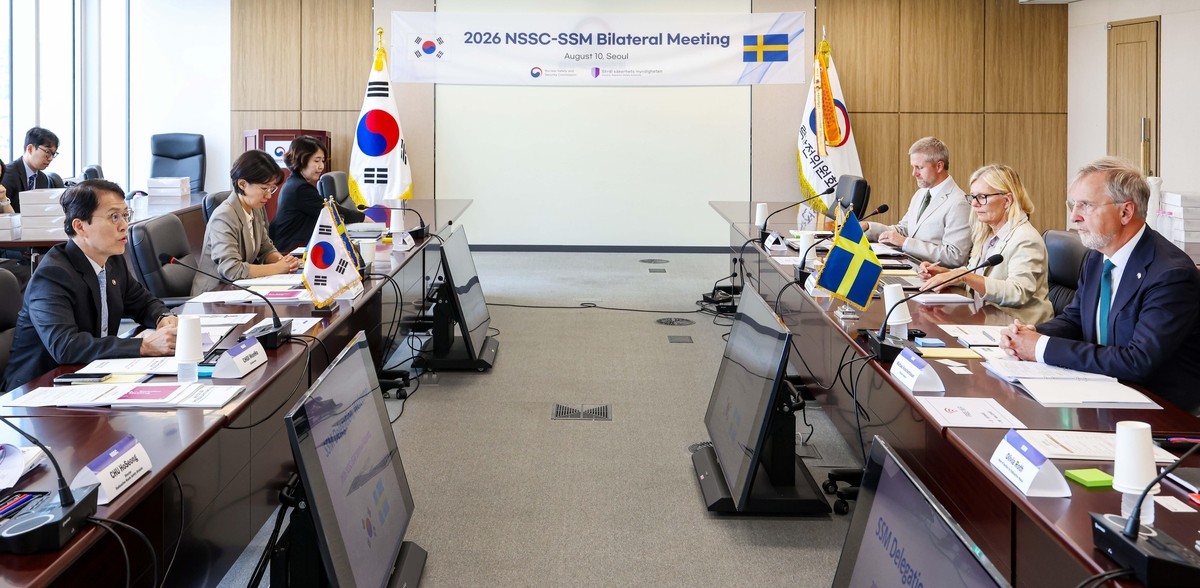
South Korea and Sweden Discuss Cooperation on High-Level Waste Disposal and SMR Regulation
The Nuclear Safety and Security Commission (NSSC) of South Korea announced on August 10 that it held a bilateral meeting with the Swedish Radiation Safety Authority (SSM) in Seoul, during which the two sides exchanged views on topics including high-level radioactive waste management, nuclear safety regulation, and the development of small modular reactors (SMRs). Sweden has accumulated strong technical expertise in the field of radioactive waste management and has developed a relatively mature technical system for high-level radioactive waste disposal. Currently, Sweden has 6 operating nuclear power units and 7 permanently shut down units, 6 of which are in the decommissioning phase. Following Finland, Sweden is constructing the world's second deep geological disposal facility for high-level radioactive waste. The NSSC of South Korea...
2026-08-10
Reading Ranking
- 1 Canada's Cameco Signs Exclusive Offtake Agreement to Lock Up All Future Output from U.S. Paducah Laser Enrichment Plant
- 2 Romania and Argentina Nuclear Power Companies Sign Memorandum of Understanding to Deepen CANDU 6 Heavy Water Reactor Technology Cooperation
- 3 Germany to provide an additional 1 million euros to help address nuclear safety issues at the Zaporizhzhia NPP
- 4 ORNL Develops Duct Radiation Monitoring System to Enhance Fuel Cycle Facility Safety and Protection
- 5 U.S. Department of Energy Provides $1.9 Billion Loan to Support Restart of Duane Arnold Nuclear Power Plant
- 6 Westinghouse eVinci Microreactor Achieves Significant Breakthrough in Zero-Power High-Temperature Criticality Test
- 7 Pakistan Signs Safeguards Agreement with IAEA for Chashma Nuclear Power Plant Unit 5
- 8 ACRA Rating Agency Confirms Rosatom's ESG Rating at ESG-2 (AA+) Level
- 9 KHNP and France's Orano Expand Nuclear Fuel Supply Chain Cooperation
- 10 Blue Energy Submits Construction Permit Application to U.S. Nuclear Regulatory Commission to Advance Texas Gas-to-Nuclear Project
- 11 Canada's Pickering Nuclear Power Station in Toronto is about to shut down for refurbishment
- 12 Hitachioomiya City Assembly in Ibaraki Prefecture, Japan, discusses literature survey request for nuclear waste disposal site
- 13 US Lightbridge Aims to Accelerate Advanced Nuclear Fuel Commercialization via INL Project
- 14 South Korea's Naver Introduces Nuclear Power-Specialized AI Hy-NuRI Cooperation Experience in France
- 15 Fire breaks out at Hamaoka nuclear power plant in Japan