
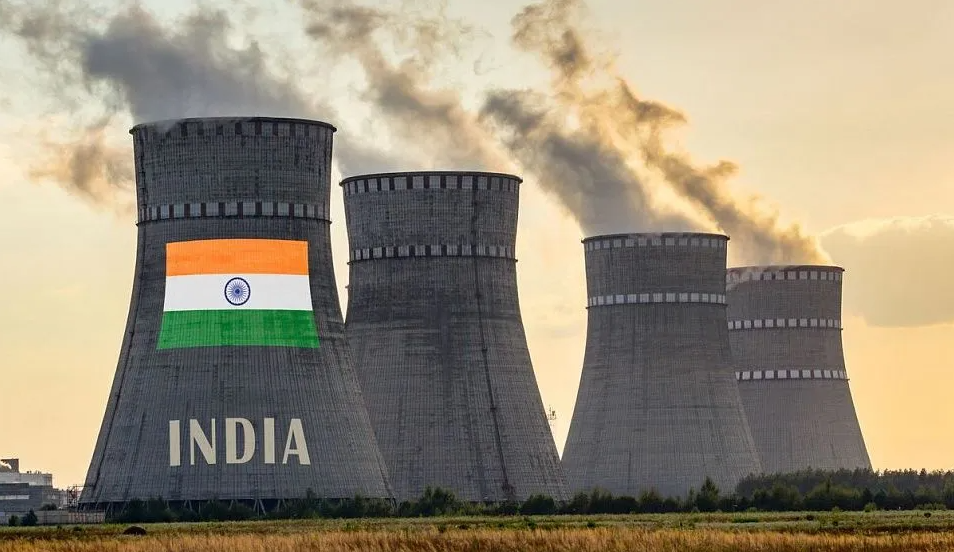
India's Nuclear Power Expansion Drives Up Uranium Demand, Annual Demand Could Reach 5,400 Tonnes
India is accelerating its nuclear energy development program, with uranium resource demand rising correspondingly. According to estimates by the Indian Parliament's Committee on Public Undertakings in its follow-up report on NPCIL performance rectification, India will require approximately 5,400 tonnes of uranium annually in the future as nuclear power projects expand. This figure reflects the urgency of India's energy structure adjustment and indicates the rising status of nuclear power in its long-term electricity planning. Currently, domestic uranium production in India can only meet about 30% of demand, with the remainder relying on imports, primarily from countries including Kazakhstan, Russia, Uzbekistan, and Canada. The Parliamentary Committee therefore emphasized...
2026-08-10
UK Sizewell C Nuclear Power Station Financing Finalized, Project Worth Over £26 Billion to Supply Power for 60 Years
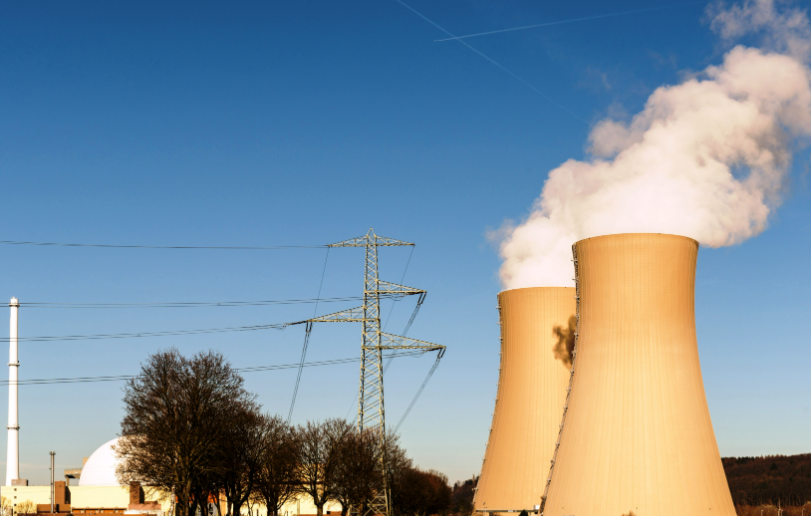
The Sizewell C nuclear power station project in the UK has completed its final financing arrangements, marking the official entry into the definitive construction phase of this large-scale nuclear project with a total investment target of approximately £38 billion, equivalent to around RMB 261 billion. Located on the Suffolk coast of England, the project will feature two EPR Generation III pressurised water reactor units, with a total installed capacity of approximately 3.2 gigawatts and a design operational lifespan expected to reach 60 years. This project holds significant importance for the UK's energy system. In recent years, the UK has faced the dual pressures of accelerating the phase-out of ageing fossil fuel infrastructure on one hand, and managing the variability of renewable energy and growing electricity demand on the other. Once completed, Sizewell C will provide long...
2026-08-10
The Mecca Mutual Defense Agreement Opens a "Finance-Industry-Nuclear" Triad, with Nuclear Energy as an Energy Security Sub-route among Six Economic Pathways
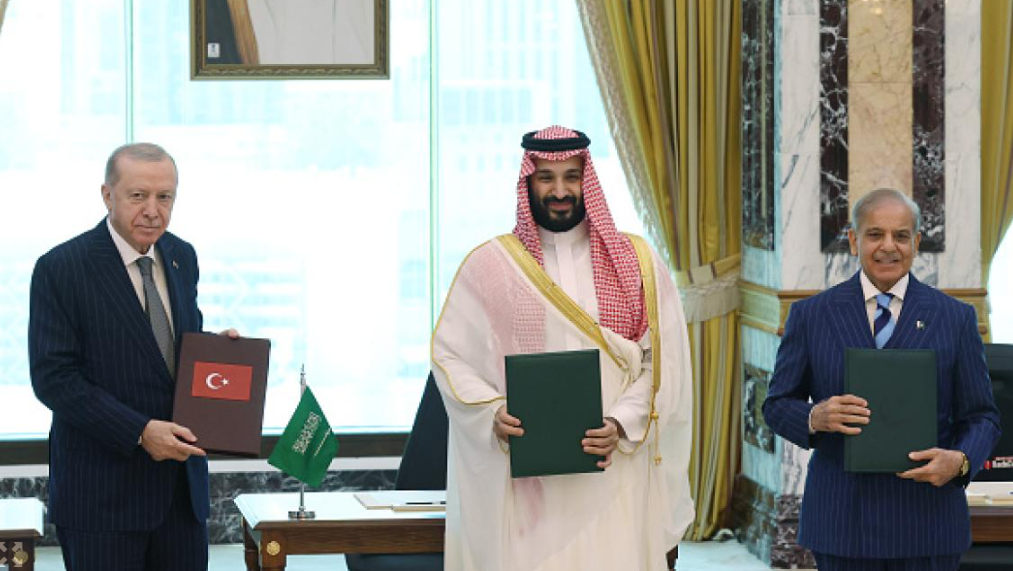
On August 7, Saudi Arabia, Turkey, and Pakistan signed the Mutual Defense Agreement in Mecca, attended by Saudi Crown Prince Mohammed bin Salman, Turkish President Erdogan, and Pakistani Prime Minister Shehbaz Sharif. The agreement binds Saudi financial weight + Turkish defense industry and manufacturing base + Pakistani nuclear and military experience into a single framework for the first time, stipulating that an armed attack on any one country is considered an attack on all, and covers joint defense industry, technology exchange, and training planning coordination. Saudi officials clarified that the agreement does not point to a military axis, religious bloc, or nuclear arms race, but rather to building self-sustaining capabilities. The New Arab, citing IISS, Chatham House, and Reuters/AP analyses...
2026-08-10

U.S. Plans $1 Billion Security Assistance to Colombia, Civil Nuclear Energy Added to Bilateral Cooperation List
The U.S. Department of State announced on August 8 that it plans to provide $1 billion in security assistance to Colombia to support the security policies of the new administration of President Abelardo de la Espriella. The assistance package is viewed by the Trump administration as a core component of the "renewed alliance" between the U.S. and Colombia, and will be advanced in coordination with Congress. The State Department framed the assistance plan within the context of a "new chapter" in bilateral relations, while also proposing deeper economic cooperation in areas such as energy, critical minerals, infrastructure, technology, and civil nuclear energy. Compared to the previous tensions between Trump and former Colombian President Gustavo Petro over immigration and security issues, de la Espriella's...
2026-08-10
Woori Technology Signs VMI Agreement with Korea Hydro & Nuclear Power for Nuclear Power Plant Components
Woori Technology announced on the 10th that it has signed a Vendor Managed Inventory (VMI) agreement with Korea Hydro & Nuclear Power (KHNP). Under the agreement, Woori Technology plans to supply certain components for nuclear power plant control and instrumentation as early as next month. Vendor Managed Inventory is an inventory management model in which a supplier pre-stocks critical components based on customer demand forecasts and delivers them quickly upon customer request. The customer pays the corresponding procurement costs only after the components are put into use. This agreement primarily covers long-term inventory management and supply arrangements for components related to nuclear power plant control and instrumentation systems supplied by Woori Technology...
2026-08-10

Paraguay's Nuclear Power Generation Debate Heats Up: Regulator Supports Private Sector Participation
Paraguay's Radiation and Nuclear Regulatory Authority (ARRN) has welcomed the open attitude shown by the National Electricity Administration (ANDE), stating that allowing or encouraging private sector participation in nuclear power generation projects would bring new discussion space to the country's energy mix. This stance indicates that nuclear energy is no longer just a long-term technical vision but has begun to enter the public agenda of policy, investment, and regulatory coordination. Paraguay has long relied on hydropower resources, with major projects such as Itaipu and Yacyretá giving it an advantage in clean electricity. However, with domestic industrialization, growing electricity consumption, and changes in the regional energy market, sole reliance on hydropower also faces pressures from seasonality, hydrological conditions, and long-term demand...
2026-08-10
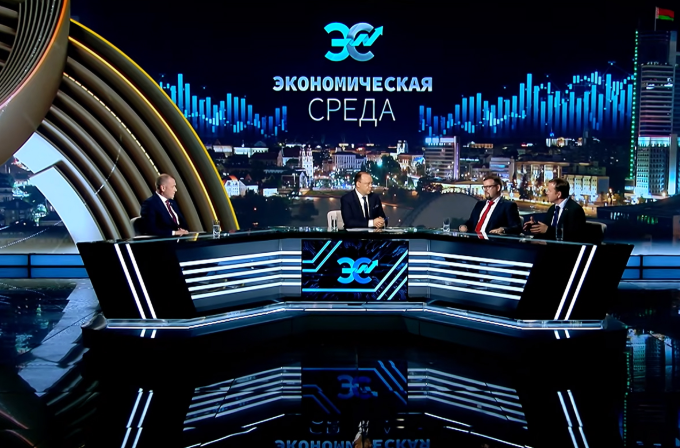
Belarusian NPP safe operation period may be extended to 100 years, with first spent fuel to be shipped to Russia for reprocessing in 2034
Stanislav Levitsky, head of the Rosatom representative office in Belarus, stated on the "Economic Environment" program of Belarusian TV Channel One that Belarusian nuclear energy development is backed by comprehensive safety assurances. He emphasized that while nuclear facilities can indeed have serious consequences if mismanaged, under the existing risk control system and modern technological support at the Belarusian NPP, nuclear power can become a low-cost, stable, and safe energy source. Levitsky believes that amid intense competition in the energy sector, some irresponsible players may use information tactics to create anxiety and attempt to provoke panic among the public...
2026-08-10
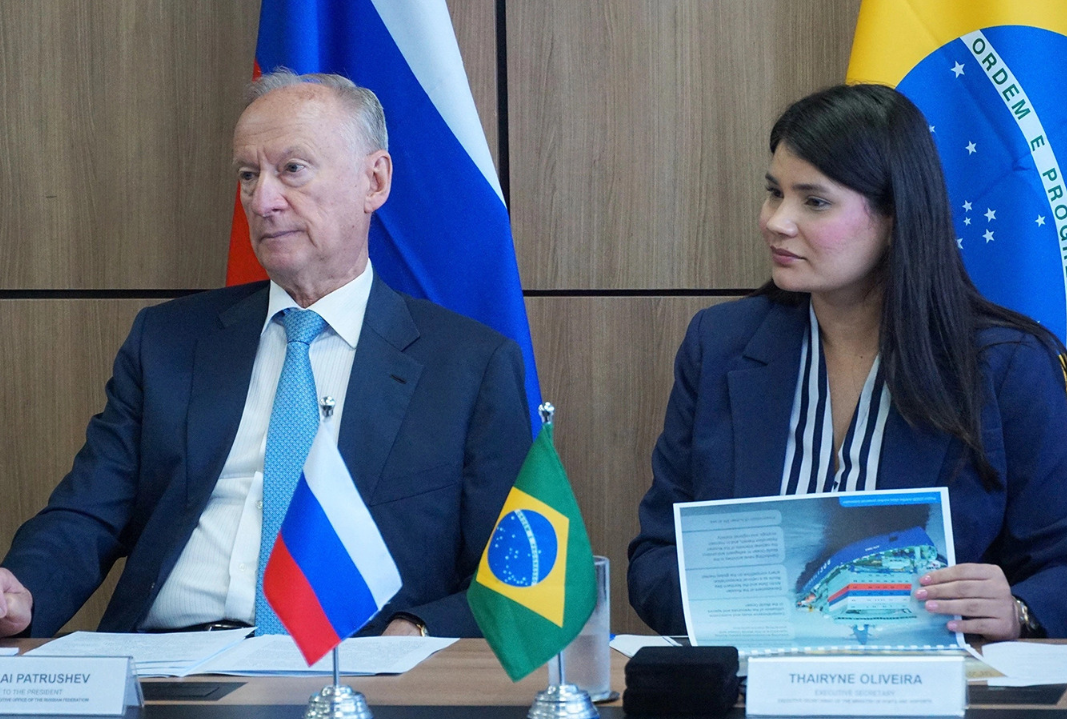
Russian Small Nuclear Technology May Help Power Remote Regions of Brazil
Nikolai Patrushev, aide to the Russian President and Chairman of the Maritime Board, stated during talks held in Brasilia on August 7 that Russia's accumulated experience in the field of low-power nuclear energy is expected to be valued by Brazil. He noted that given Brazil's ongoing development of its own ship-based nuclear reactors, relevant Russian technologies and engineering expertise could serve as a reference in this process. Patrushev mentioned that potential bilateral cooperation is not limited to ship-based reactors, but may also extend to areas such as small nuclear power plants and floating nuclear power units. Among these, the Elena-M small nuclear power plant and floating energy devices deployable in water areas or coastal regions are regarded as suitable for long-term,...
2026-08-10
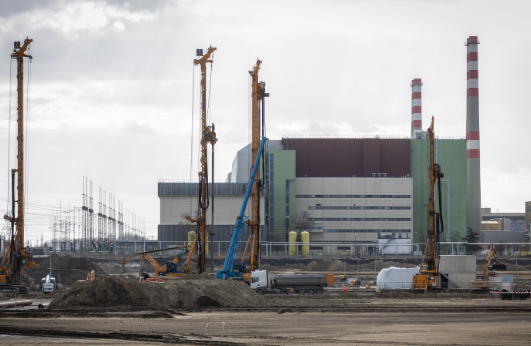
Hungary's New Government Questions Paks II Nuclear Project, Audit Dissatisfaction May Lead to Contractor Replacement
Hungary's new government (Prime Minister Péter Magyar) has continued to send unclear signals regarding the Paks II nuclear power plant expansion project contracted to Russia's Rosatom, bringing this major energy project involving the Russian state nuclear corporation back into the spotlight. The government is dissatisfied with the interim results of the contract audit and has hinted that Budapest does not rule out the possibility of replacing the contractor. The Paks II project was originally regarded as a key component of Hungary's long-term energy security strategy. Nuclear power holds fundamental significance for Hungary's electricity supply, and the expansion of the Paks nuclear plant was also seen as a measure to reduce energy import pressure and stabilize electricity prices.
2026-08-10
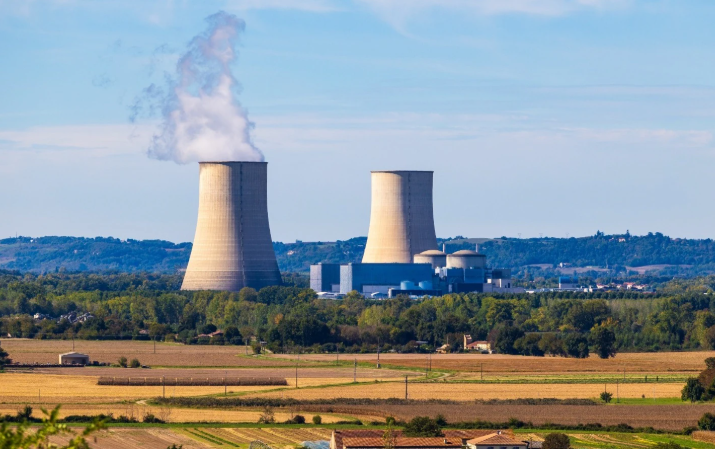
After only 4 days of restart, Unit 2 of France's Golfech Nuclear Power Plant shut down again due to Garonne River water temperature approaching limit
On the evening of August 8, French utility EDF (Électricité de France) once again shut down Unit 2 of the Golfech Nuclear Power Plant, just four days after the unit had been restarted. The direct cause of this shutdown was that the water temperature of the Garonne River was expected to reach 28°C on August 9, hitting the local operational limit. Since Unit 1 had already been taken offline for maintenance and fuel replacement, the closure of Unit 2 left both reactors at the Golfech plant simultaneously out of service, with the station temporarily ceasing power generation. Located in the Tarn-et-Garonne department of France, the Golfech Nuclear Power Plant was commissioned between 1991 and 1994, and features two 1,300 MW pressurized water reactor units. It draws cooling water from the Garonne River and dissipates heat through natural-draft cooling towers. According to EDF dat...
2026-08-10
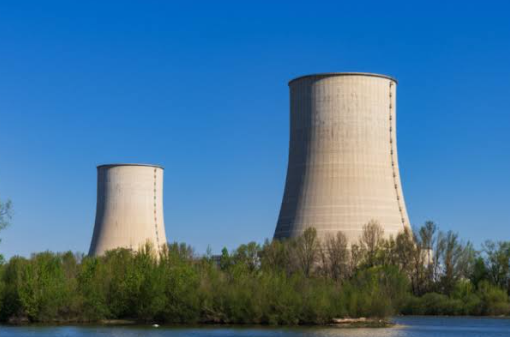
Germany's renewable energy summer generation approaches French nuclear power, may overtake it before 2030
French nuclear power has long been regarded as a key pillar of Europe's low-carbon electricity system, but the latest data shows that Germany's renewable energy generation is rapidly closing in on French nuclear power. According to the data, in January this year, Germany's combined renewable energy generation from solar, wind, and other sources totaled 22,854 GWh, while French nuclear power generated 36,838 GWh, about 61% higher. By July, however, the gap had narrowed significantly: French nuclear power generated 29,689 GWh, while Germany's renewable energy generated 26,501 GWh, with French nuclear power leading by only about 12%. This change is closely linked to summer heat. Nuclear power plants require large amounts of cooling water and are therefore typically built near coastlines or rivers. When river water levels are insufficient, or when discharged water temperatures exceed environmental limits, nuclear plants must reduce output or even shut down. The data mentions that French nuclear plants such as Golfech, Bugey, and Nogent-sur-Seine have already been affected. As heatwaves become more frequent, the cooling constraints on nuclear power in summer may become more pronounced, challenging the stability advantage of French nuclear output.
2026-08-10
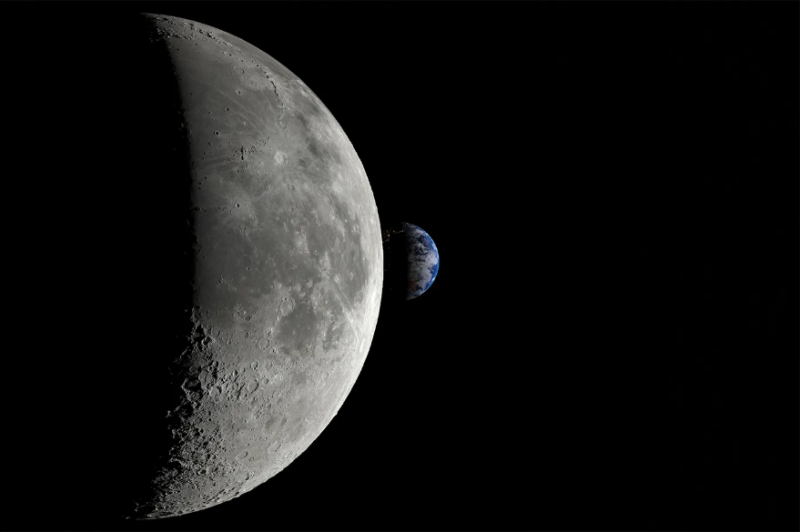
South Korea Advances K-Moonshot Initiative, Nuclear Fusion and SMR Spacecraft Listed as Key Missions
The South Korean government is accelerating the K-Moonshot initiative, seeking to tackle critical technologies that are difficult to break through via traditional research pathways through a national-level R&D organizational approach. Among these, nuclear fusion and small modular reactor (SMR) spacecraft have been included in 12 key missions, alongside new drug development, quantum technology, and artificial intelligence, all under the government's coordinated promotion. On August 10, Vice Minister Goo Hyuk-chae of the Ministry of Science and ICT (MSIT) met with the heads of the 12 mission projects and representatives of related institutions at the K-Moonshot Project Support Office in Sejong City to discuss next-stage implementation arrangements. The meeting focused on detailing...
2026-08-10
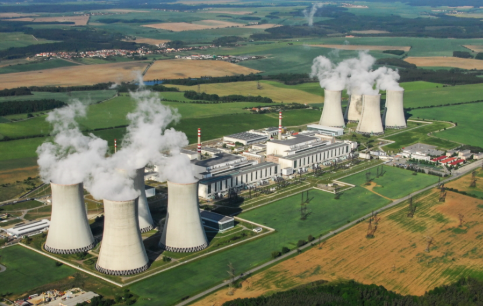
South Korea Designates SMR as National Strategic Technology, Tax Incentives to Drive New Investment in Nuclear Supply Chain
The South Korean government's inclusion of Small Modular Reactors (SMR) in its national strategic technology support scope signals that its energy and industrial policies are extending from traditional large-scale nuclear power plants to next-generation nuclear technologies. SMRs feature modular manufacturing, relatively shorter construction periods, and higher site flexibility, making them a key direction for South Korea in balancing energy security, low-carbon transition, and advanced manufacturing upgrades. This policy has gained support from South Korea's nuclear industry, with the key being that national strategic technology status typically entails tax credits and other incentives for corporate R&D, equipment investment, and related capital expenditures. For companies involved in nuclear equipment, castings and forgings, control systems, engineering design, and fuel-related businesses...
2026-08-10
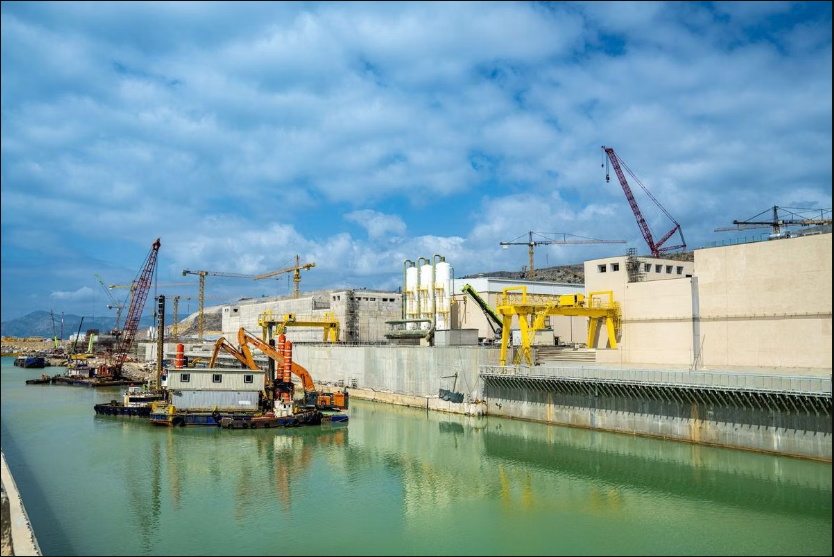
Installation of Passive Heat Removal System Completed for Unit 1 of Turkey's Akkuyu Nuclear Power Plant
Rosatom recently announced that the installation of the Passive Heat Removal System (PHRS) for Unit 1 of Turkey's Akkuyu Nuclear Power Plant has been completed. This means the unit is now equipped with a critical safety system and is ready for the commissioning phase. According to reports, the installed equipment includes approximately 90 components such as heat exchangers, guide vanes, air ducts, and electromagnetic devices, which were installed in stages in the reactor building dome area. The Passive Heat Removal System is one of the key safety systems of a nuclear power unit, designed to remove residual heat from the reactor core under specific operating conditions. The system consists of four independent channels, each corresponding to one steam generator...
2026-08-10
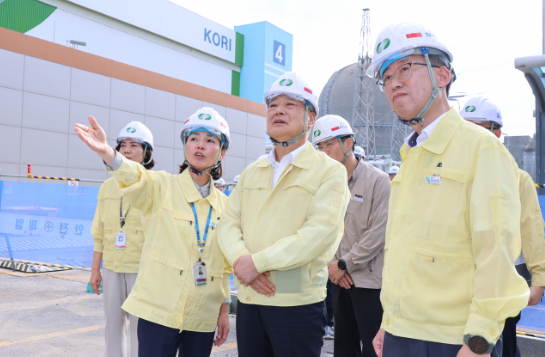
KHNP President Visits Kori Nuclear Power Plant, Pledges Stable Power Supply
Amid sustained heat waves driving up electricity demand, Kim Hoi-cheon, President of Korea Hydro & Nuclear Power (KHNP), recently conducted an on-site inspection at the Kori Nuclear Power Plant headquarters, focusing on the operational status of power generation facilities and frontline working conditions under high-temperature environments. The visit came as the South Korean government issued extreme heat warnings and strengthened its response posture, reflecting heightened attention to the stability of nuclear power as a baseload source in summer electricity supply. According to KHNP, Kim inspected work areas at the Kori plant that are vulnerable to high temperatures, reviewing employee health conditions, working environments, and the implementation of heat prevention and cooling measures. He also examined the operation of...
2026-08-10
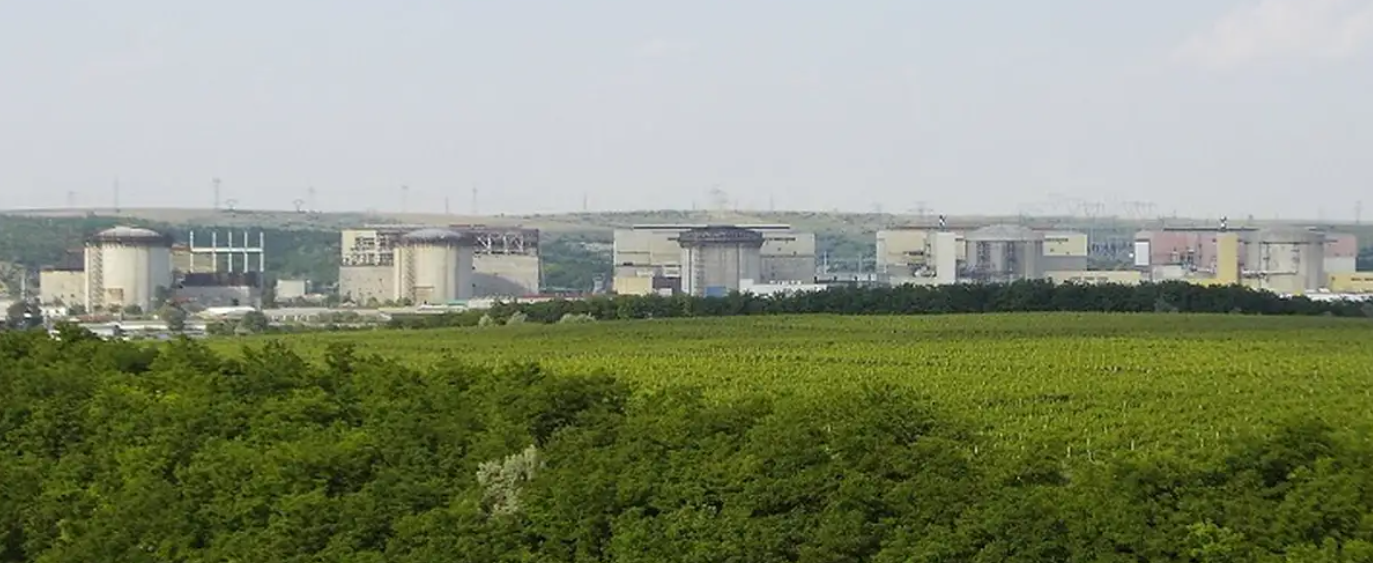
Unit 2 of Romania's Cernavoda Nuclear Power Plant to Operate for at Least 9 More Days
Unit 2 of Romania's Cernavoda Nuclear Power Plant is expected to continue operating for at least 9 more days. Romania's Acting Minister of Defense and Transport, Radu Miruță, stated that after blasting operations and the removal of underwater obstacles in the Danube River, the water level in the Cernavoda area rose by 4 centimeters over the past 24 hours. The previous day, the water level in the area had dropped by 3 centimeters. Recently, due to persistent drought, the Danube River's water level has fallen to historic lows, putting pressure on the plant's water intake and reactor cooling. To increase water supply in the river section near the Cernavoda Nuclear Power Plant, Romania last week implemented unconventional engineering measures, including blasting a rock formation in the Danube and sinking barges loaded with cargo to alter...
2026-08-10
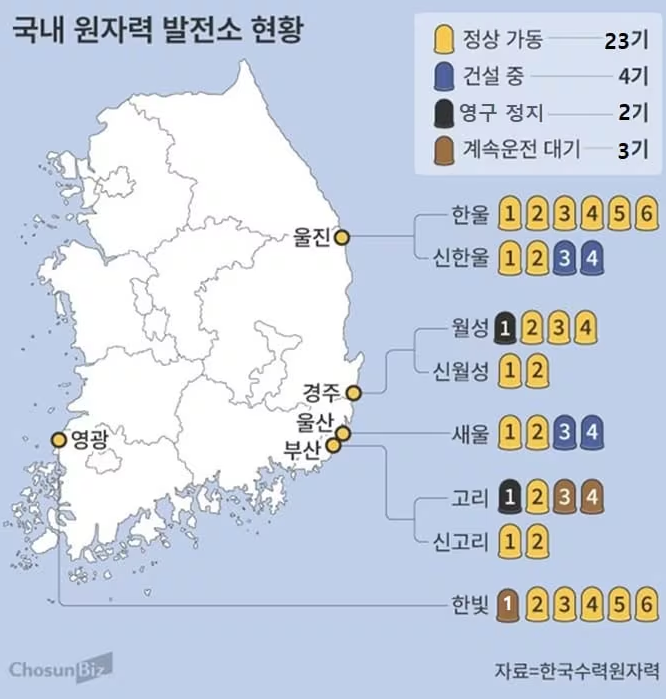
Sea Temperature Approaching Shutdown Threshold, Nuclear Power Belt on South Korea's East Coast Faces Load Reduction Pressure
Climate change is pushing nuclear power plants on South Korea's east coast toward new operational boundaries. South Korean nuclear plants generally rely on seawater as cooling water; after the heat generated by the reactor drives the turbine, seawater is needed to condense the steam back into water. Once the intake water temperature approaches or exceeds the design seawater temperature set by the equipment, heat exchange efficiency declines, affecting the heat dissipation capacity of key safety systems, and the plant must reduce load or even shut down in accordance with safety regulations. The area currently at greatest risk is around Uljin in North Gyeongsang Province. Data from the National Institute of Fisheries Science shows that nearshore surface seawater temperatures along parts of the east coast have approached 30°C, with multiple observation points near Uljin recording approximately 29.6°C to 30.2°C on the afternoon of August 7.
2026-08-10
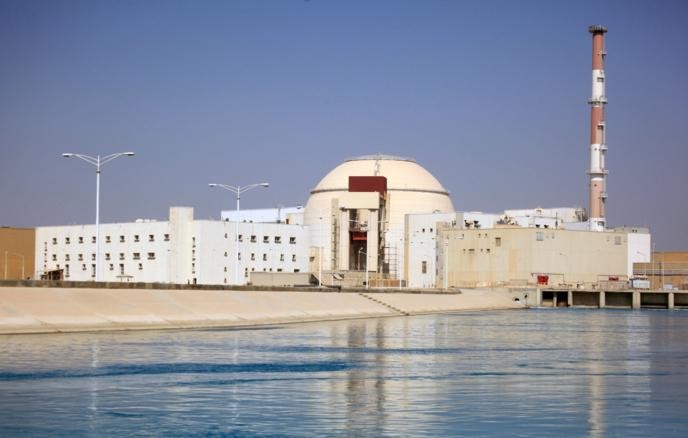
Rosatom Resumes Sending Specialists to Bushehr Nuclear Power Plant
Alexey Likhachev, Director General of Rosatom, stated on August 9 that the company has resumed sending specialists to the construction site of Iran's Bushehr Nuclear Power Plant, with the first batch of five engineering and technical personnel having arrived at the site and begun work. Likhachev said that with this batch in place, the total number of Russian specialists at the Bushehr project site has now increased to 25. The company plans to dispatch the next batch, numbering several dozen people, within the next two weeks, provided that the conflict between the United States and Iran does not escalate further. He indicated that under current arrangements, Rosatom plans to increase the number of personnel at the project site to 100 this autumn...
2026-08-10
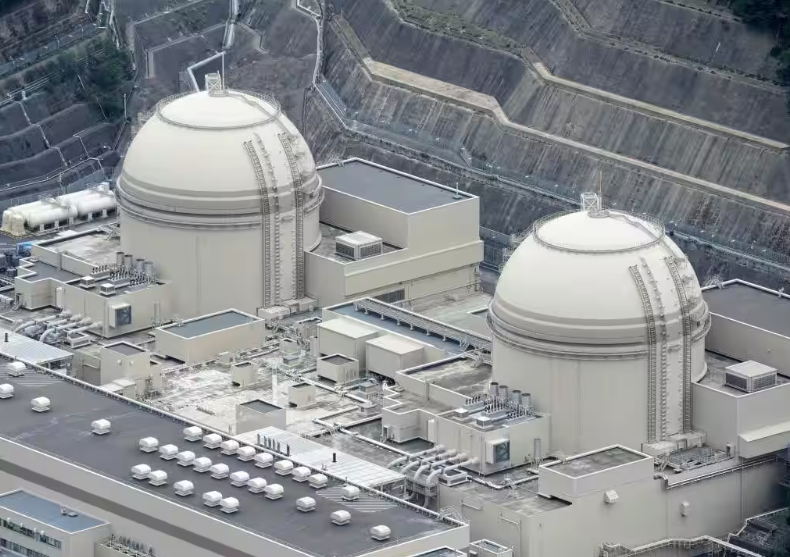
Unit 3 of Japan's Ohi Nuclear Power Plant Automatically Shuts Down
Kansai Electric Power Co. announced in the early hours of the 9th that Unit 3 of the Ohi Nuclear Power Plant, located in Ohi Town, Fukui Prefecture, Japan, automatically shut down during operation. The unit has a generating capacity of 1.18 million kilowatts. According to Kansai Electric Power, at around 23:56 on the 8th, an alarm was triggered at the unit, indicating that the generator had lost the conditions required to produce a magnetic field. Subsequently, the generator automatically stopped operating, and the reactor also automatically shut down. Preliminary information suggests that the anomaly may involve the exciter, a device used to establish the magnetic field for the generator. Kansai Electric Power stated that no radioactive material leakage occurred as a result of this incident, and there was no radiological impact on nearby personnel or the environment. The cause of the malfunction...
2026-08-10
Belarus Plans Nuclear Expansion: BelAES Unit 3 and Second NPP in Mogilev Region to Advance in Parallel
Belarusian Energy Minister Denis Moroz recently stated that nuclear energy has become a strategic energy direction for Belarus, bearing on national energy security, economic growth, and technological sovereignty. Since the Belarusian Nuclear Power Plant was commissioned, it has helped the country reduce its dependence on imported natural gas, cumulatively replacing approximately 14.5 billion cubic meters of natural gas and saving over $600 million in budget funds. After assessing the multiplier effect of nuclear power on the economy, Belarus has decided to continue advancing its nuclear energy development. Moroz stated that the country has made a principled decision: on the one hand, to build a third unit at the Belarusian Nuclear Power Plant (BelAES) in Ostrovets, and on the other hand, to simultaneously study the plan for constructing a second nuclear power plant.
2026-08-09
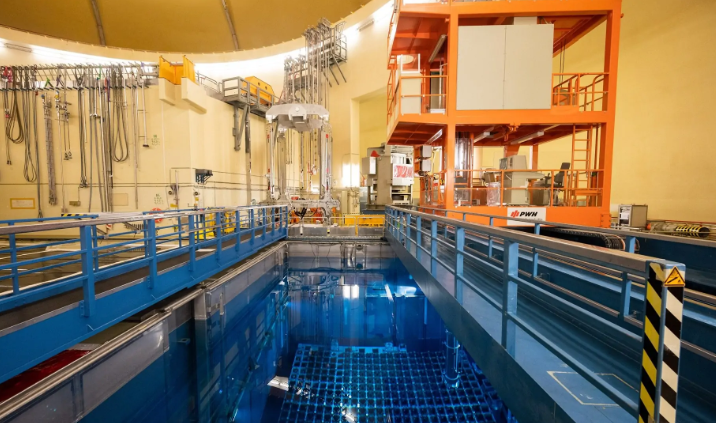
U.S. Department of Energy Selects SHINE Technologies for Genesis Initiative, AI to Optimize Reprocessing of 95,000 Tons of Spent Nuclear Fuel
The U.S. Department of Energy has selected SHINE Technologies to participate in the Genesis mission, advancing the application of artificial intelligence in the nuclear industry. The core objective of the project is to develop an AI-assisted design system for engineers to plan more efficient spent fuel reprocessing facilities. The United States currently has approximately 95,000 tons of accumulated spent nuclear fuel, which has historically posed long-term storage and disposal challenges. The new approach seeks to recover still-valuable components from this material, reducing waste volume and improving resource utilization. The key to this project lies in transforming traditional engineering design methods. In the past, metrics such as throughput, final product quality, and waste volume in nuclear fuel reprocessing processes were typically evaluated separately...
2026-08-09
Reading Ranking
- 1 Canada's Cameco Signs Exclusive Offtake Agreement to Lock Up All Future Output from U.S. Paducah Laser Enrichment Plant
- 2 Romania and Argentina Nuclear Power Companies Sign Memorandum of Understanding to Deepen CANDU 6 Heavy Water Reactor Technology Cooperation
- 3 Germany to provide an additional 1 million euros to help address nuclear safety issues at the Zaporizhzhia NPP
- 4 KHNP and France's Orano Expand Nuclear Fuel Supply Chain Cooperation
- 5 Westinghouse eVinci Microreactor Achieves Significant Breakthrough in Zero-Power High-Temperature Criticality Test
- 6 Pakistan Signs Safeguards Agreement with IAEA for Chashma Nuclear Power Plant Unit 5
- 7 Hitachioomiya City Assembly in Ibaraki Prefecture, Japan, discusses literature survey request for nuclear waste disposal site
- 8 ORNL Develops Duct Radiation Monitoring System to Enhance Fuel Cycle Facility Safety and Protection
- 9 Blue Energy Submits Construction Permit Application to U.S. Nuclear Regulatory Commission to Advance Texas Gas-to-Nuclear Project
- 10 Canada's Pickering Nuclear Power Station in Toronto is about to shut down for refurbishment
- 11 U.S. Department of Energy Provides $1.9 Billion Loan to Support Restart of Duane Arnold Nuclear Power Plant
- 12 US Lightbridge Aims to Accelerate Advanced Nuclear Fuel Commercialization via INL Project
- 13 Fire breaks out at Hamaoka nuclear power plant in Japan
- 14 US and UK Join Forces to Accelerate Commercialization of Fusion Energy
- 15 South Korea's Naver Introduces Nuclear Power-Specialized AI Hy-NuRI Cooperation Experience in France