
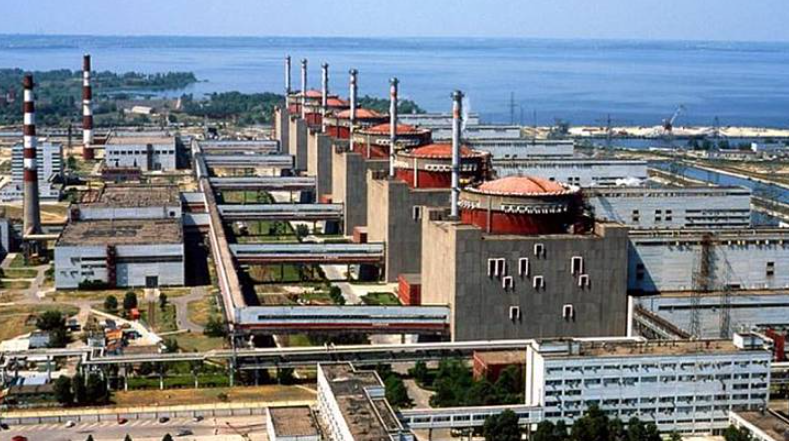
Zaporizhzhia Nuclear Power Plant to Raise Spent Fuel Pool Water Levels to Mitigate Power Outage Risks
The International Atomic Energy Agency (IAEA) stated that the operator of the Zaporizhzhia Nuclear Power Plant has decided to raise the water levels in the spent fuel pools on site to enhance safety buffer capacity in the event of a prolonged loss of external power. The primary purpose of raising the water levels is to extend the time before water in the spent fuel pools begins to boil and evaporate under extreme conditions where external power to the plant is interrupted for an extended period, diesel reserves are depleted, and emergency diesel generators can no longer supply power to the cooling systems. Spent fuel pools are used to store used nuclear fuel underwater, typically for at least five years, allowing its radioactivity and residual heat to gradually decay, making continuous cooling a critical element of nuclear safety. All six units at the Zaporizhzhia Nuclear Power Plant...
2026-08-08
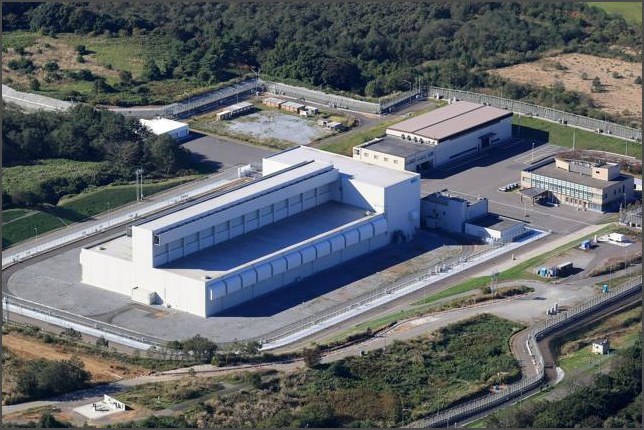
Mutsu City Requests Submission of Revised Plan for 5,000-Ton Transport to Spent Fuel Interim Storage Facility
On August 7, Tomoya Yamamoto, Mayor of Mutsu City, Aomori Prefecture, Japan, met with representatives of Recycle Fuel Storage (RFS) and its co-investors Tokyo Electric Power Company Holdings (TEPCO HD) and Japan Atomic Power Company (JAPC), requesting the three parties to submit a revised mid-to-long-term spent nuclear fuel transport plan, with consideration given to inter-operator cooperation. The plan may involve accepting spent nuclear fuel from other electric power companies. The facility in question, located in Mutsu City, Aomori Prefecture, is currently Japan's only interim spent fuel storage facility situated outside a nuclear power plant site. Under the existing siting agreement, the facility's acceptance scope...
2026-08-08
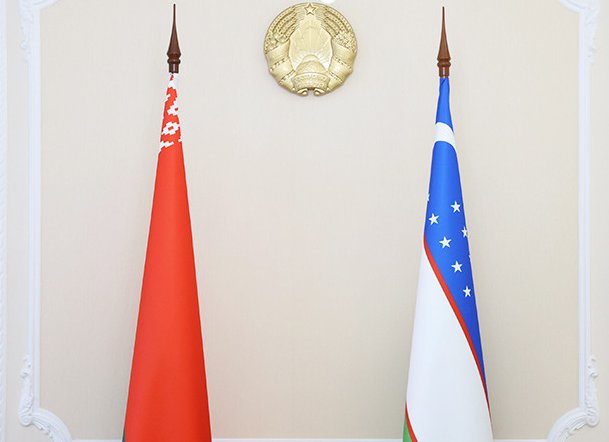
Belarus and Uzbekistan Plan Energy Cooperation Roadmap, Nuclear Power Experience Cooperation Listed as Priority
On August 7, according to the press service of the Belarusian Ministry of Energy, following a meeting between Belarusian Energy Minister Denis Moroz and Uzbek Ambassador to Belarus Nouriddin Mamanov, the two sides agreed to draft a cooperation roadmap in the energy sector. The meeting focused on the prospects for Belarus-Uzbekistan energy cooperation and examined follow-up arrangements based on the consensus reached by the two countries' high-level officials during Uzbek President Shavkat Mirziyoyev's visit to Belarus in July. Among the proposed areas of cooperation, collaboration in the atomic energy sector was identified as a key component. According to the discussions, the Uzbekistan nuclear power plant project will draw on Belarusian experience...
2026-08-08
Russian nuclear power plants generate 129.6 billion kWh of electricity this year
Alexey Likhachev, CEO of Rosatom, recently stated that since the beginning of this year, Russian nuclear power plants have generated a cumulative total of 129.6 billion kWh of electricity, exceeding the target set by the Federal Antimonopoly Service of the Russian Federation by 7.8%. Likhachev noted that Russia is currently in its summer peak electricity consumption period, and nuclear power plants across the country are operating normally overall, with stable power generation and all safety requirements being met. He stated that hot weather does require operating entities to pay greater attention to cooling and heat reduction measures, but this is a seasonal factor that must be addressed in nuclear power plant operations. He pointed out that Russian nuclear power plants have fully considered different climatic conditions during their design and operation phases...
2026-08-08
U.S. NRC to Debut Modernized Hearing Process in Advanced Reactor Licensing Review for the First Time
The U.S. Nuclear Regulatory Commission (NRC) will hold a public hearing on August 13 in Oak Ridge, Tennessee, to consider the Tennessee Valley Authority's (TVA) application to build a small modular reactor at the Clinch River site. This will mark the first time the NRC applies its modernized mandatory hearing framework in an advanced reactor licensing review. According to the NRC, the new hearing process is designed to give the public earlier insight into the agency's review of the project's safety and environmental impacts, while improving the transparency, predictability, and efficiency of licensing reviews. As part of its licensing modernization efforts, the NRC currently aims to complete construction permit-related decisions within 18 months. TVA plans to...
2026-08-07
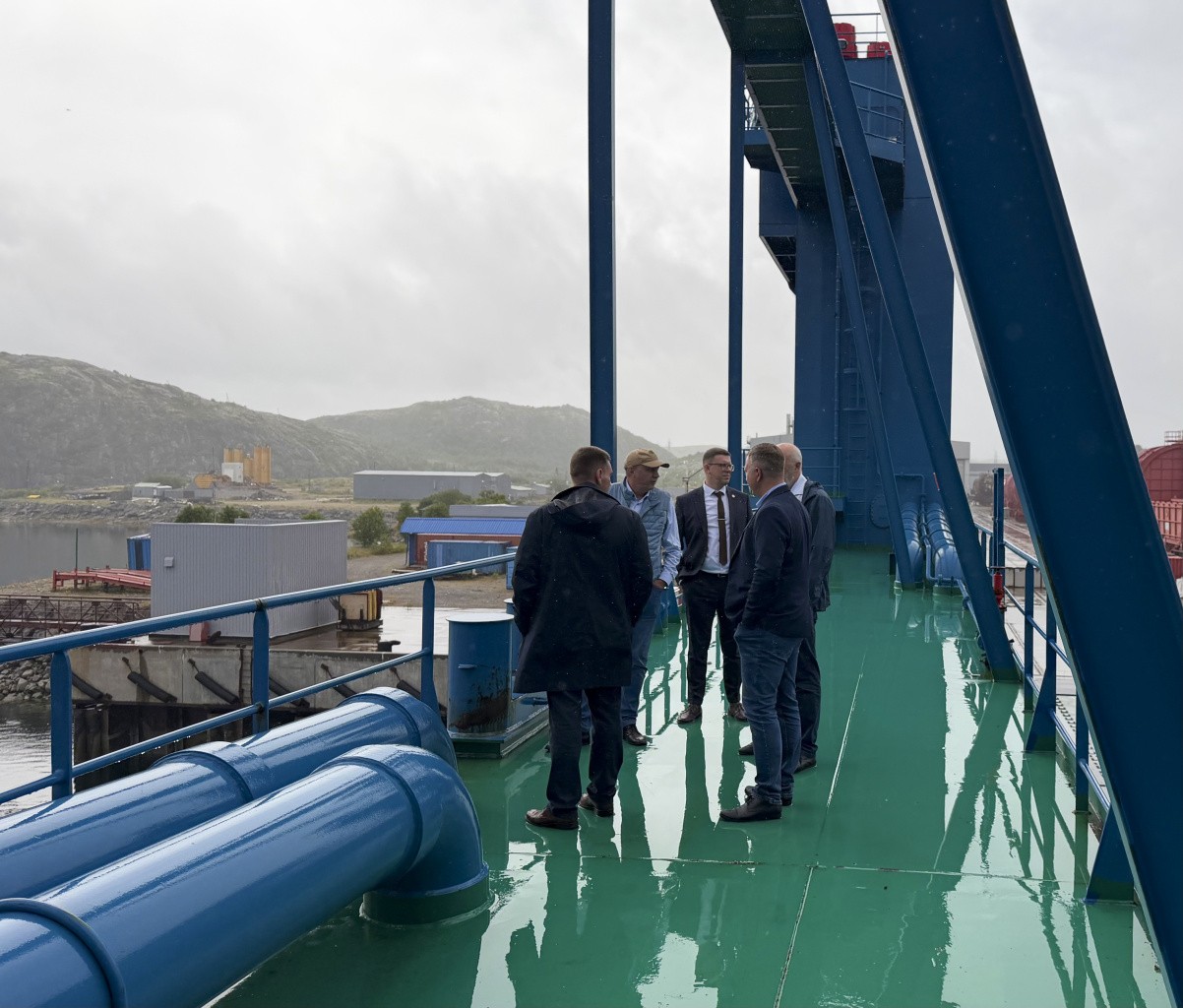
Rosatom Delegation Visits SevRAO Radioactive Waste Management Facilities
A delegation from Rosatom recently inspected the production facilities of the Northwestern Center - SevRAO, a branch of the Federal State Unitary Enterprise RADON (FSUE RADON). The delegation included Vasily Tinin, responsible for state policy on radioactive waste, spent nuclear fuel, and nuclear and radiation safety, as well as Sergey Martynenko, head of the Integrated Nuclear Submarine Decommissioning Program Office. The host side was represented by Igor Pron, Acting General Director of FSUE RADON, Dmitry Drozhilkin, Acting Director of SevRAO, and Yuri Shokhin,...
2026-08-07
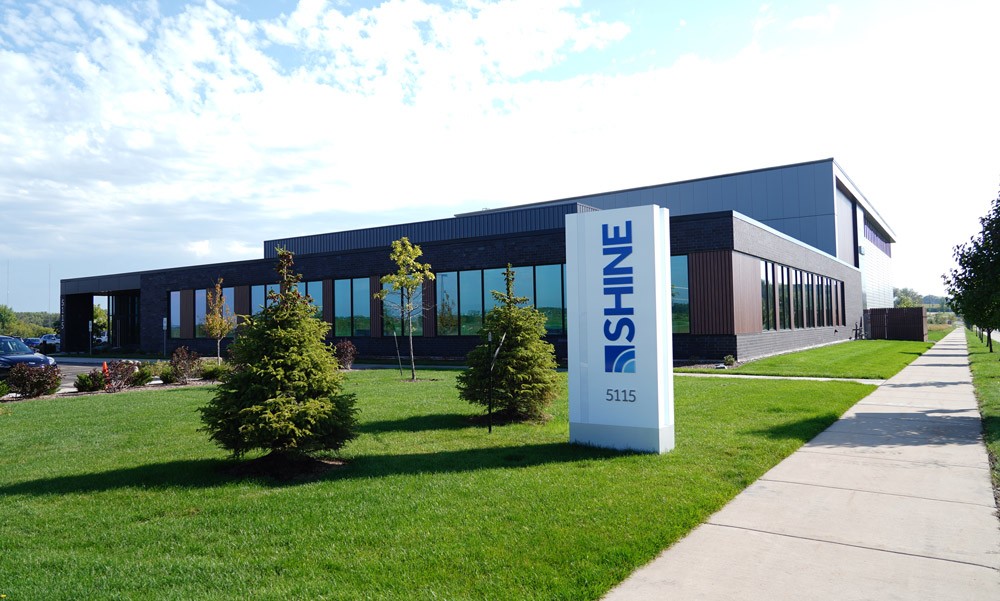
SHINE Selected for Two U.S. Department of Energy AI Nuclear Fuel Recycling Projects
SHINE Technologies, a U.S. fusion energy company, has recently been selected for projects under the U.S. Department of Energy's Genesis Mission, participating in two artificial intelligence applications for the nuclear energy sector. Among these, SHINE will lead a nuclear fuel cycle facility optimization project and join the Prometheus project, a collaborative effort between national laboratories and industry. The project led by SHINE, named AI-Guided Fuel Cycle Facility Optimization, is a Phase 1 project with Argonne National Laboratory as the technical partner. The project plans to develop an AI-assisted workflow to help engineers...
2026-08-07
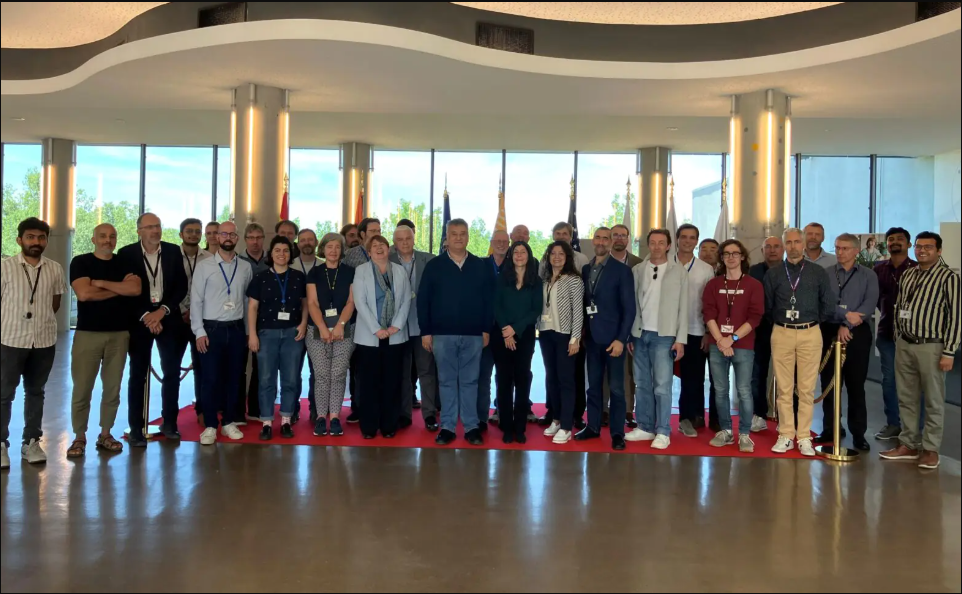
ITER Test Blanket Modules Enter Key Phase of Preliminary Design Review
The International Thermonuclear Experimental Reactor (ITER) Test Blanket Module (TBM) project is advancing a key technology validation effort in the field of fusion energy. The Test Blanket Modules address the breeding blanket requirements of future fusion power plants, aiming to validate tritium breeding concepts under reactor operating conditions, providing a technical foundation for fusion fuel cycle self-sufficiency. Group photo at the European TBM Preliminary Design Review meeting held at ITER Headquarters. F4E-ITER Organization In a fusion reaction, deuterium and tritium fuse and release high-energy neutrons. When high-energy neutrons enter a lithium-containing blanket, they can interact with lithium to produce new tritium, which then re-enters the fuel cycle. Due to the scarcity of natural tritium resources, the breeding blanket is...
2026-08-07
American Fusion Adds Six New Patent Applications for Texatron Fusion Technology
On August 6, American Fusion announced that it has filed six new patent applications in the United States covering multiple technical aspects of its proprietary Texatron Fusion Engine platform. This brings the company's total number of patent applications filed in the U.S. to 82. American Fusion stated that these applications continue its strategy of building an intellectual property portfolio around the Texatron platform, covering reactor architecture, plasma confinement, electromagnetic systems, fuel delivery, reactor control, power management, and related engineering technologies supporting the continued development and future commercialization of the Texatron Fusion Engine. The company's Chief Legal Officer, Michael G....
2026-08-07
UK's MAST Upgrade sets plasma pressure record in fifth experimental campaign
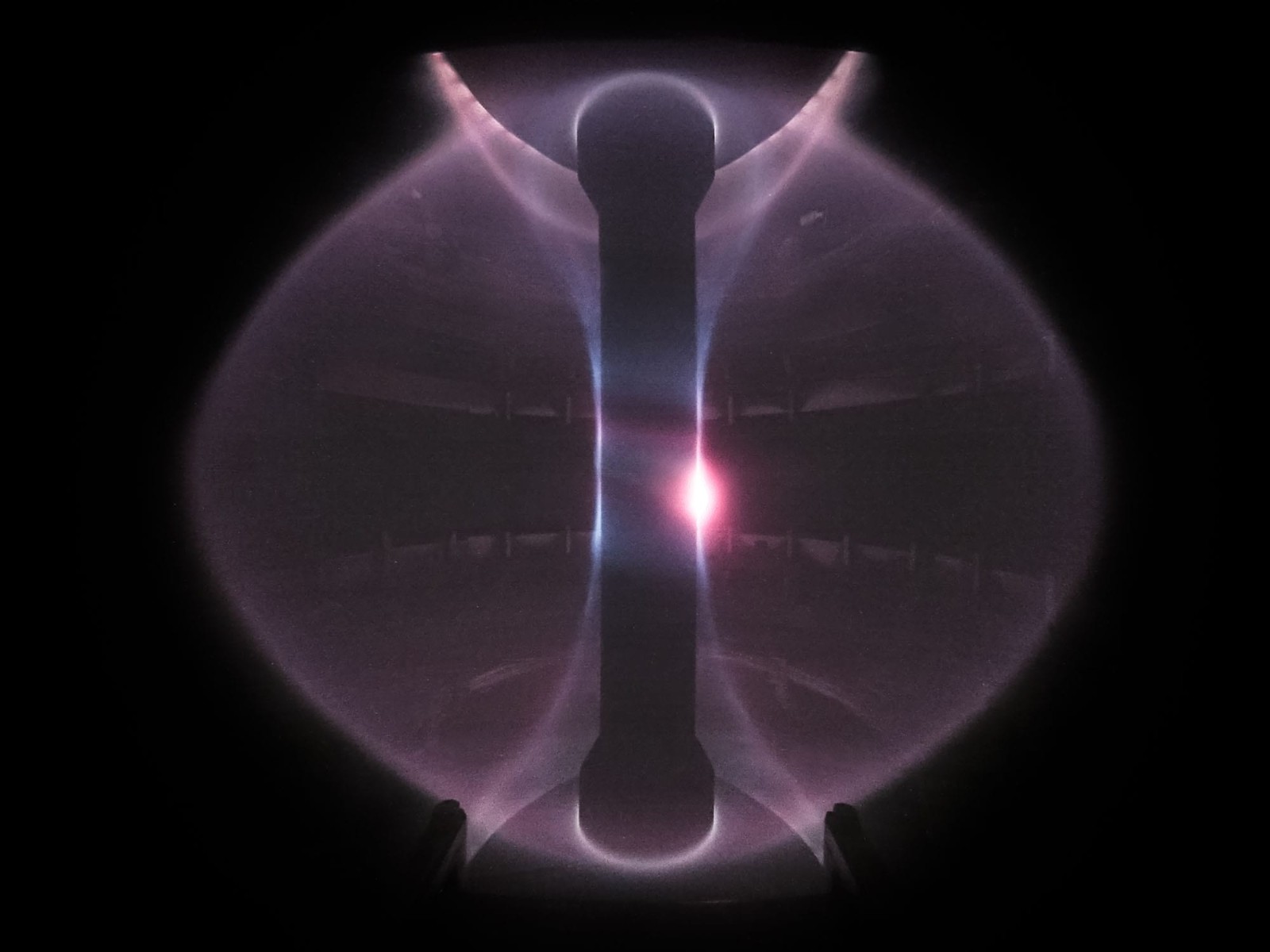
The UK Atomic Energy Authority (UKAEA) has completed the fifth experimental campaign of its flagship fusion experiment, MAST Upgrade. The campaign, conducted between 2025 and 2026 at the Culham Campus in Oxfordshire, UK, produced over 1,100 plasma pulses and achieved the device's highest-ever plasma pressure while overcoming plasma instability issues. In fusion devices, hydrogen isotopes must be heated, compressed, and confined under extremely high temperatures and pressures. The higher the plasma density and temperature, the stronger the fusion reaction, and high-pressure plasmas are also closer to the operating conditions required for future commercial fusion power plants. UKAEA stated that this...
2026-08-07
Mutsu City in Japan agrees to study receiving fuel from other companies at interim spent fuel storage facility
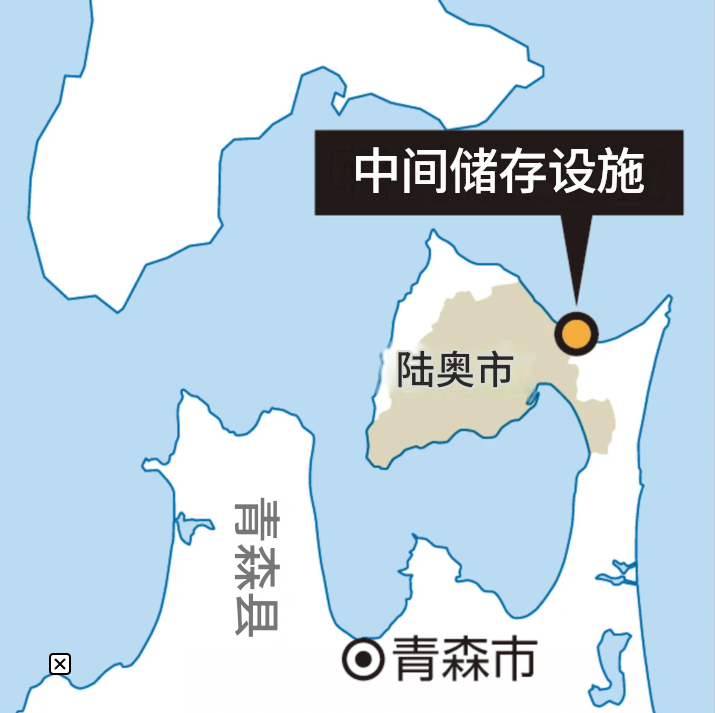
On August 7, Mutsu City in Aomori Prefecture, Japan, notified Tokyo Electric Power Company Holdings (TEPCO Holdings) and Japan Atomic Power Company (JAPC) that it agreed to allow the two companies to study a plan to receive spent nuclear fuel from other electric power companies at the local interim spent fuel storage facility. The facility, promoted and constructed by entities related to the two companies, is the only facility in Japan located outside nuclear power plant sites for interim storage of spent nuclear fuel. Under the current arrangement, the facility only accepts spent nuclear fuel from TEPCO Holdings and JAPC, and spent nuclear fuel from other companies is not permitted to be transported in. On the same day, Mutsu City Mayor Tomoya Yamamoto met with senior executives of the two companies at City Hall...
2026-08-07
IAEA Publishes Technical Document on Emergency Planning Zones for Small Modular Reactors
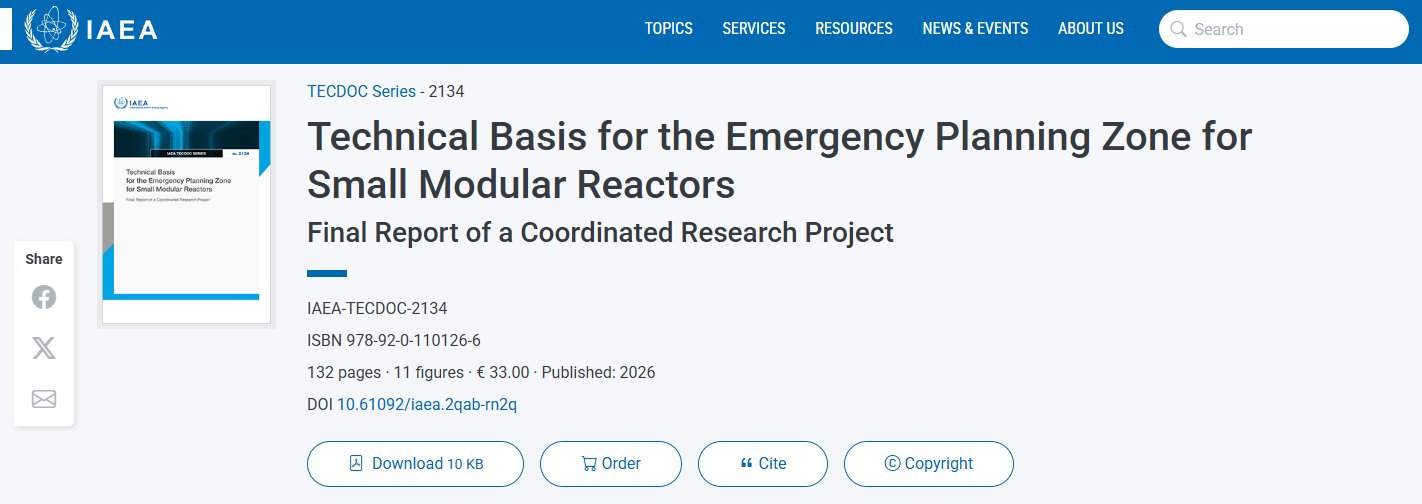
The International Atomic Energy Agency (IAEA) has published TECDOC Series No. 2134, "Technical Basis for the Emergency Planning Zone for Small Modular Reactors." The document was published in Vienna in 2026, comprising 132 pages with 11 illustrations, in English. This document marks the first time the IAEA has published the results of a Coordinated Research Project (CRP) on the technical basis for emergency planning zones for Small Modular Reactor (SMR) deployment. The research project was conducted from 2018 to 2021, focusing on how to determine the technical basis for off-site emergency preparedness and response (EPR) arrangements in SMR deployment scenarios, particularly the requirements and scope for establishing emergency planning zones (EPZ).
2026-08-07
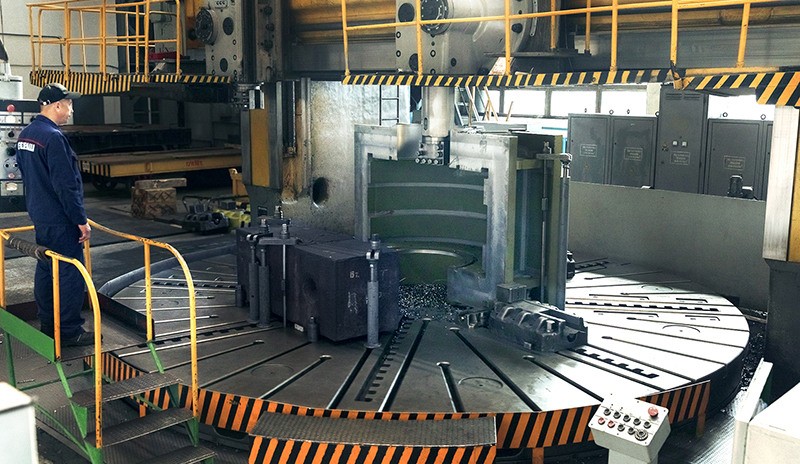
Sevmash Advances Production of Main Thrust Bearings for Icebreaker "Stalingrad"
Sevmash, a subsidiary of the United Shipbuilding Corporation (USC), is continuing production of the main thrust bearings for the Stalingrad, the sixth serial universal icebreaker of Project 22220. One set of bearings for this vessel comprises three bearing units. Currently, two of these units have been delivered to Workshop 16 for bearing housing machining; the bearing raceways are also being machined and assembled in this workshop. The housing of the third unit is being assembled in the plant's hull welding shop. Meanwhile, in a dedicated area of Sevmash Workshop 4, bearing internal filling operations are underway, including the manufacture of bushings and bearing housings with anti-friction layers and filling with hot Babbitt metal. Each unit requires the installation of 24 bearing housings. This stage is one of the most labor-intensive processes in bearing manufacturing.
2026-08-07
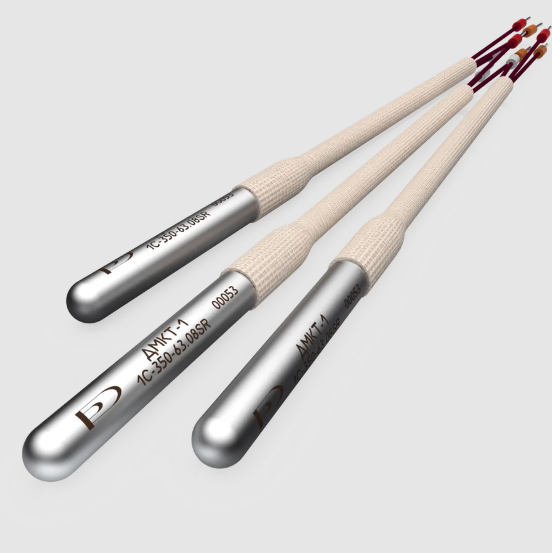
Rostec's RosEl Delivers First Batch of Vulkan Magnetic Contact Sensors
RosEl Holding Company (RosEl), a subsidiary of Rostec, has delivered the first batch of Vulkan magnetic contact sensors to customers. The product is designed for high-pressure steam pipeline applications and can be used in automation and signaling systems, including those at nuclear power plants. According to reports, Vulkan sensors are installed inside steam pipeline valves and are primarily used to monitor and control the valve closing process. The device can operate at temperatures up to 350 degrees Celsius, withstand mechanical shock acceleration of 150g, and achieve seismic category 1 rating, maintaining operational capability under strong earthquake conditions. The sensor features a stainless steel housing and has a design service life of up to 12 years. Its core reed switch...
2026-08-07
Rosatom Completes First Batch of Certification for Energy Critical Information Infrastructure Products
Rosatom has recently completed the first batch of product certification for critical information infrastructure in the fuel and energy sector under the KII-Sert voluntary certification system. The certification system has been operating in Russia's nuclear energy and aerospace industries since 2024, primarily used to assess the reliability, technological independence, and sustainability of solutions related to critical information infrastructure. The certification was carried out by Atomenergoproekt JSC, part of Rosatom's engineering division. As an authorized certification body for trusted products and processes within the KII-Sert system, the company, in cooperation with the industrial testing laboratory Avtomatika-Servis LLC, certified a software and hardware system used in the oil and gas industry.
2026-08-07
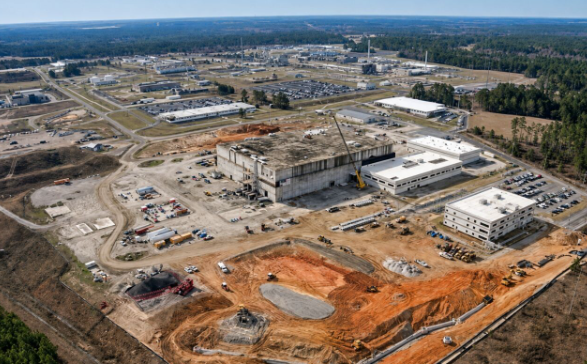
Newcleo Initiates U.S. Regulatory Pre-Application Engagement for MOX Fuel Facility, Accelerating Advanced Reactor Fuel Supply Chain Development
Advanced reactor and nuclear fuel company Newcleo has initiated regulatory pre-application engagement with the U.S. Nuclear Regulatory Commission (NRC) for a mixed oxide (MOX) fuel fabrication facility, with plans to advance construction at the Savannah River Site in South Carolina. This move indicates that the company is not only advancing the licensing of its advanced reactor itself but also seeking to establish supporting fuel supply capabilities in parallel, aiming to mitigate fuel bottlenecks in future commercial deployment. The submitted regulatory engagement plan represents a key step prior to formal license application, with the core objective of communicating with regulators in advance on facility design, safety standards, review scope, and key technical issues. Newcleo previously submitted its regulatory engagement plan for the LFR-AS-200 lead-cooled fast reactor to the NRC in July...
2026-08-07
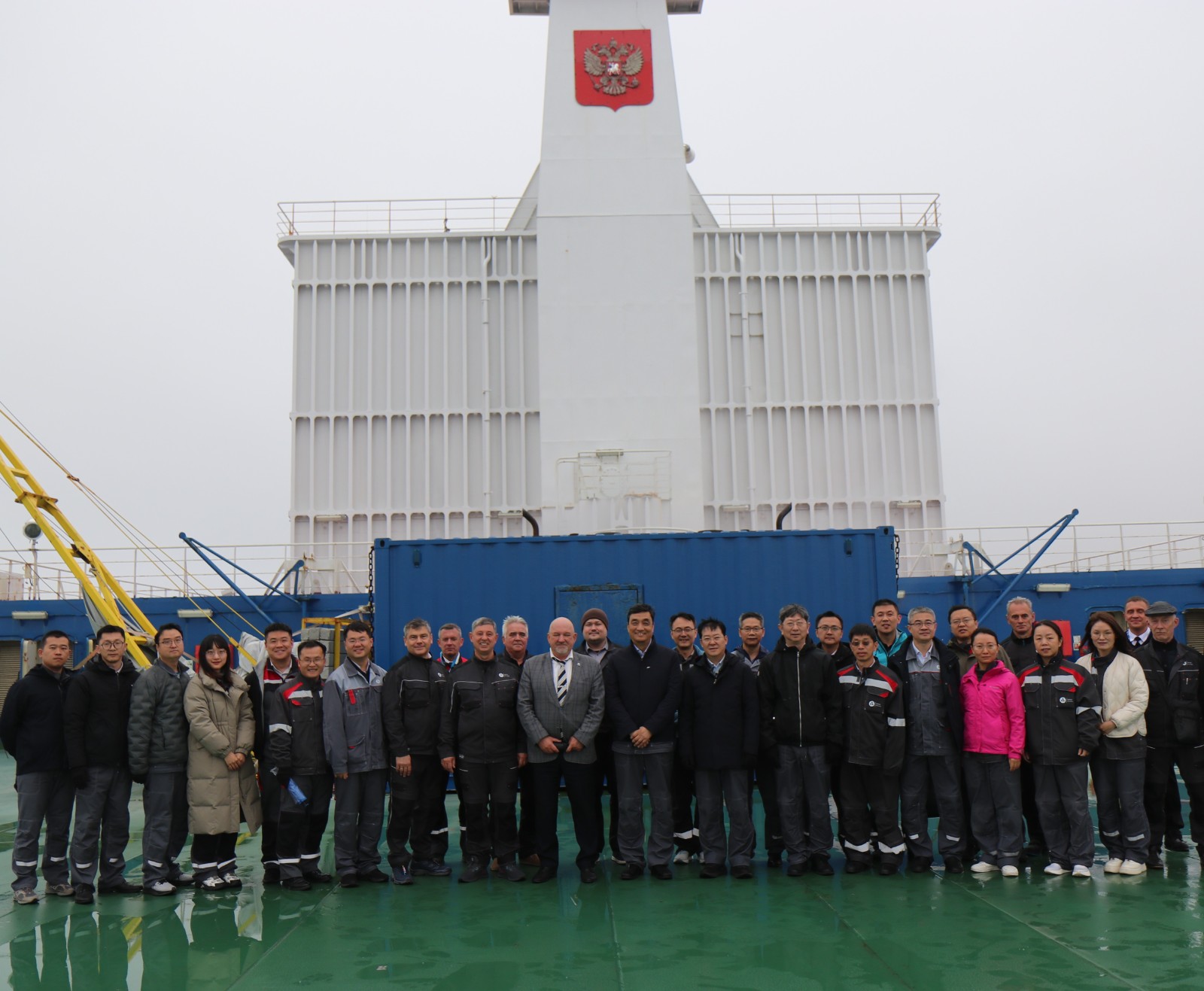
Chinese Nuclear Safety and Nuclear Industry Delegation Visits Russian Floating Nuclear Thermal Power Plant
From July 28 to 30, representatives from China's National Nuclear Safety Administration, China National Nuclear Corporation (CNNC), and the Chinese Embassy in Russia, together with officials from the Federal Service for Environmental, Technological and Nuclear Supervision of the Russian Federation (Rostechnadzor), jointly visited the floating nuclear thermal power plant located in Pevek, Chukotka Autonomous Okrug. The plant is operated by Rosenergoatom, the power generation division of Rosatom. During the visit, the delegation inspected the floating power unit and onshore facilities, and learned about the operation of key equipment. Chinese experts focused on spent fuel storage, refueling procedures, and related equipment configurations...
2026-08-07

Seoul National University NEXFO Workshop: Exploring Sustainable Solutions for SMR and MMR
On August 7, the Nuclear Policy Center at Seoul National University's Institute for Future Nuclear Energy Policy announced that it will host the Nuclear Energy Sustainability NEXFO Workshop on the afternoon of September 16 at the Seoul National University Global Engineering Education Center. The event, coinciding with the center's 10th anniversary, is themed "Embracing the Era of Full-Scale SMR and MMR Deployment" and will discuss the policy, industrial, and technological conditions for the commercialization of small modular reactors and micro modular reactors. The workshop will first revisit the public discourse framework on nuclear energy sustainability, and analyze global nuclear fuel cycle trends as well as the domestic challenges facing South Korea. As SMRs and MMRs transition from technology demonstration to practical application, nuclear fuel...
2026-08-07

South Korea's Taesung advances order for Unit 2 of US TerraPower SMR, pivoting to new track in nuclear power and gas turbine forgings
South Korean open-die forging company Taesung is accelerating its entry into the small modular reactor (SMR) supply chain. Data shows that Taesung secured its first order in June this year for rotating plug components of the primary equipment for Unit 1 of US-based TerraPower's SMR, and is expected to advance follow-up orders for related components of Unit 2 of the same project in September. The rotating plug is installed on the upper section of the reactor to support nuclear fuel replacement and in-vessel equipment maintenance, requiring high material resistance to high temperatures and radiation, as well as large-scale forging capabilities. This order therefore not only carries revenue significance but also demonstrates the company's technical validation value in the high-end nuclear power forging segment. TerraPower, founded by Microsoft founder Bill Gates, is developing...
2026-08-07
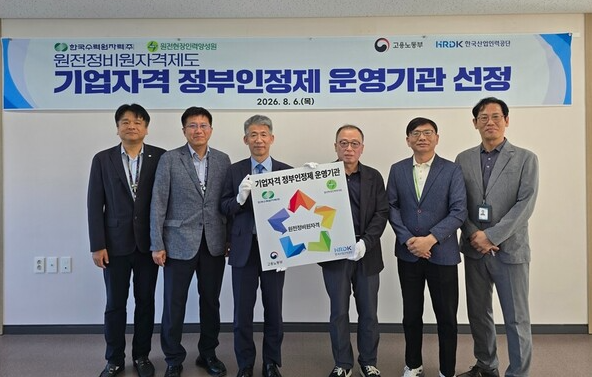
KHNP's "Integrated Nuclear Power Plant Maintenance Personnel Qualification System" Receives Official Government Recognition
On August 7, Korea Hydro & Nuclear Power (KHNP) announced that its integrated nuclear power plant maintenance personnel qualification system has officially received government recognition from the Korea Human Resource Development Service for Emerging Industries, an affiliate of the Ministry of Employment and Labor. This recognition signifies that the qualification system, used internally by the company to enhance employee job competencies, has received official confirmation in terms of evaluation standards, operational frameworks, and management mechanisms, providing a more credible institutional foundation for nuclear power plant equipment operation and maintenance capability building. The core of this recognized system lies in integrating the qualification frameworks previously operated separately by various nuclear maintenance partner companies into unified standards. This marks the first time such a standardized model has been established in Korea's nuclear maintenance sector...
2026-08-07
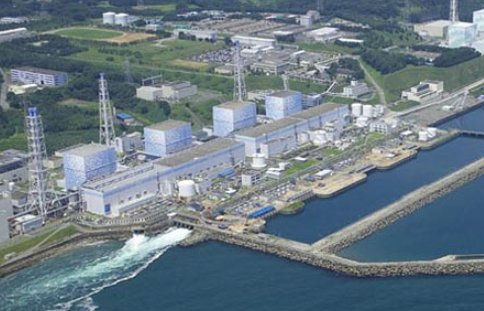
New Decommissioning Plan for Fukushima Daiichi: Priority on Internal Investigation of Unit 3 Before Fuel Debris Retrieval
The Nuclear Damage Compensation and Decommissioning Facilitation Corporation of Japan released on August 6 an outline of the 2026 edition of the "Decommissioning Strategic Plan," proposing technical approaches for the decommissioning of Tokyo Electric Power Company's Fukushima Daiichi Nuclear Power Station. The plan highlights that, for the large-scale retrieval of melted fuel debris at Unit 3, expected to commence in or after fiscal year 2037, priority should currently be given to internal investigations of the reactor building to provide a more reliable basis for subsequent engineering plans. The plan states that the fuel debris retrieval method being studied by TEPCO still requires further improvement in certainty, with the key prerequisite being an understanding of the actual internal conditions of the reactor. Due to the high radiation levels of the water inside the unit following the accident...
2026-08-07
Reading Ranking
- 1 Canada's Cameco Signs Exclusive Offtake Agreement to Lock Up All Future Output from U.S. Paducah Laser Enrichment Plant
- 2 Romania and Argentina Nuclear Power Companies Sign Memorandum of Understanding to Deepen CANDU 6 Heavy Water Reactor Technology Cooperation
- 3 Germany to provide an additional 1 million euros to help address nuclear safety issues at the Zaporizhzhia NPP
- 4 KHNP and France's Orano Expand Nuclear Fuel Supply Chain Cooperation
- 5 Westinghouse eVinci Microreactor Achieves Significant Breakthrough in Zero-Power High-Temperature Criticality Test
- 6 Pakistan Signs Safeguards Agreement with IAEA for Chashma Nuclear Power Plant Unit 5
- 7 Hitachioomiya City Assembly in Ibaraki Prefecture, Japan, discusses literature survey request for nuclear waste disposal site
- 8 ORNL Develops Duct Radiation Monitoring System to Enhance Fuel Cycle Facility Safety and Protection
- 9 Blue Energy Submits Construction Permit Application to U.S. Nuclear Regulatory Commission to Advance Texas Gas-to-Nuclear Project
- 10 Canada's Pickering Nuclear Power Station in Toronto is about to shut down for refurbishment
- 11 U.S. Department of Energy Provides $1.9 Billion Loan to Support Restart of Duane Arnold Nuclear Power Plant
- 12 US Lightbridge Aims to Accelerate Advanced Nuclear Fuel Commercialization via INL Project
- 13 Fire breaks out at Hamaoka nuclear power plant in Japan
- 14 US and UK Join Forces to Accelerate Commercialization of Fusion Energy
- 15 South Korea's Naver Introduces Nuclear Power-Specialized AI Hy-NuRI Cooperation Experience in France