
Search Results
Keyword:-
Argentine CNEA Expert Appointed Vice Chair of European Working Group on Nuclear Medicine Isotope Supply Security
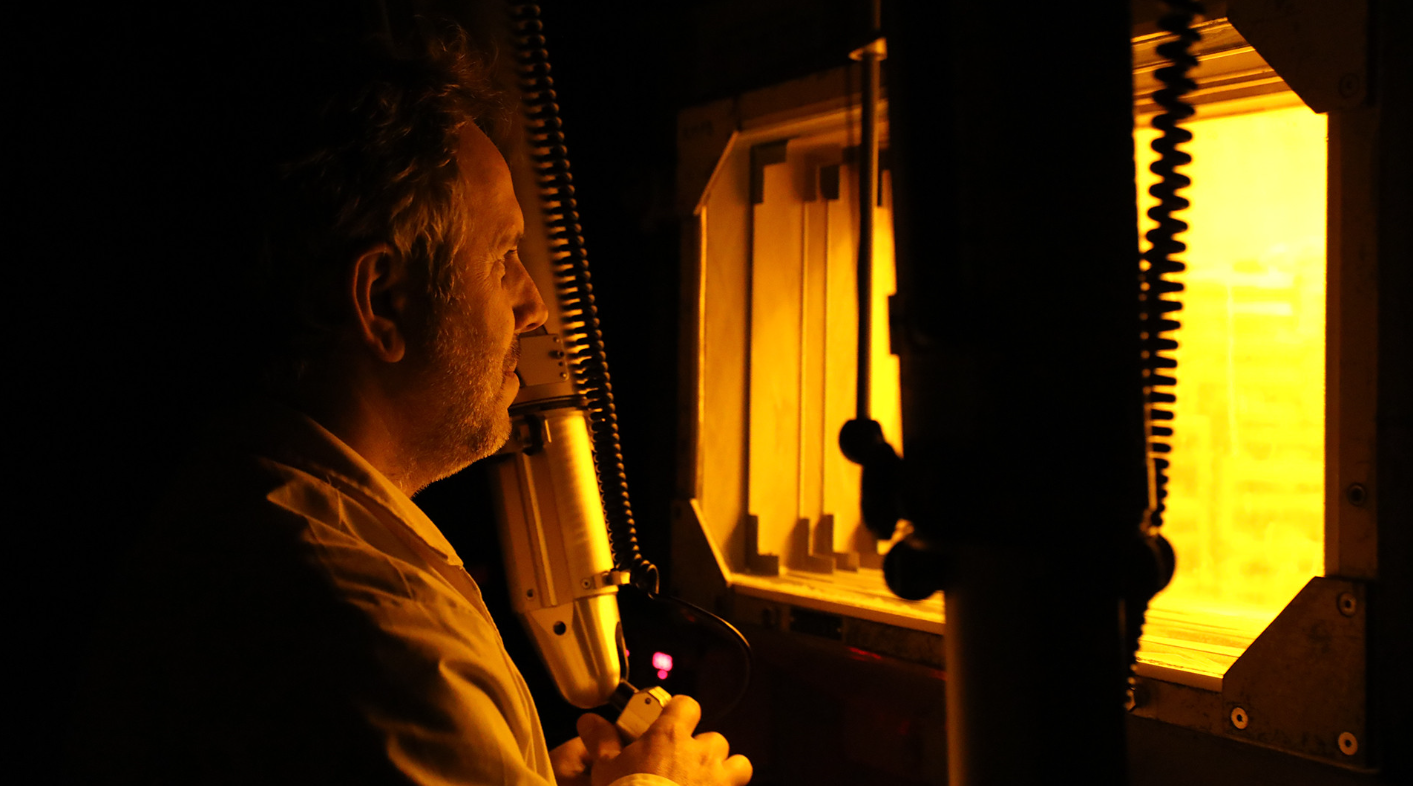
The Argentine National Atomic Energy Commission (CNEA) recently announced that Daniel Sestao, an engineer and the institution's radioisotope production manager, has been appointed Vice Chair of the Supply Security Working Group of the European Association of Nuclear Medicine. CNEA, which operates under the Nuclear Affairs Secretariat of Argentina's Ministry of Economy, views this appointment as recognition of its technical capabilities in nuclear medicine and its role in international collaboration. The Supply Security Working Group is composed of international experts and focuses on the continuity and sustainability of the medical radioisotope supply chain, covering strategic isotopes such as molybdenum-99, technetium-99m, and lutetium-177. These radioisotopes are widely used in the diagnosis and treatment of tumors and complex diseases, forming a critical component of the nuclear medicine system...
2026-08-11
Mexico's Nuclear Power Planning Enters Critical Window, Pre-2035 Decisions Become Watershed for Energy Transition
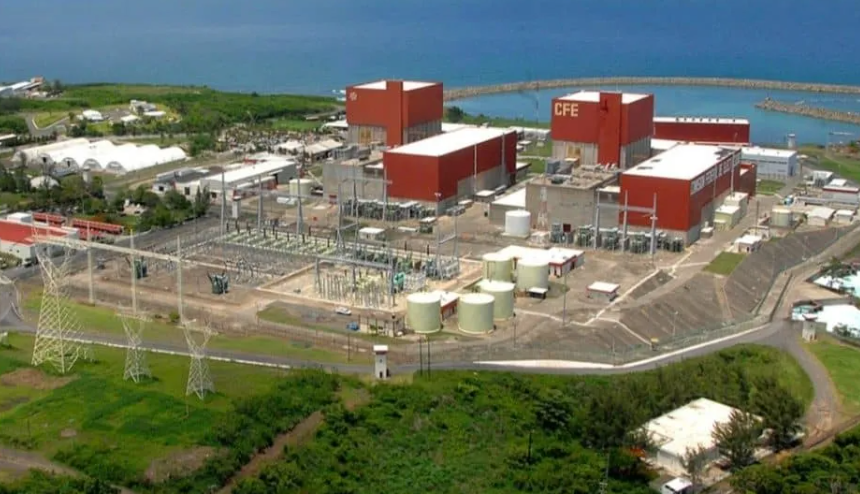
Against the backdrop of major global economies reassessing the value of nuclear energy, Mexico's nuclear power policy is at a critical juncture of hesitation. The country currently operates only the Laguna Verde Nuclear Power Plant in Veracruz state, with two reactors totaling 1,552 megawatts of installed capacity, contributing approximately 3% of the nation's electricity. Despite its modest share, the plant's unit utilization rate approaches 88%, making it one of the most stable power generation sources in Mexico's electricity system and significant for ensuring baseload power supply. The operating licenses for Laguna Verde have been extended to 2050 and 2055 respectively, providing Mexico with a buffer period of roughly two decades. However, the issue lies in the fact that life extension does not equate to replacement planning...
2026-08-11
French nuclear power sets record unavailability rate due to high temperatures and drought, one-sixth of capacity constrained
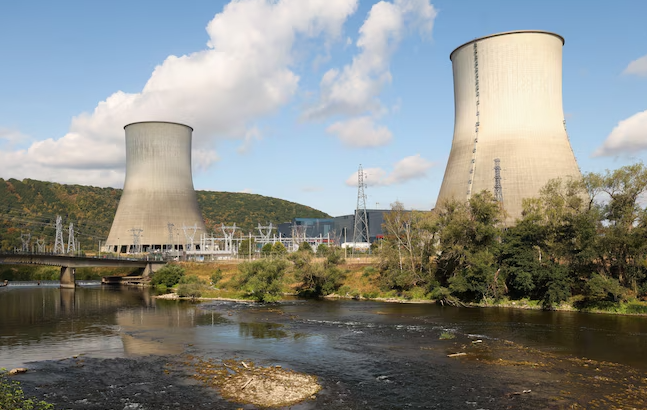
France's nuclear power system is under exceptional strain. Affected by persistent high temperatures and low river water levels, nuclear reactors operated by French utility EDF have recorded unprecedented unavailability. According to an AFP tally based on data published by EDF since 2015, on the afternoon of Sunday, August 9, 2026, the nuclear capacity shortfall caused by drought and extreme heat reached 15.6% of installed capacity, equivalent to roughly one-sixth of France's nuclear power capacity being temporarily unable to supply electricity normally. The cause of this disruption is not simply equipment failure, but is closely linked to the natural environment on which nuclear plant operations depend. Many nuclear plants draw water from rivers for cooling; when river levels are too low or water temperatures too high, the...
2026-08-11

KEPCO KPS Q2 Results Miss Expectations; Nuclear Maintenance Demand Expected to Drive Recovery in H2
KEPCO KPS's Q2 results significantly missed market expectations, mainly due to factors such as extended long-term planned preventive maintenance cycles for nuclear power plants and a reduction in external and overseas variable works. Data shows that the company's preliminary Q2 sales stood at KRW 437.9 billion, down 3.5% year-on-year; operating profit was KRW 43.6 billion, down 33.6% year-on-year, approximately 30.1% below market consensus; net profit attributable to controlling shareholders was KRW 38.3 billion, down 24.8% year-on-year. The operating margin fell to 10.0%, down 4.5 percentage points from the same period last year, indicating pressure on both the revenue side and, to some extent, the cost side. The nuclear maintenance business was one of the key factors dragging down Q2 performance. In Q2...
2026-08-11
Fujita Health University in Japan Advances Research on Expanding BNCT Indications for Deep-Seated Cancers, to Conduct 18F-FBPA PET Exploratory Evaluation
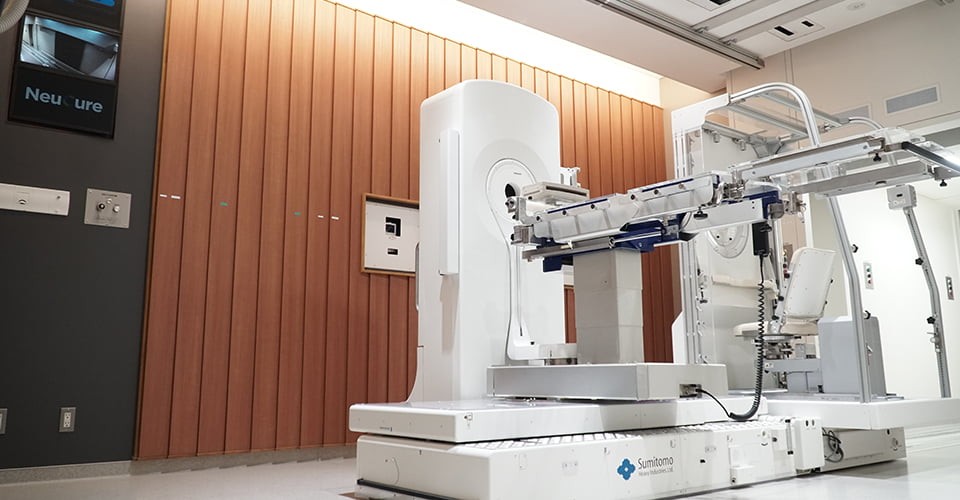
On August 10, Stella Pharma Corporation of Japan announced that it is collaborating with Fujita Health University and other institutions to advance research and development aimed at expanding Boron Neutron Capture Therapy (BNCT) to deep-seated cancers. As part of this project, Stella Pharma will participate in an exploratory study on 18F-FBPA uptake capacity in deep-seated cancers conducted by Fujita Health University. The study will use 18F-FBPA PET to evaluate the tumor accumulation of boron drugs used in BNCT in deep-seated cancers, and based on the findings, explore the possibility of expanding BNCT indications in the future. The study plans to collect data from 50 cases, including pancreatic cancer, hepatocellular carcinoma, and biliary tract cancer, to accumulate foundational evidence needed for the development of BNCT for deep-seated cancers. BNC...
2026-08-11

South Korea to Launch Real-Time Query System for CT and MRI Records in December to Reduce Duplicate Tests for Patients Transferring Hospitals
The Health Insurance Review and Assessment Service (HIRA) of South Korea announced on August 10 that it has established the "Appropriate Medical Utilization Review Committee" and, at its first meeting, included computed tomography (CT) and magnetic resonance imaging (MRI) examinations in the review scope of the real-time medical utilization management program. According to the plan, the program will be managed through the "Medical Care Benefit Details Confirmation System" following approval by the Minister of Health and Welfare. The system, built pursuant to Article 41-6 of the revised National Health Insurance Act, is expected to officially operate starting December 24. Once the system is in place, medical personnel will be able to query in real time the timing and relevant records of patients' CT and MRI examinations at other medical institutions before the patients undergo examinations, thereby reducing...
2026-08-11
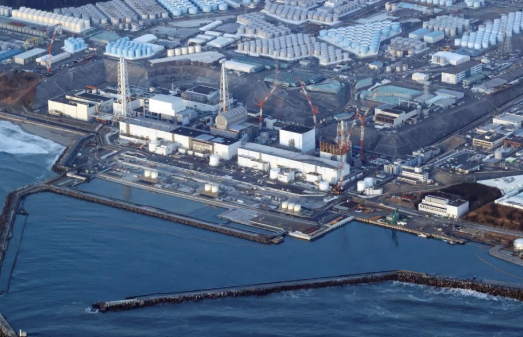
Japan's MEXT to Establish Industry-Academia-Government Collaboration Platform to Strengthen Nuclear Energy Human Resource Development
Japan's Ministry of Education, Culture, Sports, Science and Technology (MEXT) plans to launch a new initiative for nuclear energy human resource development, with the core approach being the establishment of an industry-academia-government collaborative organization within the Japan Atomic Energy Agency (JAEA). This organization will undertake coordination functions such as institutional design and budget allocation, and will promote closer cooperation mechanisms among universities, research institutions, and the industrial sector regarding nuclear energy education and practical training. Based on publicly available information, this arrangement is not merely about adding training courses, but rather an attempt to build a cross-sectoral human resource development platform. JAEA possesses research reactors, experimental facilities, and long-accumulated technical resources; incorporating these resources into the educational system will help bridge the gap between university classroom instruction and actual nuclear engineering field practice...
2026-08-11
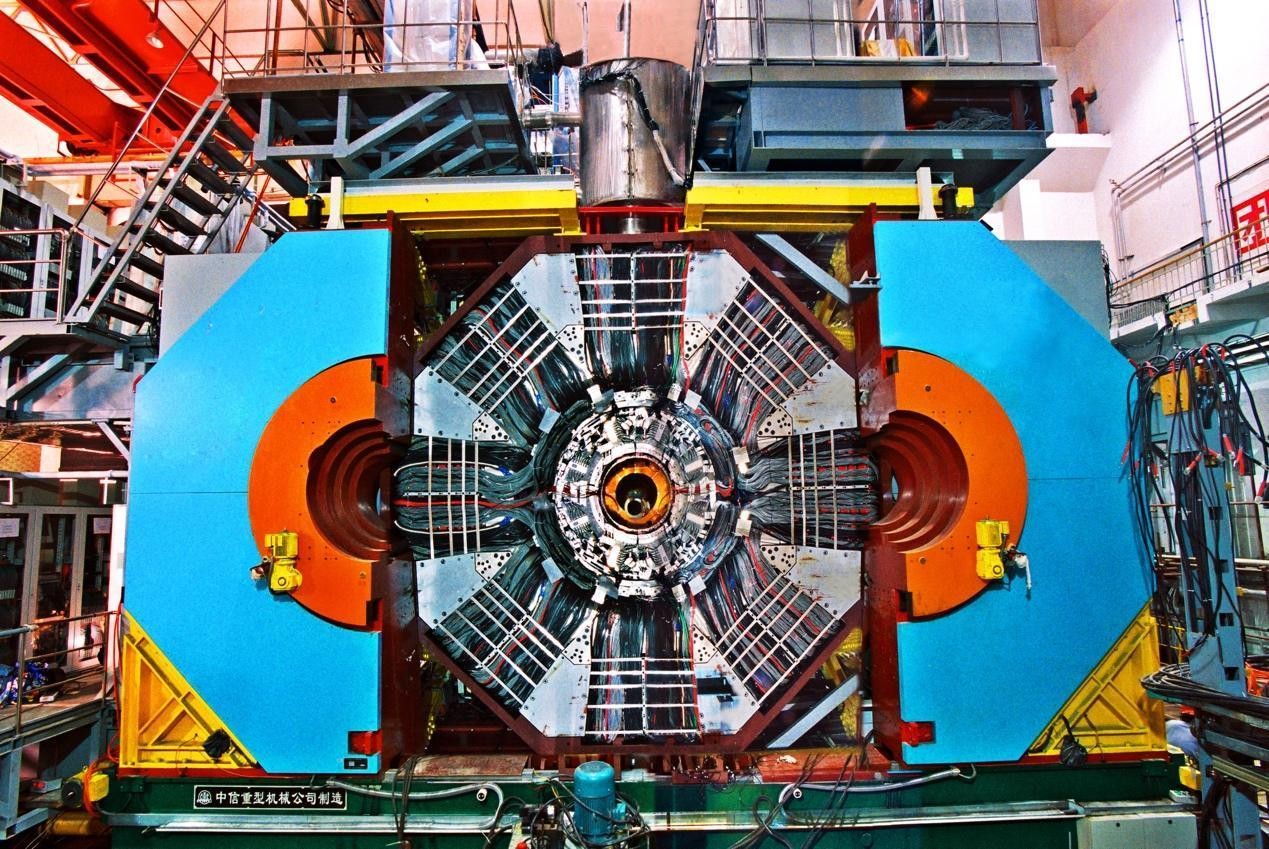
"Smashing Out" More New Particles Unknown to Humanity — Exploring the Upgraded Beijing Electron-Positron Collider After Its Second Renovation
Beside Yuquan Road in Beijing, beneath an ancient courtyard surrounded by lush greenery, lies a giant scientific facility shaped like a badminton racket — the Beijing Electron-Positron Collider. Inside this 240-meter-circumference ring-shaped device, electrons and positrons can be accelerated to near the speed of light and smashed head-on into each other. By studying the microscopic particles produced in these collisions, scientists explore the fundamental laws governing the microscopic world, verify existing physical theories, and search for unknown new particles. Recently, a reporter visited this facility to uncover the secrets of this national heavyweight that has just completed its second major upgrade. After this renovation, key indicators such as collision energy and collision luminosity have been significantly improved, achieving a historic breakthrough in core performance. Since its completion...
2026-08-11
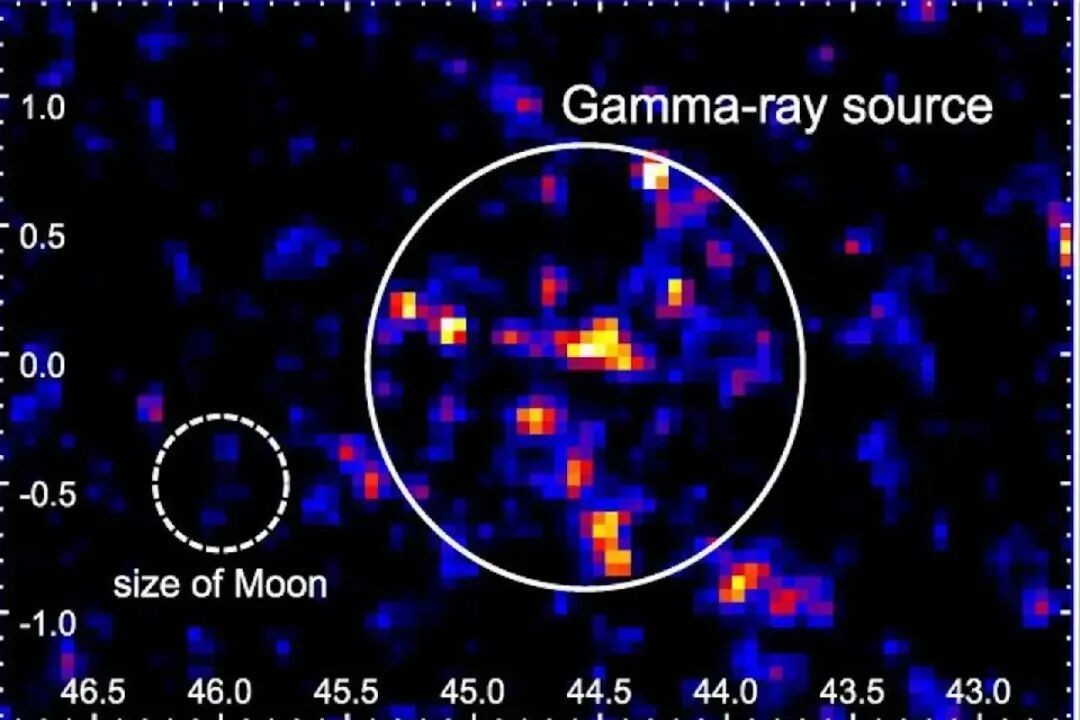
"Triple-Arrow Assault" Confirms a Cosmic "Natural Accelerator" Ejecting Protons at Energies 100 Times That of the Large Hadron Collider
Astronomers, using three observation facilities operating in different wavelength bands, have confirmed a mysterious celestial body in the direction of the Aquila constellation in the Milky Way as a natural cosmic accelerator. This object is continuously ejecting high-speed particles with energies far exceeding any man-made accelerator on Earth, equivalent to 100 times that of the Large Hadron Collider (LHC). This discovery provides key clues for tracing the origin of the highest-energy cosmic rays in the Milky Way, and the research findings were published in the latest issue of The Astrophysical Journal. A size comparison between the gamma-ray source (large circle) and the Moon (small circle). Image credit: The Astrophysical Journal. PeV (peta-electronvolt) energy cosmic rays are high-energy diffuse gamma-ray radiation, and...
2026-08-11
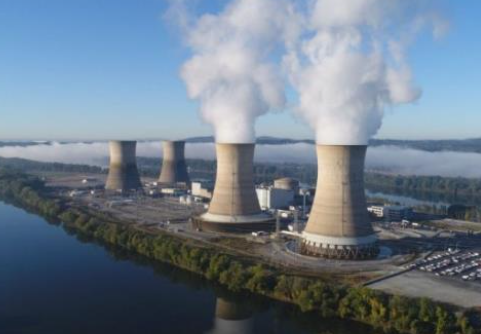
Linn County, Iowa, rejects rezoning application for data center site near nuclear power plant
The Linn County Board of Supervisors in Iowa said Monday it will not proceed with amendments to the EU-2 zoning district. This decision means that large data centers will not be permitted to be built near nuclear facilities through this zoning rule for the time being. The current EU-2 zoning primarily allows for nuclear power generation facilities, nuclear waste storage facilities, and natural gas power generation facilities, and does not list large data centers as permitted uses. The zoning adjustment drew attention due to the potential restart of the Duane Arnold Energy Center near Palo. If the nuclear facility were to resume operations, it could provide a stable power source for energy-intensive data centers, prompting interest from data center companies in surrounding...
2026-08-11
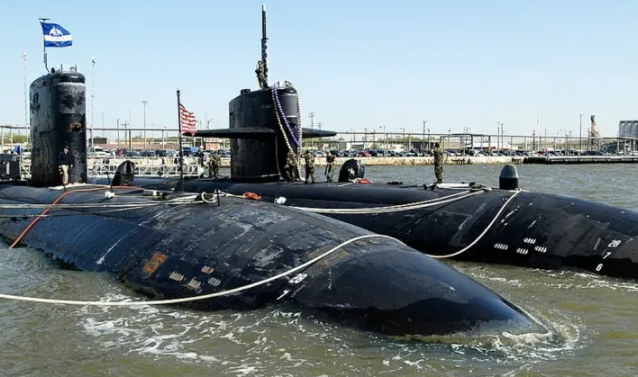
Lockheed Martin Australia Authorized to Integrate Virginia-Class Nuclear Submarine Combat Systems, Marking a Key Step in AUKUS Technology Transfer
Lockheed Martin Australia has signed a multi-year A$29.3 million contract with the Australian Submarine Agency and has been officially designated as the combat systems integration partner for Australia's Virginia-class nuclear submarines. What makes this arrangement unique is that Australia will become the first national-level partner outside the United States authorized to integrate, maintain, and upgrade the classified combat systems of Virginia-class nuclear submarines. The relevant authorization covers approximately 40 classified subsystems, including critical capabilities such as sensors, target identification, weapon control, and underwater communications, marking a deepening of technology sharing under the AUKUS framework from platform procurement to the core combat systems level. The Virginia-class nucle...
2026-08-11

International Team Measures Niobium-94 Neutron Reactions, Explaining Anomalous Molybdenum-94 Abundance in the Solar System
An international team of physicists has, for the first time, conducted a comprehensive study of the interactions between neutrons and the niobium-94 isotope. The findings have been published in Physical Review Letters. The study suggests that the elevated abundance of molybdenum-94 in the primordial material of the solar system can be explained by a series of neutron-involving nuclear reaction processes inside old stars, without requiring the introduction of previously unknown special formation mechanisms. The research was led by Alberto Mengoni, a researcher at the Italian National Institute for Nuclear Physics. The team conducted experiments using the n_TOF facility at CERN, focusing on tracking the interactions between neutrons and niobium-94 atoms. The n_TOF facility is used to...
2026-08-11
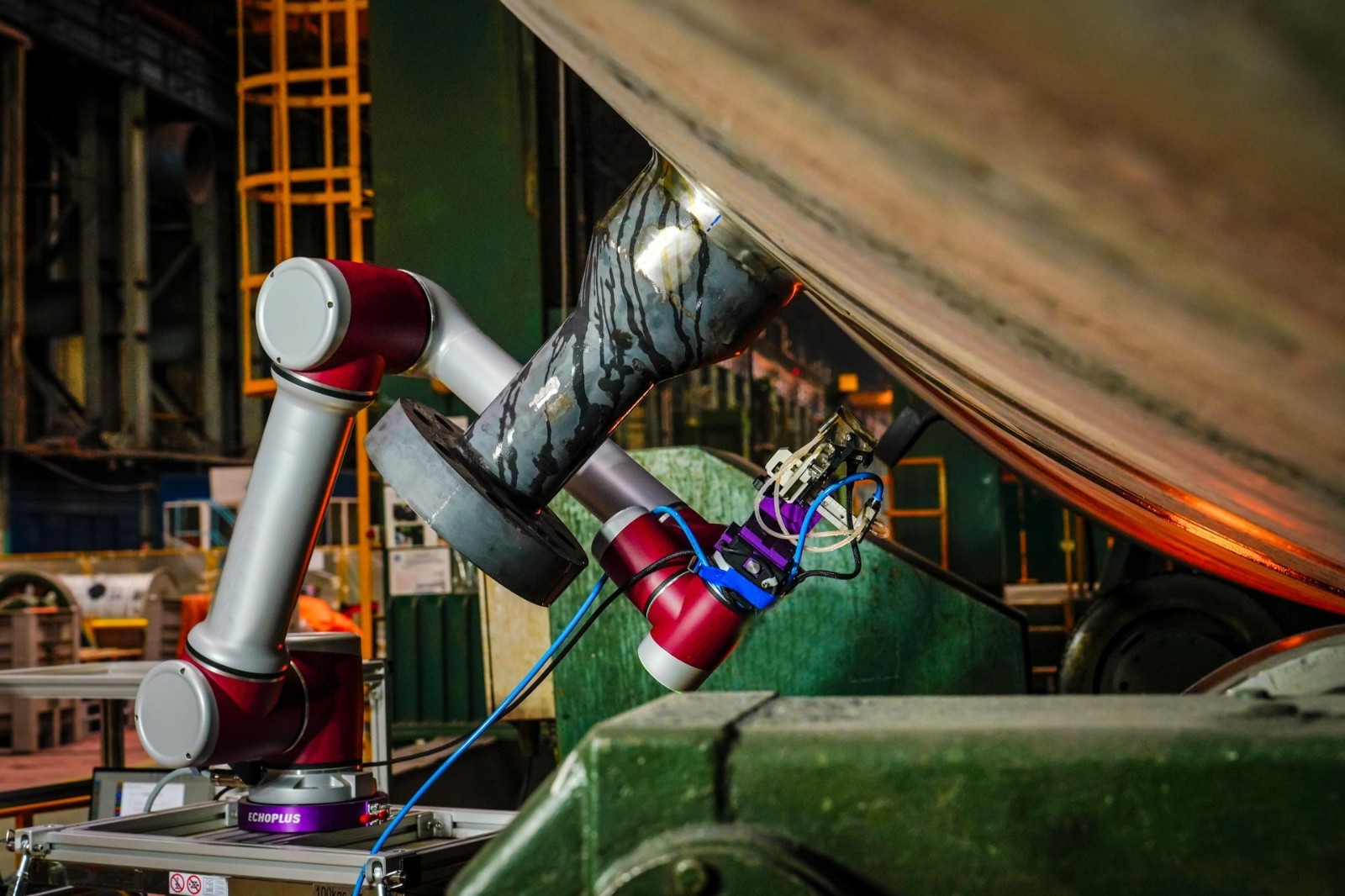
Russia's Atommash Commissions Ultrasonic Weld Inspection Robot to Boost NPP Equipment Testing Efficiency
Atommash, a plant under the mechanical engineering division of Russia's State Atomic Energy Corporation (Rosatom), has recently commissioned a new ultrasonic inspection robot for welded joints, used for weld quality checks on large nuclear power equipment such as nuclear reactors and steam generators. The plant is located in Rostov Oblast, Russia. The new equipment employs two scanning modes and can identify weld defect types and locate defect coordinates. Compared with traditional inspection methods involving manual probe movement, the robot can automatically perform scanning on components with complex geometries, increasing inspection speed by approximately 30% while reducing the need for manual work in hard-to-reach areas. At present, Atommash already operates...
2026-08-11
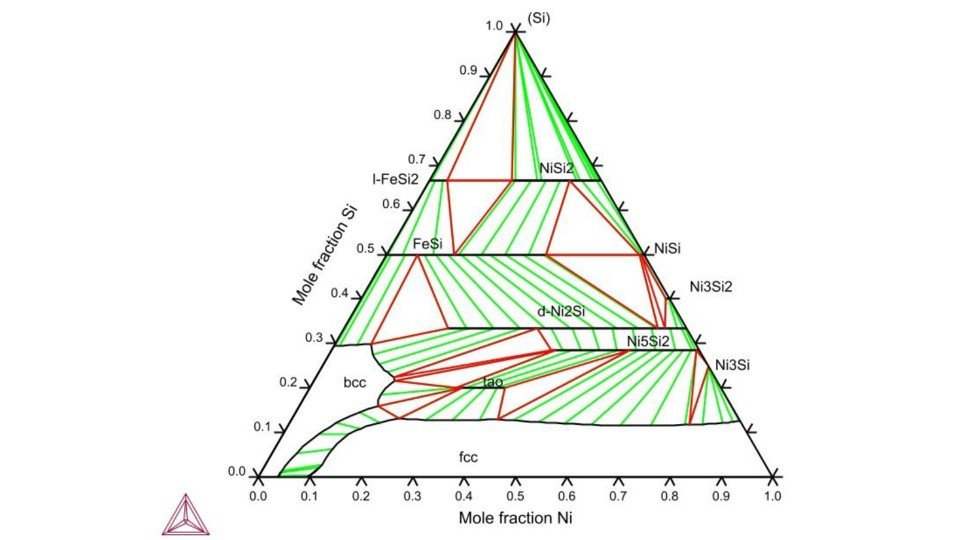
TAF-ID database 22nd edition released, expanding advanced nuclear fuel thermodynamic evaluation data
The International Thermodynamic Database for Advanced Fuels (TAF-ID) project has been running for over a decade. The project employs the CALPHAD (Calculation of Phase Diagrams) method to develop a thermodynamic database that supports computational analysis of advanced nuclear fuel materials, enabling prediction of phase diagrams and thermodynamic properties of relevant systems. According to project documentation, Version 22 of the TAF-ID database has been released. This update adds and revises assessment data for material systems including Na-U, Na-O, Na-UO₂, U-Ru, U-Si, Al-Si-U, Fe-Pu-U, and O-N-U, and updates gas-phase data based on the latest publicly available information. The database assessment scope has been expanded to 44 elements, 272 binary systems, 151 ternary systems, and 3...
2026-08-11
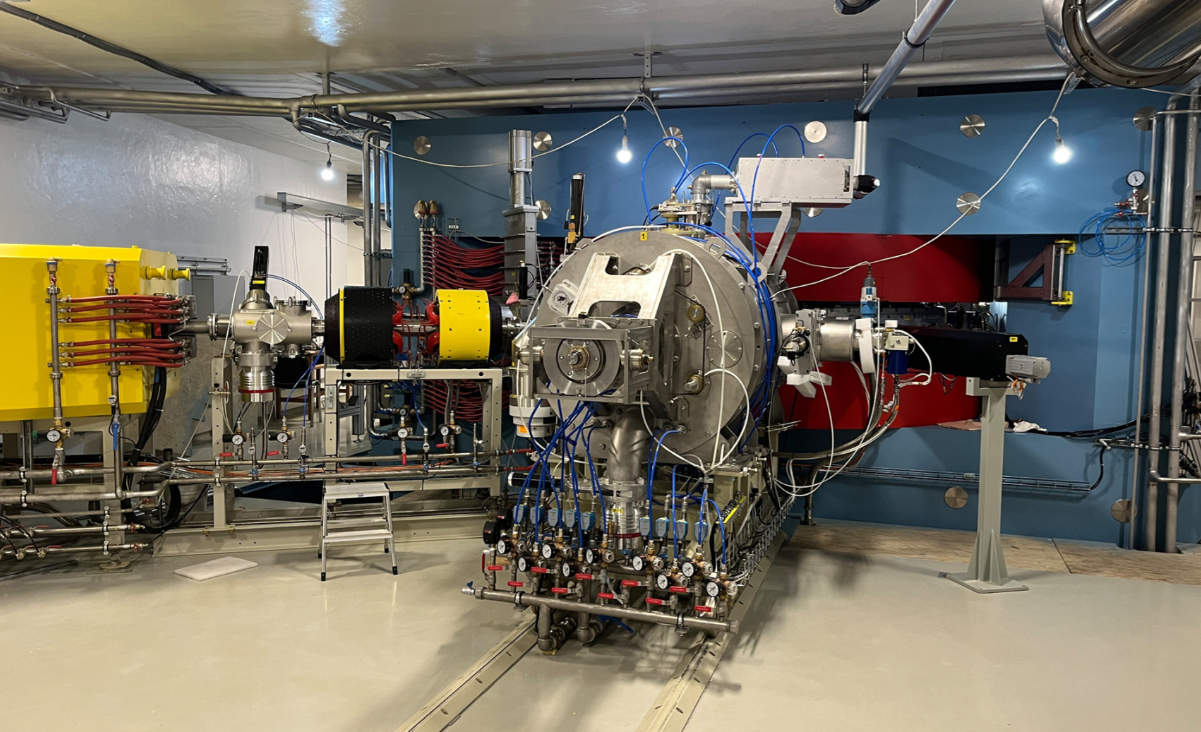
First Heavy Ion Beam Obtained at DC-140 Accelerator of the Joint Institute for Nuclear Research in Dubna, Russia
The Flerov Laboratory of Nuclear Reactions at the Joint Institute for Nuclear Research (JINR) in Dubna, Russia, has completed the construction of the DC-140 accelerator complex and obtained an accelerated heavy ion beam for the first time during commissioning on August 4. This achievement marks significant progress in the JINR applied technology development program and signifies that a new ion beam platform designed to meet scientific and industrial needs for decades to come has entered its critical commissioning phase. The DC-140 project was launched in 2020 to replace the existing U-200 and IC-100 cyclotron complex. The new facility is designed to address a wide range of fundamental and applied research needs, including solid-state physics, radiation materials science, material surface modification, and track membrane production...
2026-08-11