
Search Results
Keyword:-
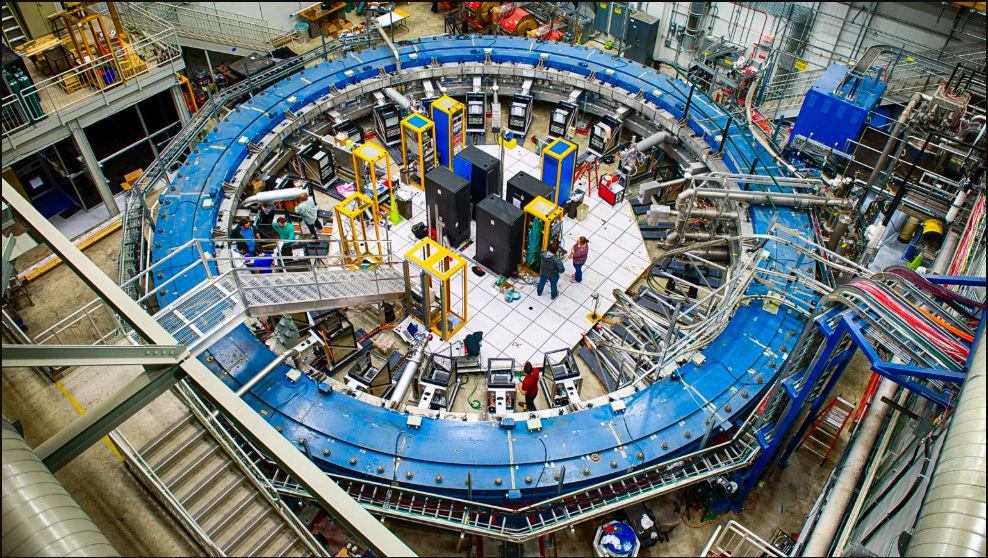
After 25 Years, the Muon Wobble Puzzle Sees Key New Progress in Physics
For 25 years, precise measurements of how muons wobble in a magnetic field have been a major puzzle in particle physics. Early experiments showed a discrepancy between the measured value of the muon's g-factor and theoretical predictions, a difference once seen as a possible hint of unknown particles. Recent new theoretical calculations and experimental analyses have brought a new twist to this puzzle. The muon is a heavier cousin of the electron that precesses like a tiny magnet in a magnetic field. Its extra wobble is quantified by the muon g-2 coefficient. According to quantum theory, known particles and interactions influence this coefficient through fleeting quantum fluctuations, making muon g-2 a key test of the Standard Model...
2026-08-03
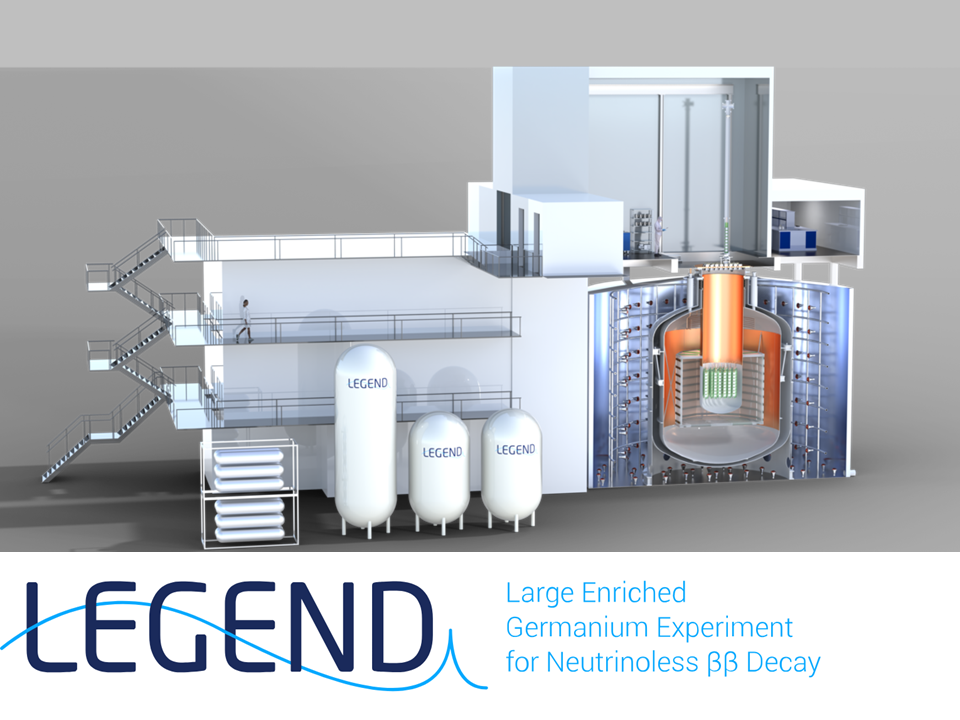
German Science and Humanities Council Supports German Participation in the LEGEND-1000 Neutrinoless Double Beta Decay Experiment
On July 27, 2026, the German Science and Humanities Council expressed its support for German participation in the LEGEND-1000 experiment. The project had previously passed scientific evaluation and was deemed significant for a broad research community in the fields of particle physics and nuclear physics. LEGEND-1000 is the next phase of the large-scale enriched germanium neutrinoless double β decay experiment, planned to be constructed by an international collaborative team at the underground laboratory of the Gran Sasso National Laboratory in Italy. German participating institutions include the Max Planck Institute for Nuclear Physics in Heidelberg and the Technical University of Munich, with project leaders being Professor Susanne Mertens and Professor Stefan Schönert, respectively. According to the project...
2026-08-03
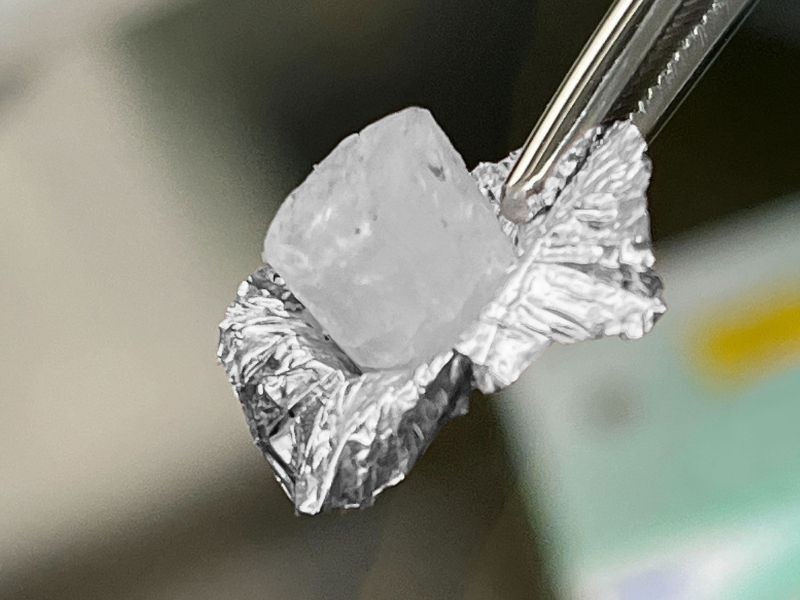
Kairos Power Advances Flibe Molten Salt Applications to Support KP-FHR High-Temperature Reactor Development
Kairos Power announced on July 29 that its Fluoride Salt-Cooled High-Temperature Reactor (KP-FHR) will be among the early adopters of a fluoride salt coolant. This coolant, commonly referred to as Flibe, is composed of lithium fluoride (LiF) and beryllium fluoride (BeF₂). In the 1960s, Oak Ridge National Laboratory used this material as a coolant in the Molten Salt Reactor Experiment. According to Kairos Power, Flibe has a high specific heat capacity, enabling it to effectively absorb and transfer heat generated in the reactor core. Compared with some sodium-cooled or helium-cooled reactor systems, fluoride salt offers certain advantages in heat transport...
2026-08-03
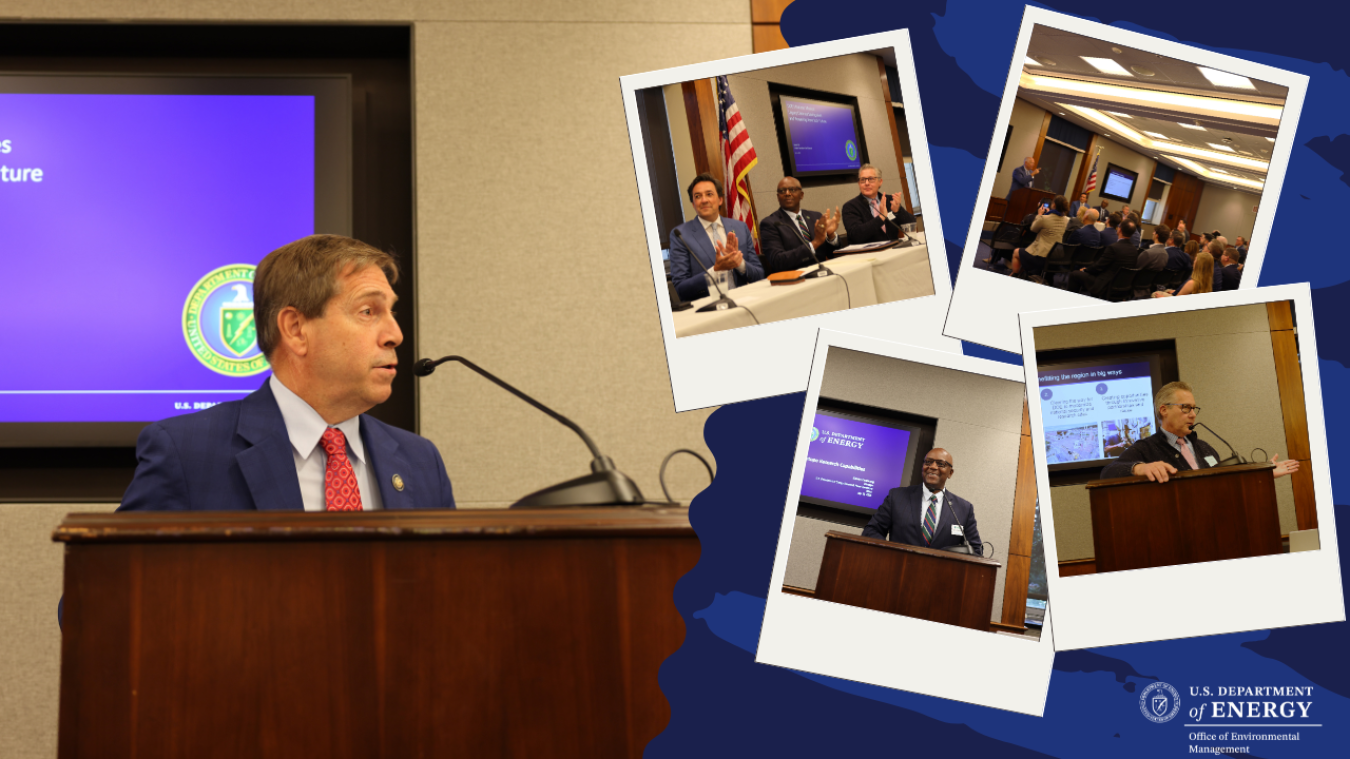
U.S. Department of Energy Highlights Progress in Legacy Waste Cleanup and Medical Isotope R&D
Recently, senior officials from the U.S. Department of Energy attended an event hosted by the U.S. House Nuclear Cleanup Caucus, presenting the application progress of legacy nuclear waste cleanup efforts in medical isotope R&D and future energy technologies. The event, themed "DOE's Isotope Mission: Legacy Cleanup Saves Lives, Empowers America's Future," focused on how nuclear cleanup missions align with isotope production and medical research. DOE's Under Secretary for Science Dario Gil, along with Oak Ridge National Laboratory Environmental Management Office Manager Eric Olds and Savannah River Operations Office Manager Edwin DeShon, jointly attended the event. DeShon...
2026-08-03
Antihydrogen hyperfine splitting measurement sets new precision record
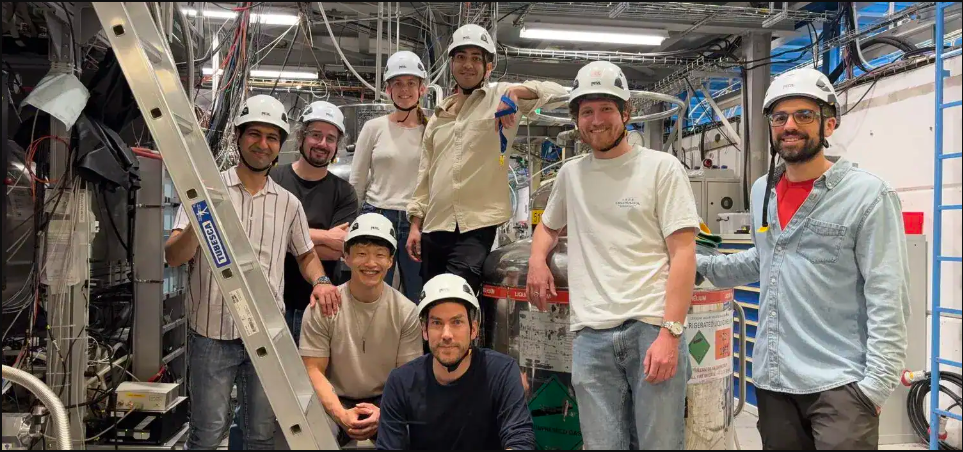
The ALPHA collaboration at CERN has recently completed a new measurement of the ground-state hyperfine splitting of antihydrogen. The results show that the hyperfine splitting of antihydrogen and ordinary hydrogen agrees within an uncertainty of four parts per million, improving the measurement precision by two orders of magnitude over previous experiments. Antihydrogen tamers: ALPHA team members from the University of Calgary in Canada. Back row, left to right: Pouya Heidari, Reece Stefanyshyn, Abbygale Swadling, Filobateer Ghaly, Sean Wilson, and Alberto Jesus Uribe Jimenez. Front row: Jay Suh (left) and Timothy Friesen. (Photo courtesy of Jay Suh) Antihydrogen consists of...
2026-08-03

Large Structure for CMS Future High-Granularity Calorimeter Passes Rigorous Cold Tests
A key engineering test for the future High-Granularity Calorimeter (HGCAL) of the CMS experiment at CERN has recently made progress. One of the largest HGCAL structures has completed a series of rigorous cold tests, during which no overheating, condensation, or leakage was recorded on the outer panels, laying the groundwork for its future service at the High-Luminosity Large Hadron Collider (HL-LHC). HGCAL will replace the existing endcap calorimeters of the CMS experiment to reconstruct particle showers with greater precision under HL-LHC operating conditions. The structure tested this time is the first of two large stainless steel absorber structures. By design, the active elements of HGCAL will be installed within the absorber structures and must maintain long-term stable performance in a cryogenic environment...
2026-08-03
Japanese Poll: 76% of Respondents Support Maintaining the "Three Non-Nuclear Principles"
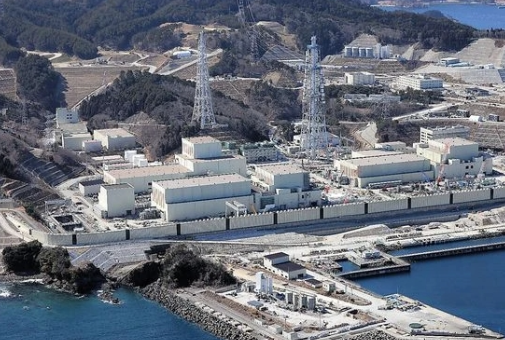
The Tokyo Shimbun, citing a national poll conducted by the Kyodo News-affiliated survey organization from June to July among 3,000 people aged 18 and above, reported that 76% of Japanese support maintaining the Three Non-Nuclear Principles of not manufacturing, not possessing, and not allowing the introduction of nuclear weapons; 77% oppose nuclear-sharing arrangements (i.e., the U.S. stationing nuclear weapons in Japan and operating them jointly). Given that Japan is the only country to have suffered atomic bombing in war, the results highlight strong anti-nuclear sentiment, while debate over whether to revise the principles is intensifying. Support for Japan joining the Treaty on the Prohibition of Nuclear Weapons before the first review conference in November stands at 55%, down 5 percentage points from the previous year; opponents account for 42%, of whom 56% believe that joining would not lead to nuclear disarmament. Regarding recent U.S. actions...
2026-08-03
Multinational Team Reveals Mechanisms of Lithiation in Modulating the Structural and Electronic Properties of Borophene Using Synchrotron Techniques
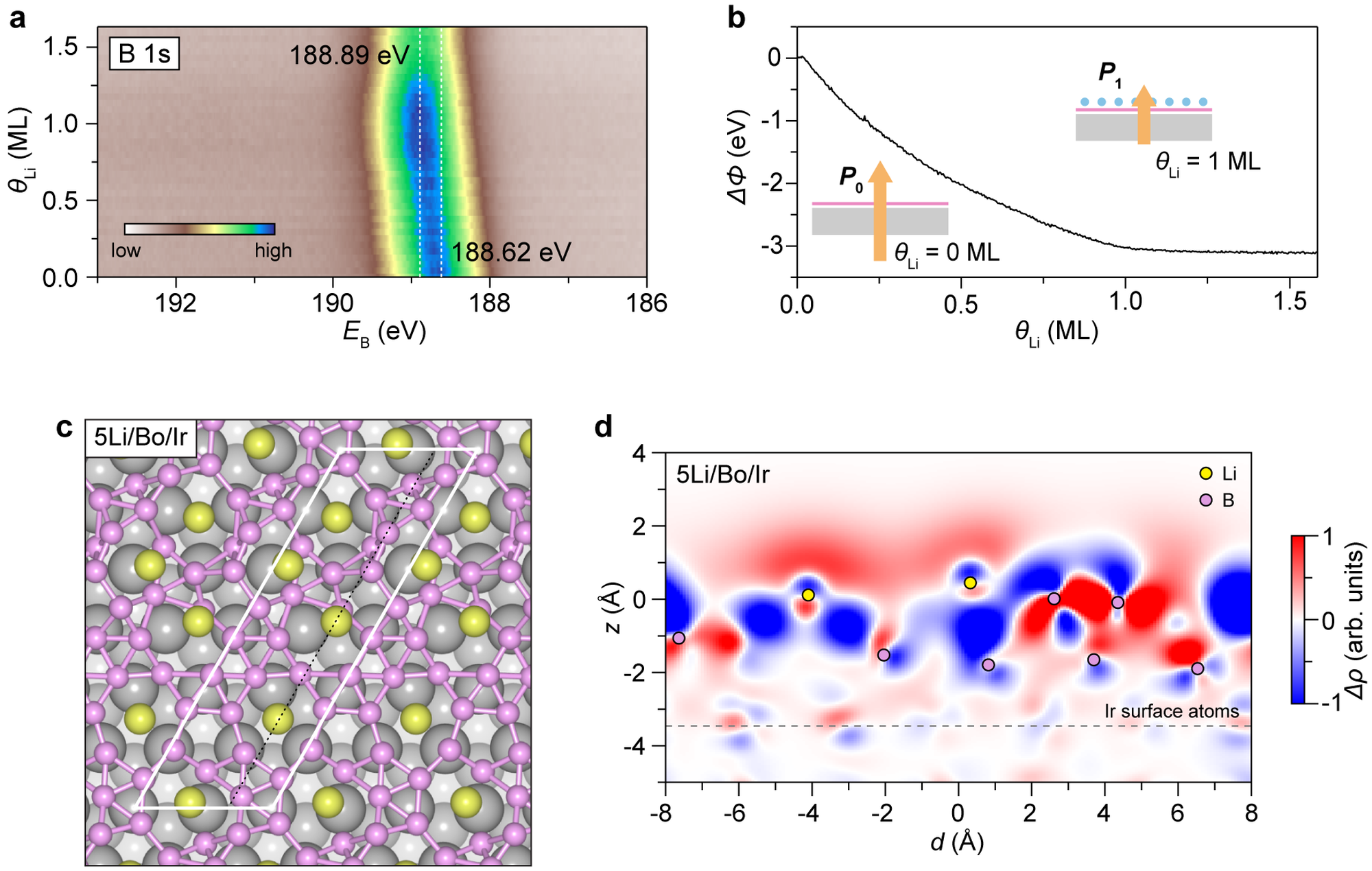
A research team from the Institute of Physics in Zagreb, Croatia, Elettra Synchrotron in Trieste, Italy, Shimane University, and Tokyo University of Science recently conducted a study on the interaction between lithium atoms and borophene, revealing the mechanisms by which lithiation affects the atomic structure and electronic properties of borophene. The findings were published in *ACS Nano* and selected as the journal cover article. (a) Shift of the B 1s core level toward higher binding energy; (b) reduction of the sample work function due to charge transfer from Li atoms to B atoms; (c) lithium atoms (yellow) deposited on borophene (magenta) induce deformation of the borophene lattice, attributed to significant charge redistribution within the system...
2026-08-03

Fuse Signs Five-Year Cooperative R&D Agreement with Nevada National Security Sites
U.S. fusion energy company Fuse Energy Technologies Corporation (Fuse) announced on August 2 that it has signed a five-year Cooperative Research and Development Agreement (CRADA) with Mission Support and Test Services (MSTS) at the Nevada National Security Sites (NNSS). MSTS manages and operates NNSS. The agreement establishes a long-term collaboration framework between Fuse and NNSS. The initial research projects will focus on next-generation fusion technology validation, tritium-related capability enhancement, increasing neutron yield from pulsed fusion generators, and U.S. domestic...
2026-08-03
US FDA Approves Pluvicto Expanded Indication for Treatment of PSMA-Positive Metastatic Hormone-Sensitive Prostate Cancer
On July 31, 2026, Novartis announced that the U.S. Food and Drug Administration (FDA) has approved Pluvicto® (lutetium Lu 177 vipivotide tetraxetan) in combination with an androgen receptor pathway inhibitor (ARPI) for the treatment of patients with prostate-specific membrane antigen (PSMA)-positive metastatic androgen pathway modulation-naive/sensitive prostate cancer. This disease is commonly referred to as metastatic hormone-sensitive prostate cancer (mHSPC). The approval is based on results from the Phase III PSMAddition trial. The study showed that compared with standard of care alone, namely ARPI combined with androgen deprivation therapy (ADT), Pluvicto plus standard of care reduced the risk of disease progression or death by...
2026-08-03

Wuke Superconducting Completes Tens of Millions in Angel Round Financing, Accelerating the Industrialization of High-Temperature Superconducting Tapes
In late July 2026, Beijing Wuke Superconducting Technology Co., Ltd. (hereinafter referred to as "Wuke Superconducting") completed an angel round financing of tens of millions of RMB. This round was jointly invested by CASSTAR, Zhongguancun Capital, and Huairou Hard Technology Fund. The joint backing of several renowned venture capital institutions fully confirms the capital market's high recognition of Wuke Superconducting's core team, technical strength, and industry development prospects. Wuke Superconducting was initiated by the technical team of the Institute of Physics, Chinese Academy of Sciences, focusing on the R&D, preparation, and industrial application of a new generation of high-temperature superconducting tapes. The company is dedicated to overcoming the key bottlenecks in transitioning high-temperature superconducting materials from laboratory to large-scale application, building an integrated platform covering superconducting target development, core equipment R&D, high-performance tape preparation, and ultimate performance characterization of wires and tapes.
2026-08-03
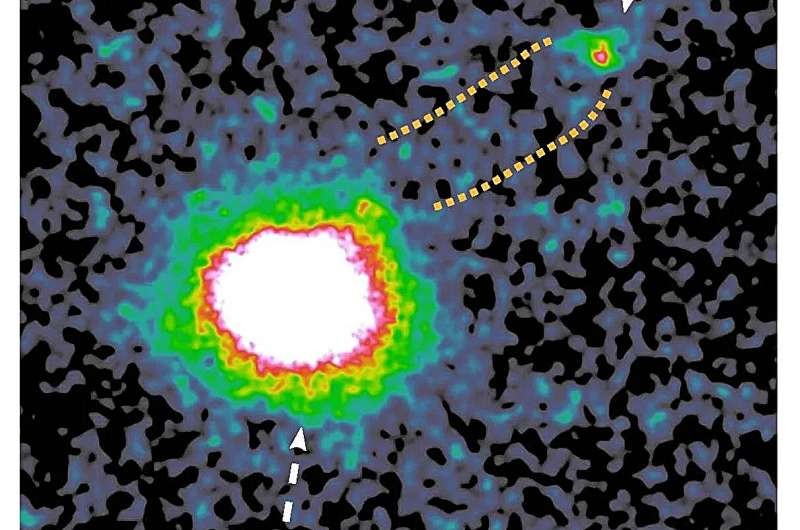
Germany's eROSITA Second Data Release Unveils Nearly Two Million X-ray Sources
On July 31, the German eROSITA consortium, led by the Max Planck Institute for Extraterrestrial Physics with participation from the University of Bonn, released its second major public dataset, eROSITA Data Release 2 (DR2). Built from the first three all-sky survey observations conducted by the eROSITA telescope aboard the Spectrum-Roentgen-Gamma (SRG) mission, this dataset is considered one of the most sensitive and comprehensive X-ray catalogs currently available to the public. The DR2 main catalog covers the 0.2–2.3 kiloelectron-volt (keV) band in the western hemisphere, containing nearly two million X-ray sources. Among these, over 1.9 million are point-like sources, primarily consisting of stars and actively accreting supermassive black holes; approximately 64,000 are extended sources,...
2026-08-01
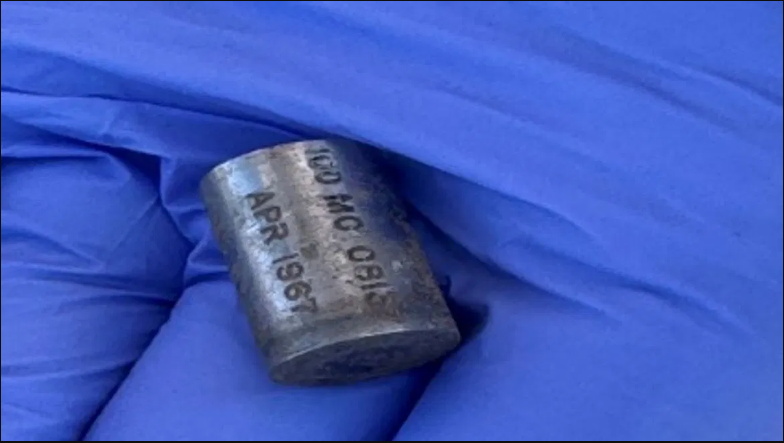
Buried Cesium-137 Sealed Source Discovered by Texas Patrol Officer Near Roadside in Midland County
According to the Texas Department of Public Safety, a corporal with the department recently discovered a buried cesium-137 sealed radioactive source with an activity of 100 millicuries during a routine patrol near a roadway in Midland County. The incident resulted in no injuries or radiation contamination, and public safety was not threatened. On July 24 local time, the corporal, assigned to the department's Radioactive/Nuclear Threat Detection Section, was patrolling near South County Road 1210 when the vehicle-mounted radiation detection system activated. He then used other detection equipment to survey the surrounding area and traced the radiation signal to an underground location. To ensure safe disposal, he requested assistance from local, state, and federal...
2026-08-02
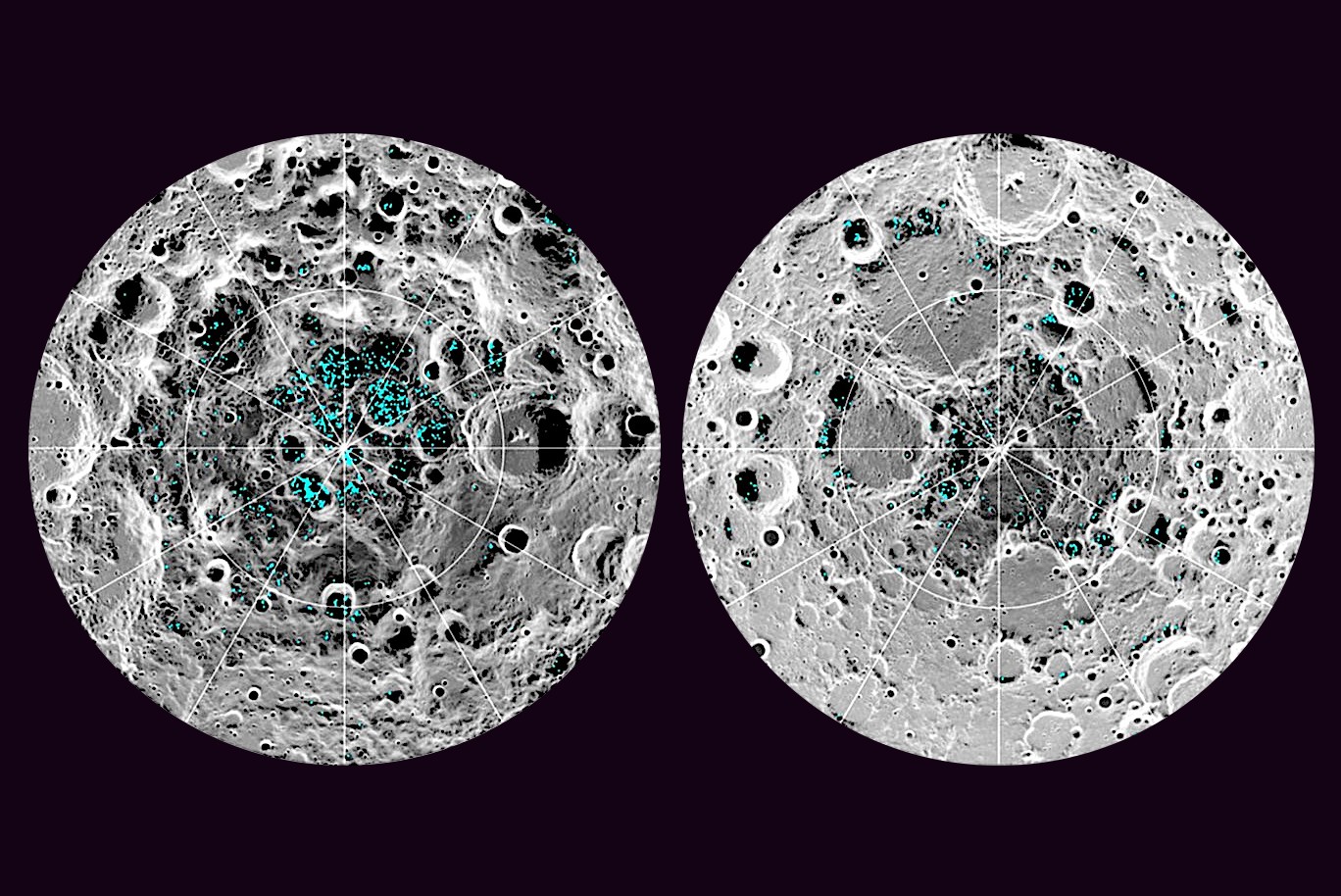
U.S. Explores New Methods for Lunar Ice Detection Using Synchrotron X-ray Microtomography and Seismic Models
On July 31, researchers at Lawrence Berkeley National Laboratory, in collaboration with scientists from the University of Maryland and the University of Hawaii, proposed a new method for locating subsurface ice deposits on the Moon using seismic waves. The findings, published in the journal Science Advances, are expected to provide a reference for interpreting detection data and locating water resources in future lunar landing missions. The research focuses on how subsurface lunar materials respond to seismic waves. The team developed computational models to predict the behavior of lunar subsurface media of varying compositions under seismic wave excitation. Experimental results showed differences in seismic response between ice-bearing and dry rocks, indicating that seismological methods have the potential to identify ice layers buried beneath lunar regolith and rock.
2026-08-01

Follow-up consultations on ROK-US nuclear-powered submarine and nuclear cooperation agreement progress slowly
According to a South Korean diplomatic source on July 31, South Korea and the United States have yet to finalize the schedule for the second working-level consultation, and the follow-up talks originally planned for July have not yet taken place. The consultations are aimed at implementing the security-related agreements outlined in the joint statement issued at last year's summit between the two countries, including South Korea's introduction of nuclear-powered submarines and the revision of nuclear cooperation arrangements regarding uranium enrichment and spent nuclear fuel reprocessing. The two sides previously held their first working-level consultation in Seoul on the 2nd and 3rd of last month. U.S. Under Secretary of State for Political Affairs Allison Hooker led a cross-agency delegation to South Korea at the time to discuss the implementation of the security agreement with the South Korean side. Observers...
2026-08-02