
Search Results
Keyword:Al
Fractionated radiotherapy did not significantly alter surface properties of two types of dental restorative composites
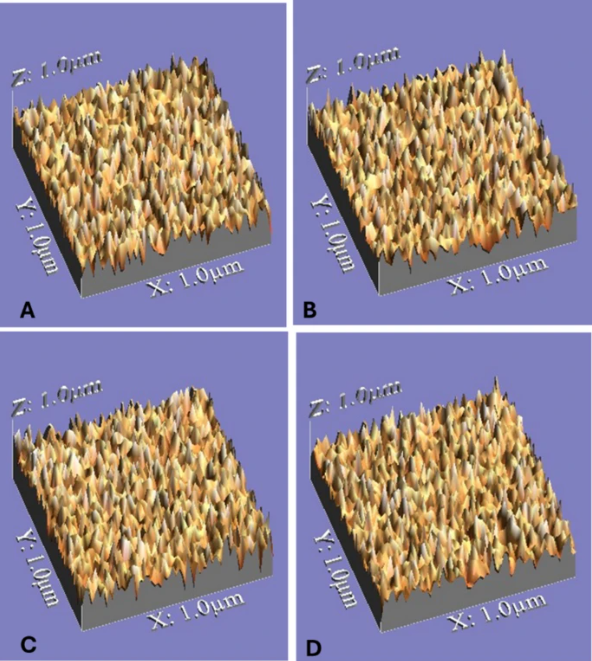
On August 5, a recently published in vitro study showed that under a simulated clinical head and neck cancer radiotherapy regimen, the surface microhardness and roughness of two modern dental restorative composites did not change significantly. The study focused on the effects of therapeutic ionizing radiation on the durability of dental restorative materials. After head and neck cancer patients receive radiotherapy, the oral environment may change, including reduced saliva secretion, mucositis, radiation caries, and other issues, which may affect the surface condition and long-term performance of restorations. To this end, the research team selected Giomer resin composite based on glass ionomer technology and Or...
2026-08-10
Ukraine's Radon Association Receives EU-Assisted Equipment to Enhance Operational Reliability of IASRM Radiation Monitoring System
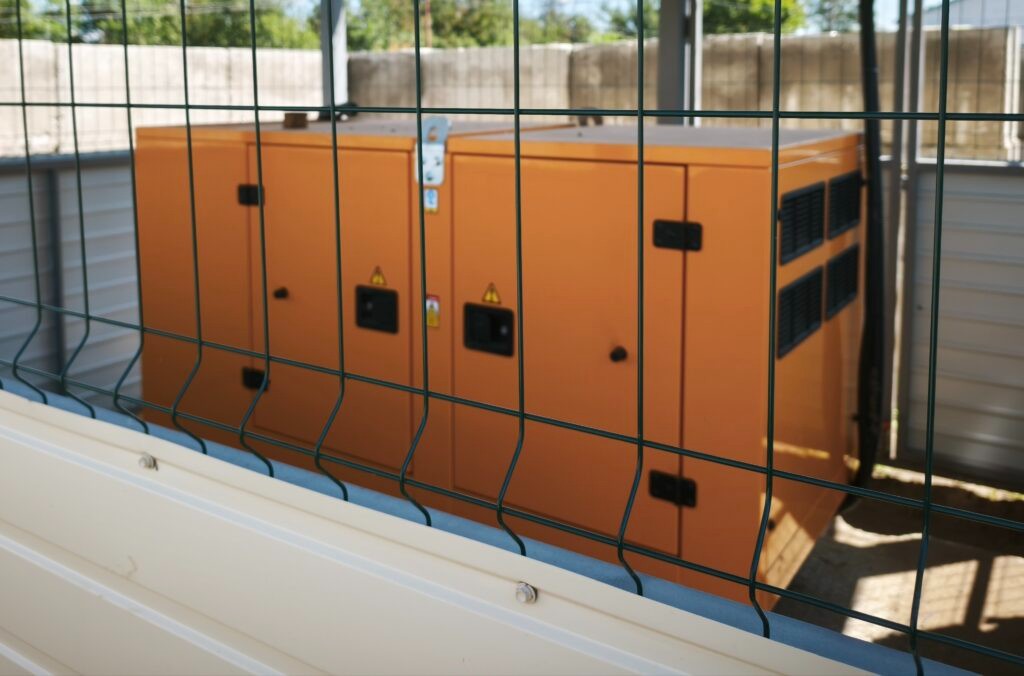
On August 4, 2026, the Ukrainian state non-profit company Radon Association received five modern support systems to enhance the uninterrupted operation capability of the Integrated Automated Radiation Monitoring System (IASRM). The project is financially supported by the European Union through the Science and Technology Center in Ukraine, pursuant to Agreement No. INSC/2023/442-610 signed on May 22, 2023. Under the contractual arrangements, the relevant equipment has been delivered to the regional branches of the Radon Association and the central production base branch, with installation completed at the designated facilities. The systems installed this time mainly include backup power supply equipment such as diesel generators, which can provide continuous power to IASRM equipment during main power interruptions or shutdowns, thereby ensuring the normal operation of the radiation monitoring system under abnormal power supply conditions.
2026-08-10
DNT "Radon Association" Receives EU Technical Assistance Equipment to Strengthen Radiation Dose Monitoring Capabilities
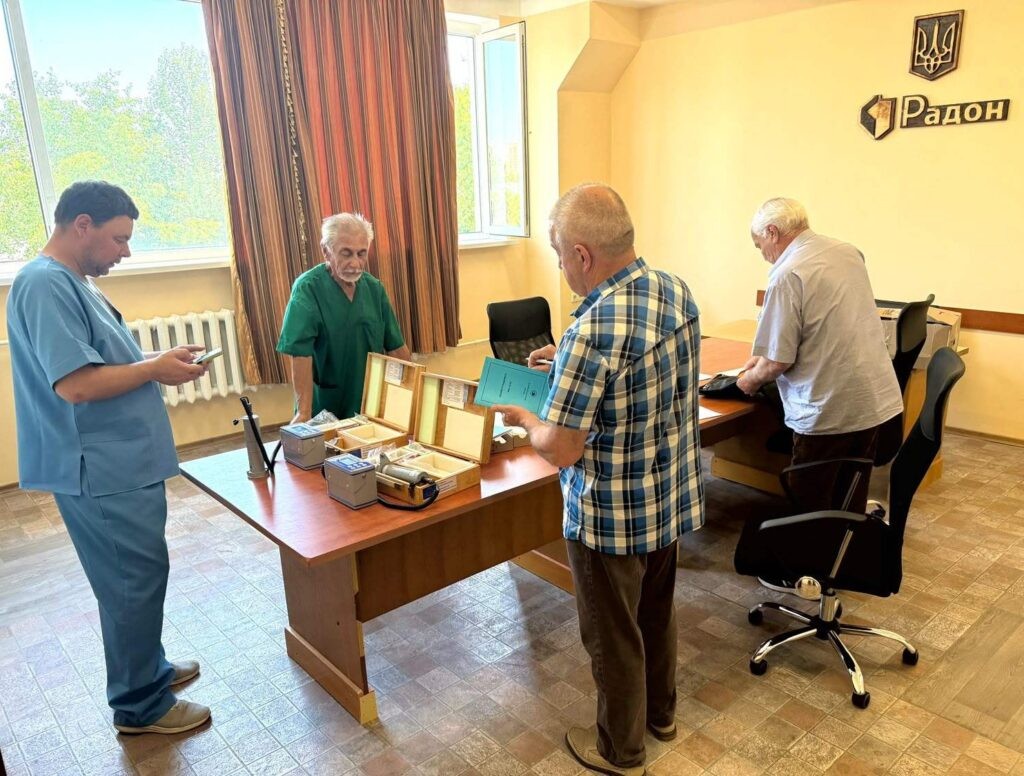
On August 4, 2026, under the framework of the EU International Technical Assistance Project, the DNT Radon Association received a batch of modern measurement equipment for radiation dose monitoring, aimed at enhancing radiation monitoring and dose control capabilities. The project is financially supported by the EU through the Science and Technology Center in Ukraine, pursuant to Donor Agreement No. 700001998 signed on June 24, 2024. In accordance with the contractual arrangements, the relevant measurement equipment has been delivered to the Association's interregional branches and central production base branches. Following delivery, the DNT Radon Association conducted acceptance testing of the supplied measurement equipment. The test results demonstrated that the equipment meets the requirements for its intended use. Concurrently, the Association also organized relevant personnel to undergo training in equipment operation and maintenance; upon completion of the training and knowledge assessment, the relevant experts were awarded certificates of completion.
2026-08-10

"Nuclear Levee" Intelligent Foundation Empowers Wuhan Nuclear Technology Utilization Intelligent Review System Officially Launched
Recently, the Nuclear and Radiation Safety Center of the Ministry of Ecology and Environment, in collaboration with software development enterprises, leveraged its independently developed nuclear safety regulatory "Nuclear Levee" intelligent review technology foundation to address the intelligent construction needs of radiation-related construction project environmental impact assessment (EIA) review at the Wuhan Ecological Environment Safety Center. The customized development of the Wuhan Nuclear Technology Utilization Intelligent Review System was successfully completed and officially deployed. The system carried out full-process technical research around three core directions: scenario adaptation, model iteration, and large-scale deployment. Key technical optimizations were completed for the EIA business scenarios, including dedicated parameter tuning and joint model training of the "Nuclear Levee" intelligent review foundation, successfully building an intelligent review system covering the entire EIA process. The system...
2026-08-10
LLNL Research in the U.S. Reveals New Mechanisms of Laser Polarization Effects in NIF Inertial Confinement Fusion Experiments
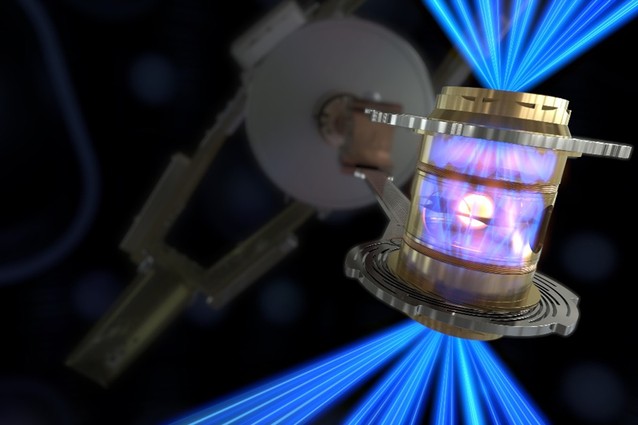
Researchers at Lawrence Livermore National Laboratory (LLNL) have recently discovered in studies related to the National Ignition Facility (NIF) that the polarization state of lasers may influence the cross-beam energy transfer (CBET) process in inertial confinement fusion experiments and could help reduce backscatter and the risk of damage to optical components. The related paper, titled "Effects of Laser Polarization on Cross-Beam Energy Transfer in Inertial Confinement Fusion," was recently published as a featured article in the journal Physics of Plasmas. NIF experiments demand extremely high precision in laser control. The facility's 192 laser beams must be focused to a width of a few millimeters and enter the target area through holes approximately 3 millimeters in diameter located at the top or bottom of a gold hohlraum. The hohlraum is about 2 centimeters in diameter. After the lasers enter the plasma, different beams cross each other and undergo energy transfer, a process known as cross-beam energy transfer. When designing NIF inertial confinement fusion experiments, scientists carefully tune the laser wavelengths to use CBET to balance energy distribution and improve implosion symmetry.
2026-08-10
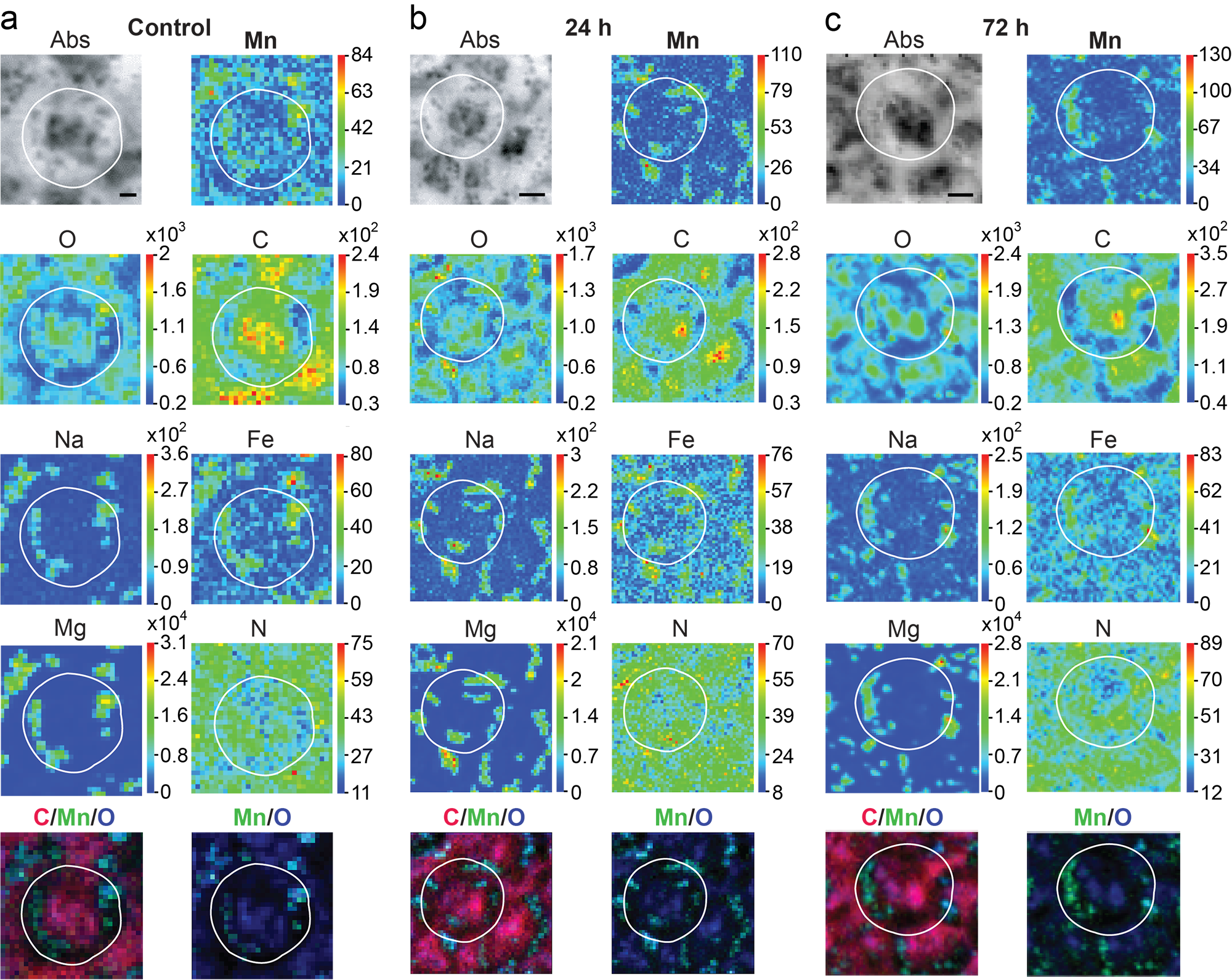
Synchrotron radiation reveals mechanism of acidophilic microalga PM01 tolerating high-concentration manganese
Researchers have used synchrotron radiation techniques to reveal the key mechanism by which an acidophilic green microalga survives in high-concentration manganese environments. The research subject is the acidophilic alga C. acidophila PM01, originally isolated from an acid mine drainage pond, which can survive at manganese concentrations up to 50 mM (approximately 2.75 g/L), making it one of the most manganese-tolerant microalgae reported to date. Manganese is a nutrient element required by organisms, but during processes such as mining, ore processing, and electrolytic manganese production, high concentrations of manganese can enter water bodies and cause pollution. In particular, manganese removal is difficult in acidic waters. Some microorganisms can adapt to such extreme environments, but their tolerance mechanisms still require fine analytical tools to elucidate...
2026-08-10
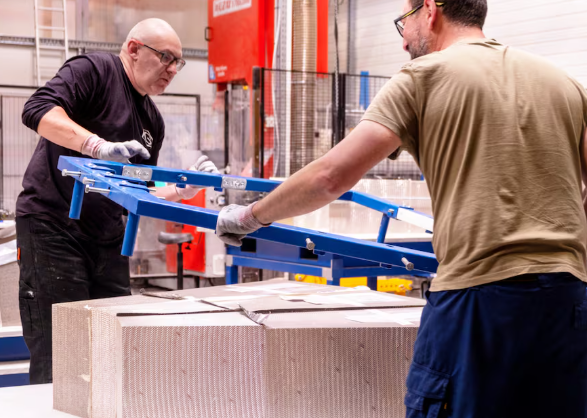
Honeycomb Materials Cross Over into Nuclear Energy: The Gill Corporation Enters the Radioactive Material Container Market
Basque Country-based company The Gill Corporation is applying its proven honeycomb structural material technology to the field of radioactive material containers, thereby entering the nuclear energy industry chain. The so-called honeycomb structure is typically known for its lightweight nature, high strength, impact resistance, and stable support, and has historically been used more in aerospace, transportation, or industrial composite applications; its current use in nuclear-related containers indicates that traditional high-performance materials companies are seeking new growth opportunities against the backdrop of the nuclear energy renaissance. The transport and storage of radioactive materials impose extremely high safety requirements on containers, which must not only account for mechanical strength, vibration resistance, and impact tolerance, but also meet long-term reliability, traceability, and stringent industry...
2026-08-10

DR Congo Government Responds to Research Allegations of "Uranium" in Cobalt Products, Announces Re-Testing and IAEA Consultations
The government of the Democratic Republic of the Congo (DRC) has recently responded to a study suggesting that its cobalt products may contain traces of uranium. The study, published in the journal *Nature Communications* on July 30, 2026, reported the presence of uranium traces in some exported cobalt hydroxide products from the DRC. As cobalt is a critical raw material in the global new energy battery supply chain, this claim quickly drew external attention to mineral product safety, environmental risks, and supply chain credibility. In an official statement released on August 7 by the Ministry of Communication and Media, the DRC government stated that the allegations should be understood within a scientific and geological context. The government emphasized that the natural co-occurrence of uranium in copper-cobalt deposits in Lualaba Province and Haut-Katanga Province is a geological phenomenon known for over a century, and is neither abnormal nor the result of artificial addition or deliberate manipulation. The government also noted that, under relevant International Atomic Energy Agency standards, if uranium exists only in trace amounts in ores or cobalt concentrates and is not specifically processed for uranium extraction, it should generally not be regarded as nuclear material.
2026-08-10
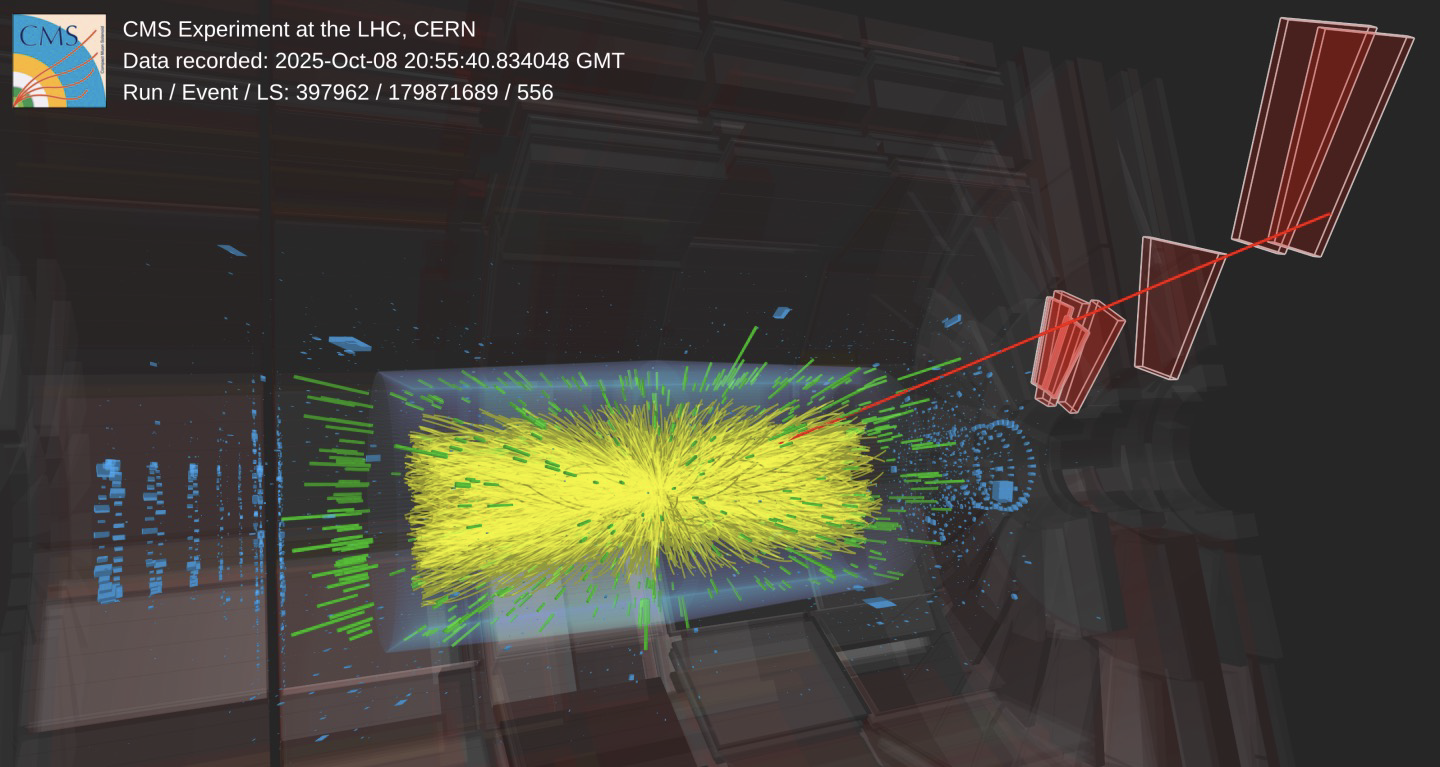
CMS completes high-pileup collision test, validating particle reconstruction algorithms for High-Luminosity LHC operation
In 2025, the Large Hadron Collider (LHC) conducted a dedicated test over several days to simulate high-intensity collision conditions closer to those expected during future operation of the High-Luminosity Large Hadron Collider (HL-LHC). The Compact Muon Solenoid (CMS) experiment team used this opportunity to test whether existing particle tracking, identification, and reconstruction software, along with a new class of machine learning methods, can adapt to the more complex collision conditions of the HL-LHC era. During LHC operation, each crossing of proton beams produces multiple proton–proton collisions simultaneously, a phenomenon known as pileup. The current Run 3 features approximately 65 simultaneous interactions, while the HL-LHC is expected to reach 140 to 200. To...
2026-08-10
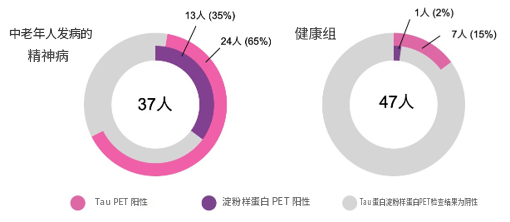
Japanese research team uses PET imaging to find tau protein pathology may be involved in onset of hallucinations and delusions in middle-aged and elderly
A research team comprising the National Institutes for Quantum Science and Technology (QST), Keio University, Kyoto University, Tokyo University of Science, and other institutions recently announced that researchers used PET imaging to observe tau protein pathology in the living brains of middle-aged and elderly psychiatric patients, and believe that such pathology may be related to psychiatric symptoms such as hallucinations and delusions that first appear after age 40. Proportion of positive tau PET and amyloid PET results Middle-aged and elderly psychosis generally refers to diseases in which psychiatric symptoms such as hallucinations and delusions first appear after age 40. Previous epidemiological studies and postmortem brain tissue studies have suggested that such symptoms may be related to neurodegenerative changes associated with dementia, but due to limited techniques for precise visualization and quantification of abnormal proteins in living brains, relevant evidence has long been insufficient.
2026-08-10

India Announces INR 26.75 Trillion in Investments This Fiscal Year, with INR 6.5 Trillion Planned for Nuclear Power
According to a report released by the Economic Research Department of India's Bank of Baroda, total announced investments in India reached INR 26.75 trillion between April 1 and August 5 of the 2026-2027 fiscal year. Amid persistent uncertainties in the global economic landscape, Information Technology-enabled Services (ITeS) emerged as the dominant investment destination, accounting for 56% of total proposed investments. The report stated that the ITeS sector announced investments of INR 14.98 trillion, with nearly 99% concentrated in data centers and artificial intelligence, involving 13 companies. This indicates that digital infrastructure and AI-related industries remain a strategic focus for Indian enterprises and capital allocation. By sector, investment announcements remain highly...
2026-08-10
Radiation Environment Monitoring Technical Center of the Ministry of Ecology and Environment Visits Tibet to Conduct Research and Assistance on Radiation Environment Monitoring Capacity
Recently, in accordance with the work deployment of the Nuclear Facility Safety Supervision Department of the Ministry of Ecology and Environment (MEE), a team led by relevant officials from the Radiation Environment Monitoring Technical Center of the MEE visited the Radiation Environment Supervision Station of the Tibet Autonomous Region (hereinafter referred to as the Tibet Station) to conduct research, assistance, and technical guidance on radiation environment monitoring capacity. The working group was dispatched in batches to key cities including Lhasa, Nagqu, Shigatse, and Ngari, and systematically reviewed the current status of radiation monitoring capacity in the Tibet Autonomous Region through thematic seminars, on-site inspections, and hands-on training sessions. They conducted on-site assessments of the operation and maintenance challenges of the national-controlled radiation environment air automatic monitoring stations in Tibet, benchmarked against actual needs, identified shortcomings in capacity building, and implemented targeted measures to resolve bottlenecks in network operation. At the research symposium...
2026-08-10
South Korea Advances K-Moonshot Initiative, Nuclear Fusion and SMR Spacecraft Listed as Key Missions
The South Korean government is accelerating the K-Moonshot initiative, seeking to tackle critical technologies that are difficult to break through via traditional research pathways through a national-level R&D organizational approach. Among these, nuclear fusion and small modular reactor (SMR) spacecraft have been included in 12 key missions, alongside new drug development, quantum technology, and artificial intelligence, all under the government's coordinated promotion. On August 10, Vice Minister Goo Hyuk-chae of the Ministry of Science and ICT (MSIT) met with the heads of the 12 mission projects and representatives of related institutions at the K-Moonshot Project Support Office in Sejong City to discuss next-stage implementation arrangements. The meeting focused on detailing...
2026-08-10

South Korea Designates SMR as National Strategic Technology, Tax Incentives to Drive New Investment in Nuclear Supply Chain
The South Korean government's inclusion of Small Modular Reactors (SMR) in its national strategic technology support scope signals that its energy and industrial policies are extending from traditional large-scale nuclear power plants to next-generation nuclear technologies. SMRs feature modular manufacturing, relatively shorter construction periods, and higher site flexibility, making them a key direction for South Korea in balancing energy security, low-carbon transition, and advanced manufacturing upgrades. This policy has gained support from South Korea's nuclear industry, with the key being that national strategic technology status typically entails tax credits and other incentives for corporate R&D, equipment investment, and related capital expenditures. For companies involved in nuclear equipment, castings and forgings, control systems, engineering design, and fuel-related businesses...
2026-08-10
Small Modular Reactors Expected to Contribute One-Quarter of Global New Nuclear Capacity by 2050
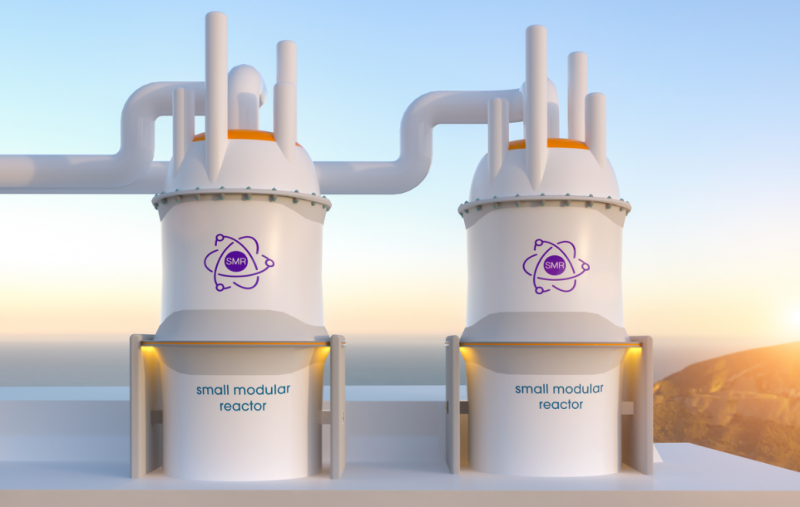
According to data compiled by the World Nuclear Association (WNA), global nuclear power installed capacity is expected to reach 1,446 GWe by 2050. This projection is based on the continued operation of existing reactors and the implementation of announced nuclear power development targets by governments. Currently, global installed nuclear capacity stands at approximately 403 GWe. To achieve the above scale, an additional approximately 1,043 GWe of nuclear capacity will need to be added. Among this, Small Modular Reactors (SMRs) are expected to contribute about 260 GWe, accounting for roughly one-quarter of global new nuclear capacity. Factors driving nuclear power expansion are increasing. The rapid adoption of artificial intelligence applications has driven up electricity demand from data centers, and the accelerating electrification of transportation and industrial sectors has further elevated the importance of stable, low-carbon electricity supply. Meanwhile, energy security and net-zero emission targets are prompting more countries to reassess the role of nuclear energy in their energy mix.
2026-08-10