
Search Results
Keyword:B
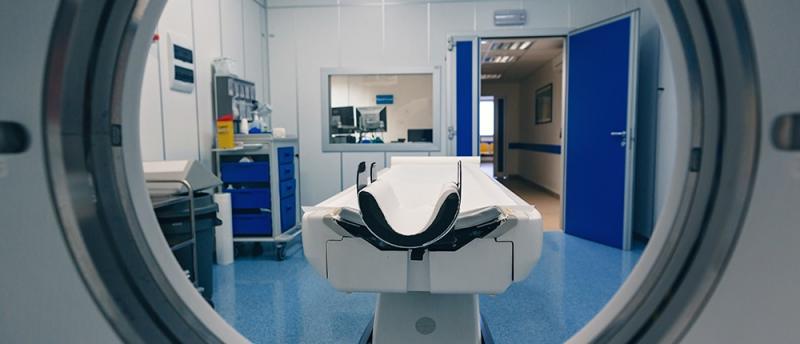
Assam, India, Plans to Introduce Proton Beam Therapy for Cancer Treatment at a Public Hospital
Cancer treatment capabilities in Assam, India, are set to be upgraded. Assam Chief Minister Himanta Biswa Sarma announced that the state cabinet has approved the introduction of a proton beam therapy system at Gauhati Medical College Hospital. Once the project is completed, Assam will become the third region in India to offer proton beam therapy, and the hospital will be the first public hospital in India to be equipped with this technology. Currently, proton beam therapy is already in use at the Tata Memorial Centre in Mumbai and the Apollo Proton Cancer Centre in Chennai. The facility planned at Gauhati Medical College Hospital will become the third such treatment center in India. Proton beam therapy is an advanced form of radiotherapy used to treat cancer and certain non-cancerous tumors. Unlike conventional radiation therapy, which typically uses X-rays, proton therapy delivers precise irradiation to the tumor area using high-energy positively charged particles—protons. As proton beams enter the body, they release energy, causing DNA damage to cells. Healthy cells generally possess some capacity for repair, whereas cancer cells are less able to repair themselves, thereby inhibiting their growth and proliferation and helping to destroy tumor tissue.
2026-08-31

India and Uzbekistan Agree to Establish Long-Term Uranium Supply Arrangement
India and Uzbekistan held leader-level talks in Tashkent on August 30, deciding to elevate bilateral relations to a comprehensive strategic partnership and agreeing to establish an arrangement for long-term uranium supply from Uzbekistan to India, strengthening cooperation between the two countries in the field of civil nuclear energy. Following talks with Uzbek President Shavkat Mirziyoyev, Indian Prime Minister Narendra Modi stated that the two sides would establish a long-term uranium supply arrangement. The specific scale, duration, and implementation mechanism of the arrangement have not yet been announced. India has in recent years continued to diversify its nuclear fuel sources, and Uzbekistan is an important uranium resource country in Central Asia...
2026-08-31
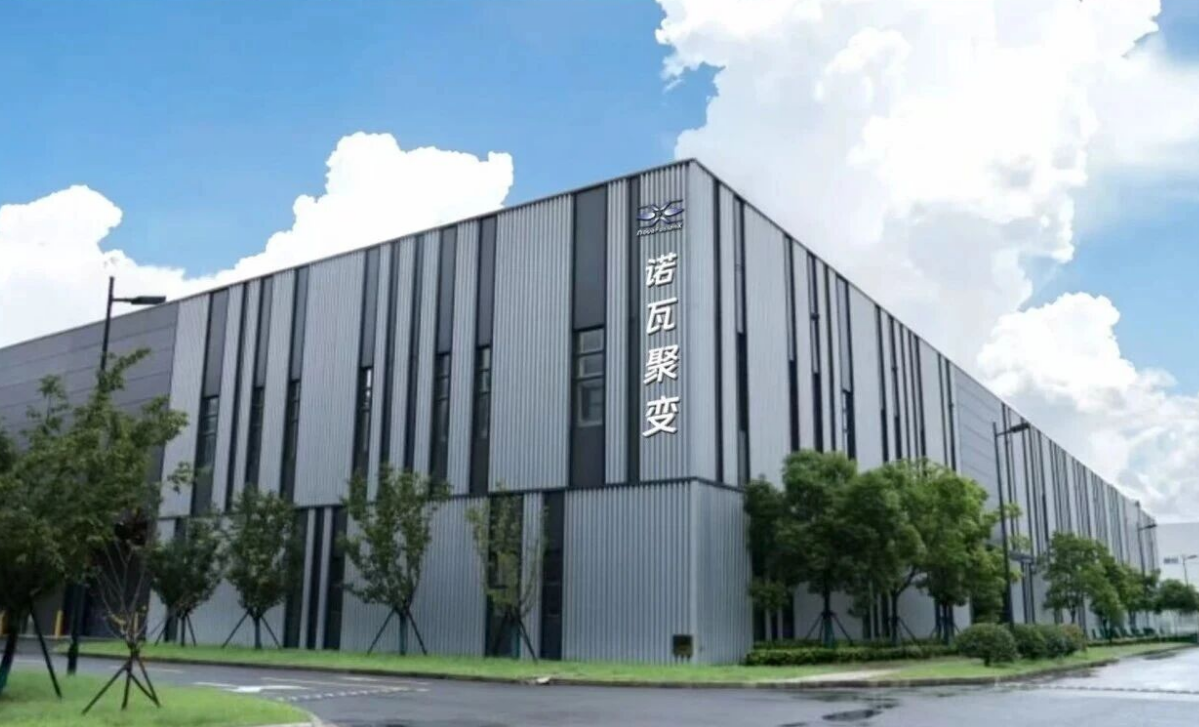
Nova Fusion Completes RMB 1.2 Billion Pre-A Series Financing
Nova Fusion Energy Technology (Shanghai) Co., Ltd. recently announced the completion of its Pre-A series financing totaling RMB 1.2 billion, comprising both the Pre-A round and Pre-A+ round. The company stated that within 16 months since its establishment, it has completed a RMB 500 million angel round, a RMB 700 million angel+ round, and this round of financing, bringing cumulative fundraising to RMB 2.4 billion with a post-investment valuation exceeding RMB 10 billion. In this round, Meituan Longzhu and Hillhouse Ventures continued their participation, while Lenovo Capital and Guozhong Capital joined as new strategic investors. The company stated that the funds from this round will primarily be used for new device construction, key technology iteration, industrial base preparation, and subsequent fusion energy output verification efforts. Nova Fusion focuses on field-reversed configuration (FRC) small...
2026-08-31
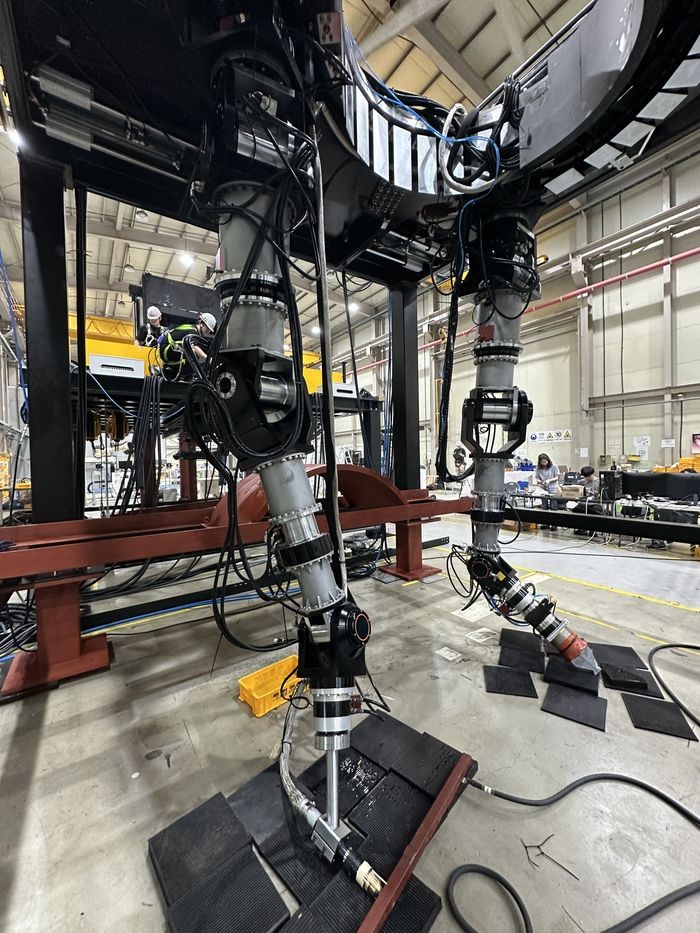
South Korea's KNR Systems Completes Development of Robotic System for PHWR Decommissioning
KNR Systems announced on August 31 that it has completed the development of a platform system for remote cutting and dismantling of radioactive structures in Pressurized Heavy Water Reactors (PHWR), with final delivery scheduled to commence in September this year. The system originates from a government-commissioned PHWR decommissioning demonstration project. The project, valued at approximately 2.8 billion KRW, was awarded in January last year, with a development period of about seven months. Upon delivery, the equipment will be installed at the Heavy Water Reactor Decommissioning Technology Center of the Korea Research Institute of Decommissioning (KRID) in Gyeongju, for use in PHWR decommissioning demonstrations. Compared with light water reactors, PHWRs have more complex internal structures and typically higher levels of radioactive contamination, making dismantling operations more challenging.
2026-08-31
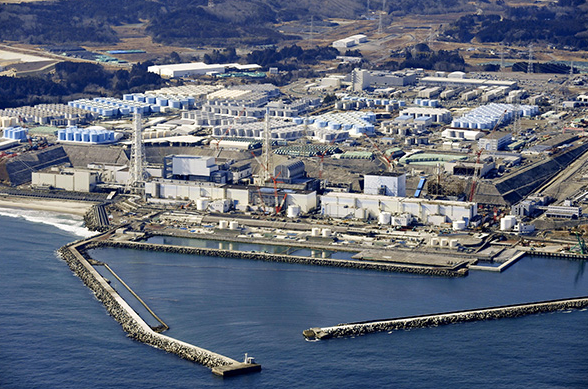
Decontaminated soil from Fukushima used in flower beds at Saitama municipal government building
Decontaminated soil generated after the Fukushima Daiichi Nuclear Power Station accident was transported on August 30 to a government building in Saitama City, Japan, and used in a reuse project for on-site flower beds. The work took place at the Saitama Shintoshin Joint Government Building in Chuo Ward, Saitama City. Approximately one cubic meter of decontaminated soil was brought to the site, where workers dug holes in the flower beds, filled the soil to a depth of about 20 centimeters, and then covered it with approximately 20 centimeters of ordinary soil. Similar decontaminated soil reuse work was carried out on August 29 at the Sendai Joint Government Building in Miyagi Prefecture. Apart from demonstration projects within Fukushima Prefecture, this is the second reuse case conducted outside the Tokyo area. On the day of the work, approximately...
2026-08-31
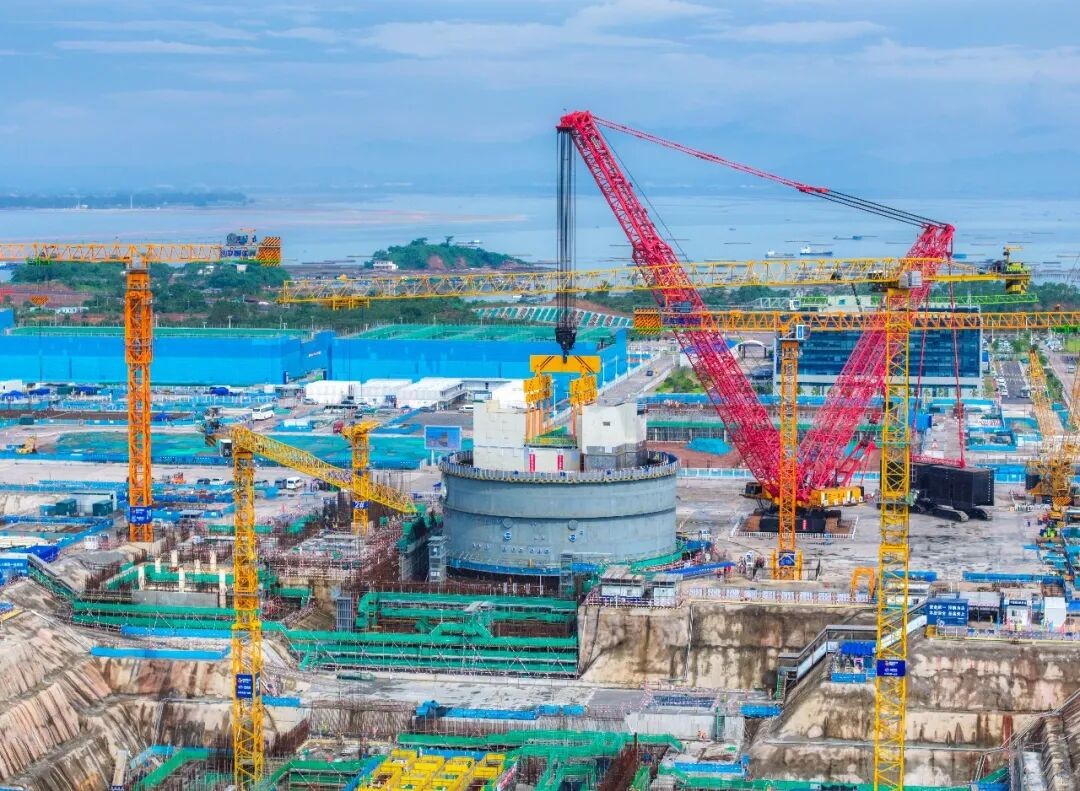
CA01 Module of Unit 1 at Guangxi Bailong Nuclear Power Plant Successfully Hoisted into Position in the Nuclear Island
On August 29, the CA01 module of Unit 1 at the Bailong Nuclear Power Plant of SPIC Guangxi Nuclear Power was precisely positioned, marking a new phase of parallel civil construction and installation in the nuclear island. ▲On August 29, the hoisting operation of the CA01 module of Unit 1 at the Guangxi Bailong Nuclear Power Plant of SPIC was proceeding in an orderly manner. The CA01 module is located in the reactor building of the nuclear island and serves as the installation room for main equipment such as the reactor pressure vessel, steam generators, and pressurizer. The module is T-shaped in overall form, with external dimensions of 28 meters in length, 29 meters in width, and 24 meters in height. It consists of 47 sub-modules, with a total lifting weight of approximately 1,167 tons, making it the largest and heaviest structural module in the nuclear island. The hoisting operation commenced at 8:07 a.m. and, after a series of maneuvers including lifting, hovering, slewing, lowering, and adjustment, was successfully positioned at 12:58 p.m., with the entire process being safe, controllable, stable, and orderly.
2026-08-31
Leo Cancer Care and GE HealthCare Announce Collaboration to Advance Upright Radiotherapy Workflow Integration
Leo Cancer Care recently announced a commercial collaboration with GE HealthCare, focusing on GE HealthCare's advanced imaging solutions and intelligent radiotherapy software, with plans to apply related technologies to Leo Cancer Care's future upright radiotherapy systems to streamline patient and data workflows from simulation to treatment delivery. Under the collaboration framework, the two parties will explore integration pathways between GE HealthCare's intelligent radiotherapy software iRT and Leo Cancer Care's future upright radiotherapy solutions. iRT is an AI-assisted software developed for radiotherapy settings, primarily used to connect information, workflows, and applications across different systems, helping healthcare institutions simplify complex processes, enable patients to enter radiotherapy more promptly, and reduce clinician burden.
2026-08-30
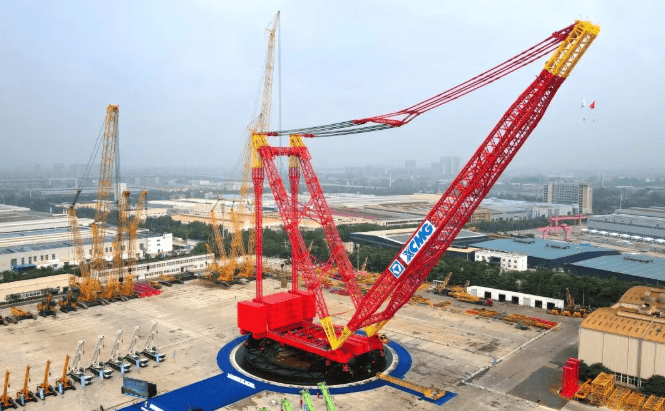
World's First 14,000-Ton-Class Ring Crane Rolls Off Production Line, Capable of Supporting Full-Module Lifting for HPR1000 2.0
Recently, XCMG's world's first 14,000-ton-class ring crane officially rolled off the production line. Su Zimeng, President of China Construction Machinery Association; Wang Guohua, Member of the Party Committee and Vice President of Sinopec Engineering (Group) Co., Ltd., as well as Party Secretary and General Manager of its Lifting and Transportation Company; and Yang Dongsheng, Chairman of XCMG Group and XCMG Machinery and Party Secretary, attended the launch ceremony. Xia Dechang, General Manager and Party Secretary of XCMG Crane Machinery Division, announced the successful rollout of the equipment. According to reports, the 14,000-ton-class ring crane was developed to meet the lifting needs of ultra-large and ultra-heavy equipment in major projects such as nuclear power, petrochemical, and marine engineering, with a focus on serving integrated lifting scenarios for large modules. The equipment achieves full-industry-chain...
2026-08-29
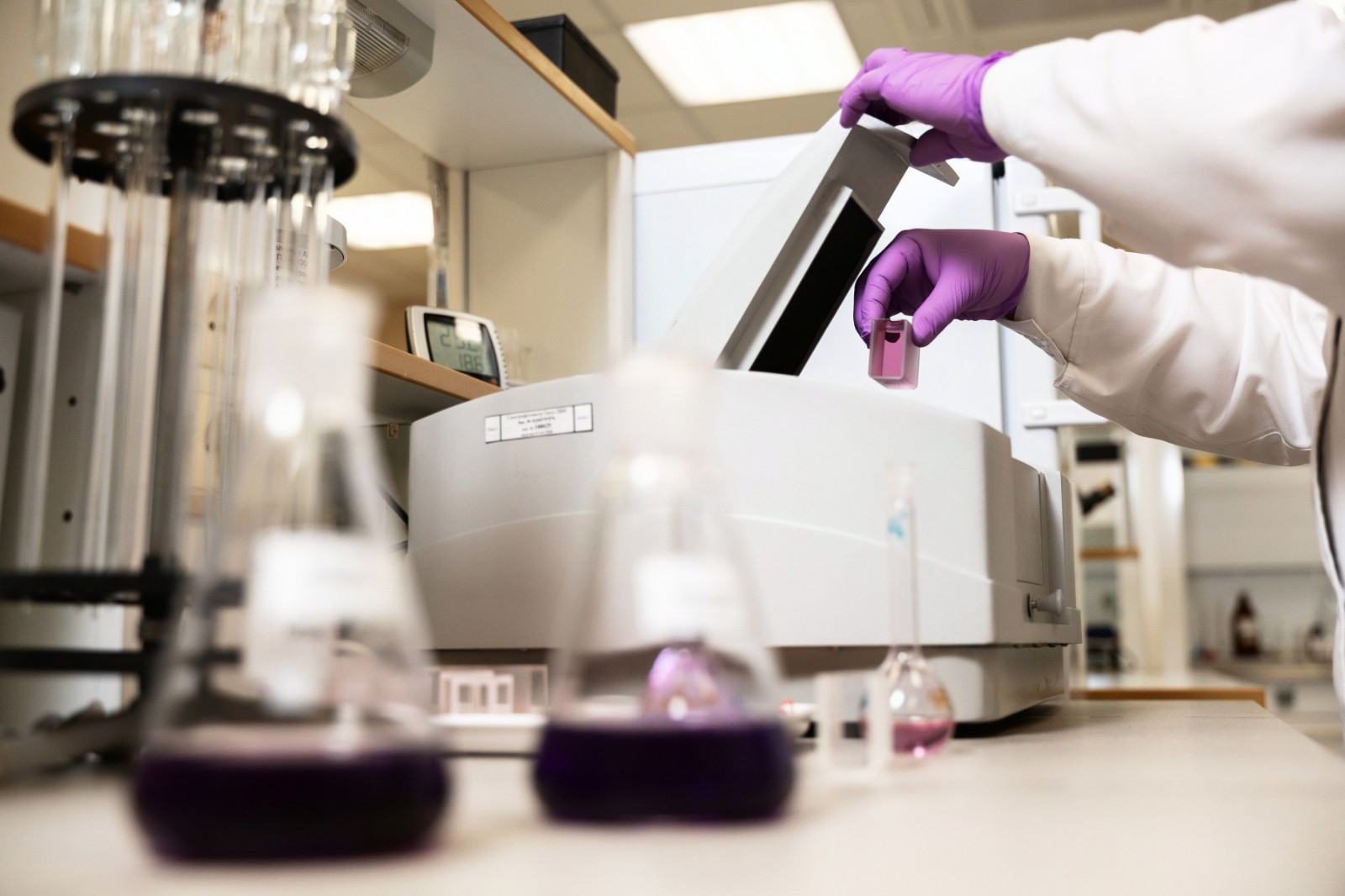
Environmental Monitoring Laboratory of Russia's Kola NPP Completes Interlaboratory Comparison Tests
The production environmental monitoring laboratory of the environmental protection department at Russia's Kola Nuclear Power Plant (Kola NPP) has recently completed interlaboratory comparison tests and received the corresponding certificate and conclusion documents for participation in the proficiency testing program. The comparison tests demonstrated that the laboratory's chemical analysis results meet the requirements and that the relevant measurement data are reliable. In June 2026, the Kola NPP production environmental monitoring laboratory received wastewater and natural water samples. Laboratory personnel were required to determine the concentrations of 8 target indicators within permissible error limits. The test results showed that the laboratory completed the specified tasks and the measurement results met the requirements. Natalya Smirnova, head of the Kola NPP production environmental monitoring laboratory...
2026-08-30

UK Poll Shows Nuclear Power as Respondents' Top Choice for Future Power Source
A latest YouGov survey commissioned by Eland Cables shows that the British public broadly supports the development of renewable energy, but many respondents remain skeptical about its ability to independently deliver low-cost, stable power supply. Among priority options for future power sources, nuclear power ranks first with 21% support, higher than solar power's 19% and offshore wind's 18%. The survey results show that 47% of UK respondents support the construction of nuclear power plants. However, when nuclear projects are set to be built locally in respondents' areas, the support rate drops to 38%, reflecting a disparity in acceptance of nuclear projects at the national versus local level. On renewable energy...
2026-08-30
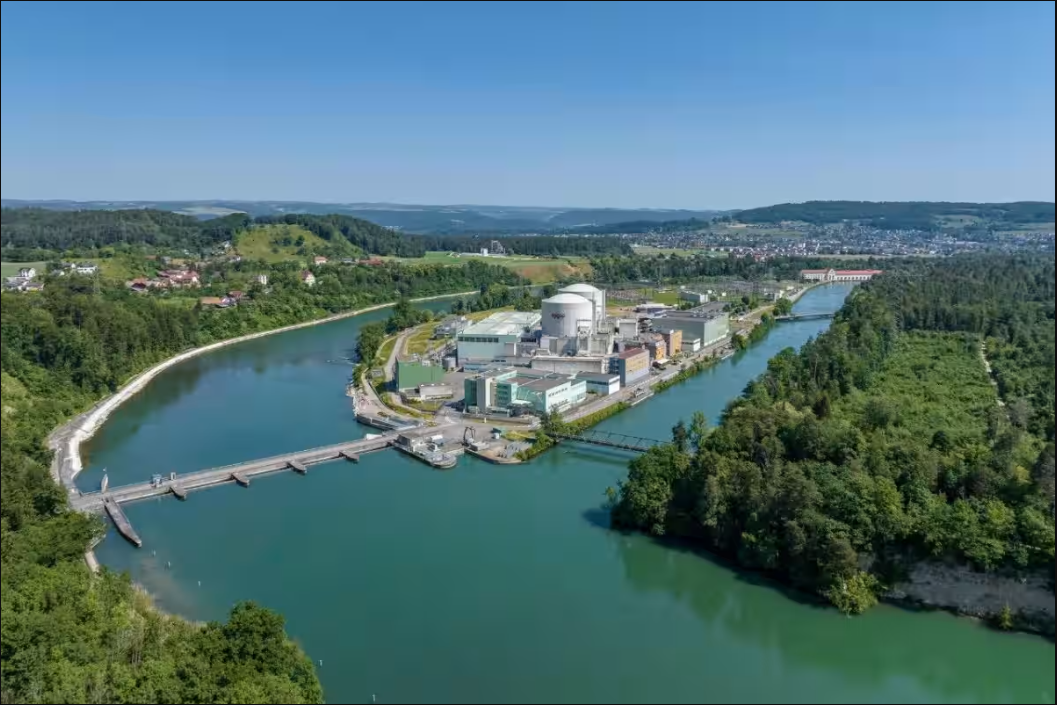
Swiss Beznau Nuclear Power Plant Fully Resumes Operation After Shutdowns
Swiss energy company Axpo stated that the Beznau nuclear power plant, which had been temporarily shut down several times due to multiple heatwaves this summer, has now fully resumed operation. Located in northern Switzerland, the Beznau nuclear power plant uses water from the Aare River for cooling. Recently, many parts of Europe have experienced high temperatures, causing abnormally elevated water temperatures in the Aare River, which led to temporary shutdowns of the plant in June and July. The Aare River basin covers nearly half of Switzerland, with the river eventually flowing into the Rhine. Axpo stated that Unit 1 of the Beznau nuclear power plant resumed operation on August 21; Unit 2, after completing refueling and overhaul, was reconnected to the grid on Thursday and is currently gradually increasing output, expected to reach full power in approximately two days...
2026-08-29

China Isotope & Radiation Plans to Invest RMB 400 Million in Zhejiang Nuclear Technology Application Industry Fund
China Isotope & Radiation Corporation announced on August 28 that its board of directors has approved entering into a partnership agreement with CNNC, CNNC Capital, CNNC Fund, National Industry Investment Fund, Zhejiang Venture Capital Guidance Fund, Jiaxing Changchuang Industrial Investment, and Haiyan County State-owned Capital Investment to jointly establish CNNC (Zhejiang) Nuclear Technology Application Industry Investment Fund Partnership (Limited Partnership). According to the announcement, the fund will be registered in Jiaxing City, Zhejiang Province, with partners intending to subscribe to a total capital contribution of RMB 3 billion. Among them, China Isotope & Radiation plans to contribute RMB 400 million from internal resources, accounting for 13.33% of the fund's total subscribed capital; CNNC Fund, as the general partner, plans to contribute RMB 30 million, accounting for 1%; the National...
2026-08-29
Russia Advances Construction of Fourth-Generation Nuclear Power Projects
Rosatom reports that it is one of the global leaders in the implementation of fourth-generation nuclear energy systems. According to the report, fourth-generation nuclear technologies are designed to minimize the risk of nuclear power accidents and reduce radioactive waste generation through a closed nuclear fuel cycle. As part of the relevant deployment, an innovative power unit featuring the BREST-OD-300 lead-cooled fast neutron reactor is under construction in Seversk, Tomsk Oblast, Russia. The project is regarded as a key component of Russia's efforts to advance the engineering application of fourth-generation nuclear power technologies. The report indicates that in 2025, the installation of the metal cladding for the central cavity of the BREST-OD-300 reactor was completed at the Seversk site, and the cladding for the surrounding cavities has also been installed in the designed positions. Meanwhile, the analytical simulator for the power unit has been put into operation.
2026-08-29
Nuclear energy accounts for about 19% of Russia's energy mix
A public report recently released by Rosatom shows that nuclear energy currently accounts for approximately 19% of the Russian Federation's energy mix. The report states that the total low-carbon electricity produced by Rosatom's enterprises has exceeded 220 billion kWh, including nuclear and wind energy. If all power generation enterprises under the group are included in the calculation, including nuclear power plants, thermal power plants, and wind farms, their total electricity generation accounts for about 20% of Russia's national electricity output. The report also mentions that the floating nuclear power plant in Pevek on the Chukotka Peninsula has been in operation for five years, with cumulative electricity generation reaching 1 billion kWh. This facility is currently the only operating floating nuclear power plant in the world....
2026-08-30
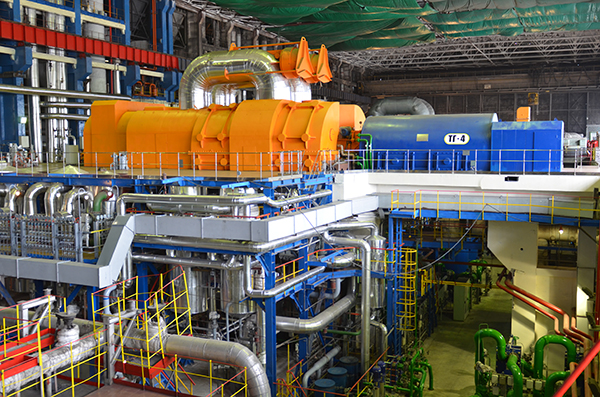
Russian Power Machines plans to deliver two nuclear steam turbines per year starting from 2029
Power Machines, a Russian company, expects to deliver two steam turbines for nuclear power plants to customers annually starting from 2029. Anton Viktorov, Deputy General Director and Head of the Nuclear Energy Division, revealed that the relevant production capacity arrangements have been incorporated into the company's future plans. Viktorov stated that the company plans to sign contracts for three nuclear power units in 2026, along with several maintenance contracts for steam turbine and generator equipment; negotiations are also underway for contracts covering three additional units. He noted that this task places high demands on the company's production capacity organization and project execution. In terms of manufacturing capabilities, Power Machines previously disclosed that the company plans to produce 7 gas turbines and 14 steam turbines in 2026. With subsequent additional investments and production capacity expansion, the relevant factories will have the capacity to produce 10 sets of equipment annually starting from 2029.
2026-08-30