
Search Results
Keyword:B
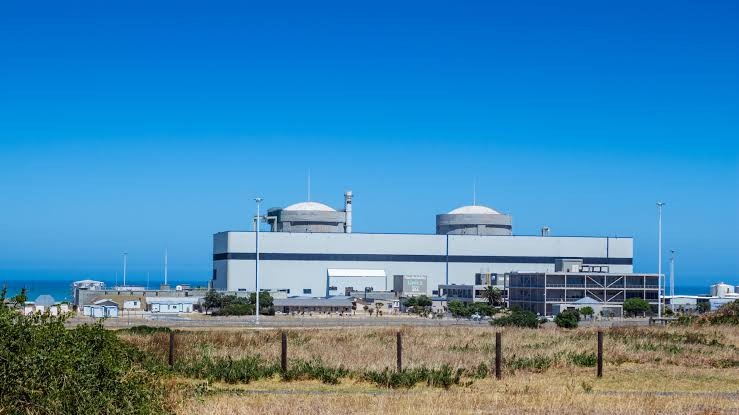
Unit 1 at South Africa's Koeberg Nuclear Power Station Automatically Shuts Down
South Africa's state-owned power utility Eskom has stated that Unit 1 at the Koeberg Nuclear Power Station automatically shut down after the reactor safety system was triggered. The cause of the incident is currently under investigation. According to Eskom, the unit's turbine has been taken offline, and there is no nuclear safety risk at the site. The company noted that prior to the earlier fish kill and their entry into the water intake area, the generating unit had been operating reliably. Koeberg Nuclear Power Station is located on South Africa's Atlantic coast, near Cape Town. Several days ago, large numbers of dead fish entered the station's water intake area, clogging the cooling pumps and triggering the safety system, after which the cooling pumps automatically shut down and Unit 1's power output was reduced. Unit 2 is currently in a planned maintenance outage.
2026-08-29

U.S. Deployable Energy Microreactor Selected for Two Nuclear Energy Demonstration Projects
Deployable Energy announced on August 28 that its advanced deployable energy system has been selected for two upcoming demonstration projects under the National Reactor Innovation Center (NRIC): a full-power demonstration of the nuclear energy startup platform at Idaho National Laboratory (INL), and an offshore demonstration of the U.S. nuclear energy startup platform in collaboration with Hornbeck Offshore. Established in 2019, the National Reactor Innovation Center works primarily with industry and the U.S. national laboratory system to advance nuclear technologies from conceptual design through demonstration, validation, and commercial deployment. The two selected projects will continue Deployable Energy's prior collaboration with INL under the nuclear energy startup platform program, accumulating technical and operational data to support subsequent testing, validation, and regulatory engagement for advanced nuclear technologies.
2026-08-29
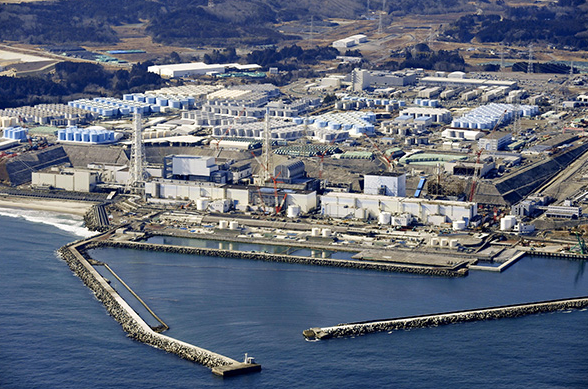
Japan to Establish New Decontamination Base in Okuma, Fukushima
Japan's Ministry of the Environment has decided to establish a new work base in Okuma Town, Fukushima Prefecture, in the next fiscal year to coordinate decontamination and house demolition work in difficult-to-return zones following the accident at Tokyo Electric Power Company (TEPCO)'s Fukushima Daiichi Nuclear Power Station, aiming to accelerate environmental recovery in the affected areas. Within seven municipalities surrounding the Fukushima Daiichi Nuclear Power Station, approximately 309 square kilometers have been designated as difficult-to-return zones. These areas remain under strict control, with restrictions on residential habitation and entry, and evacuation orders remain in effect. Within the difficult-to-return zones, the Japanese government has established "specified return residential areas" and plans to advance decontamination, house demolition, and other measures based on residents' intentions to return. The proposed new base in Okuma Town will be responsible for on-site management and project coordination, with approximately 30 staff members expected to be assigned, and the relevant branch office currently located in Hirono Town will be relocated to Okuma Town.
2026-08-30
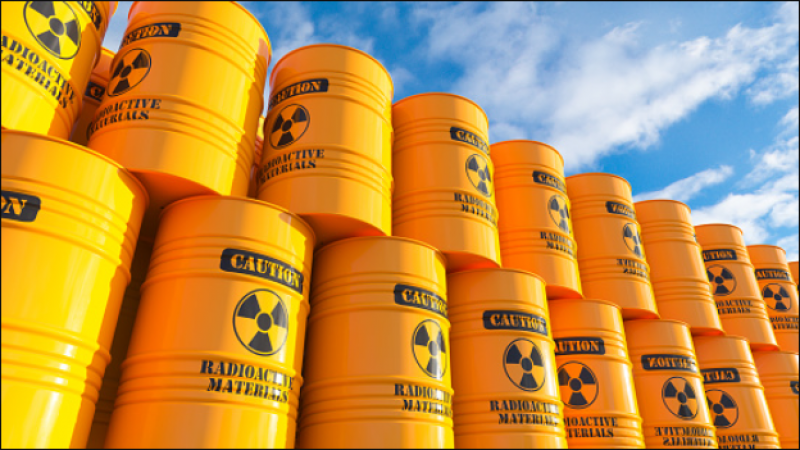
Japanese Nuclear Regulator Inspects Horonobe Geological Disposal Research Facility for High-Level Radioactive Waste
On August 28, Shinya Nagasaki and other members of Japan's Nuclear Regulation Authority (NRA) inspected an underground research facility in Horonobe Town, Japan. The facility, operated by the Japan Atomic Energy Agency (JAEA), conducts technical research on deep geological disposal of high-level radioactive waste. Geological disposal of high-level radioactive waste involves encapsulating the waste and burying it deep underground, achieving long-term isolation through engineered and natural geological barriers. During the inspection, Nagasaki and his delegation examined test facilities used to evaluate the corrosion resistance of iron containers. The tests simulate the environment of containers holding heat-generating radioactive waste after being buried underground...
2026-08-30
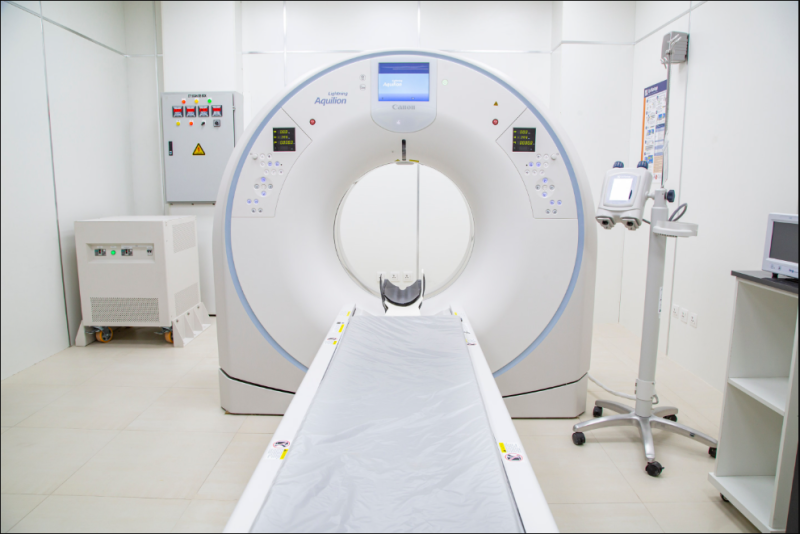
Blueprint for Proton Therapy Center in Southeastern Busan, South Korea Unveiled to Address Regional Gap in Cancer Treatment Resources
The blueprint for the proton therapy center at the Southeastern Regional Nuclear Medicine Center in Gijang-gun, Busan, South Korea, was recently unveiled. The project is expected to help bridge the gap in cancer treatment resources between the Seoul metropolitan area and non-capital regions, and to promote the application of proton accelerators in high-tech industries. According to information from Gijang-gun, Busan, and the Southeastern Regional Institute of Radiation Medicine on August 29, the Busan Institute of Science and Technology Higher Education recently published a service report titled "Establishment of Promotion Strategy and Implementation Plan for the Southeastern Proton Therapy Center," which includes the construction blueprint and feasibility analysis of the center. The Southeastern Regional Institute of Radiation Medicine is advancing related preparatory work in response to the research and development review by the Ministry of Science and ICT in the second half of this year...
2026-08-30

South Korean survey shows 80% of respondents support including new nuclear power plants in power planning
An energy public perception survey released by the Korea Energy Information Culture Foundation on August 28 showed that 82.9% of respondents believed it is necessary to include plans for new nuclear power plants in the 12th Basic Plan for Electricity Supply and Demand currently being formulated, in response to future growth in electricity demand. The survey was commissioned by the Korea Energy Information Culture Foundation and conducted by Korea Research International via telephone interviews from June 12 to 15, targeting 2,000 adults aged 18 and above. The response rate was 10.0%, with a sampling error of...
2026-08-30
CNNC Changchun Nuclear Medicine Base Obtains Production License
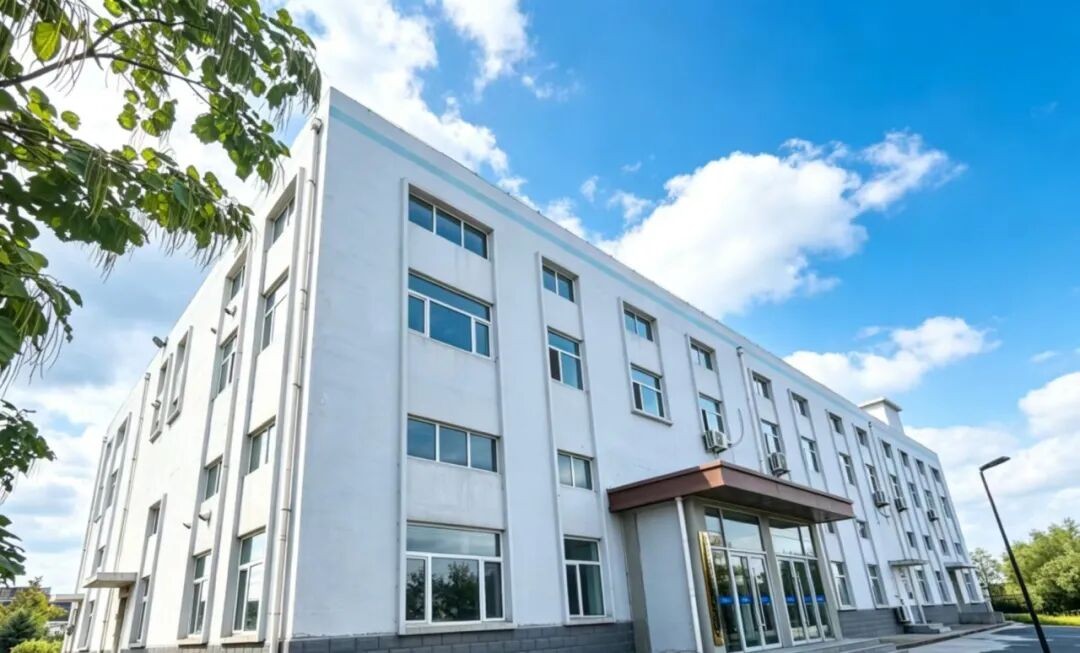
On August 28, the Jilin Provincial Drug Administration approved and issued the "Radiopharmaceutical Production License" to Changchun Atomic Hi-Tech Pharmaceutical Co., Ltd. (hereinafter referred to as "Changchun Hi-Tech"), a subsidiary of Atomic Hi-Tech under China Isotope & Radiation Corporation (CIRC). The acquisition of this license marks that Changchun Hi-Tech is now fully qualified for the production of technetium-labeled drugs. Radiopharmaceuticals are characterized by short half-lives, high transportation requirements, and strict time sensitivity. Long-distance transportation not only increases transportation and time costs but also poses greater challenges to the stability and timeliness of clinical medication. With the production qualification, Changchun Hi-Tech will be able to complete the production and distribution of technetium-labeled drugs locally in Jilin Province, which will help improve the clinical use of nuclear medicine in the Northeast region...
2026-08-29
UK Fusion Energy Company Files 50th Patent Application
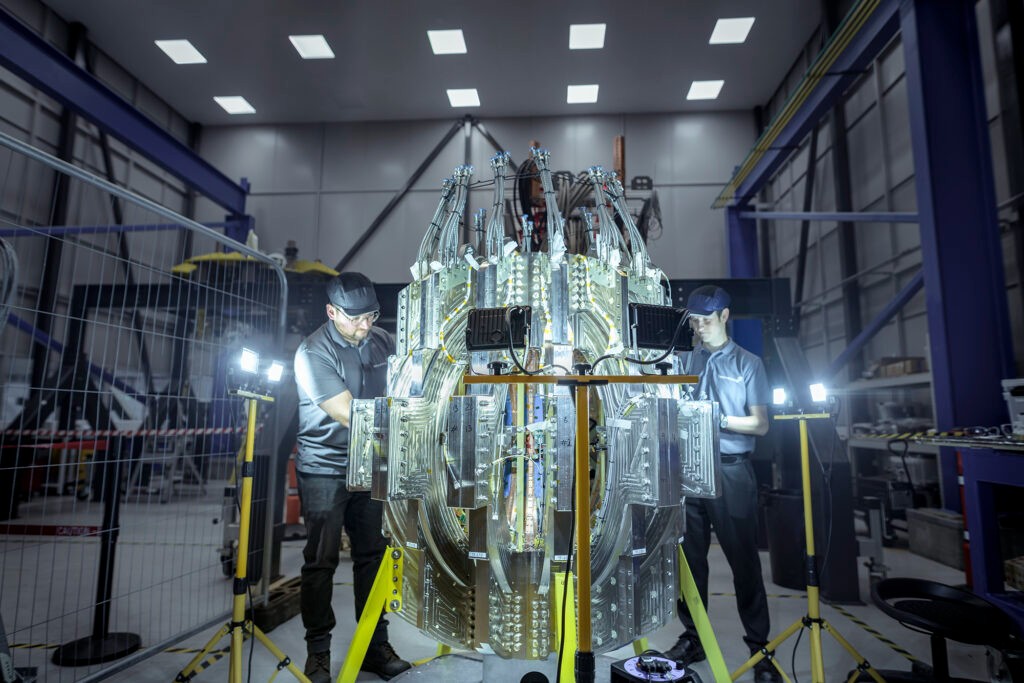
UK Fusion Energy (UKFE) filed its 50th patent application this week, marking new progress in the UK's efforts to advance fusion energy commercialization and related intellectual property development. UKFE is a government-backed organization responsible for developing and protecting intellectual property arising from the STEP fusion prototype plant project and driving the transfer of related innovations to industry. Since 2025, the organization has filed 52 patent applications and published 108 technical disclosures and 2 patent applications. These achievements cover key technologies required for the construction of the STEP prototype facility, as well as some innovations applicable beyond the fusion energy sector. UKFE stated that the intellectual property portfolio reflects the breadth and pace of the project's R&D activities.
2026-08-28
UK JET Decommissioning Project to Trial Asset-Based Decommissioning Approach
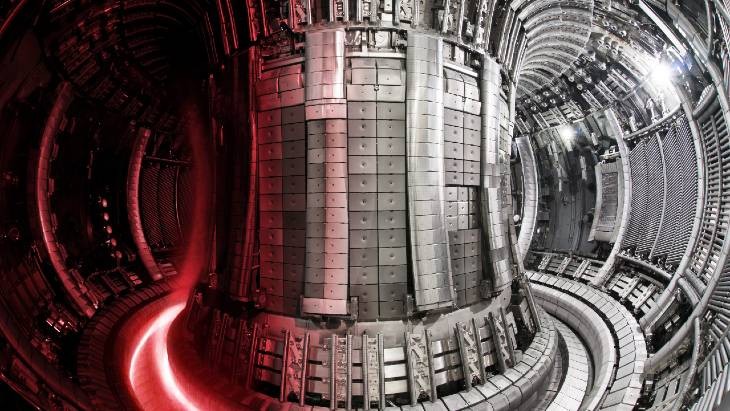
The JET Decommissioning and Repurposing (JDR) project recently announced that it will trial an asset-based decommissioning approach in three areas of the JET facility during the next phase of work. These areas were once part of the power supply infrastructure during JET plasma operations. This trial work will support the overall development of the Culham Campus and, in conjunction with the Strategic Investment and Development for Energy and AI (STRIDE) programme, facilitate land remediation to create conditions for the installation of a fourth supergrid transformer. JDR has signed a contract with Ramco UK to undertake the relevant trial work. JDR Engineering Integration Manager Steve...
2026-08-28
U.S. NNSA and DTRA Remove High-Risk Cobalt-60 Radioactive Source from Guatemala
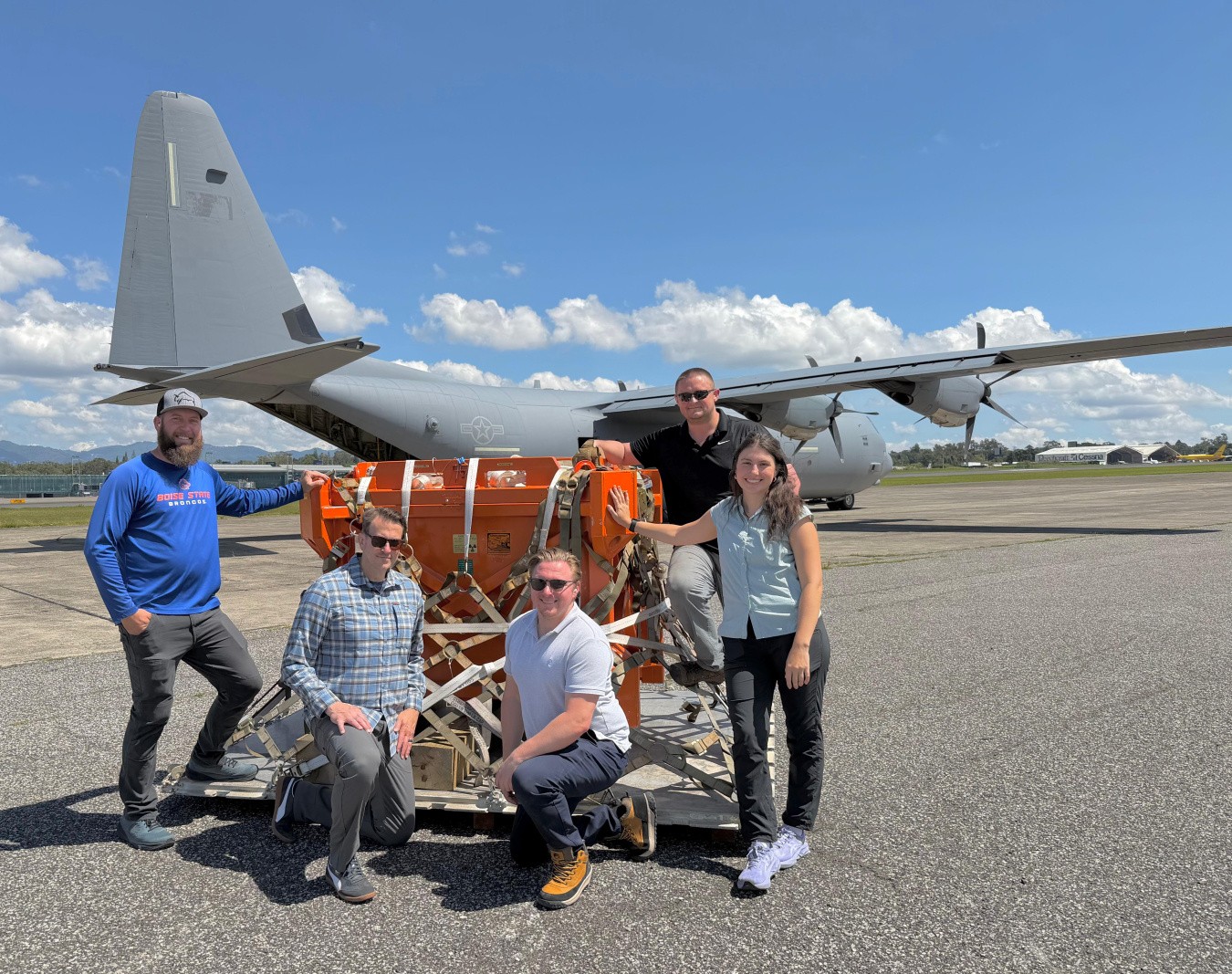
The U.S. National Nuclear Security Administration (NNSA) announced on August 27 that, in cooperation with the U.S. Defense Threat Reduction Agency (DTRA), it has removed a high-risk cobalt-60 radioactive source from a facility in Guatemala and transported the associated components to a secure storage location in the United States. This operation aims to reduce security risks associated with radioactive materials and prevent high-activity radioactive substances from being illegally acquired or misused. According to reports, cobalt-60 can be used in medical equipment for cancer treatment, but high-activity radioactive sources, if improperly managed, may pose radiological safety hazards. In May of this year, an NNSA Los Alamos National Laboratory team, in cooperation with relevant Guatemalan agencies, worked on a decommissioned U.S.-manufactured cobalt-60 teletherapy...
2026-08-28
U.S. SUPC Completes Independent Engineering Assessment of Seawater Uranium Extraction Platform
SuperCritical Materials Corp. (SUPC) of the United States announced on August 26 that an independent engineering assessment conducted by Kellogg Brown & Root (KBR) has been completed. The assessment focused on the deployment architecture, offshore operation scheme, uranium recovery process, commercialization pathway, and key engineering conditions required for future large-scale deployment of SUPC's seawater uranium extraction platform. According to the assessment, SUPC's conceptual production plan proposes the use of approximately 10,000 tons of adsorbent, operating on a continuous 21-day deployment cycle, to supply adsorbent for a uranium processing facility with an annual production capacity of 1.85 million pounds of triuranium octoxide (U3O8)...
2026-08-28
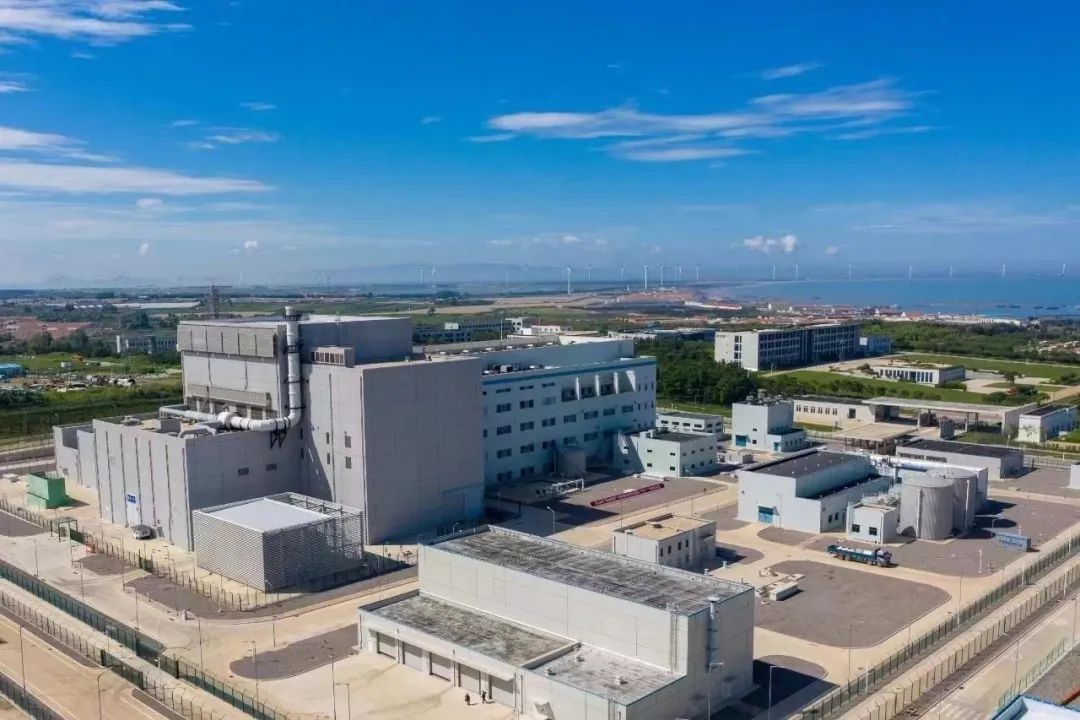
China Unicom Yantai Branch and CNNC Shandong Build 5G Dedicated Network for Nuclear Power
Recently, the 5G dedicated network project jointly built by China Unicom Shandong Yantai Branch and CNNC Shandong was officially deployed and put into operation. Targeting the requirements of nuclear power scenarios for communication network security, reliability, and low latency, the project introduces technologies such as 5G dedicated networks, edge computing, artificial intelligence, and big data to promote the implementation of digital capabilities in nuclear power park construction and production support scenarios. CNNC Shandong, affiliated with China National Nuclear Corporation, undertakes tasks related to nuclear power unit power generation and grid connection. During project construction, China Unicom Shandong Yantai Branch, in collaboration with Huawei, adopted end-to-end domestically produced equipment, achieving independent controllability in both hardware and software, filling the gap in domestic 5G dedicated network construction in the nuclear power sector...
2026-08-28
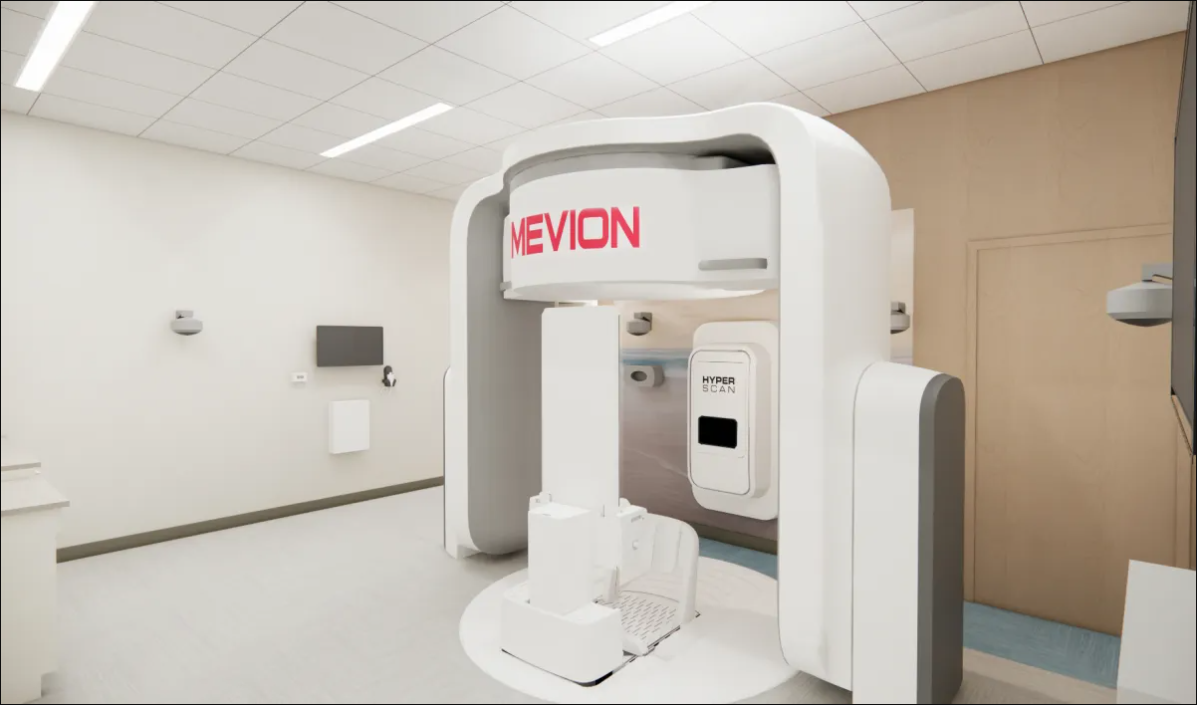
Auburn University Installs 200 MeV Superconducting Proton Accelerator to Build First University-Led Space Electronics Radiation Testing Facility in the U.S.
Auburn University's Applied Research Institute has announced the installation of a new 200 MeV superconducting proton accelerator, advancing the construction of the nation's first university-led proton testing facility dedicated to space electronics qualification. The system, a RAD-FX-200 superconducting synchrocyclotron manufactured and installed by Mevion Medical Systems, serves as the core component of Auburn University's new radiation-hardening facility. According to reports, the facility will help address gaps in U.S. space qualification testing capacity, providing radiation testing services for microelectronics to government agencies, aerospace, and defense-related industries. Systems such as satellites, missile defense interceptors, spacecraft, and launch vehicles rely on microelectronics, which may be affected by proton radiation in orbital environments. A single radiation-induced failure can cause system loss, and such failures are typically difficult to repair once in orbit...
2026-08-28
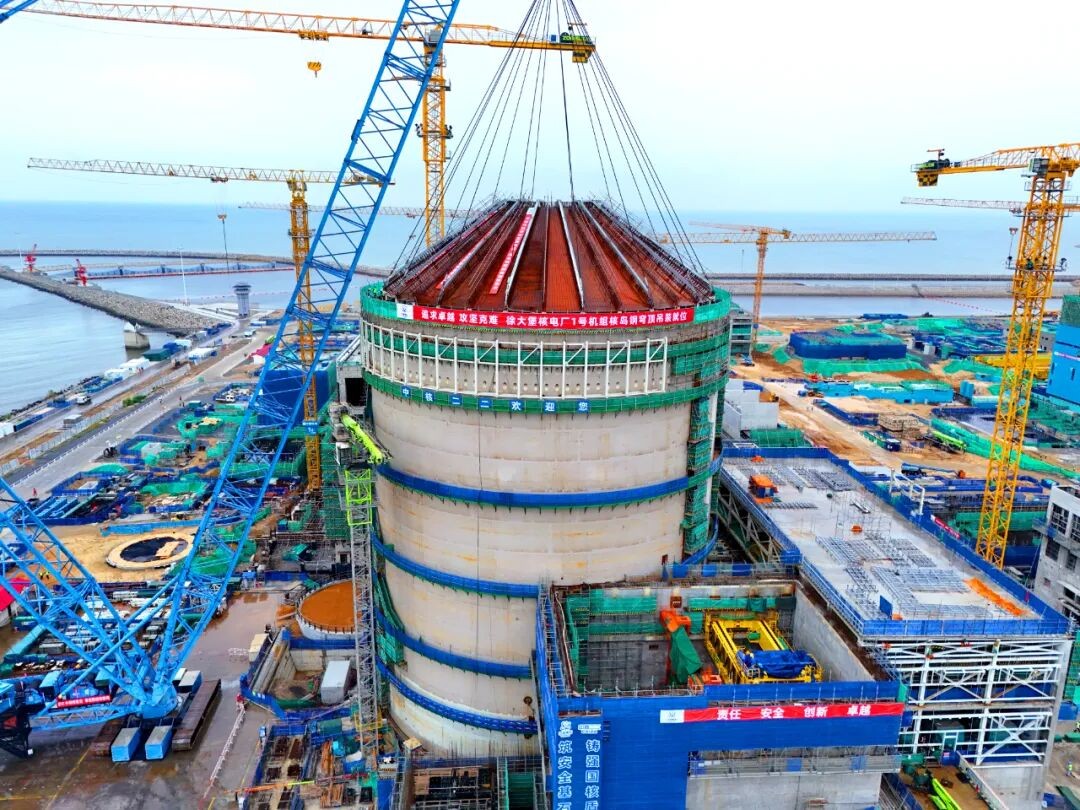
Steel Dome of Unit 1 at Liaoning Xudabao Nuclear Power Plant Hoisted into Place
On August 28, the steel dome of the nuclear island of Unit 1 at Liaoning Xudabao Nuclear Power Plant, invested and controlled by China National Nuclear Corporation (CNNC)'s China National Nuclear Power, was hoisted into place, marking that the large steel structure module construction of the unit has entered its final stage and laying a solid foundation for achieving the milestone of structural completion of the nuclear island buildings. As the core load-bearing structure of the nuclear island, the steel dome sits atop the steel-plate concrete structure, bearing all loads from the passive containment cooling water storage tank and the structures above. It serves as a critical barrier safeguarding the structural integrity and sealing reliability of the reactor building. The dome is conical in shape, composed of radial main beams, ring beams, steel cladding panels, and a bottom steel platform, with a diameter of approximately 41 meters, a height of 11 meters, and a total hoisting weight of nearly 1,000 tons...
2026-08-28

Multiple African countries push nuclear power projects from planning to financing and construction
According to the nuclear energy special report in the recently released "Nuclear Industry Insights, Fourth Quarter 2026," more than a dozen African countries are attempting to advance nuclear power from policy concepts to financeable, constructible project stages. The report notes that rising demand for reliable, low-carbon baseload power is an important backdrop for nuclear energy's return to Africa's energy strategy discussions. Currently, two of Africa's more advanced nuclear projects have reached new milestones. The reactor pressure vessel for Unit 2 of Egypt's El Dabaa Nuclear Power Plant was installed on July 9, 2026. Previously, Unit 1 completed a similar installation in November 2025. El Dabaa is Egypt's first nuclear power plant, planned with 4 units and a total installed capacity of 4...
2026-08-28