
Search Results
Keyword:C
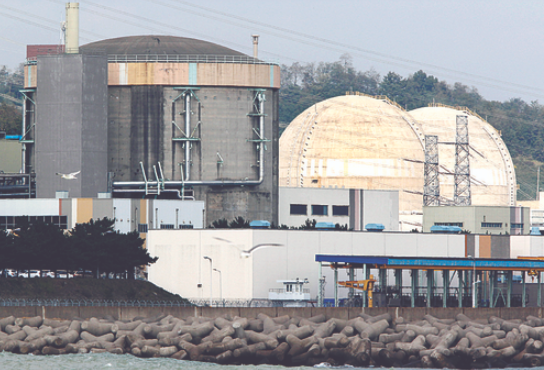
South Korea's Wolsong Nuclear Power Plant Units 2, 3, and 4 Pressure Tube Procurement Pushed for Preliminary Feasibility Study Exemption, Sparking Controversy
The lifetime extension issue for South Korea's Wolsong Nuclear Power Plant Units 2, 3, and 4 has not yet been finalized, yet the procurement of pressure tubes—the core equipment—is being pushed to be excluded from the preliminary feasibility study, triggering a direct confrontation between industry circles and environmental groups. The Korea Hydro & Nuclear Power labor union recently submitted a proposal to Democratic Party lawmaker Song Young-gil, requesting that the government grant a preliminary feasibility study exemption for the relevant procurement and initiate ordering at the earliest opportunity. Song subsequently forwarded the opinion to the Office for Government Policy Coordination. It is understood that the government is internally considering submitting the matter as an exemption case for deliberation at the September State Council meeting. Supporters argue that Wolsong Units 2, 3, and 4 are pressurized heavy water reactors, and pressure tubes are critical equipment determining unit operation, from order placement...
2026-08-13

Nuclear Technology Aids Pest Control: Sterile Insect Technique Achieves Results in Multiple Countries
The application of nuclear technology is not limited to power generation and heating. In areas such as agricultural pest control, animal health, and disease vector management, the Sterile Insect Technique (SIT) based on cobalt-60 gamma rays is playing an important role. The core approach of SIT involves mass-rearing target pests in specialized facilities, separating males, and then irradiating them with a cobalt-60 gamma ray source. The radiation causes DNA breaks in the reproductive cells of male insects, leaving them able to fly and mate with wild females but unable to produce viable offspring. As large numbers of sterile males are continuously released, the proportion of ineffective matings in the wild population increases, pest numbers decline generation after generation, and under certain conditions...
2026-08-13

Philippine Energy Regulatory Commission Supports Nuclear Energy Legislation, Emphasizing Regulatory Alignment and Consumer Protection
The Philippine Energy Regulatory Commission (ERC) has expressed support for proposed legislation promoting nuclear energy development, stating that it would help strengthen national energy security and enhance electricity supply reliability. On August 12, during a hearing held by the Special Committee on Nuclear Energy of the Philippine House of Representatives, Krisha Marie T. Buela, Director of the Office of the General Counsel and Secretariat of the ERC, presented the Commission's preliminary comments on the proposed bills. Buela stated that the ERC is reviewing several provisions in the proposed legislation and will submit a formal position paper to the Special Committee on Nuclear Energy. Based on the preliminary comments, the Commission's concerns include...
2026-08-13

Study Reveals Three-Dimensional Pore Networks Inside Uranium-Zirconium Metallic Nuclear Fuel
Researchers at the Massachusetts Institute of Technology (MIT), in collaboration with Idaho National Laboratory (INL), conducted three-dimensional imaging studies on irradiated uranium-10 zirconium metallic fuel, revealing the internal pore networks within the fuel and their relationship with chemical changes and fuel-cladding interactions. The researchers believe these results will help improve metallic fuel performance models, providing references for extending the operating cycles of certain reactors and for the design of next-generation sodium-cooled fast reactor fuel systems. Uranium-10 zirconium (U-10Zr) is a uranium-zirconium alloy metallic fuel containing 10% zirconium, which has been extensively tested in sodium-cooled fast reactors such as Experimental Breeder Reactor II (EBR-II) and the Fast Flux Test Facility (FFTF). As advanced reactor research and development progresses, this type of metallic fuel has regained attention, but the details of pore formation, swelling, heat transfer, and interactions with cladding materials under reactor irradiation conditions still require further clarification.
2026-08-13
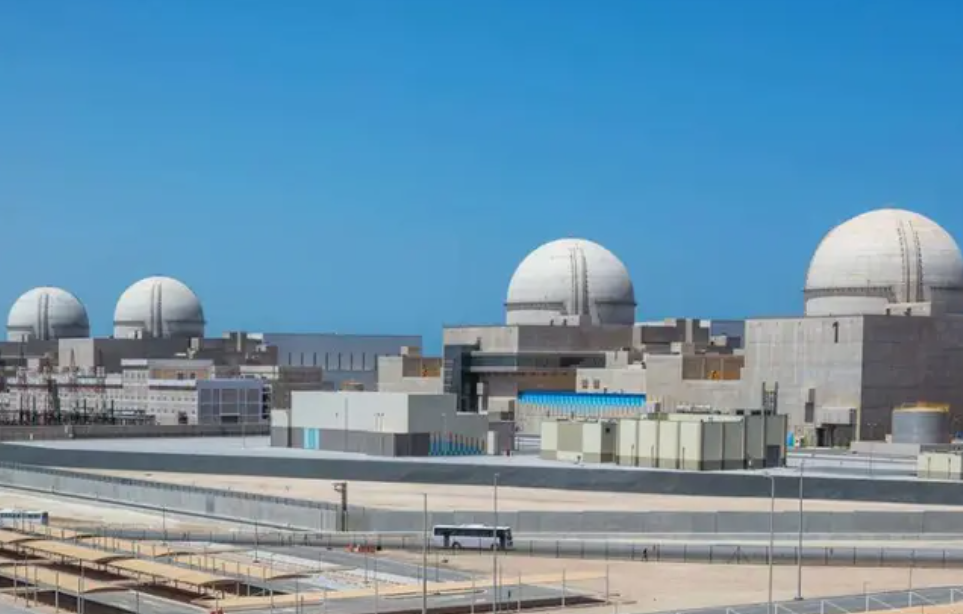
UAE Releases 2025 Annual Nuclear Regulatory Report, Highlighting Nuclear Safety and Peaceful Use Achievements
The UAE Federal Authority for Nuclear Regulation (FANR) has released its "2025 Annual Report," showcasing regulatory progress over the past year in nuclear safety, radiation protection, and nuclear non-proliferation. The report indicates that the UAE continues to advance its nuclear governance framework in line with the "We the UAE 2031" vision, enhancing regulatory efficiency while emphasizing that nuclear technology and nuclear materials must serve peaceful purposes. The report specifically highlights FANR's launch of a unified import and export system. This digital platform is designed to streamline the regulatory processes for the import and export of nuclear and radioactive materials, while strengthening regulatory transparency and traceability. The development of this system demonstrates that the UAE is focused not only on the safety of nuclear facilities themselves...
2026-08-13
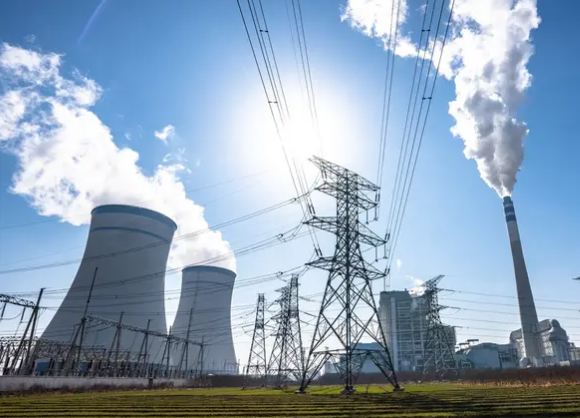
French nuclear fleet output drops to 59% of full capacity
On Wednesday, August 12, French nuclear reactors operated at 59% of full capacity, according to RTÉ grid data and Bloomberg calculations, down 1 percentage point from 60% on Tuesday, August 11. EDF, the world's largest nuclear power operator, currently has 34 reactors in operation with a total available capacity of 33,250 MW; France's 57 nuclear reactors normally supply more than two-thirds of the country's electricity. EDF recently halted power generation at the Gravelines 2 and Bugey 3 reactors, while extending the outage of the Gravelines 3 and 4 units and the Cattenom 4 reactor...
2026-08-13
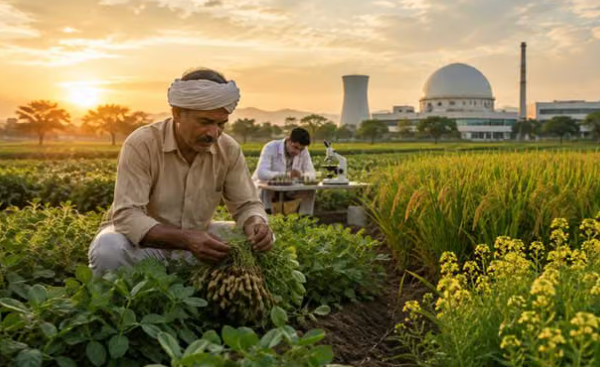
Bhabha Atomic Research Centre (BARC) in India develops 72 improved crop varieties through radiation mutation technology
The integration of nuclear technology with agricultural production is demonstrating increasingly tangible value in Indian farmlands. Through radiation-induced mutation and hybrid breeding techniques, the Bhabha Atomic Research Centre in India has successively developed 72 improved crop varieties, covering peanuts, rice, mung beans, mustard, and other crops. India's Minister of State Jitendra Singh disclosed this progress in a written reply to Parliament, showing that the peaceful application of nuclear science has extended from laboratories to the frontlines of agricultural production. In terms of variety composition, peanut new varieties are the most numerous, reaching 17; rice has 10, mung beans and mustard 9 each, black gram 8, pigeon pea 5, sorghum 3, and cowpea, wheat, and soybean 2 each. Additionally...
2026-08-13
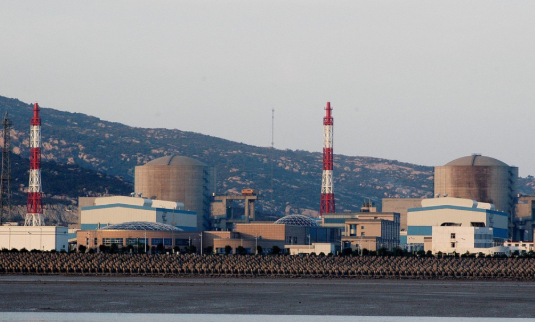
Egypt Plans to Expand Dabaa Nuclear Power Plant, Talks on New Reactors Signal Energy Transition
Egypt's Minister of Electricity Mahmoud Esmat stated that President Sisi has instructed to increase the number of reactors at the Dabaa Nuclear Power Plant. The Egyptian side is in negotiations with relevant companies, planning to add two new reactors to the existing project, with the possibility of increasing to four in the future. This means that the Dabaa Nuclear Power Plant is not only Egypt's first nuclear power project, but may also be further expanded into a core project in the country's energy structure adjustment. Located on the Mediterranean coast of Matrouh Governorate in northwestern Egypt, the Dabaa Nuclear Power Plant currently has plans for 4 nuclear power units, each with an installed capacity of 1,200 megawatts, totaling 4,800 megawatts. According to the timeline previously disclosed by the Egyptian government, the project is expected to begin power generation in 2028...
2026-08-13
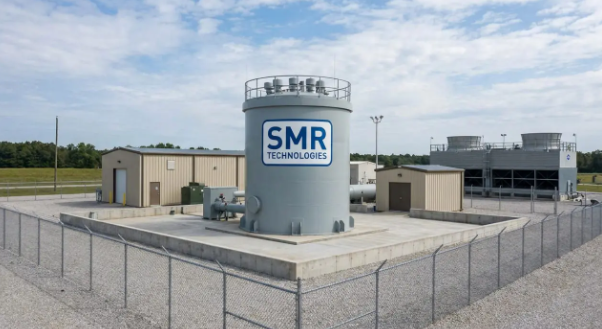
Türkiye Maps Out Small Modular Reactors, Targeting 5,000 MW Installed Capacity by 2050
Türkiye is positioning small modular reactors (SMRs) as a new breakthrough in its nuclear energy strategy. Under relevant plans, Türkiye aims to achieve approximately 5,000 MW of SMR installed capacity by 2050, a scale that would surpass the Akkuyu Nuclear Power Plant project. For Türkiye, which has long sought to reduce its external energy dependence, SMRs are seen as a strategic opportunity combining energy security, industrial upgrading, and technological competitiveness. Compared with traditional large-scale nuclear power plants, SMRs feature smaller installed capacity and more flexible deployment, typically ranging from 10 MW to 300 MW; micro modular reactors below 10 MW are even smaller and can be transported by truck. Reports note that such reactors can be deployed in...
2026-08-13

Major Fusion Energy Appointment in the UK: MIT Professor Dennis Whyte Named CEO of UKAEA
The UK Atomic Energy Authority (UKAEA) has appointed Professor Dennis Whyte, a fusion energy expert from the Massachusetts Institute of Technology, as its new Chief Executive Officer, with his tenure officially commencing in autumn 2026. This appointment comes at a critical stage in the UK's accelerated push toward fusion energy commercialisation, signalling the country's intent to strengthen its position in the global fusion energy race by attracting international talent with combined expertise in research, engineering, and industrialisation. The UK government previously announced an investment of £2.5 billion in fusion energy research, development, and innovation over the five-year period ending in 2030. Upon taking office, Whyte will be tasked with advancing the R&D system, accelerating technology commercialisation, expanding industrial and international collaboration, and translating scientific...
2026-08-13
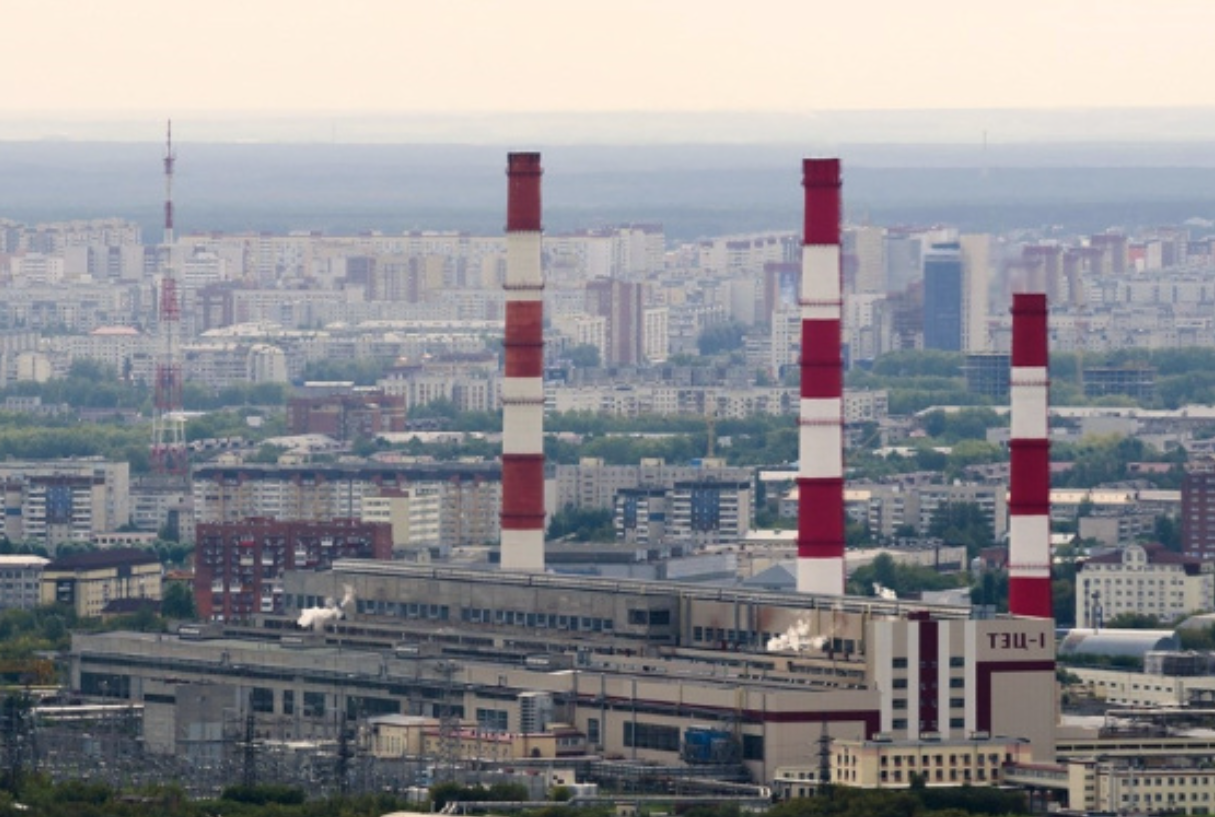
Russia's National Anti-Terrorism Committee Demands Enhanced Security for Energy and Nuclear Facilities
On August 12, Russia's National Anti-Terrorism Committee (NAK) held a meeting chaired by Alexander Bortnikov, Director of the Federal Security Service, to discuss security issues at transportation, fuel-energy complex, and nuclear energy industrial facilities. The Committee emphasized the need to strengthen comprehensive security safeguards and respond more effectively to sabotage and terrorist threats. The meeting proposed that protecting energy and nuclear industrial facilities should not remain at the institutional level alone, but rather should develop more targeted priority tasks based on evolving actual risks. Damage to fuel-energy systems and nuclear industrial facilities could affect the stability of energy supply and trigger broader security risks, which is why their level of protection is regarded as...
2026-08-13

US Valion Bio Initiates Safety Study of Entolimod for Radiation-Induced Gastrointestinal Injury
US biotechnology company Valion Bio announced on August 12 that the safety study of its investigational therapeutic candidate Entolimod for radiation-induced gastrointestinal injury is scheduled to commence this week. The study is being advanced by the Armed Forces Radiobiology Research Institute (AFRRI) under a contract with the National Institute of Allergy and Infectious Diseases (NIAID), as part of a government-funded research program. According to the company's disclosure, Entolimod has been delivered to AFRRI, the study has received approval from the Institutional Animal Care and Use Committee (IACUC), and the experimental animals are currently in the pre-dosing acclimation phase. The safety study will confirm the tolerability of Entolimod in the animal strain used by AFRRI...
2026-08-13

ASP Isotopes Plans Commercial Delivery of Multiple Stable Isotopes in Second Half of 2026
ASP Isotopes Inc. recently presented its expansion plans for isotope production, radiopharmaceuticals, and helium operations at Canaccord Genuity's 46th Annual Growth Conference. The company aims to begin commercial delivery of stable isotopes including silicon-28, carbon-14, and ytterbium-176 in the second half of 2026. Victor Petkov, the company's Chief Commercial Officer, stated that ASP Isotopes is leveraging its proprietary enrichment technology to serve electronics, nuclear medicine, and nuclear fuel-related markets. Currently, the company operates three production facilities in Pretoria, South Africa, primarily producing silicon-28 for semiconductor applications, as well as carbon-14 and ytterbium-176 for nuclear medicine-related uses. Regarding isotope supply...
2026-08-13
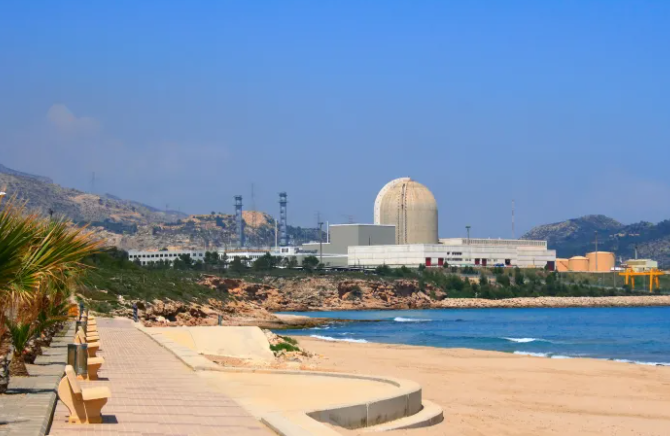
Poland's First Nuclear Power Plant Enters New Phase with Deepening Polish Enterprise Participation
Poland's first nuclear power plant (Lubiatowo-Kopalino site) has transitioned from the preparatory stage to substantive on-site construction. On August 12, Polish Nuclear Power Company (PEJ) officially handed over the construction site to the general contractor, American company Bechtel, while Budimex, one of Poland's largest construction firms, commenced earthworks. This marks another significant milestone for the project following the securing of financing, the refinement of the legal framework, and support from technology partners. Polish Energy Minister Miłosz Motyka stated that this investment will enhance Poland's energy security and sovereignty, while creating stable and predictable energy prices for households and businesses. To date, PEJ has signed contracts with approximately 4...
2026-08-13
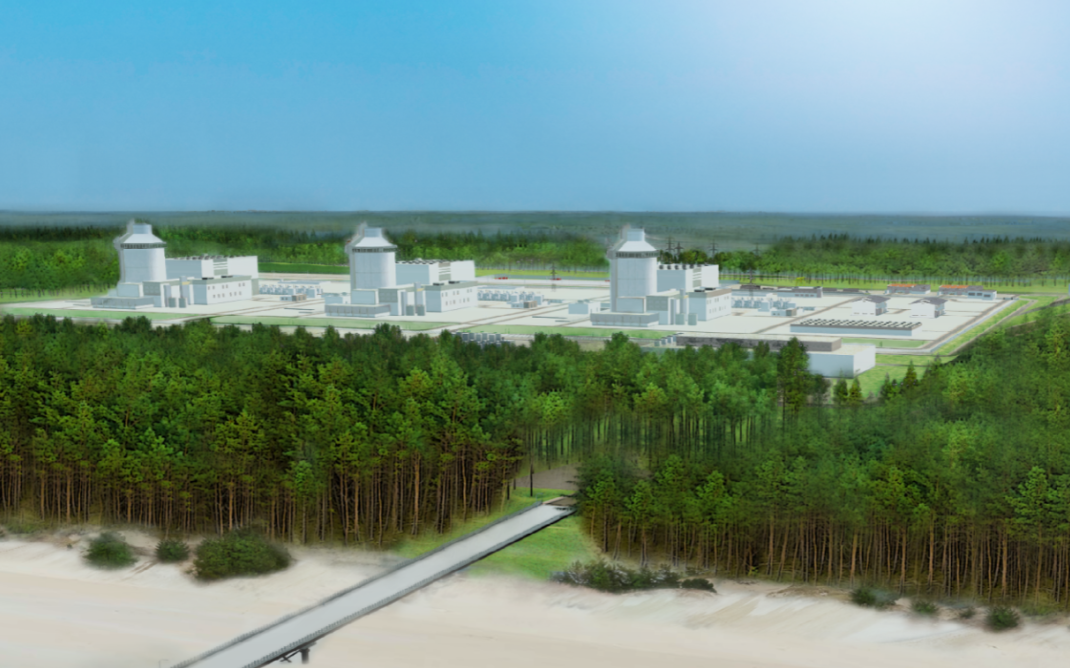
Rising River Water Temperatures in Europe Constrain Nuclear Power Operations, Poland's First Nuclear Power Plant Turns to Baltic Sea for Cooling Water
Persistent high temperatures, droughts, and low river water levels across Europe are turning nuclear power plant cooling issues from a purely engineering topic into a real risk affecting the stability of electricity supply. Experience in countries such as France and Switzerland shows that when river water temperatures are too high or flow rates are insufficient, nuclear power plants—even with generating capacity available—may be forced to reduce output or temporarily shut down due to environmental restrictions. In 2022, France's nuclear power generation fell by 22% year-on-year, and during recent summer heatwaves, rising water temperatures in rivers such as the Seine and the Rhône have repeatedly led to restrictions on related units. The core of this issue is not just whether there is enough water, but also whether the water is cold enough. Traditional river-dependent cooling systems...
2026-08-13