
Search Results
Keyword:ENERGY
American Fusion Adds Six New Patent Applications for Texatron Fusion Technology
On August 6, American Fusion announced that it has filed six new patent applications in the United States covering multiple technical aspects of its proprietary Texatron Fusion Engine platform. This brings the company's total number of patent applications filed in the U.S. to 82. American Fusion stated that these applications continue its strategy of building an intellectual property portfolio around the Texatron platform, covering reactor architecture, plasma confinement, electromagnetic systems, fuel delivery, reactor control, power management, and related engineering technologies supporting the continued development and future commercialization of the Texatron Fusion Engine. The company's Chief Legal Officer, Michael G....
2026-08-07
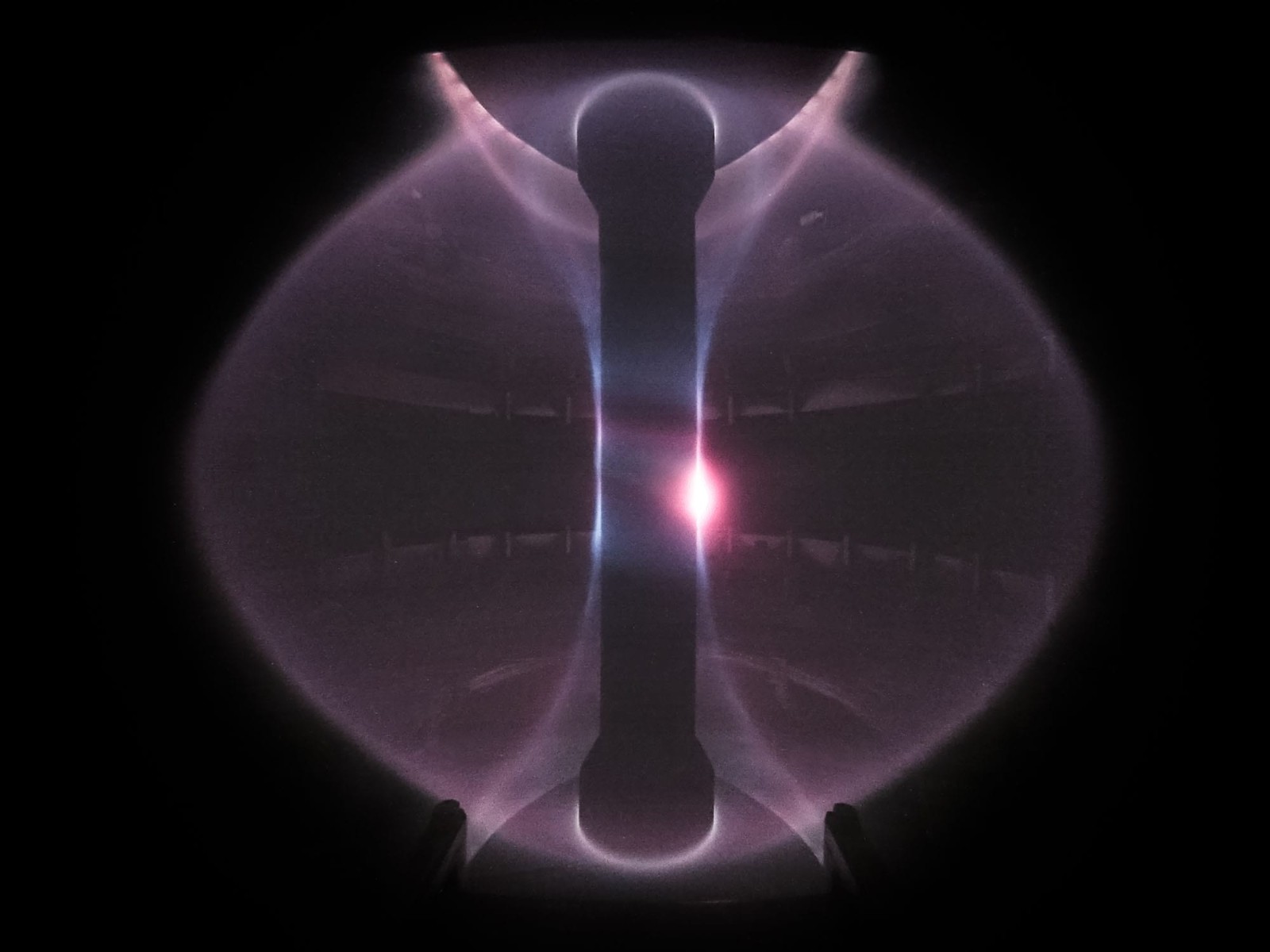
UK's MAST Upgrade sets plasma pressure record in fifth experimental campaign
The UK Atomic Energy Authority (UKAEA) has completed the fifth experimental campaign of its flagship fusion experiment, MAST Upgrade. The campaign, conducted between 2025 and 2026 at the Culham Campus in Oxfordshire, UK, produced over 1,100 plasma pulses and achieved the device's highest-ever plasma pressure while overcoming plasma instability issues. In fusion devices, hydrogen isotopes must be heated, compressed, and confined under extremely high temperatures and pressures. The higher the plasma density and temperature, the stronger the fusion reaction, and high-pressure plasmas are also closer to the operating conditions required for future commercial fusion power plants. UKAEA stated that this...
2026-08-07
IAEA Publishes Technical Document on Emergency Planning Zones for Small Modular Reactors
The International Atomic Energy Agency (IAEA) has published TECDOC Series No. 2134, "Technical Basis for the Emergency Planning Zone for Small Modular Reactors." The document was published in Vienna in 2026, comprising 132 pages with 11 illustrations, in English. This document marks the first time the IAEA has published the results of a Coordinated Research Project (CRP) on the technical basis for emergency planning zones for Small Modular Reactor (SMR) deployment. The research project was conducted from 2018 to 2021, focusing on how to determine the technical basis for off-site emergency preparedness and response (EPR) arrangements in SMR deployment scenarios, particularly the requirements and scope for establishing emergency planning zones (EPZ).
2026-08-07
Rosatom Completes First Batch of Certification for Energy Critical Information Infrastructure Products
Rosatom has recently completed the first batch of product certification for critical information infrastructure in the fuel and energy sector under the KII-Sert voluntary certification system. The certification system has been operating in Russia's nuclear energy and aerospace industries since 2024, primarily used to assess the reliability, technological independence, and sustainability of solutions related to critical information infrastructure. The certification was carried out by Atomenergoproekt JSC, part of Rosatom's engineering division. As an authorized certification body for trusted products and processes within the KII-Sert system, the company, in cooperation with the industrial testing laboratory Avtomatika-Servis LLC, certified a software and hardware system used in the oil and gas industry.
2026-08-07
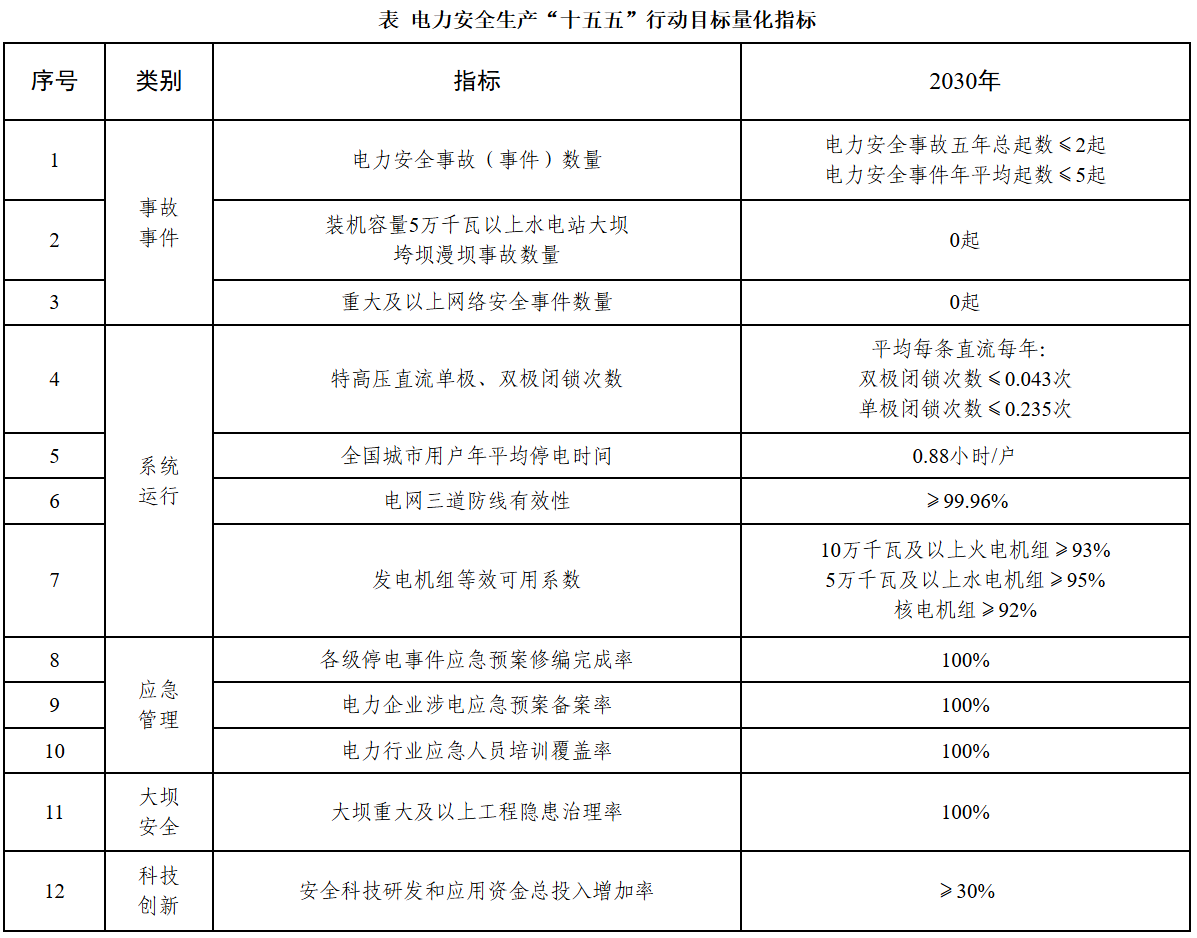
Notice of the National Energy Administration on Issuing the "15th Five-Year" Action Plan for Electric Power Safety Production
Notice of the National Energy Administration on Issuing the "15th Five-Year" Action Plan for Electric Power Safety Production To the energy administrations of all provinces (autonomous regions, and municipalities directly under the central government), the development and reform commissions of relevant provinces (autonomous regions, and municipalities directly under the central government) and the Xinjiang Production and Construction Corps, the Beijing Municipal Urban Management Commission, the Tianjin Municipal Bureau of Industry and Information Technology, the Department of Industry and Information Technology of Liaoning Province, the Shanghai Municipal Commission of Economy and Informatization, the Chongqing Municipal Commission of Economy and Informatization, all dispatched agencies, and enterprise member units of the National Electric Power Safety Production Committee: In order to implement the decisions and arrangements of the Party Central Committee and the State Council on strengthening safety production, coordinate development and safety, deeply practice the new energy security strategy of "Four Revolutions and One Cooperation," consolidate the safety foundation for building a strong energy country, continuously improve the level of electric power safety production, and ensure the safe and stable operation of the power system and reliable power supply, the "15th Five-Year" Action Plan for Electric Power Safety Production is hereby formulated. It is now issued for your implementation.
2026-08-07
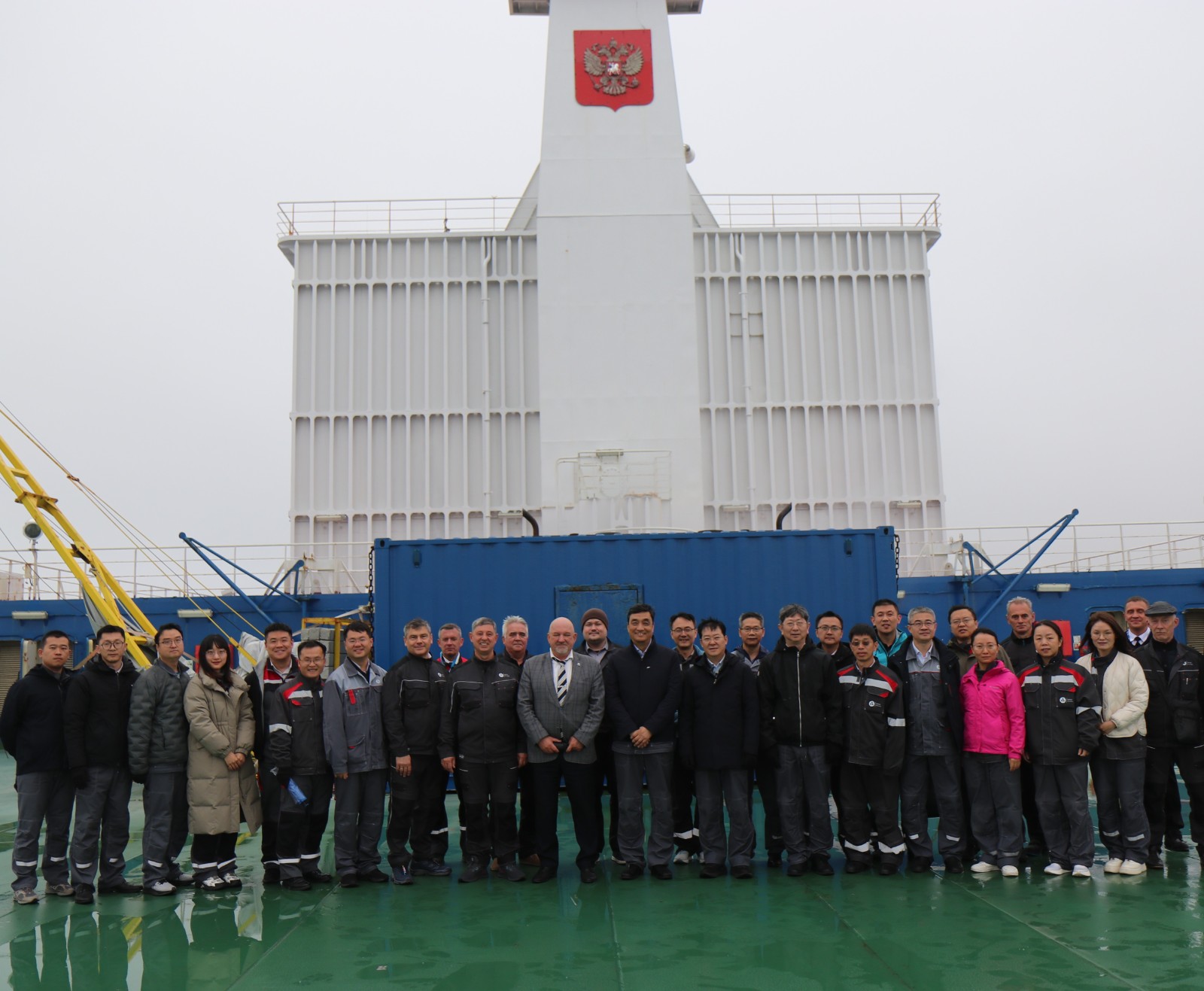
Chinese Nuclear Safety and Nuclear Industry Delegation Visits Russian Floating Nuclear Thermal Power Plant
From July 28 to 30, representatives from China's National Nuclear Safety Administration, China National Nuclear Corporation (CNNC), and the Chinese Embassy in Russia, together with officials from the Federal Service for Environmental, Technological and Nuclear Supervision of the Russian Federation (Rostechnadzor), jointly visited the floating nuclear thermal power plant located in Pevek, Chukotka Autonomous Okrug. The plant is operated by Rosenergoatom, the power generation division of Rosatom. During the visit, the delegation inspected the floating power unit and onshore facilities, and learned about the operation of key equipment. Chinese experts focused on spent fuel storage, refueling procedures, and related equipment configurations...
2026-08-07

Three U.S. Nuclear Energy Companies Explore Manufacturing Next-Generation Reactor Fuel from Recycled Nuclear Materials
U.S. nuclear energy companies Curio, NuScale Power, and Framatome have signed a memorandum of understanding to evaluate the feasibility of converting recycled nuclear materials into next-generation reactor fuel and related products. The tri-party collaboration is not focused on immediate commercial production, but rather on research into technical feasibility, fuel development, manufacturing capabilities, supply chain integration, and future commercial deployment, seeking to connect spent fuel recycling, fuel fabrication, and advanced reactor applications into a more complete industrial chain. Under this collaboration, Curio will provide its NuCycle nuclear fuel recycling technology, aiming to recover reusable strategic nuclear materials from spent fuel, with claims of reducing residual waste volume by up to 97%.
2026-08-07

X-Energy and Centrus Sign HALEU Supply Agreement, Accelerating U.S. Advanced Nuclear Fuel Supply Chain
X-Energy and Centrus Energy have signed a low-enriched uranium and high-assay low-enriched uranium supply agreement, marking a more concrete commercialization phase in fuel assurance for U.S. advanced nuclear reactors. Under the agreement, Centrus will provide uranium enrichment services at its American Centrifuge Plant in Pike County, Ohio, with the HALEU to be supplied to X-Energy's fuel subsidiary TRISO-X for the production of TRISO-coated particle fuel at its Oak Ridge, Tennessee fuel fabrication facility, serving the Xe-100 high-temperature gas-cooled small modular reactor. The significance of this agreement lies not only in the supply itself but also in its phased advance payment arrangement. X-Energy will support Centrus through advance payments...
2026-08-07
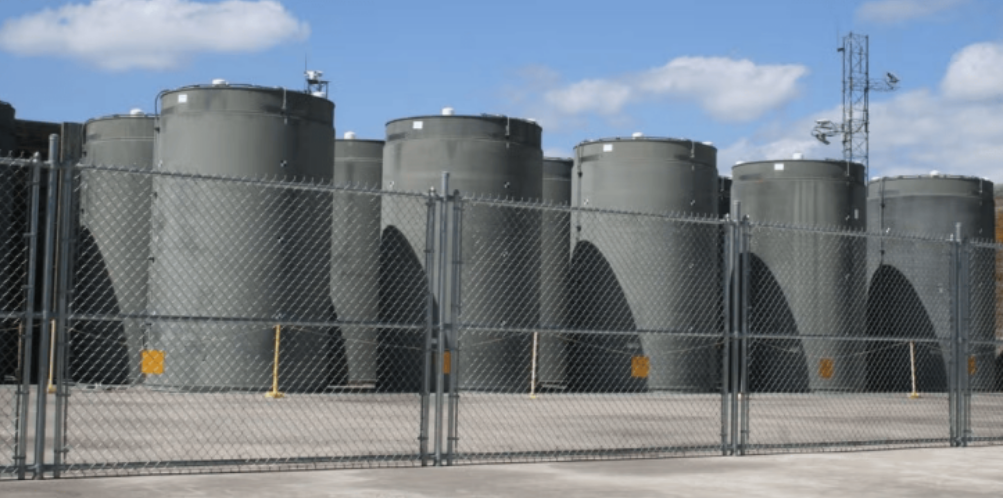
IAEA Publishes Report on Aging Management of Spent Fuel Dry Storage Systems
The International Atomic Energy Agency (IAEA) has published the findings of a decade-long study on aging management of spent fuel dry storage systems. According to IAEA estimates, by the end of 2024, spent fuel discharged from nuclear power plants worldwide had exceeded 400,000 tonnes of heavy metal (tHM). Of this, 106,000 tHM is in dry storage, a long-term storage method that is becoming increasingly common compared with wet storage. Most IAEA member states are still decades away from commissioning permanent spent fuel repositories, which means dry storage systems will likely need to continue operating safely beyond their design lifetimes. Wet storage has been in operation for decades, and the IAEA states that aging management of such facilities is generally well understood. Utilities choose dry storage for its passive safety features, and many dry storage facilities have already received license extensions. The IAEA expects demand for dry storage to continue growing, with service periods extending well beyond the original 20-to-40-year licensing terms, potentially exceeding 120 years. Aging management programs (AMPs) are therefore needed to verify continued safe operation.
2026-08-06
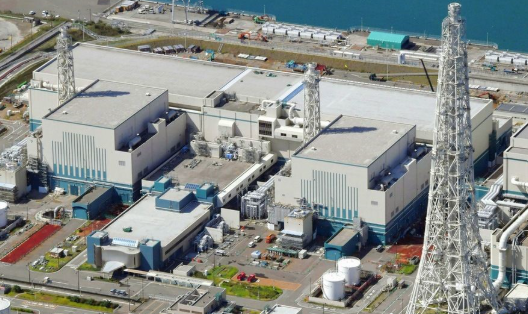
IAEA Director General to Inspect Kashiwazaki-Kariwa Nuclear Power Plant
Preparations are in the final stages for IAEA Director General Rafael Grossi's first inspection of Tokyo Electric Power Company's Kashiwazaki-Kariwa Nuclear Power Plant, expected to take place on August 18. Grossi has previously stated that there are "no obstacles to a swift restart," signaling a positive attitude toward the plant's reactivation. This inspection suggests that discussions surrounding the restart may accelerate. However, it is worth noting that local residents still harbor concerns, adopting a cautiously optimistic outlook on future developments. This marks Grossi's first visit to the Kashiwazaki-Kariwa plant, making it a significant event. Against the backdrop of growing attention to nuclear safety, the IAEA's...
2026-08-06
Clobot Signs MOU with Korea Atomic Energy Environment Corporation and Others to Demonstrate Multi-Robot System for Safe Radioactive Waste Management
Clobot, a specialized enterprise in intelligent robot services and integrated control of heterogeneous robots, announced on August 6 that it will apply its multi-robot integrated control system to radioactive waste safety management sites. On August 3, the company signed a business agreement at the headquarters of the Korea Atomic Energy Environment Corporation, with partners including T-Robotics, the Gyeongbuk ICT Convergence Industry Promotion Association, and the Korea Atomic Energy Environment Corporation, under the project name "Demonstration Project for Multi-Robot Operation in High-Risk Radioactive Waste Safety Management." The collaboration is based on the selection through the public call for proposals for the "Large-Scale Converged Robot Demonstration Project: Social Problem-Solving Type" hosted by the Korea Institute for Robot Industry Advancement in 2026, with Clobot serving as the lead organization.
2026-08-06

Dark Energy Survey Releases Six-Year Results: Data from 669 Million Galaxies Helps Constrain Cosmic Accelerated Expansion
On August 4, the Dark Energy Survey (DES) project released its six-year findings on dark energy detection. The project compiled 18 related papers, based on nearly 300,000 astronomical images captured between 2013 and 2019, recording information on 669 million galaxies, thousands of galaxy clusters, and more than 3,000 supernovae to study the accelerated expansion of the universe and the evolution of cosmic structure. To carry out DES, Fermi National Accelerator Laboratory built an extremely sensitive 570-megapixel digital camera, DECam, which was installed on the Blanco 4-meter telescope at the National Science Foundation's Cerro Tololo Inter-American Observatory in the Chilean Andes. (Image courtesy of Reidar Hahn/Fermi National Acceler...
2026-08-06
United States to Host IAEA ATLAS Initiative Ministerial Launch
The United States will host the ministerial launch of the International Atomic Energy Agency (IAEA) Atoms for Transport Licensing and Applications at Sea (ATLAS) Initiative in Washington, D.C., on August 26-27, 2026. The event will bring together ministers, policymakers, and industry representatives to discuss topics related to the safe and reliable application of nuclear technology in the maritime domain. The ATLAS Initiative aims to establish an international framework to harmonize legal and regulatory issues facing maritime nuclear energy applications and to support the deployment of related civilian nuclear technologies. Building on the IAEA's experience in nuclear safety, nuclear security, and safeguards, the Initiative emphasizes technology neutrality and places safety, security, and non-proliferation requirements as the foundation for advancing maritime nuclear applications...
2026-08-06
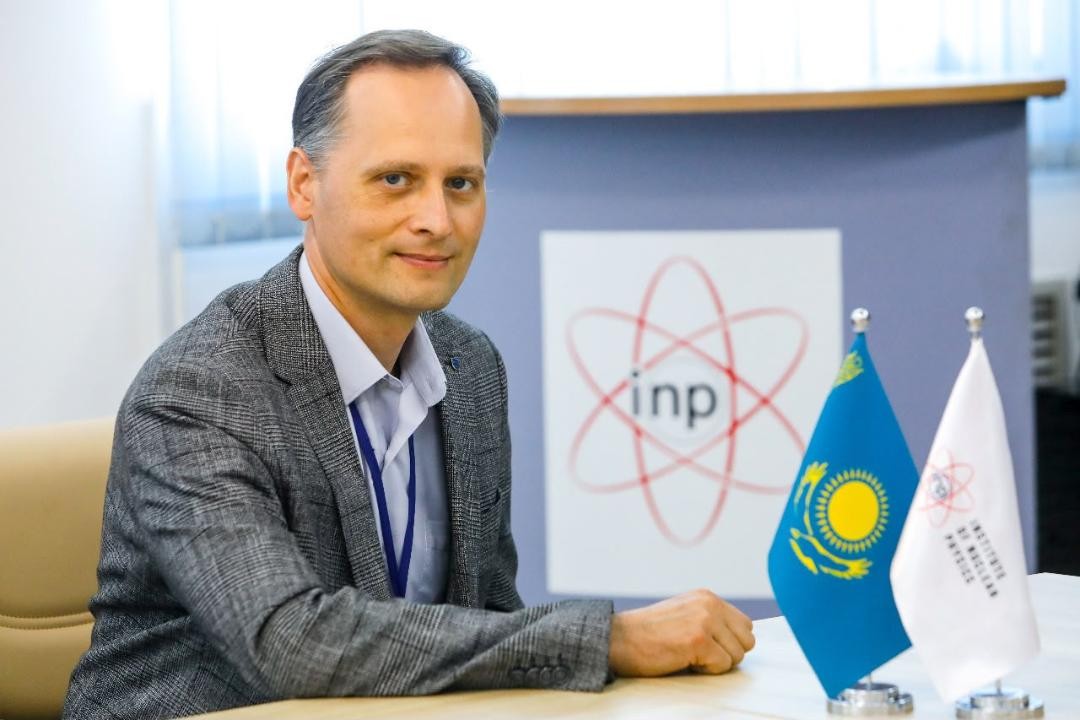
Kazakh experts call for enhanced radioecological monitoring in border regions
As Central Asian countries accelerate the development of nuclear energy, Kazakh experts have recently proposed that the radioecological monitoring system in border regions should be improved as soon as possible to provide long-term environmental data support for the construction and operation of regional nuclear power projects. Relevant materials indicate that nuclear energy is becoming an important direction in the energy policies of several Central Asian countries. Kazakhstan has decided to build its own nuclear power plant, while neighboring countries such as Uzbekistan are also advancing or preparing similar projects. Growing electricity demand and the need to reduce greenhouse gas emissions are key factors driving the development of nuclear energy in the region. Experts believe that nuclear power development involves not only the construction of advanced units, but also the simultaneous establishment of an effective ecological and radiation safety assurance system. Modern nuclear power plants...
2026-08-06
Germany Establishes Three Fusion Centers, HZDR Contributes to Advancing Key Technologies for Fusion Power Plants
The German Federal Ministry for Research, Technology and Space (BMFTR) recently established three fusion centers under the German High-Tech Agenda (HTAD), aiming to pool the efforts of research institutions and industry to advance technology development for future fusion power plants. The German federal government will provide €125 million in initial funding for the related work, with a focus on laser fusion, magnetic confinement fusion, and cross-cutting areas such as fuel cycle and materials development. The Helmholtz-Zentrum Dresden-Rossendorf (HZDR) will participate in the construction of the relevant centers leveraging its research infrastructure, contributing capabilities in high-power lasers, materials research, simulation and data analysis. The SAXFUSION capability network, jointly coordinated by HZDR and the Fraunhofer Institute for Material and Beam Technology (Fraunhofer IWS), will also take on tasks of exchange, cooperation and knowledge transfer.
2026-08-06