
Search Results
Keyword:ENERGY
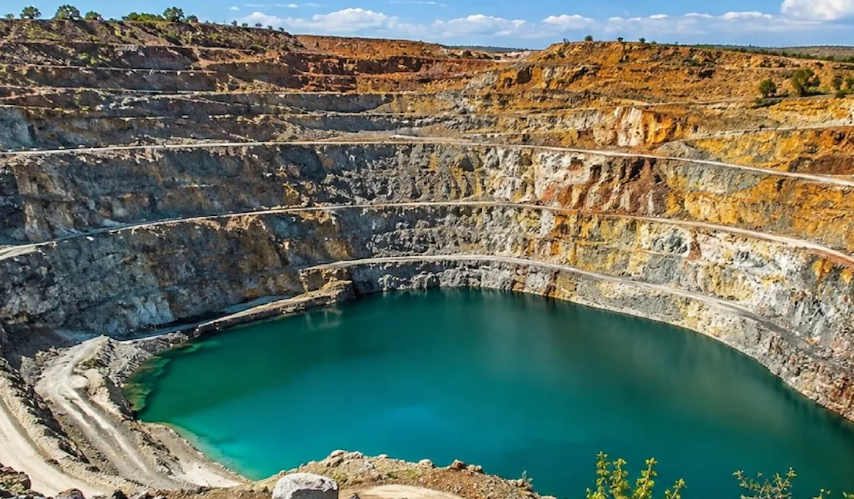
Türkiye Plans 17,000-Ton Uranium Drilling Program, Accelerating Nuclear Energy Autonomy Strategy
Türkiye is advancing a new round of exploration around a uranium deposit reportedly totaling 17,000 tons, planning drilling at 47 different points to further confirm ore body distribution, grade levels, and economic viability for extraction. This move is positioned within the context of Türkiye's energy supply security and nuclear energy development strategy, aiming to provide more domestic resource support for future nuclear fuel assurance. From an energy strategy perspective, uranium resource exploration is not merely a standalone mining project but part of Türkiye's efforts to reduce external energy dependence. Türkiye has long relied on imported energy, with external supplies of natural gas, oil, and other resources impacting its energy costs and macroeconomic performance. Globally...
2026-08-10
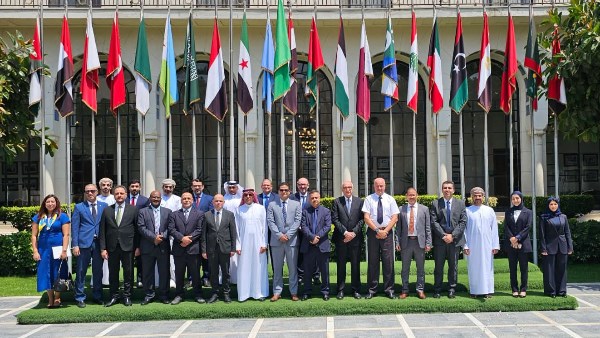
Arab League Holds Second Technical Committee Meeting on Nuclear and Radiation Emergency Preparedness Roadmap, Focusing on Cross-Border Coordination and Alignment with IAEA Obligations
The General Secretariat of the League of Arab States held its second open-ended technical committee meeting at its headquarters from August 9 to 10, focusing on following up on the implementation of the Arab cooperation roadmap for nuclear and radiation emergency preparedness and response. The meeting was attended by representatives of Arab member states, the Arab Atomic Energy Agency (AAEA), and relevant Arab and international organizations, indicating that this issue has risen from mere technical cooperation to an important component of regional security governance. The core objective of the meeting is to enhance the coordination capacity and response capability of Arab countries in the face of nuclear accidents and radiological emergencies. As nuclear technology continues to expand in energy, medical, industrial, and scientific research applications, nuclear...
2026-08-10
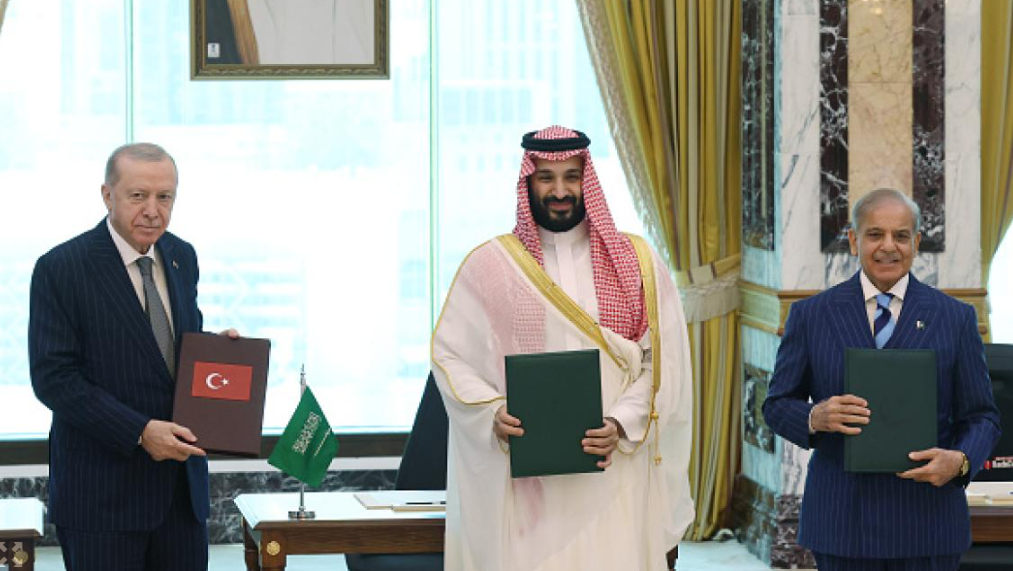
The Mecca Mutual Defense Agreement Opens a "Finance-Industry-Nuclear" Triad, with Nuclear Energy as an Energy Security Sub-route among Six Economic Pathways
On August 7, Saudi Arabia, Turkey, and Pakistan signed the Mutual Defense Agreement in Mecca, attended by Saudi Crown Prince Mohammed bin Salman, Turkish President Erdogan, and Pakistani Prime Minister Shehbaz Sharif. The agreement binds Saudi financial weight + Turkish defense industry and manufacturing base + Pakistani nuclear and military experience into a single framework for the first time, stipulating that an armed attack on any one country is considered an attack on all, and covers joint defense industry, technology exchange, and training planning coordination. Saudi officials clarified that the agreement does not point to a military axis, religious bloc, or nuclear arms race, but rather to building self-sustaining capabilities. The New Arab, citing IISS, Chatham House, and Reuters/AP analyses...
2026-08-10

U.S. Plans $1 Billion Security Assistance to Colombia, Civil Nuclear Energy Added to Bilateral Cooperation List
The U.S. Department of State announced on August 8 that it plans to provide $1 billion in security assistance to Colombia to support the security policies of the new administration of President Abelardo de la Espriella. The assistance package is viewed by the Trump administration as a core component of the "renewed alliance" between the U.S. and Colombia, and will be advanced in coordination with Congress. The State Department framed the assistance plan within the context of a "new chapter" in bilateral relations, while also proposing deeper economic cooperation in areas such as energy, critical minerals, infrastructure, technology, and civil nuclear energy. Compared to the previous tensions between Trump and former Colombian President Gustavo Petro over immigration and security issues, de la Espriella's...
2026-08-10
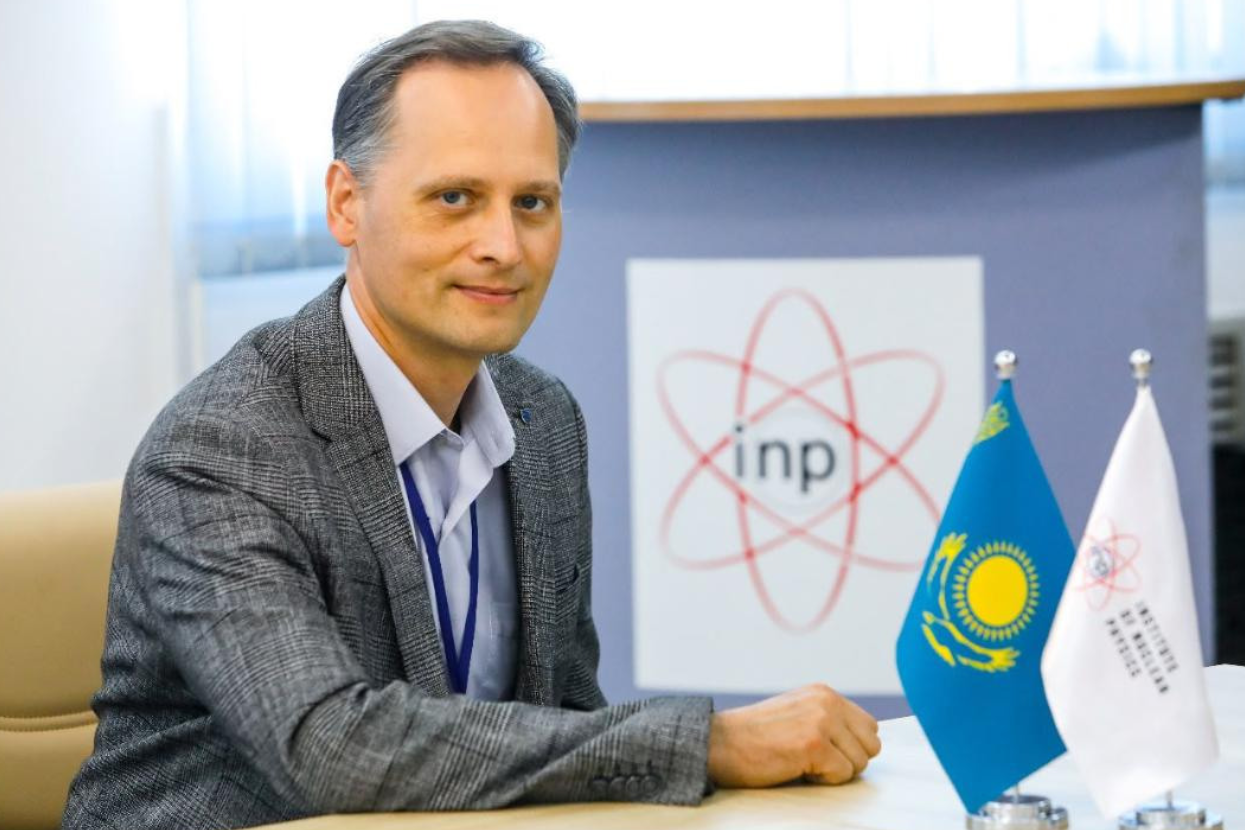
Kazakh scholars call for integrated radioecological monitoring system in border regions amid Central Asian nuclear power development
As energy demand continues to grow in Central Asian countries, nuclear power is becoming an important direction in regional energy policy. Kazakhstan has decided to build its own nuclear power plant, while neighboring countries such as Uzbekistan are also advancing or preparing similar projects. Nuclear energy is regarded as a key option for ensuring electricity supply and reducing greenhouse gas emissions, but its development cannot be limited to the construction of power plants alone. It must be accompanied by a comprehensive ecological and radiation safety assurance system, particularly in areas where cross-border impacts may exist. Although modern nuclear power plants are designed in accordance with strict international safety standards, environmental monitoring cannot be predicated on the probability of accidents. The impact of large industrial facilities on the surrounding environment requires...
2026-08-10
Romania in Talks to Purchase 300 Tons of Uranium from Niger, Nuclear Fuel Supply Diversification Faces Legal Uncertainties
Romania's state-owned nuclear power company Nuclearelectrica has initiated negotiations to purchase 300 tons of uranium from Niger, against the backdrop of Romania's push to diversify its external nuclear fuel sources. The talks began on April 13, 2026, with Niger's Minister of Mines Ousmane Abarchi responding positively, after which the Romanian delegation continued engagement with the Nigerien side. The transaction is valued at approximately $40 million, but Nuclearelectrica has emphasized that no final agreement has been reached yet. The potential appeal of this uranium supply lies in Romania's expanding nuclear power development plans, while domestic large-scale uranium mining has ceased. As the operator of the Cernavodă nuclear power plant...
2026-08-10
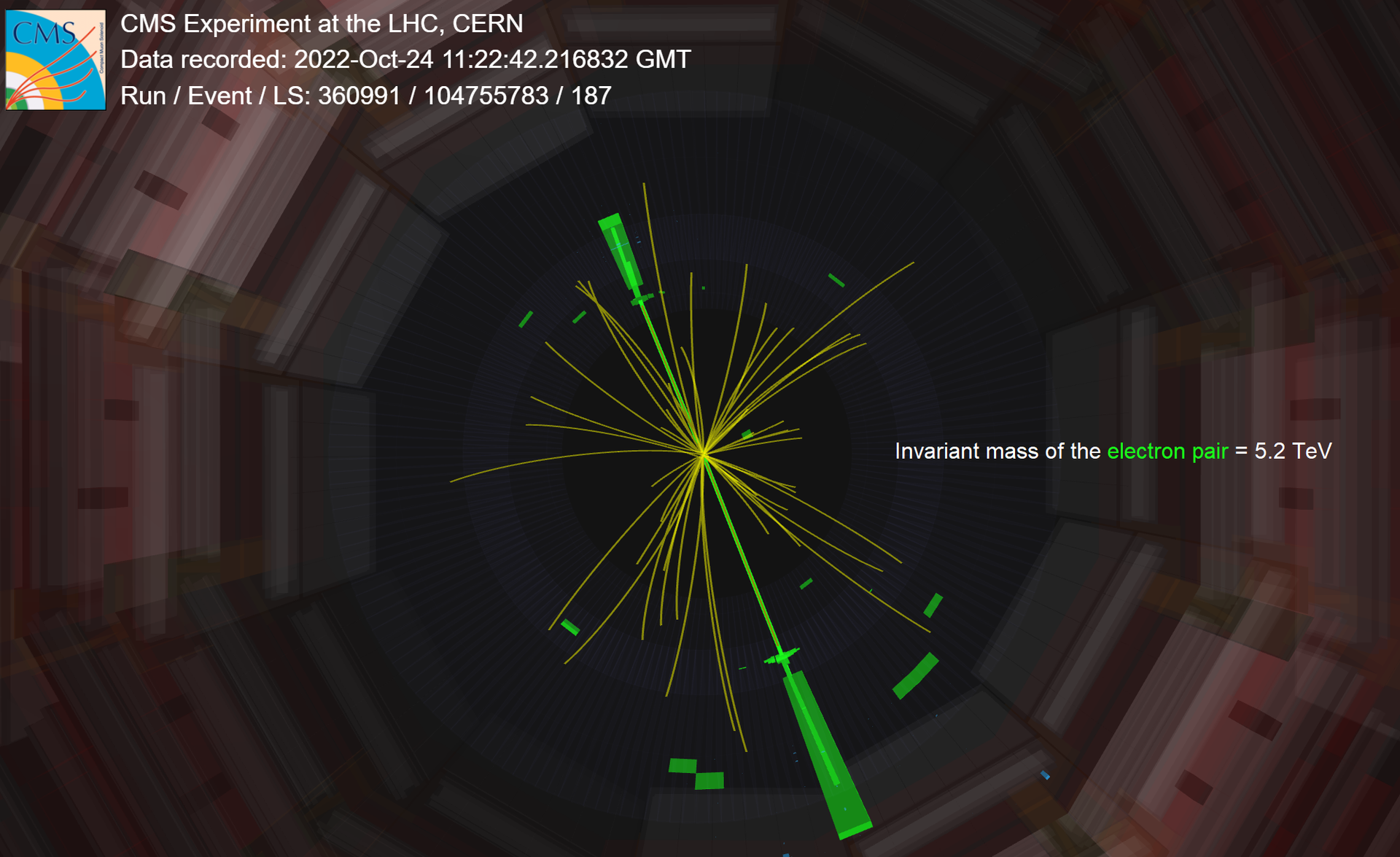
CMS records highest-energy lepton pairs to date, testing the possibility of a composite Higgs boson
The CMS experiment recently used the complete proton-proton collision dataset collected during Run 2 of the Large Hadron Collider and the first two years of Run 3, namely 2022 to 2023, to search for clues that the Higgs boson may be composed of smaller constituents. The analysis results show that the experimental data are consistent with Standard Model predictions, with no evidence pointing to new physics yet. Whether the Higgs boson is an elementary particle or a composite particle with deeper structure is a long-standing question in particle physics. To test this possibility, the CMS team adopted two complementary approaches: on one hand, directly searching for new heavy particles that could be produced at the Large Hadron Collider; on the other hand, indirectly probing the effects of new particles with higher masses that are difficult to produce directly through subtle deviations in high-energy electron pair and muon pair production processes.
2026-08-10

Honeycomb Materials Cross Over into Nuclear Energy: The Gill Corporation Enters the Radioactive Material Container Market
Basque Country-based company The Gill Corporation is applying its proven honeycomb structural material technology to the field of radioactive material containers, thereby entering the nuclear energy industry chain. The so-called honeycomb structure is typically known for its lightweight nature, high strength, impact resistance, and stable support, and has historically been used more in aerospace, transportation, or industrial composite applications; its current use in nuclear-related containers indicates that traditional high-performance materials companies are seeking new growth opportunities against the backdrop of the nuclear energy renaissance. The transport and storage of radioactive materials impose extremely high safety requirements on containers, which must not only account for mechanical strength, vibration resistance, and impact tolerance, but also meet long-term reliability, traceability, and stringent industry...
2026-08-10

DR Congo Government Responds to Research Allegations of "Uranium" in Cobalt Products, Announces Re-Testing and IAEA Consultations
The government of the Democratic Republic of the Congo (DRC) has recently responded to a study suggesting that its cobalt products may contain traces of uranium. The study, published in the journal *Nature Communications* on July 30, 2026, reported the presence of uranium traces in some exported cobalt hydroxide products from the DRC. As cobalt is a critical raw material in the global new energy battery supply chain, this claim quickly drew external attention to mineral product safety, environmental risks, and supply chain credibility. In an official statement released on August 7 by the Ministry of Communication and Media, the DRC government stated that the allegations should be understood within a scientific and geological context. The government emphasized that the natural co-occurrence of uranium in copper-cobalt deposits in Lualaba Province and Haut-Katanga Province is a geological phenomenon known for over a century, and is neither abnormal nor the result of artificial addition or deliberate manipulation. The government also noted that, under relevant International Atomic Energy Agency standards, if uranium exists only in trace amounts in ores or cobalt concentrates and is not specifically processed for uranium extraction, it should generally not be regarded as nuclear material.
2026-08-10
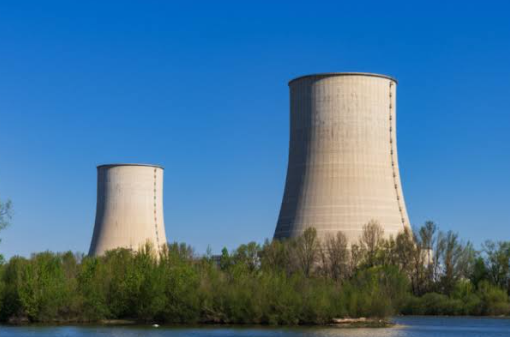
Germany's renewable energy summer generation approaches French nuclear power, may overtake it before 2030
French nuclear power has long been regarded as a key pillar of Europe's low-carbon electricity system, but the latest data shows that Germany's renewable energy generation is rapidly closing in on French nuclear power. According to the data, in January this year, Germany's combined renewable energy generation from solar, wind, and other sources totaled 22,854 GWh, while French nuclear power generated 36,838 GWh, about 61% higher. By July, however, the gap had narrowed significantly: French nuclear power generated 29,689 GWh, while Germany's renewable energy generated 26,501 GWh, with French nuclear power leading by only about 12%. This change is closely linked to summer heat. Nuclear power plants require large amounts of cooling water and are therefore typically built near coastlines or rivers. When river water levels are insufficient, or when discharged water temperatures exceed environmental limits, nuclear plants must reduce output or even shut down. The data mentions that French nuclear plants such as Golfech, Bugey, and Nogent-sur-Seine have already been affected. As heatwaves become more frequent, the cooling constraints on nuclear power in summer may become more pronounced, challenging the stability advantage of French nuclear output.
2026-08-10

Small Modular Reactors Expected to Contribute One-Quarter of Global New Nuclear Capacity by 2050
According to data compiled by the World Nuclear Association (WNA), global nuclear power installed capacity is expected to reach 1,446 GWe by 2050. This projection is based on the continued operation of existing reactors and the implementation of announced nuclear power development targets by governments. Currently, global installed nuclear capacity stands at approximately 403 GWe. To achieve the above scale, an additional approximately 1,043 GWe of nuclear capacity will need to be added. Among this, Small Modular Reactors (SMRs) are expected to contribute about 260 GWe, accounting for roughly one-quarter of global new nuclear capacity. Factors driving nuclear power expansion are increasing. The rapid adoption of artificial intelligence applications has driven up electricity demand from data centers, and the accelerating electrification of transportation and industrial sectors has further elevated the importance of stable, low-carbon electricity supply. Meanwhile, energy security and net-zero emission targets are prompting more countries to reassess the role of nuclear energy in their energy mix.
2026-08-10
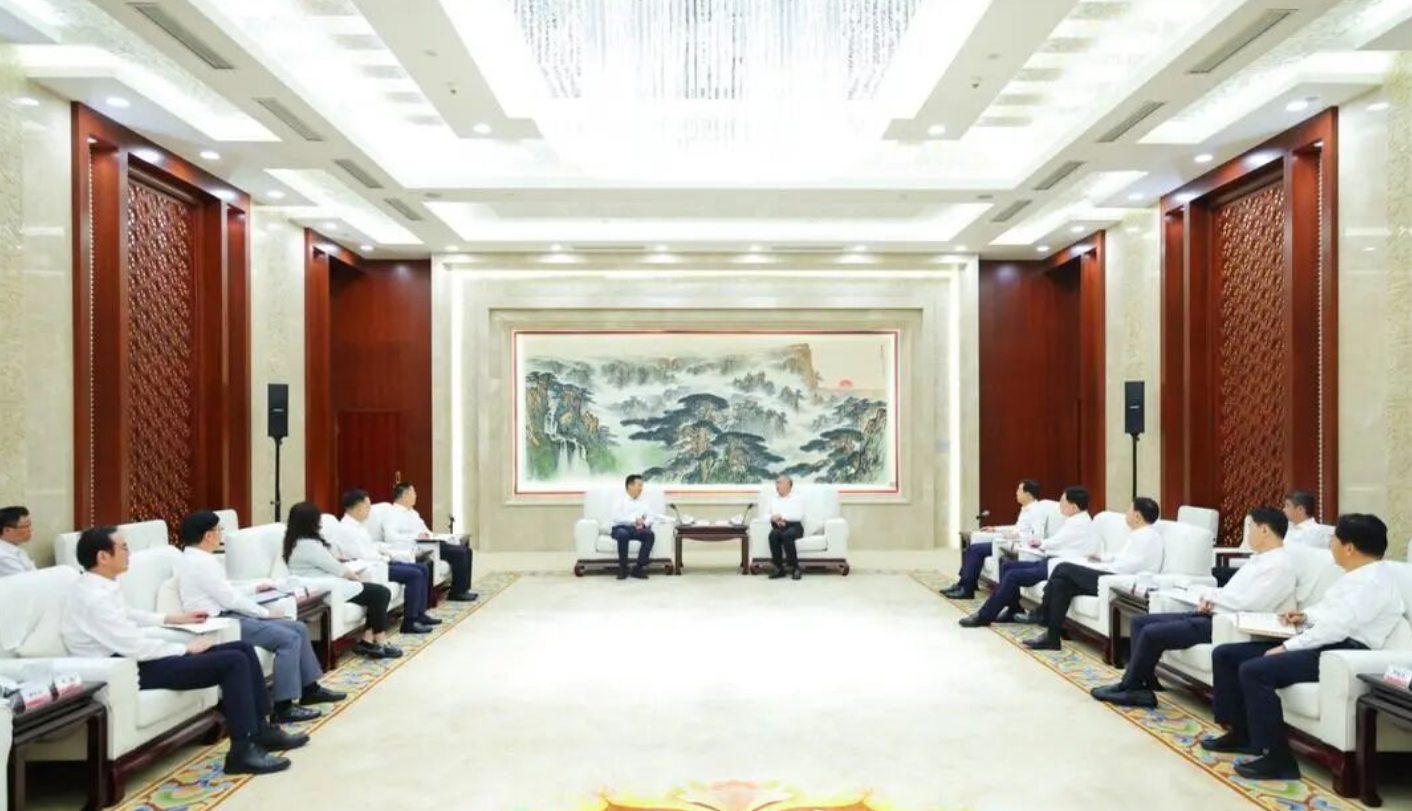
SPIC Signs Strategic Cooperation Agreement with Shandong Provincial Government
On August 7, SPIC and the Shandong Provincial Government signed a strategic cooperation agreement in Jinan. Prior to the signing, Liu Mingsheng, Secretary of the Party Leadership Group and Chairman of SPIC, held working talks with Lin Wu, Secretary of the Shandong Provincial Party Committee and Chairman of the Standing Committee of the Provincial People's Congress. Zhou Naixiang, Deputy Secretary of the Shandong Provincial Party Committee and Governor of the Province, together with Liu Mingsheng, witnessed the signing of the strategic cooperation agreement. Zhang Haibo, Member of the Standing Committee of the Shandong Provincial Party Committee and Executive Vice Governor, Shan Yi, Member of the Standing Committee and Secretary-General of the Provincial Party Committee, and Lu Hongzao and Chen Haibin, Members of the Party Leadership Group and Vice Presidents of SPIC, attended the events. Lin Wu, on behalf of the Shandong Provincial Party Committee and the Provincial Government, expressed gratitude to SPIC for its long-term strong support for Shandong's development and introduced the province's economic...
2026-08-10
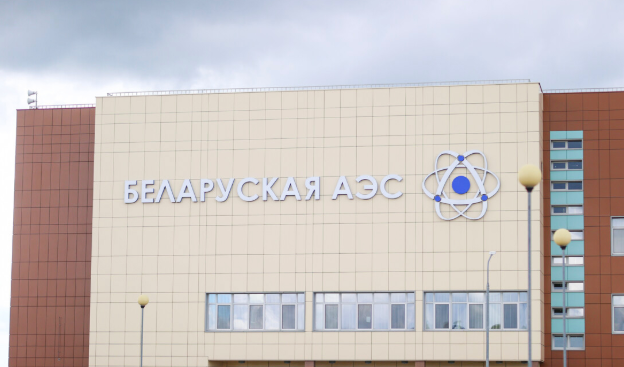
Belarus Plans Nuclear Expansion: BelAES Unit 3 and Second NPP in Mogilev Region to Advance in Parallel
Belarusian Energy Minister Denis Moroz recently stated that nuclear energy has become a strategic energy direction for Belarus, bearing on national energy security, economic growth, and technological sovereignty. Since the Belarusian Nuclear Power Plant was commissioned, it has helped the country reduce its dependence on imported natural gas, cumulatively replacing approximately 14.5 billion cubic meters of natural gas and saving over $600 million in budget funds. After assessing the multiplier effect of nuclear power on the economy, Belarus has decided to continue advancing its nuclear energy development. Moroz stated that the country has made a principled decision: on the one hand, to build a third unit at the Belarusian Nuclear Power Plant (BelAES) in Ostrovets, and on the other hand, to simultaneously study the plan for constructing a second nuclear power plant.
2026-08-09
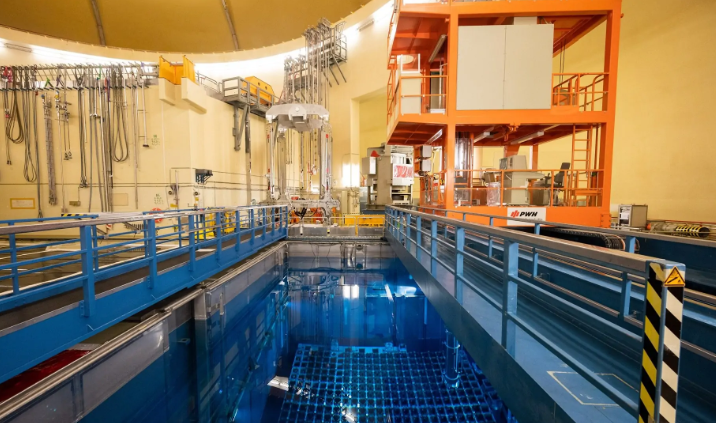
U.S. Department of Energy Selects SHINE Technologies for Genesis Initiative, AI to Optimize Reprocessing of 95,000 Tons of Spent Nuclear Fuel
The U.S. Department of Energy has selected SHINE Technologies to participate in the Genesis mission, advancing the application of artificial intelligence in the nuclear industry. The core objective of the project is to develop an AI-assisted design system for engineers to plan more efficient spent fuel reprocessing facilities. The United States currently has approximately 95,000 tons of accumulated spent nuclear fuel, which has historically posed long-term storage and disposal challenges. The new approach seeks to recover still-valuable components from this material, reducing waste volume and improving resource utilization. The key to this project lies in transforming traditional engineering design methods. In the past, metrics such as throughput, final product quality, and waste volume in nuclear fuel reprocessing processes were typically evaluated separately...
2026-08-09

Low Danube Water Level Tests Bulgaria's Nuclear Operations, Energy Minister Says Kozloduy Plant Can Sustain Operations for About a Week and a Half
Bulgarian Energy Minister Iva Petrova said on August 7 that if the Danube River water level remains at its current level, the Kozloduy nuclear power plant can continue normal operations for about a week and a half. She described the situation facing the plant as difficult and dynamically changing, while emphasizing that the plant is currently operating stably with no direct failures affecting power generation. The Kozloduy nuclear power plant is a critical facility in Bulgaria's power system, and the high attention paid to Danube water level changes is mainly related to the cooling conditions required for plant operations. Persistently low water levels may increase operational dispatch pressure and require the energy sector to more frequently assess safety margins and subsequent response measures.
2026-08-08