
Search Results
Keyword:EPA
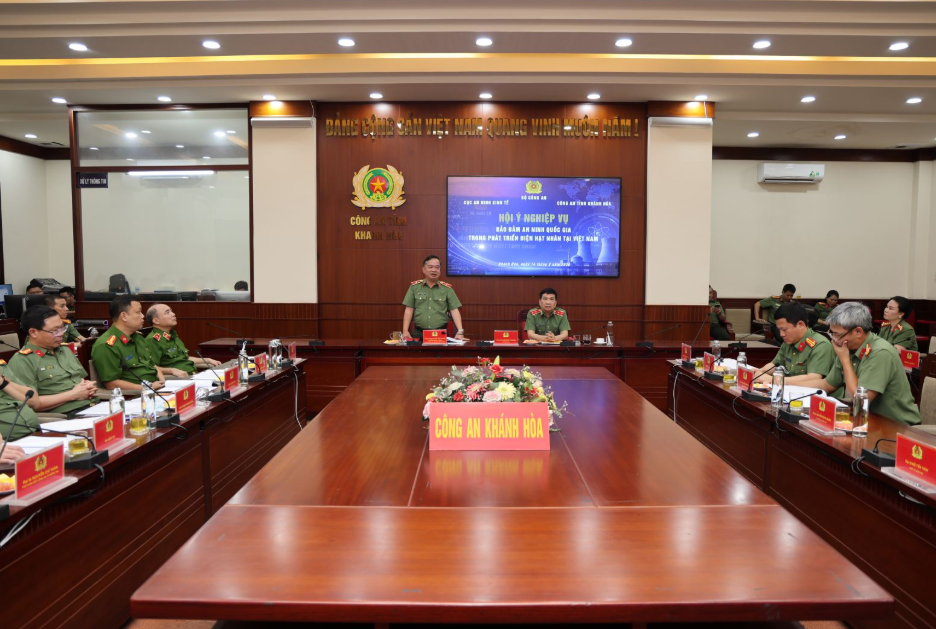
Public Security Ministry's Economic Security Department holds thematic conference on national security safeguards for nuclear energy in Khanh Hoa Province
On the morning of August 14, the Economic Security Department of the Ministry of Public Security, in coordination with the Khanh Hoa Provincial Police Department, held a thematic conference to assess national security safeguards in the process of Vietnam's nuclear energy development. The conference was co-chaired by Lieutenant General Nguyen Sy Quang, Director of the Economic Security Department of the Ministry of Public Security, and Major General Nguyen Huu Phuc, Director of the Khanh Hoa Provincial Police Department. Representatives from relevant professional units of the Ministry of Public Security, Lam Dong Provincial police authorities, Dong Nai City police authorities, relevant departments of the Khanh Hoa Provincial Police Department, and grassroots police forces in Phuoc Vinh and Vinh Hai attended the conference. The conference focused on discussing the potential impacts of nuclear energy development on national security, social order, and public safety, and assessed the role of nuclear power in Vietnam's national energy development strategy from the perspective of energy security.
2026-08-15

X-energy says U.S. Department of Energy plans to add up to $1 billion in funding for Texas advanced nuclear reactor project
X-energy CEO Clay Sell said during an earnings call on August 13 that the U.S. Department of Energy (DOE) has informed the company it will add up to $1 billion in public funding for the advanced nuclear energy project it is advancing with Dow Inc. in Texas. Sell stated that total available public funding for the Dow project in Seadrift, Texas, will reach up to $2.15 billion since 2021. The additional funding will carry the same 50-50 cost-sharing requirement as the initial award. The project is supported by the DOE's Advanced Reactor Demonstration Program (ARDP)...
2026-08-14
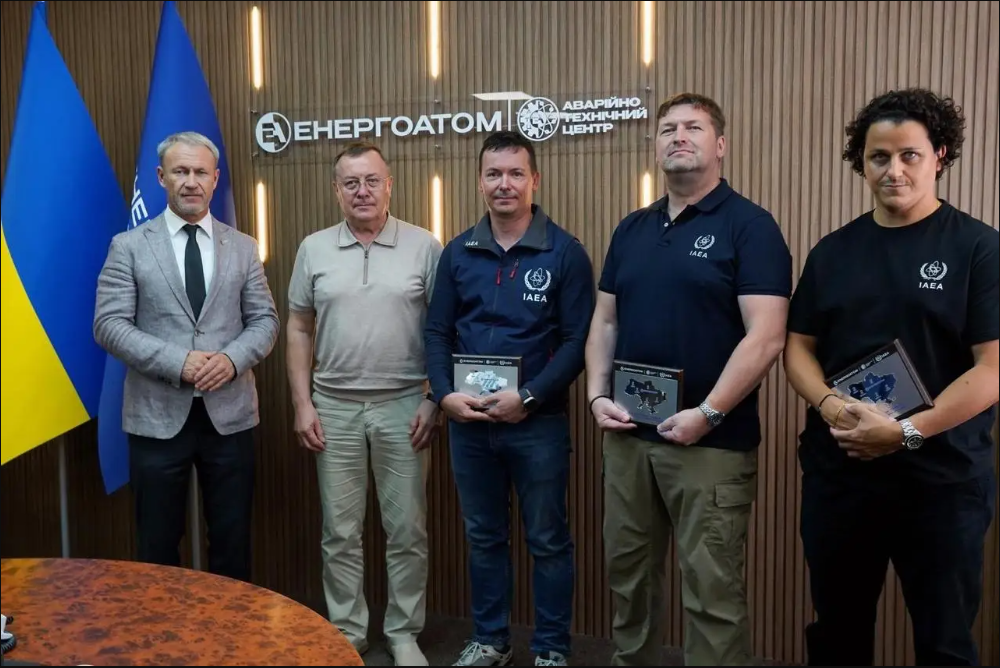
Energoatom and IAEA Strengthen Cooperation on Nuclear Power Emergency Preparedness
Acting CEO of Energoatom, Pavlo Kovtoniuk, recently held a working meeting with representatives of the International Atomic Energy Agency (IAEA) coordination and technical team at the company's subsidiary, the Emergency Technical Center. During the meeting, Kovtoniuk briefed the IAEA representatives on the operational status of Energoatom under the current circumstances and the main challenges facing Ukraine's nuclear power operator. He stated that the safe operation of nuclear power plants and emergency response preparedness remain among the company's top priorities, and enhancing the capabilities of the Emergency Technical Center is a key component of these efforts. Uk...
2026-08-13
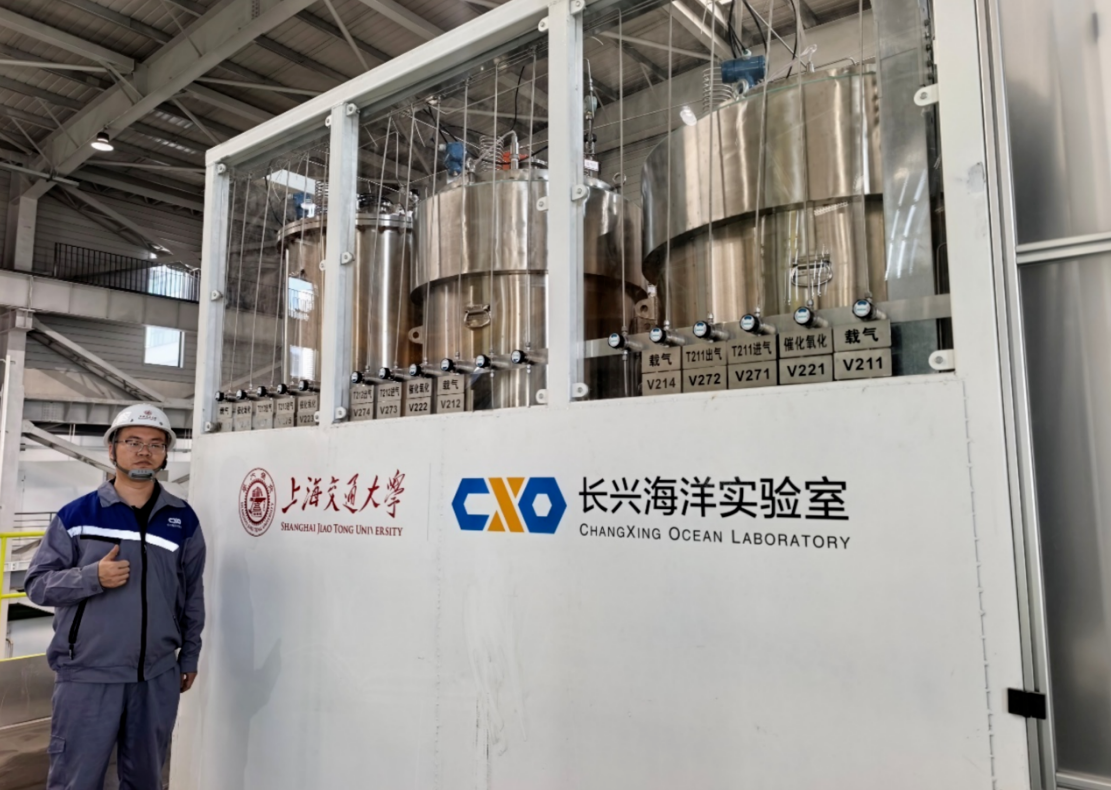
Full-Process Commissioning of Major Marine Isotope Separation Pilot Facility
Shanghai Jiao Tong University's Changxing Ocean Laboratory is dedicated to building a quasi-industrial research platform for high-end marine equipment. The Marine Isotope Separation Applied Research Center, focusing on the industrial context of isotope production, separation, and application, and supported by the ministerial-level Isotope Separation Science and Technology Center, conducts research and development of key isotope separation technologies and engineering equipment for Generation III reactors, Generation IV reactors, and fusion reactors, establishing an innovative platform integrating R&D, testing, validation, data, and technical services. Major research facility: Recently, the construction of the hundred-ton-per-year light water hydrogen isotope separation pilot platform has achieved phased results, with the system facility undergoing full-process commissioning. The platform adopts a self-developed water distillation coupled with cryogenic hydrogen isotope separation process, achieving large-scale efficient separation and enrichment of hydrogen isotopes from light water. The platform's outcomes hold broad engineering application value in fields such as pressurized water reactor wastewater treatment, deuterium-tritium isotope separation, fusion tritium plant operation, and heavy water/heavy hydrogen production. At 18:00 on August 4, 2026, at the Marine Isotope Separation Applied Research Center of Changxing Ocean Laboratory, the hundred-ton-per-year light water hydrogen isotope separation pilot facility was commissioned through its full process! The commissioning and operation of this pilot facility was undertaken by the Marine Isotope Separation Applied Research Center, with all departments coordinating collaboratively, making meticulous arrangements, and dedicating full efforts. During the operation, the team successively overcame multiple challenges including tight schedules, heavy workloads, and persistent high temperatures. This achievement not only fully validated the stability and reliability of the process platform but also demonstrated the researchers' responsibility and commitment in rising to challenges and persevering diligently. In the next phase, the project technical team will continue to deepen process optimization based on existing achievements, focus on advancing continuous and stable facility operation, accelerate engineering application, and provide strong support for breakthroughs in key core technologies in China's hydrogen isotope separation field.
2026-08-13
Rosatom Starts Preparations for Long-Lead Equipment Contracts at Primorskaya NPP
The engineering division of Rosatom recently announced that preparations for signing long-lead equipment manufacturing contracts for the Primorskaya Nuclear Power Plant have commenced, covering the reactor building, turbine hall, core catcher, and other major system components. According to the announcement, the scope of contract preparation includes key equipment such as main reactor building equipment, turbine hall equipment, the Automated Process Control System (APCS) for the units, and the core catcher. Long-lead equipment typically has extended manufacturing cycles and represents a critical element that must be secured early in the pre-construction phase of a nuclear power project. Currently, the project is also advancing multiple public tender preparation efforts, including site vertical layout planning,...
2026-08-13
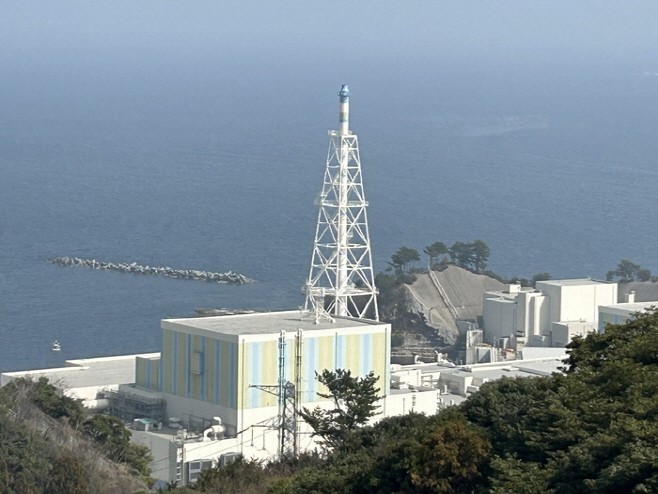
Shimane Nuclear Power Station Unit 2 completes containment vessel-related repairs, scheduled to resume commercial operation on the 16th of next month
The Shimane Nuclear Power Station Unit 2, located in Matsue City, Japan, is scheduled to resume commercial operation next month. Recently, part of the reactor containment vessel repair work at the unit was opened to the public, showcasing key construction steps before the resumption of operation. Unit 2 of the Shimane Nuclear Power Station resumed operation in December two years ago. Since February this year, the unit has been shut down for routine operational inspections. In accordance with relevant legal requirements, nuclear power units must undergo equipment disassembly inspections and replacement of related components within 13 months after the previous inspection is completed. On August 3, a dedicated crane was used on site to lift a cover weighing approximately 60 tons to the top of the reactor containment vessel. Workers completed the tightening of 120 bolts that day...
2026-08-13

GAO: DOE Nuclear Cleanup "End-State Contract Model" Exceeds Budget by $500 Million in Six Years and Misses Goals
A report released by the U.S. Government Accountability Office (GAO) on July 29 shows that the Office of Environmental Management (EM) at the U.S. Department of Energy has accumulated over $500 million in cost growth on nuclear waste cleanup contracts since 2020, yet the agency cannot fully explain the reasons for these increases. EM is responsible for cleaning up 15 sites in the United States contaminated by nuclear weapons production and energy research. To address long-standing contract management problems, EM adopted the End-State Contract Model (ESCM) starting in fiscal year 2020, breaking cleanup work into smaller task orders under larger master contracts, with the goal of improving cost predictability, accelerating cleanup progress, and enhancing performance outcomes...
2026-08-12
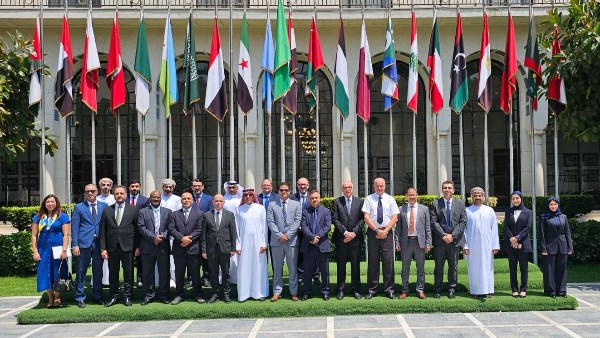
Arab League Holds Second Technical Committee Meeting on Nuclear and Radiation Emergency Preparedness Roadmap, Focusing on Cross-Border Coordination and Alignment with IAEA Obligations
The General Secretariat of the League of Arab States held its second open-ended technical committee meeting at its headquarters from August 9 to 10, focusing on following up on the implementation of the Arab cooperation roadmap for nuclear and radiation emergency preparedness and response. The meeting was attended by representatives of Arab member states, the Arab Atomic Energy Agency (AAEA), and relevant Arab and international organizations, indicating that this issue has risen from mere technical cooperation to an important component of regional security governance. The core objective of the meeting is to enhance the coordination capacity and response capability of Arab countries in the face of nuclear accidents and radiological emergencies. As nuclear technology continues to expand in energy, medical, industrial, and scientific research applications, nuclear...
2026-08-10
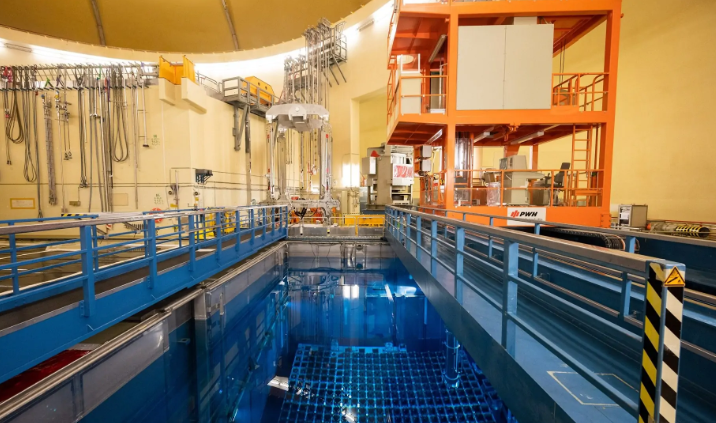
U.S. Department of Energy Selects SHINE Technologies for Genesis Initiative, AI to Optimize Reprocessing of 95,000 Tons of Spent Nuclear Fuel
The U.S. Department of Energy has selected SHINE Technologies to participate in the Genesis mission, advancing the application of artificial intelligence in the nuclear industry. The core objective of the project is to develop an AI-assisted design system for engineers to plan more efficient spent fuel reprocessing facilities. The United States currently has approximately 95,000 tons of accumulated spent nuclear fuel, which has historically posed long-term storage and disposal challenges. The new approach seeks to recover still-valuable components from this material, reducing waste volume and improving resource utilization. The key to this project lies in transforming traditional engineering design methods. In the past, metrics such as throughput, final product quality, and waste volume in nuclear fuel reprocessing processes were typically evaluated separately...
2026-08-09
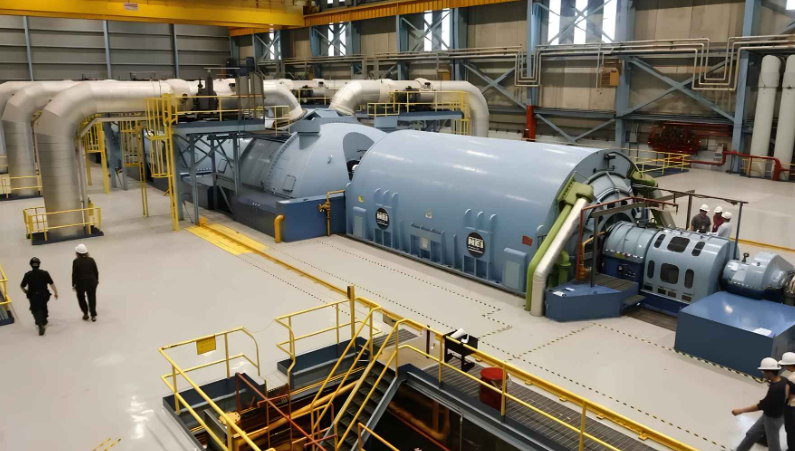
Canadian laboratory validates molten salt separation process with real spent fuel, extracting nearly 90% of plutonium in 24 hours
A chemical experiment in Canada involving real commercial reactor spent fuel has achieved noteworthy progress. Canadian Nuclear Laboratories, in shielded hot cells at Chalk River, used irradiated spent fuel from CANDU reactors to validate the first phase of Moltex Energy's waste-to-stable-salt process. The experiment showed that within 24 hours, 89.4% of the plutonium was transferred into the molten salt; by 60 hours, this proportion rose to 94.3%. Meanwhile, the vast majority of uranium remained outside the salt phase, indicating that the process exhibits strong selectivity in separating target elements. This process, named WATSS, is not a plutonium purification route but rather a group separation technology. In addition to large quantities of uranium, spent fuel contains fission products as well as transuranic elements such as plutonium and americium, the latter being a significant source of long-term radiological risk. WATSS uses high-temperature chloride molten salt and specific reducing metals to convert transuranic oxides into salt-soluble forms, while most uranium oxides remain solid. In this experiment, researchers used niobium as the reducing metal; after 24 hours, only 0.05% of uranium entered the salt, dropping to 0.02% after 60 hours, demonstrating that it does not carry large amounts of uranium into the molten salt system.
2026-08-09
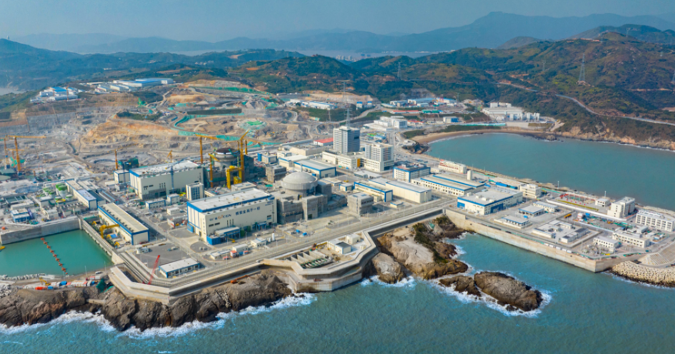
Hu Jinjun, Member of the Standing Committee of the Guangdong Provincial Party Committee and Head of the Publicity Department, Conducts Research in Huizhou: Advancing Marine Economy Toward High-Quality Development by Leveraging the Sea
Recently, Hu Jinjun, Member of the Standing Committee of the Guangdong Provincial Party Committee and Head of the Publicity Department, conducted research in Huizhou, emphasizing the need to thoroughly study and implement General Secretary Xi Jinping's important expositions on promoting high-quality development of the marine economy, implement the provincial party committee's deployment requirements, orderly advance post-disaster recovery from Severe Typhoon Hongxia, consolidate the foundation during resumption of work and production, adhere to leveraging the sea for strength, and accelerate the high-quality development of the marine economy. Hu Jinjun and his delegation visited Guangdong Huangjing Marine Biotechnology Co., Ltd., Haozhaolou Wetland Park, the two major scientific facilities of the Chinese Academy of Sciences, CGN Taipingling Nuclear Power Station, and Unilumin Technology Huizhou Daya Bay Science and Technology Park, among other sites, to learn about the protection of Chinese bahaba germplasm resources and innovation in the southern sea large yellow croaker seed industry, marine ecological protection, commercialization of achievements from major scientific facilities, construction and operation of major energy projects, and R&D and manufacturing of cultural equipment, expressing recognition for the relevant work.
2026-08-07
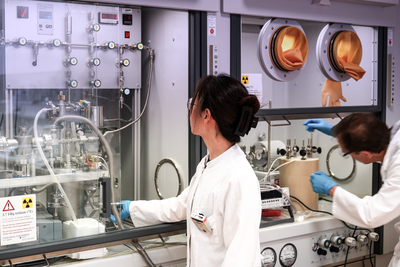
German team achieves first separation of tritium-containing hydrogen isotope mixtures using silver-exchanged zeolites
A team at the Helmholtz-Zentrum Dresden-Rossendorf (HZDR) and partners recently demonstrated a new method for separating hydrogen isotopes using silver-containing zeolites, successfully separating hydrogen isotope mixtures containing radioactive tritium through a porous solid material for the first time. The research findings were published in Nature Communications. Future fusion power plants will require not only high-temperature plasma and strong magnetic fields during operation, but also a stable fuel cycle system for recovering, separating, and reusing deuterium and tritium. Inside a fusion reactor, deuterium and tritium participate in reactions and release energy, but the fuel is not completely consumed, and the residual gas may also contain ordinary hydrogen (protium), forming a mixture of protium, deuterium, and tritium...
2026-08-07

SHINE Selected for Two U.S. Department of Energy AI Nuclear Fuel Recycling Projects
SHINE Technologies, a U.S. fusion energy company, has recently been selected for projects under the U.S. Department of Energy's Genesis Mission, participating in two artificial intelligence applications for the nuclear energy sector. Among these, SHINE will lead a nuclear fuel cycle facility optimization project and join the Prometheus project, a collaborative effort between national laboratories and industry. The project led by SHINE, named AI-Guided Fuel Cycle Facility Optimization, is a Phase 1 project with Argonne National Laboratory as the technical partner. The project plans to develop an AI-assisted workflow to help engineers...
2026-08-07
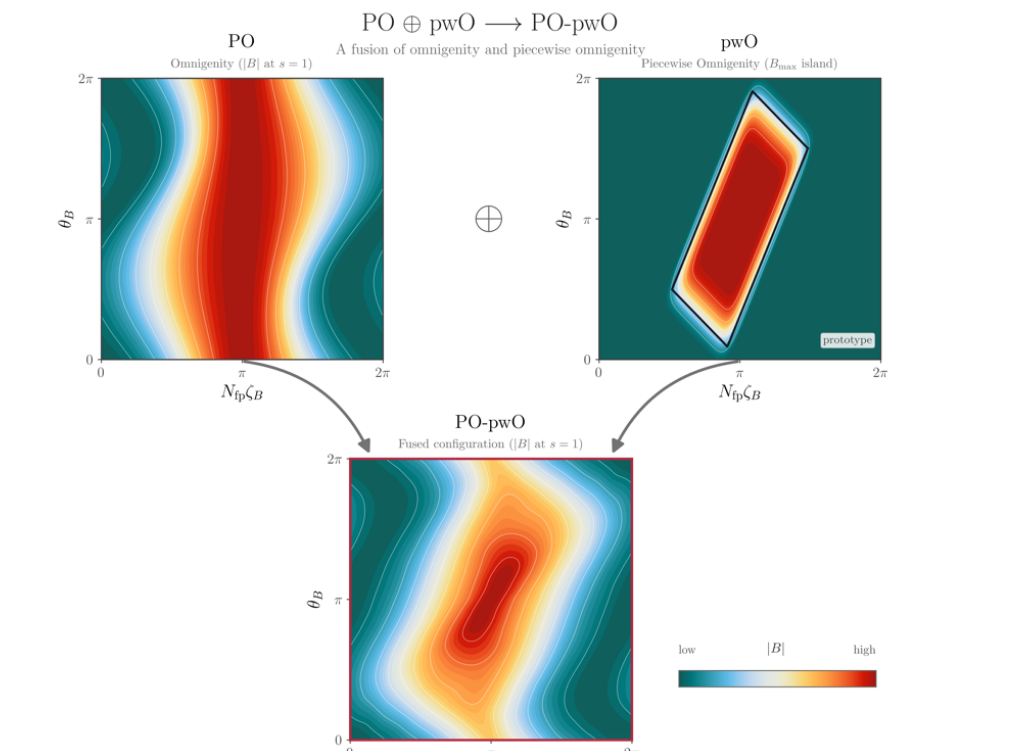
Department of Plasma Physics and Fusion Engineering at the University of Science and Technology of China Proposes New Three-Dimensional Magnetic Field Configuration for Stellarators
Stellarators confine high-temperature plasma using three-dimensional magnetic fields generated by external coils, enabling steady-state operation without relying on plasma current and avoiding instabilities such as disruptions, making them the fastest-growing technological route globally. However, if the three-dimensional magnetic field is not carefully optimized, trapped particles can experience significant radial drift, leading to a substantial increase in neoclassical transport losses. To suppress this drift, the magnetic field must satisfy the "omnigenity" condition, meaning that the time-averaged radial drift of all trapped particle orbits is zero. The most widely applied class of omnigenous magnetic fields is poloidal omnigenity (PO), and such configurations are also commonly referred to as quasi-isodynamic (QI) configurations...
2026-08-06

Two Advanced Materials Research Projects by 1st American Nuclear Co. Supported by U.S. Department of Energy Nuclear Science User Facilities Program
1st American Nuclear Co. (FANCO) announced on August 3 that two research proposals submitted by its scientists have been selected for support under the Nuclear Science User Facilities (NSUF) program of the U.S. Department of Energy Office of Nuclear Energy. Both selected projects come from the NSUF Fiscal Year 2026 Rapid Turnaround Experiment (RTE) review cycle, with research focused on next-generation reactor materials and fuel-related issues. The NSUF Rapid Turnaround Experiment program is open to nuclear energy researchers and primarily provides irradiation testing, post-irradiation examination capabilities, and related technical support...
2026-08-06