
Search Results
Keyword:ESS
SPIC Haiyang Nuclear Power Unit 3 Hot Functional Test Successfully Completed
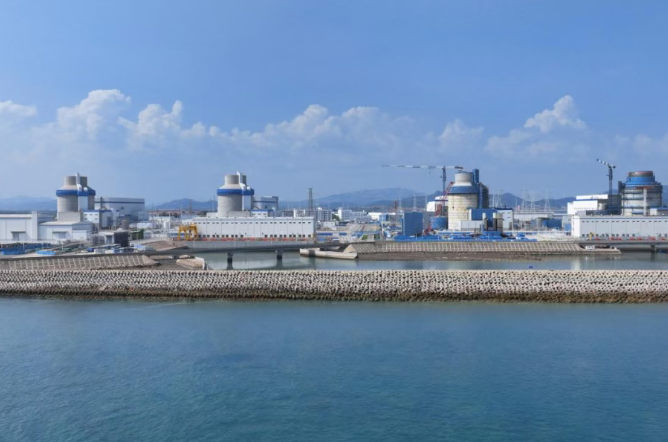
At 17:30 on August 13, the hot functional test (HFT) of Unit 3 at SPIC Shandong Nuclear Power Haiyang Nuclear Power Plant was successfully completed, laying a solid foundation for subsequent fuel loading and first grid connection of the unit. ▲Aerial view of Shandong Nuclear Power Haiyang Nuclear Power Plant. The hot functional test is the most critical non-nuclear comprehensive verification phase before nuclear fuel loading, often referred to as the "final exam" or "mock exam" before a nuclear power plant officially generates electricity. By executing a series of tests simulating actual operating conditions within the pressure and temperature ranges of normal reactor operation, it comprehensively verifies the reliability of nuclear island and conventional island systems and equipment under hot operating conditions, ensuring that relevant parameters meet design requirements. ▲On July 4, during the normal residual heat removal system (RNS) test at the heat-up platform of the hot functional test...
2026-08-15
The Energy Research Institute of Hefei Comprehensive National Science Center Achieves a Series of New Progress in Safety Assessment of Activated Corrosion Products under Magnetic Field Environments in Fusion Reactors
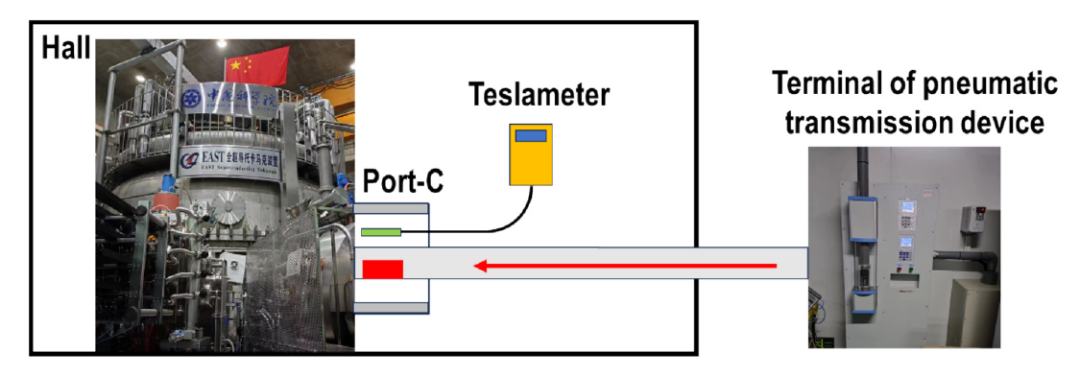
Recently, the Radiation Protection and Safety Research Center of the Energy Research Institute of Hefei Comprehensive National Science Center has made a series of significant progress in the field of safety assessment of activated corrosion products under magnetic field environments in fusion reactors. The research team conducted systematic studies on the corrosion behavior of China's low-activation ferritic/martensitic steel CLF-1 in magnetic field environments, from three dimensions: water corrosion characteristics, migration patterns of corrosion products, and the influence of surface roughness. The relevant results have been published as three papers in the journal *Nuclear Materials and Energy*, which is ranked in Zone 1 of the emerging journal classification table. This series of research outcomes provides key scientific evidence for the radiological safety assessment of cooling water systems in fusion reactors...
2026-08-15
Concrete Placement of the 16.5m Slab in the Reactor Building of Unit 4 at Zhangzhou Nuclear Power Plant Successfully Completed
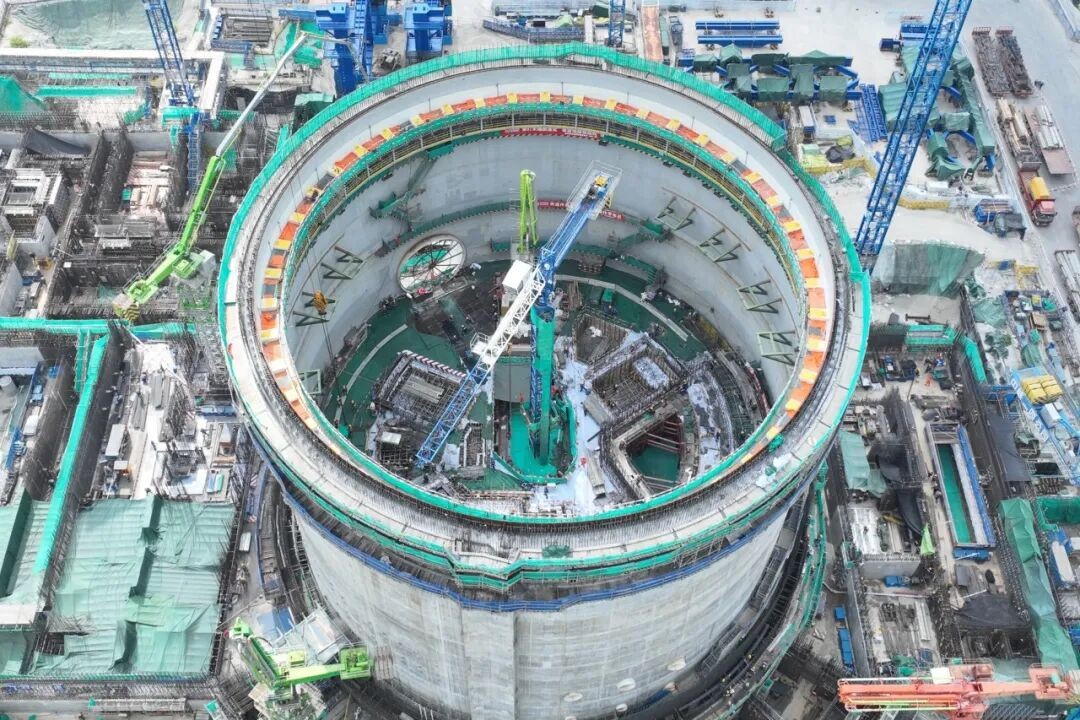
At 21:58 on August 13, the concrete placement of the 16.5m slab in the internal structure of the reactor building of Unit 4 at Zhangzhou Nuclear Power Plant was successfully completed, with safety and quality under control throughout the process, laying a solid foundation for subsequent key path milestones such as crane availability and inner dome lifting. As the core load-bearing structure within the reactor building, the 16.5m slab of the internal structure serves as the critical support platform for the introduction, positioning, and installation of subsequent large-scale core equipment. The engineering structure features key challenges including large construction volume, staggered elevation differences, modular structural rebar installation, and high-precision installation of owner-supplied items, imposing extremely high requirements on overall construction organization, safety, and quality control. The total concrete volume placed this time was 2,297 cubic meters, with a continuous placement duration of 30.5 hours.
2026-08-15
Module 5 of Containment Steel Liner Successfully Lifted at Unit 3 of Guangdong Taipingling Nuclear Power Plant
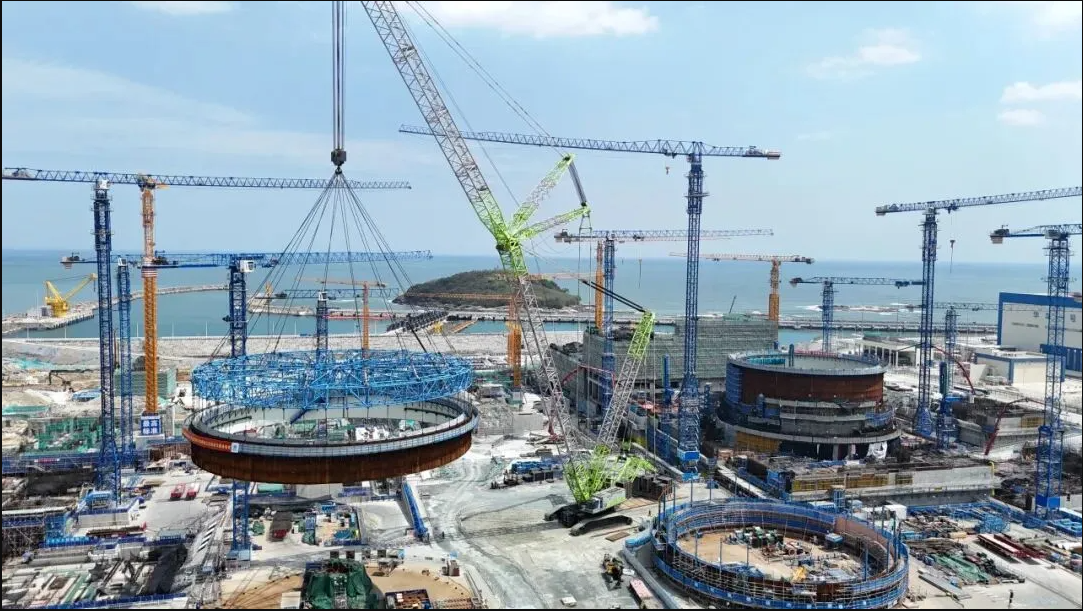
On August 10, the construction of Unit 3 at CGN's Guangdong Taipingling Nuclear Power Plant reached a critical milestone. A Zoomlion 2,000-tonne crawler crane, serving as the core lifting main force, successfully completed the precise positioning of Module 5 of the containment steel liner. This lifting operation involved significant technical challenges and demanding working conditions. The steel liner Module 5 weighed nearly 280 tonnes, with a component diameter of 45 meters, a height of nearly 6 meters, and a wall thickness of only 6 millimeters, making it a typical ultra-large thin-walled flexible component. The module's lateral windward area exceeded 300 square meters, making it susceptible to wind-induced sway during lifting, which imposed extremely high requirements on the crane's operational stability, control precision, and heavy-load adaptability. The Zo...
2026-08-14
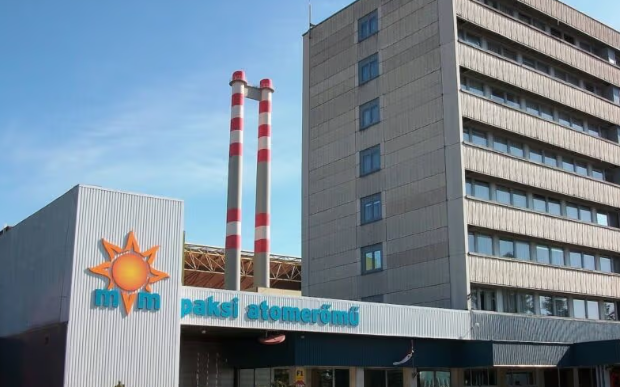
Rosatom Says Paks Nuclear Power Plant Expansion Project Progressing as Planned
Alexey Likhachev, Director General of Rosatom, stated that the construction of the Paks nuclear power plant expansion project in Hungary, with Russian participation, is progressing well, and Rosatom is carrying out related work in accordance with the plan agreed upon with the Hungarian owner. Likhachev noted that Russia is fully organizing equipment production for the two new units at the Paks nuclear power plant. Currently, enterprises under Rosatom have initiated manufacturing work related to the reactors for both units. Among these, the forging blanks for the reactor of Unit 5 at the Paks nuclear power plant have been completed, and the shell assembly stage will begin shortly. He also stated that the casting of the reactor blank for Unit 6 at the Paks nuclear power plant is progressing as planned.
2026-08-14
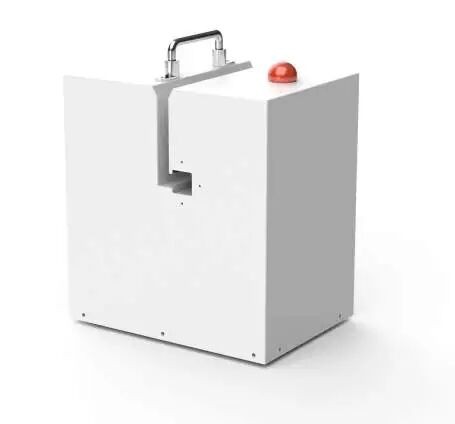
CGN Dasheng Launches BV Cable X-Ray Thickness Gauge for Full Online Inspection of Cable Insulation Layers
CGN Dasheng Accelerator Technology Co., Ltd. recently announced that its BV cable X-ray thickness gauge can be used for online inspection of insulation layers during cable production. The system employs X-ray technology to perform real-time measurement of key parameters such as cable outer diameter, inner diameter, wall thickness, eccentricity, and concentricity, replacing the potential detection blind spots inherent in traditional sampling inspection methods. In cable production, insulation layer thickness directly affects product safety and material utilization. Traditional inspection typically relies on sample cutting, manual measurement, and recording, with limited inspection frequency. If issues such as uneven wall thickness or eccentricity occur during production, they are often difficult to detect in a timely manner, which also hinders subsequent quality traceability and process adjustment. According to the company, the equipment...
2026-08-14
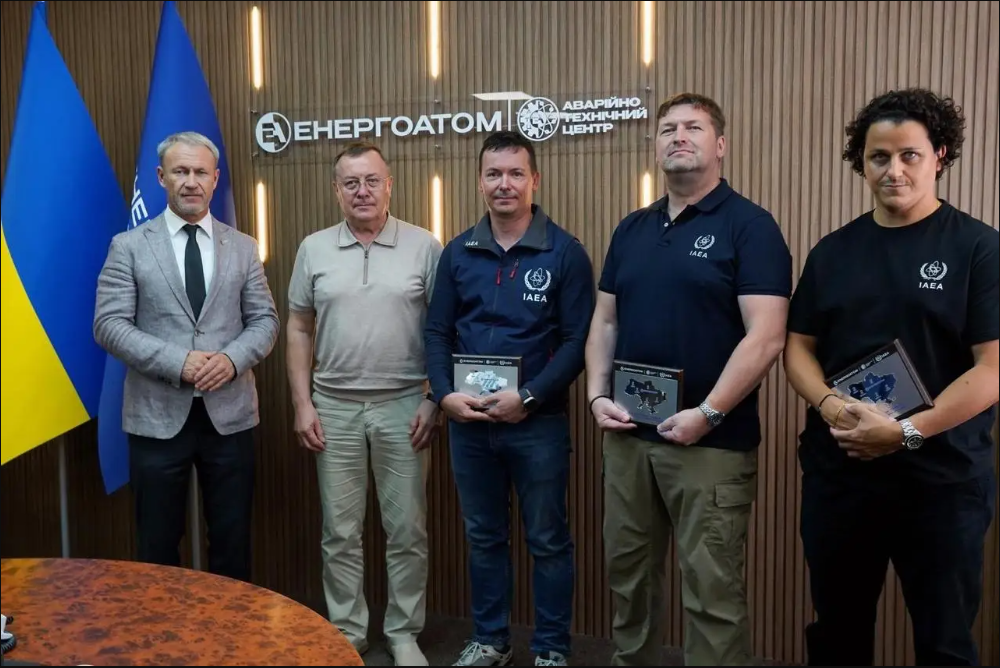
Energoatom and IAEA Strengthen Cooperation on Nuclear Power Emergency Preparedness
Acting CEO of Energoatom, Pavlo Kovtoniuk, recently held a working meeting with representatives of the International Atomic Energy Agency (IAEA) coordination and technical team at the company's subsidiary, the Emergency Technical Center. During the meeting, Kovtoniuk briefed the IAEA representatives on the operational status of Energoatom under the current circumstances and the main challenges facing Ukraine's nuclear power operator. He stated that the safe operation of nuclear power plants and emergency response preparedness remain among the company's top priorities, and enhancing the capabilities of the Emergency Technical Center is a key component of these efforts. Uk...
2026-08-13
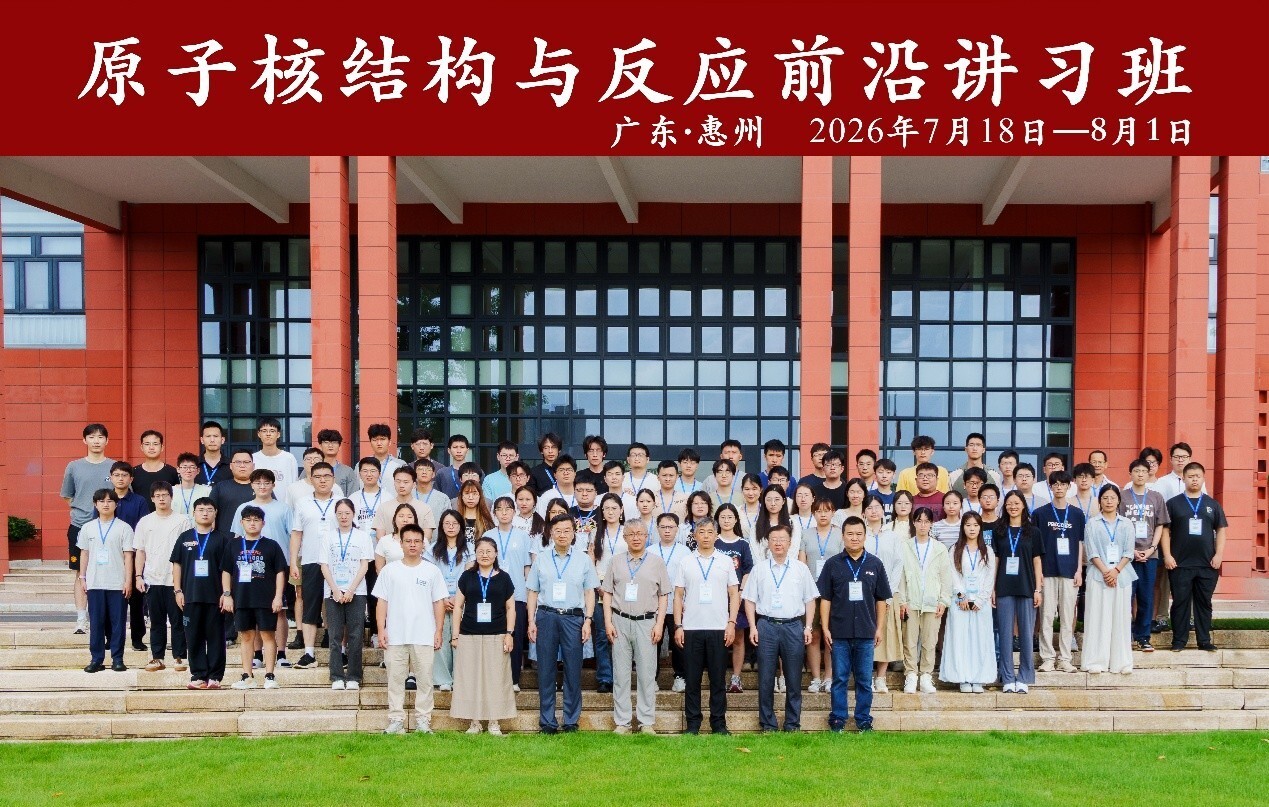
"Frontier Workshop on Nuclear Structure and Reactions" Successfully Held at the Institute of Modern Physics, Chinese Academy of Sciences
From July 18 to August 1, the Institute of Modern Physics of the Chinese Academy of Sciences hosted the Frontier Workshop on Nuclear Structure and Reactions. Funded by the Special Fund for Theoretical Physics of the National Natural Science Foundation of China, the workshop attracted 89 young faculty members, postdoctoral researchers, and graduate students from over 30 universities and research institutions nationwide. Twenty-one experts in nuclear physics were invited to give lectures, totaling nearly 80 class hours. Academician of the Chinese Academy of Sciences and President of East China Normal University, Professor Ma Yugang; Academician of the Chinese Academy of Sciences and Professor at Tsinghua University, Zou Bingsong; Director of the Institute of Modern Physics, Professor Sun Zhiyu; as well as representative lecturers Professor Ye Yanlin and Professor Yang Xiaofei from Peking University...
2026-08-13

Jellyfish Blockage Forces Shutdown of French Nuclear Units; Experts Say Shutdown Demonstrates Effectiveness of Safety Systems
France's Gravelines Nuclear Power Plant recently shut down some of its units again after large numbers of jellyfish entered the water intake system. On August 11, reactors 2, 3, and 4 at the plant were forced to shut down due to blockage in the seawater cooling pump system, reactor 1 was reduced to half power operation, reactor 5 was under maintenance at the time, and only reactor 6 continued normal operation. EDF (Électricité de France) stated that the incident had no impact on nuclear safety, personnel, or the environment, and the affected units would be restarted in phases. Located in northern France, the Gravelines Nuclear Power Plant is one of the largest nuclear power plants in Western Europe. Similar situations have occurred before. In the 20...
2026-08-13
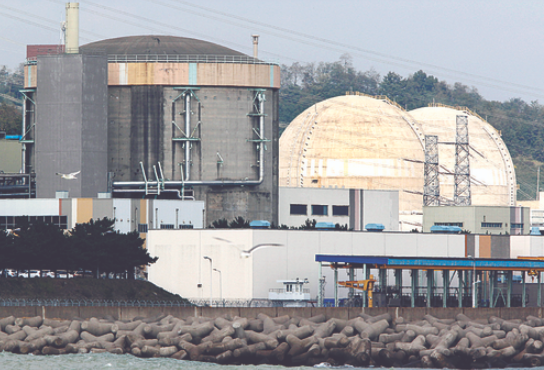
South Korea's Wolsong Nuclear Power Plant Units 2, 3, and 4 Pressure Tube Procurement Pushed for Preliminary Feasibility Study Exemption, Sparking Controversy
The lifetime extension issue for South Korea's Wolsong Nuclear Power Plant Units 2, 3, and 4 has not yet been finalized, yet the procurement of pressure tubes—the core equipment—is being pushed to be excluded from the preliminary feasibility study, triggering a direct confrontation between industry circles and environmental groups. The Korea Hydro & Nuclear Power labor union recently submitted a proposal to Democratic Party lawmaker Song Young-gil, requesting that the government grant a preliminary feasibility study exemption for the relevant procurement and initiate ordering at the earliest opportunity. Song subsequently forwarded the opinion to the Office for Government Policy Coordination. It is understood that the government is internally considering submitting the matter as an exemption case for deliberation at the September State Council meeting. Supporters argue that Wolsong Units 2, 3, and 4 are pressurized heavy water reactors, and pressure tubes are critical equipment determining unit operation, from order placement...
2026-08-13

Major Fusion Energy Appointment in the UK: MIT Professor Dennis Whyte Named CEO of UKAEA
The UK Atomic Energy Authority (UKAEA) has appointed Professor Dennis Whyte, a fusion energy expert from the Massachusetts Institute of Technology, as its new Chief Executive Officer, with his tenure officially commencing in autumn 2026. This appointment comes at a critical stage in the UK's accelerated push toward fusion energy commercialisation, signalling the country's intent to strengthen its position in the global fusion energy race by attracting international talent with combined expertise in research, engineering, and industrialisation. The UK government previously announced an investment of £2.5 billion in fusion energy research, development, and innovation over the five-year period ending in 2030. Upon taking office, Whyte will be tasked with advancing the R&D system, accelerating technology commercialisation, expanding industrial and international collaboration, and translating scientific...
2026-08-13

India plans to build at least five domestically designed small modular reactors by 2033, and reports on nuclear power plant safety assessments
In a written reply to the Lok Sabha on August 12, Jitendra Singh, India's Minister of State for Atomic Energy, stated that a key objective of the Indian government under its nuclear energy mission is to develop and operationalize at least five domestically designed small modular reactors by 2033. According to the briefing, the Bhabha Atomic Research Centre (BARC) is advancing the design and development of indigenous small modular reactor (SMR) technology, with projects including the 220 MWe Bharat Small Modular Reactor (BSMR-200) and the 55 MWe SMR-55 for power generation. BARC is also developing a High-Temperature Gas-Cooled Reactor (HTGCR) with a capacity of up to 5 MW, which can be coupled with suitable thermochemical cycles for hydrogen production. Singh stated that India...
2026-08-13
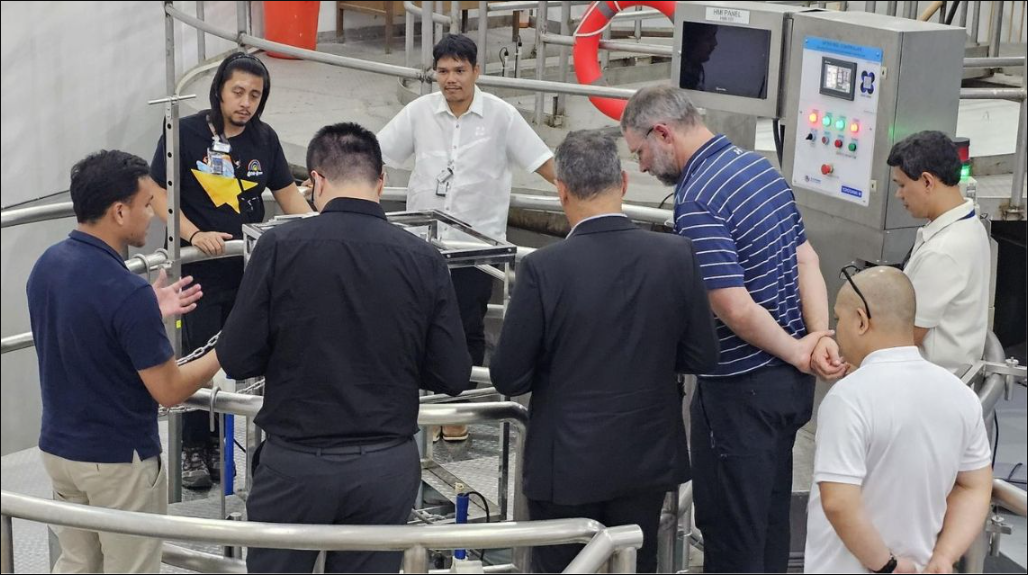
IAEA Expert Team Acknowledges Safety Progress of Philippine Research Reactor
The International Atomic Energy Agency (IAEA) conducted a follow-up Integrated Safety Assessment of Research Reactors (INSARR) mission to the Philippine Research Reactor-1 (PRR-1) Subcritical Assembly for Training, Education and Research (SATER) facility in Quezon City, approximately 10 kilometers northeast of Manila, Philippines, from August 10 to 12, 2026. The review was conducted at the request of the Philippine Nuclear Research Institute (PNRI) to examine the implementation status of safety recommendations made during the initial INSARR mission in 2023. The mission team consisted of two experts from Romania and the United States, along with one IAEA official. During the visit, they conducted an on-site inspection of the assembly facility, reviewed relevant documents, and engaged with the facility's management, operations, and technical staff...
2026-08-13
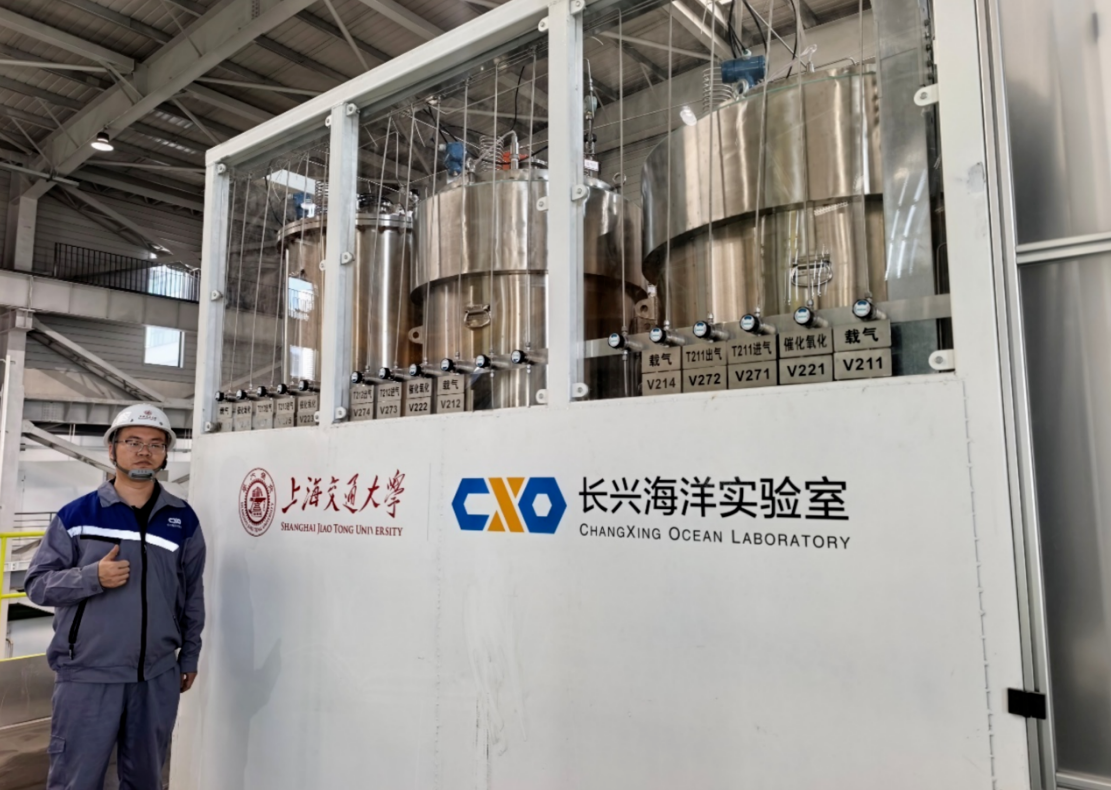
Full-Process Commissioning of Major Marine Isotope Separation Pilot Facility
Shanghai Jiao Tong University's Changxing Ocean Laboratory is dedicated to building a quasi-industrial research platform for high-end marine equipment. The Marine Isotope Separation Applied Research Center, focusing on the industrial context of isotope production, separation, and application, and supported by the ministerial-level Isotope Separation Science and Technology Center, conducts research and development of key isotope separation technologies and engineering equipment for Generation III reactors, Generation IV reactors, and fusion reactors, establishing an innovative platform integrating R&D, testing, validation, data, and technical services. Major research facility: Recently, the construction of the hundred-ton-per-year light water hydrogen isotope separation pilot platform has achieved phased results, with the system facility undergoing full-process commissioning. The platform adopts a self-developed water distillation coupled with cryogenic hydrogen isotope separation process, achieving large-scale efficient separation and enrichment of hydrogen isotopes from light water. The platform's outcomes hold broad engineering application value in fields such as pressurized water reactor wastewater treatment, deuterium-tritium isotope separation, fusion tritium plant operation, and heavy water/heavy hydrogen production. At 18:00 on August 4, 2026, at the Marine Isotope Separation Applied Research Center of Changxing Ocean Laboratory, the hundred-ton-per-year light water hydrogen isotope separation pilot facility was commissioned through its full process! The commissioning and operation of this pilot facility was undertaken by the Marine Isotope Separation Applied Research Center, with all departments coordinating collaboratively, making meticulous arrangements, and dedicating full efforts. During the operation, the team successively overcame multiple challenges including tight schedules, heavy workloads, and persistent high temperatures. This achievement not only fully validated the stability and reliability of the process platform but also demonstrated the researchers' responsibility and commitment in rising to challenges and persevering diligently. In the next phase, the project technical team will continue to deepen process optimization based on existing achievements, focus on advancing continuous and stable facility operation, accelerate engineering application, and provide strong support for breakthroughs in key core technologies in China's hydrogen isotope separation field.
2026-08-13
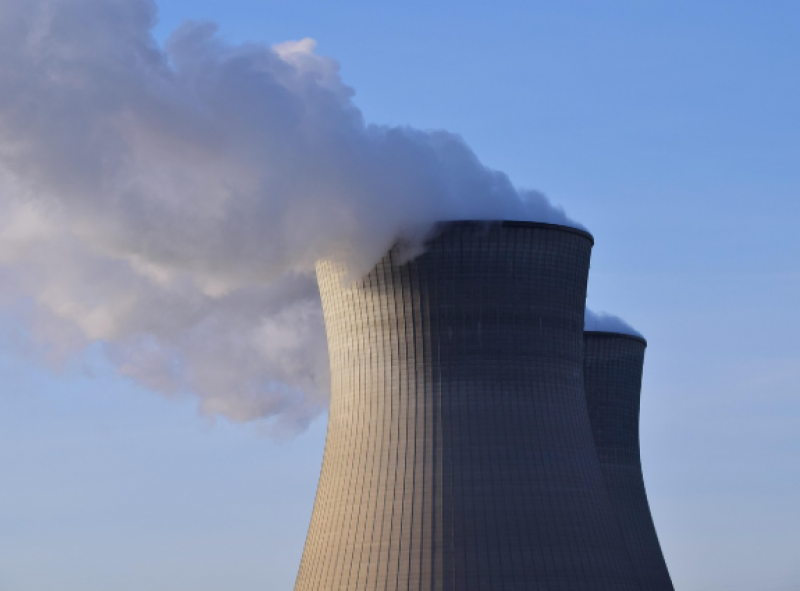
Climate change impact assessment to be conducted for new nuclear power plant in Yeongdeok, South Korea
South Korea's Ministry of Climate, Energy and Environment announced on August 12 that the proposed Yeongdeok nuclear power plant will undergo a climate change impact assessment in parallel with the strategic environmental impact assessment procedure. The assessment will be conducted in accordance with the Framework Act on Carbon Neutrality and the Environmental Impact Assessment Act, focusing on reviewing the project's alignment with higher-level plans such as the Nationally Determined Contributions (NDC), and evaluating greenhouse gas emissions and mitigation measures during the construction and operation phases. The assessment will cover the entire lifecycle of the nuclear power plant, from construction to operation. While the nuclear power generation process itself emits almost no greenhouse gases, emissions will still arise from large-scale civil engineering works, operation of construction equipment, and the production and transportation of building materials...
2026-08-13