
Search Results
Keyword:IC

Russia and Egypt Plan to Cooperate on Construction of Nuclear Medicine Center and Radiopharmaceutical Plant
Alexey Likhachev, CEO of Rosatom, recently stated that Russia and Egypt are expanding cooperation in non-energy nuclear technologies, with one of Egypt's key priorities being the construction of a high-performance nuclear medicine center based on a research reactor. According to reports, the project will adopt a comprehensive approach, including a radiopharmaceutical production plant, isotope production facilities, and modern diagnostic systems based on PET and SPECT technologies. Some diagnostic systems will use Russian equipment. Once completed, the project is expected to conduct up to 30,000 diagnostic examinations annually and provide treatment services for 400 patients. Construction of the medical facility is expected to begin as early as 2027...
2026-08-28
Bristol Myers Squibb to Invest $173 Million in New Radiopharmaceutical Plant in Indiana, USA
Bristol Myers Squibb's RayzeBio will build a new radiopharmaceutical production facility in Whitestown, Indiana, USA, with an investment of $173 million. The project will be located at the Anson Industrial Park in Boone County, with construction planned to begin this year, complementing RayzeBio's existing operational radiopharmaceutical plant in Indianapolis. According to information released by the state of Indiana, the new facility will cover approximately 225,000 square feet. Bristol Myers Squibb expects the two production sites to add 100 new positions by the end of 2029, with annual salaries for new positions expected to exceed $130,000. Bristol Myers Squibb acquired San Diego-based RayzeBio in 2023 for $4.1 billion...
2026-08-28

Egyptian Minister of Electricity Inspects Small Modular Reactor Technology in Russia
On August 27, 2026, Egyptian Minister of Electricity and Renewable Energy Mahmoud Esmat visited a small nuclear reactor manufacturing and assembly plant operated by Rosatom during an official visit to Russia. The inspection focused on the latest advancements in small modular reactor-related technologies, industrial application status, and potential cooperation opportunities between the two sides. The Egyptian side stated that such visits align with the country's direction of diversifying energy sources and enhancing the security and sustainability of electricity supply. During the visit, Esmat was briefed on the manufacturing and assembly processes of small reactor components, as well as related safety systems...
2026-08-28
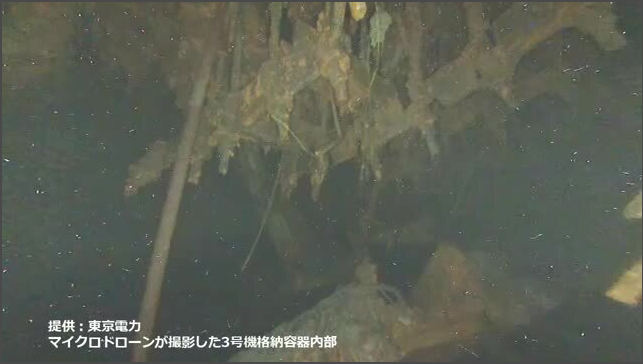
Hole of about 3 meters confirmed at bottom of reactor pressure vessel of Unit 3 at Fukushima Daiichi Nuclear Power Station
Tokyo Electric Power Company (TEPCO) announced on August 27 that a hole approximately 3 meters in diameter has been confirmed at the bottom of the reactor pressure vessel of Unit 3 at the Fukushima Daiichi Nuclear Power Station. The pressure vessel is a steel container that held nuclear fuel before the accident, with a cylindrical shape and a diameter of about 5.5 meters. This is the first time since the core meltdown accident at Units 1 to 3 of the Fukushima Daiichi Nuclear Power Station in 2011 that the specific size and shape of such a hole have been confirmed on the pressure vessel. The hole is believed to be related to the falling of melted nuclear fuel during the 2011 accident. After the accident, the containment vessel of Unit 3 has maintained a relatively high water level for an extended period, and access routes into the containment vessel are limited. TEPCO previously used a micro drone measuring approximately 12 centimeters per side...
2026-08-28

Fukui Prefecture in Japan Aims to Promote Local Utilization of Nuclear Power
On the 27th, Fukui Prefecture in Japan held a co-creation meeting to exchange views on development measures for areas hosting nuclear power plants. The meeting confirmed a new policy aimed at promoting the local use of electricity generated by nuclear plants to drive related industrial development, including attracting large-scale data centers and other high-power-consuming businesses. Fukui Prefecture has held co-creation meetings for the past five consecutive years, with participants including the Fukui Prefectural Government, local governments in areas within the prefecture hosting nuclear plants, Japan's central government, and representatives of electric power companies. The meeting focused on how to combine the stable power supply and carbon-dioxide-free operation of nuclear plants with regional industrial revitalization...
2026-08-28
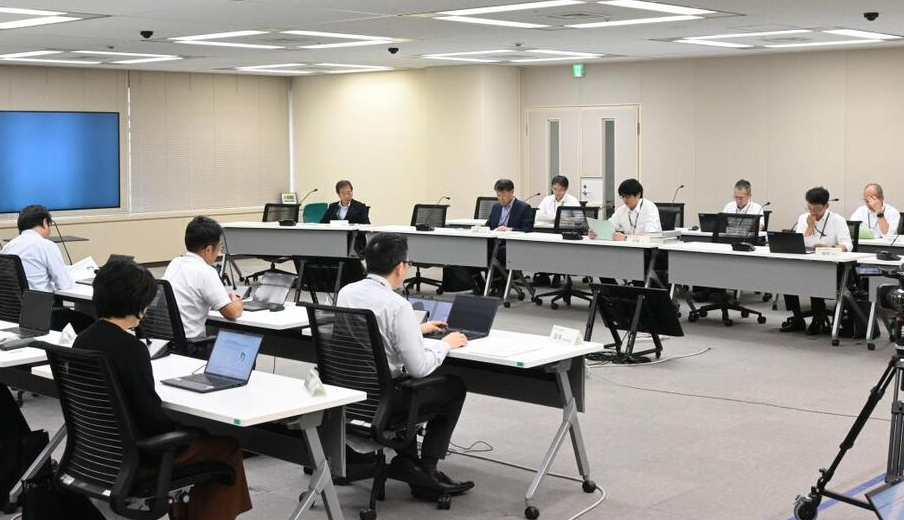
Japan's Tokai No. 2 Nuclear Power Plant Seawall Reinforcement Plan Receives Basic Approval
Japan's Nuclear Regulation Authority (NRA) held a review meeting on the 27th local time and basically approved the seawall structural modification plan for the Tokai No. 2 Nuclear Power Plant submitted by Japan Atomic Power Company (JAPC). The plant is located in Tokai Village, Ibaraki Prefecture, Japan, and the relevant seawall is an important component of the safety measures required for restart, with foundation defects having been discovered during construction. According to JAPC's explanation, the modification plan does not remove the underground foundation where defects were found, but instead adds pile foundations around it and uses cement-based materials to reinforce the ground. Regarding this plan, JAPC submitted an assessment of the seawall's seismic and tsunami resistance performance after modification, concluding that the structurally adjusted seawall can still fulfill the functions required of a tsunami protection facility.
2026-08-28
Antares and Standard Nuclear Sign Multi-Year TRISO Fuel Supply Agreement
Antares Nuclear, Inc. of the United States recently announced that it has signed a binding multi-year fuel supply agreement with Standard Nuclear to secure advanced nuclear fuel supply for its compact microreactor program. Under the agreement, Standard Nuclear will supply up to 8 metric tons of uranium (MTU) of tristructural isotropic particle fuel, or TRISO fuel, to Antares Nuclear by 2035. This fuel will be used in the microreactor currently being developed by Antares. Designed for demanding operating environments such as ground-based and space applications, this class of reactors aims to provide reliable power for national defense, aerospace, and off-grid critical infrastructure...
2026-08-28
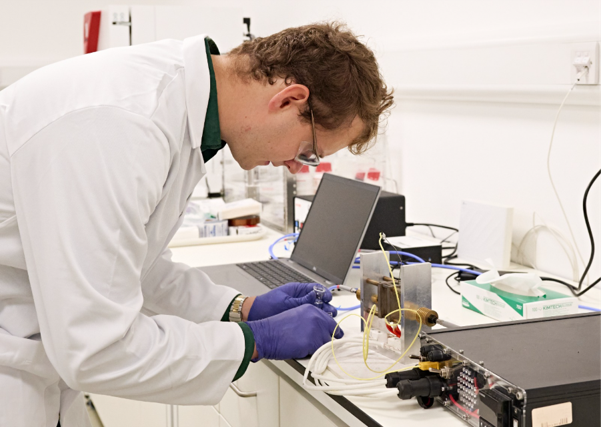
Cambridge AtomWorks Opens New Laboratory at Granta Park to Develop ODIN Microreactor
Cambridge AtomWorks announced on August 27 that its new light industrial facility and laboratory at Granta Park in Cambridge, UK, has officially entered service. The site, leased from TWI (The Welding Institute), will be used to advance research and development work related to the ODIN microreactor. According to the company, the new laboratory has already begun conducting experiments closely linked to ODIN microreactor development, including studies on coolant properties and behavior. The research team is using an STA-MS system to characterize material properties related to fuel performance, which enables simultaneous thermogravimetric analysis, heat flow analysis, and mass spectrometry. The new facility will also be used for reactor flow...
2026-08-28

U.S. Marathon Fusion Demonstrates Hydrogen and Lithium Isotope Enrichment Technology
U.S.-based Marathon Fusion announced on August 27 that it has successfully demonstrated hydrogen and lithium isotope enrichment technology using its proprietary plasma centrifuge. The company stated that this advancement addresses the fuel cycle needs of fusion energy and related isotope supply requirements. In the deuterium-tritium fusion pathway, hydrogen isotope processing is critical to the continuous operation of fusion devices, while lithium isotope enrichment is closely tied to tritium production. The U.S. Department of Energy (DOE) released its "Fusion Science and Technology Roadmap" in June of this year, which identifies tritium processing as one of the core challenges, noting that related progress is essential for achieving sustained deuterium-tritium fusion operation and validating fusion as a large-scale energy form...
2026-08-28
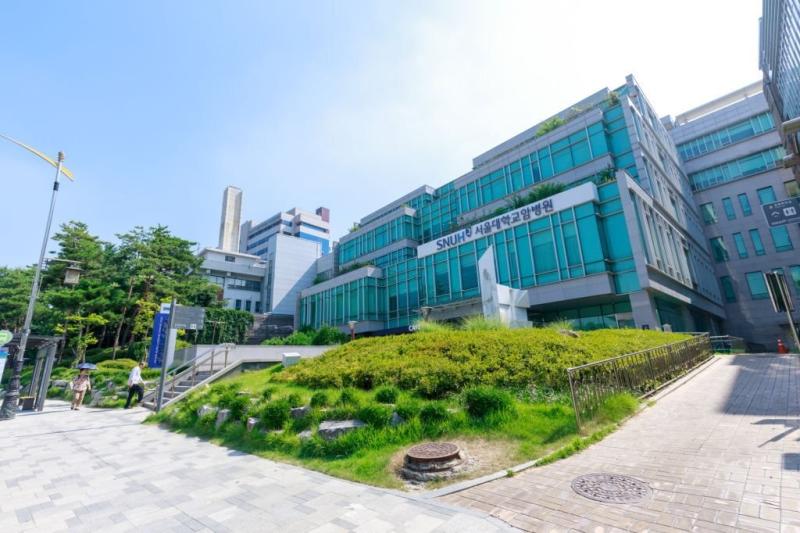
South Korean research team evaluates pipe rupture risk in nuclear power plants using probabilistic analysis
Researchers from Seoul National University of Science and Technology in South Korea have recently proposed a sensitivity analysis method based on probabilistic fracture mechanics to evaluate the rupture frequency of main coolant piping systems in nuclear power plants. This method can analyze the impact of uncertainties and modeling assumptions on prediction results, helping engineers distinguish extremely low-probability events from relatively more likely failure scenarios. In nuclear power plants, the main coolant piping system plays a critical role in maintaining structural integrity under normal reactor operating conditions. A pipe rupture could trigger a loss-of-coolant accident, and therefore this system has long been included in the key scope of nuclear power plant safety design and assessment.
2026-08-28
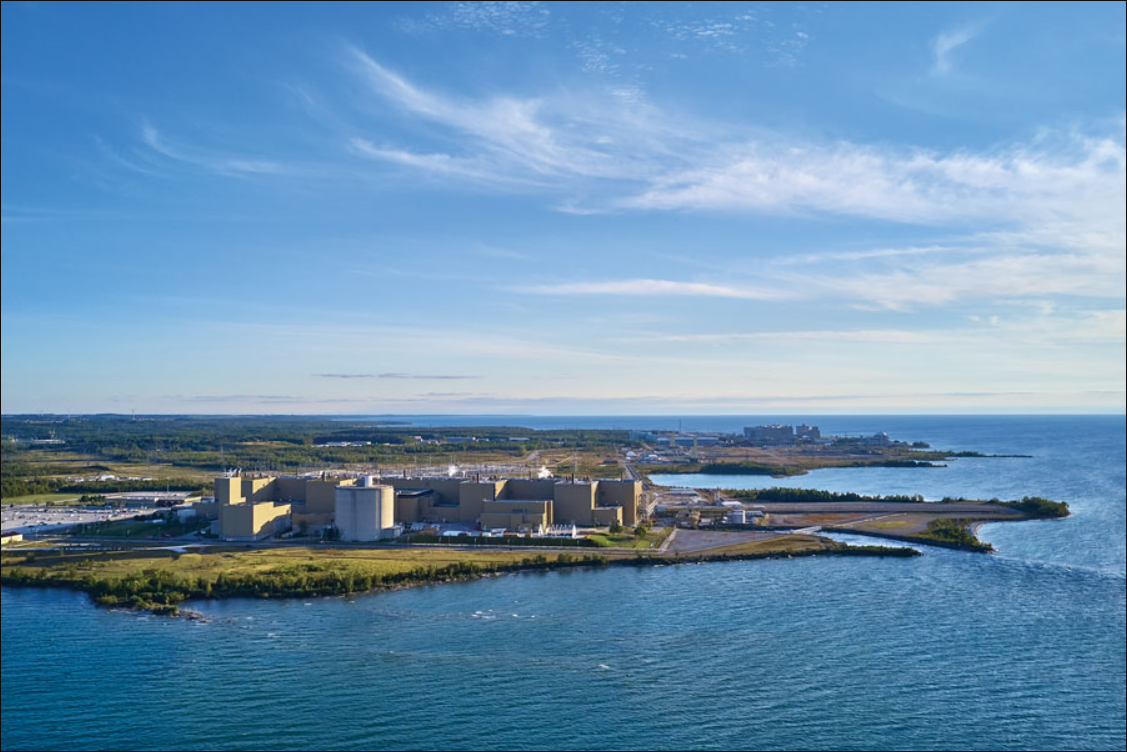
Bruce Power Aims to Generate Over CAD 13.3 Billion in Economic Impact in Canada Over Next 18 Months
Bruce Power recently stated that over the next 18 months, the company expects to generate more than CAD 13.3 billion in economic impact across Canada, with related investments primarily stemming from its nuclear plant operations and life extension programs, supporting businesses and jobs in Ontario and other regions of Canada. Bruce Power stated that since launching the "Canada First" program in 2025, the company has invested over CAD 6.6 billion in Canada between January 2025 and June 2026, and plans to invest an additional CAD 7.7 billion by the end of 2027. The company noted that its spending within Canada accounts for more than 95% of total expenditures. As a nuclear operator located in Bruce County, Ontario...
2026-08-28
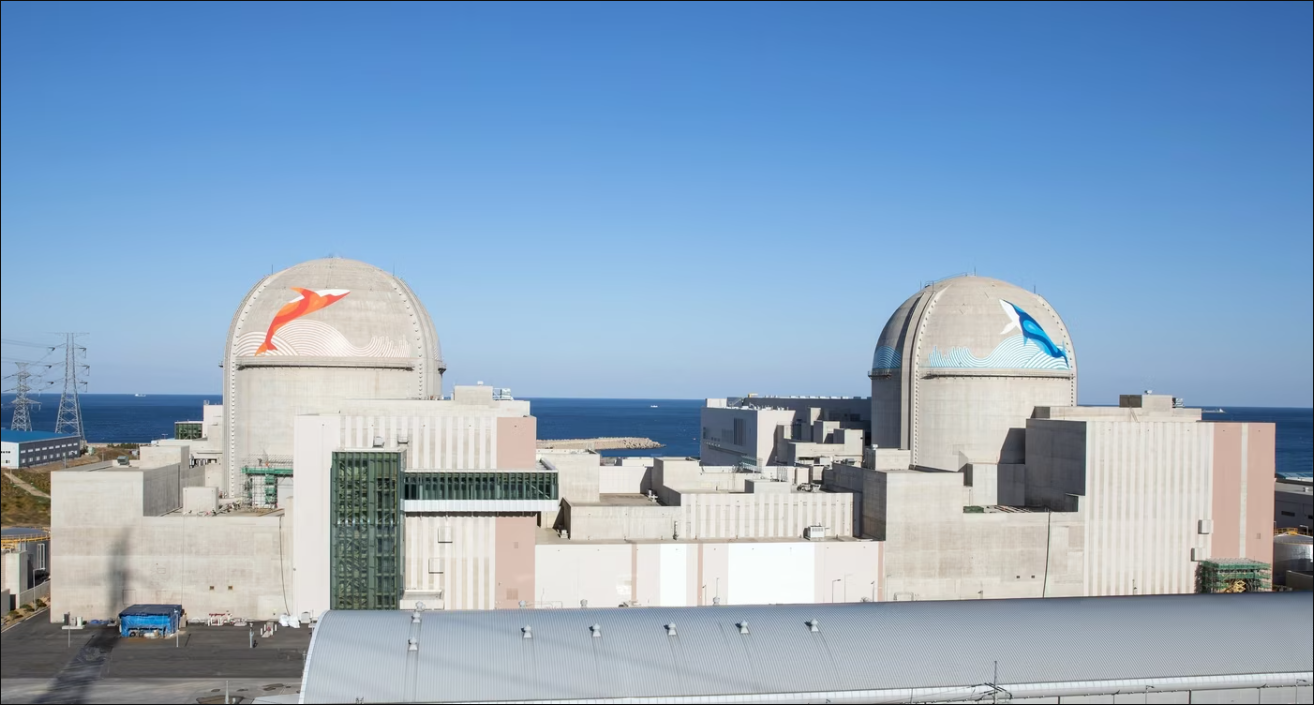
Boric Acid Leakage During Spent Fuel Transfer Preparation at South Korea's Hanul Nuclear Power Plant
Hanul Nuclear Power Plant in Uljin County, North Gyeongsang Province, South Korea, recently disclosed that at 10:16 a.m. on the 3rd, a boric acid solution leakage incident occurred in the auxiliary building of Unit 2 at Shin Hanul Nuclear Power Plant. The incident happened while workers were preparing to transfer spent fuel from a transport container in the spent fuel loading pool to the spent fuel storage pool, and the preliminary cause has been attributed to improper on-site operations. Boric acid solution is used in spent fuel storage-related operations. As the solution is associated with the spent fuel storage environment, it carries radioactive management attributes. Hanul Nuclear Power Plant stated that leakage containment measures were immediately taken after the leak occurred, and the leaked material was collected in the decontamination area and recovered to the controlled area...
2026-08-28
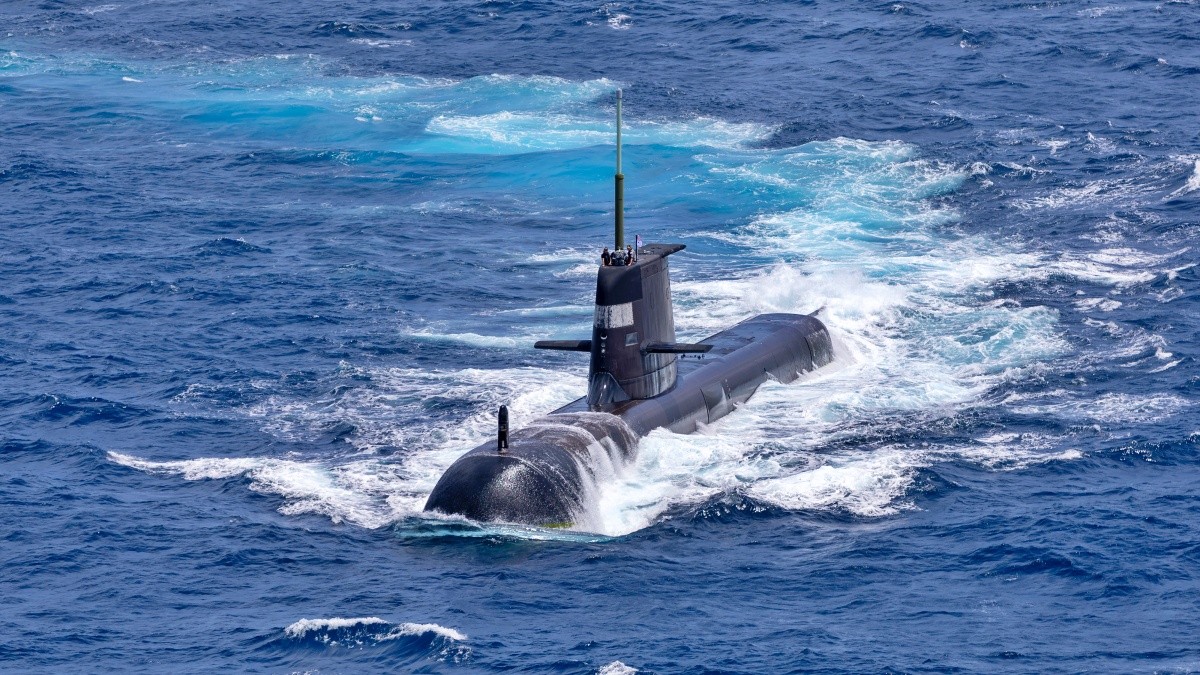
South Korean Lawmaker Proposes Special Act on Nuclear-Powered Submarines
Yoo Yong-won, a lawmaker from South Korea's People Power Party (PPP), proposed a draft of the Special Act on the Nuclear-Powered Submarine Project on August 27, aiming to establish a dedicated legal basis for introducing nuclear-powered submarines to South Korea. The South Korean government is currently advancing the nuclear-powered submarine project as a national strategic initiative. At a press conference held at the National Assembly that day, Yoo stated that the existing Defense Acquisition Program Act and Nuclear Safety Act have limitations in fully reflecting the unique characteristics of military nuclear propulsion systems, making it necessary to enact a special law. The draft proposes establishing a Nuclear-Powered Submarine Strategic Committee under the president's leadership to deliberate on major related matters...
2026-08-28
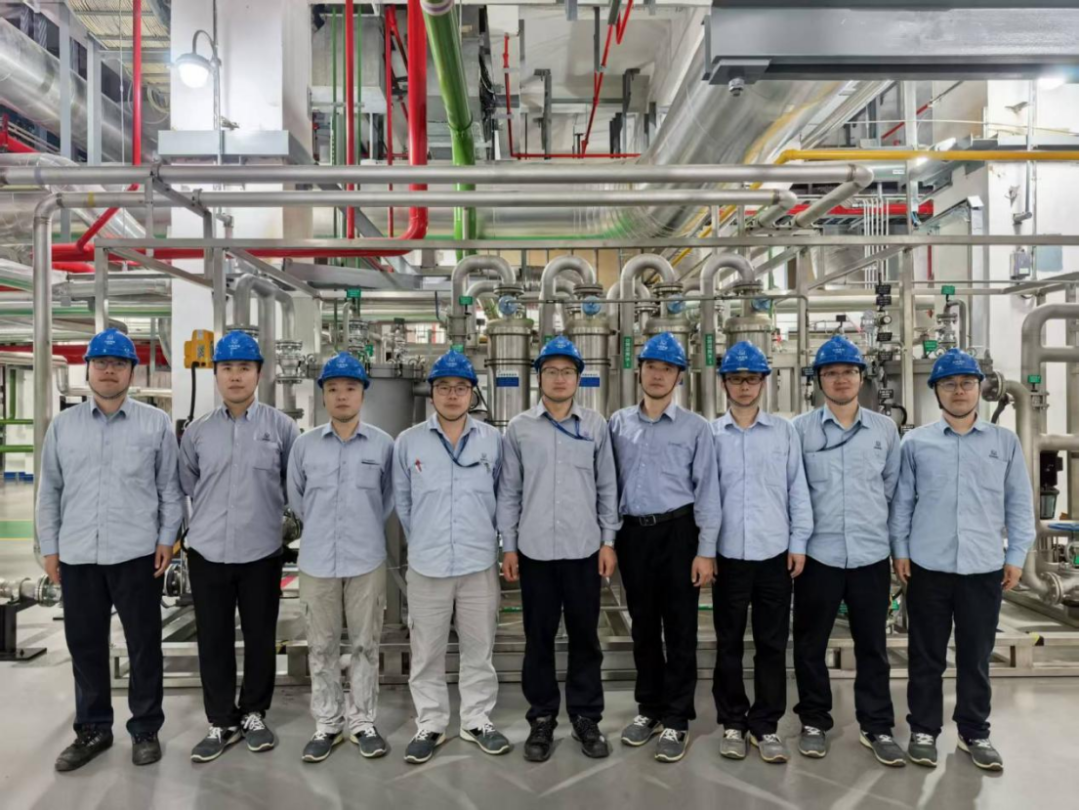
Qinshan Nuclear Power Membrane Deoxygenation Retrofit Project Put into Operation
Recently, the membrane deoxygenation retrofit project at Qinshan Nuclear Power completed commissioning and was put into operation. The project applies membrane deoxygenation technology to the auxiliary feedwater system (ASG) and reactor boron and water makeup system (REA) of Units 1 and 2 at Qinshan Nuclear Power Plant Phase II, optimizing and upgrading the original deoxygenation process. Units 1 and 2 of Qinshan Phase II originally adopted thermal deoxygenation. During long-term operation, this method presented issues such as insufficient redundancy in single-train equipment operation, high temperature and humidity on site, and potential exceedance of auxiliary feedwater tank temperature limits during summer peak temperature periods. To enhance system operational reliability, Qinshan Nuclear Power initiated relevant technical retrofits, introducing membrane separation packaged units to form a parallel standby configuration with the original thermal deoxygenation system, allowing flexible switching...
2026-08-28
CNNC Fuyuan (Beijing) Technology Co., Ltd. officially established, focusing on accelerator and radiation technology equipment
On August 26, 2026, CNNC Fuyuan (Beijing) Technology Co., Ltd. (abbreviated as: CNNC Fuyuan) was officially established. CNNC Fuyuan is a joint venture between China Isotope & Radiation Corporation (CIRC) and CNNC Atomic Energy Institute Technology Co., Ltd., with nuclear technology equipment as its core business and radiation technology empowering industrial upgrading. Leveraging the Atomic Energy Institute's profound accumulation in accelerator technology over more than 70 years, as well as CIRC's market-oriented industrialization capabilities, the company builds a deeply integrated industry closed loop encompassing research, education, application, and utilization, strengthening and complementing the nuclear technology equipment industry chain. Looking ahead, CNNC Fuyuan will adhere to the dual-drive approach of independent innovation and achievement transformation, starting with accelerators, breaking through the boundaries of single products, and extending toward full-spectrum radiation technology,...
2026-08-28