
Search Results
Keyword:IC
Linn County, Iowa, rejects rezoning application for data center site near nuclear power plant
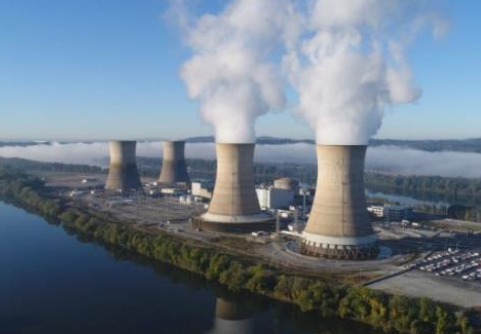
The Linn County Board of Supervisors in Iowa said Monday it will not proceed with amendments to the EU-2 zoning district. This decision means that large data centers will not be permitted to be built near nuclear facilities through this zoning rule for the time being. The current EU-2 zoning primarily allows for nuclear power generation facilities, nuclear waste storage facilities, and natural gas power generation facilities, and does not list large data centers as permitted uses. The zoning adjustment drew attention due to the potential restart of the Duane Arnold Energy Center near Palo. If the nuclear facility were to resume operations, it could provide a stable power source for energy-intensive data centers, prompting interest from data center companies in surrounding...
2026-08-11

International Team Measures Niobium-94 Neutron Reactions, Explaining Anomalous Molybdenum-94 Abundance in the Solar System
An international team of physicists has, for the first time, conducted a comprehensive study of the interactions between neutrons and the niobium-94 isotope. The findings have been published in Physical Review Letters. The study suggests that the elevated abundance of molybdenum-94 in the primordial material of the solar system can be explained by a series of neutron-involving nuclear reaction processes inside old stars, without requiring the introduction of previously unknown special formation mechanisms. The research was led by Alberto Mengoni, a researcher at the Italian National Institute for Nuclear Physics. The team conducted experiments using the n_TOF facility at CERN, focusing on tracking the interactions between neutrons and niobium-94 atoms. The n_TOF facility is used to...
2026-08-11

Russia's Atommash Commissions Ultrasonic Weld Inspection Robot to Boost NPP Equipment Testing Efficiency
Atommash, a plant under the mechanical engineering division of Russia's State Atomic Energy Corporation (Rosatom), has recently commissioned a new ultrasonic inspection robot for welded joints, used for weld quality checks on large nuclear power equipment such as nuclear reactors and steam generators. The plant is located in Rostov Oblast, Russia. The new equipment employs two scanning modes and can identify weld defect types and locate defect coordinates. Compared with traditional inspection methods involving manual probe movement, the robot can automatically perform scanning on components with complex geometries, increasing inspection speed by approximately 30% while reducing the need for manual work in hard-to-reach areas. At present, Atommash already operates...
2026-08-11
South Korea's semiconductor cluster adds about 21 GW of new power demand; government to study whether to build new nuclear units
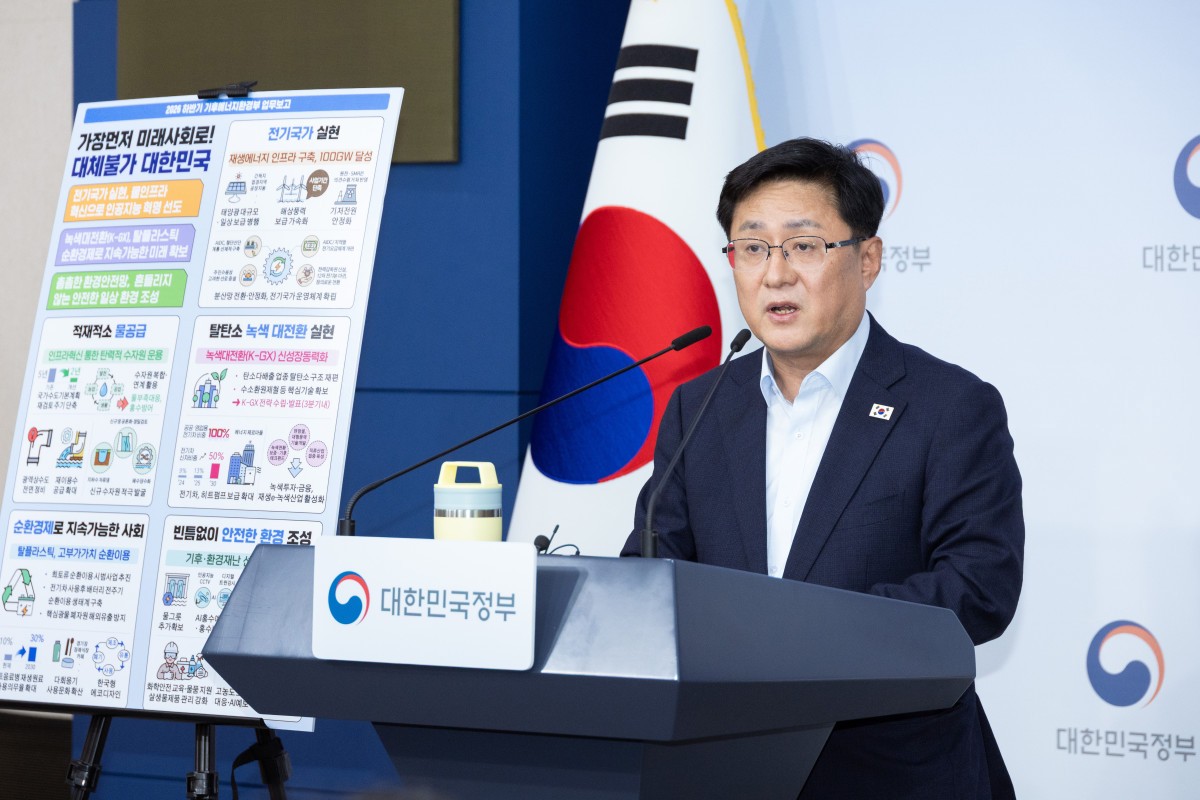
South Korea's Minister of Climate, Energy and Environment, Kim Sung-hwan, said on the 10th that the new electricity demand from the Yongin—Hoseon semiconductor industry cluster is approximately 21 GW, equivalent to the power supply capacity of about 15 nuclear units based on an estimate of 1.4 GW per unit. The Ministry of Climate, Energy and Environment plans to seek expert and public opinions before announcing the 12th Basic Plan for Electricity Supply and Demand in October, and will decide accordingly whether to push for the construction of new nuclear units. Kim Sung-hwan stated that the electricity demand of the semiconductor industry has increased significantly compared to the past. The South Korean government has decided to raise renewable energy capacity from 78 GW to 100 GW by 2030, but whether the increase in renewable energy alone can meet the new demand still requires further assessment.
2026-08-11
TAF-ID database 22nd edition released, expanding advanced nuclear fuel thermodynamic evaluation data
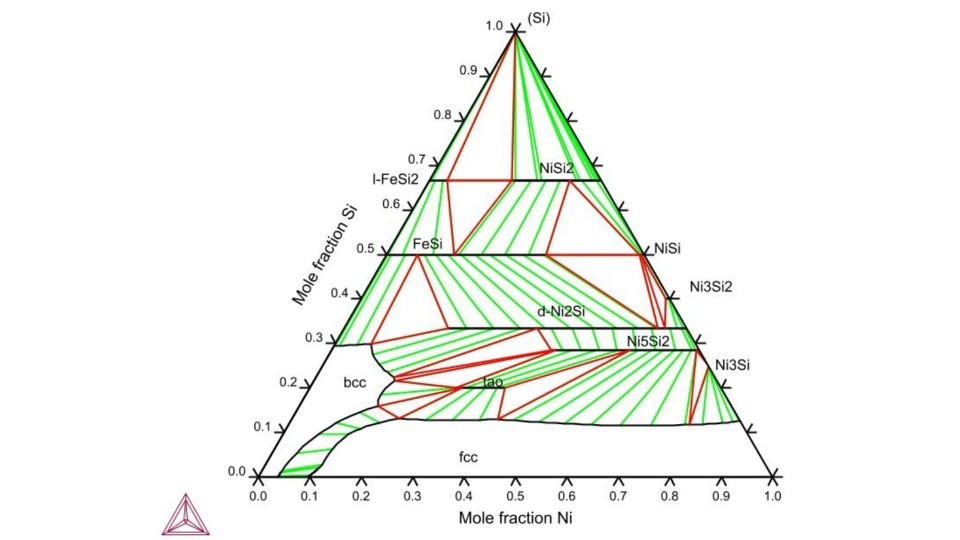
The International Thermodynamic Database for Advanced Fuels (TAF-ID) project has been running for over a decade. The project employs the CALPHAD (Calculation of Phase Diagrams) method to develop a thermodynamic database that supports computational analysis of advanced nuclear fuel materials, enabling prediction of phase diagrams and thermodynamic properties of relevant systems. According to project documentation, Version 22 of the TAF-ID database has been released. This update adds and revises assessment data for material systems including Na-U, Na-O, Na-UO₂, U-Ru, U-Si, Al-Si-U, Fe-Pu-U, and O-N-U, and updates gas-phase data based on the latest publicly available information. The database assessment scope has been expanded to 44 elements, 272 binary systems, 151 ternary systems, and 3...
2026-08-11
Rostov NPP's Self-Developed Device Cuts Instrument Calibration Cycle from 60 Days to 5 Days
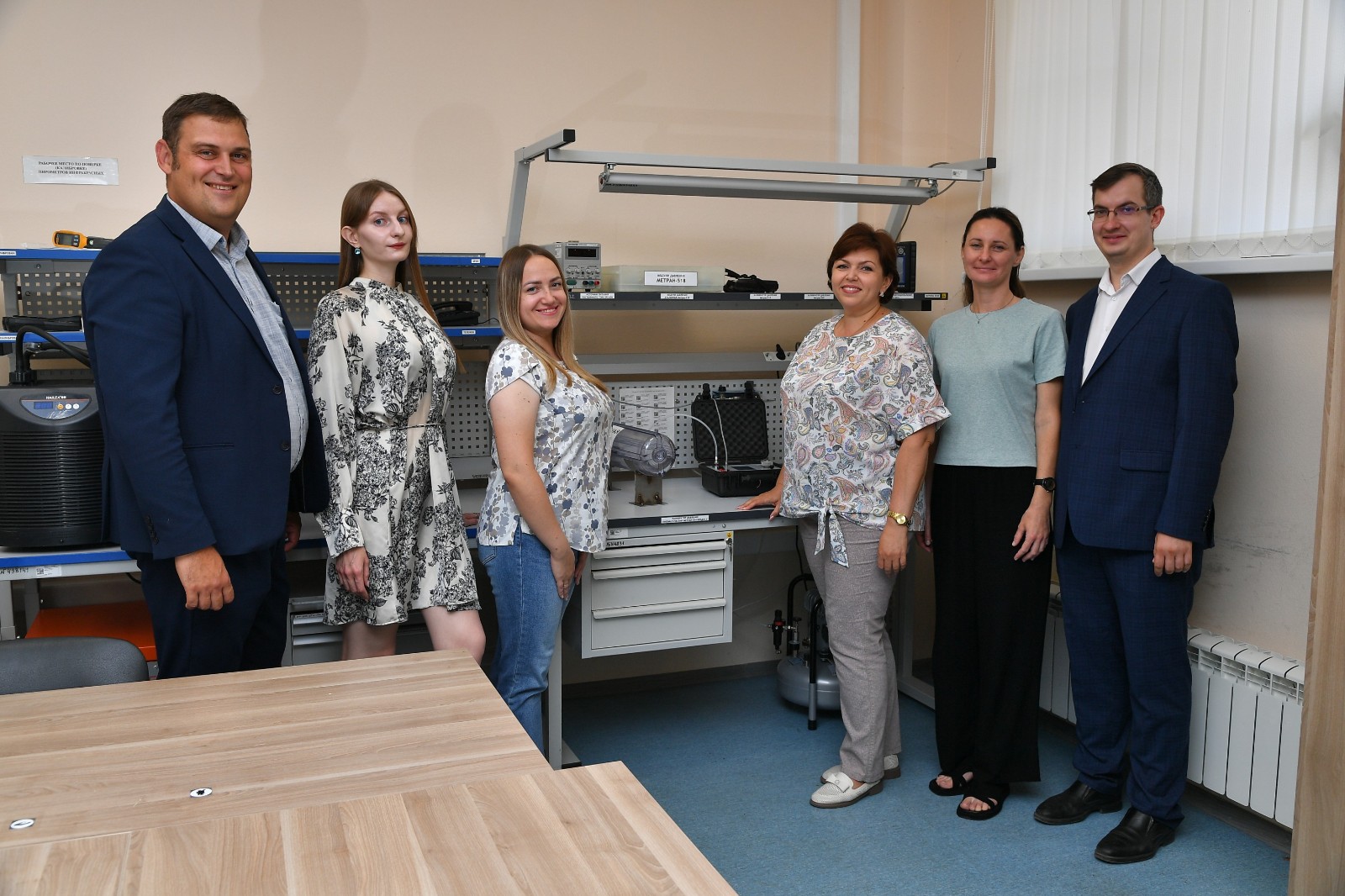
The metrology team at Russia's Rostov Nuclear Power Plant has recently developed and put into operation a device for calibrating high-precision measuring instruments, reducing the relevant instrument calibration cycle from approximately 60 working days to 5 working days—a twelvefold reduction in time. The project was completed by the plant's metrology personnel within the framework of the Rosatom Production System. Previously, some high-precision instruments at the plant requiring regular maintenance and calibration had to be sent to specialized laboratories, with the entire process involving document preparation, equipment transportation, cargo escort, and coordination with external personnel, typically taking about two months. With the new device in operation, calibration work can now be...
2026-08-11

UK's Harlette Capital seeks partners to develop lunar micro nuclear reactor
UK-based innovative company Harlette Capital has recently issued a Request for Information (RFI), seeking support from industry and research institutions for the development of a micro nuclear reactor for lunar missions. The company stated that the project aims to provide continuous power for long-term scientific research, communications, infrastructure construction, and future crewed exploration on the lunar surface. Harlette Capital is previously better known for its luxury fashion brand Harlette. The company also operates a separate innovation business segment, which is positioning itself in space and energy assets and advancing a small modular reactor (SMR) project named Alpha Moon. According to the company, the RFI has been sent to...
2026-08-11
Rosatom launches project to bring medical students to closed nuclear cities
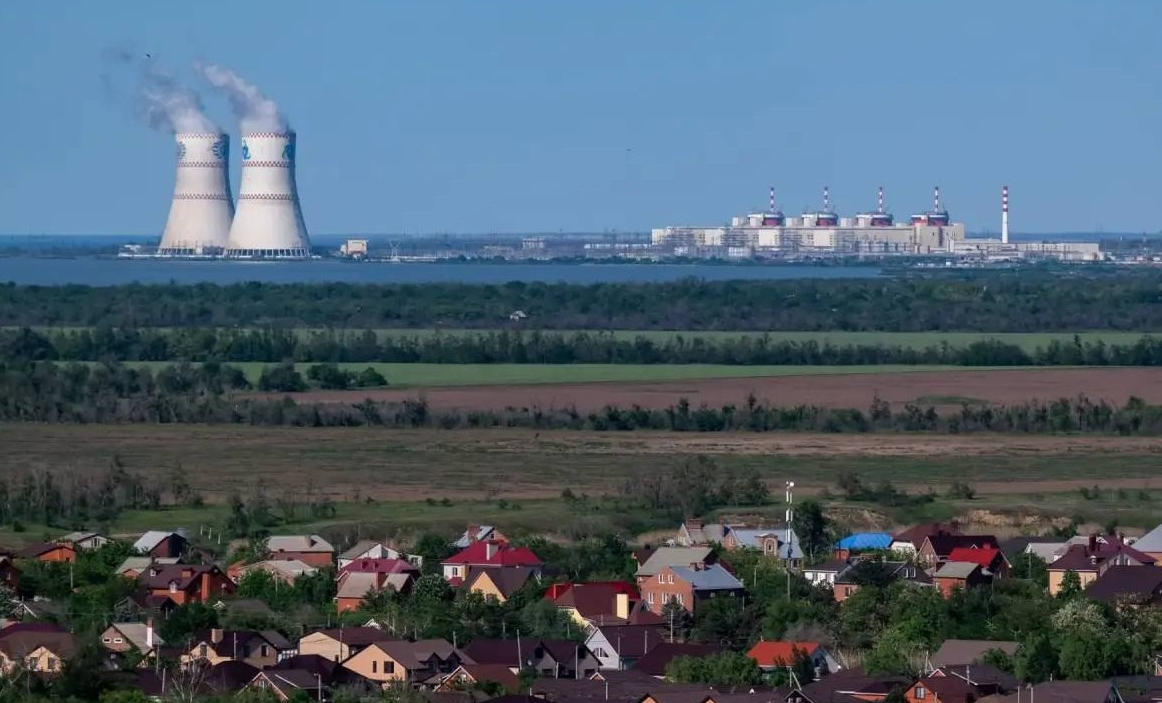
Rosatom and the Russian Student Teams (RSO) will launch a new medical project in Russia's closed nuclear cities starting in 2027, attracting medical students to work there. Mikhail Kiselev, Chairman of the RSO Supervisory Board and State Duma deputy, announced this to reporters at an event at the Siberian Chemical Combine. Kiselev stated: Starting next year, we plan to launch a large-scale medical project in nuclear cities together with Rosatom, the Russian Student Teams, the Federal Medical-Biological Agency, the Russian Youth Affairs Agency, and the Russian Ministry of Health. This will help systematically attract medical students...
2026-08-11

ITM Receives Complete Response Letter from FDA for ¹⁷⁷Lu-edotreotide New Drug Application
Radiopharmaceutical biotechnology company ITM Isotope Technologies Munich SE (ITM) announced on August 10 that it had received a Complete Response Letter (CRL) from the U.S. Food and Drug Administration (FDA) on August 7, 2026, regarding the New Drug Application (NDA) for its investigational drug ¹⁷⁷Lu-edotreotide (ITM-11). The drug is intended for the treatment of gastroenteropancreatic neuroendocrine tumors (GEP-NETs).
2026-08-11

Hadron Energy Appoints Eric Williams as Executive Vice President of Engineering
Advanced nuclear technology company Hadron Energy announced on August 10 that Eric Williams will join the company as Executive Vice President of Engineering, effective August 31, 2026. Hadron Energy is currently developing the Halo micro modular reactor (MMR) based on pressurized water reactor technology. Hadron Energy went public on Nasdaq in May 2026. The company stated that Eric Williams' addition will strengthen its engineering organization and support the advancement of Halo MMR from design and licensing to commercial deployment. According to company information, Hadron Energy has recently made progress in work related to the U.S. Nuclear Regulatory Commission (NRC), including approval of its quality assurance program description and submission of major design criteria white papers.
2026-08-11
Shenju Nuclear Energy Unveils "Jinwu-1" Spherical Torus Fusion-Fission Hybrid Reactor Design
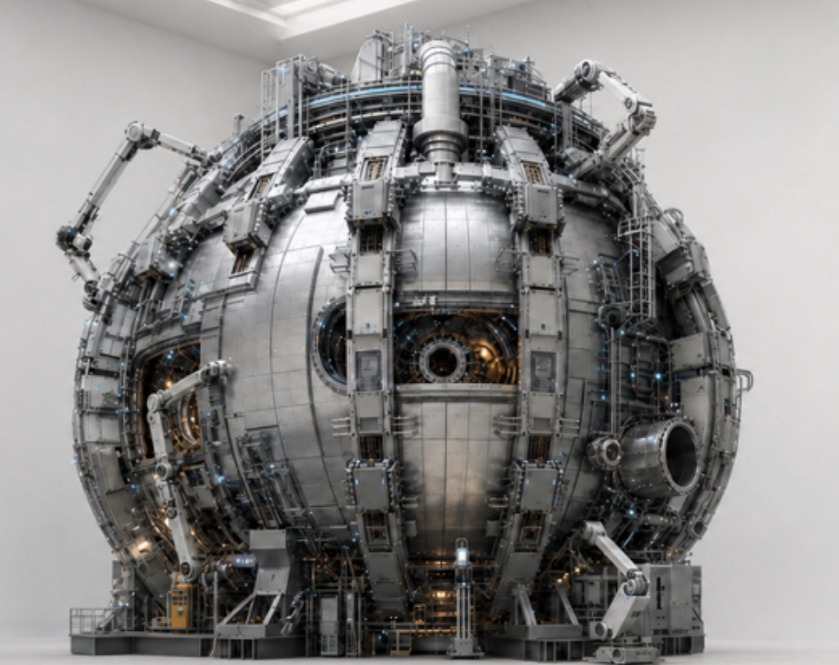
Shenju (Sichuan) Nuclear Energy Co., Ltd. has unveiled the first-generation device, the Jinwu-1 design, which adopts the spherical torus fusion-fission hybrid reactor technology pathway, driving a subcritical nuclear energy system with a compact fusion neutron source to achieve functions such as energy amplification, fuel breeding, and transmutation of long-lived nuclides. According to the design, Jinwu-1 uses a 50 MW-class fusion power as the conceptual design baseline, employing high-temperature superconducting magnets, a replaceable center column, and a modular subcritical nuclear energy zone. Its fusion core has a major radius of approximately 1.5 meters, with the goal of delivering approximately 40 MW of fusion neutron power at 14.1 MeV energy, serving as an industrial-grade neutron source. In terms of system design, Jinwu-1 amplifies fusion neutron energy through a subcritical fission blanket...
2026-08-11

Meeting of the New Academic Committee of the Key Laboratory of Radiation Environmental Monitoring of the Ministry of Ecology and Environment Held in Beijing
Recently, the meeting of the new academic committee of the Key Laboratory of Radiation Environmental Monitoring of the Ministry of Ecology and Environment (hereinafter referred to as the Key Laboratory) was successfully held in Beijing. Experts from multiple domestic universities, research institutes, and leading industry enterprises gathered together to discuss the construction, scientific and technological innovation, and the 15th Five-Year Plan development of the Key Laboratory. The Radiation Environmental Monitoring Technical Center of the Ministry of Ecology and Environment, the supporting institution of the Key Laboratory, attended the meeting. The meeting first announced the appointment documents for the new academic committee and held a certificate awarding ceremony. In his address, the main responsible person of the Radiation Environmental Monitoring Technical Center congratulated the establishment of the new academic committee and expressed gratitude to the experts who have long supported the construction of the Key Laboratory...
2026-08-11
SPIC Nuclear Conventional Island Quality Supervision Sub-station Conducts Pre-FCD Supervision and Inspection on Unit 2 of Guangxi Bailong Nuclear Power Plant
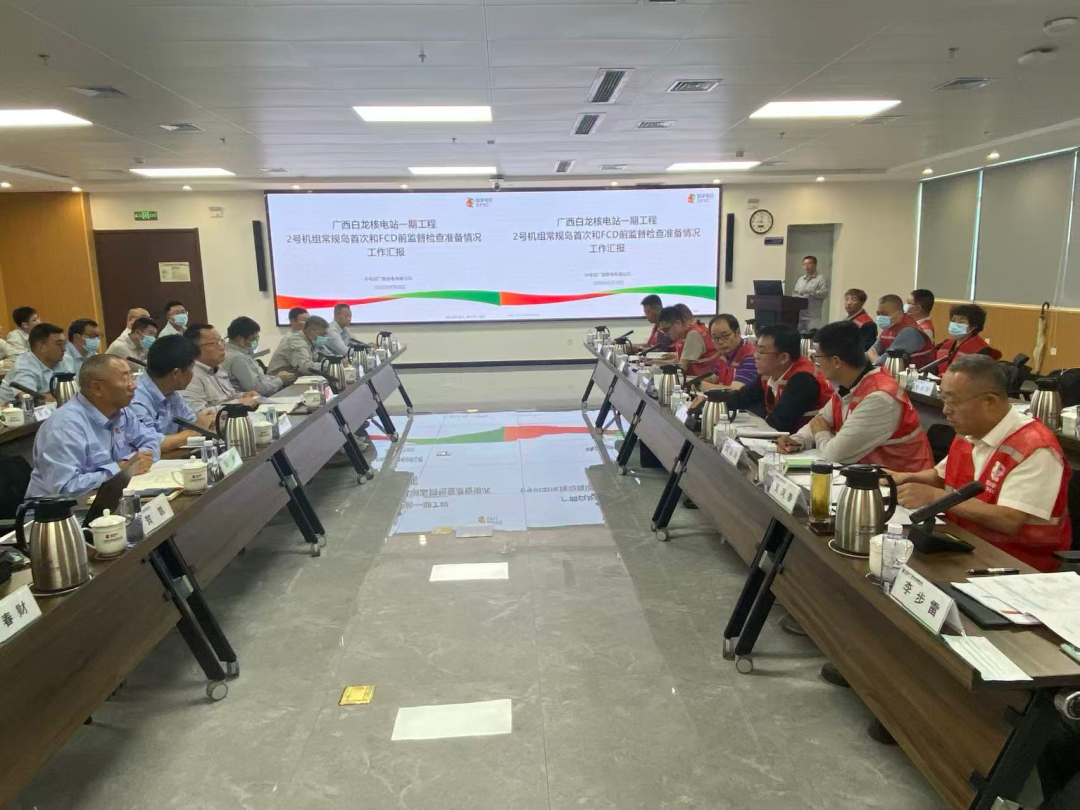
Recently, the Nuclear Conventional Island Engineering Quality Supervision Sub-station of State Power Investment Corporation (hereinafter referred to as the SPIC Sub-station) completed the first and pre-FCD quality supervision and inspection of the conventional island of Unit 2 of Phase I of the Guangxi Bailong Nuclear Power Plant. The inspection adopted a cross-supervision model, coordinated by the Nuclear Conventional Island Engineering Quality Supervision Station, with the directly affiliated project station organizing a supervision team of senior industry experts, and the SPIC Sub-station providing full coordination and support throughout the process. This initiative aims to break long-standing inertial thinking and leverage external perspectives to identify management blind spots and quality hazards that may have been overlooked. Yin Jingfeng, Executive Deputy Director of the Nuclear Conventional Island Engineering Quality Supervision Group, attended the event and made work arrangements, with project leaders from the construction unit and all participating units fully involved in the supervision and inspection.
2026-08-11
Ikata Nuclear Power Station Reports 5 Notifiable Events in July, None Causing Radiological Environmental Impact
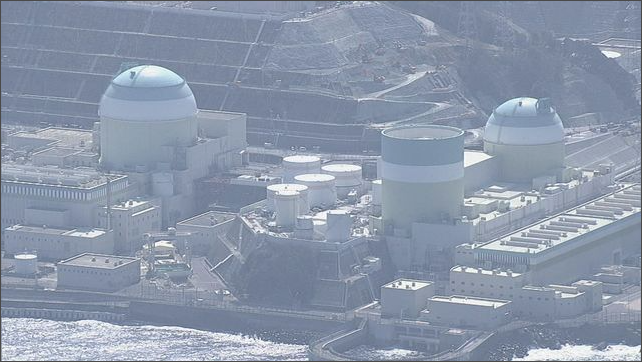
Shikoku Electric Power Co. reported on August 10 that the five events reported to Ehime Prefecture, Ikata Town, and relevant local governments from the Ikata Nuclear Power Station in July 2026 did not fall under legally required reporting events and caused no radiological impact on the environment. The five events were as follows: On July 3, an employee of a partner company at the Ikata Nuclear Power Station experienced physical discomfort at an office location in a non-controlled area and was transported by ambulance at 17:18 that day. The employee was conscious at the time and experienced no radiation exposure or radioactive contamination. On July 16, during the decommissioning process of Unit 2 at the Ikata Nuclear Power Station, seawater leakage was discovered at the flange of the seawater outlet pipe of emergency diesel generator 2B in the reactor auxiliary building. After maintenance personnel determined that a detailed inspection of the flange was required, the leak point was isolated, and the leakage was confirmed to have stopped at 15:38 that day. The maximum estimated volume of leaked seawater was approximately 7 cubic meters, all of which was recovered in the floor drain sump within the building and did not flow outside. Subsequent inspection revealed a through-hole approximately 7 mm in diameter at the flange, and the station replaced the flange and confirmed water flow integrity, restoring normal conditions at 14:05 on July 17. This event did not affect the unit or cause radiological environmental impact, and further investigation into the cause will be conducted.
2026-08-10

MIT Research Proposes Framework for Assessing Economic Viability of Fusion Power Plants
Researchers at the Massachusetts Institute of Technology (MIT) have recently proposed an assessment framework aimed at addressing the core question that fusion energy must confront in transitioning from scientific feasibility to commercial profitability: how can a fusion power plant achieve economic viability in the energy market? The related open-access paper, titled "Criteria for the Economic Viability of Fusion Power Plants," has been published online in the Journal of Fusion Energy. The paper is authored by Dennis Whyte, Professor of Nuclear Science and Engineering at MIT, and Andrew W. Lo, Professor of Finance at the MIT Sloan School of Management, with contributions from researchers at Rutherford Energy Ventures and the MIT Plasma Science and Fusion Center.
2026-08-10