
Search Results
Keyword:International
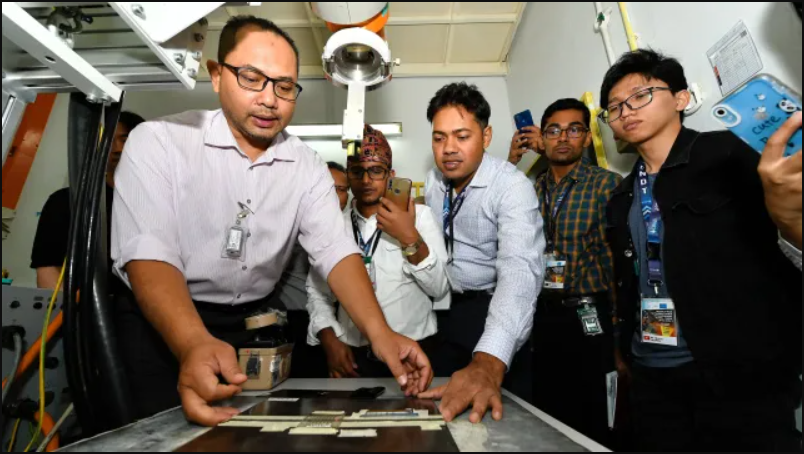
Malaysia's Non-Destructive Testing Capabilities Gain International Recognition, Exporting Training and Technical Services to Asia-Pacific Region
August 7, 2026 - After more than four decades of collaboration with the International Atomic Energy Agency, Malaysia has progressively established a comprehensive non-destructive testing system, evolving from an early reliance on foreign testing services to becoming an influential provider of NDT services and training in the Asia-Pacific region. Trainees participate in a trainer training course in Malaysia to obtain certification in non-destructive testing radiography. (Photo: Nuklear Malaysia) Non-destructive testing is primarily used to assess the integrity of materials and components in industrial facilities and infrastructure, enabling the detection and characterization of defects without damaging the inspected object. This technology is widely applied in industrial quality control, playing a significant role in enhancing facility safety...
2026-08-12
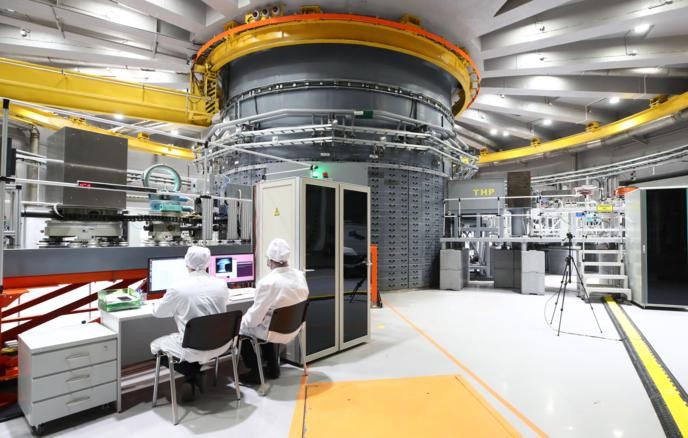
Russia Approves Chinese Academy of Sciences' Accession to International Research Organization at PIK Reactor
Mikhail Kovalchuk, Director of the Kurchatov Institute National Research Centre in Russia, recently stated that Russia has approved the Chinese Academy of Sciences' accession to the International Centre for Synchrotron Radiation, Neutron and Laser Research, which is being established around the PIK high-flux research reactor. Speaking at a meeting of the Science and Education Committee held in Novosibirsk, Kovalchuk said that three Chinese institutions have successively submitted applications to join the international organization, with the application from the Chinese Academy of Sciences having completed review and received approval. In June of this year, he had indicated that the Chinese side was interested in participating in this international research cooperation mechanism. The PIK high-flux research reactor is located in Gatchina, Russia, and was developed by the Konstantinov Petersburg Nuclear Physics Institute...
2026-08-12

Ukraine and IAEA to Strengthen Nuclear Safety Coordination
Ukrainian Energy Minister Denys Shmyhal and IAEA Director General Rafael Grossi held an online meeting, focusing on further strengthening nuclear and radiation safety cooperation amid the war. Ukraine hopes to achieve independent assessments of risks and operational status of critical energy infrastructure and develop more protective measures through closer international coordination. The talks come against the backdrop of sustained security pressures on Ukraine's energy facilities. The Ukrainian side emphasized that a stably operating power system is not only vital to public electricity supply but also directly affects the safety assurance of nuclear power plants and related facilities. The IAEA has previously conducted expert work at multiple energy facilities in Ukraine...
2026-08-12
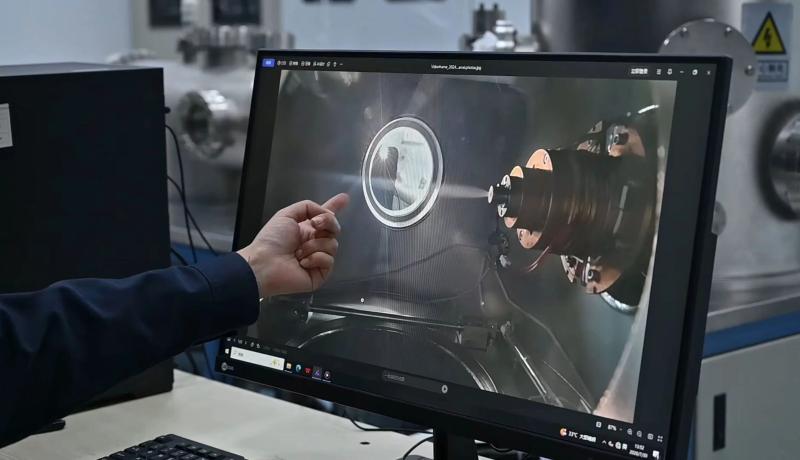
Unanimously Approved! China's First ISO International Standard in the Field of Fusion Fueling Officially Released
On August 10 local time, the international standard ISO 19991:2026, "Fusion Technology — Experimental Magnetic Confinement Fusion Facilities — Ultrasonic Molecular Beam Injection Fueling Technology for Fusion Devices," formulated by China, was officially released. Earlier, during the final voting process, all 12 countries, including France, Germany, and Russia, cast affirmative votes. This is the first ISO international standard in the field of fusion fueling and the second ISO international standard in the fusion field led by the Southwestern Institute of Physics (SWIP) under the China National Nuclear Corporation (CNNC). Ultrasonic molecular beam injection fueling technology is a key fuel supply technology for controlled nuclear fusion devices. This technology, an advanced fusion fueling technology originally developed by China, forms high-speed, directional molecular beams through adiabatic gas expansion. It features high speed, strong directionality, relatively high fueling efficiency, and low particle recycling, significantly enhancing the fuel control capability of fusion devices. It has been applied to more than ten magnetic confinement fusion experimental devices both domestically and internationally.
2026-08-11

Scientists from a small town in Uttar Pradesh, India, gain international recognition: exploring AI-assisted nuclear reactor control
Samendra Roy, a scientist and resident of Payagpur in the Bahraich district of Uttar Pradesh, India, along with his team, has recently attracted attention from the international academic community. The research focuses on the potential applications of artificial intelligence in the operation and control of nuclear reactors. The findings have been published in *npj Artificial Intelligence*, a journal under the Nature Publishing Group, marking the team's work's arrival on a prestigious international academic platform. The study primarily explores the role of agent-based physics-informed artificial intelligence in nuclear reactor control. The research team believes that during nuclear reactor operation, control systems often face complex environments and highly challenging decision-making scenarios, and AI technology is expected to play a significant role in the future in areas such as assisting judgment, optimizing control processes, and enhancing operational management capabilities.
2026-08-11

UK Office for Nuclear Regulation Publishes New Safeguards Guidance
The UK Office for Nuclear Regulation (ONR) published updated guidance on 10 August to help nuclear facility operators meet new requirements under the Nuclear Safeguards (EU Exit and Fees) (Amendment) Regulations 2026. The amending regulations, which came into force in July this year, are regarded as a significant adjustment to the UK's nuclear safeguards regime. Safeguards measures are primarily used to verify whether a state complies with its international obligations, ensuring that nuclear materials in civil nuclear programmes are not diverted to non-peaceful purposes. The amendment modernises safeguards reporting requirements, with operators transitioning from the previous basic technical characteristics reports to the International Atomic Energy Agency (IAEA) standardized design information questionnaire. The new regulations also...
2026-08-11

International Team Measures Niobium-94 Neutron Reactions, Explaining Anomalous Molybdenum-94 Abundance in the Solar System
An international team of physicists has, for the first time, conducted a comprehensive study of the interactions between neutrons and the niobium-94 isotope. The findings have been published in Physical Review Letters. The study suggests that the elevated abundance of molybdenum-94 in the primordial material of the solar system can be explained by a series of neutron-involving nuclear reaction processes inside old stars, without requiring the introduction of previously unknown special formation mechanisms. The research was led by Alberto Mengoni, a researcher at the Italian National Institute for Nuclear Physics. The team conducted experiments using the n_TOF facility at CERN, focusing on tracking the interactions between neutrons and niobium-94 atoms. The n_TOF facility is used to...
2026-08-11
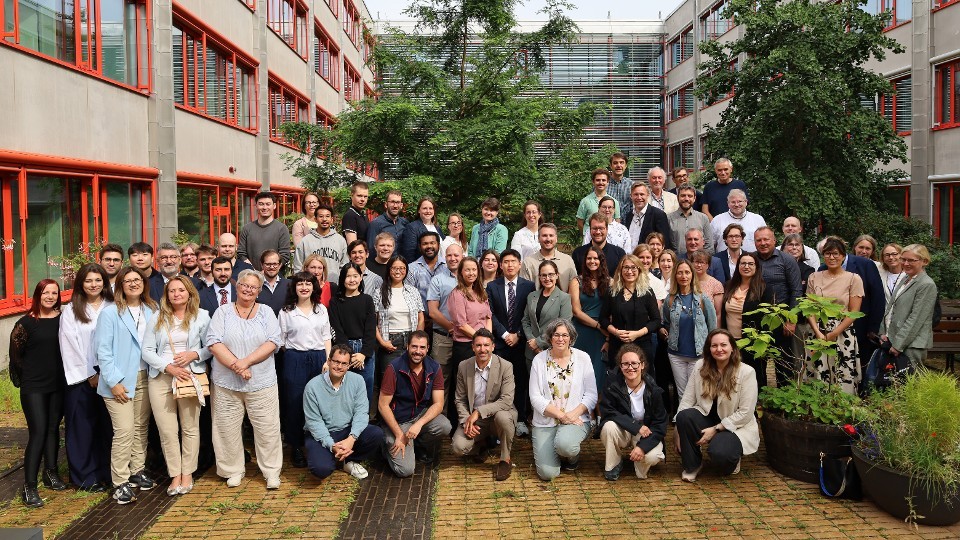
The 8th International Radiation Protection School Held in Stockholm
The Nuclear Energy Agency (NEA) of the Organisation for Economic Co-operation and Development, in collaboration with the Swedish Radiation Safety Authority (SSM) and the Centre for Radiation Protection Research (CRPR) at Stockholm University, will hold the 8th International Radiation Protection School (IRPS) in Stockholm, Sweden, from 10 to 14 August 2026. This five-day course is designed for early-career professionals in the nuclear and related fields, with a focus on helping participants systematically understand the international radiation protection system and master its practical application in emerging scenarios. The curriculum will cover the scientific foundations, historical evolution, development trajectory of the radiation protection system, and its translation into regulatory and national frameworks. According to the organisers, participants...
2026-08-11

Arab League Holds Second Technical Committee Meeting on Nuclear and Radiation Emergency Preparedness Roadmap, Focusing on Cross-Border Coordination and Alignment with IAEA Obligations
The General Secretariat of the League of Arab States held its second open-ended technical committee meeting at its headquarters from August 9 to 10, focusing on following up on the implementation of the Arab cooperation roadmap for nuclear and radiation emergency preparedness and response. The meeting was attended by representatives of Arab member states, the Arab Atomic Energy Agency (AAEA), and relevant Arab and international organizations, indicating that this issue has risen from mere technical cooperation to an important component of regional security governance. The core objective of the meeting is to enhance the coordination capacity and response capability of Arab countries in the face of nuclear accidents and radiological emergencies. As nuclear technology continues to expand in energy, medical, industrial, and scientific research applications, nuclear...
2026-08-10

DR Congo Government Responds to Research Allegations of "Uranium" in Cobalt Products, Announces Re-Testing and IAEA Consultations
The government of the Democratic Republic of the Congo (DRC) has recently responded to a study suggesting that its cobalt products may contain traces of uranium. The study, published in the journal *Nature Communications* on July 30, 2026, reported the presence of uranium traces in some exported cobalt hydroxide products from the DRC. As cobalt is a critical raw material in the global new energy battery supply chain, this claim quickly drew external attention to mineral product safety, environmental risks, and supply chain credibility. In an official statement released on August 7 by the Ministry of Communication and Media, the DRC government stated that the allegations should be understood within a scientific and geological context. The government emphasized that the natural co-occurrence of uranium in copper-cobalt deposits in Lualaba Province and Haut-Katanga Province is a geological phenomenon known for over a century, and is neither abnormal nor the result of artificial addition or deliberate manipulation. The government also noted that, under relevant International Atomic Energy Agency standards, if uranium exists only in trace amounts in ores or cobalt concentrates and is not specifically processed for uranium extraction, it should generally not be regarded as nuclear material.
2026-08-10

Chinese Team Wins One Gold and Three Silver Medals in First Participation at International Nuclear Science Olympiad
The 2026 International Nuclear Science Olympiad concluded on the evening of the 8th in Jeddah, a city in western Saudi Arabia. The Chinese team, participating for the first time, had four contestants win one gold and three silver medals, with overall results ranking among the top participating countries. The International Nuclear Science Olympiad, supported by the International Atomic Energy Agency, is the world's first international youth Olympiad themed on nuclear science. It aims to stimulate young people's interest in nuclear science, promote international youth exchange, and guide more young people into the fields of nuclear science and nuclear technology. The event was inaugurated in 2024, and this year's competition is the third edition, with teams from 19 countries participating. The eight-day event featured theoretical and practical examinations...
2026-08-10
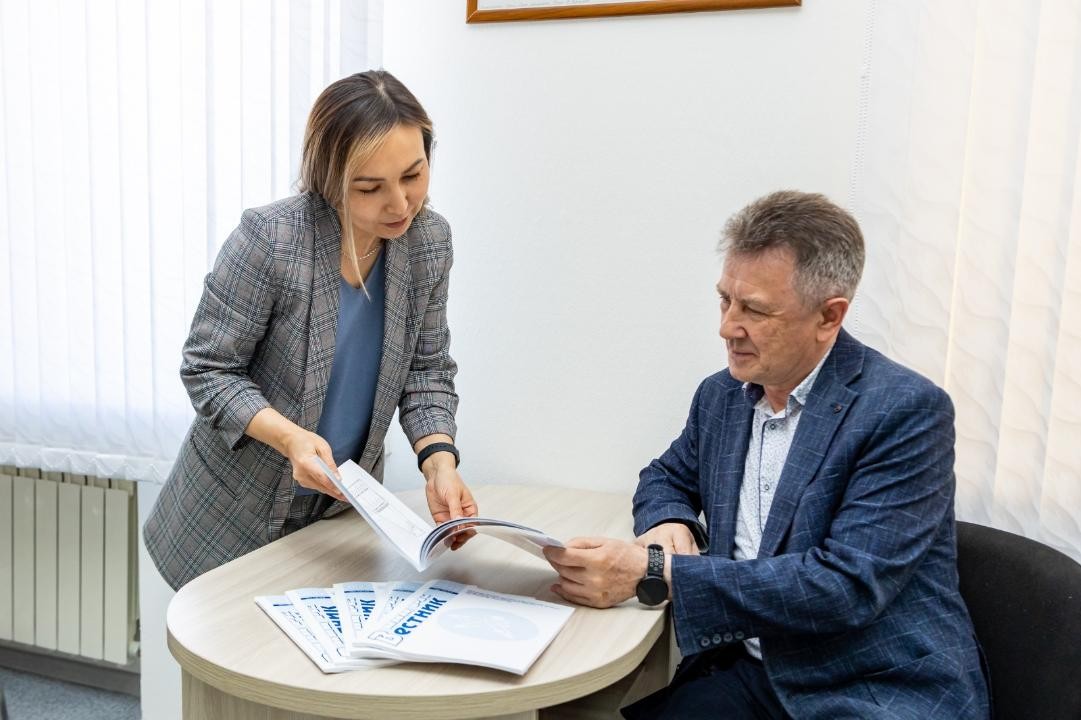
Kazakhstan's National Nuclear Center Advances Full-Chain Nuclear Talent Development
On August 7, the National Nuclear Center of the Republic of Kazakhstan (NNC RK) presented the status of its human resource development system in the field of atomic energy. Alua Mirzagazkyzy Kabdrakhova, scientific secretary of the center, stated that the modern nuclear energy industry is highly dependent on scientific research and engineering capabilities, and that talent development must begin with early career guidance and continue throughout higher education, research practice, and professional career development. According to the center's plan, nuclear talent development is first directed at secondary school students. The National Nuclear Center holds an annual summer school for young physicists and organizes student visits to research and technical facilities, helping high school students understand modern science,...
2026-08-09
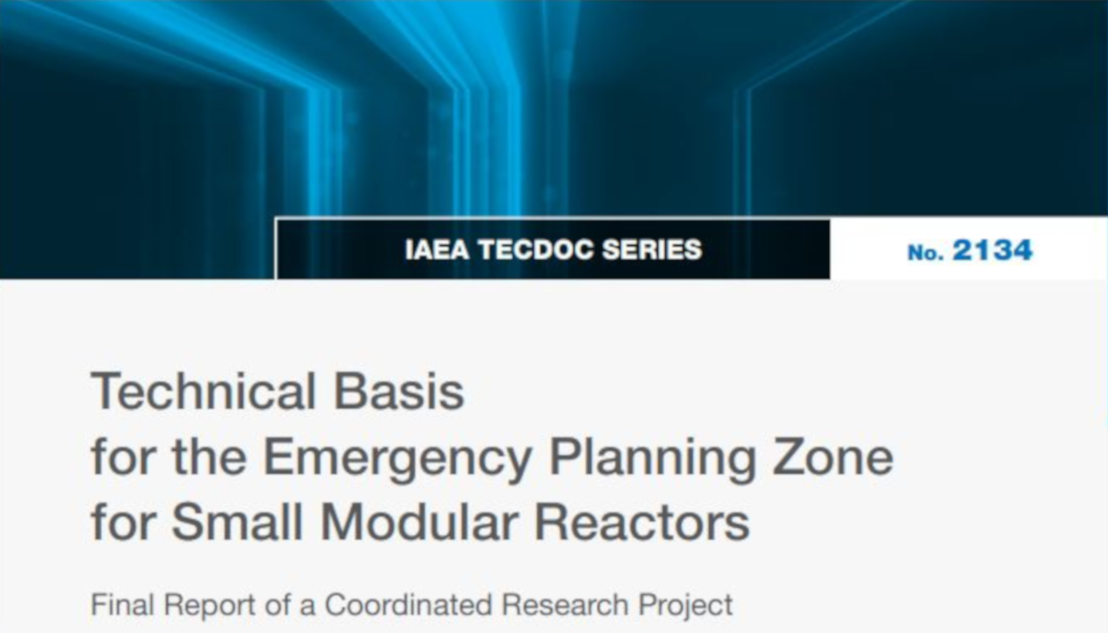
IAEA Publishes Technical Document on Emergency Planning Zones for Small Modular Reactors
The International Atomic Energy Agency (IAEA) recently released the technical document "Technical Basis for Emergency Planning Zones for Small Modular Reactors," designated as TECDOC-2134, published in Vienna in 2026. The document comprises 132 pages, includes 11 illustrations, is written in English, and is now available for download. This marks the first time the Agency has systematically documented, in publication form, the outcomes of a coordinated research project related to protective action planning zones in the deployment of small modular reactors. The document focuses on the technical basis for emergency preparedness and response for small modular reactors, with particular attention to determining the size of protective action planning zones. A protective action planning zone is an area surrounding a nuclear facility where protective measures are pre-planned in response to potential accidents...
2026-08-09
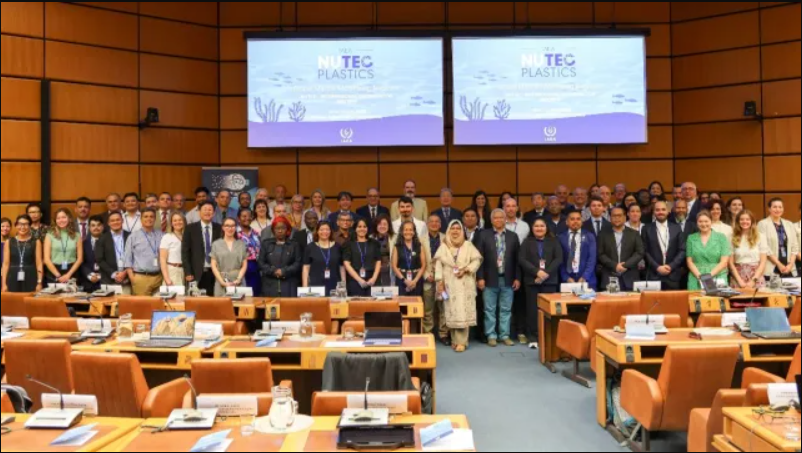
IAEA Launches Global Marine Microplastics Monitoring Platform
The International Atomic Energy Agency recently launched a global marine monitoring platform under the "Nuclear Techniques for Controlling Plastic Pollution" initiative, aiming to strengthen cooperation and data sharing among countries on the abundance, distribution, and trends of microplastics in marine and coastal areas. Scientific experts from 65 countries attended the platform launch event. The platform will serve as a repository of results from the network of marine monitoring laboratories supported by the initiative. Participating laboratories can enter monitoring data into the platform to compile global information on marine microplastic pollution; users can access relevant content after creating a free IAEA Nucleus account. Plastic pollution has become a global environmental issue. According to reports...
2026-08-09
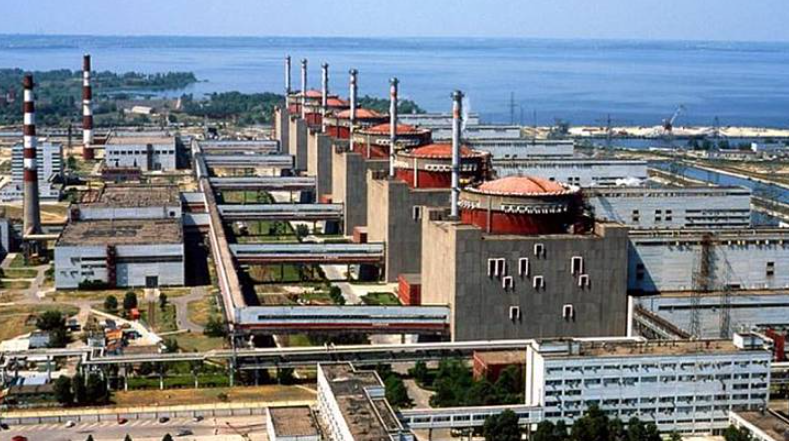
Zaporizhzhia Nuclear Power Plant to Raise Spent Fuel Pool Water Levels to Mitigate Power Outage Risks
The International Atomic Energy Agency (IAEA) stated that the operator of the Zaporizhzhia Nuclear Power Plant has decided to raise the water levels in the spent fuel pools on site to enhance safety buffer capacity in the event of a prolonged loss of external power. The primary purpose of raising the water levels is to extend the time before water in the spent fuel pools begins to boil and evaporate under extreme conditions where external power to the plant is interrupted for an extended period, diesel reserves are depleted, and emergency diesel generators can no longer supply power to the cooling systems. Spent fuel pools are used to store used nuclear fuel underwater, typically for at least five years, allowing its radioactivity and residual heat to gradually decay, making continuous cooling a critical element of nuclear safety. All six units at the Zaporizhzhia Nuclear Power Plant...
2026-08-08