
Search Results
Keyword:Nuclear

CGN Launches "Chunhe Plan" and Digital Science Popularization Platform "Nuclear Harmony Planet"
On August 7, at the 14th "8·7 Public Open Experience Day" of CGN, CGN released the "Chunhe Plan," a long-term mechanism for publicly recruiting science popularization "nuclear partners," and simultaneously launched the "Nuclear Harmony Planet" mini-program, the first digital science popularization platform in China's nuclear power industry. The Chunhe Plan aims to systematically expand the coverage scenarios of nuclear power science popularization and promote the accessibility of clean energy knowledge. Among its initiatives, villagers near nuclear power plants can become docents under the "Chunhe Dialect" program through training and assessment, earning compensation per service session; the "Chunhe Campus" program provides standardized training and certification for primary and secondary school teachers, equips them with dedicated teaching aids and course materials, and simultaneously opens up student study tour practice channels. On the same day, various CGN nuclear power bases and...
2026-08-07
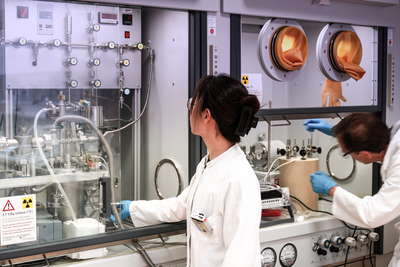
German team achieves first separation of tritium-containing hydrogen isotope mixtures using silver-exchanged zeolites
A team at the Helmholtz-Zentrum Dresden-Rossendorf (HZDR) and partners recently demonstrated a new method for separating hydrogen isotopes using silver-containing zeolites, successfully separating hydrogen isotope mixtures containing radioactive tritium through a porous solid material for the first time. The research findings were published in Nature Communications. Future fusion power plants will require not only high-temperature plasma and strong magnetic fields during operation, but also a stable fuel cycle system for recovering, separating, and reusing deuterium and tritium. Inside a fusion reactor, deuterium and tritium participate in reactions and release energy, but the fuel is not completely consumed, and the residual gas may also contain ordinary hydrogen (protium), forming a mixture of protium, deuterium, and tritium...
2026-08-07

DUNE Integrates Artificial Intelligence into Neutrino Experiment to Enhance Particle Detection and Data Processing Capabilities
The team at the U.S. Fermi National Accelerator Laboratory is advancing the Deep Underground Neutrino Experiment (DUNE) by integrating artificial intelligence and machine learning tools into experiment design, detector operations, and data analysis workflows, aiming to improve neutrino interaction identification, event classification, and detector management capabilities. Located at the Long-Baseline Neutrino Facility, DUNE has begun installing structural components for its large neutrino detector modules. The experiment consists of a near detector and a far detector: the near detector is situated at Fermilab, while the far detector is located approximately one mile underground at the Sanford Underground Research Facility in South Dakota. Both detectors will employ liquid argon time projection chamber technology to record neutrino...
2026-08-07
U.S. NRC to Debut Modernized Hearing Process in Advanced Reactor Licensing Review for the First Time
The U.S. Nuclear Regulatory Commission (NRC) will hold a public hearing on August 13 in Oak Ridge, Tennessee, to consider the Tennessee Valley Authority's (TVA) application to build a small modular reactor at the Clinch River site. This will mark the first time the NRC applies its modernized mandatory hearing framework in an advanced reactor licensing review. According to the NRC, the new hearing process is designed to give the public earlier insight into the agency's review of the project's safety and environmental impacts, while improving the transparency, predictability, and efficiency of licensing reviews. As part of its licensing modernization efforts, the NRC currently aims to complete construction permit-related decisions within 18 months. TVA plans to...
2026-08-07

Rosatom Delegation Visits SevRAO Radioactive Waste Management Facilities
A delegation from Rosatom recently inspected the production facilities of the Northwestern Center - SevRAO, a branch of the Federal State Unitary Enterprise RADON (FSUE RADON). The delegation included Vasily Tinin, responsible for state policy on radioactive waste, spent nuclear fuel, and nuclear and radiation safety, as well as Sergey Martynenko, head of the Integrated Nuclear Submarine Decommissioning Program Office. The host side was represented by Igor Pron, Acting General Director of FSUE RADON, Dmitry Drozhilkin, Acting Director of SevRAO, and Yuri Shokhin,...
2026-08-07

SHINE Selected for Two U.S. Department of Energy AI Nuclear Fuel Recycling Projects
SHINE Technologies, a U.S. fusion energy company, has recently been selected for projects under the U.S. Department of Energy's Genesis Mission, participating in two artificial intelligence applications for the nuclear energy sector. Among these, SHINE will lead a nuclear fuel cycle facility optimization project and join the Prometheus project, a collaborative effort between national laboratories and industry. The project led by SHINE, named AI-Guided Fuel Cycle Facility Optimization, is a Phase 1 project with Argonne National Laboratory as the technical partner. The project plans to develop an AI-assisted workflow to help engineers...
2026-08-07
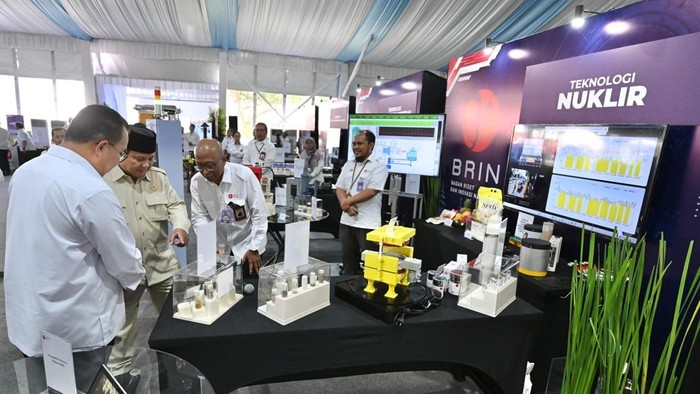
Indonesia's BRIN Showcases Nuclear Technology Research Progress, Covering Radiopharmaceuticals and Food Irradiation Applications
The National Research and Innovation Agency (BRIN) of Indonesia recently showcased its nuclear technology research achievements at the Presidential Palace in Jakarta. BRIN Head Arief Satria stated that the relevant technologies fall within the scope of peaceful uses of nuclear energy, with applications extending beyond energy to also cover food and health sectors. In the health sector, BRIN is developing radiopharmaceuticals for nuclear medicine. These drugs contain radioactive substances and can be used for cancer diagnosis and treatment. Arief stated that radiopharmaceutical research and development is of great significance for cancer detection and therapy. In the food sector, BRIN applies nuclear technology to food preservation, with a focus on irradiation treatment of export fruits. Arief explained that some importing countries re...
2026-08-07
ITER Test Blanket Modules Enter Key Phase of Preliminary Design Review
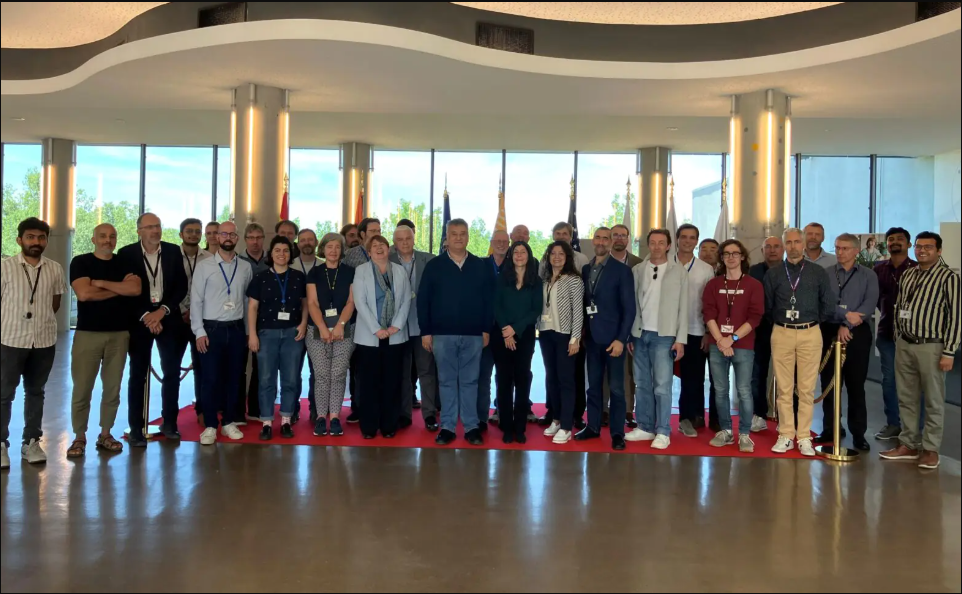
The International Thermonuclear Experimental Reactor (ITER) Test Blanket Module (TBM) project is advancing a key technology validation effort in the field of fusion energy. The Test Blanket Modules address the breeding blanket requirements of future fusion power plants, aiming to validate tritium breeding concepts under reactor operating conditions, providing a technical foundation for fusion fuel cycle self-sufficiency. Group photo at the European TBM Preliminary Design Review meeting held at ITER Headquarters. F4E-ITER Organization In a fusion reaction, deuterium and tritium fuse and release high-energy neutrons. When high-energy neutrons enter a lithium-containing blanket, they can interact with lithium to produce new tritium, which then re-enters the fuel cycle. Due to the scarcity of natural tritium resources, the breeding blanket is...
2026-08-07

American Fusion Adds Six New Patent Applications for Texatron Fusion Technology
On August 6, American Fusion announced that it has filed six new patent applications in the United States covering multiple technical aspects of its proprietary Texatron Fusion Engine platform. This brings the company's total number of patent applications filed in the U.S. to 82. American Fusion stated that these applications continue its strategy of building an intellectual property portfolio around the Texatron platform, covering reactor architecture, plasma confinement, electromagnetic systems, fuel delivery, reactor control, power management, and related engineering technologies supporting the continued development and future commercialization of the Texatron Fusion Engine. The company's Chief Legal Officer, Michael G....
2026-08-07
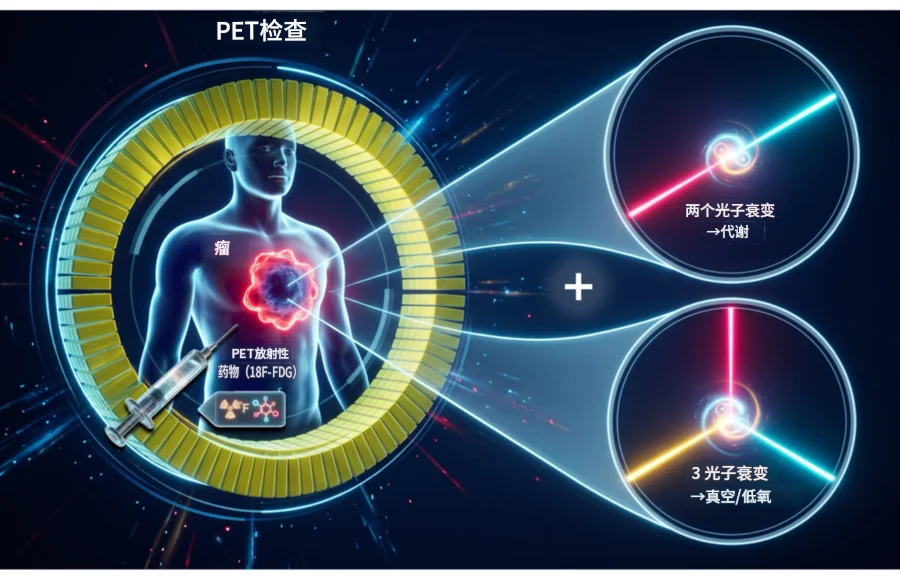
First Validation of Novel PRI Technology: Existing PET Tracers Can Image Tissue Microenvironment
August 6, 2026 - A joint research team from the Graduate School of Engineering at the University of Tokyo and the University of York in the UK announced that they have established a novel geometric imaging principle utilizing positron three-photon decay and successfully validated Positronium Ratio Imaging (PRI) technology for the first time. This method can be used in conjunction with existing clinical PET tracers and is expected to provide a new means of observing tissue microenvironments in nuclear medicine imaging. Conceptual diagram of next-generation nuclear medicine imaging utilizing positron-3-photon decay. Current clinical PET scans primarily rely on the positron two-photon annihilation process to visualize the distribution and accumulation of tracers in the body, but they provide limited information on microenvironmental factors such as tissue hypoxia that are associated with disease malignancy...
2026-08-07
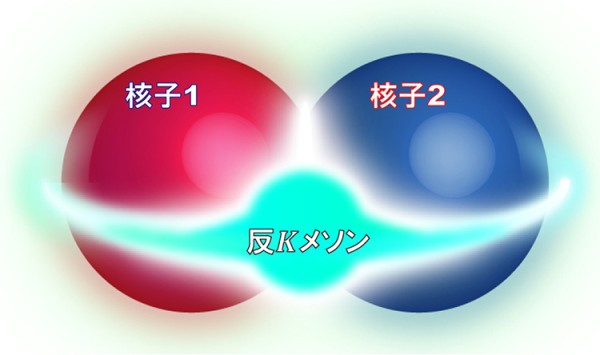
First Observation of Anti-Kaonic Nuclei in Photon Beam Experiments
The LEPS2/Solenoid collaboration, composed of researchers from the Research Center for Nuclear Physics at Osaka University, Kyoto Sangyo University, the Research Center for Advanced Quantum Beam Science at Tohoku University, Korea University, Gifu University, the Institute of Modern Physics of the Chinese Academy of Sciences, RIKEN, Kyoto University, the Institute of Physics at Academia Sinica in Taiwan, and the University of Saskatchewan in Canada, has for the first time observed nuclei containing anti-kaons in a photon beam experiment. This achievement provides new experimental evidence confirming the existence of anti-kaonic nuclei and offers important clues for understanding high-density nuclear matter and the internal structure of neutron stars. The research team conducted the experiment at the LEPS2 laser-electron photon facility at the large synchrotron radiation facility SPring-8 in Hyogo Prefecture, Japan...
2026-08-07
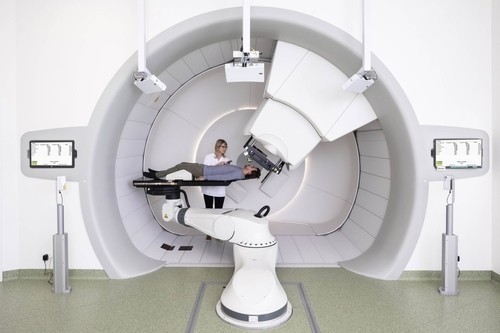
Construction of Proton Therapy Center in Ulsan, South Korea Faces Hurdles: Government Funding Allocation Adjustments Impact Project Progress
The proton therapy center construction project in Ulsan, South Korea, has recently encountered obstacles to progress. The project was once regarded as a key component in improving the regional cancer treatment system in southeastern South Korea, but due to shifts in government medical financial support priorities, the difficulty of securing large-scale national funding independently has increased significantly. According to information from Ulsan City on August 6, Ulsan City completed the feasibility study and basic planning services for the proton therapy center construction in March of last year and began seeking national funding. However, the Ministry of Health and Welfare responded that it would be difficult to provide large-scale project funding to Ulsan City alone. Previously, Ulsan City had planned to establish a proton therapy center to build a system enabling cancer patients to undergo surgery...
2026-08-07
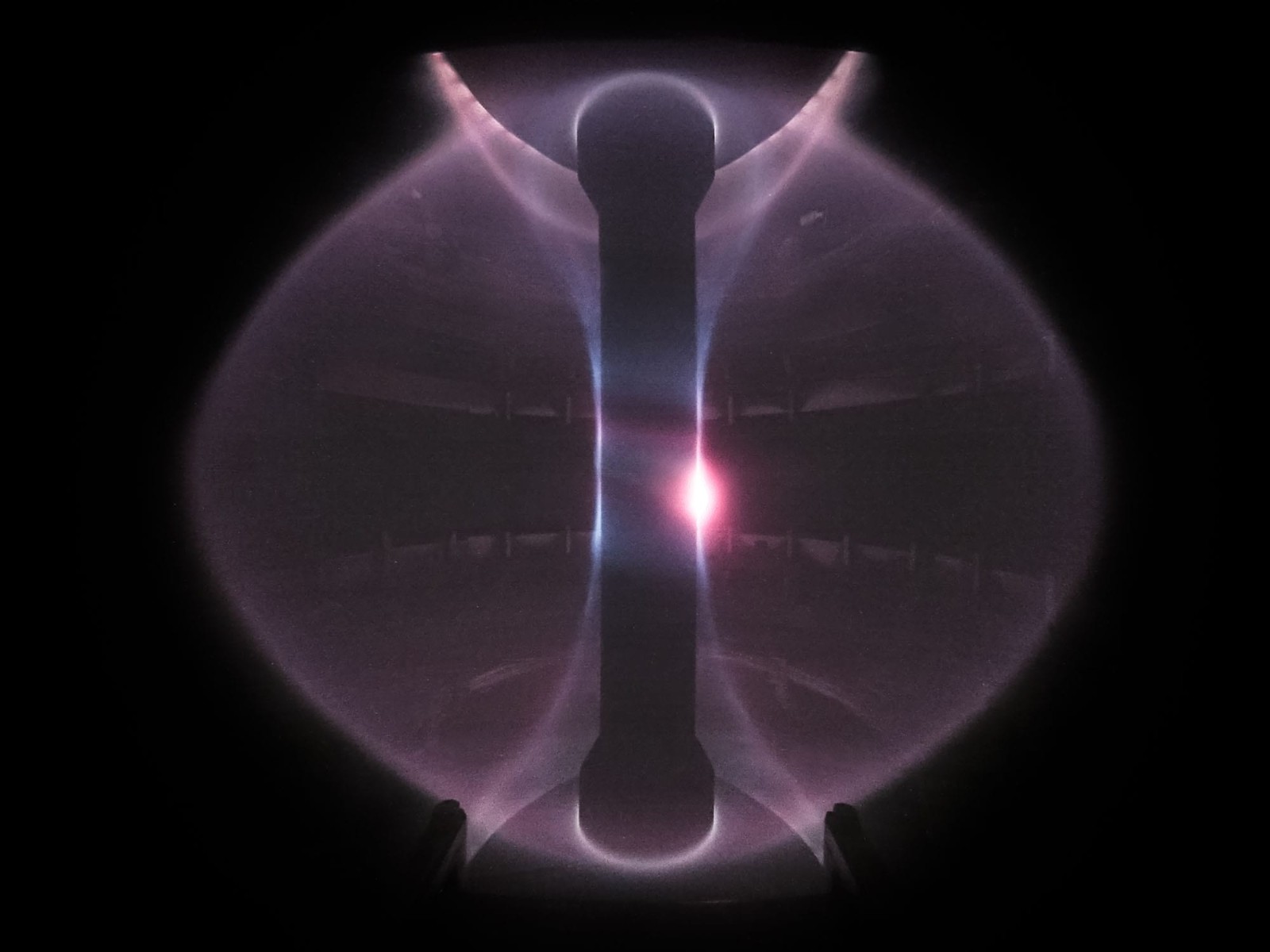
UK's MAST Upgrade sets plasma pressure record in fifth experimental campaign
The UK Atomic Energy Authority (UKAEA) has completed the fifth experimental campaign of its flagship fusion experiment, MAST Upgrade. The campaign, conducted between 2025 and 2026 at the Culham Campus in Oxfordshire, UK, produced over 1,100 plasma pulses and achieved the device's highest-ever plasma pressure while overcoming plasma instability issues. In fusion devices, hydrogen isotopes must be heated, compressed, and confined under extremely high temperatures and pressures. The higher the plasma density and temperature, the stronger the fusion reaction, and high-pressure plasmas are also closer to the operating conditions required for future commercial fusion power plants. UKAEA stated that this...
2026-08-07
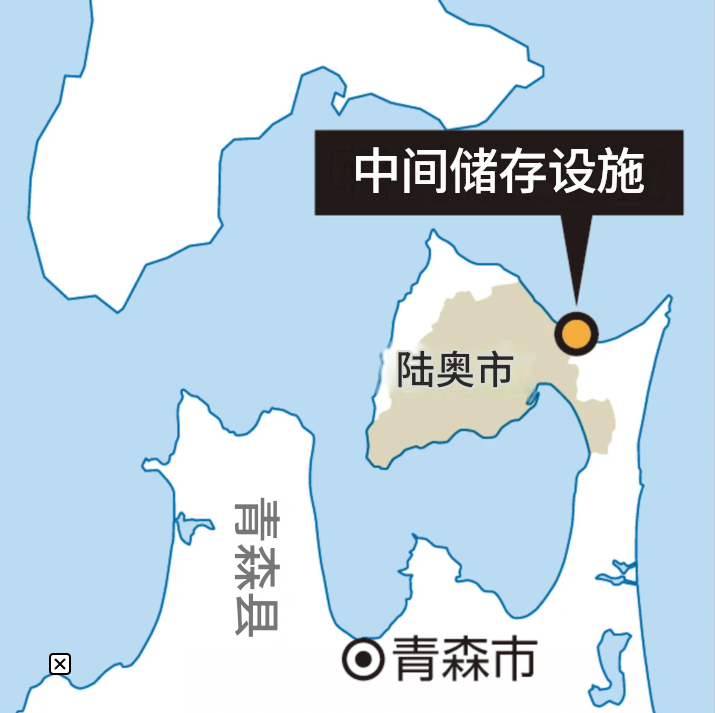
Mutsu City in Japan agrees to study receiving fuel from other companies at interim spent fuel storage facility
On August 7, Mutsu City in Aomori Prefecture, Japan, notified Tokyo Electric Power Company Holdings (TEPCO Holdings) and Japan Atomic Power Company (JAPC) that it agreed to allow the two companies to study a plan to receive spent nuclear fuel from other electric power companies at the local interim spent fuel storage facility. The facility, promoted and constructed by entities related to the two companies, is the only facility in Japan located outside nuclear power plant sites for interim storage of spent nuclear fuel. Under the current arrangement, the facility only accepts spent nuclear fuel from TEPCO Holdings and JAPC, and spent nuclear fuel from other companies is not permitted to be transported in. On the same day, Mutsu City Mayor Tomoya Yamamoto met with senior executives of the two companies at City Hall...
2026-08-07
IAEA Publishes Technical Document on Emergency Planning Zones for Small Modular Reactors
The International Atomic Energy Agency (IAEA) has published TECDOC Series No. 2134, "Technical Basis for the Emergency Planning Zone for Small Modular Reactors." The document was published in Vienna in 2026, comprising 132 pages with 11 illustrations, in English. This document marks the first time the IAEA has published the results of a Coordinated Research Project (CRP) on the technical basis for emergency planning zones for Small Modular Reactor (SMR) deployment. The research project was conducted from 2018 to 2021, focusing on how to determine the technical basis for off-site emergency preparedness and response (EPR) arrangements in SMR deployment scenarios, particularly the requirements and scope for establishing emergency planning zones (EPZ).
2026-08-07