
Search Results
Keyword:Nuclear technology
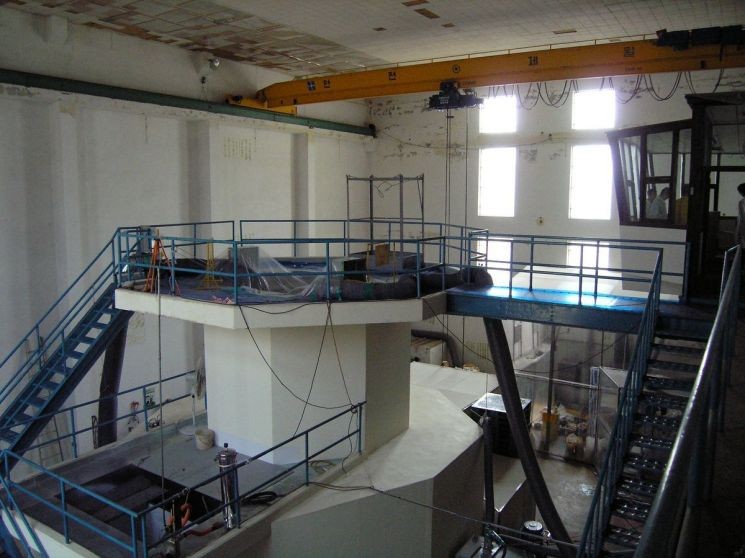
Fourteen academic societies in South Korea call for protection of KRR-1 research reactor auxiliary buildings
On September 1, fourteen academic societies and associations, including the Korean Nuclear Society, issued a statement welcoming the temporary registration of the reactor hall and auxiliary buildings of Research Reactor Unit 1 (KRR-1, TRIGA Mark-II) in Gongneung-dong, Nowon-gu, Seoul, as nationally registered cultural heritage, and urged Korea Electric Power Corporation (KEPCO), the owner of the site and buildings, to promptly submit a formal registration application. Panoramic view of KRR-1, South Korea's first research reactor. Korea National Heritage Administration The Korea National Heritage Administration had placed the KRR-1 reactor hall and auxiliary buildings on the temporary list of nationally registered cultural heritage on July 1 through the emergency measures system, suspending related demolition work. However, if a formal registration application is not submitted by the end of December this year, the temporary listing will lapse and demolition work may resume.
2026-09-01

Kazakhstan Plans to Expand Researcher Participation in CERN High-Energy Physics Projects
Sayasat Nurbek, Acting Minister of Science and Higher Education of Kazakhstan, recently held talks with Mark Thomson, Director-General of the European Organization for Nuclear Research (CERN), during which the two sides exchanged views on deepening scientific and technological cooperation between Kazakhstan and CERN, with a focus on expanding cooperation in the field of high-energy physics and promoting researcher participation in CERN projects. According to the Ministry of Science and Higher Education of Kazakhstan, the Kazakh government and CERN signed an international cooperation agreement in 2018, laying the foundation for a long-term scientific research partnership between the two sides. At present, the two sides have drafted a supplementary protocol to the agreement, which plans to further specify the participation of Kazakh researchers in CERN...
2026-09-01
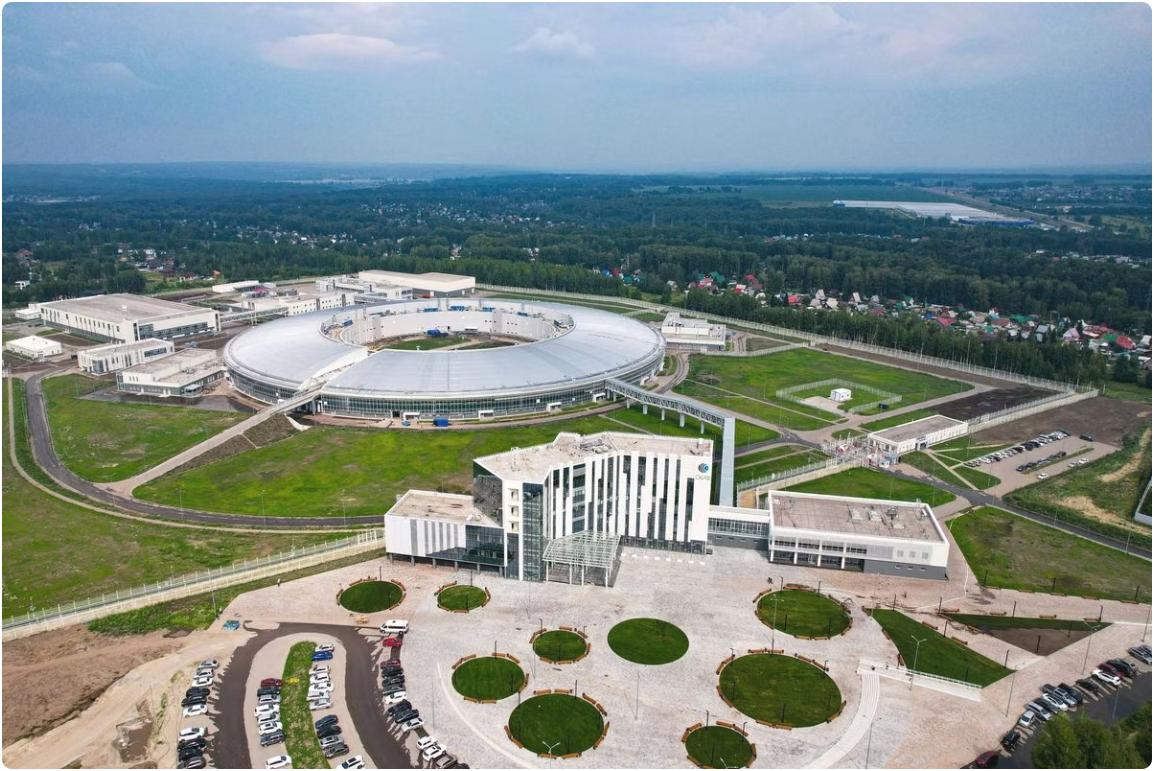
Russian Academician Says SKIF Synchrotron Light Source Will Not Produce Radionuclides, Safe and Controllable in Operation
Yevgeny Levichev, an academician of the Russian Academy of Sciences and director of the Collective Use Center of the Siberian Circular Photon Source (SKIF), recently stated that synchrotron light sources, including SKIF located near Novosibirsk, are electrophysical equipment with safe and controllable operation that poses no threat to personnel even in the event of a malfunction. Levichev said that unlike facilities such as nuclear power plants, synchrotron light sources do not generate isotopes or radionuclides in their systems. In the event of an anomaly, the beam is reset, and the facility's risk level is close to that of ordinary electrical equipment. According to reports, construction of the SKIF synchrotron was completed in June 2026, with an inauguration ceremony held in August. Once the facility is operational...
2026-09-01
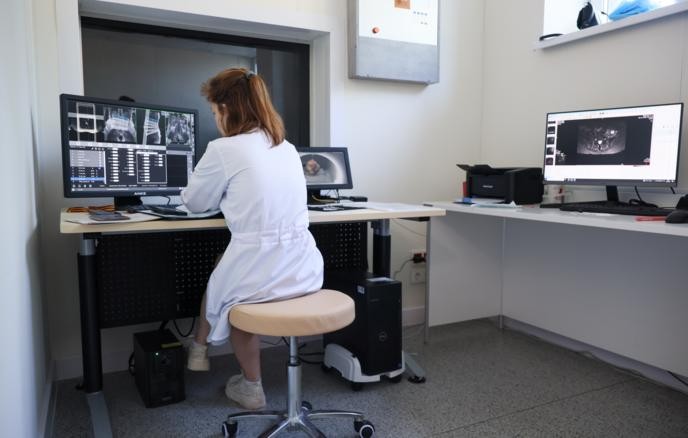
Russian scientists use 3D-printed tungsten grid to improve X-ray imaging quality, potentially reducing patient radiation exposure
The press service of the Russian Ministry of Education and Science recently stated that a Russian research team has used 3D printing technology to manufacture a tungsten-based anti-scatter grid for X-ray machines, with partition thickness only one-third that of similar products. The researchers believe this achievement could help reduce patient radiation exposure during X-ray examinations while maintaining medical image quality. During X-ray imaging, some rays scatter after passing through human tissue, creating background noise that weakens image contrast. Clinical equipment typically suppresses such interference through anti-scatter grids. Traditional anti-scatter grids are mostly made of lead, but lead has low mechanical strength and imposes high requirements on processing techniques, resulting in...
2026-09-01
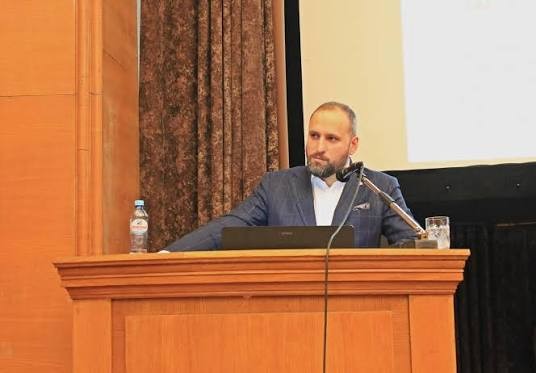
Russia's SKIF Synchrotron Announces Criteria for Selecting Future Research Teams
On August 31, Andrei Bukhtiyarov, Deputy Director of the Shared Use Center of the Siberian Circular Photon Source (SKIF) synchrotron, stated that the scientific innovation of research proposals will be one of the key criteria when selecting research teams for future experiments at SKIF. According to reports, the selection process will also focus on the clarity of research ideas and the feasibility of experimental plans. Since some experiments may not be feasible under existing or planned experimental station conditions, applications will first undergo technical review to confirm whether the experiments can be conducted within the facility's capabilities. The SKIF Shared Use Center has established a Scientific Committee to review applications submitted by research teams. The Center plans to...
2026-09-01

Nuclear technology breeding helps Laos improve rice varieties and increase yields
Rice is a vital staple food and source of income for rural households in the Lao People's Democratic Republic, and serves as the foundation of the country's food security. Over 80% of local farmers grow rice, with paddy fields accounting for approximately 60% of the nation's cultivated land. To enhance food supply capacity, Laos has set a target of increasing rice production to 5.5 million tonnes. The Saphart 1 rice variety was launched at the 2023 National Seed Fair for Food Security and Nutrition. (Photo: S. Phommalath/ RCCRC) Facing challenges such as environmental change, flooding, plant diseases, and increasing pressure on agricultural systems, agricultural researchers in Laos are turning to nuclear technology to improve rice varieties. The National Agriculture and Forestry Research Institute of Laos...
2026-09-01
China-led International Standard for Estimating RBE-Weighted Absorbed Dose from Acute Exposure Approved for Initiation
According to the International Organization for Standardization (ISO), the international standard ISO25600 "Estimation Method for RBE (Relative Biological Effectiveness)-Weighted Absorbed Dose from Acute Exposure," led by the China Institute of Atomic Energy, has been officially approved for initiation. This is a general methodology international standard led by China in the global field of nuclear and radiation emergency dose assessment. It can provide important support for the rapid estimation and evaluation of acute doses, decision-making on emergency protective actions, international notification and communication, as well as emergency training, exercises, and scientific research, helping to strengthen the scientific rigor and timeliness of global nuclear emergency response, and enhance response capability and standardization. Nuclear and radiation emergency response is a vital guarantee for the sustained and healthy development of the nuclear energy industry...
2026-08-31
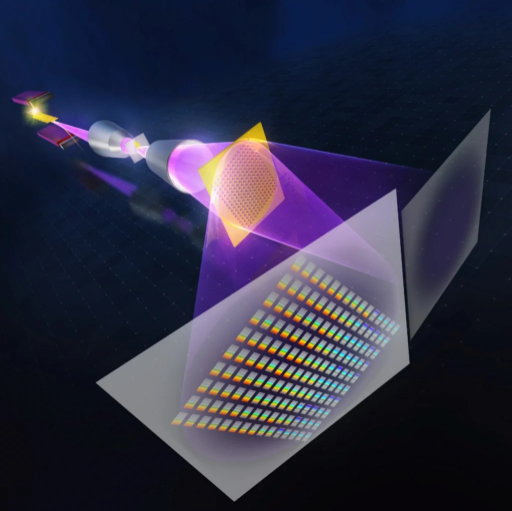
Japanese Team Achieves Femtosecond Soft X-ray Hyperspectral Microscopy, Simultaneously Acquiring Spatial and Energy Information with Single Pulse
On August 21, the Japan Science and Technology Agency, RIKEN, and the University of Tokyo announced that a research team comprising Assistant Professor Yoko Takeo and Associate Professor Takashi Kimura from the Institute for Solid State Physics at the University of Tokyo, Assistant Professor Satoru Egawa from the Research Center for Advanced Science and Technology at the University of Tokyo, and Team Leader Makina Yabashi from the RIKEN SPring-8 Center, among others, successfully developed and implemented a femtosecond soft X-ray hyperspectral microscope. The findings were published on August 20 in the U.S. scientific journal *Optica*. This technology utilizes a single soft X-ray pulse from an X-ray free-electron laser (XFEL) to simultaneously acquire soft X-ray spectra transmitted through different positions of a sample, enabling...
2026-08-31
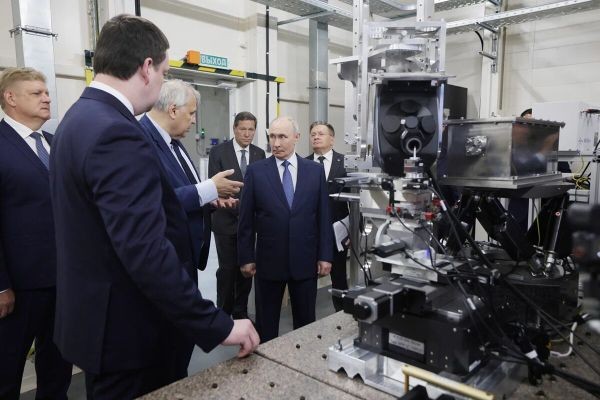
First experiments at Russia's SKIF microfocus station to target "invisible" gold deposits and extraterrestrial particle research
On August 19, 2026, the microfocus station, one of the first-stage experimental stations of the Russian SKIF Collective Use Center, announced its initial experimental directions. The station will utilize synchrotron radiation-based analytical techniques to study the elemental composition and structural characteristics of objects, serving fields such as geology, geophysics, microelectronics, and materials science. At the SKIF opening ceremony, Russian President Vladimir Putin inspected the microfocus station. According to the presentation, the station's first experiments will focus on the exploration and extraction of hard-to-recover gold, platinum, rare earth elements, and oil reserves. Ore sample research is a critical step in the development of new mineral deposits. By determining the elemental composition of rocks, researchers can...
2026-08-31

Construction of Radiotherapy Room at Sao San Tun Hospital in Taunggyi, Myanmar, Approximately 80% Complete
On August 30, 2026, the Chief Minister of Shan State, Myanmar, U Sai Tin Soe, accompanied by relevant officials, inspected the construction of the radiotherapy room at Sao San Tun Hospital in Taunggyi. The radiotherapy room is a single-story reinforced concrete building with a floor area of 95 feet × 52 feet, and the project is currently approximately 80% complete. During the inspection, officials from the building department reported on the project's construction progress, and the Chief Minister gave instructions on subsequent work and coordinated the necessary support. On the same day, the Chief Minister and his delegation also inspected the site for a planned five-story expansion building at the hospital and discussed related construction arrangements. Once completed, the radiotherapy room will be used to enhance the hospital's medical service capacity for radiotherapy-related care. ...
2026-08-31
China Isotope & Radiation Plans to Invest RMB 400 Million in Zhejiang Nuclear Technology Application Industry Fund
China Isotope & Radiation Corporation announced on August 28 that its board of directors has approved entering into a partnership agreement with CNNC, CNNC Capital, CNNC Fund, National Industry Investment Fund, Zhejiang Venture Capital Guidance Fund, Jiaxing Changchuang Industrial Investment, and Haiyan County State-owned Capital Investment to jointly establish CNNC (Zhejiang) Nuclear Technology Application Industry Investment Fund Partnership (Limited Partnership). According to the announcement, the fund will be registered in Jiaxing City, Zhejiang Province, with partners intending to subscribe to a total capital contribution of RMB 3 billion. Among them, China Isotope & Radiation plans to contribute RMB 400 million from internal resources, accounting for 13.33% of the fund's total subscribed capital; CNNC Fund, as the general partner, plans to contribute RMB 30 million, accounting for 1%; the National...
2026-08-29
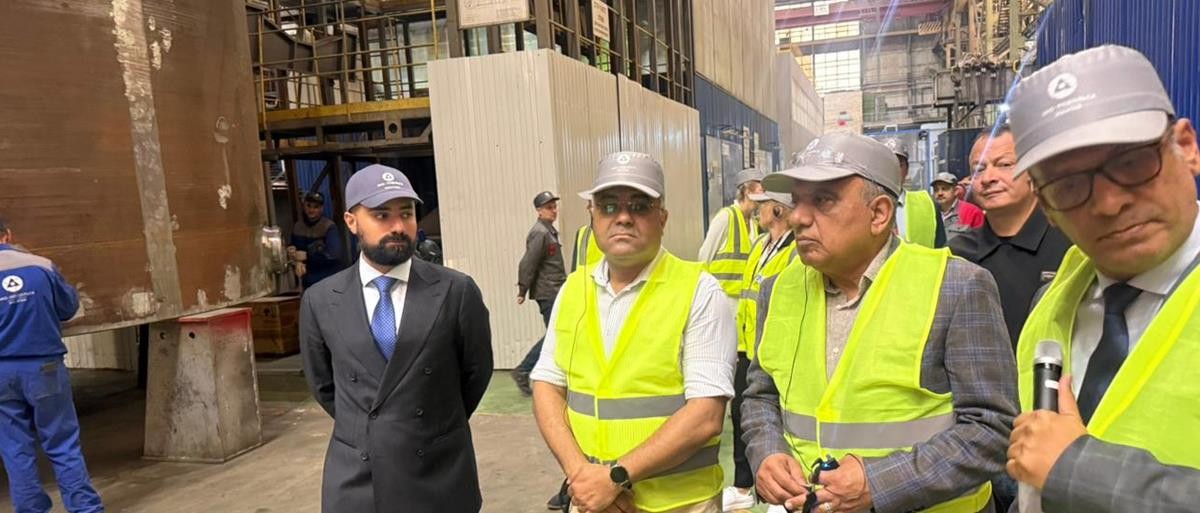
Egyptian Minister of Electricity Inspects Small Modular Reactor Technology in Russia
On August 27, 2026, Egyptian Minister of Electricity and Renewable Energy Mahmoud Esmat visited a small nuclear reactor manufacturing and assembly plant operated by Rosatom during an official visit to Russia. The inspection focused on the latest advancements in small modular reactor-related technologies, industrial application status, and potential cooperation opportunities between the two sides. The Egyptian side stated that such visits align with the country's direction of diversifying energy sources and enhancing the security and sustainability of electricity supply. During the visit, Esmat was briefed on the manufacturing and assembly processes of small reactor components, as well as related safety systems...
2026-08-28
CNNC Fuyuan (Beijing) Technology Co., Ltd. officially established, focusing on accelerator and radiation technology equipment
On August 26, 2026, CNNC Fuyuan (Beijing) Technology Co., Ltd. (abbreviated as: CNNC Fuyuan) was officially established. CNNC Fuyuan is a joint venture between China Isotope & Radiation Corporation (CIRC) and CNNC Atomic Energy Institute Technology Co., Ltd., with nuclear technology equipment as its core business and radiation technology empowering industrial upgrading. Leveraging the Atomic Energy Institute's profound accumulation in accelerator technology over more than 70 years, as well as CIRC's market-oriented industrialization capabilities, the company builds a deeply integrated industry closed loop encompassing research, education, application, and utilization, strengthening and complementing the nuclear technology equipment industry chain. Looking ahead, CNNC Fuyuan will adhere to the dual-drive approach of independent innovation and achievement transformation, starting with accelerators, breaking through the boundaries of single products, and extending toward full-spectrum radiation technology,...
2026-08-28
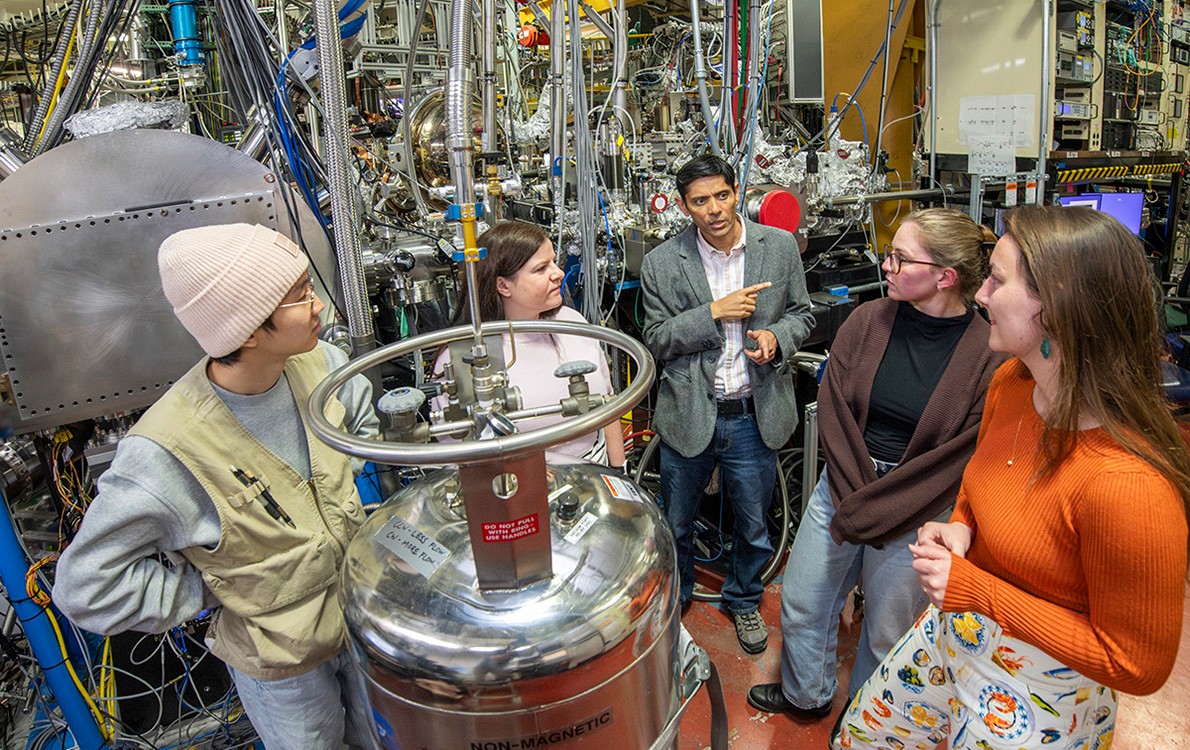
U.S. Advanced Light Source Upgrade to Enhance Nanoscale Research Capabilities for Quantum Materials
The Advanced Light Source (ALS) at Lawrence Berkeley National Laboratory in the United States is enhancing its quantum materials research capabilities through an upgrade project. As a U.S. Department of Energy Office of Science user facility, ALS has supported researchers worldwide over the past 30+ years in studying quantum materials such as superconductors, topological insulators, and correlated electron materials, leveraging its synchrotron soft X-ray, ultraviolet, and full-spectrum X-ray experimental capabilities. Doctoral students Wei Francis He (left), Kate Matthews (second from right), and Robin Greifke (right) from the University of California, San Diego, are from the Alex Frañó research group at the ALS COSMIC beamline (7.0.1)...
2026-08-27

Bangladesh Highlights Potential of Nuclear Technology for Maritime Applications at ATLAS Ministerial Meeting
On August 26, local time, Bangladesh's Minister of Science and Technology, Faqrul Mahbub Anam, stated at the 2026 Ministerial Launch of the Licensing of Atomic Technology for Marine Applications (ATLAS) held in Washington, D.C., USA, that Bangladesh is committed to responsible participation in the global nuclear dialogue and believes that emerging nuclear technologies hold significant potential in the field of maritime applications. Anam stated that in the face of challenges such as climate change, energy security, and growing energy demand, the importance of nuclear energy in reducing emissions and ensuring reliable energy supply is rising. Advanced nuclear technologies, including Small Modular Reactors (SMRs), can provide stable low-carbon electricity and support economic growth, poverty reduction...
2026-08-27