
Search Results
Keyword:RI

FAO and IAEA: Nuclear Technologies Are Enhancing Agricultural Production and Food Security
On March 30, 2021, the Food and Agriculture Organization of the United Nations and the International Atomic Energy Agency presented multiple applications of nuclear technologies in agriculture and food security. The two organizations have collaborated for over 50 years in knowledge sharing and capacity building, further strengthening their partnership through the establishment of the Joint FAO/IAEA Centre of Nuclear Techniques in Food and Agriculture. In the field of animal health, nuclear technologies are used for the detection, control, and prevention of transboundary animal diseases and zoonoses. Belize previously had to send animal disease testing samples to overseas laboratories; with support from the Joint FAO/IAEA Centre, the Belize Agricultural Health Authority established a molecular diagnostic laboratory for animal health and adopted real-time polymerase chain reaction (PCR) testing technology. This method can detect animal diseases within 24 hours, helping frontline personnel take rapid prevention and control measures. Recently, the laboratory has also been used to assist in human COVID-19 testing, reflecting the "One Health" concept that animal, human, plant, and environmental health are interconnected.
2021-03-30

China's First Industry Standard for LOCA BEPU Analysis, Led by CGN Research Institute, Officially Released
Recently, approved by the National Energy Administration, the energy industry standard "Technical Requirements for Best Estimate Plus Uncertainty Analysis of Loss of Coolant Accident in Pressurized Water Reactor Nuclear Power Plants" (NB/T 20751-2026), led by CGN Research Institute, was officially released. The standard was developed under the leadership of the Research Institute, in collaboration with the Nuclear and Radiation Safety Center of the Ministry of Ecology and Environment, China Nuclear Power Research and Design Institute, Shanghai Nuclear Engineering Research and Design Institute, Hualong Nuclear Power Technology Co., Ltd., and China Nuclear Power Engineering Co., Ltd., among other organizations. It will come into effect on December 26, 2026. This standard is China's first BEPU analysis...
2026-08-06

IAEA Director General to Inspect Kashiwazaki-Kariwa Nuclear Power Plant
Preparations are in the final stages for IAEA Director General Rafael Grossi's first inspection of Tokyo Electric Power Company's Kashiwazaki-Kariwa Nuclear Power Plant, expected to take place on August 18. Grossi has previously stated that there are "no obstacles to a swift restart," signaling a positive attitude toward the plant's reactivation. This inspection suggests that discussions surrounding the restart may accelerate. However, it is worth noting that local residents still harbor concerns, adopting a cautiously optimistic outlook on future developments. This marks Grossi's first visit to the Kashiwazaki-Kariwa plant, making it a significant event. Against the backdrop of growing attention to nuclear safety, the IAEA's...
2026-08-06
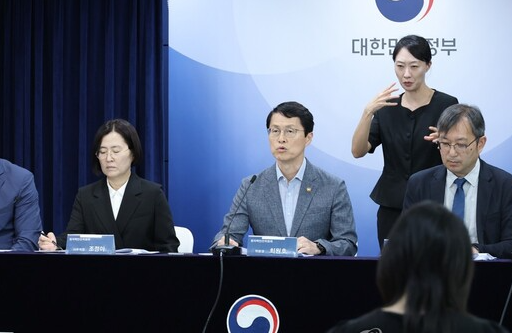
Korea's Nuclear Safety and Security Commission Conducts Safety Inspection at Hanul Nuclear Power Plant
Amid the ongoing heatwave, Korea's Nuclear Safety and Security Commission is closely monitoring safety inspections at domestic nuclear power plants. On August 6, Commission Chairman Choi Won-ho visited the Hanul Nuclear Power Plant in Uljin, North Gyeongsang Province, for an on-site inspection. The primary purpose of this inspection was to verify whether the plant's safety systems can operate properly under continuously rising seawater temperatures. As rising seawater temperature is a factor that directly affects the cooling system, the Hanul plant conducted detailed checks on heat exchanger performance and thermometer conditions. Chairman Choi also held prior discussions via video conference with relevant nuclear agencies on response measures to high temperatures. During the subsequent on-site inspection, he reviewed...
2026-08-06

U.S. Laboratories Plan "Materials Discovery Cloud" to Use AI to Predict Impact of Defects in Microelectronic Devices
Researchers at the U.S. Department of Energy's Argonne National Laboratory, Lawrence Berkeley National Laboratory, Oak Ridge National Laboratory, and Northwestern University are planning to develop a Materials Discovery Cloud platform that leverages a physics-based artificial intelligence framework to predict how tiny defects affect the performance and lifespan of microelectronic devices. Visualization of the Materials Discovery Cloud, a physics-based AI framework that integrates experimental data, simulations, and high-performance computing to predict how tiny defects affect the performance and lifespan of microelectronic devices. (Image provided by ChatGPT.) Microelectronic devices are widely used in smartphones, laptops, secure communications, and artificial intelligence hardware. As device dimensions continue to shrink and operating speeds increase, tiny defects within materials and at interfaces have a more pronounced impact on device stability. These defects can cause overheating, leakage current, switching instability, and other issues, or in certain conditions, improve electrical or thermal performance. Identifying critical defects and understanding their evolution under real-world operating conditions has become a key challenge in the design of next-generation microelectronic materials.
2026-08-06

Final Voyage Completed for Rebar Cage Sea Transport to Hinkley Point C Nuclear Power Station
This summer, the cargo vessel Anfield Peak departed from the Port of Bristol in the UK, heading to Hinkley Point C Nuclear Power Station in Somerset. This marked the vessel's final voyage for the related transport mission. Previously, it had made over 100 round trips between the two locations, delivering factory-prefabricated rebar cages to the nuclear construction site. These rebar cages are large in volume and high in density, serving as critical foundational components in civil engineering construction. Under traditional practices, such rebar cages are typically prefabricated on-site before concrete pouring. The Hinkley Point C project, however, has shifted part of the rebar cage prefabrication process to a factory in Bristol, with the cages then transported by sea to the site for installation...
2026-08-06

United States to Host IAEA ATLAS Initiative Ministerial Launch
The United States will host the ministerial launch of the International Atomic Energy Agency (IAEA) Atoms for Transport Licensing and Applications at Sea (ATLAS) Initiative in Washington, D.C., on August 26-27, 2026. The event will bring together ministers, policymakers, and industry representatives to discuss topics related to the safe and reliable application of nuclear technology in the maritime domain. The ATLAS Initiative aims to establish an international framework to harmonize legal and regulatory issues facing maritime nuclear energy applications and to support the deployment of related civilian nuclear technologies. Building on the IAEA's experience in nuclear safety, nuclear security, and safeguards, the Initiative emphasizes technology neutrality and places safety, security, and non-proliferation requirements as the foundation for advancing maritime nuclear applications...
2026-08-06
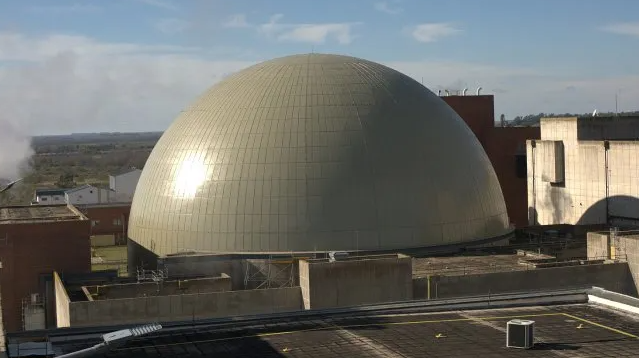
Argentina's nuclear power generates 4.45 million kWh in half a year, accounting for over 7% of national electricity and meeting the residential electricity needs of 6 million people
Operating data from Nucleoeléctrica Argentina for the first half of 2026 shows that the Atucha 2 and Embalse nuclear power plants generated a combined 4,450,355 kWh, accounting for over 7% of the country's total electricity generation during the period and covering 13% of national residential electricity demand. Notably, although Atucha 1 is temporarily out of service due to a life extension project, the nuclear plants are still able to supply electricity to approximately 6 million people. In addition to its operational breakthroughs, Nucleoeléctrica Argentina is also actively expanding its international business. The company has formally established a new business unit aimed at...
2026-08-06
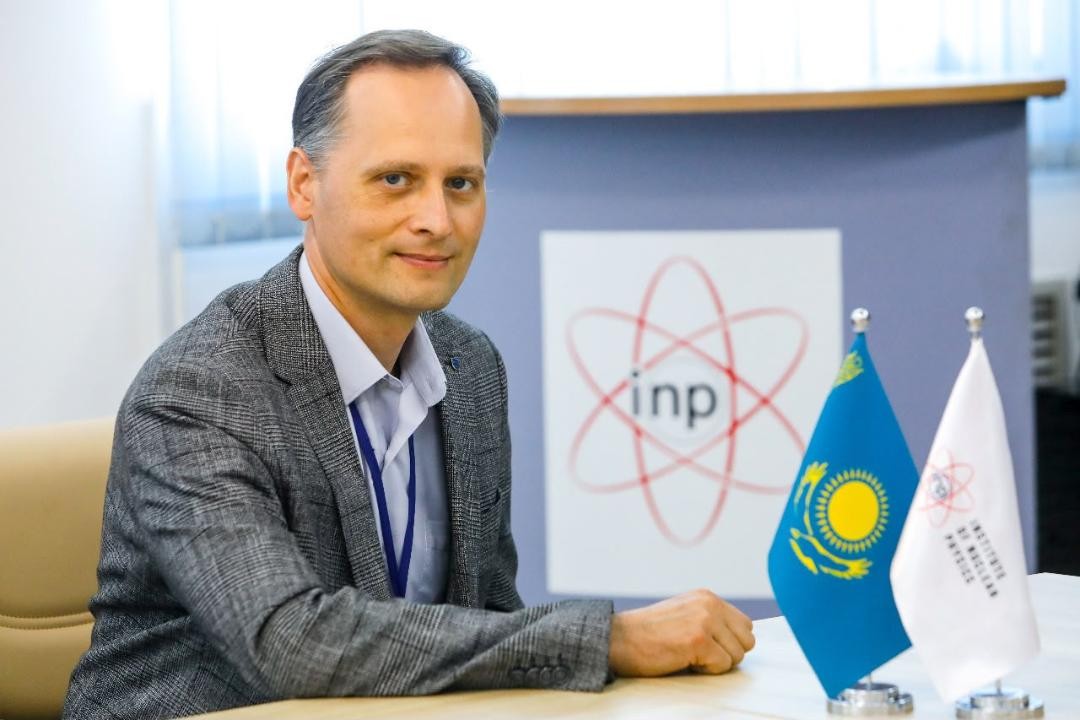
Kazakh experts call for enhanced radioecological monitoring in border regions
As Central Asian countries accelerate the development of nuclear energy, Kazakh experts have recently proposed that the radioecological monitoring system in border regions should be improved as soon as possible to provide long-term environmental data support for the construction and operation of regional nuclear power projects. Relevant materials indicate that nuclear energy is becoming an important direction in the energy policies of several Central Asian countries. Kazakhstan has decided to build its own nuclear power plant, while neighboring countries such as Uzbekistan are also advancing or preparing similar projects. Growing electricity demand and the need to reduce greenhouse gas emissions are key factors driving the development of nuclear energy in the region. Experts believe that nuclear power development involves not only the construction of advanced units, but also the simultaneous establishment of an effective ecological and radiation safety assurance system. Modern nuclear power plants...
2026-08-06
Germany Establishes Three Fusion Centers, HZDR Contributes to Advancing Key Technologies for Fusion Power Plants
The German Federal Ministry for Research, Technology and Space (BMFTR) recently established three fusion centers under the German High-Tech Agenda (HTAD), aiming to pool the efforts of research institutions and industry to advance technology development for future fusion power plants. The German federal government will provide €125 million in initial funding for the related work, with a focus on laser fusion, magnetic confinement fusion, and cross-cutting areas such as fuel cycle and materials development. The Helmholtz-Zentrum Dresden-Rossendorf (HZDR) will participate in the construction of the relevant centers leveraging its research infrastructure, contributing capabilities in high-power lasers, materials research, simulation and data analysis. The SAXFUSION capability network, jointly coordinated by HZDR and the Fraunhofer Institute for Material and Beam Technology (Fraunhofer IWS), will also take on tasks of exchange, cooperation and knowledge transfer.
2026-08-06
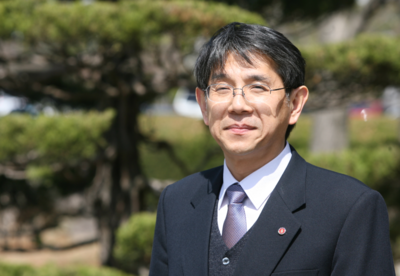
South Korean Scholar Patents Fusion Reactor Optimization Design Method
Professor Bonggeun Hong (transliteration) of the Department of Quantum System Engineering at the College of Engineering, Jeonbuk National University, South Korea, has recently registered a patent for a fusion reactor optimization design method, aimed at supporting the engineering design and commercialization of next-generation fusion technology. [Image source: Jeonbuk National University] The design method proposed in the patent can evaluate the performance of fusion reactors in various application scenarios—including power generation, thermal energy utilization, and use as a neutron source for nuclear transmutation—while optimizing device dimensions and key component structures. Its core approach is to simultaneously consider fusion system performance and economic feasibility during the initial design phase, thereby deriving more optimal design solutions.
2026-08-06
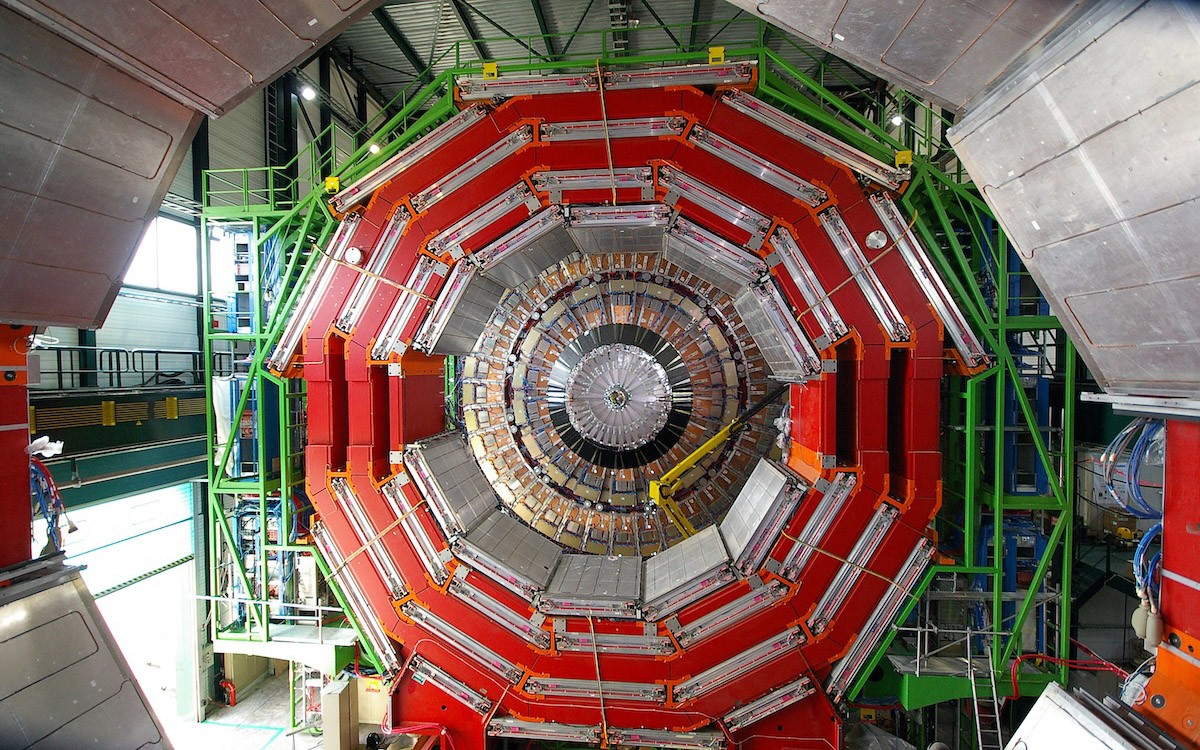
University of Kansas Receives DOE Funding to Build New-Generation Detectors for CERN's Large Hadron Collider
A particle detector development project led by the University of Kansas has recently received funding from the U.S. Department of Energy's Established Program to Stimulate Competitive Research (DOE EPSCoR). The project, funded at $1 million, will be used to design and build two High-Luminosity Zero Degree Calorimeters (HL-ZDC) for the Compact Muon Solenoid experiment (CMS) at CERN's Large Hadron Collider (LHC). The four-year project is co-led by Michael Murray, professor in the Department of Physics and Astronomy at the University of Kansas, and Christophe Royon, distinguished professor at the University of Kansas. Murray also serves as the project lead for the CMS High-Luminosity Zero Degree Calorimeter upgrade...
2026-08-06
World Nuclear Association: Global Nuclear Power Investment Must Reach $250 Billion Annually to Support Tripling of Installed Capacity by 2050
Global nuclear power investment is expected to see significant growth, with annual investment needs potentially exceeding $250 billion by 2050 to meet rising world energy demand. According to a report by the World Nuclear Association (WNA), this investment scale aims to at least triple global nuclear power installed capacity and is supported by 38 countries. This represents a potential investment opportunity of up to $6 trillion for the nuclear power industry, attracting widespread attention. In addition to government funding, private sector capital participation is crucial to the comprehensive development of nuclear power. The report emphasizes that investment should not only focus on new nuclear power plant construction but also expand the nuclear fuel cycle to support large-scale operations, ensure energy supply...
2026-08-06
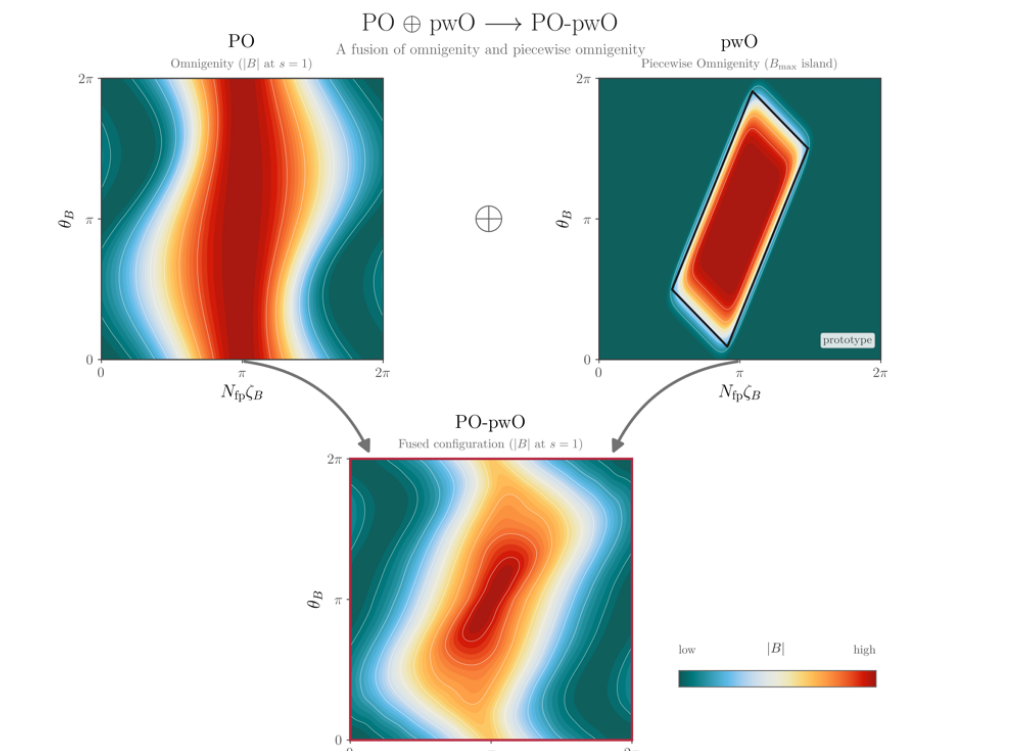
Department of Plasma Physics and Fusion Engineering at the University of Science and Technology of China Proposes New Three-Dimensional Magnetic Field Configuration for Stellarators
Stellarators confine high-temperature plasma using three-dimensional magnetic fields generated by external coils, enabling steady-state operation without relying on plasma current and avoiding instabilities such as disruptions, making them the fastest-growing technological route globally. However, if the three-dimensional magnetic field is not carefully optimized, trapped particles can experience significant radial drift, leading to a substantial increase in neoclassical transport losses. To suppress this drift, the magnetic field must satisfy the "omnigenity" condition, meaning that the time-averaged radial drift of all trapped particle orbits is zero. The most widely applied class of omnigenous magnetic fields is poloidal omnigenity (PO), and such configurations are also commonly referred to as quasi-isodynamic (QI) configurations...
2026-08-06
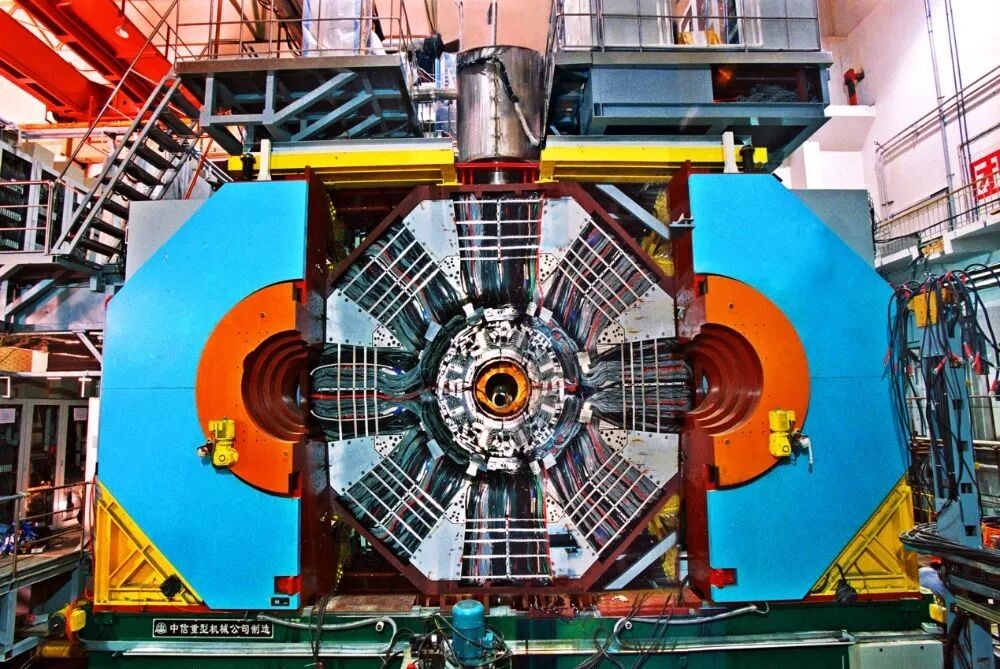
BESIII Experiment First Confirms the Existence of Glueballs
On August 6, Beijing time, the international collaboration of the Beijing Spectrometer III experiment (BESIII) at the Beijing Electron-Positron Collider announced at the International Conference on High Energy Physics (ICHEP 2026) held in Brazil, in the form of a special plenary report: after 15 years of sustained research, the BESIII experiment has established a complete chain of evidence proving the existence of glueballs, unraveling the mystery that has puzzled the academic community for nearly half a century. This discovery not only provides a decisive validation of the theory of quantum chromodynamics, but also demonstrates the existence of a completely new form of matter—matter composed purely of force. Atomic nuclei are composed of protons and neutrons, which in turn are composed of quarks. Gluons mediate the strong interaction between quarks...
2026-08-06