
Search Results
Keyword:Radioactive Waste
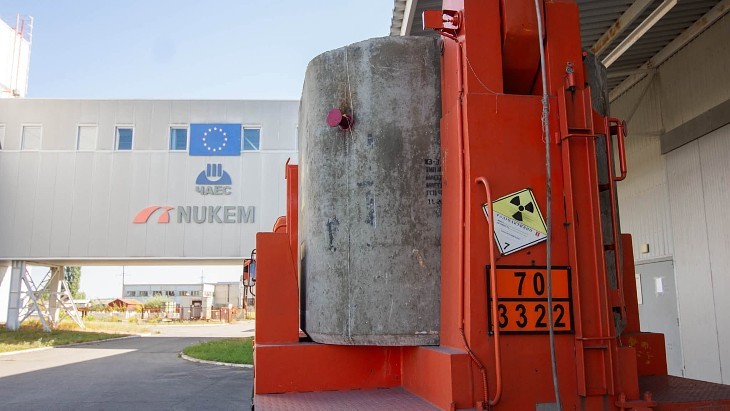
First Batch of Radioactive Waste Transported from New Chernobyl Waste Processing Facility
The Industrial Complex for Solid Radwaste Management (ICSRM) at the Chernobyl Nuclear Power Plant has officially shipped out seven containers of low- and intermediate-level radioactive waste after completing waste processing. This batch of waste has been transferred to the specially equipped Near-Surface Disposal Facility for Solid Radioactive Waste (ENDSF) for final disposal. The Industrial Complex for Solid Radwaste Management officially began operations in May this year after obtaining a license from the State Nuclear Regulatory Inspectorate of Ukraine. The new complex is primarily used to process solid radioactive waste accumulated during the operation of the Chernobyl Nuclear Power Plant, which has been stored in the solid radioactive waste storage facility since 1978. Chernobyl...
2026-09-18
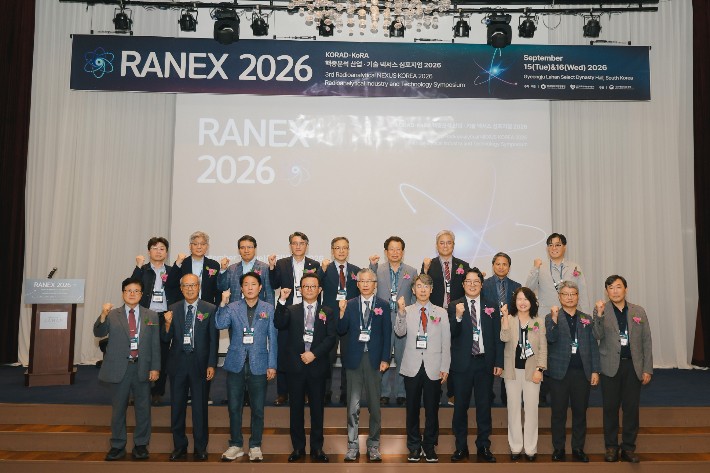
Korea Radioactive Waste Agency Hosts Nuclear Nuclide Analysis Industry and Technology Nexus Symposium (RANEX 2026)
The agency and the Korea Radioactive Analysis Association jointly hosted the Nuclide Analysis Industry and Technology Nexus Symposium (RANEX 2026) from September 15 to 16 at the Lahan Select Hotel in Gyeongju, attracting more than 200 experts, scholars, and industry representatives from home and abroad. The core purpose of this symposium was to share the importance of nuclide analysis—a key area in the national radioactive waste management undertaking—and to jointly explore strategies for technological innovation and the cultivation of an industrial ecosystem through in-depth cooperation between the public sector and private enterprises. During the symposium, experts discussed the development strategy for the radioactive waste nuclide analysis industrial ecosystem, the latest analytical technologies and instrumentation...
2026-09-17
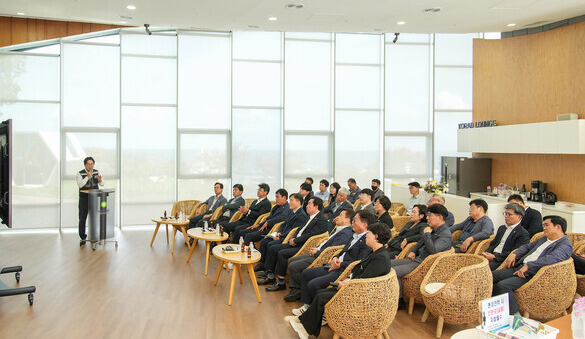
Gyeongju City Council in South Korea Conducts In-Depth Inspection of Wolsong Nuclear Power Plant and Radioactive Waste Treatment Facilities
Recently, the Gyeongju City Council of South Korea organized an in-depth on-site inspection, with the focus on the Wolsong Nuclear Power Plant and the Korea Atomic Energy Environment Corporation. The inspection team aimed to gain a comprehensive understanding of the operational safety of the nuclear power plant and the operation of radioactive waste treatment facilities, and to listen to feedback from relevant personnel. The purpose of this action was to conduct an in-depth investigation of core issues closely related to public safety, including the safety management status of the nuclear power plant and the operational model of radioactive waste treatment facilities. The council members hoped that through this inspection, they could gain a more intuitive understanding of the actual situation and provide reference for formulating more comprehensive policies. At the beginning of the inspection, the council members went to Wolsong...
2026-09-14
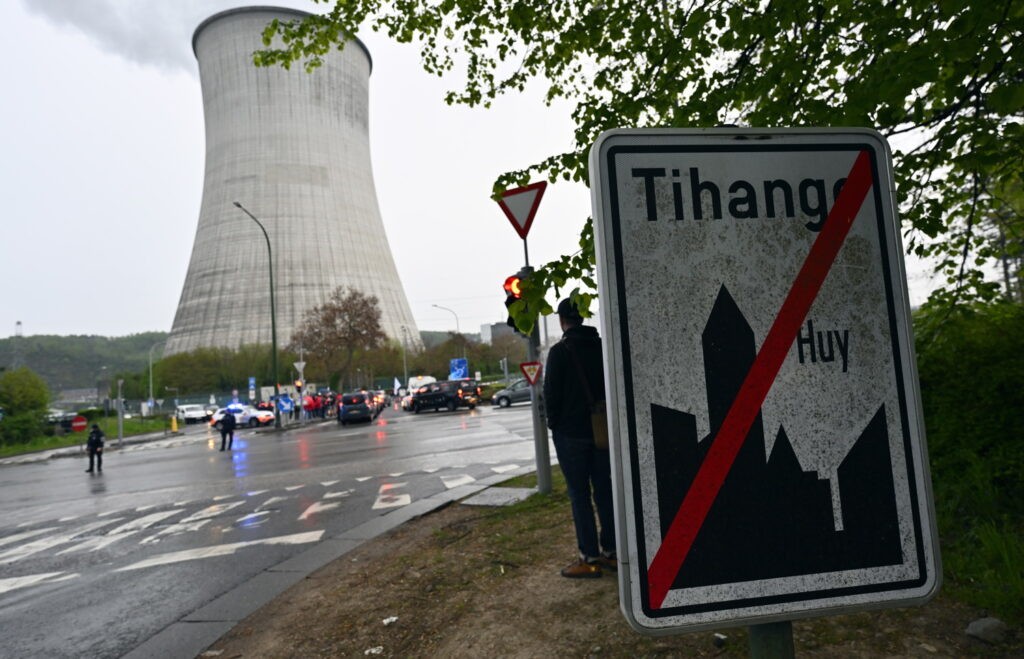
Lower likelihood of restart for Belgium's Doel 3 and Tihange 2 reactors
According to a September 11 report by Le Soir, samples collected nearly two years ago from the reactor pressure vessels of Belgium's Doel 3 and Tihange 2 reactors indicate that the possibility of restarting these two nuclear reactors is extremely low. In the winter of 2024 to 2025, operator Engie successively took samples from the Doel 3 reactor pressure vessel and the Tihange 2 reactor pressure vessel. The sampling work was carried out at the request of the Belgian Federal Agency for Nuclear Control (FANC) and the Belgian National Agency for Radioactive Waste and Enriched Fissile Materials (NIRAS), which is responsible for radioactive waste management, with the aim of measuring in detail the radiation levels at different parts of the pressure vessels so as to classify and dispose of the related waste.
2026-09-13
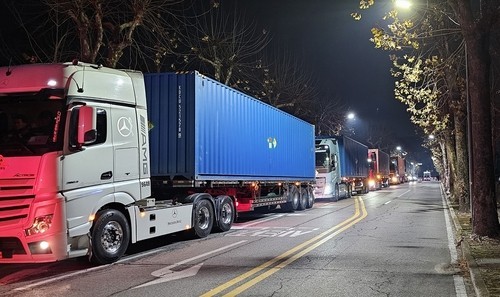
Daejeon, South Korea Ranks Second Nationwide in Low- and Intermediate-Level Radioactive Waste Storage, Spent Fuel Transfer Plan Still Not Implemented
According to data released on September 12 by South Korea's Integrated Radioactive Waste Safety Management Information System, two nuclear-related facilities in Daejeon——the Korea Atomic Energy Research Institute and Korea Hydro & Nuclear Power's Nuclear Fuel Company——currently store a total of 29,587 drums of low- and intermediate-level radioactive waste, with each drum having a capacity of 200 liters. This storage volume ranks second in South Korea, surpassed only by the Gori Nuclear Power Plant's 40,087 drums. Transportation of low- and intermediate-level radioactive waste Daejeon provides The low- and intermediate-level radioactive waste stored by the Korea Atomic Energy Research Institute mainly comes from the operation of the Hanaro research reactor, as well as waste generated during the decommissioning of an experimental reactor in Seoul in the mid-2000s. Nuclear-related facilities in Daejeon...
2026-09-13

Director of the Division of Radiation, Transport and Waste Safety, Department of Nuclear Safety and Security, IAEA, Van den Howe, Visits the Nuclear and Radiation Safety Center of the Ministry of Ecology and Environment
On September 8, 2026, Ms. Hildegard Van den Howe, Director of the Division of Radiation, Transport and Waste Safety, Department of Nuclear Safety and Security, International Atomic Energy Agency (IAEA), visited the Nuclear and Radiation Safety Center of the Ministry of Ecology and Environment (hereinafter referred to as the Center). Chai Guohan, Director of the Center, and heads of relevant departments participated in the exchange activities. At present, cooperation between the Center and the IAEA is continuously deepening. Since being designated by the IAEA in May 2023 as the world's first Collaborating Center for Nuclear and Radiation Safety, the Center has, relying on this platform, successfully hosted high-level activities such as the Nuclear and Radiation Safety Leadership Workshop, the ANSN Regional Workshop, and multiple international training sessions, with the platform's clustering and radiation effects becoming increasingly prominent. The Center has always been a trusted partner of the IAEA.
2026-09-11
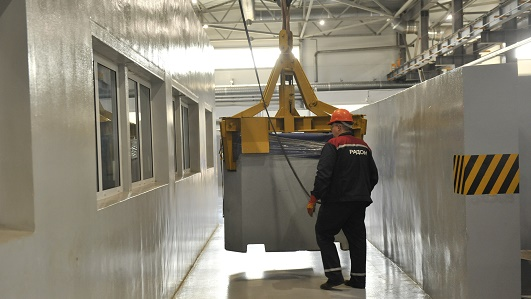
Russia's RADON advances pre-disposal work on radioactive waste at multiple sites
The Russian federal state unitary enterprise RADON is advancing multiple pre-disposal work activities for radioactive waste to reduce existing inventories and transfer compliant waste to the national operator FSUE NO RAO for final disposal. The work falls under special measures within the federal targeted program for nuclear and radiation safety (FTP NRS-2). The radioactive waste accumulated at RADON facilities remains under continuous monitoring and control to meet safety requirements. At the facility of RADON's Northwest Regional Branch in Sosnovy Bor, Leningrad Oblast, the retrieval, sorting, and pre-disposal preparation of federally owned radioactive waste has been completed. Between 2014 and 2018, this batch of waste was in...
2026-09-10
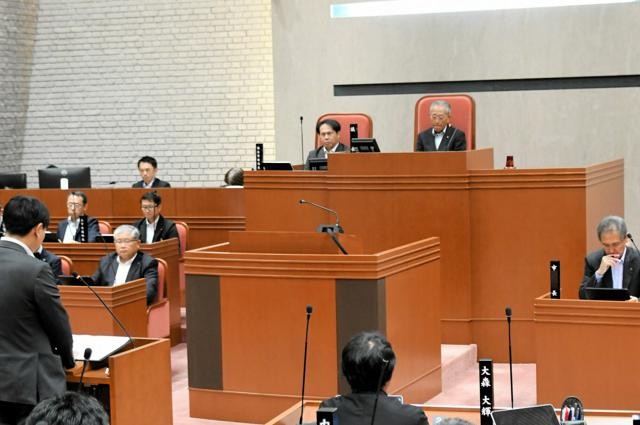
Hitachiota City, Ibaraki Prefecture, Japan to Reconsider Literature Survey for Final Disposal Site of High-Level Radioactive Waste
The Hitachiota City Council in Ibaraki Prefecture, Japan, held a closed-door meeting on September 9 to hear council members' opinions on the Ministry of Economy, Trade and Industry's request for the city to conduct a literature survey for selecting a final disposal site for high-level radioactive waste. After the meeting, sources said that two council members expressed support and two expressed opposition, and the city council failed to reach a consensus, deciding to hold another meeting on September 16 for discussion. The closed-door meeting was initiated by Hitachiota Mayor Sadayuki Suzuki, with the aim of providing reference for the city government to judge whether to accept the literature survey. The Ministry of Economy, Trade and Industry made the request to the city on August 31. Suzuki previously said he would "actively consider" conducting the literature survey and hoped...
2026-09-10
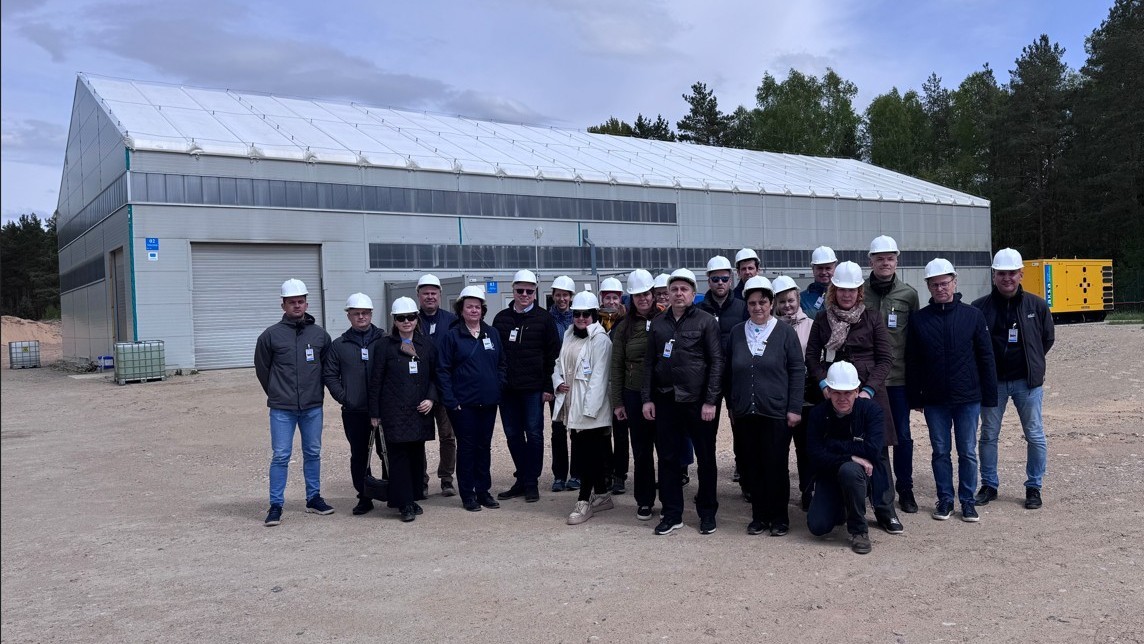
Europe and Central Asia Strengthen Regional Cooperation on Radioactive Waste Management
The International Atomic Energy Agency (IAEA) recently stated that over the past two years it has trained more than 200 experts in Europe and Central Asia, supporting relevant countries in enhancing their safe radioactive waste management capabilities and developing long-term management strategies tailored to their national circumstances. IAEA representatives visited storage and disposal facilities in Lithuania to observe successful radioactive waste management practices firsthand. (F. Dragolici/IAEA) Radioactive waste originates from the application of nuclear technology in energy, medicine, industry, research, and other fields. Under safety management requirements, countries are responsible for the full lifecycle of radioactive waste, covering generation, characterization, treatment, conditioning, storage, and final disposal in licensed disposal facilities.
2026-09-09
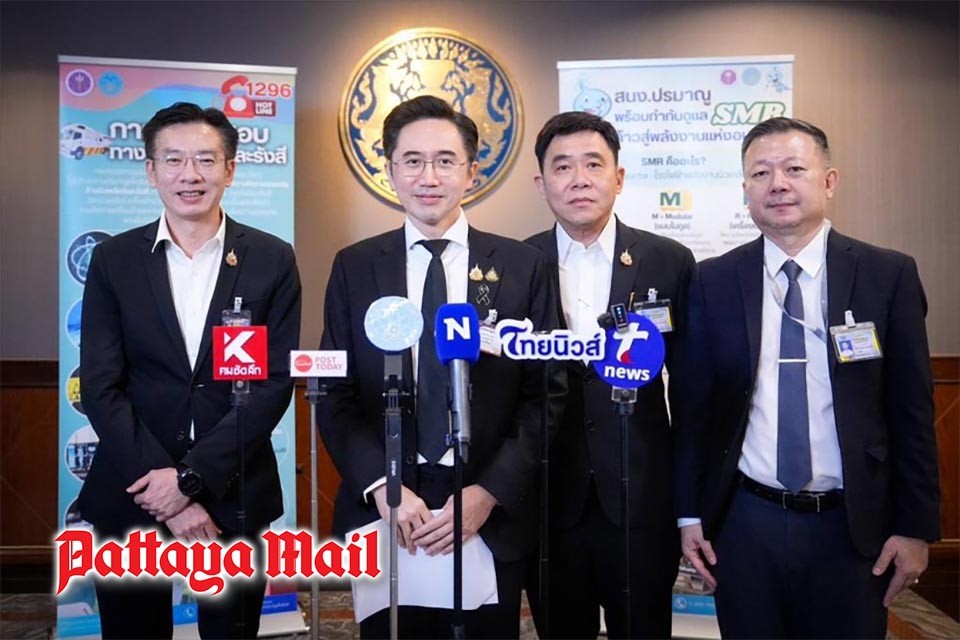
Thailand Advances SMR Regulatory Preparedness to Strengthen Energy Security
On September 8, 2026, Thailand's Deputy Prime Minister and Minister of Higher Education, Science, Research and Innovation, Yodchanan Wongsawat, chaired the second meeting of the Nuclear Energy for Peace Committee in 2026 at Government House. The meeting discussed Thailand's long-term nuclear energy strategy and preparatory work on the regulatory framework, talent development, and industrial supply chain for Small Modular Reactors (SMRs). The Thai government emphasized that these efforts constitute preliminary capacity building and do not imply a decision to construct nuclear power plants. The meeting approved an SMR regulatory policy framework, which draws on relevant standards of the International Atomic Energy Agency (IAEA)...
2026-09-09
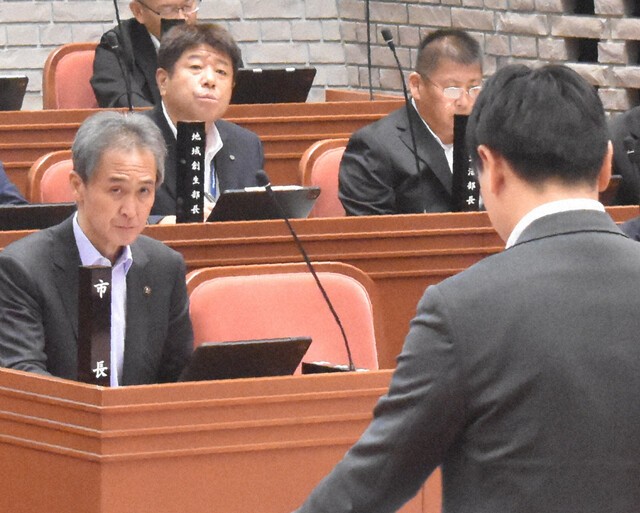
Hitachioomiya City Assembly in Ibaraki Prefecture, Japan, discusses literature survey request for nuclear waste disposal site
Hitachioomiya City in Ibaraki Prefecture, Japan, received a request from Japan's Ministry of Economy, Trade and Industry (METI) asking the city to accept a literature survey for the siting of a final disposal facility for high-level radioactive waste. On September 8, the Hitachioomiya City Assembly held a general question-and-answer session, during which multiple city assembly members expressed their views on whether to accept the survey. Of the five assembly members who filed questions that day, two expressed opposition to accepting the request and one expressed support. The assembly plans to hold a closed-door meeting on September 9, at which each assembly member will state their position, and the relevant content will subsequently be conveyed to Mayor Sadayuki Suzuki for his consideration in formulating the city government's response. Assembly member Toshiyuki Kurata stated that if the literature survey proceeds, it would impact the policies and projects currently being implemented by the city...
2026-09-09
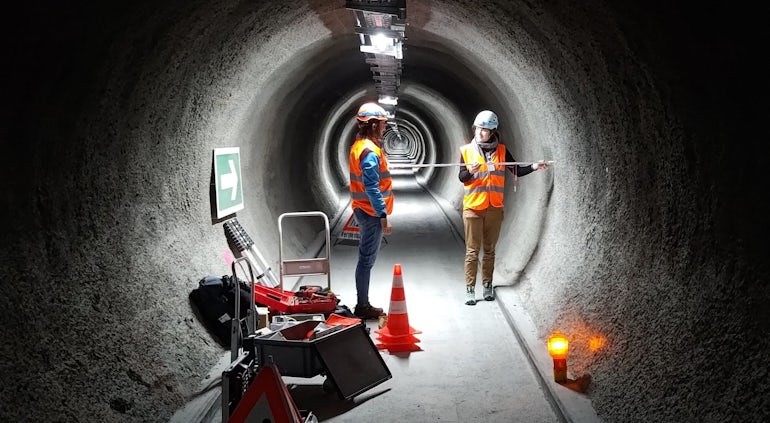
Swiss Nuclear Decommissioning and Waste Disposal Funds Both Show Surpluses
As of the end of 2025, the combined assets of Switzerland's nuclear facility decommissioning fund and nuclear power plant waste disposal fund approached CHF 10 billion, equivalent to approximately EUR 10.6 billion and USD 12.3 billion, up from CHF 9.65 billion at the end of 2024 and exceeding the established funding targets. According to Swissnuclear, the decommissioning fund stood at approximately CHF 3.03 billion, up from CHF 2.98 billion in 2024, while the waste disposal fund reached approximately CHF 6.96 billion, up from CHF 6.66 billion in 2024. Based on target calculations, the decommissioning fund target is CHF 2.76 billion and the waste disposal fund target is CHF 5.9 billion, with the two funds exceeding their targets by approximately 9.8% and 1...
2026-09-08
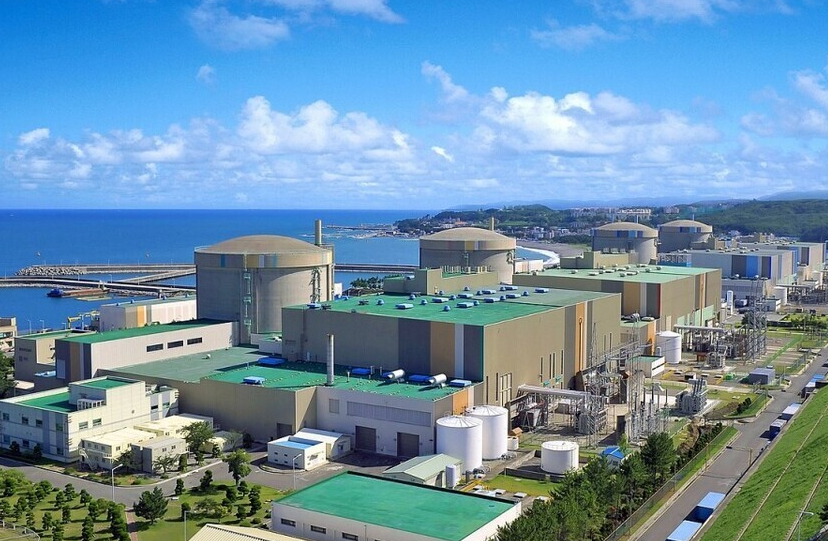
Gyeongju City in South Korea Submits Key Requests to Government for Extension of Wolseong Nuclear Power Plant
Gyeongju City, North Gyeongsang Province, South Korea, stated on September 7 that it has submitted five key pending matters to the Ministry of Climate, Energy and Environment, covering nuclear power plants, support facilities for low- and intermediate-level radioactive waste disposal, and water supply guarantees for the Hyeongsan River basin. On the same day, Gyeongju Mayor Joo Nak-young and National Assembly member Kim Seok-ki met with Minister Kim Sung-hwan of the Ministry of Climate, Energy and Environment to explain the importance of the relevant projects to regional development and public welfare, and requested review and support at the central government level. Regarding support facilities for radioactive waste disposal...
2026-09-08
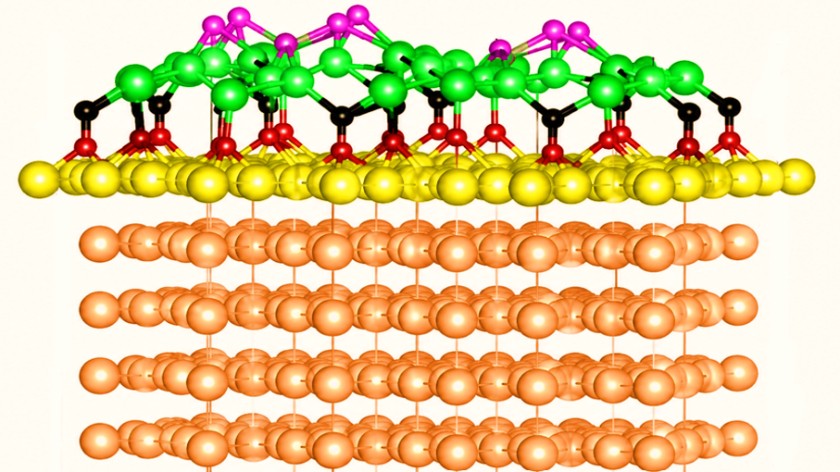
BESSY II reveals early-stage copper oxidation: providing evidence for catalyst development and corrosion research on nuclear waste final disposal containers
Germany's BESSY II synchrotron facility has recently provided new experimental insights into the early-stage oxidation process of copper surfaces. The study shows that before the formation of pure copper oxides, copper and oxygen atoms first form complex surface superstructures, such as "29"CuₓO. The chemical state of such structures has long been debated, and the findings are of reference value for catalyst research as well as for corrosion protection studies of copper containers used for radioactive waste final disposal. Before the formation of pure copper oxide, complex superstructures composed of copper and oxygen atoms emerge—such as "29"CuxO. HZB In everyday environments, copper surfaces gradually lose their red metallic luster and form a greenish oxide layer. This layer structure can slow further corrosion over an extended period. Regarding the initial stages of this process, the core question researchers focus on is: to what extent are copper atoms actually oxidized once oxygen enters the copper surface. Since conventional spectroscopic methods struggle to clearly distinguish between pure copper and partially oxidized surfaces, such oxidation states have previously been difficult to determine directly.
2026-09-07
Hitachiomiya City Assembly in Japan Hears Briefing on Literature Survey for High-Level Radioactive Waste Disposal Site
On September 4, the Hitachiomiya City Assembly in Ibaraki Prefecture, Japan, held a closed-door briefing session regarding the central government's request for the city to initiate a literature survey for the final disposal site selection of high-level radioactive waste. Representatives from the Ministry of Economy, Trade and Industry (METI) and the Nuclear Waste Management Organization of Japan (NUMO) attended the meeting to explain the national energy policy, an overview of the geological disposal project, and the background behind the survey request. All 16 members of the Hitachiomiya City Assembly participated in the briefing, with Mayor Suzuki Sadayuki attending as an observer. The meeting was originally scheduled for approximately two hours but actually lasted about three and a half hours due to the large number of questions from assembly members. After the meeting, Yokote Hiroki, Director of the Radioactive Waste Policy Division at METI's Agency for Natural Resources and Energy, stated that assembly members raised questions covering multiple aspects, including technical details of geological disposal and the site selection procedure for disposal facilities, and that the government side would continue its outreach efforts. Should the City Assembly make a request, METI would provide further explanations.
2026-09-06