
Search Results
Keyword:Reactor
IAEA Publishes Technical Document on Emergency Planning Zones for Small Modular Reactors
The International Atomic Energy Agency (IAEA) recently released the technical document "Technical Basis for Emergency Planning Zones for Small Modular Reactors," designated as TECDOC-2134, published in Vienna in 2026. The document comprises 132 pages, includes 11 illustrations, is written in English, and is now available for download. This marks the first time the Agency has systematically documented, in publication form, the outcomes of a coordinated research project related to protective action planning zones in the deployment of small modular reactors. The document focuses on the technical basis for emergency preparedness and response for small modular reactors, with particular attention to determining the size of protective action planning zones. A protective action planning zone is an area surrounding a nuclear facility where protective measures are pre-planned in response to potential accidents...
2026-08-09
Canadian laboratory validates molten salt separation process with real spent fuel, extracting nearly 90% of plutonium in 24 hours
A chemical experiment in Canada involving real commercial reactor spent fuel has achieved noteworthy progress. Canadian Nuclear Laboratories, in shielded hot cells at Chalk River, used irradiated spent fuel from CANDU reactors to validate the first phase of Moltex Energy's waste-to-stable-salt process. The experiment showed that within 24 hours, 89.4% of the plutonium was transferred into the molten salt; by 60 hours, this proportion rose to 94.3%. Meanwhile, the vast majority of uranium remained outside the salt phase, indicating that the process exhibits strong selectivity in separating target elements. This process, named WATSS, is not a plutonium purification route but rather a group separation technology. In addition to large quantities of uranium, spent fuel contains fission products as well as transuranic elements such as plutonium and americium, the latter being a significant source of long-term radiological risk. WATSS uses high-temperature chloride molten salt and specific reducing metals to convert transuranic oxides into salt-soluble forms, while most uranium oxides remain solid. In this experiment, researchers used niobium as the reducing metal; after 24 hours, only 0.05% of uranium entered the salt, dropping to 0.02% after 60 hours, demonstrating that it does not carry large amounts of uranium into the molten salt system.
2026-08-09
Thorium Atomics Initiates Pre-Application Regulatory Engagement with U.S. Regulators for Tesseract TGR Reactor
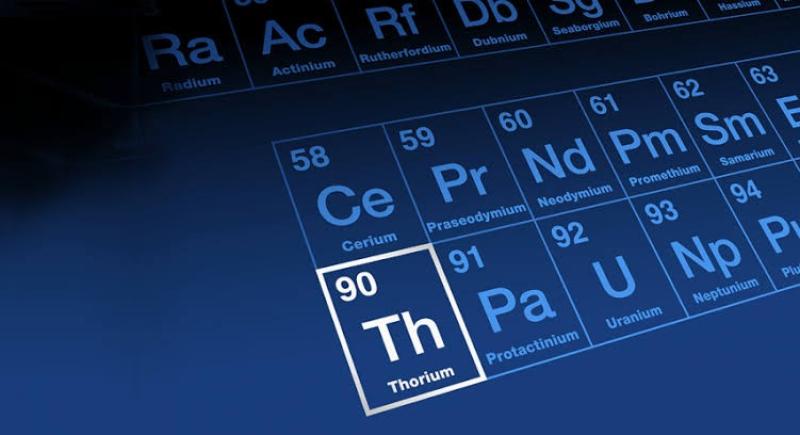
On August 7, Thorium Atomics announced that it has initiated pre-application regulatory engagement with the U.S. Nuclear Regulatory Commission (NRC) for its Tesseract TGR advanced reactor project. Prior to this, the company submitted a letter of intent to the NRC outlining the technical and licensing discussions it plans to conduct with regulators in the future. Thorium Atomics submitted the letter of intent on June 23, 2026. The NRC subsequently responded by letter on July 24, 2026, confirming the assignment of project number 99902174 for the Tesseract TGR project and designating a project manager from the Office of Advanced Reactors to coordinate pre-application activities. This number will be used for the administrative management and tracking of future correspondence, meetings, submissions...
2026-08-08

Vacuum test of the turbine condenser at Unit 1 of Akkuyu NPP successfully completed
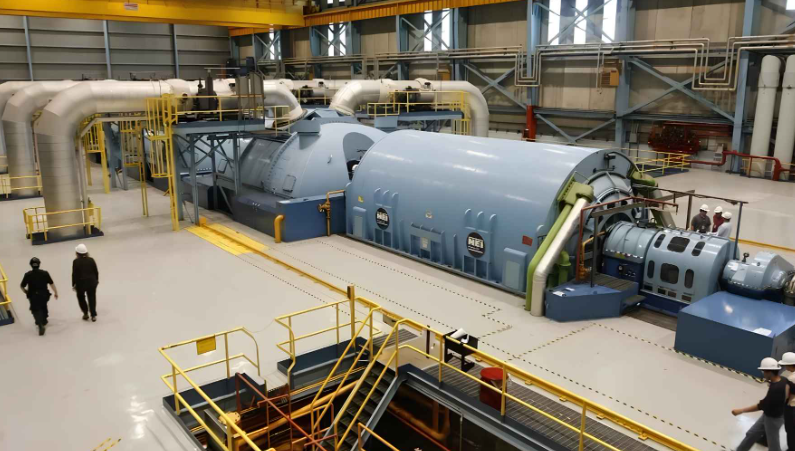
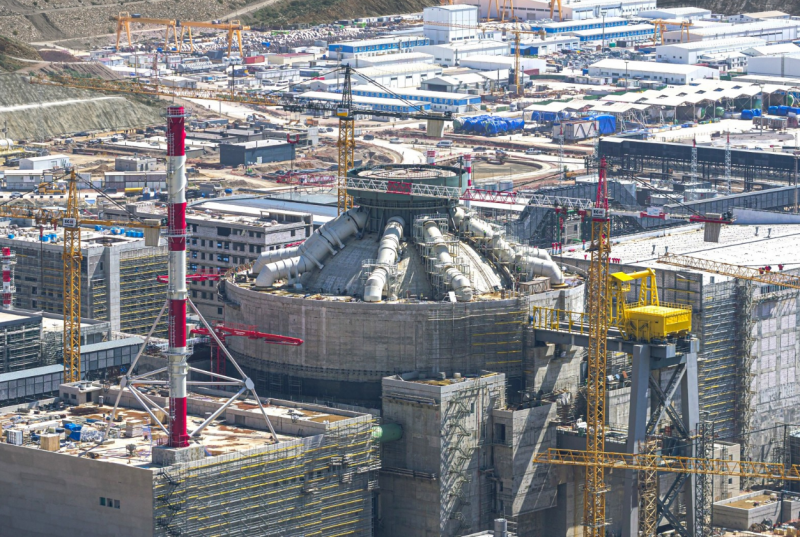
The vacuum test of the turbine condenser at Unit 1 of Turkey's Akkuyu NPP, built by Rosatom, has been completed. The operation confirmed that the main systems of the turbine unit are ready for the next stage of commissioning. During the test, technicians established the required negative pressure in the condenser, checked the tightness of the vacuum system and the thermomechanical condition of the turbine, while monitoring parameters such as condenser vacuum, steam pressure, bearing temperatures, and thermal expansion of the casing and rotor. During the turning gear rotation of the turbine, the proper operation of the flow path (blades) was confirmed. Systems involved in the operation included: start-up boiler house boilers, vacuum system, bearing lubrication system, hydraulic jacking oil system, main turning gear, steam supply and extraction systems, as well as the equipment thermomechanical condition monitoring system.
2026-08-08
228 Research Reactors Worldwide in Operation, Supporting Medical Isotope Production and Neutron Science Innovation
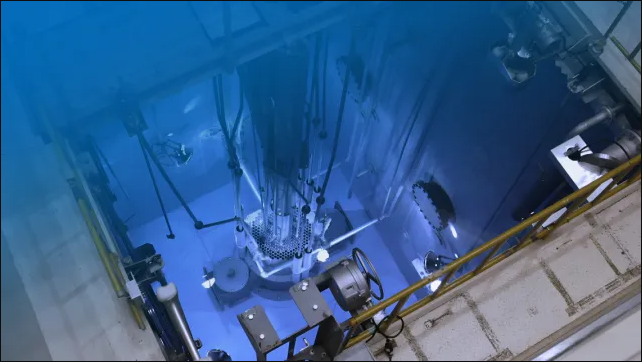
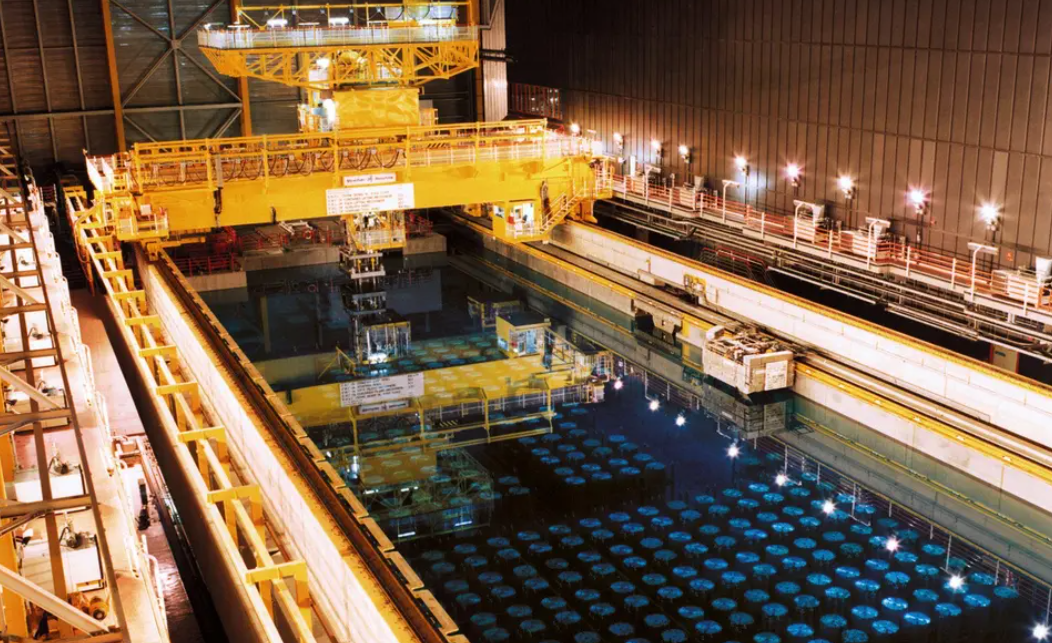
According to the International Atomic Energy Agency on August 7, research reactors continue to drive innovation in science, medicine, and industry worldwide. Currently, 228 research reactors are in operation across 54 countries, with another 23 under construction or in the planning stage. Unlike nuclear reactors used for power generation, these reactors primarily produce neutrons to support medical, industrial, agricultural, geological, forensic, and nuclear science research. A research reactor pool photographed from above. (Photo: IAEA) In the medical field, research reactors are a vital source of medical radioisotopes. Among them, technetium-99m is widely used for diagnosing cancer and diseases of the heart, brain, and bones; a large number of medical diagnostic and therapeutic procedures worldwide rely on this isotope. Other radioisotopes such as iodine-131 are also used in the treatment of cancer and thyroid diseases. The IAEA states that radioisotopes produced by research reactors serve millions of patients globally and are an essential component of modern nuclear medicine systems.
2026-08-09
U.S. NRC to Debut Modernized Hearing Process in Advanced Reactor Licensing Review for the First Time
The U.S. Nuclear Regulatory Commission (NRC) will hold a public hearing on August 13 in Oak Ridge, Tennessee, to consider the Tennessee Valley Authority's (TVA) application to build a small modular reactor at the Clinch River site. This will mark the first time the NRC applies its modernized mandatory hearing framework in an advanced reactor licensing review. According to the NRC, the new hearing process is designed to give the public earlier insight into the agency's review of the project's safety and environmental impacts, while improving the transparency, predictability, and efficiency of licensing reviews. As part of its licensing modernization efforts, the NRC currently aims to complete construction permit-related decisions within 18 months. TVA plans to...
2026-08-07
IAEA Publishes Technical Document on Emergency Planning Zones for Small Modular Reactors
The International Atomic Energy Agency (IAEA) has published TECDOC Series No. 2134, "Technical Basis for the Emergency Planning Zone for Small Modular Reactors." The document was published in Vienna in 2026, comprising 132 pages with 11 illustrations, in English. This document marks the first time the IAEA has published the results of a Coordinated Research Project (CRP) on the technical basis for emergency planning zones for Small Modular Reactor (SMR) deployment. The research project was conducted from 2018 to 2021, focusing on how to determine the technical basis for off-site emergency preparedness and response (EPR) arrangements in SMR deployment scenarios, particularly the requirements and scope for establishing emergency planning zones (EPZ).
2026-08-07
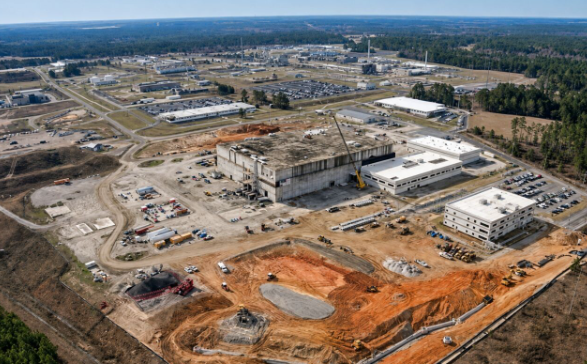
Newcleo Initiates U.S. Regulatory Pre-Application Engagement for MOX Fuel Facility, Accelerating Advanced Reactor Fuel Supply Chain Development
Advanced reactor and nuclear fuel company Newcleo has initiated regulatory pre-application engagement with the U.S. Nuclear Regulatory Commission (NRC) for a mixed oxide (MOX) fuel fabrication facility, with plans to advance construction at the Savannah River Site in South Carolina. This move indicates that the company is not only advancing the licensing of its advanced reactor itself but also seeking to establish supporting fuel supply capabilities in parallel, aiming to mitigate fuel bottlenecks in future commercial deployment. The submitted regulatory engagement plan represents a key step prior to formal license application, with the core objective of communicating with regulators in advance on facility design, safety standards, review scope, and key technical issues. Newcleo previously submitted its regulatory engagement plan for the LFR-AS-200 lead-cooled fast reactor to the NRC in July...
2026-08-07
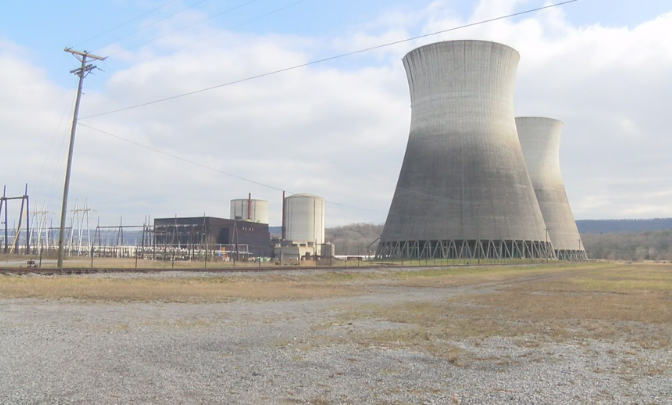
US Tennessee Valley Authority Accelerates Negotiations to Deploy Small Modular Reactors at Alabama Bellefonte Site
The US Tennessee Valley Authority (TVA) confirmed it is in active negotiations with industry partners to develop a new nuclear power generation project at the long-idle Bellefonte Nuclear Plant site in North Alabama. TVA Interim CEO Mike Skaggs stated at a nuclear industry conference in Knoxville, Tennessee, that the negotiations are progressing at a rapid pace, with a focus on partnering with GE Vernova Hitachi Nuclear Energy to build small modular reactors at Bellefonte in Alabama and the Clinch River nuclear site in Oak Ridge, Tennessee. TVA emphasized in a statement that no final investment or construction decisions have been made yet, but multiple potential sites are being evaluated...
2026-08-07

Curio, NuScale and Framatome Sign MOU to Advance Next-Generation Nuclear Fuel Cycle Solutions
Curio, NuScale Power and Framatome Inc. recently signed a strategic memorandum of understanding to jointly evaluate integrated nuclear fuel solutions aimed at strengthening the U.S. nuclear fuel supply chain and supporting the international nuclear energy market and the deployment of next-generation nuclear technologies. Under the agreement, the three parties will conduct evaluations centered on Curio's proprietary NuCycle recycling technology, focusing on the conversion pathways of recyclable nuclear materials from "source to product" and from "source to fuel." The collaboration also encompasses future engineering coordination, fuel development, fuel qualification, manufacturing and commercialization, as well as advancing the integration of nuclear supply chain-related segments...
2026-08-07
Three U.S. Nuclear Energy Companies Explore Manufacturing Next-Generation Reactor Fuel from Recycled Nuclear Materials
U.S. nuclear energy companies Curio, NuScale Power, and Framatome have signed a memorandum of understanding to evaluate the feasibility of converting recycled nuclear materials into next-generation reactor fuel and related products. The tri-party collaboration is not focused on immediate commercial production, but rather on research into technical feasibility, fuel development, manufacturing capabilities, supply chain integration, and future commercial deployment, seeking to connect spent fuel recycling, fuel fabrication, and advanced reactor applications into a more complete industrial chain. Under this collaboration, Curio will provide its NuCycle nuclear fuel recycling technology, aiming to recover reusable strategic nuclear materials from spent fuel, with claims of reducing residual waste volume by up to 97%.
2026-08-07
US DOE Approves Nuclear Safety Design Agreement for Deep Fission Underground SMR
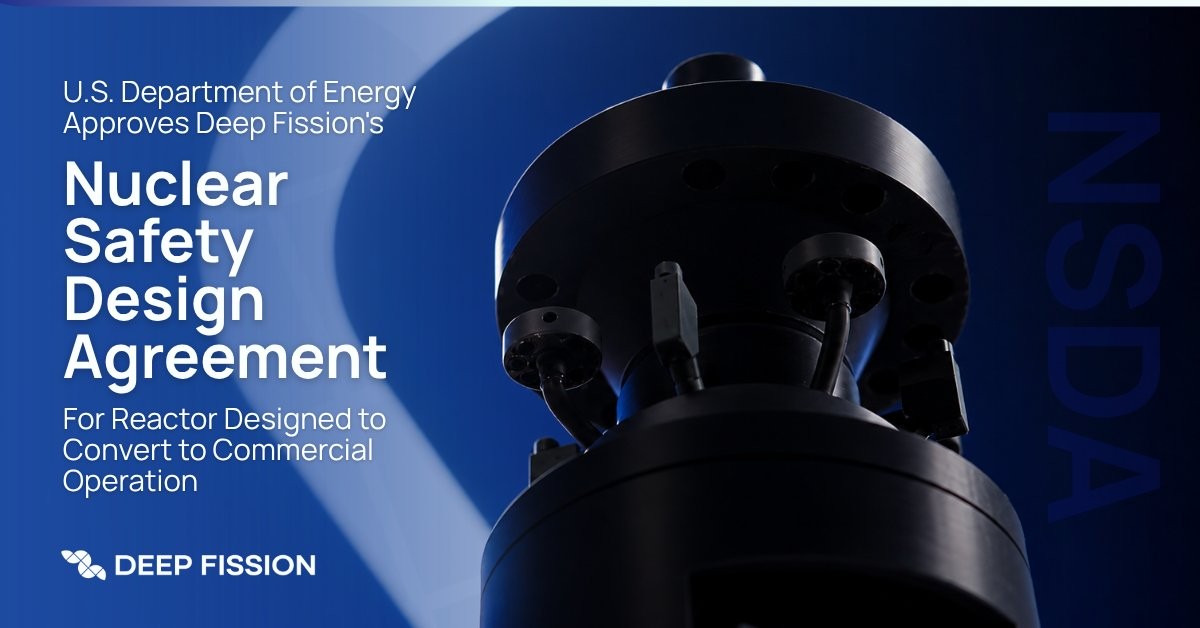
Deep Fission, a US advanced nuclear energy company, announced on August 6 that the US Department of Energy (DOE) has approved the Nuclear Safety Design Agreement (NSDA) for its Gravity reactor. The company stated that this milestone means its reactor design meets the requirements for continued advancement under the DOE's Reactor Pilot Program. Deep Fission is developing a small modular pressurized water reactor concept, with plans to place the reactor in a borehole approximately 1 mile, or about 1.6 kilometers, underground. The approved Nuclear Safety Design Agreement will serve as the safety framework for subsequent reactor development work. According to the company's plans, the project will proceed into the DOE authorization process...
2026-08-07

X-Energy and Centrus Sign HALEU Supply Agreement, Accelerating U.S. Advanced Nuclear Fuel Supply Chain
X-Energy and Centrus Energy have signed a low-enriched uranium and high-assay low-enriched uranium supply agreement, marking a more concrete commercialization phase in fuel assurance for U.S. advanced nuclear reactors. Under the agreement, Centrus will provide uranium enrichment services at its American Centrifuge Plant in Pike County, Ohio, with the HALEU to be supplied to X-Energy's fuel subsidiary TRISO-X for the production of TRISO-coated particle fuel at its Oak Ridge, Tennessee fuel fabrication facility, serving the Xe-100 high-temperature gas-cooled small modular reactor. The significance of this agreement lies not only in the supply itself but also in its phased advance payment arrangement. X-Energy will support Centrus through advance payments...
2026-08-07
Türkiye plans to commission subsequent Akkuyu nuclear power plant units at one-year intervals
Turkish Energy Minister Alparslan Bayraktar said on August 6 that Türkiye plans to commission subsequent units of the Akkuyu Nuclear Power Plant (NPP) at one-year intervals after the first unit goes into operation. Bayraktar stated that Unit 1 of the Akkuyu NPP is scheduled to begin generating electricity by the end of the year, with work on the first reactor's commissioning currently progressing at full speed. According to Türkiye's plan, after Unit 1 enters service, the remaining units will successively enter the commissioning phase. The Akkuyu NPP is Türkiye's first nuclear power plant, constructed by Russia's State Atomic Energy Corporation (Rosatom). The project plans four units, all using Russia-designed Generation III+...
2026-08-07
Oklo's Groves Isotope Test Reactor Achieves First Criticality
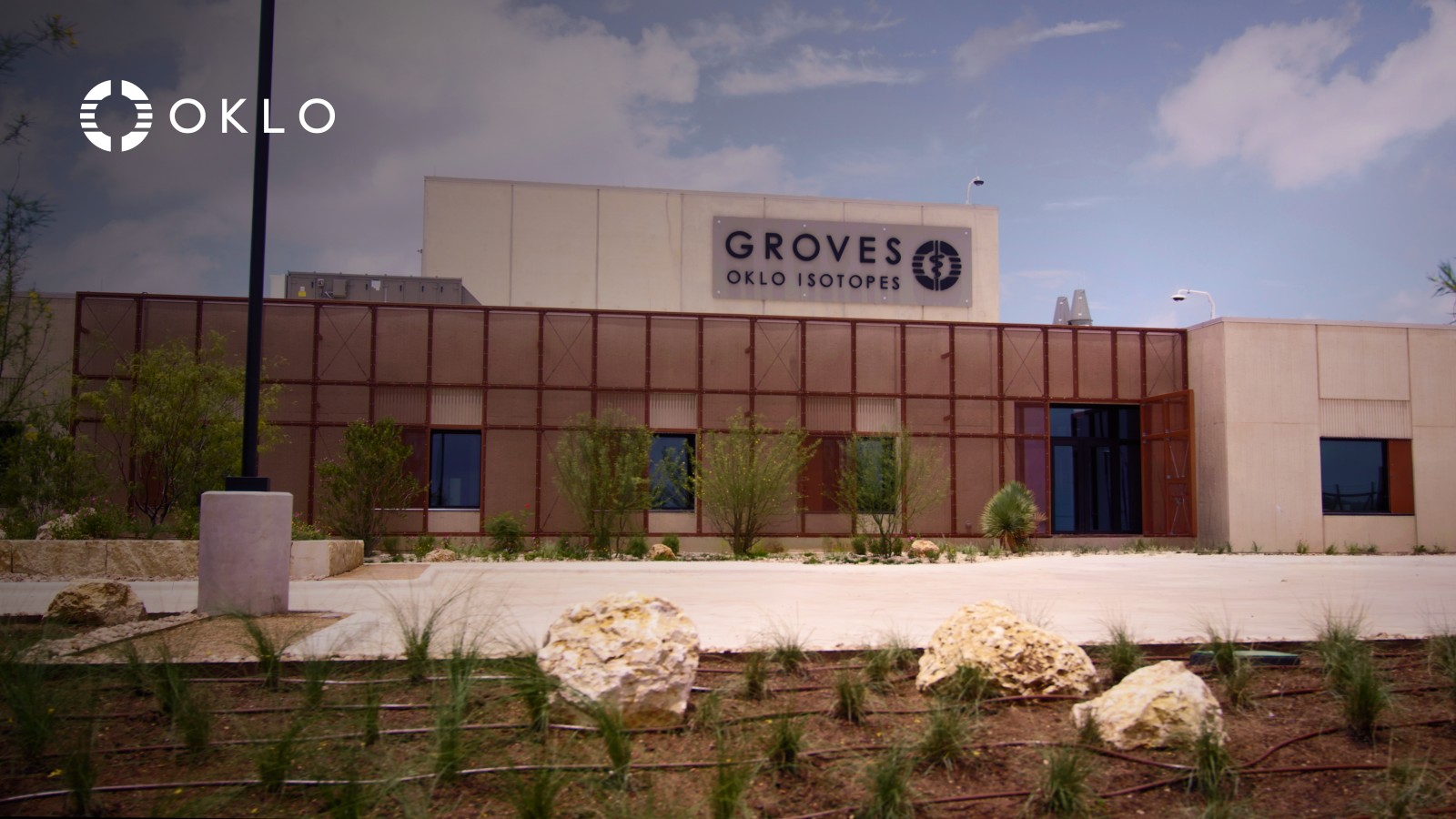
Oklo, a U.S. advanced nuclear technology company, announced on August 6 that its Groves Isotope Test Reactor has achieved a controlled self-sustaining nuclear chain reaction at low power, reaching first criticality. This milestone comes less than a year after the project broke ground. Groves Isotope Test Reactor facility (Image: Groves) The Groves low-power test reactor, located in Lockhart, Texas, is the first reactor to achieve criticality on private land under the U.S. Department of Energy's Reactor Pilot Program. According to Oklo, the facility was built from undeveloped land, completing civil excavation, engineering construction, component fabrication or procurement, fuel configuration, and...
2026-08-07