
Search Results
Keyword:Reactor

Scientists from a small town in Uttar Pradesh, India, gain international recognition: exploring AI-assisted nuclear reactor control
Samendra Roy, a scientist and resident of Payagpur in the Bahraich district of Uttar Pradesh, India, along with his team, has recently attracted attention from the international academic community. The research focuses on the potential applications of artificial intelligence in the operation and control of nuclear reactors. The findings have been published in *npj Artificial Intelligence*, a journal under the Nature Publishing Group, marking the team's work's arrival on a prestigious international academic platform. The study primarily explores the role of agent-based physics-informed artificial intelligence in nuclear reactor control. The research team believes that during nuclear reactor operation, control systems often face complex environments and highly challenging decision-making scenarios, and AI technology is expected to play a significant role in the future in areas such as assisting judgment, optimizing control processes, and enhancing operational management capabilities.
2026-08-11
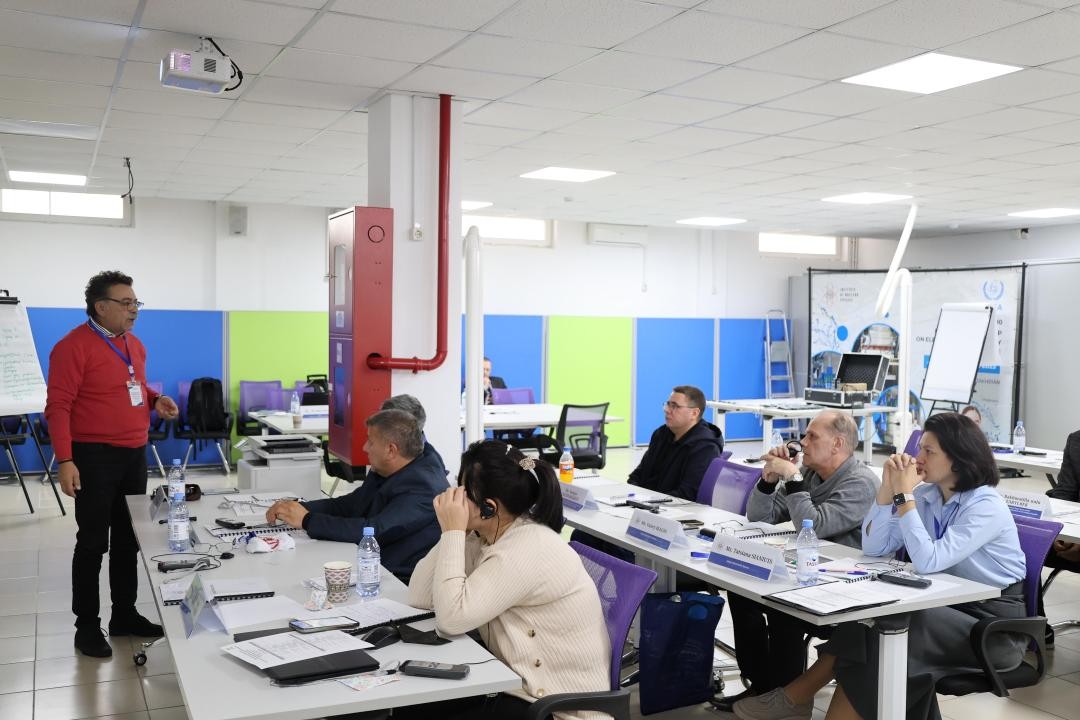
Kazakhstan Strengthens Radiation Safety Monitoring and Nuclear Power Talent Development
Kazakhstan is improving its safety system in the field of nuclear energy and ionizing radiation source utilization, focusing on radiation monitoring, protective measures, and professional personnel training. Ionizing radiation technologies are now widely used in disease diagnosis and treatment, scientific research, product quality inspection, medical device sterilization, geophysical operations, and other fields, and their application simultaneously requires strict implementation of radiation safety management systems. In Kazakhstan, national policy and regulation in the field of atomic energy utilization are the responsibility of the Atomic Energy Agency (AEA) of the Republic of Kazakhstan, while supervision and inspection of atomic energy utilization facilities are carried out by its subordinate Committee for Atomic and Energy Supervision and Control. Current regulations stipulate licensing of related activities, registration and control of ionizing radiation sources...
2026-08-11
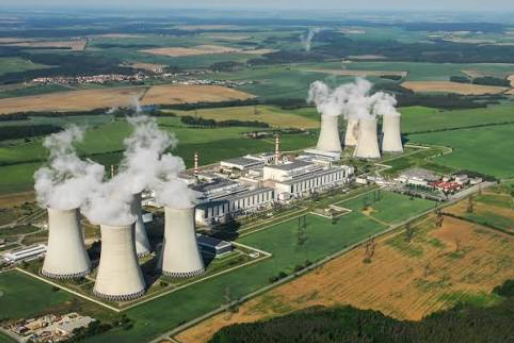
South Korean Environmental Groups to Hold Nuclear Safety Seminar, Focusing on SMR Regulatory Independence and Institutional Gaps
The Korean Federation for Environmental Movement recently announced that it will hold a session of the Continuous Nuclear Safety Seminar Series, under the safety regulation domain, at 10:00 a.m. on August 21, 2026, in Conference Room 8 of the National Assembly Members' Office Building, under the theme "Moving Beyond Promotion-Centered Nuclear Policy Toward an Independent Safety Regulatory System." The event is hosted by National Assembly member Lee Ju-hee and co-organized by the Citizens' Institute for Environmental Studies and the Korean Federation for Environmental Movement, aiming to discuss structural issues in South Korea's nuclear safety regulatory system. According to available information, the South Korean government is accelerating the research and development, industrial support, and commercialization of small modular reactors (SMRs), with the i-SMR standard design approval application already accepted and the Special Act on SMR Development Promotion scheduled to take effect in September.
2026-08-11
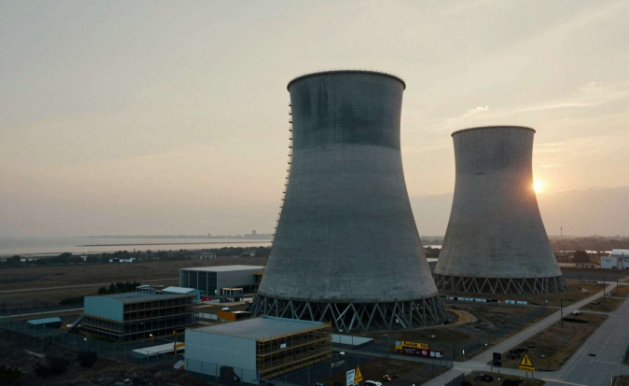
U.S. nuclear energy company Holtec advances on two fronts this week: decommissioning aging nuclear plants and positioning small reactors in the southern U.S.
U.S. nuclear energy company Holtec recently announced two significant developments, reflecting the dual trend in the current nuclear power industry of retiring existing capacity while expanding new capacity. On one hand, the U.S. Nuclear Regulatory Commission approved the license termination plan for the Oyster Creek nuclear power plant, moving the decommissioning process of this veteran commercial nuclear facility in New Jersey, which began operations in 1969, past a key regulatory milestone. On the other hand, Holtec announced a partnership with Entergy and Hyundai Engineering & Construction to evaluate potential sites for deploying new reactors in the southern Gulf Coast region of the United States. The Oyster Creek plant ceased power generation in 2018 and was subsequently taken over by Holtec for decommissioning. The recently approved license termination plan...
2026-08-11
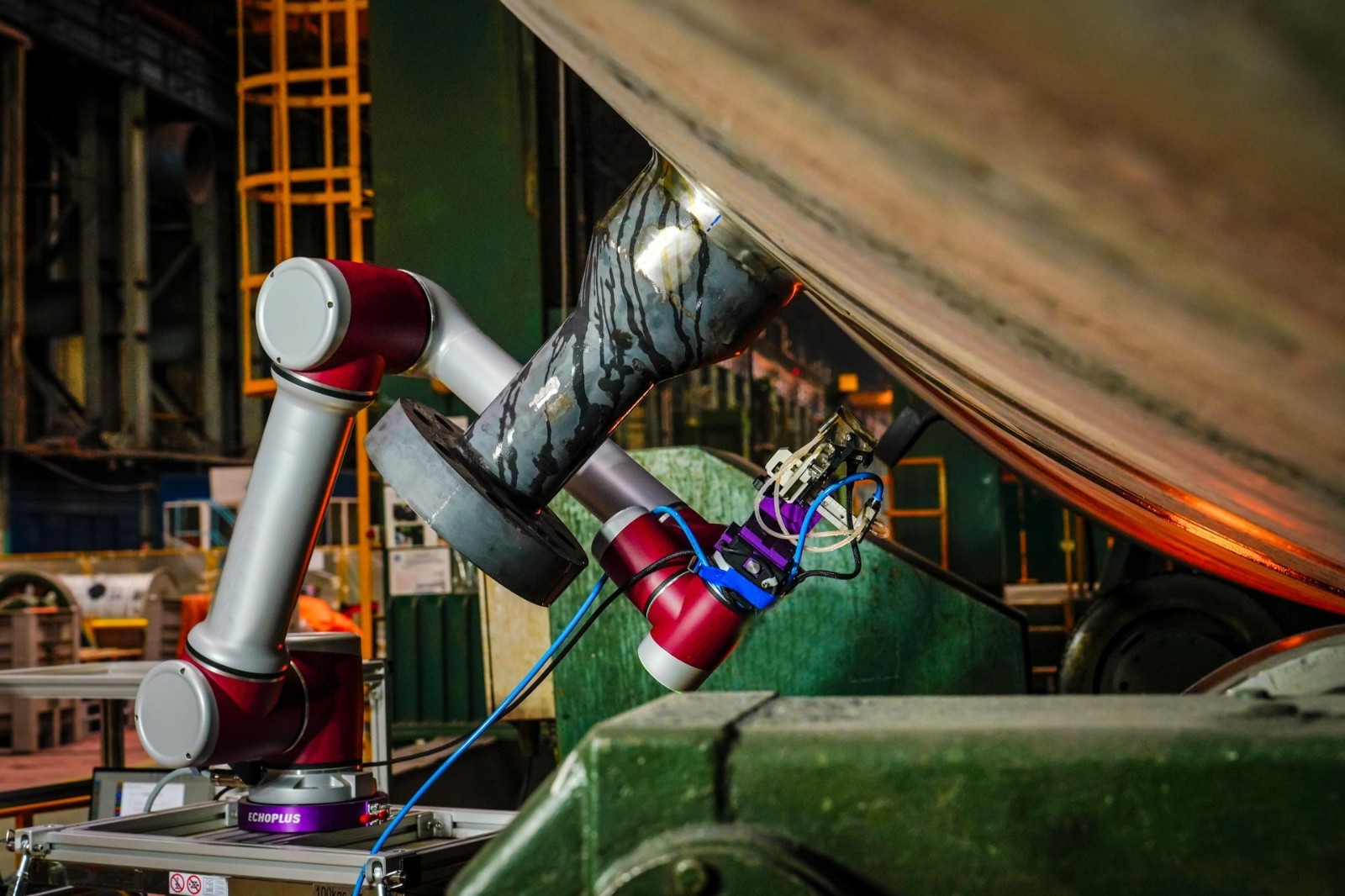
Russia's Atommash Commissions Ultrasonic Weld Inspection Robot to Boost NPP Equipment Testing Efficiency
Atommash, a plant under the mechanical engineering division of Russia's State Atomic Energy Corporation (Rosatom), has recently commissioned a new ultrasonic inspection robot for welded joints, used for weld quality checks on large nuclear power equipment such as nuclear reactors and steam generators. The plant is located in Rostov Oblast, Russia. The new equipment employs two scanning modes and can identify weld defect types and locate defect coordinates. Compared with traditional inspection methods involving manual probe movement, the robot can automatically perform scanning on components with complex geometries, increasing inspection speed by approximately 30% while reducing the need for manual work in hard-to-reach areas. At present, Atommash already operates...
2026-08-11
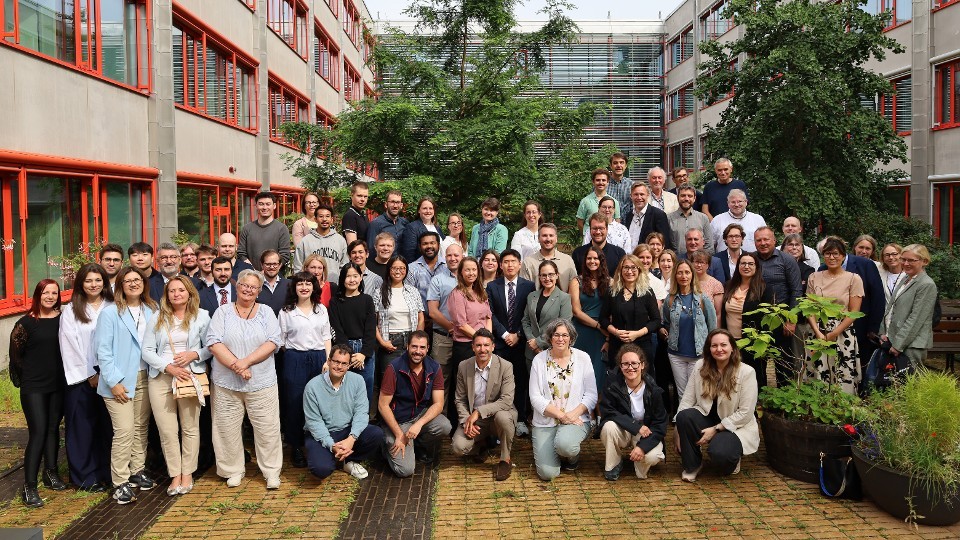
The 8th International Radiation Protection School Held in Stockholm
The Nuclear Energy Agency (NEA) of the Organisation for Economic Co-operation and Development, in collaboration with the Swedish Radiation Safety Authority (SSM) and the Centre for Radiation Protection Research (CRPR) at Stockholm University, will hold the 8th International Radiation Protection School (IRPS) in Stockholm, Sweden, from 10 to 14 August 2026. This five-day course is designed for early-career professionals in the nuclear and related fields, with a focus on helping participants systematically understand the international radiation protection system and master its practical application in emerging scenarios. The curriculum will cover the scientific foundations, historical evolution, development trajectory of the radiation protection system, and its translation into regulatory and national frameworks. According to the organisers, participants...
2026-08-11

UK's Harlette Capital seeks partners to develop lunar micro nuclear reactor
UK-based innovative company Harlette Capital has recently issued a Request for Information (RFI), seeking support from industry and research institutions for the development of a micro nuclear reactor for lunar missions. The company stated that the project aims to provide continuous power for long-term scientific research, communications, infrastructure construction, and future crewed exploration on the lunar surface. Harlette Capital is previously better known for its luxury fashion brand Harlette. The company also operates a separate innovation business segment, which is positioning itself in space and energy assets and advancing a small modular reactor (SMR) project named Alpha Moon. According to the company, the RFI has been sent to...
2026-08-11
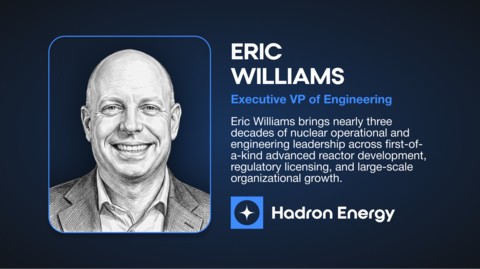
Hadron Energy Appoints Eric Williams as Executive Vice President of Engineering
Advanced nuclear technology company Hadron Energy announced on August 10 that Eric Williams will join the company as Executive Vice President of Engineering, effective August 31, 2026. Hadron Energy is currently developing the Halo micro modular reactor (MMR) based on pressurized water reactor technology. Hadron Energy went public on Nasdaq in May 2026. The company stated that Eric Williams' addition will strengthen its engineering organization and support the advancement of Halo MMR from design and licensing to commercial deployment. According to company information, Hadron Energy has recently made progress in work related to the U.S. Nuclear Regulatory Commission (NRC), including approval of its quality assurance program description and submission of major design criteria white papers.
2026-08-11
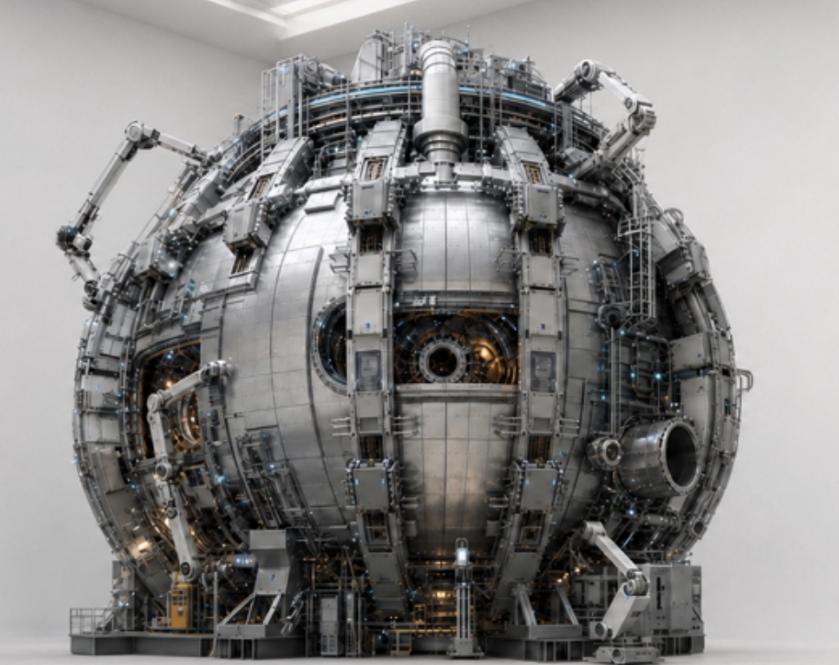
Shenju Nuclear Energy Unveils "Jinwu-1" Spherical Torus Fusion-Fission Hybrid Reactor Design
Shenju (Sichuan) Nuclear Energy Co., Ltd. has unveiled the first-generation device, the Jinwu-1 design, which adopts the spherical torus fusion-fission hybrid reactor technology pathway, driving a subcritical nuclear energy system with a compact fusion neutron source to achieve functions such as energy amplification, fuel breeding, and transmutation of long-lived nuclides. According to the design, Jinwu-1 uses a 50 MW-class fusion power as the conceptual design baseline, employing high-temperature superconducting magnets, a replaceable center column, and a modular subcritical nuclear energy zone. Its fusion core has a major radius of approximately 1.5 meters, with the goal of delivering approximately 40 MW of fusion neutron power at 14.1 MeV energy, serving as an industrial-grade neutron source. In terms of system design, Jinwu-1 amplifies fusion neutron energy through a subcritical fission blanket...
2026-08-11
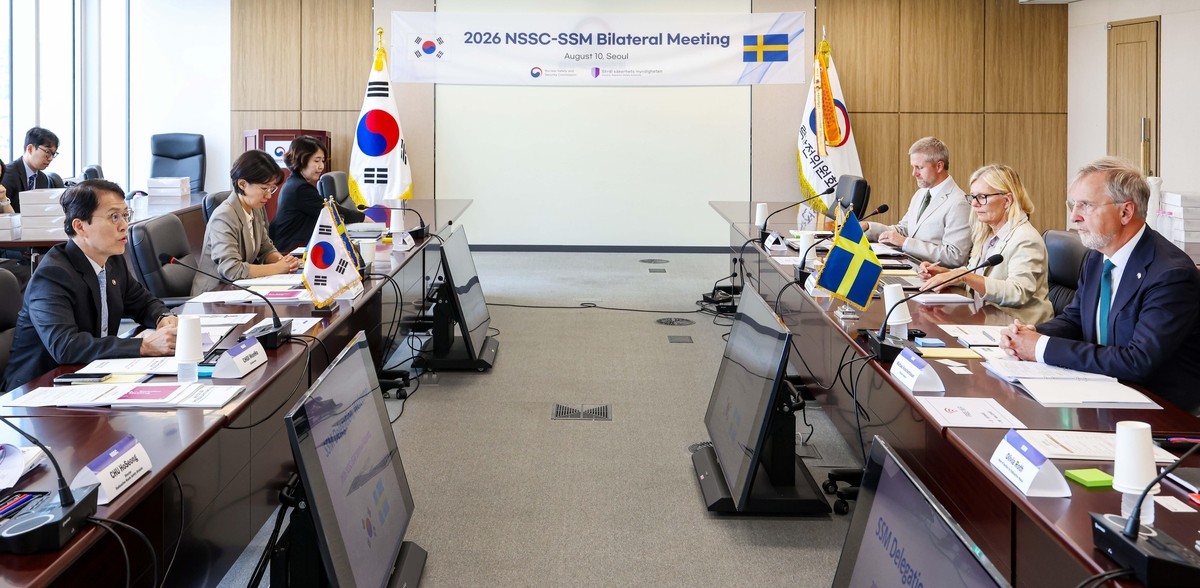
South Korea and Sweden Discuss Cooperation on High-Level Waste Disposal and SMR Regulation
The Nuclear Safety and Security Commission (NSSC) of South Korea announced on August 10 that it held a bilateral meeting with the Swedish Radiation Safety Authority (SSM) in Seoul, during which the two sides exchanged views on topics including high-level radioactive waste management, nuclear safety regulation, and the development of small modular reactors (SMRs). Sweden has accumulated strong technical expertise in the field of radioactive waste management and has developed a relatively mature technical system for high-level radioactive waste disposal. Currently, Sweden has 6 operating nuclear power units and 7 permanently shut down units, 6 of which are in the decommissioning phase. Following Finland, Sweden is constructing the world's second deep geological disposal facility for high-level radioactive waste. The NSSC of South Korea...
2026-08-10
South Korea Advances K-Moonshot Initiative, Nuclear Fusion and SMR Spacecraft Listed as Key Missions
The South Korean government is accelerating the K-Moonshot initiative, seeking to tackle critical technologies that are difficult to break through via traditional research pathways through a national-level R&D organizational approach. Among these, nuclear fusion and small modular reactor (SMR) spacecraft have been included in 12 key missions, alongside new drug development, quantum technology, and artificial intelligence, all under the government's coordinated promotion. On August 10, Vice Minister Goo Hyuk-chae of the Ministry of Science and ICT (MSIT) met with the heads of the 12 mission projects and representatives of related institutions at the K-Moonshot Project Support Office in Sejong City to discuss next-stage implementation arrangements. The meeting focused on detailing...
2026-08-10
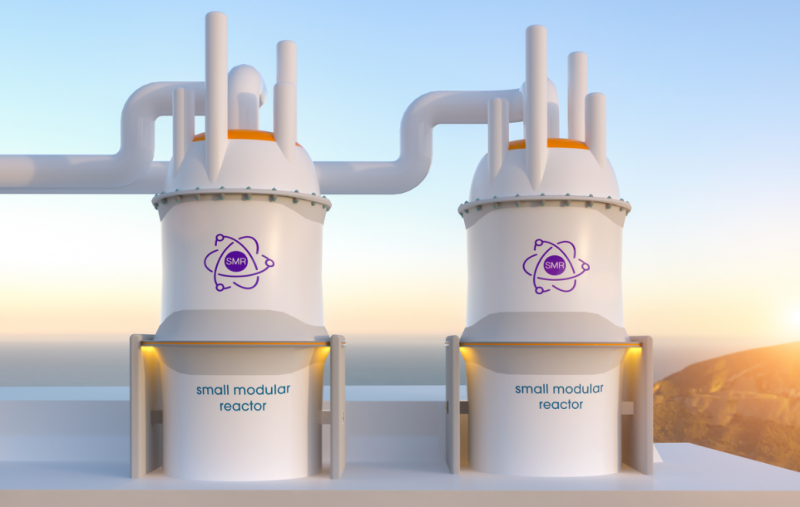
Small Modular Reactors Expected to Contribute One-Quarter of Global New Nuclear Capacity by 2050
According to data compiled by the World Nuclear Association (WNA), global nuclear power installed capacity is expected to reach 1,446 GWe by 2050. This projection is based on the continued operation of existing reactors and the implementation of announced nuclear power development targets by governments. Currently, global installed nuclear capacity stands at approximately 403 GWe. To achieve the above scale, an additional approximately 1,043 GWe of nuclear capacity will need to be added. Among this, Small Modular Reactors (SMRs) are expected to contribute about 260 GWe, accounting for roughly one-quarter of global new nuclear capacity. Factors driving nuclear power expansion are increasing. The rapid adoption of artificial intelligence applications has driven up electricity demand from data centers, and the accelerating electrification of transportation and industrial sectors has further elevated the importance of stable, low-carbon electricity supply. Meanwhile, energy security and net-zero emission targets are prompting more countries to reassess the role of nuclear energy in their energy mix.
2026-08-10
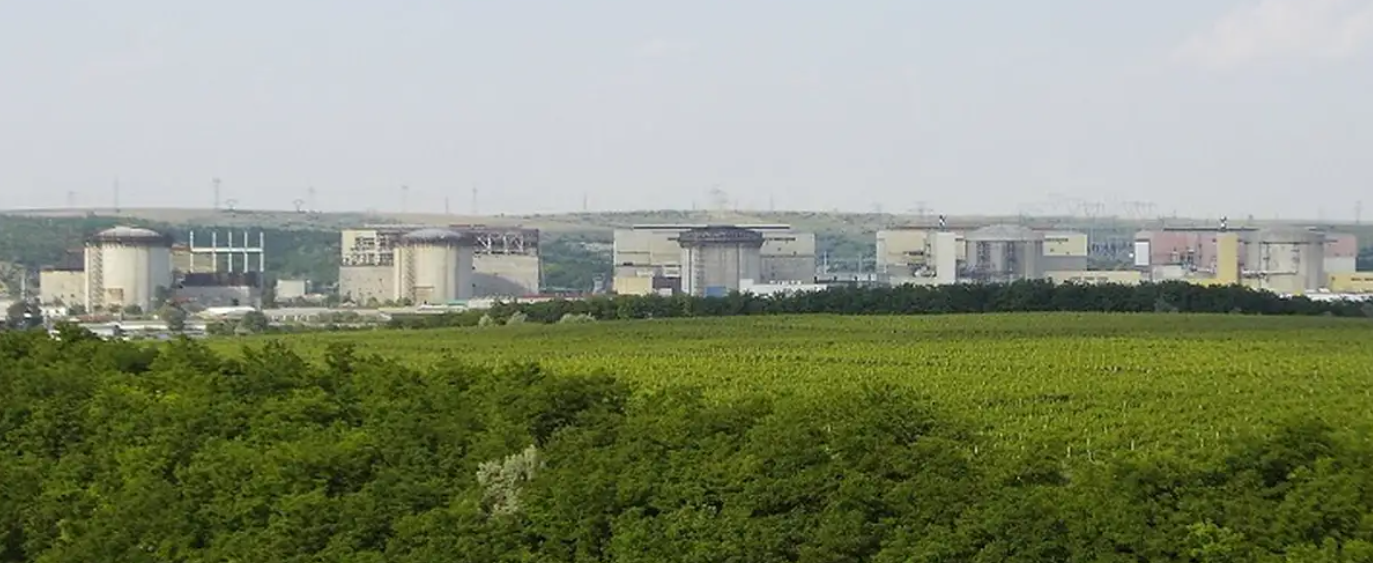
Unit 2 of Romania's Cernavoda Nuclear Power Plant to Operate for at Least 9 More Days
Unit 2 of Romania's Cernavoda Nuclear Power Plant is expected to continue operating for at least 9 more days. Romania's Acting Minister of Defense and Transport, Radu Miruță, stated that after blasting operations and the removal of underwater obstacles in the Danube River, the water level in the Cernavoda area rose by 4 centimeters over the past 24 hours. The previous day, the water level in the area had dropped by 3 centimeters. Recently, due to persistent drought, the Danube River's water level has fallen to historic lows, putting pressure on the plant's water intake and reactor cooling. To increase water supply in the river section near the Cernavoda Nuclear Power Plant, Romania last week implemented unconventional engineering measures, including blasting a rock formation in the Danube and sinking barges loaded with cargo to alter...
2026-08-10
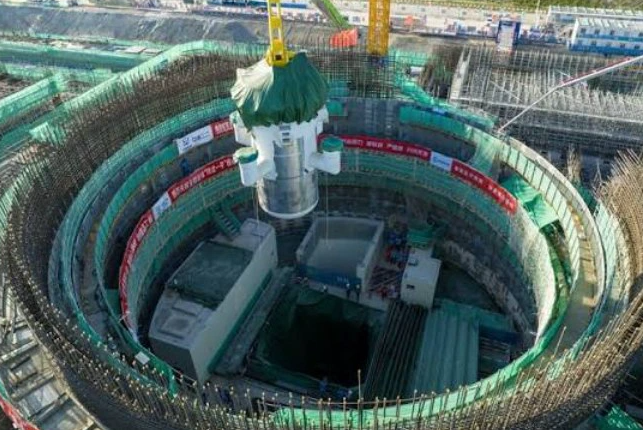
Russia Offers Brazil Nuclear Technology Cooperation and Small Modular Reactor Projects, Including Floating Nuclear Power Plants and Arctic/Antarctic Scientific Research
During his visit to Brazil, Nikolai Patrushev, aide to the Russian President and head of Russia's Maritime Board, proposed cooperation initiatives involving nuclear energy, scientific research, and maritime security to the Lula administration. This agenda indicates that Brazil continues to pursue a relatively autonomous diplomatic approach in its relations with major powers, while seeking to expand external cooperation space in areas such as energy transition, defense technology, and protection of maritime rights. In the nuclear energy sector, the Russian side focused on promoting small nuclear reactors and low-power nuclear technologies, including the Elena-M small nuclear power plant and floating offshore power generation units. The Russian side described these technologies as capable of long-term operation, relatively cost-effective...
2026-08-08
Research Reactors Support Kazakhstan's Safe Nuclear Energy Development
Against the backdrop of growing demand for low-carbon electricity, nuclear energy is being regarded by many countries as a key energy option. Kazakhstan is also advancing its own nuclear energy development. Equally critical to the construction of nuclear power plants is the long-term research, testing, and validation of nuclear fuel, structural materials, reactor operating conditions, and safety systems. Research reactors and experimental facilities are precisely the core platforms undertaking such work. Unlike power reactors, which primarily target electricity generation, research reactors are closer to specialized nuclear science laboratories. Researchers can study the behavior of nuclear fuel and structural materials, simulate different reactor operating states, including off-normal conditions, test new technologies, and validate engineering solutions subsequently used in nuclear...
2026-08-09