
Search Results
Keyword:Russian nuclear power
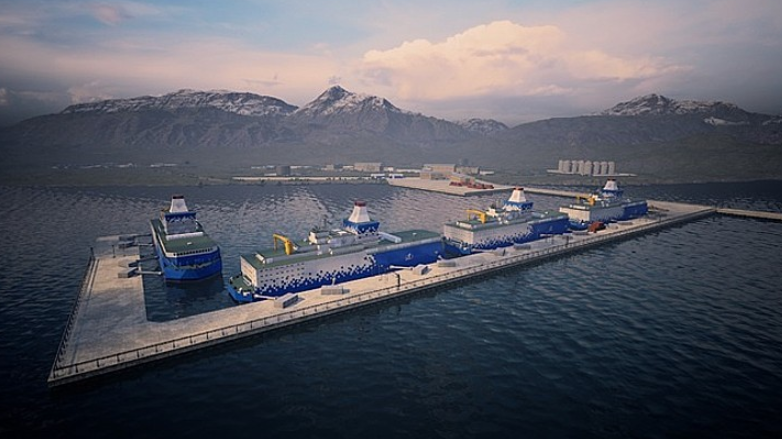
Rosatom Plans Four More Floating Nuclear Power Plants to Strengthen Energy Layout in the Arctic and Far East
Rosatom plans to build four additional floating nuclear power plants. This move indicates that Russia continues to regard small-scale nuclear energy and offshore floating nuclear power platforms as key solutions for energy supply in remote areas, particularly for the Arctic, the Far East, and resource development zones that are difficult to cover with traditional power grids. The core advantage of floating nuclear power plants lies in their deployment flexibility, providing relatively stable electricity and heat to coastal towns, port facilities, mining projects, and industrial bases. Compared with reliance on diesel, coal, or long-distance power transmission, floating nuclear power plants can reduce fuel transportation pressure and enhance energy security for large projects in remote areas. For...
2026-08-14
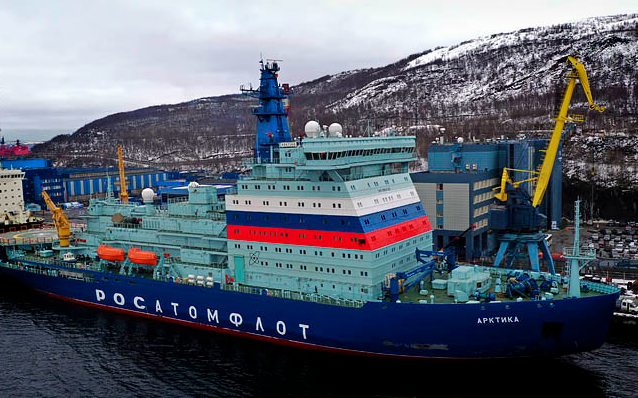
Russia Plans to Build Small Nuclear Power Plant in Kyrgyzstan, Land-Based Icebreaker Reactor in Focus
Rosatom's plan to promote the construction of a small nuclear power plant in Kyrgyzstan is centered around discussions on the RITM-200N reactor design. With a power output of approximately 55 MW, this reactor is the land-based version of the RITM-200 reactor used in Russia's new generation of nuclear-powered icebreakers. Several Russian nuclear-powered icebreakers currently operate on the same technological platform, which serves as the primary basis for Russia to demonstrate its maturity and reliability. The project first entered public discussion in January 2022. At that time, Kyrgyzstan's energy authorities stated that if a nuclear power plant were to be built, its installed capacity should be no less than 300 MW, reflecting the country's practical concerns over power shortages and energy security...
2026-08-14
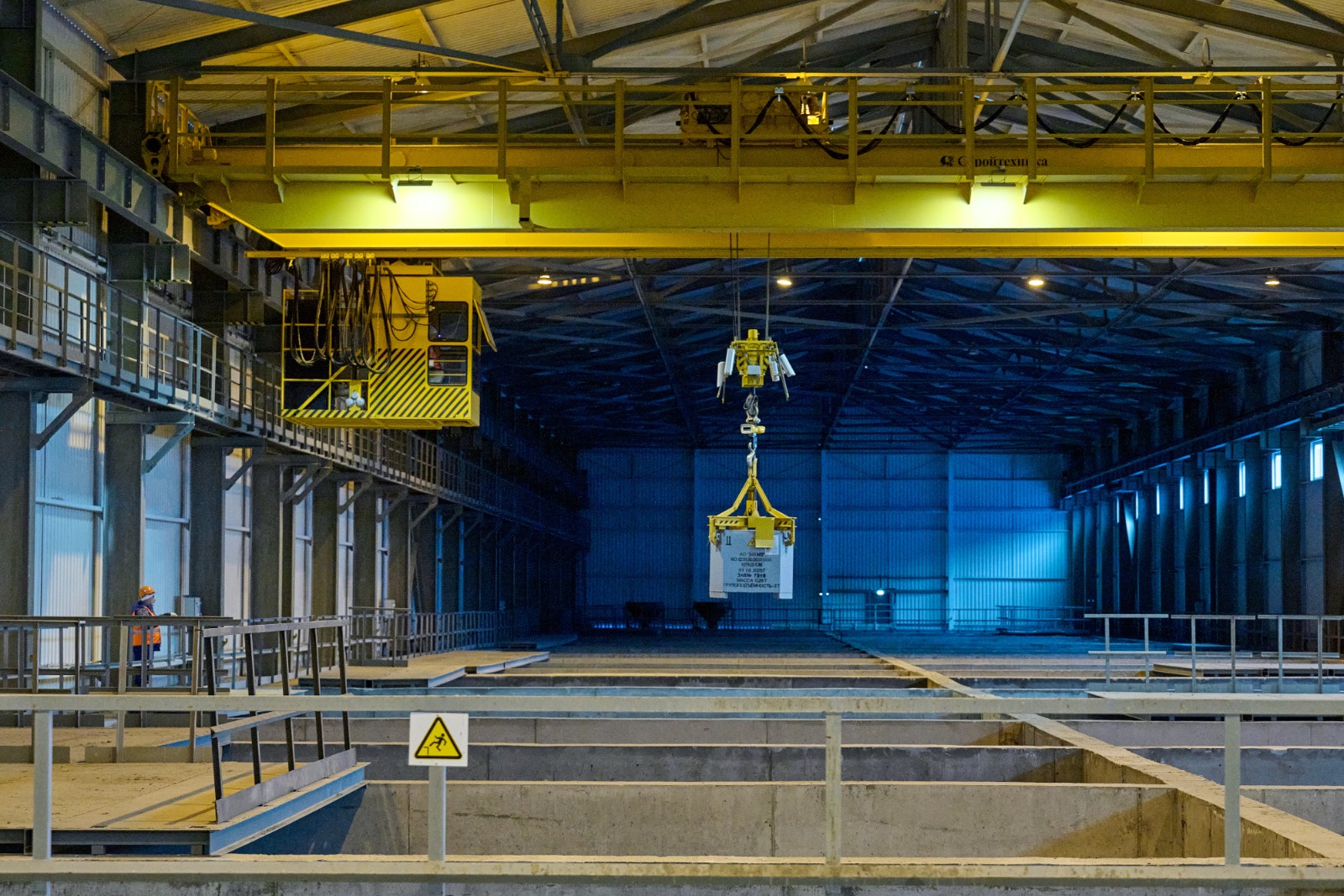
Rosatom and Lomonosov Moscow State University to Co-Host Seminar on Radioactive Waste Safety Barriers
From October 19 to 22, 2026, Lomonosov Moscow State University will host a scientific and technical seminar on the creation and monitoring of safety barriers at its sports complex. The event is jointly organized by Lomonosov Moscow State University, the Russian National Operator for Radioactive Waste Management (FSUE NO RAO), a subsidiary of Rosatom, and the Pilot Demonstration Center for Decommissioning of Uranium-Graphite Nuclear Reactors (JSC PDC UGR). The seminar focuses on the development of technologies for the creation, reconstruction, and control of engineered safety barriers. Topics include the evolution of design concepts for engineered safety barriers, selection and justification of barriers for special radioactive waste disposal and storage facilities, patterns of clay barrier material transformation and their role in safety justification for long-term radioactive waste disposal, incoming inspection of clay barrier materials during nuclear facility decommissioning, and surveys of completed barriers using various geophysical methods. Experts will also exchange views on new technologies and materials required for safety barrier construction.
2026-08-14
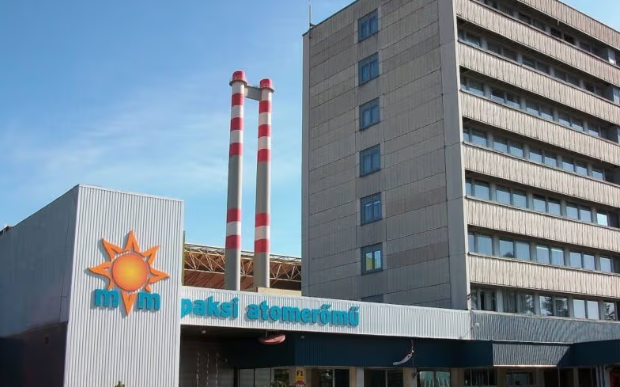
Rosatom Says Paks Nuclear Power Plant Expansion Project Progressing as Planned
Alexey Likhachev, Director General of Rosatom, stated that the construction of the Paks nuclear power plant expansion project in Hungary, with Russian participation, is progressing well, and Rosatom is carrying out related work in accordance with the plan agreed upon with the Hungarian owner. Likhachev noted that Russia is fully organizing equipment production for the two new units at the Paks nuclear power plant. Currently, enterprises under Rosatom have initiated manufacturing work related to the reactors for both units. Among these, the forging blanks for the reactor of Unit 5 at the Paks nuclear power plant have been completed, and the shell assembly stage will begin shortly. He also stated that the casting of the reactor blank for Unit 6 at the Paks nuclear power plant is progressing as planned.
2026-08-14
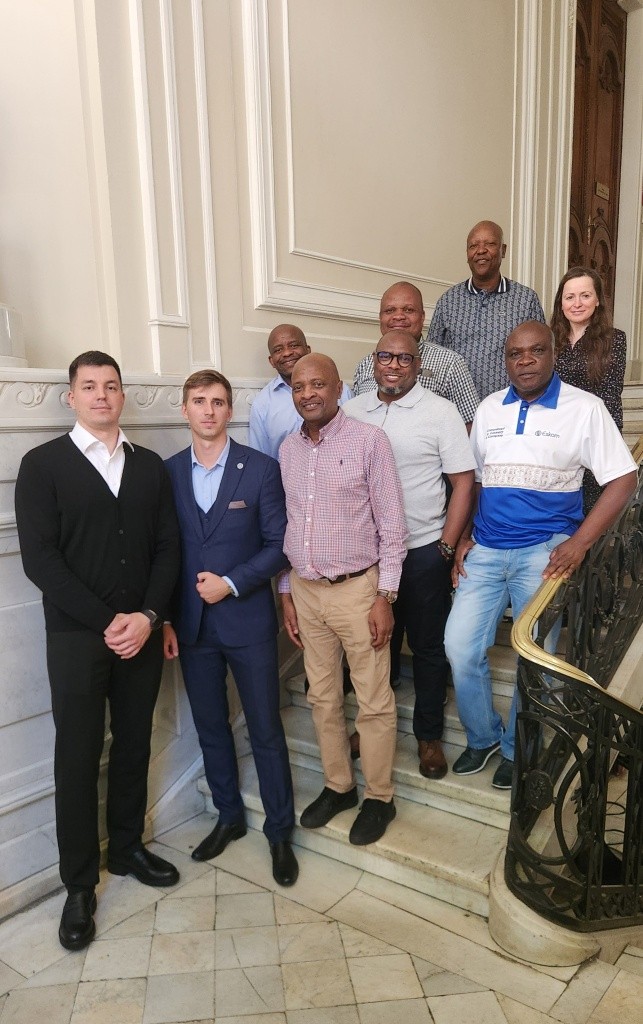
Russian and South African energy company representatives exchange nuclear emergency response cooperation
On August 11, the St. Petersburg Chamber of Commerce and Industry held an off-site information briefing. The event was organized by ATC JSC, a subsidiary of Rosatom, and attended by senior management representatives from Eskom Holdings SOC Ltd (ESKOM) of South Africa. The meeting aimed to establish professional contacts and exchange experience on topics including nuclear energy utilization, nuclear and radiation safety, and emergency response operations. During the event, a representative delivered a report titled "Current Status and Capabilities of the Rosatom Nuclear Emergency Response System in Conducting Emergency Response Operations at Fire Stations," presenting the operational framework and technical capabilities of the Rosatom nuclear emergency response system. Radiation monitoring equipment used by the emergency response system was also demonstrated during the event.
2026-08-13
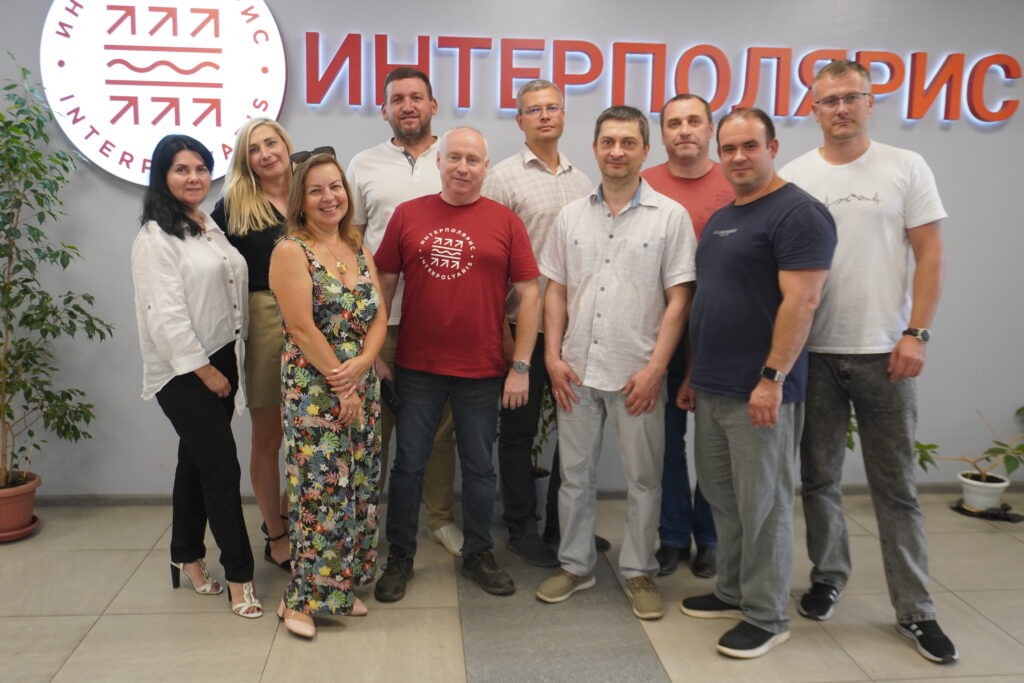
Heat Exchangers and Mechanical Filters for Russian Nuclear-Powered Icebreakers Complete Testing
On August 11, 2026, the manufacturing project for equipment supporting Russian nuclear-powered icebreakers achieved a milestone. InterPolaris has completed testing of multiple key equipment items, including two shell-and-tube heat exchangers and two mechanical filters. The shell-and-tube heat exchangers that completed testing this time are primarily used to heat water containing purification solutions using heating steam. Compared with conventional heat exchange equipment, the operating environment of marine nuclear power platforms is more complex, imposing higher requirements on structural strength, sealing performance, and operational stability. The horizontal heat exchanger is designed to accommodate prolonged vessel inclination conditions, with mounting brackets capable of withstanding loads from different directions and maintaining stable equipment parameters under complex operating conditions.
2026-08-13
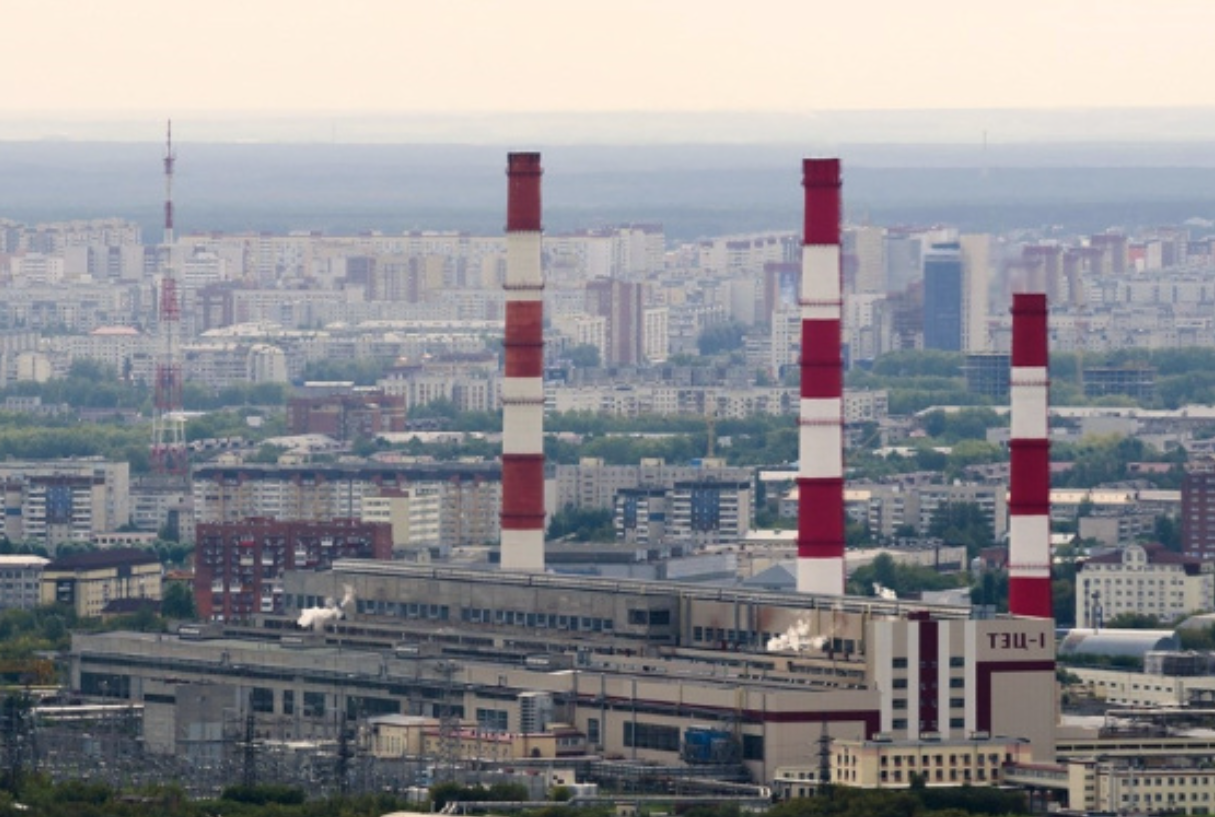
Russia's National Anti-Terrorism Committee Demands Enhanced Security for Energy and Nuclear Facilities
On August 12, Russia's National Anti-Terrorism Committee (NAK) held a meeting chaired by Alexander Bortnikov, Director of the Federal Security Service, to discuss security issues at transportation, fuel-energy complex, and nuclear energy industrial facilities. The Committee emphasized the need to strengthen comprehensive security safeguards and respond more effectively to sabotage and terrorist threats. The meeting proposed that protecting energy and nuclear industrial facilities should not remain at the institutional level alone, but rather should develop more targeted priority tasks based on evolving actual risks. Damage to fuel-energy systems and nuclear industrial facilities could affect the stability of energy supply and trigger broader security risks, which is why their level of protection is regarded as...
2026-08-13
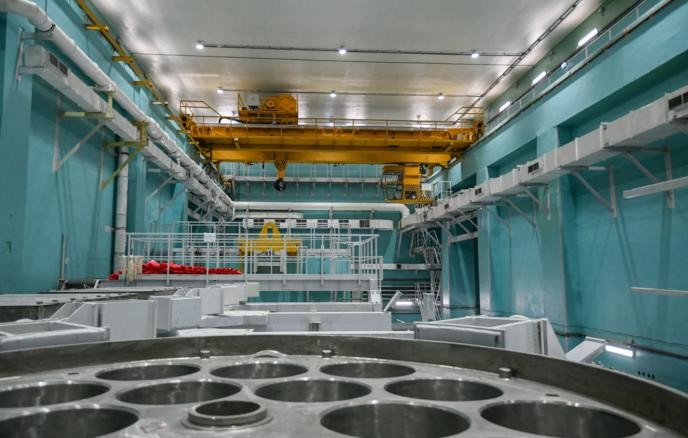
International Team Determines Critical Safety Parameter Ranges for Magnetic Liquid Cooling Systems
South Ural State University (SUSU) recently announced that researchers from its Polytechnic Institute, in collaboration with colleagues from Moscow and Baghdad, have determined the safe and unsafe ranges of the Hartmann number and Brinkman number in magnetic liquid cooling systems. Based on this, they developed a computer program to optimize the operation of high-power heat exchangers in devices such as supercomputers and nuclear reactors. According to the introduction, this research focuses on two key parameters in magnetohydrodynamics: the Hartmann number characterizes the resistance exerted by a magnetic field on fluid motion, while the Brinkman number reflects the internal heat generated by the fluid due to viscous effects and electrical resistance. The researchers noted that under specific conditions, a strong magnetic field does not necessarily...
2026-08-13
Rosatom Starts Preparations for Long-Lead Equipment Contracts at Primorskaya NPP
The engineering division of Rosatom recently announced that preparations for signing long-lead equipment manufacturing contracts for the Primorskaya Nuclear Power Plant have commenced, covering the reactor building, turbine hall, core catcher, and other major system components. According to the announcement, the scope of contract preparation includes key equipment such as main reactor building equipment, turbine hall equipment, the Automated Process Control System (APCS) for the units, and the core catcher. Long-lead equipment typically has extended manufacturing cycles and represents a critical element that must be secured early in the pre-construction phase of a nuclear power project. Currently, the project is also advancing multiple public tender preparation efforts, including site vertical layout planning,...
2026-08-13

Brazil's uranium imports from Russia hit highest since 1997 in July, reaching $84.5 million in a single month, a 168-fold surge month-on-month
Brazil's uranium imports from Russia in July this year reached $84.5 million, equivalent to approximately 430 million reais, the highest level since 1997. Compared with the import value of only $504,000 in June, the single-month increase was as high as 168-fold, indicating that this transaction was not a general monthly fluctuation but a concentrated procurement of exceptionally large scale. Looking at historical data, Brazil's uranium imports have typically remained at the level of hundreds of thousands of dollars per month, and even previous periodic peaks were far below the scale seen in July. Materials show that there was an import peak exceeding $1 million in August 2025, but it still pales in comparison with this $84.5 million figure. This means that the July data not only changes...
2026-08-12
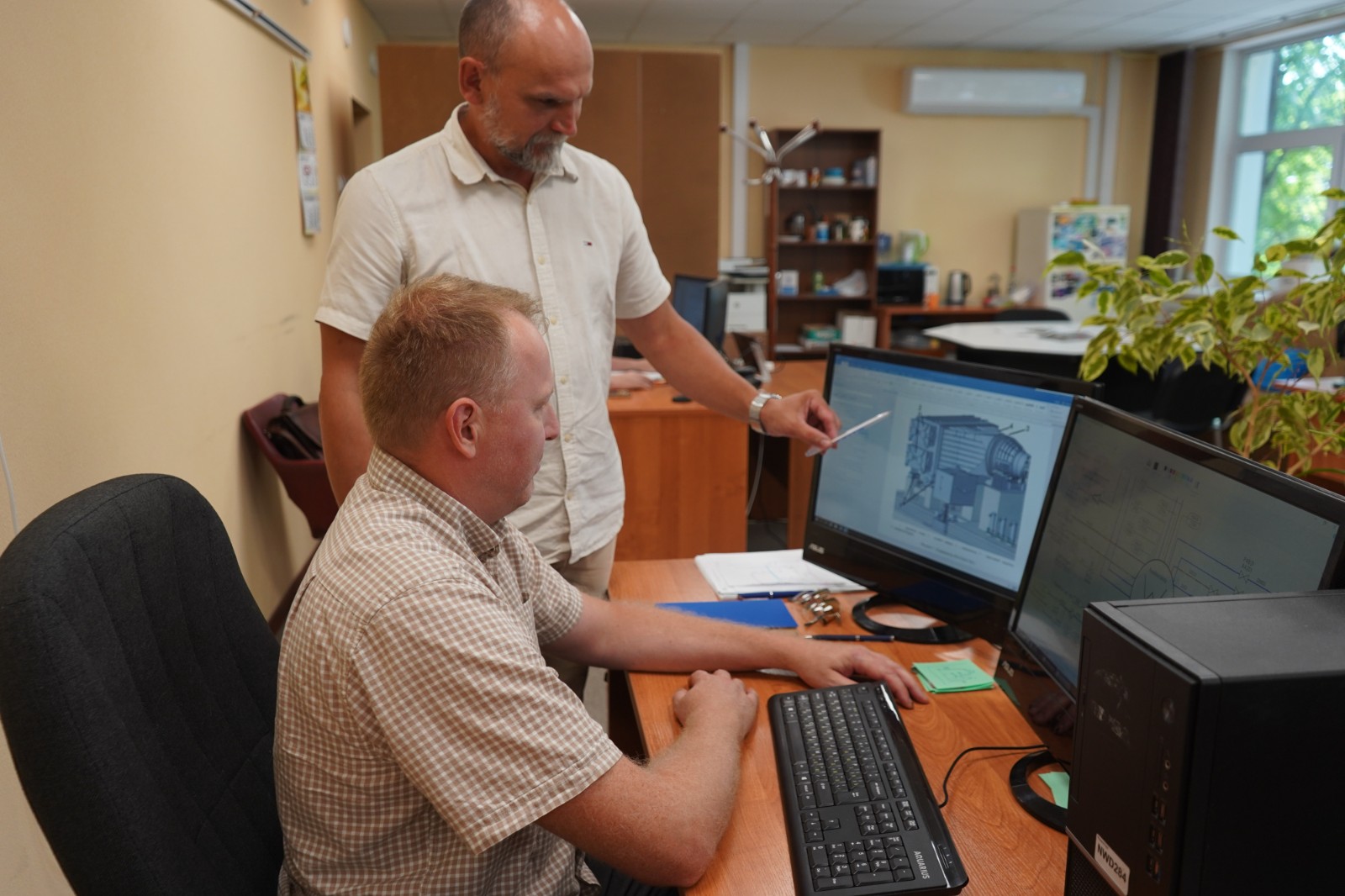
Rosatom Technical Academy Launches Development of Training Programs for Uzbekistan NPP Personnel
Rosatom Technical Academy has launched the development of training programs for personnel of the planned nuclear power plant in Uzbekistan. The foundation ceremony for this project was held in June this year, and training preparations will be aligned with the NPP construction schedule and subsequent operational requirements. Currently, Academy experts are developing teaching materials, refining training methodologies, and formulating course plans coordinated with the NPP construction phases for this new project. The training content will also be adapted to the characteristics of the small modular reactor technology adopted for the project to meet new technical requirements. At the Novovoronezh branch alone, about 50 experts are already involved in developing training programs for Uzbek personnel...
2026-08-12
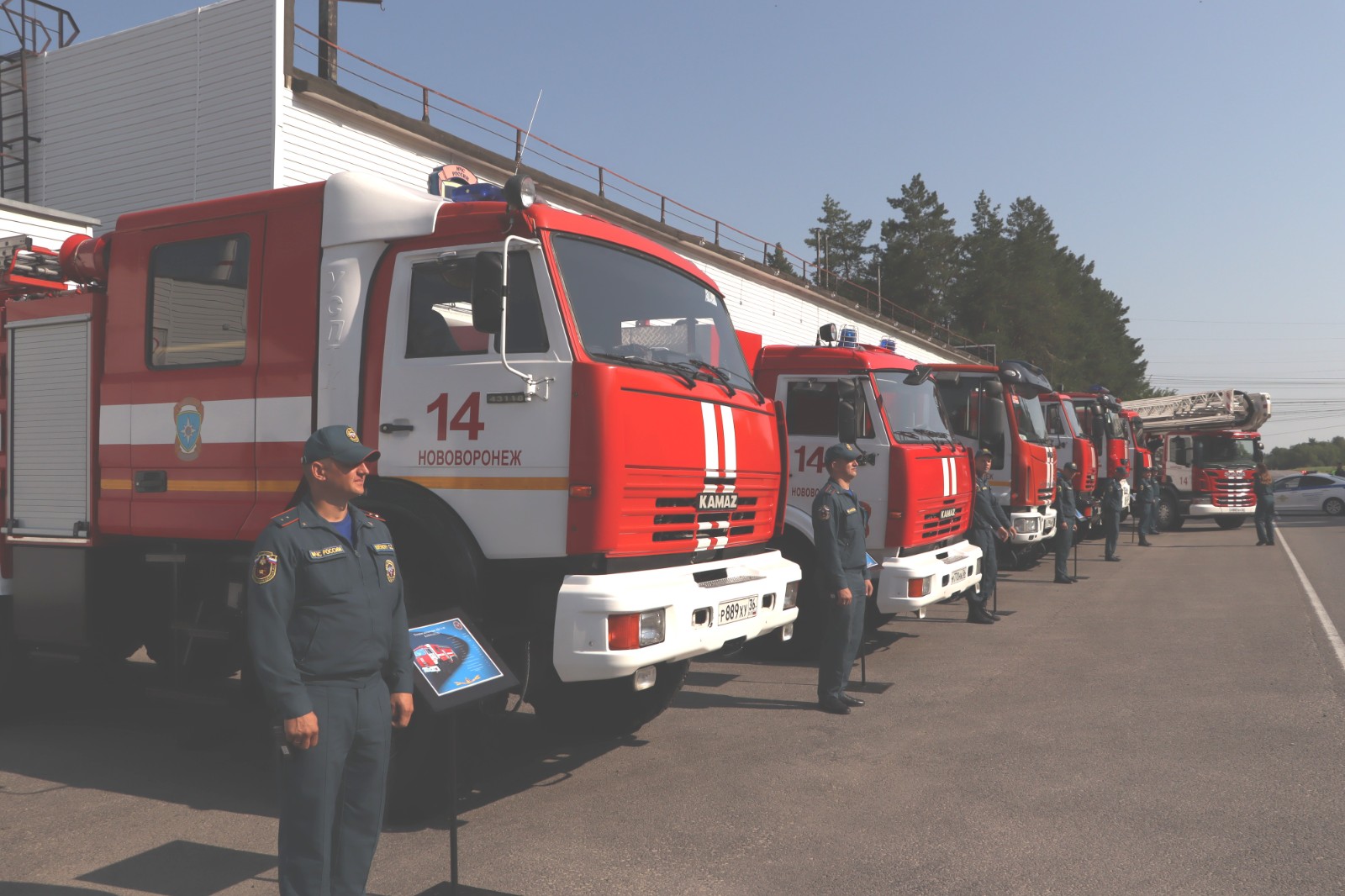
Novovoronezh NPP Transfers New Equipment to On-Site Fire and Rescue Unit
A ceremony was held in Novovoronezh, Russia, marking the 40th anniversary of the Federal Fire Service Special Directorate No. 72 of the Russian Emergency Situations Ministry (EMERCOM of Russia), which is responsible for fire protection at multiple Russian nuclear power plants. During the event, Novovoronezh NPP Director Vladimir Povarov (Владимир Поваров) presented certificates for a new minibus and a batch of firefighting technical equipment to Fire and Rescue Unit No. 14, which provides fire protection for the plant. The NPP stated that this equipment will further strengthen the unit's material and technical base. Novo...
2026-08-12
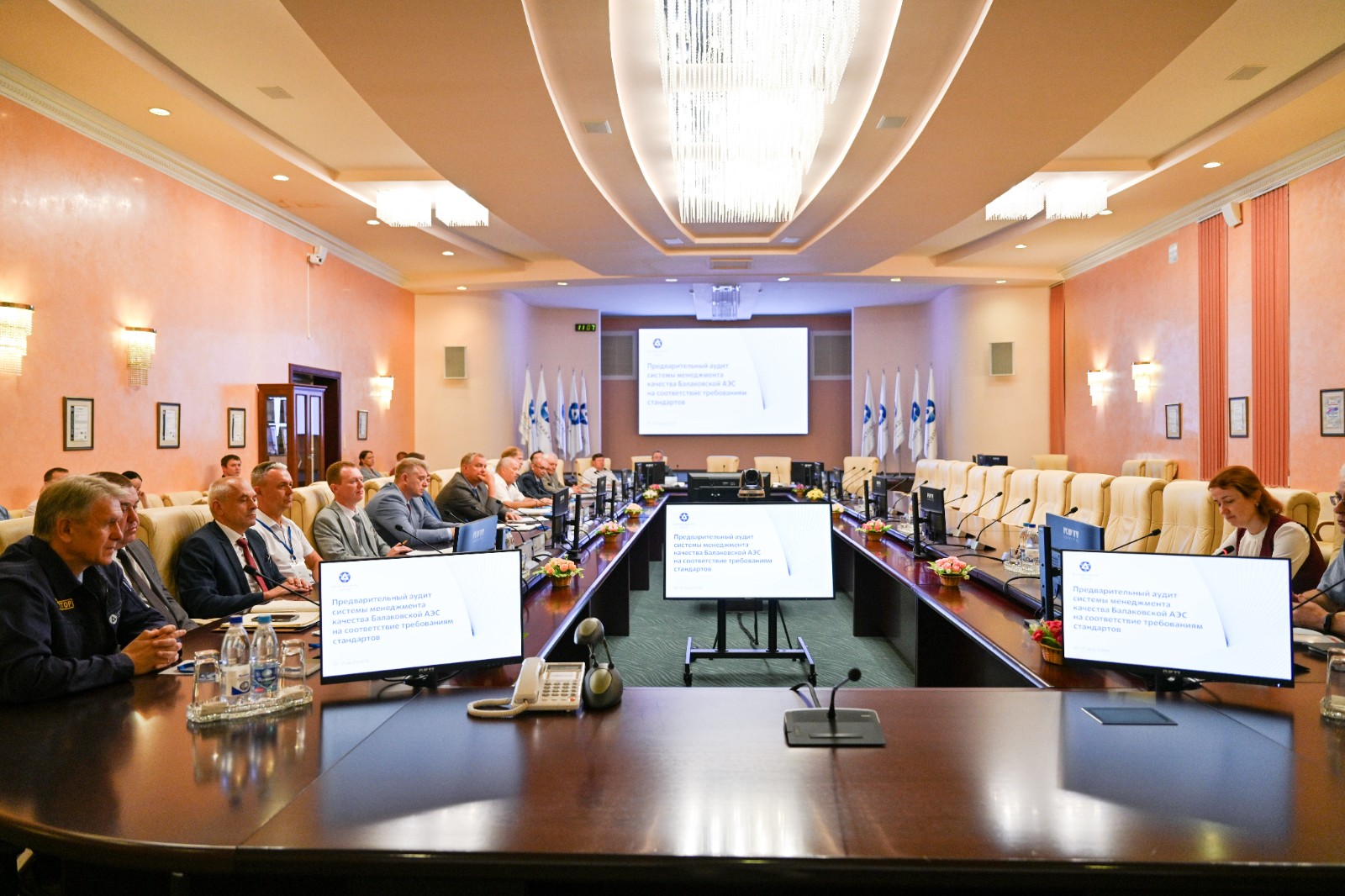
Balakovo NPP Completes Pre-Audit of Quality Management System
Balakovo Nuclear Power Plant in Russia recently completed a pre-audit of its quality management system, confirming its readiness to undergo the official certification audit within the year. The audit covered multiple international quality standards, including ISO 9001, ISO 9004, and ISO 19443. Balakovo NPP has previously conducted several audits in accordance with ISO 9001 with favorable results. This time, the plant will undergo audits against the ISO 9004 and ISO 19443 standards for the first time, making it one of the earlier nuclear power plants to be audited against these standards. The pre-audit is a key stage before the official certification audit, primarily aimed at assessing the plant's preparedness, checking the effectiveness of existing processes, documentation status, and staff understanding of the standard requirements...
2026-08-12
Scheduled Maintenance Launched for Units 3 and 4 of Kursk Nuclear Power Plant
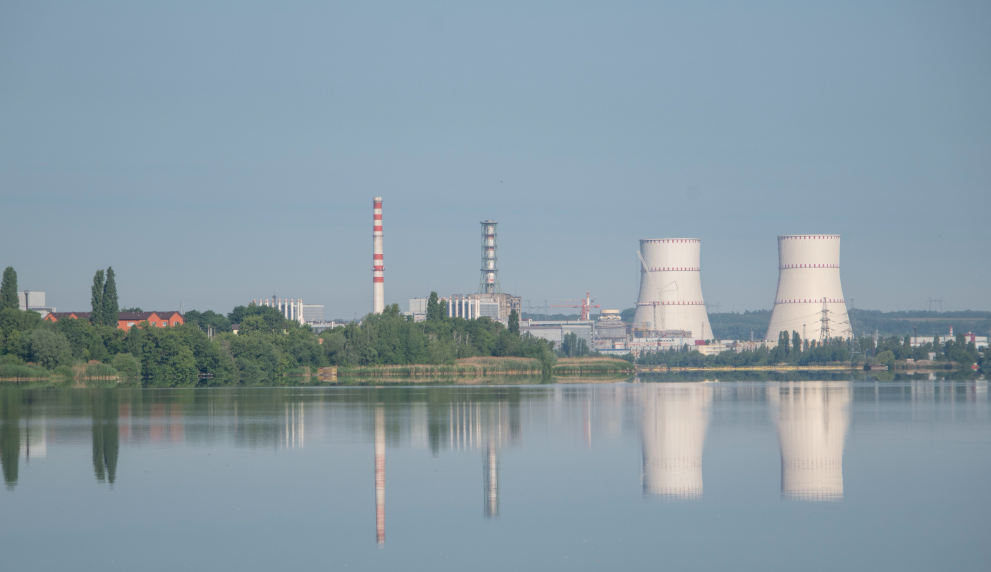
Starting August 11, 2026, Russia's Kursk Nuclear Power Plant launched scheduled routine maintenance on Units 3 and 4. On the same day, the plant also commenced annual maintenance and preventive upkeep of the heat network at the standby boiler house. The operations are scheduled to continue until August 22. Due to the maintenance schedule, hot water supply in the city of Kurchatov has been temporarily interrupted. The Kursk Nuclear Power Plant stated that this is the first time in nearly 50 years of plant operation that local hot water supply has been temporarily suspended due to related maintenance. Hot water supply to Kurchatov will be restored after the maintenance is completed. Alexey Leonov, Deputy Chief Engineer for Operations of the main building at Kursk NPP, said that the plant is currently undergoing significant changes, including the decommissioning of units that have reached their design service life and the commissioning of new units. These changes are transforming the ways thermal energy is produced and delivered to consumers, and also require modernization of the plant and related city infrastructure. He noted that this maintenance cycle is relatively short, and the schedule has been arranged to minimize impact on residents' daily lives. In recent years, the plant has taken measures to avoid scheduling maintenance on Units 3 and 4 during the winter season.
2026-08-12
Russian Scientists Propose Fast Calculation Method to Simulate Plasma Ion Parameters in Seconds
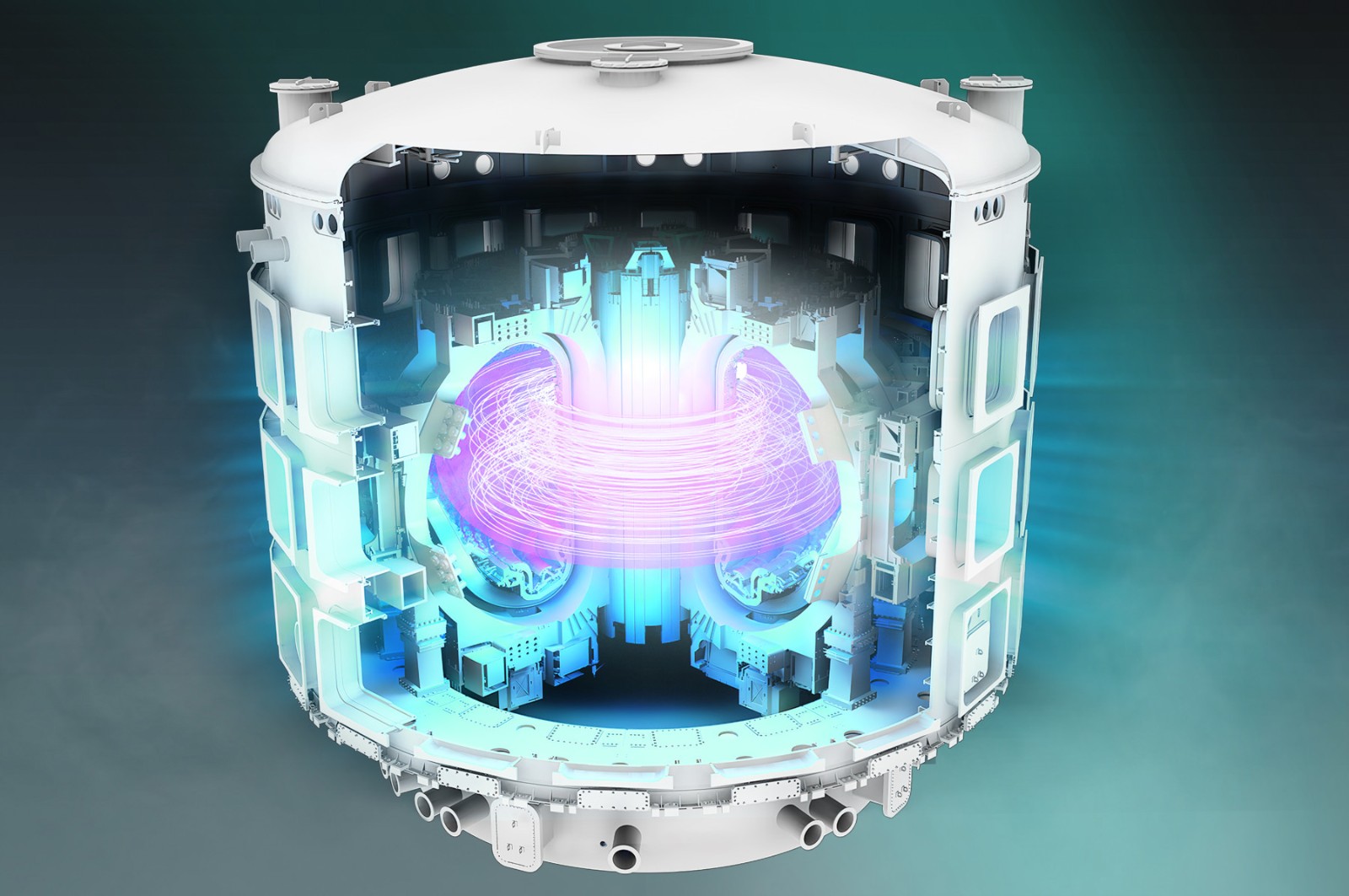
Researchers from the HSE University and the Moscow Institute of Physics and Technology (MIPT) have developed an analytical method for calculating the behavior of heavy ions in helium under strong electric fields, which can accelerate the computation of ion mobility and ion–molecule reaction rates by thousands of times. The findings have been published in Physica Scripta. Plasma, composed of charged particles such as electrons, negative ions, and positive ions, is typically quasi-neutral and highly conductive. It exists not only in fluorescent lamps and welding arcs but is also used in controlled nuclear fusion devices such as tokamaks. Atmospheric plasma jets can also be applied to wound disinfection, work surface cleaning...
2026-08-11