
Search Results
Keyword:Russian nuclear power
Russia's Atommash Commissions Ultrasonic Weld Inspection Robot to Boost NPP Equipment Testing Efficiency
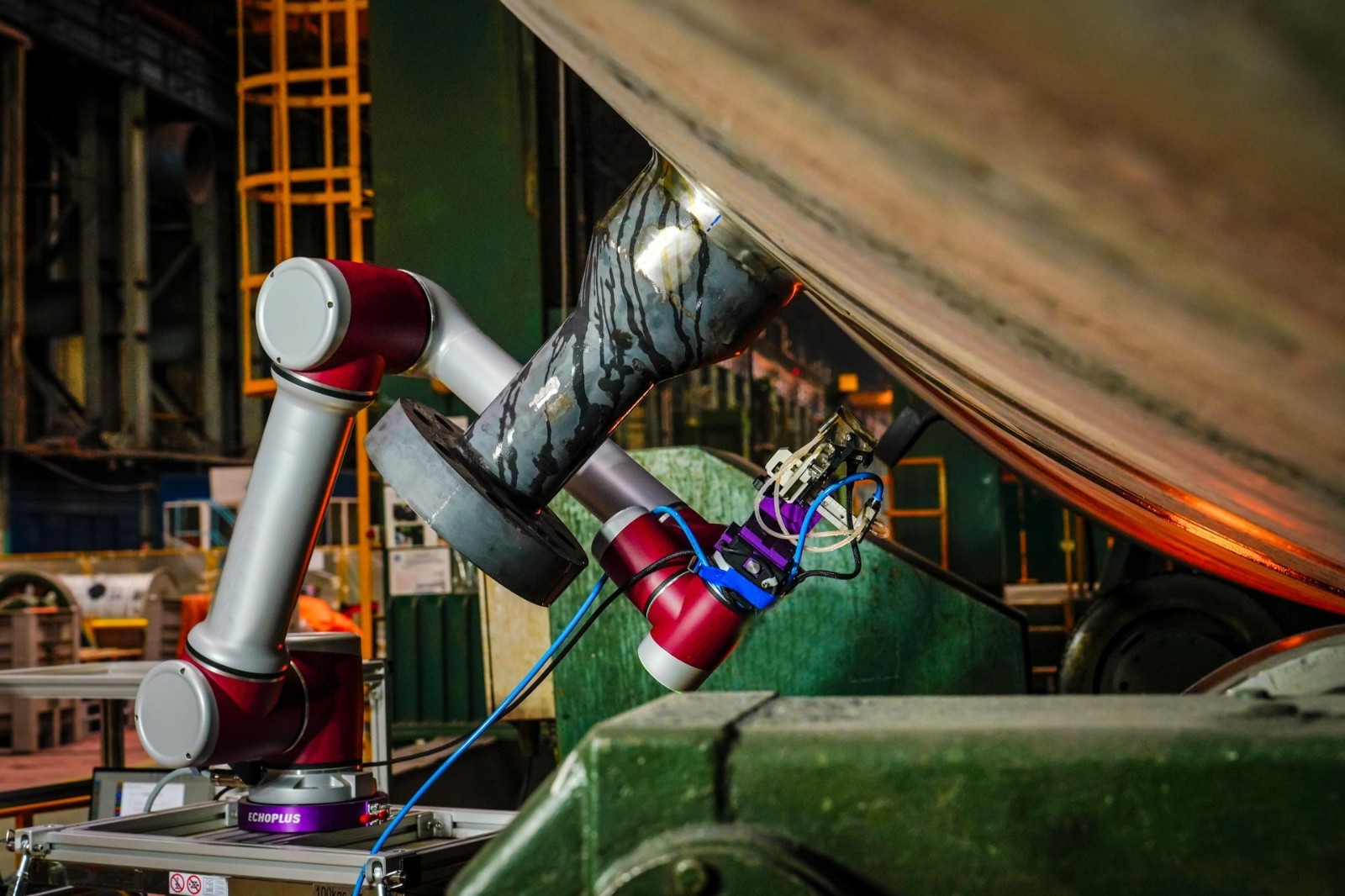
Atommash, a plant under the mechanical engineering division of Russia's State Atomic Energy Corporation (Rosatom), has recently commissioned a new ultrasonic inspection robot for welded joints, used for weld quality checks on large nuclear power equipment such as nuclear reactors and steam generators. The plant is located in Rostov Oblast, Russia. The new equipment employs two scanning modes and can identify weld defect types and locate defect coordinates. Compared with traditional inspection methods involving manual probe movement, the robot can automatically perform scanning on components with complex geometries, increasing inspection speed by approximately 30% while reducing the need for manual work in hard-to-reach areas. At present, Atommash already operates...
2026-08-11
Long-term overhaul of heating networks launched in satellite town of Smolensk NPP
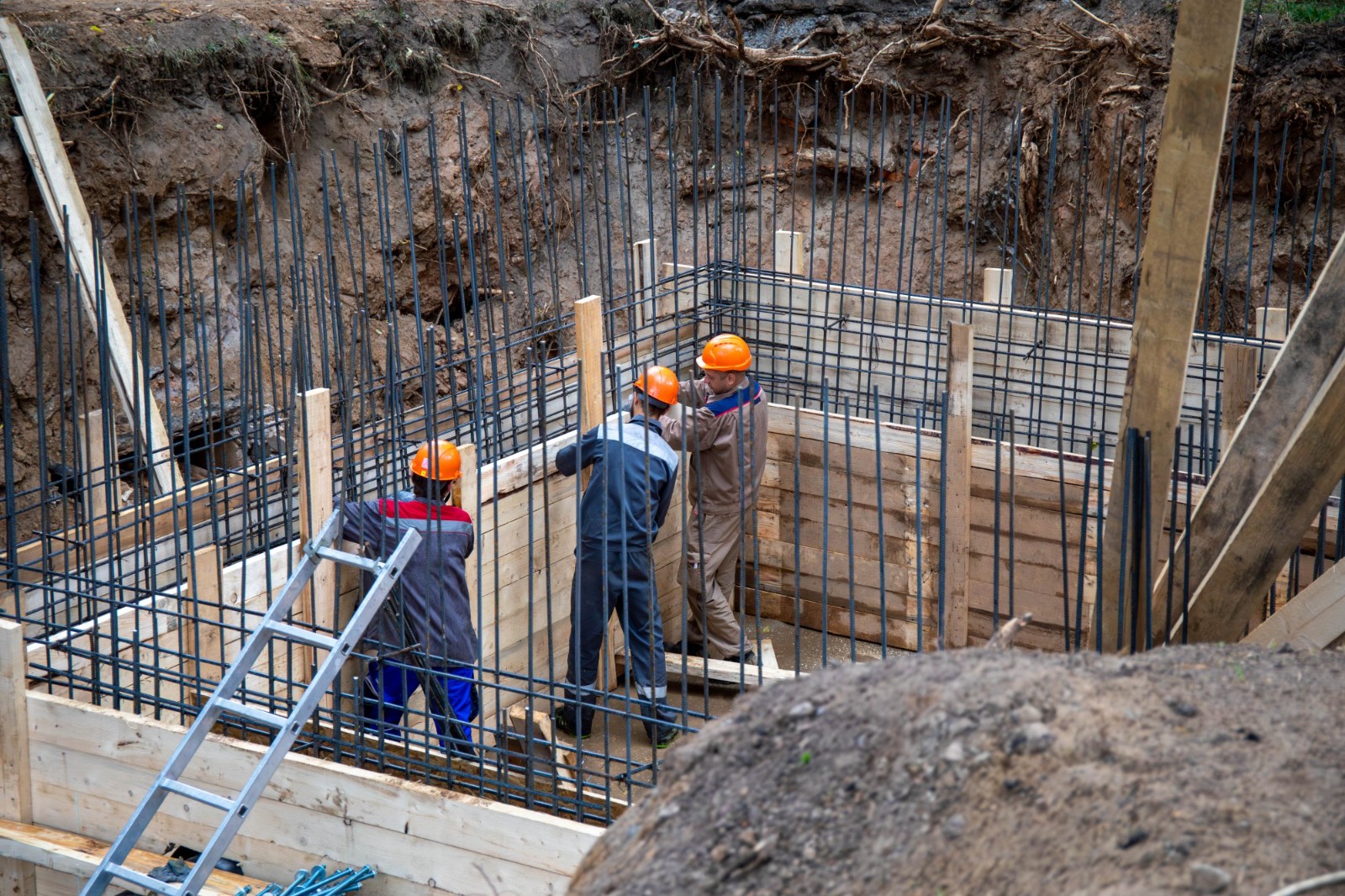
A large-scale modernization of the municipal heating system has been launched in Desnogorsk, the satellite town of Russia's Smolensk Nuclear Power Plant. The project is planned to last 15 years and is expected to replace more than 30 kilometers of main heating pipelines, accounting for about one-third of the city's heating network infrastructure. The work is being carried out by AtomTeploElektroSet, a company affiliated with Rosenergoatom, which operates public utility services including heating, water supply, and drainage in cities hosting nuclear power plants. Currently, renovation work has begun in the first and third residential districts of Desnogorsk. The project's progress is linked to Desnogorsk being included in...
2026-08-11
Rostov NPP's Self-Developed Device Cuts Instrument Calibration Cycle from 60 Days to 5 Days
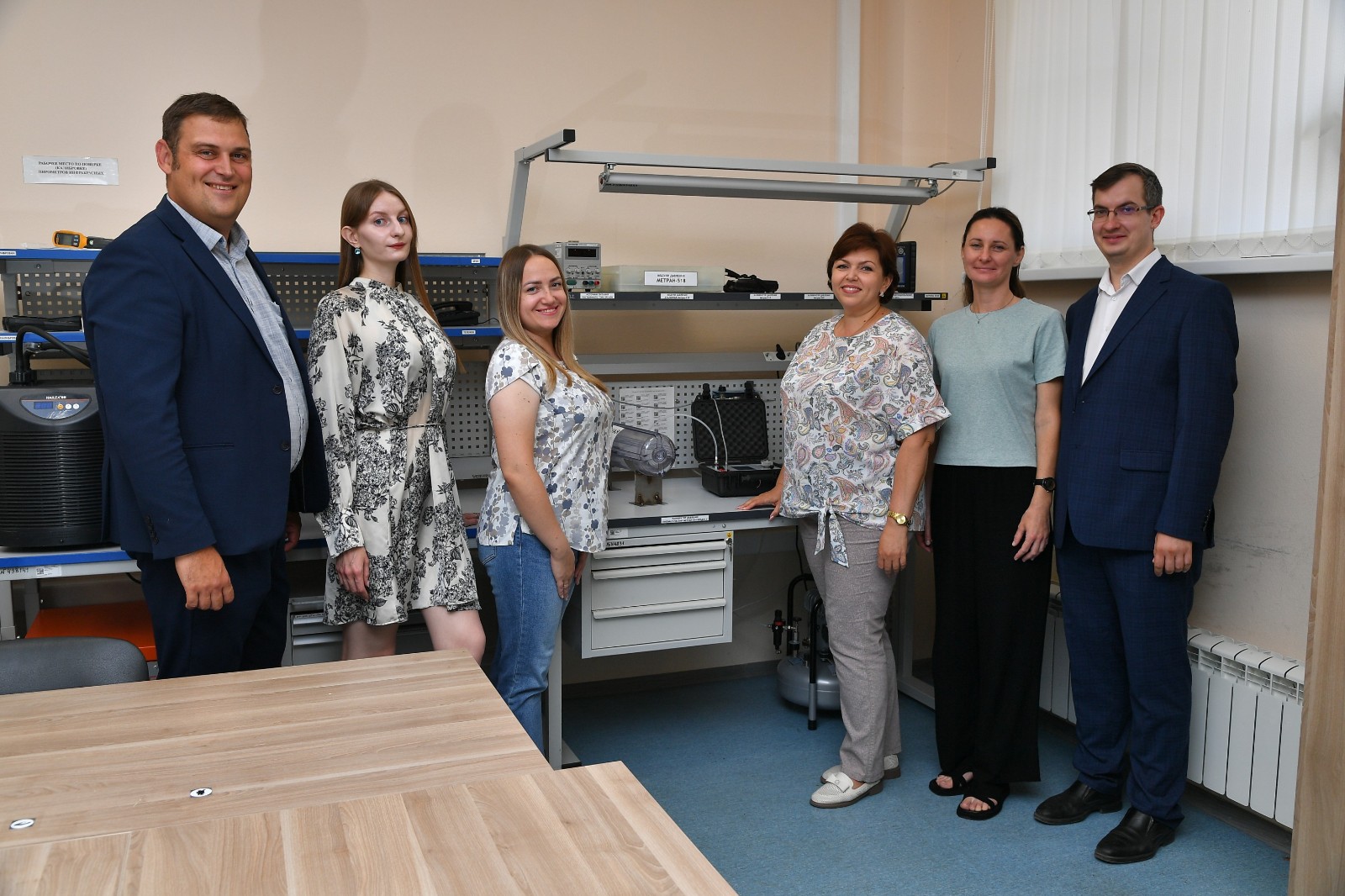
The metrology team at Russia's Rostov Nuclear Power Plant has recently developed and put into operation a device for calibrating high-precision measuring instruments, reducing the relevant instrument calibration cycle from approximately 60 working days to 5 working days—a twelvefold reduction in time. The project was completed by the plant's metrology personnel within the framework of the Rosatom Production System. Previously, some high-precision instruments at the plant requiring regular maintenance and calibration had to be sent to specialized laboratories, with the entire process involving document preparation, equipment transportation, cargo escort, and coordination with external personnel, typically taking about two months. With the new device in operation, calibration work can now be...
2026-08-11
Rosatom launches project to bring medical students to closed nuclear cities
Rosatom and the Russian Student Teams (RSO) will launch a new medical project in Russia's closed nuclear cities starting in 2027, attracting medical students to work there. Mikhail Kiselev, Chairman of the RSO Supervisory Board and State Duma deputy, announced this to reporters at an event at the Siberian Chemical Combine. Kiselev stated: Starting next year, we plan to launch a large-scale medical project in nuclear cities together with Rosatom, the Russian Student Teams, the Federal Medical-Biological Agency, the Russian Youth Affairs Agency, and the Russian Ministry of Health. This will help systematically attract medical students...
2026-08-11
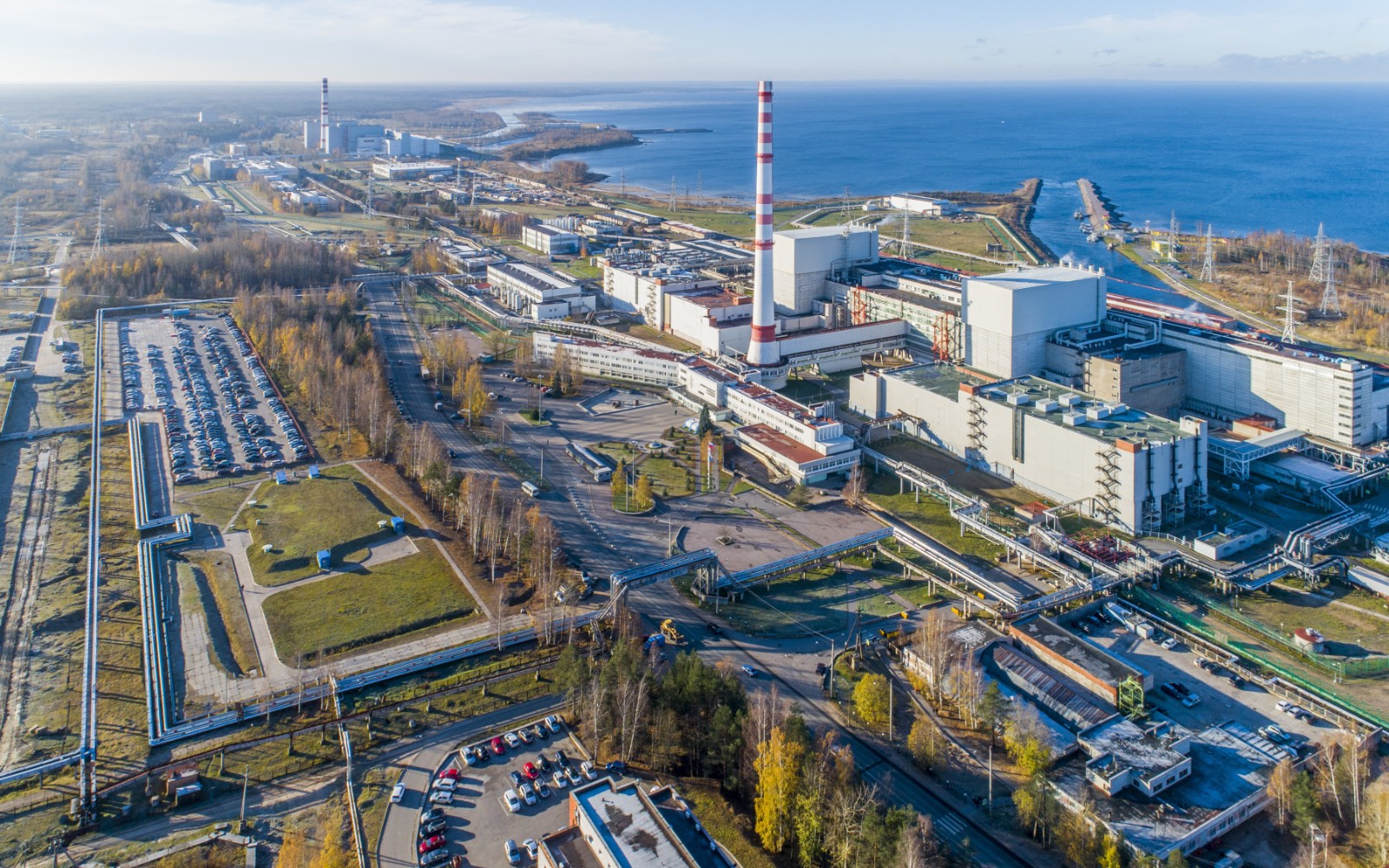
Unit 2 of Leningrad Nuclear Power Plant Phase II automatically shut down for equipment maintenance
At 21:45 local time on August 8, 2026, Unit 2 of Leningrad Nuclear Power Plant Phase II was shut down by the automatic system due to the need for thermal-mechanical equipment maintenance. After the maintenance work is completed, the unit will be reconnected to the grid. The shutdown was carried out in accordance with established procedures and design logic. The plant reported no violations of safe operation limits or operating conditions for any of the units. Currently, RBMK-1000 Units 3 and 4 of Leningrad Nuclear Power Plant, as well as Unit 1 of Phase II, are operating normally and carrying electrical loads in accordance with the dispatch schedule. RBMK-1000 Units 1 and 2 are in the preparation stage for decommissioning...
2026-08-10
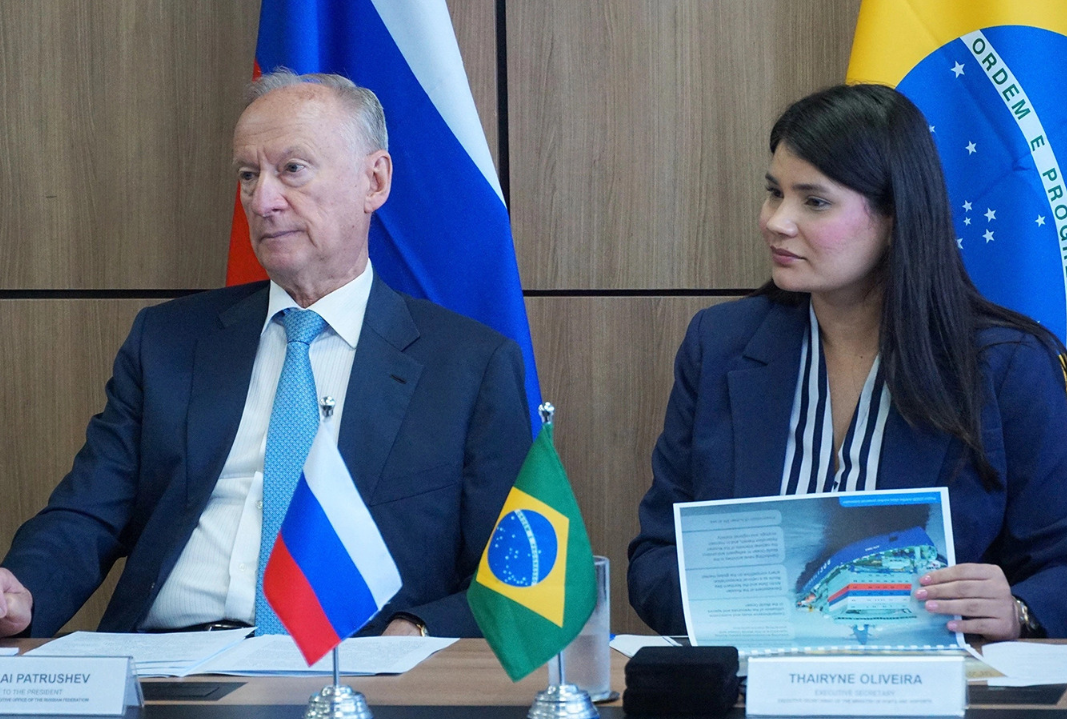
Russian Small Nuclear Technology May Help Power Remote Regions of Brazil
Nikolai Patrushev, aide to the Russian President and Chairman of the Maritime Board, stated during talks held in Brasilia on August 7 that Russia's accumulated experience in the field of low-power nuclear energy is expected to be valued by Brazil. He noted that given Brazil's ongoing development of its own ship-based nuclear reactors, relevant Russian technologies and engineering expertise could serve as a reference in this process. Patrushev mentioned that potential bilateral cooperation is not limited to ship-based reactors, but may also extend to areas such as small nuclear power plants and floating nuclear power units. Among these, the Elena-M small nuclear power plant and floating energy devices deployable in water areas or coastal regions are regarded as suitable for long-term,...
2026-08-10
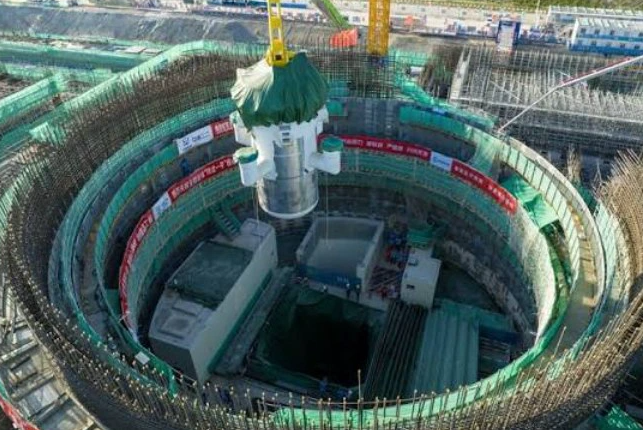
Russia Offers Brazil Nuclear Technology Cooperation and Small Modular Reactor Projects, Including Floating Nuclear Power Plants and Arctic/Antarctic Scientific Research
During his visit to Brazil, Nikolai Patrushev, aide to the Russian President and head of Russia's Maritime Board, proposed cooperation initiatives involving nuclear energy, scientific research, and maritime security to the Lula administration. This agenda indicates that Brazil continues to pursue a relatively autonomous diplomatic approach in its relations with major powers, while seeking to expand external cooperation space in areas such as energy transition, defense technology, and protection of maritime rights. In the nuclear energy sector, the Russian side focused on promoting small nuclear reactors and low-power nuclear technologies, including the Elena-M small nuclear power plant and floating offshore power generation units. The Russian side described these technologies as capable of long-term operation, relatively cost-effective...
2026-08-08
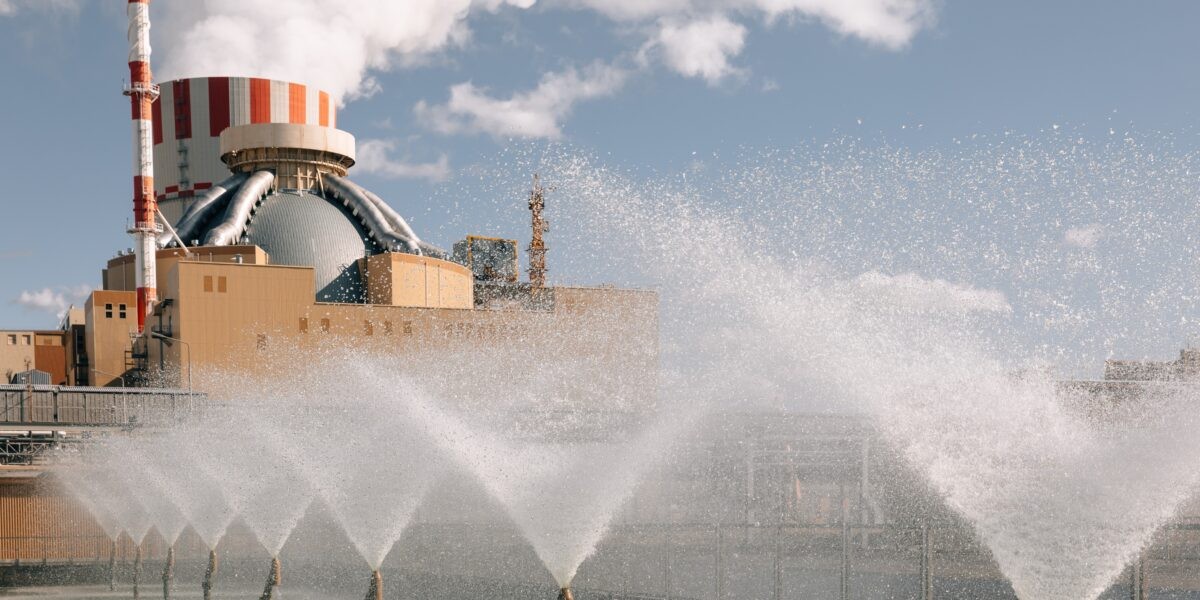
Rosatom Says Russian Nuclear Plants Operate Stably During Summer Heat
In response to recent operational pressures faced by foreign nuclear power plants due to high temperatures and low water levels, Alexey Likhachev, CEO of Rosatom, stated that Russian nuclear power plants are operating normally during the summer peak electricity demand period, with stable power generation. Likhachev said that hot weather does require nuclear plant operators to pay more attention to the condition of cooling systems, but for Russian nuclear plants, this is a normal seasonal factor. Russian nuclear power plants have incorporated significant climate fluctuations, including extreme weather scenarios, into their design and operational phases. He stated that Rosatom has experience in...
2026-08-09
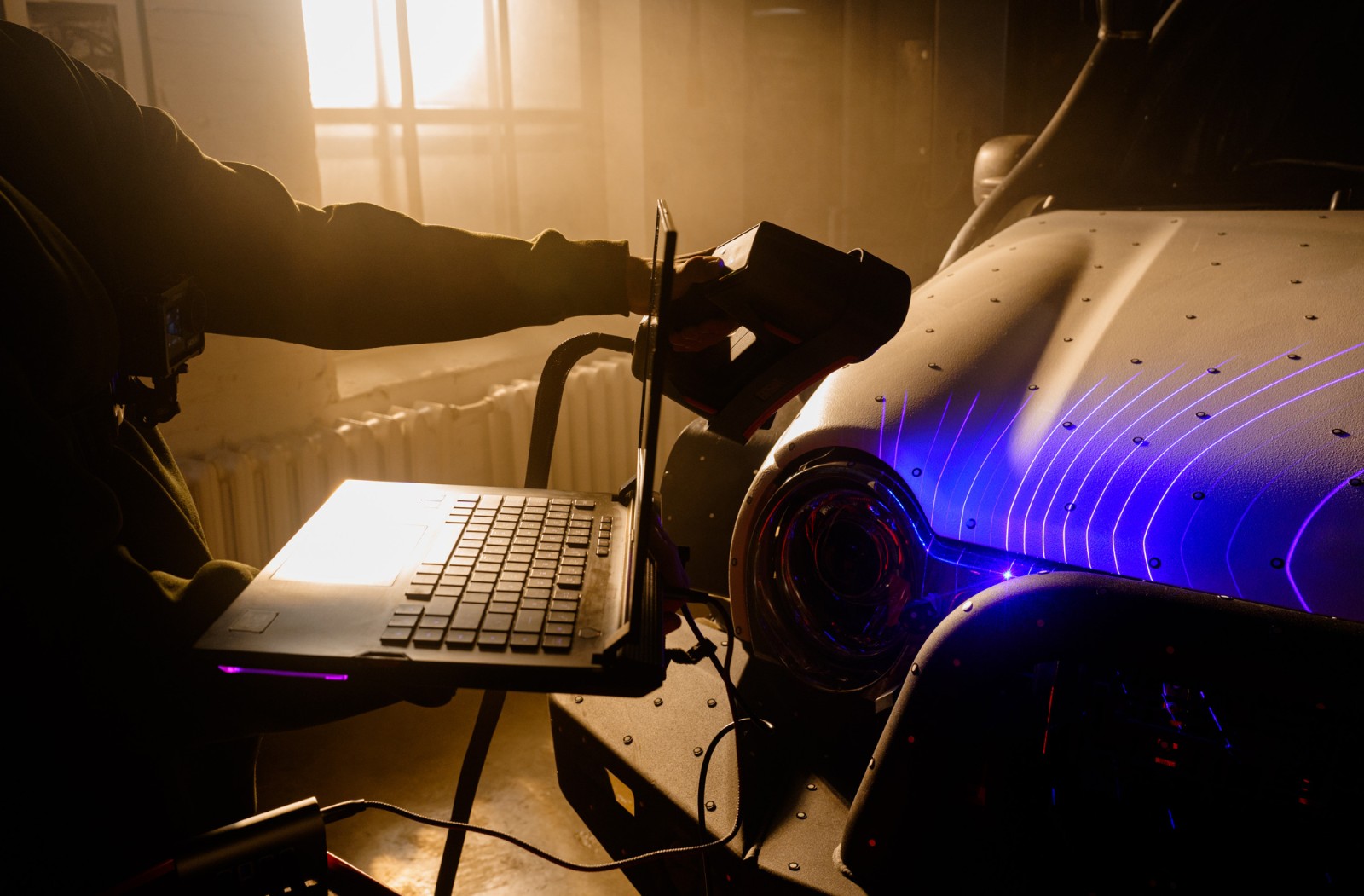
Russia's First Domestic 3D Scanner Helix Included in National Product Registry, Rosatom Completes Additive Manufacturing Technology Chain
The Russian Ministry of Industry and Trade has included the first domestically produced 3D scanner, the RangeVision Helix, in the Unified Register of Russian Electronic Products and the confirmed register of Russian-made industrial products. The registration was carried out in accordance with Russian Government Resolutions No. 878 and No. 719. Thus, the Helix has become the first and currently the only 3D scanner in Russia to be included in the aforementioned national registers. The RangeVision Helix was developed and manufactured by RangeVision, an additive manufacturing partner of Rosatom. Since 2025, the company has become the only Russian 3D scanner manufacturer included in Rosatom's additive manufacturing ecosystem...
2026-08-08
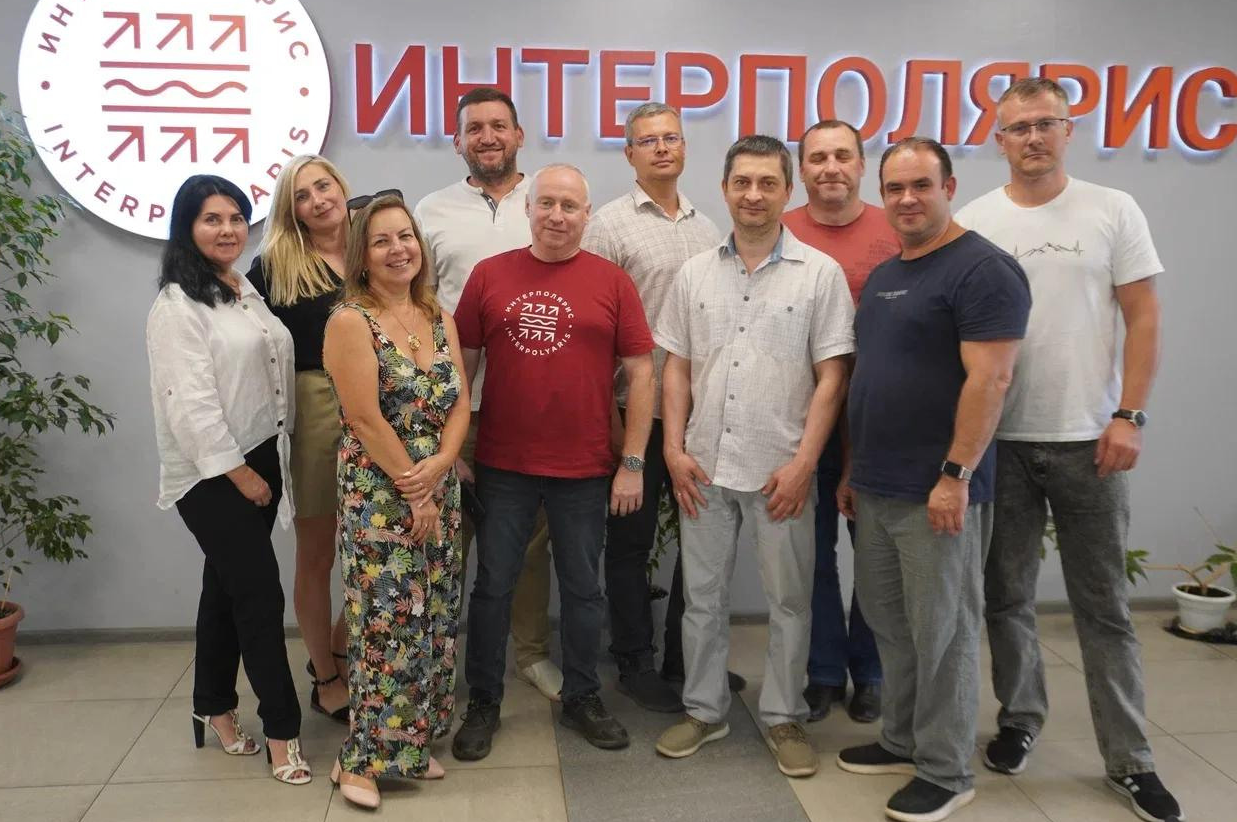
Russian Company InterPolaris Completes Testing of Heat Exchangers and Mechanical Filters for Nuclear-Powered Icebreakers
Russian company InterPolaris has achieved a significant milestone in the manufacturing project of equipment for nuclear-powered icebreakers, successfully completing tests on two shell-and-tube heat exchangers and two mechanical filters. These units are designed for the specific operating environment of nuclear-powered icebreakers, and passing the tests means the products meet design requirements in terms of strength, sealing, stability, and long-term service capability. The shell-and-tube heat exchangers that passed verification are primarily used to heat water containing decontamination solutions using heating steam. Although this is a common heat exchange process in principle, in the icebreaker application scenario, the equipment must meet requirements far exceeding ordinary industrial standards. This horizontally arranged equipment is designed with consideration for continuous operation under prolonged ship listing conditions, with fixed structures capable of withstanding loads from various directions, and is required to maintain stable parameters and reliable sealing under complex sea conditions and operating regimes.
2026-08-09
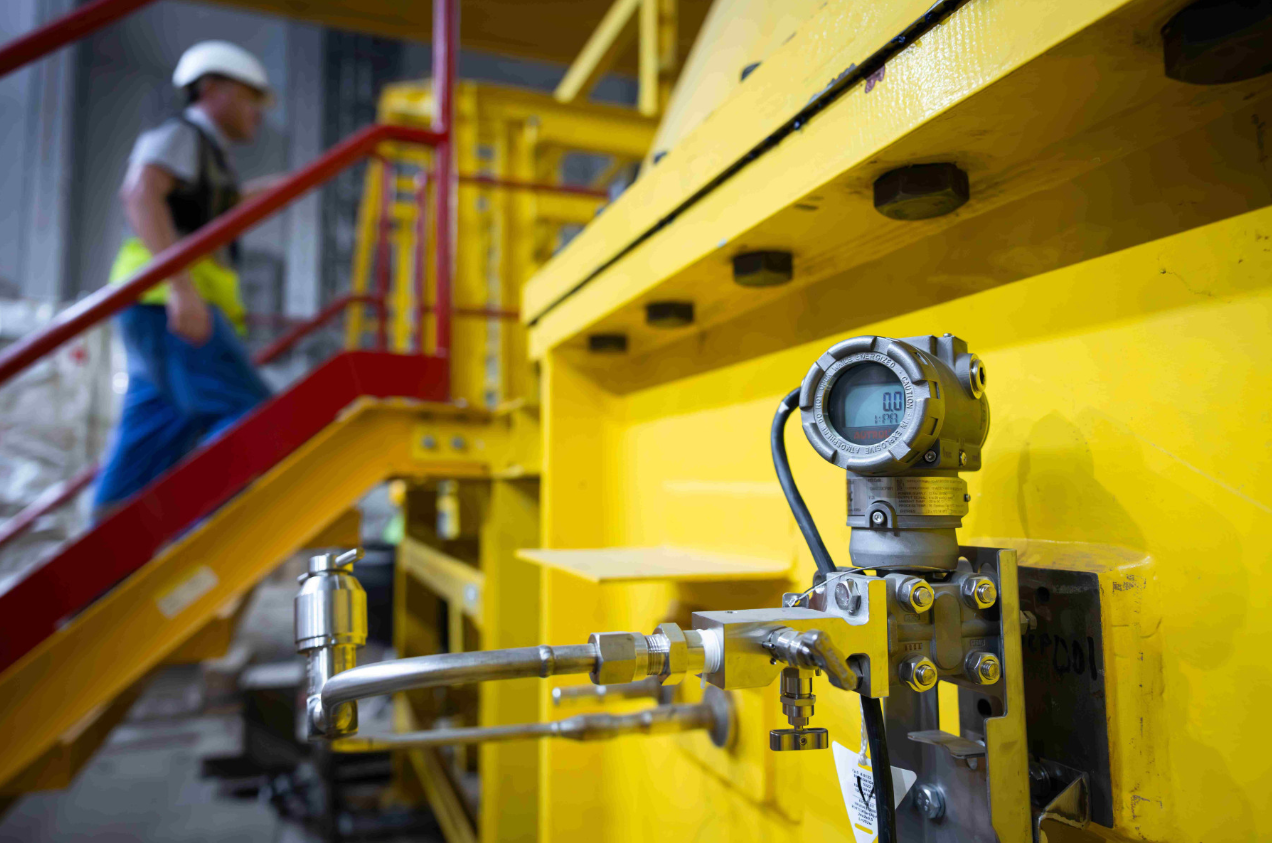
Vacuum test of the turbine condenser at Unit 1 of Akkuyu NPP successfully completed
The vacuum test of the turbine condenser at Unit 1 of Turkey's Akkuyu NPP, built by Rosatom, has been completed. The operation confirmed that the main systems of the turbine unit are ready for the next stage of commissioning. During the test, technicians established the required negative pressure in the condenser, checked the tightness of the vacuum system and the thermomechanical condition of the turbine, while monitoring parameters such as condenser vacuum, steam pressure, bearing temperatures, and thermal expansion of the casing and rotor. During the turning gear rotation of the turbine, the proper operation of the flow path (blades) was confirmed. Systems involved in the operation included: start-up boiler house boilers, vacuum system, bearing lubrication system, hydraulic jacking oil system, main turning gear, steam supply and extraction systems, as well as the equipment thermomechanical condition monitoring system.
2026-08-08
Russian nuclear power plants generate 129.6 billion kWh of electricity this year
Alexey Likhachev, CEO of Rosatom, recently stated that since the beginning of this year, Russian nuclear power plants have generated a cumulative total of 129.6 billion kWh of electricity, exceeding the target set by the Federal Antimonopoly Service of the Russian Federation by 7.8%. Likhachev noted that Russia is currently in its summer peak electricity consumption period, and nuclear power plants across the country are operating normally overall, with stable power generation and all safety requirements being met. He stated that hot weather does require operating entities to pay greater attention to cooling and heat reduction measures, but this is a seasonal factor that must be addressed in nuclear power plant operations. He pointed out that Russian nuclear power plants have fully considered different climatic conditions during their design and operation phases...
2026-08-08
Rosatom Delegation Visits SevRAO Radioactive Waste Management Facilities
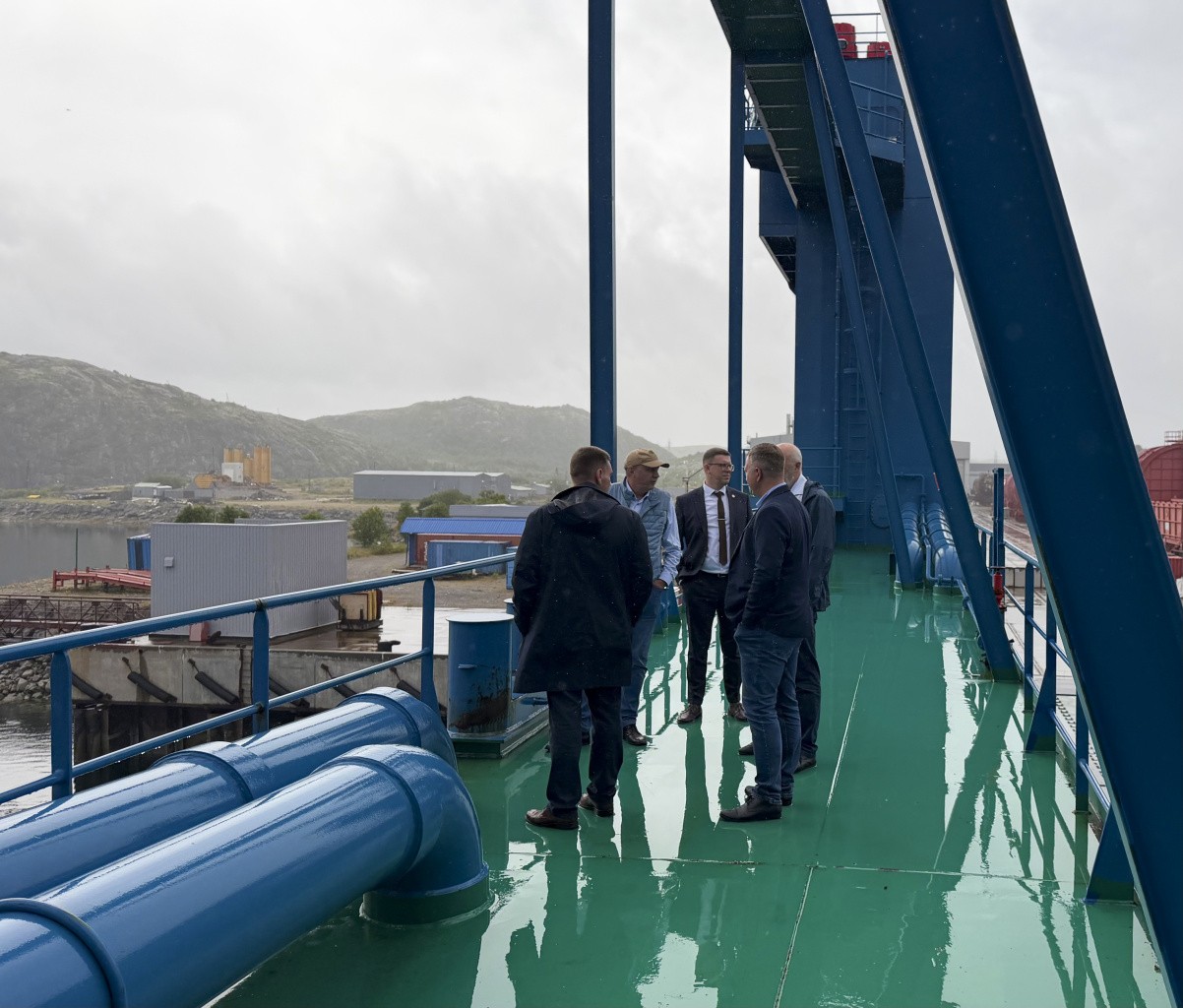
A delegation from Rosatom recently inspected the production facilities of the Northwestern Center - SevRAO, a branch of the Federal State Unitary Enterprise RADON (FSUE RADON). The delegation included Vasily Tinin, responsible for state policy on radioactive waste, spent nuclear fuel, and nuclear and radiation safety, as well as Sergey Martynenko, head of the Integrated Nuclear Submarine Decommissioning Program Office. The host side was represented by Igor Pron, Acting General Director of FSUE RADON, Dmitry Drozhilkin, Acting Director of SevRAO, and Yuri Shokhin,...
2026-08-07
Sevmash Advances Production of Main Thrust Bearings for Icebreaker "Stalingrad"
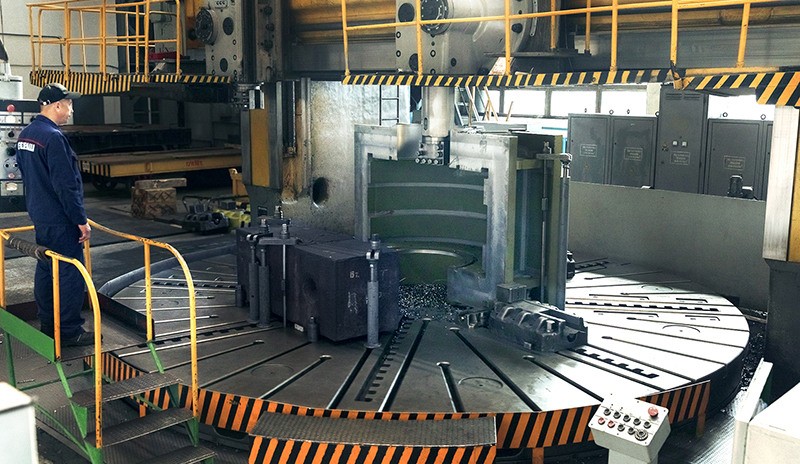
Sevmash, a subsidiary of the United Shipbuilding Corporation (USC), is continuing production of the main thrust bearings for the Stalingrad, the sixth serial universal icebreaker of Project 22220. One set of bearings for this vessel comprises three bearing units. Currently, two of these units have been delivered to Workshop 16 for bearing housing machining; the bearing raceways are also being machined and assembled in this workshop. The housing of the third unit is being assembled in the plant's hull welding shop. Meanwhile, in a dedicated area of Sevmash Workshop 4, bearing internal filling operations are underway, including the manufacture of bushings and bearing housings with anti-friction layers and filling with hot Babbitt metal. Each unit requires the installation of 24 bearing housings. This stage is one of the most labor-intensive processes in bearing manufacturing.
2026-08-07
Rostec's RosEl Delivers First Batch of Vulkan Magnetic Contact Sensors
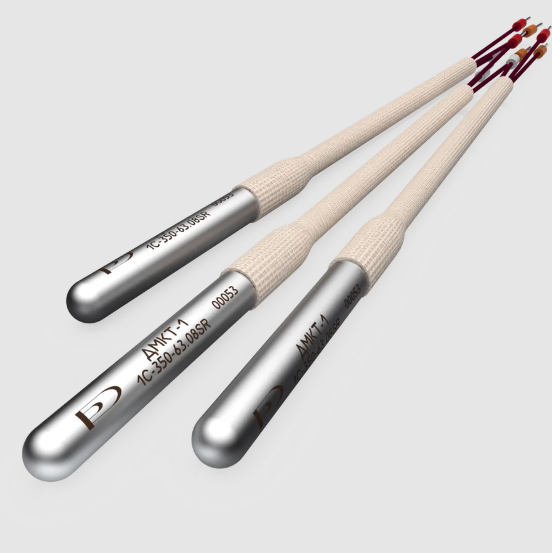
RosEl Holding Company (RosEl), a subsidiary of Rostec, has delivered the first batch of Vulkan magnetic contact sensors to customers. The product is designed for high-pressure steam pipeline applications and can be used in automation and signaling systems, including those at nuclear power plants. According to reports, Vulkan sensors are installed inside steam pipeline valves and are primarily used to monitor and control the valve closing process. The device can operate at temperatures up to 350 degrees Celsius, withstand mechanical shock acceleration of 150g, and achieve seismic category 1 rating, maintaining operational capability under strong earthquake conditions. The sensor features a stainless steel housing and has a design service life of up to 12 years. Its core reed switch...
2026-08-07