
Search Results
Keyword:nuclear fusion

StarRing Fusion Completes RMB 880 Million Series A++ Financing to Advance Fusion Device and Key Technology Engineering
StarRing Fusion recently announced the completion of a new Series A++ financing round, raising RMB 880 million. This round was jointly invested by Shenzhen Capital Group, Shendan Venture Capital, ABC Capital, BOCOM Investment, GGV Capital, Yongxin Ark, Keke Capital, Advantage Capital, and other institutions, with existing shareholder Shanghai Science and Technology Innovation Group's intellectual property fund and other institutions continuing to follow on. The company stated that the proceeds from this round, together with the previous Series A and A+ financing, will be used for the construction of the Shanghai Jiading experimental base, the construction and operation of the NTST negative-triangularity spherical tokamak, the design and construction of the CTRFR-1 "StarRing One," and the continued engineering advancement of key technologies including fusion-grade high-temperature superconducting magnets and AI-based plasma control...
2026-08-08
Harbin Fusion and Superconducting Industry Technology Innovation Alliance Established
On August 7, the inaugural meeting and first member assembly of the Harbin Fusion and Superconducting Industry Technology Innovation Alliance was held. Under the guidance of the Heilongjiang Provincial Department of Science and Technology and the Harbin Municipal Science and Technology Bureau, Harbin Institute of Technology (HIT) took the lead in establishing the Harbin Fusion and Superconducting Industry Technology Innovation Alliance. The alliance not only comprehensively integrates HIT's national-level advantageous research capabilities in fields such as robotics, advanced welding and joining, special composite materials, and extreme environment simulation, but also brings in local scientific innovation forces and industrial entities including Harbin Engineering University, the Heilongjiang Provincial Institute of Atomic Energy, and Harbin Electric Group. At the same time, it brings together the Institute of Plasma Physics of the Chinese Academy of Sciences, the Southwest Institute of Physics of Nuclear Industry,...
2026-08-07
German team achieves first separation of tritium-containing hydrogen isotope mixtures using silver-exchanged zeolites
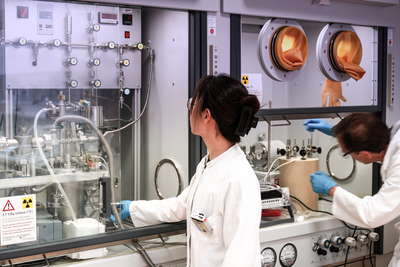
A team at the Helmholtz-Zentrum Dresden-Rossendorf (HZDR) and partners recently demonstrated a new method for separating hydrogen isotopes using silver-containing zeolites, successfully separating hydrogen isotope mixtures containing radioactive tritium through a porous solid material for the first time. The research findings were published in Nature Communications. Future fusion power plants will require not only high-temperature plasma and strong magnetic fields during operation, but also a stable fuel cycle system for recovering, separating, and reusing deuterium and tritium. Inside a fusion reactor, deuterium and tritium participate in reactions and release energy, but the fuel is not completely consumed, and the residual gas may also contain ordinary hydrogen (protium), forming a mixture of protium, deuterium, and tritium...
2026-08-07
ITER Test Blanket Modules Enter Key Phase of Preliminary Design Review
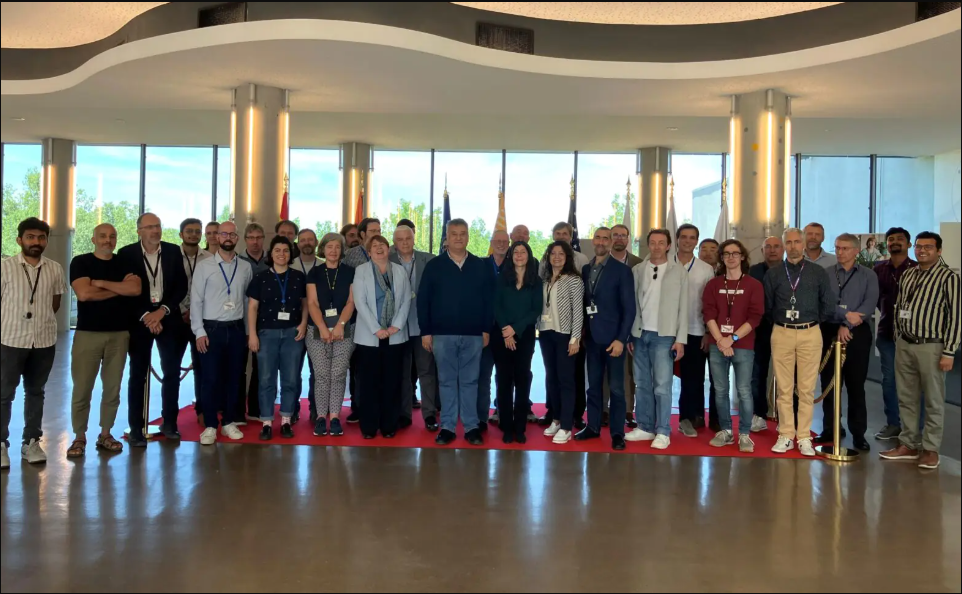
The International Thermonuclear Experimental Reactor (ITER) Test Blanket Module (TBM) project is advancing a key technology validation effort in the field of fusion energy. The Test Blanket Modules address the breeding blanket requirements of future fusion power plants, aiming to validate tritium breeding concepts under reactor operating conditions, providing a technical foundation for fusion fuel cycle self-sufficiency. Group photo at the European TBM Preliminary Design Review meeting held at ITER Headquarters. F4E-ITER Organization In a fusion reaction, deuterium and tritium fuse and release high-energy neutrons. When high-energy neutrons enter a lithium-containing blanket, they can interact with lithium to produce new tritium, which then re-enters the fuel cycle. Due to the scarcity of natural tritium resources, the breeding blanket is...
2026-08-07
American Fusion Adds Six New Patent Applications for Texatron Fusion Technology
On August 6, American Fusion announced that it has filed six new patent applications in the United States covering multiple technical aspects of its proprietary Texatron Fusion Engine platform. This brings the company's total number of patent applications filed in the U.S. to 82. American Fusion stated that these applications continue its strategy of building an intellectual property portfolio around the Texatron platform, covering reactor architecture, plasma confinement, electromagnetic systems, fuel delivery, reactor control, power management, and related engineering technologies supporting the continued development and future commercialization of the Texatron Fusion Engine. The company's Chief Legal Officer, Michael G....
2026-08-07
UK's MAST Upgrade sets plasma pressure record in fifth experimental campaign
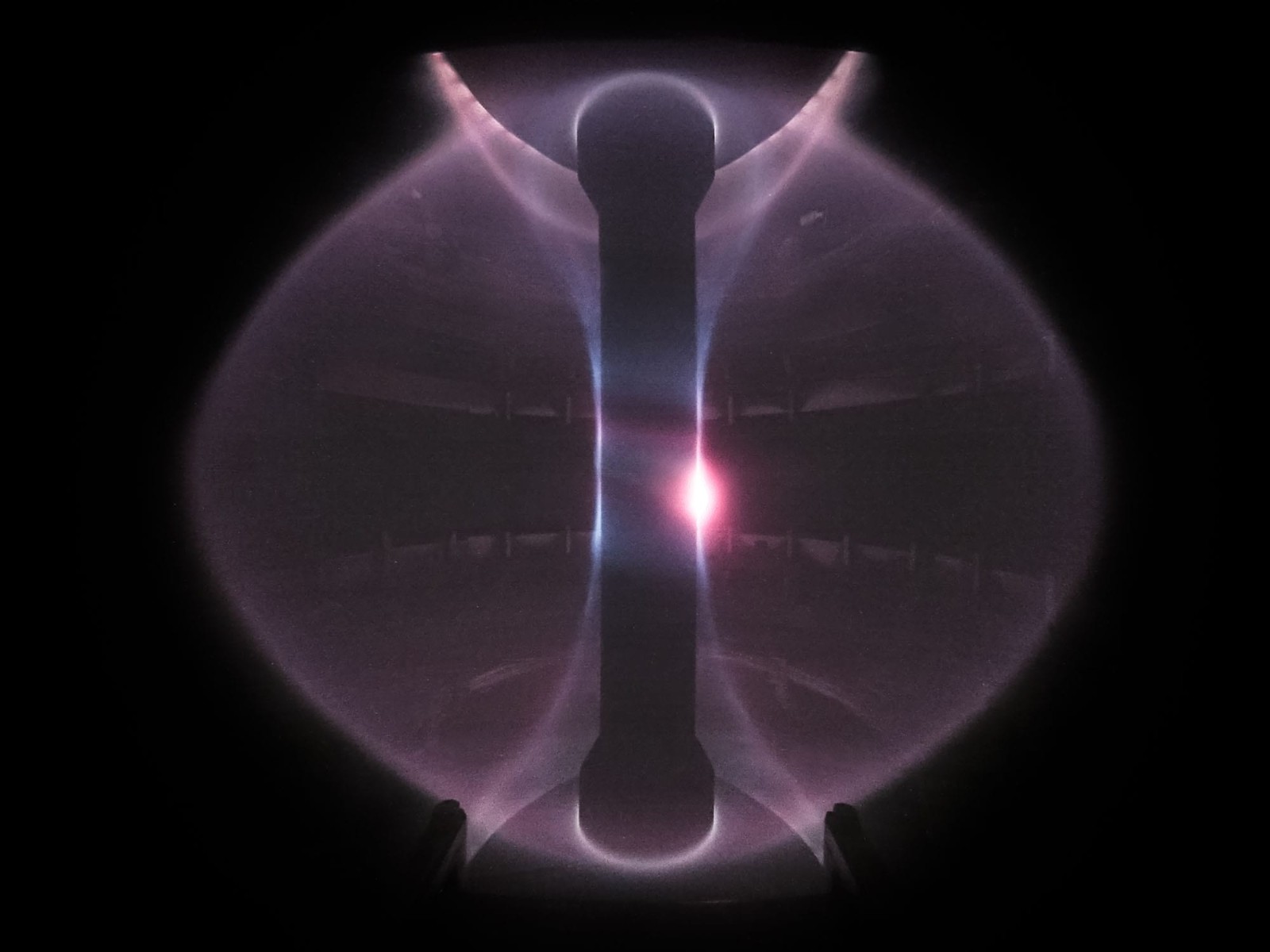
The UK Atomic Energy Authority (UKAEA) has completed the fifth experimental campaign of its flagship fusion experiment, MAST Upgrade. The campaign, conducted between 2025 and 2026 at the Culham Campus in Oxfordshire, UK, produced over 1,100 plasma pulses and achieved the device's highest-ever plasma pressure while overcoming plasma instability issues. In fusion devices, hydrogen isotopes must be heated, compressed, and confined under extremely high temperatures and pressures. The higher the plasma density and temperature, the stronger the fusion reaction, and high-pressure plasmas are also closer to the operating conditions required for future commercial fusion power plants. UKAEA stated that this...
2026-08-07
Germany Establishes Three Fusion Centers, HZDR Contributes to Advancing Key Technologies for Fusion Power Plants
The German Federal Ministry for Research, Technology and Space (BMFTR) recently established three fusion centers under the German High-Tech Agenda (HTAD), aiming to pool the efforts of research institutions and industry to advance technology development for future fusion power plants. The German federal government will provide €125 million in initial funding for the related work, with a focus on laser fusion, magnetic confinement fusion, and cross-cutting areas such as fuel cycle and materials development. The Helmholtz-Zentrum Dresden-Rossendorf (HZDR) will participate in the construction of the relevant centers leveraging its research infrastructure, contributing capabilities in high-power lasers, materials research, simulation and data analysis. The SAXFUSION capability network, jointly coordinated by HZDR and the Fraunhofer Institute for Material and Beam Technology (Fraunhofer IWS), will also take on tasks of exchange, cooperation and knowledge transfer.
2026-08-06
South Korean Scholar Patents Fusion Reactor Optimization Design Method
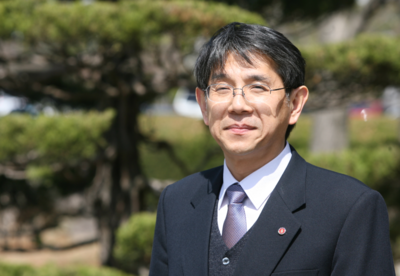
Professor Bonggeun Hong (transliteration) of the Department of Quantum System Engineering at the College of Engineering, Jeonbuk National University, South Korea, has recently registered a patent for a fusion reactor optimization design method, aimed at supporting the engineering design and commercialization of next-generation fusion technology. [Image source: Jeonbuk National University] The design method proposed in the patent can evaluate the performance of fusion reactors in various application scenarios—including power generation, thermal energy utilization, and use as a neutron source for nuclear transmutation—while optimizing device dimensions and key component structures. Its core approach is to simultaneously consider fusion system performance and economic feasibility during the initial design phase, thereby deriving more optimal design solutions.
2026-08-06
Department of Plasma Physics and Fusion Engineering at the University of Science and Technology of China Proposes New Three-Dimensional Magnetic Field Configuration for Stellarators
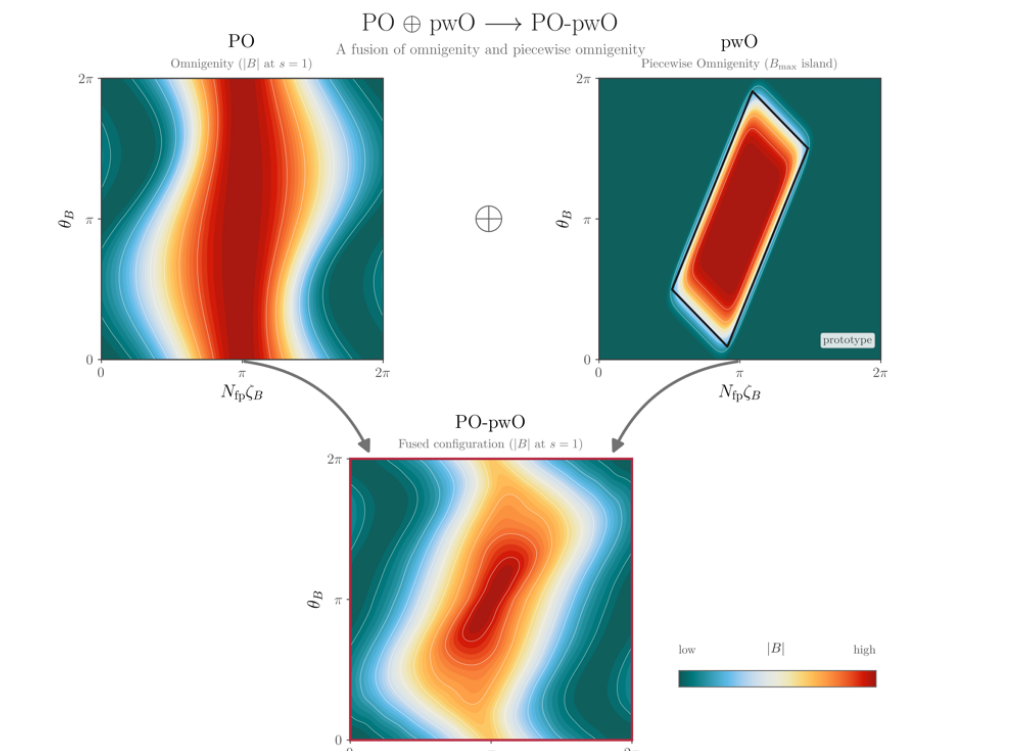
Stellarators confine high-temperature plasma using three-dimensional magnetic fields generated by external coils, enabling steady-state operation without relying on plasma current and avoiding instabilities such as disruptions, making them the fastest-growing technological route globally. However, if the three-dimensional magnetic field is not carefully optimized, trapped particles can experience significant radial drift, leading to a substantial increase in neoclassical transport losses. To suppress this drift, the magnetic field must satisfy the "omnigenity" condition, meaning that the time-averaged radial drift of all trapped particle orbits is zero. The most widely applied class of omnigenous magnetic fields is poloidal omnigenity (PO), and such configurations are also commonly referred to as quasi-isodynamic (QI) configurations...
2026-08-06
TAE Technologies and Black Moon Energy Sign Helium-3 Supply Cooperation Agreement
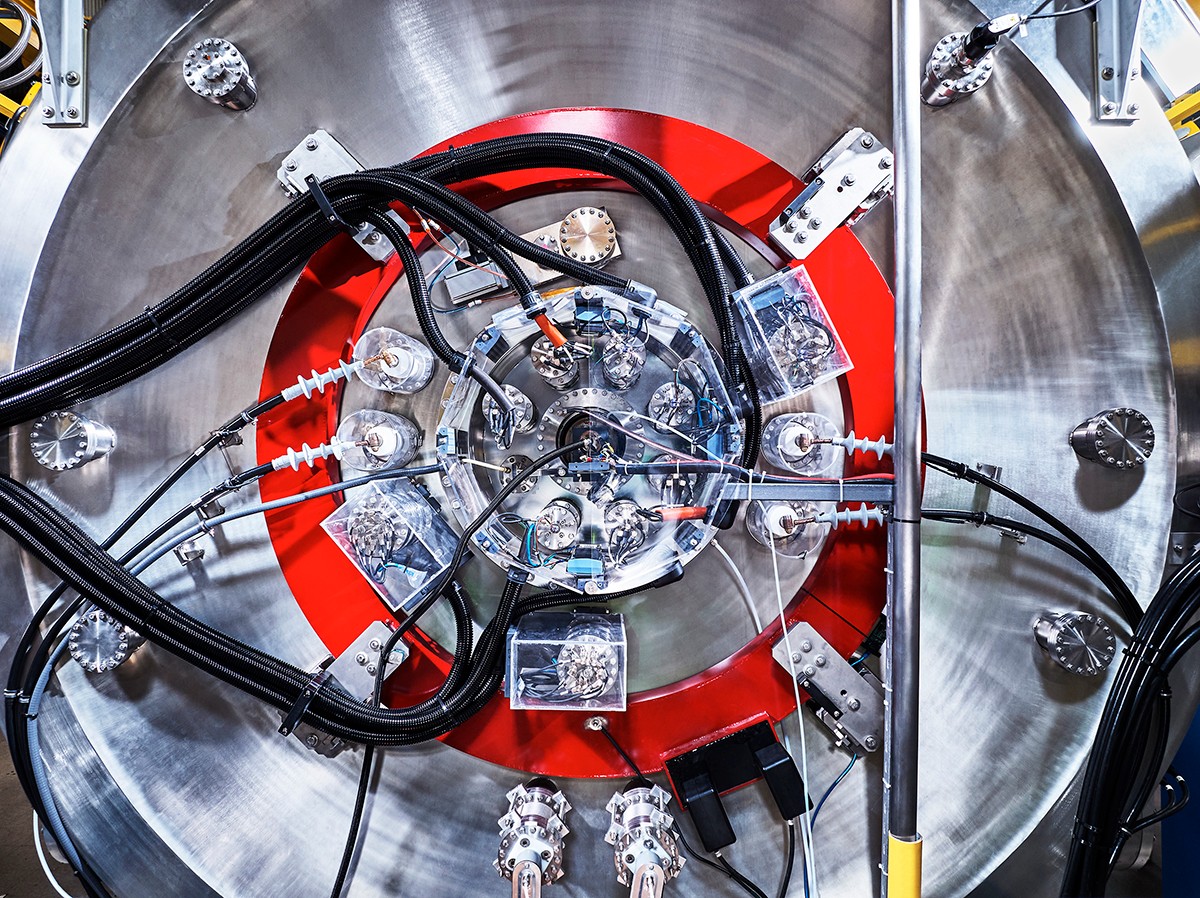
On August 5, local time, fusion energy company TAE Technologies announced a cooperation agreement with Black Moon Energy Corporation (BMEC). The two parties will collaborate on helium-3 (He-3) fuel supply solutions and commercial development needed for the future commercialization of fusion energy. Under the agreement, Black Moon Energy will supply helium-3 fuel to TAE Technologies. TAE Technologies CEO Michl Binderbauer stated that the agreement helps accelerate the company's energy goals through alternative fuel supply solutions. The company noted that its fusion technology pathway offers high flexibility in fuel cycle selection, allowing it to choose more cost-competitive fuel cycles based on long-term fuel market changes.
2026-08-06
Oak Ridge National Laboratory Licenses Cryogenic Fuel Pellet Technology to Type One Energy
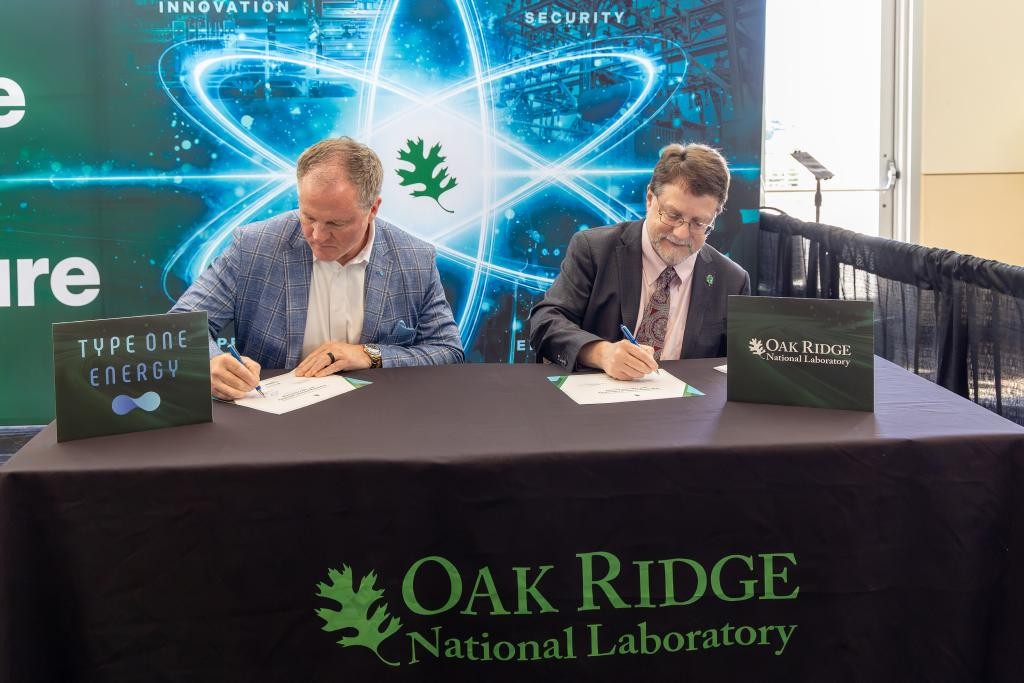
The U.S. Department of Energy's Oak Ridge National Laboratory (ORNL) has licensed a suite of cryogenic fuel pellet injection technologies to Type One Energy to advance fuel supply capabilities needed for high-performance fusion plasma operations. The two parties signed the licensing agreement on August 5 in Knoxville, Tennessee, USA. The license covers four ORNL inventions, primarily related to the design and operation of cryogenic fuel pellet injection systems. The technology forms solid hydrogen isotope fuel pellets at cryogenic temperatures near absolute zero and injects them into fusion plasma at high speeds. Compared with methods such as gas injection, pellet injection is more effective at delivering fuel deeper into the plasma...
2026-08-06
Colorado State University produces first ultracold neutral plasma with electron temperature below 1 kelvin
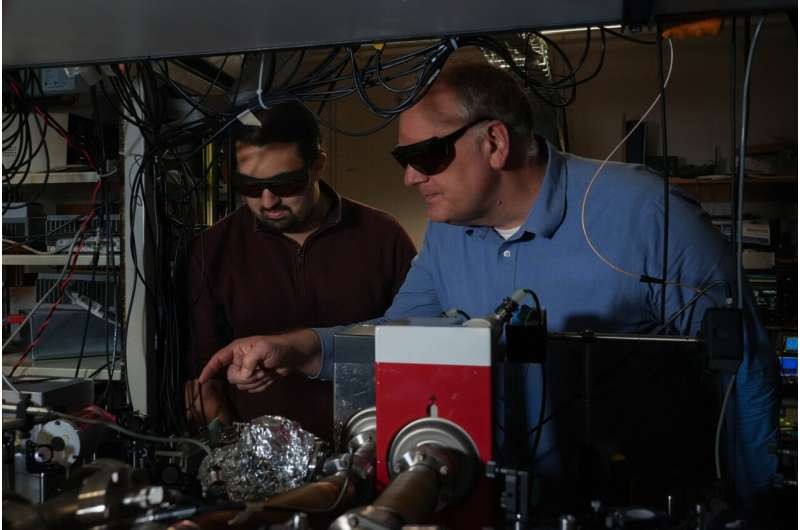
Researchers at Colorado State University have, for the first time, produced an ultracold neutral plasma by combining laser cooling techniques with strong magnetic fields. Measurements show that the electron temperature in this plasma is less than 1 kelvin above absolute zero, making it one of the lowest electron temperatures ever measured in a plasma. The research was published in Physics of Plasmas. The new method proposed in the paper helps test plasma theories under more controllable experimental conditions and improve computational models of plasma behavior in extreme environments. The researchers believe this achievement could contribute to future fusion energy...
2026-08-05
UC Santa Barbara and Lawrence Livermore National Laboratory Collaborate to Accelerate Fusion Plasma Simulations with AI
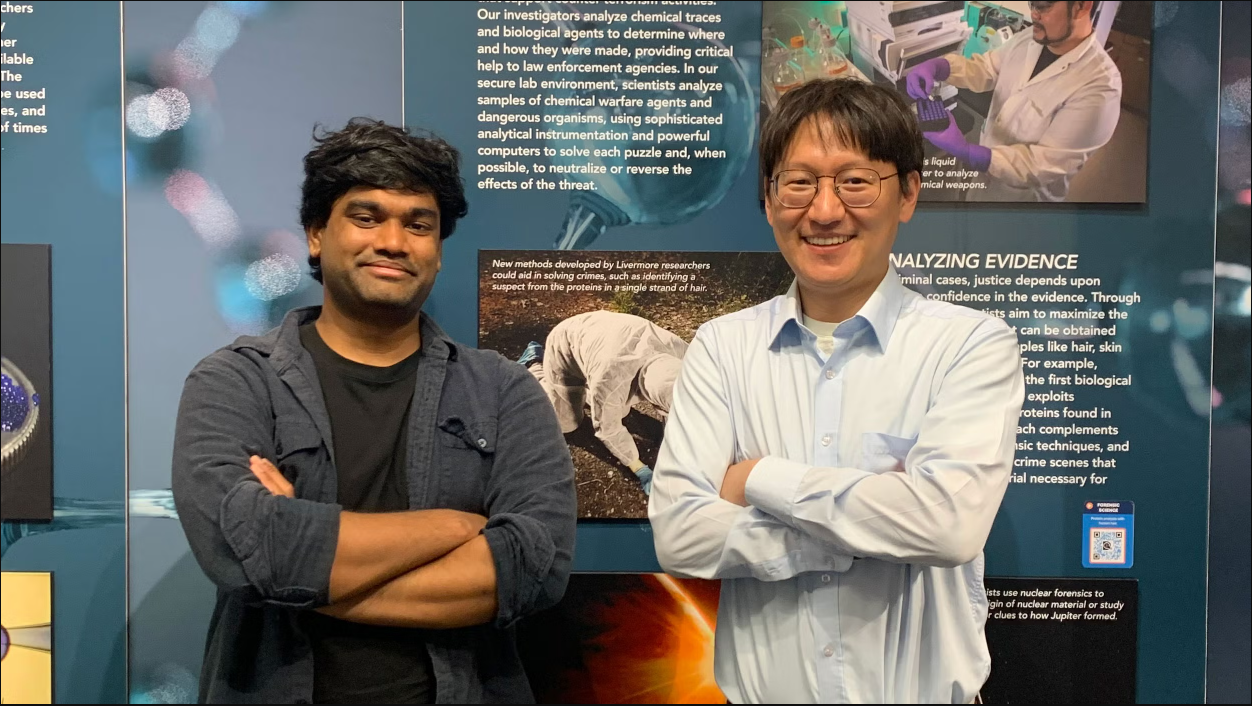
The University of California, Santa Barbara (UCSB) and Lawrence Livermore National Laboratory (LLNL) are launching a new collaboration to bring artificial intelligence into extreme plasma simulations, accelerating critical computations in nuclear fusion and high-energy-density physics research. Neel Sankaran (left), a doctoral student of UCSB Professor Haewon Jeong, poses with LLNL scientist Min Sang Cho (right). The project is led by the Department of Electrical and Computer Engineering at UC Santa Barbara...
2026-08-05
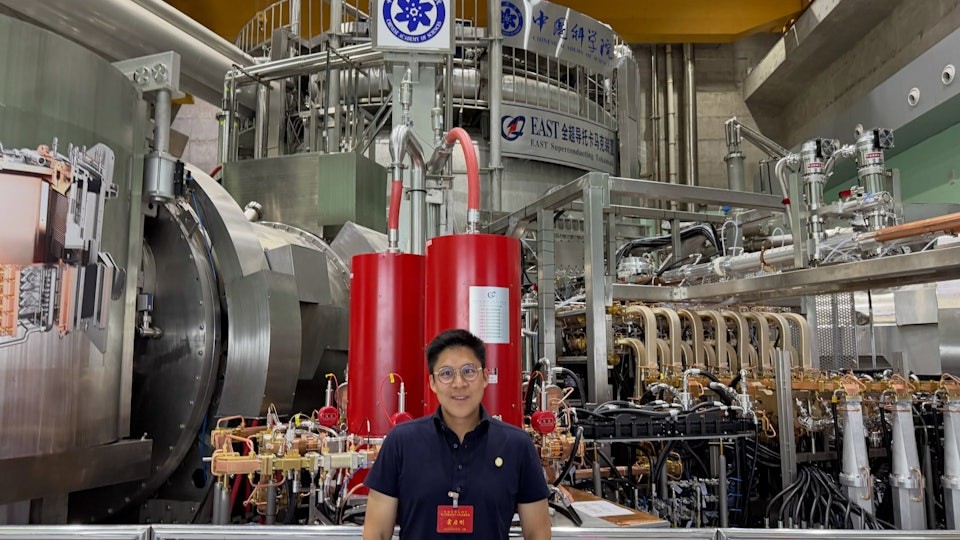
Hong Kong deputies to the National People's Congress visit Hefei to inspect fusion device and innovation industry development
On August 4, a delegation of Hong Kong deputies to the National People's Congress conducted an inspection and research visit in Hefei, Anhui Province. The itinerary included visits to the Hefei Innovation Museum, the Memorial Hall of the Crossing-the-Yangtze Campaign, and the Hefei Institutes of Physical Science of the Chinese Academy of Sciences, to learn about the local layout of scientific and technological innovation, the construction of major scientific facilities, and the development of the nuclear fusion industry. At the Hefei Institutes of Physical Science of the Chinese Academy of Sciences, the delegation visited the Experimental Advanced Superconducting Tokamak (EAST) nuclear fusion device. Often referred to as the "artificial sun," this device serves as an important scientific research platform for Hefei in advancing the cluster development of major scientific facilities and the growth of the nuclear fusion-related industry. The delegation also received briefings on the construction of the Hefei Future Science City and the layout of related industries. Hong Kong deputies to the National People's Congress...
2026-08-05
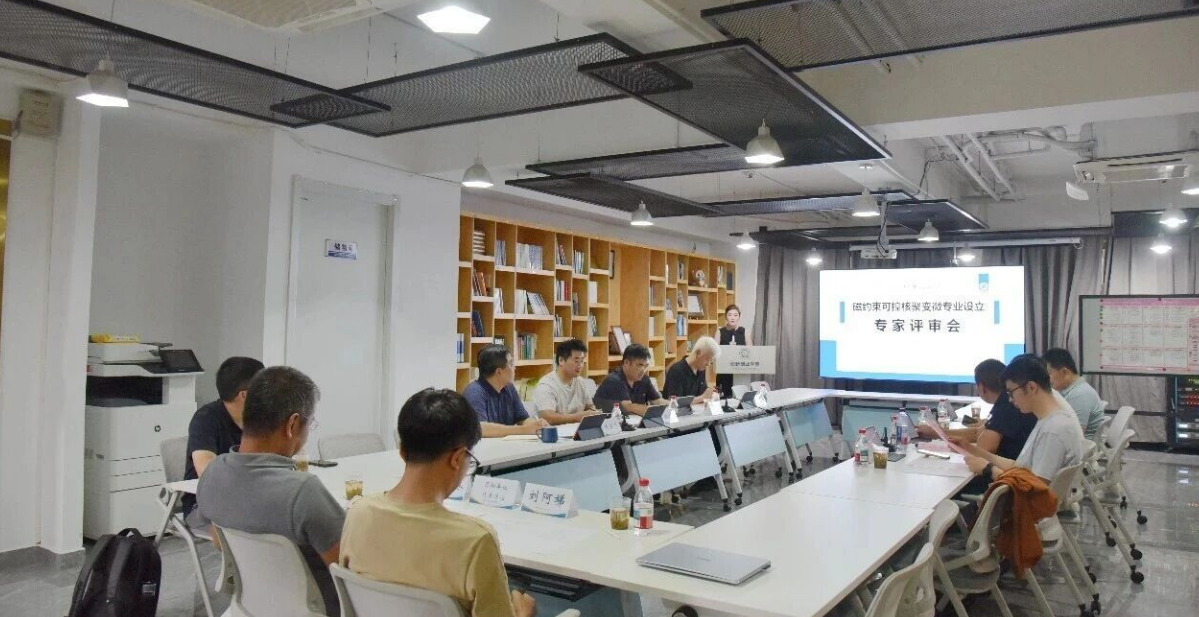
University of Science and Technology of China Plans to Establish a Micro-Major in "Magnetic Confinement Controlled Nuclear Fusion"
On the afternoon of July 28, the expert review meeting for the establishment of the micro-major in Magnetic Confinement Controlled Nuclear Fusion at the University of Science and Technology of China was held at the university's Lishi College. Seven experts from Fudan University, Sun Yat-sen University, Hefei University of Technology, Anhui University, and fusion energy enterprises formed the review committee to deliberate on the micro-major construction plan. Following inquiries and discussions, the expert group unanimously agreed to establish the micro-major. The meeting was hosted by Lishi College of USTC. Zhu Dongjie, Executive Vice Dean of Lishi College, attended the meeting, while Professor Xie Jinlin, Vice Dean of the School of Nuclear Science and Technology, and Associate Professor Liu Adi, Teaching Director of the Department of Plasma Physics and Fusion Engineering, participated in the presentation and defense. ...
2026-08-05