
Search Results
Keyword:synchrotron radiation
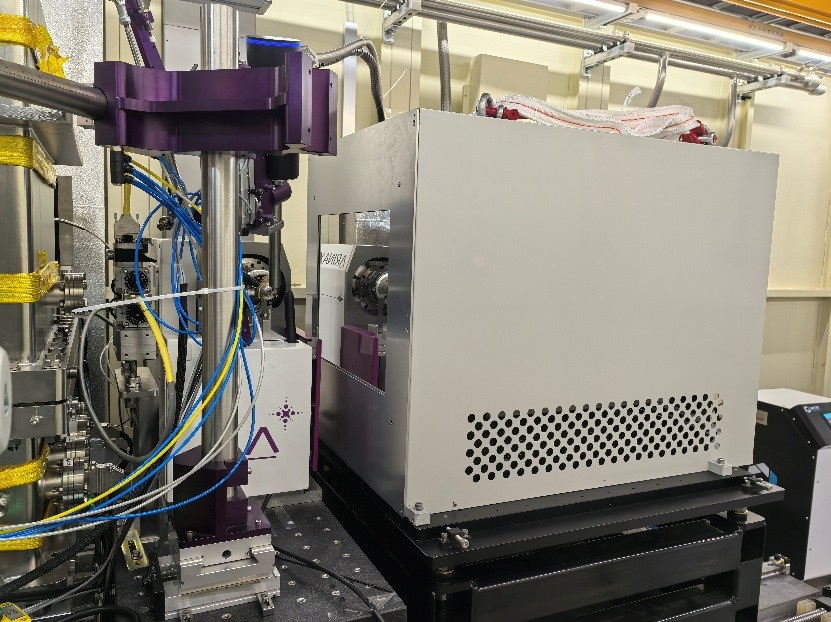
Large-area pixel detector independently developed by the Institute of High Energy Physics, Chinese Academy of Sciences completes long-term online operation validation
Recently, the 6-megapixel large-area two-dimensional pixel array detector independently developed by the detector R&D team of the High Energy Photon Source (HEPS) at the Institute of High Energy Physics, Chinese Academy of Sciences, completed long-term online operation validation. Since its deployment for trial operation at the HEPS Biological Macromolecular Microcrystal Diffraction Beamline in October 2025, it has supported nearly 90 research projects from over 50 research groups as of June 30, 2026. During the trial operation period, the detector accumulated more than 2,000 hours of operation with stable, uninterrupted performance. The beamline and detector teams conducted joint commissioning and optimization, verifying its operational stability and data reliability under complex working conditions. Leveraging the high-quality data collected by this detector, some...
2026-08-24
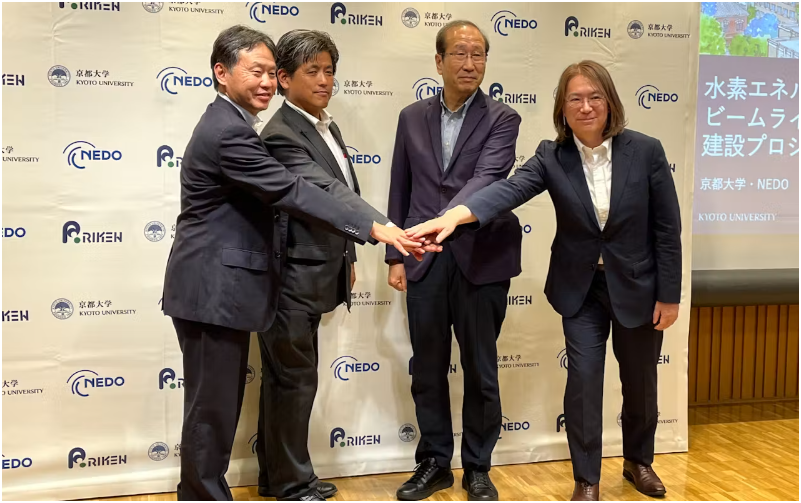
Kyoto University and NEDO to Build Dedicated Beamline for Hydrogen Energy Research at SPring-8-II
Kyoto University announced on August 20 that it will collaborate with the New Energy and Industrial Technology Development Organization (NEDO) to construct dedicated research equipment for the hydrogen energy field at the large synchrotron radiation facility SPring-8-II, located in Sayo Town, Hyogo Prefecture, Japan. SPring-8-II is scheduled to begin operation in fiscal year 2029. On the 20th, Hajime Kitagawa, Executive Director of Kyoto University (2nd from right), attended a press conference held by Kyoto City government officials. According to the plan, the two parties will install a dedicated beamline at the facility, focusing on hydrogen energy-related research such as fuel cells and hydrogen production via water electrolysis. The beamline will be used to analyze key materials including catalysts and electrolyte membranes in fuel cells and water electrolyzers, leveraging synchrotron radiation to observe material reaction processes and help researchers identify the main factors affecting performance and cost.
2026-08-21

Korea's COSMAX Partners with Pohang Accelerator Laboratory to Use Synchrotron Radiation Accelerator for Cosmetics R&D
COSMAX, a global cosmetics ODM company, announced on the 18th that it has signed a memorandum of understanding with the Pohang Accelerator Laboratory (PAL) in Korea to conduct cosmetics R&D using advanced scientific and technological infrastructure such as the synchrotron radiation accelerator. At the MOU signing ceremony held at the Pohang Accelerator Laboratory, COSMAX Group Chairman Lee Kyung-soo (left) poses with PAL Director Kim Jae-young. / Photo provided by COSMAX. According to reports, the Pohang Synchrotron Radiation Accelerator (PLS-II) operated by the Pohang Accelerator Laboratory generates light more than 10 billion times brighter than sunlight, enabling atomic-scale analysis of nanoscale material structures. Currently, the facility has been used for microstructural research across multiple industrial fields, including new drugs, semiconductors, and new materials.
2026-08-18

Russia's SKIF Synchrotron Radiation Facility Hailed as a Milestone for Russian Science
On August 13, Russian President Vladimir Putin visited the Koltsovo Science City in Novosibirsk to learn about the operating principles of the Siberian Circular Photon Source (SKIF), a shared-use center. This center is the first facility in a network of modern synchrotron radiation sources being built in Russia, with construction efforts incorporated into the national development program for synchrotron and neutron research and related research infrastructure, covering the period through 2030 and beyond. It was reported that SKIF, with its high-brightness, high-intensity X-ray beams, can serve high-level research in fields such as chemistry, physics, materials science, biology, geology, archaeology, and paleontology. Officials also noted that...
2026-08-14
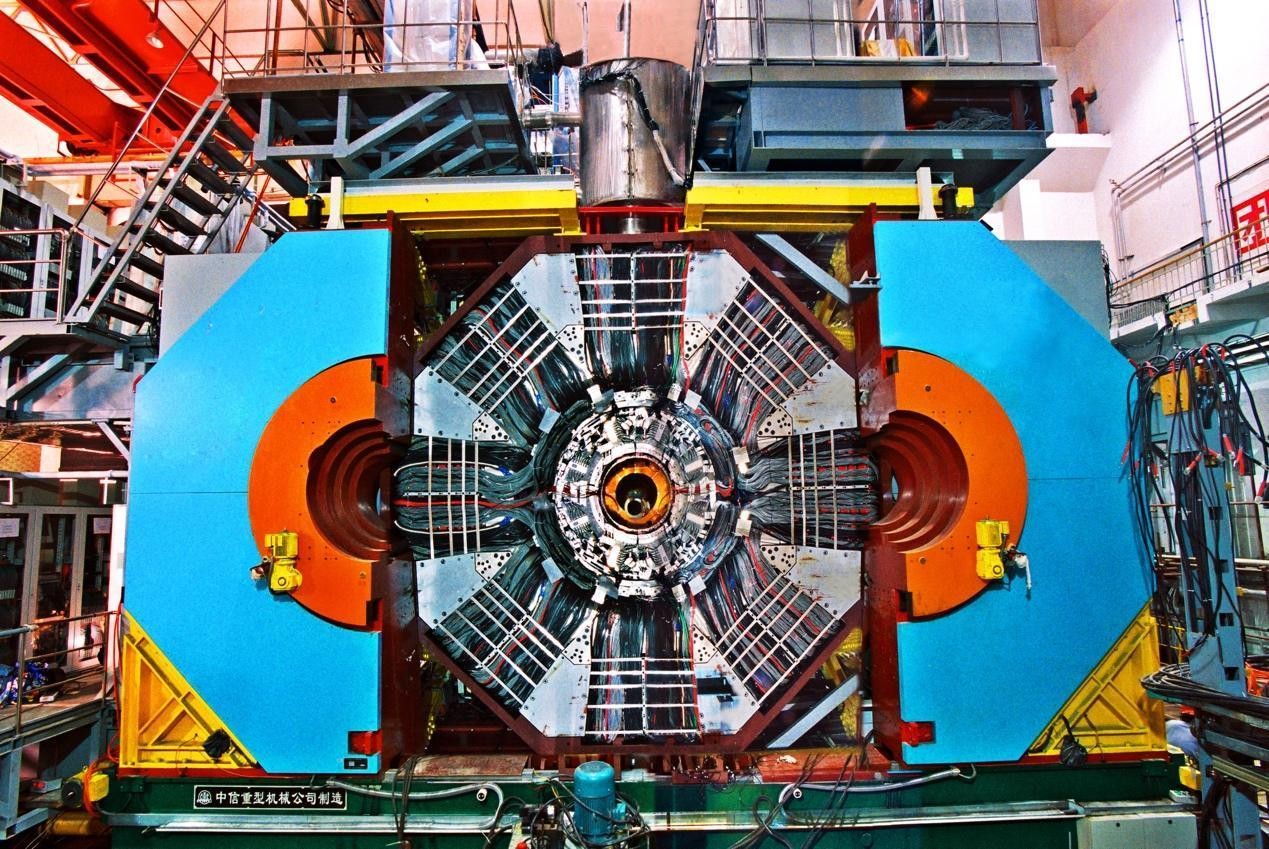
"Smashing Out" More New Particles Unknown to Humanity — Exploring the Upgraded Beijing Electron-Positron Collider After Its Second Renovation
Beside Yuquan Road in Beijing, beneath an ancient courtyard surrounded by lush greenery, lies a giant scientific facility shaped like a badminton racket — the Beijing Electron-Positron Collider. Inside this 240-meter-circumference ring-shaped device, electrons and positrons can be accelerated to near the speed of light and smashed head-on into each other. By studying the microscopic particles produced in these collisions, scientists explore the fundamental laws governing the microscopic world, verify existing physical theories, and search for unknown new particles. Recently, a reporter visited this facility to uncover the secrets of this national heavyweight that has just completed its second major upgrade. After this renovation, key indicators such as collision energy and collision luminosity have been significantly improved, achieving a historic breakthrough in core performance. Since its completion...
2026-08-11
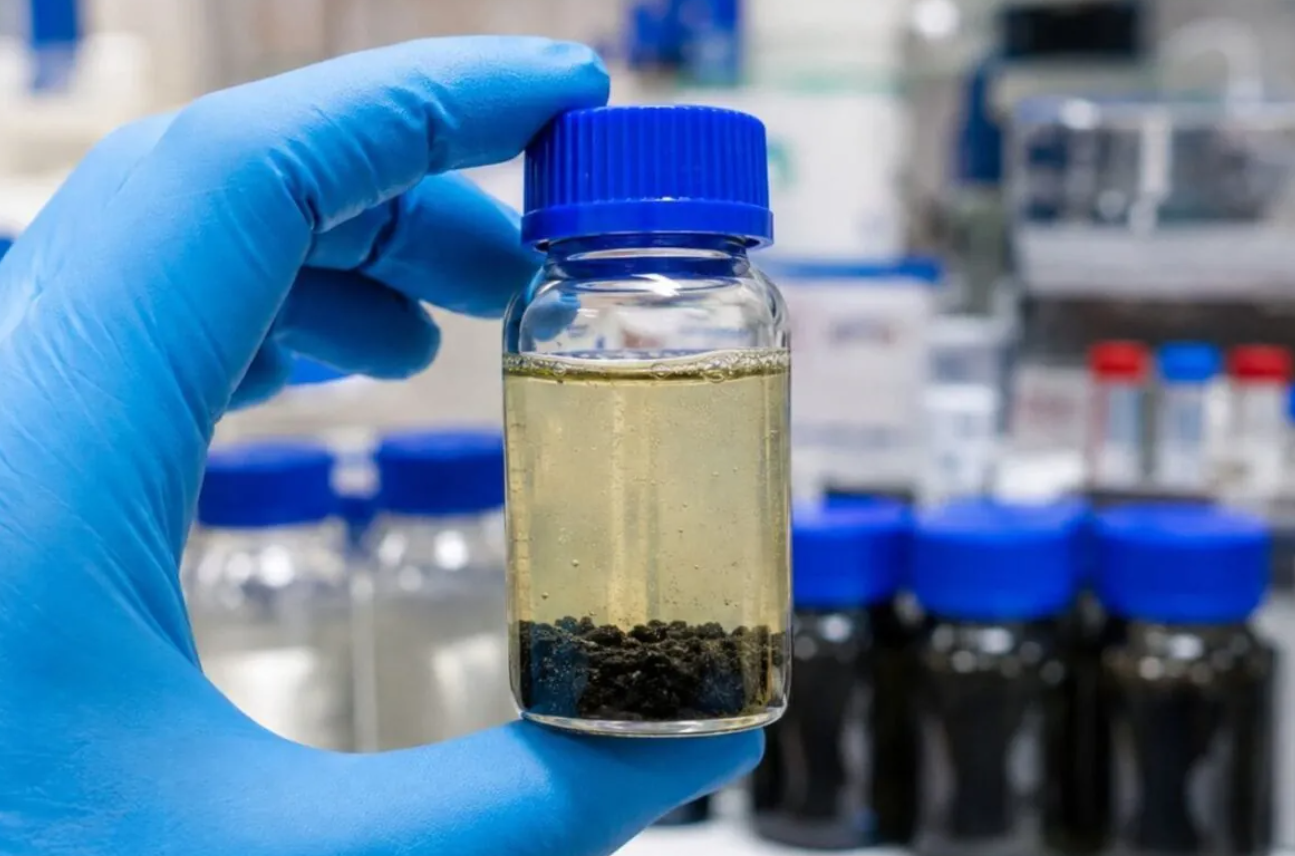
German-Grenoble Joint Experiment: Bacteria Immobilize 96% of Uranium in Mine Water, Offering New Insights for Legacy Uranium Mine Remediation
More than three decades after the closure of the Schlema-Alberoda legacy uranium mine in Saxony, Germany, remediation pressure continues unabated. After the mine workings were flooded, the water still contains approximately 1 milligram of uranium per liter, far exceeding the World Health Organization's provisional guideline value of 0.03 milligrams per liter for drinking water. This means that even though mining has long ceased, contaminated water must still be treated over the long term to prevent radioactive metals from migrating with groundwater into rivers or drinking water sources. A team involving the Helmholtz-Zentrum Dresden-Rossendorf in Germany, the University of Grenoble, and other institutions conducted experiments directly using real water samples from the mine and achieved noteworthy results: after 130...
2026-08-10
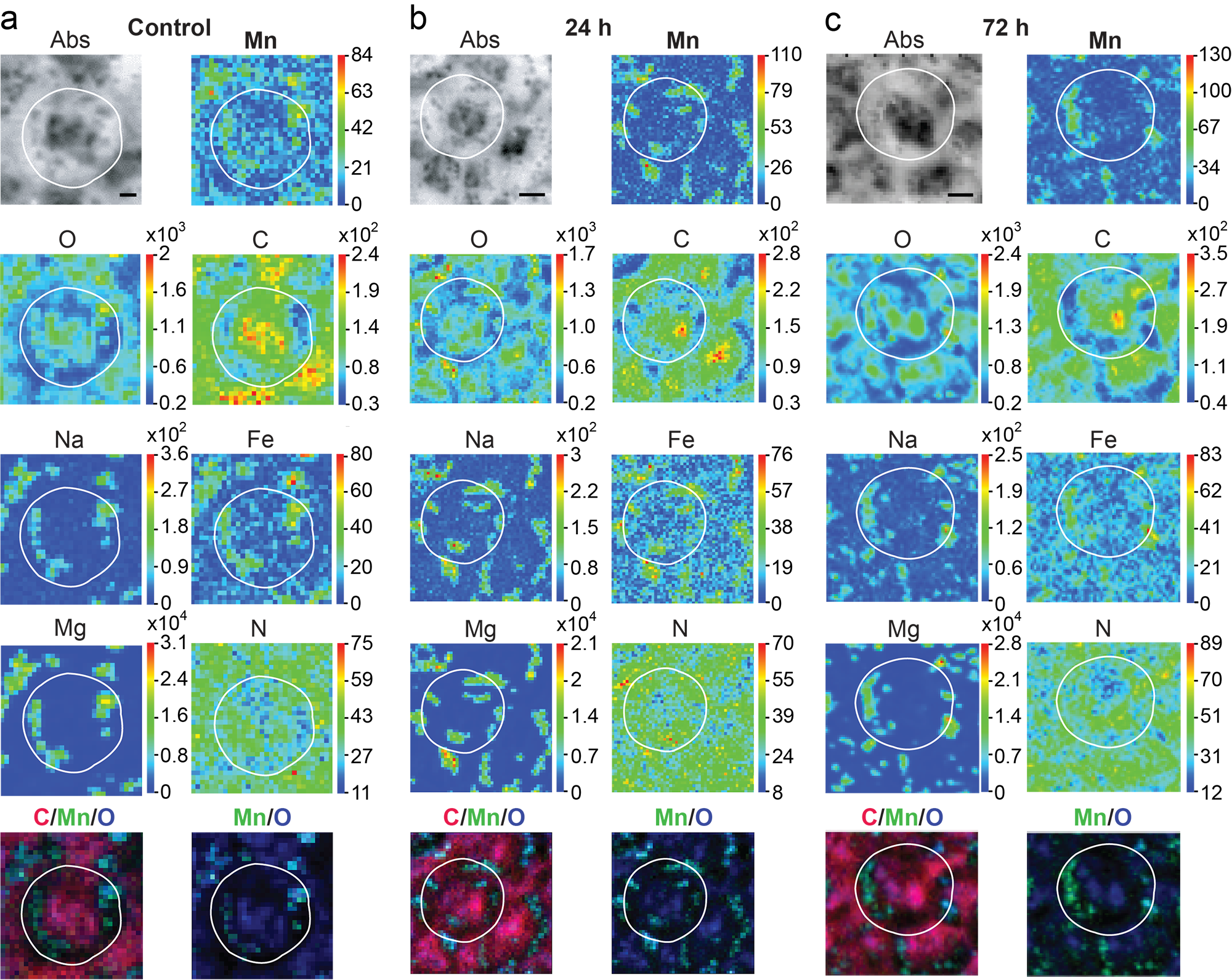
Synchrotron radiation reveals mechanism of acidophilic microalga PM01 tolerating high-concentration manganese
Researchers have used synchrotron radiation techniques to reveal the key mechanism by which an acidophilic green microalga survives in high-concentration manganese environments. The research subject is the acidophilic alga C. acidophila PM01, originally isolated from an acid mine drainage pond, which can survive at manganese concentrations up to 50 mM (approximately 2.75 g/L), making it one of the most manganese-tolerant microalgae reported to date. Manganese is a nutrient element required by organisms, but during processes such as mining, ore processing, and electrolytic manganese production, high concentrations of manganese can enter water bodies and cause pollution. In particular, manganese removal is difficult in acidic waters. Some microorganisms can adapt to such extreme environments, but their tolerance mechanisms still require fine analytical tools to elucidate...
2026-08-10
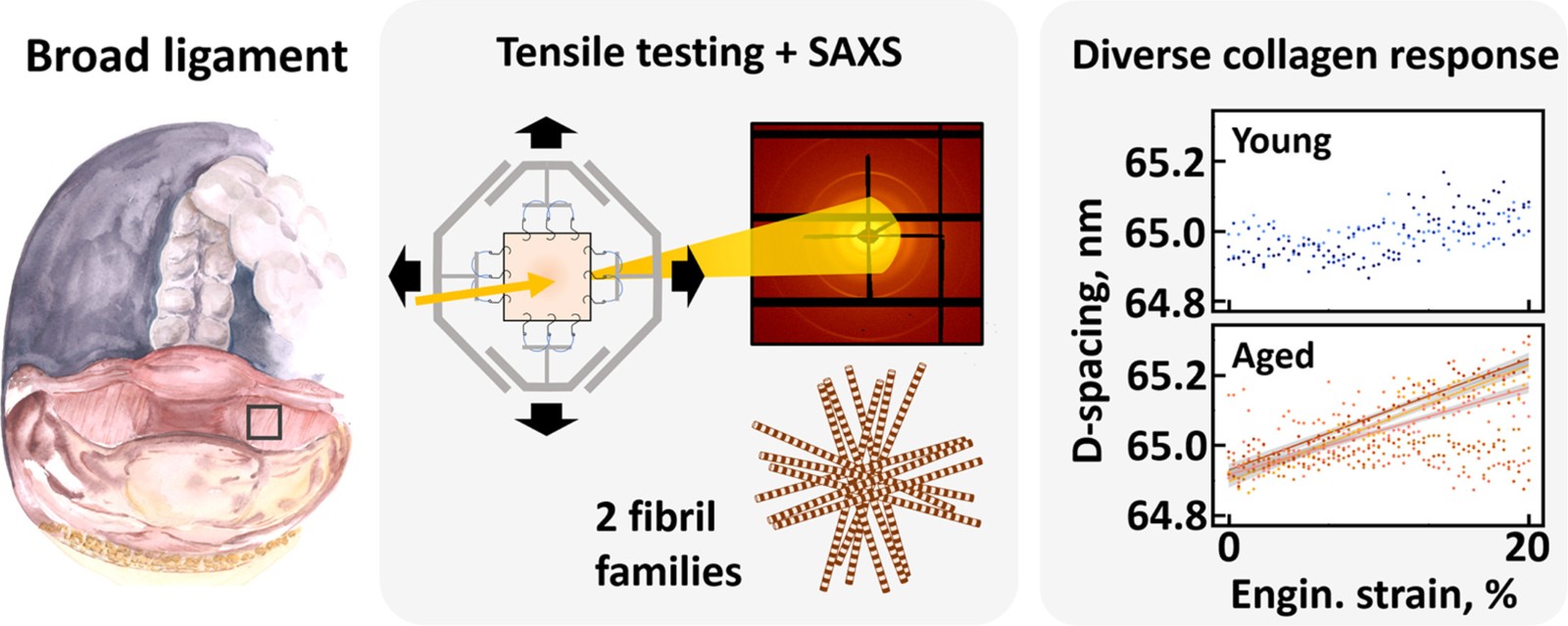
PETRA III Synchrotron Radiation Study Reveals New Clues to Aging Mechanisms of the Uterine Broad Ligament
Austrian and German research teams recently used the PETRA III facility at the German Electron Synchrotron (DESY) to conduct X-ray analysis of the broad ligament, an important ligament supporting the uterus, providing new biomechanical clues for understanding the mechanisms of pelvic organ prolapse. The findings were published in *Acta Biomaterialia*. Pelvic organ prolapse is a common but poorly understood issue in women's health, affecting approximately 40% of women, and predominantly occurring in the latter half of life. Medical researchers have previously speculated that age-related loosening of the ligaments surrounding the uterus may be a significant contributing factor to prolapse. The broad ligament connects the uterus to the pelvic wall, and its strength and elasticity primarily derive from collagen...
2026-08-09
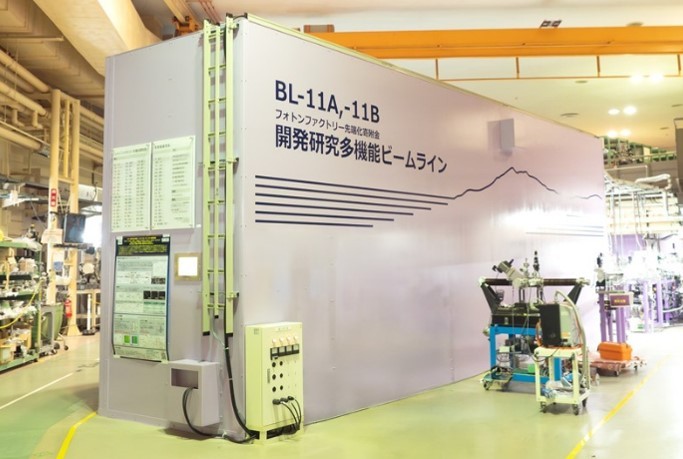
KEK in Japan Completes World's First "Quantum Multi-Beam Utilization" Synchrotron Radiation Beamlines
On August 6, the High Energy Accelerator Research Organization (KEK) announced that the BL-11A and BL-11B beamlines at its Photon Factory (PF) synchrotron radiation experimental facility have been completed as the world's first quantum multi-beam utilization beamlines, enabling the simultaneous use of hard X-ray and soft X-ray beams. According to reports, BL-11A and BL-11B were constructed in collaboration with the Synchrotron Radiation Academic Infrastructure Network. This network consists of synchrotron radiation facilities operated by university joint-use organizations and joint-use/joint-research centers, positioned as scientific research and educational infrastructure. The main feature of the new beamlines is the ability to simultaneously use hard X-ray and soft X-ray under the same experimental conditions, completing observations that previously required separate measurements...
2026-08-07
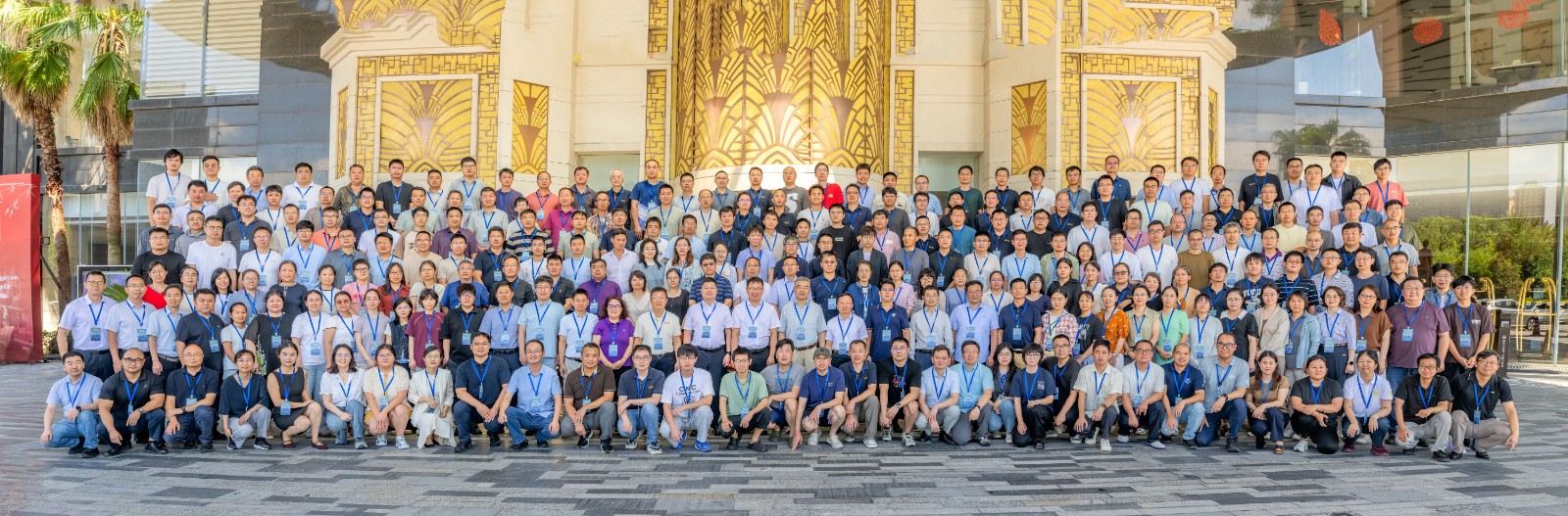
Shanghai Synchrotron Radiation Facility Science Center Organizes 2026 Annual Major Science and Technology Infrastructure Operation Training
The joint training for the 2026 annual operating facilities (SSRF & SXFEL) of the Shanghai Synchrotron Radiation Facility Science Center, Chinese Academy of Sciences Shanghai Advanced Research Institute (hereinafter referred to as "Shanghai Advanced Research Institute"), was held in Haiyan, Zhejiang Province from July 28 to 30. Academician Zhao Zhentang, Director of the Academic Committee of Shanghai Advanced Research Institute and Director of the Shanghai Synchrotron Radiation Facility Science Center; Deng Haixiao, President and Deputy Secretary of the Party Committee of Shanghai Advanced Research Institute; Chen Fengwei, Secretary of the Party Committee; Tai Renzhong, Vice President and Executive Deputy Director of the Shanghai Synchrotron Radiation Facility Science Center; Zhou Sigen, Vice President; and over 260 representatives from the operation team of the Shanghai Synchrotron Radiation Facility Science Center, various functional departments of Shanghai Advanced Research Institute, and sister institutions participated in the training. The opening session was hosted by...
2026-07-31
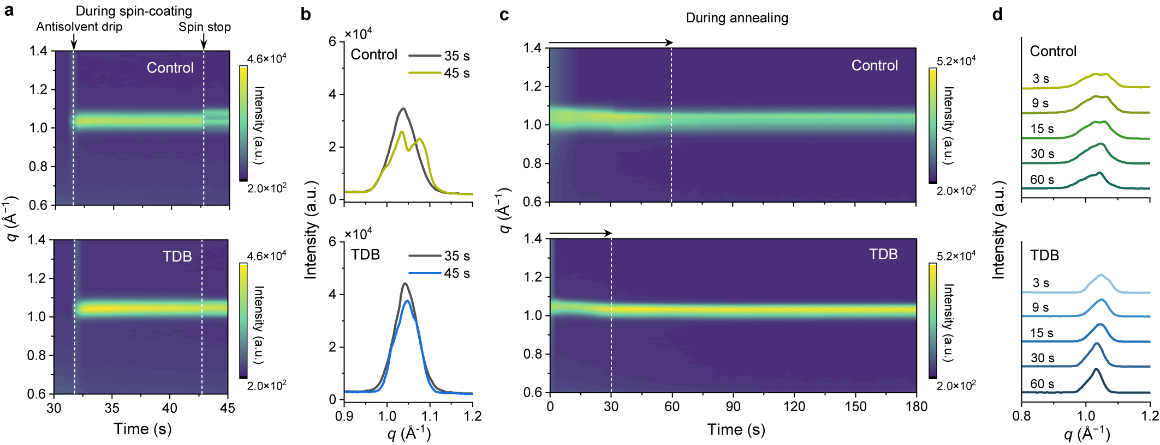
n situ GIWAXS characterization using synchrotron radiation helps overcome challenges in wide-bandgap perovskites
Wide bandgap perovskites are key light-absorbing materials for preparing high-efficiency perovskite/organic tandem solar cells. To achieve spectral matching with the narrow bandgap organic rear cell, a higher proportion of bromine is usually introduced into the perovskite composition. However, due to the different crystallization rates of iodine and bromine components during film formation, the ph...
2026-07-30

South Korea Launches Construction of Trillion-Won Saebit Synchrotron Accelerator
On July 27, South Korea’s Ministry of Science and ICT and the Korea Basic Science Institute (KBSI) held a groundbreaking ceremony for the "Korea Saebit Accelerator" at the synchrotron radiation accelerator site in Ochang, Cheongju, Nor
2026-07-27