
Search Results
Keyword:Al

U.S. Department of Energy Highlights Progress in Legacy Waste Cleanup and Medical Isotope R&D
Recently, senior officials from the U.S. Department of Energy attended an event hosted by the U.S. House Nuclear Cleanup Caucus, presenting the application progress of legacy nuclear waste cleanup efforts in medical isotope R&D and future energy technologies. The event, themed "DOE's Isotope Mission: Legacy Cleanup Saves Lives, Empowers America's Future," focused on how nuclear cleanup missions align with isotope production and medical research. DOE's Under Secretary for Science Dario Gil, along with Oak Ridge National Laboratory Environmental Management Office Manager Eric Olds and Savannah River Operations Office Manager Edwin DeShon, jointly attended the event. DeShon...
2026-08-03
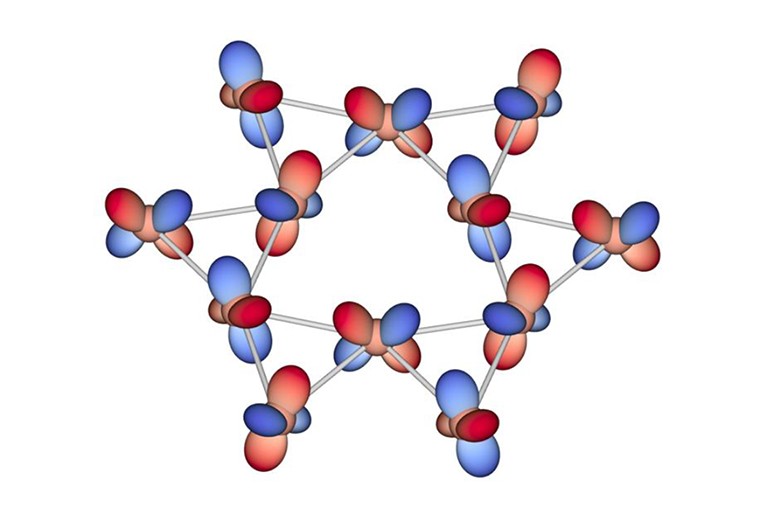
Japanese Team Discovers New Ordered State of "Electronic Chirality" in Uranium Compound
The Japan Atomic Energy Agency and Tohoku University announced on July 28 that their research team has discovered a new electronic ordered state in the uranium compound URhSn, confirming for the first time in an actual material that even when the crystal structure itself lacks chirality, the arrangement of electrons within the material can spontaneously form right-handed/left-handed characteristics. Chirality generally refers to the property where an object cannot perfectly coincide with its mirror image, such as left and right hands, screw thread directions, and the helical structure of DNA. In the past, material chirality was generally believed to originate from asymmetry in atomic arrangement. This study demonstrates, however, that chirality can also arise from the ordered arrangement of electron distributions. The research team used single-crystal samples of URhSn, composed of uranium, rhodium, and tin, and employed nuclear magnetic...
2026-08-03
Antihydrogen hyperfine splitting measurement sets new precision record
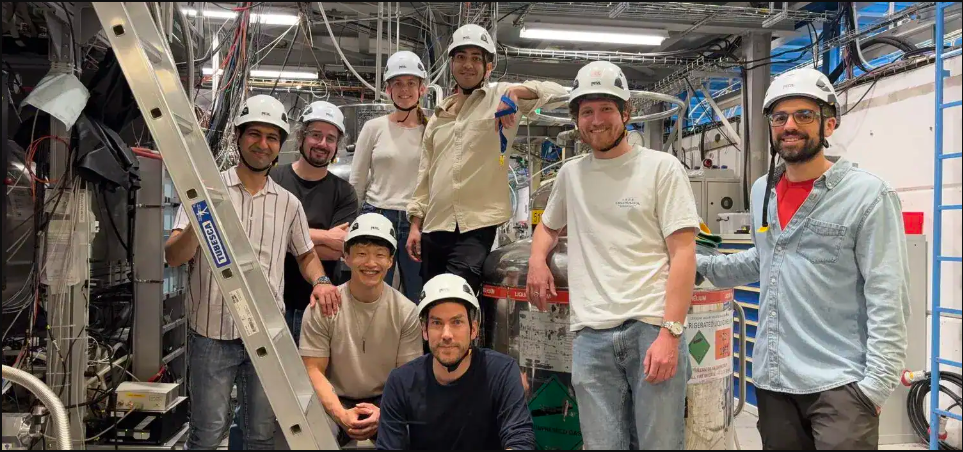
The ALPHA collaboration at CERN has recently completed a new measurement of the ground-state hyperfine splitting of antihydrogen. The results show that the hyperfine splitting of antihydrogen and ordinary hydrogen agrees within an uncertainty of four parts per million, improving the measurement precision by two orders of magnitude over previous experiments. Antihydrogen tamers: ALPHA team members from the University of Calgary in Canada. Back row, left to right: Pouya Heidari, Reece Stefanyshyn, Abbygale Swadling, Filobateer Ghaly, Sean Wilson, and Alberto Jesus Uribe Jimenez. Front row: Jay Suh (left) and Timothy Friesen. (Photo courtesy of Jay Suh) Antihydrogen consists of...
2026-08-03

Large Structure for CMS Future High-Granularity Calorimeter Passes Rigorous Cold Tests
A key engineering test for the future High-Granularity Calorimeter (HGCAL) of the CMS experiment at CERN has recently made progress. One of the largest HGCAL structures has completed a series of rigorous cold tests, during which no overheating, condensation, or leakage was recorded on the outer panels, laying the groundwork for its future service at the High-Luminosity Large Hadron Collider (HL-LHC). HGCAL will replace the existing endcap calorimeters of the CMS experiment to reconstruct particle showers with greater precision under HL-LHC operating conditions. The structure tested this time is the first of two large stainless steel absorber structures. By design, the active elements of HGCAL will be installed within the absorber structures and must maintain long-term stable performance in a cryogenic environment...
2026-08-03
Multinational Team Reveals Mechanisms of Lithiation in Modulating the Structural and Electronic Properties of Borophene Using Synchrotron Techniques
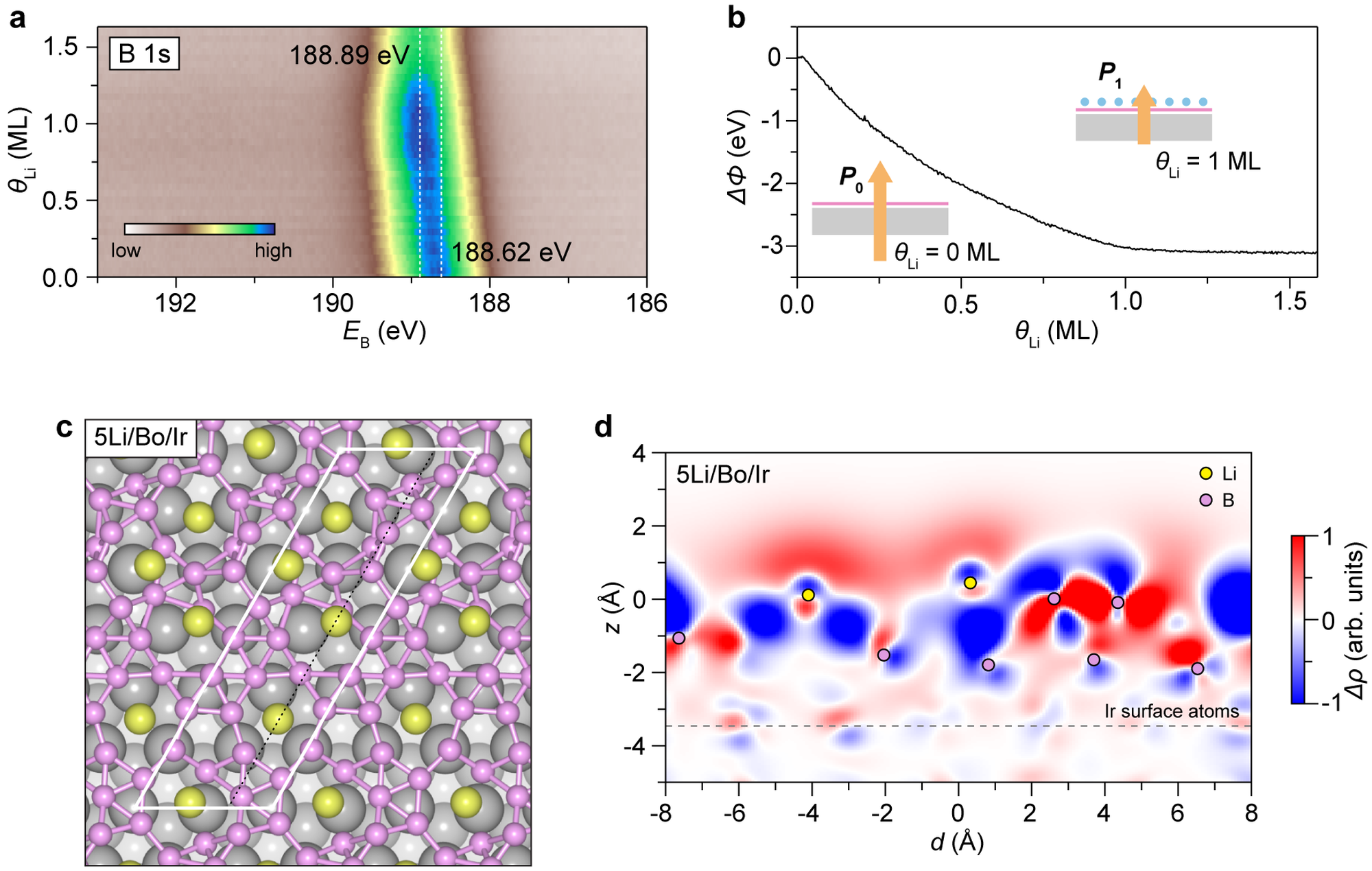
A research team from the Institute of Physics in Zagreb, Croatia, Elettra Synchrotron in Trieste, Italy, Shimane University, and Tokyo University of Science recently conducted a study on the interaction between lithium atoms and borophene, revealing the mechanisms by which lithiation affects the atomic structure and electronic properties of borophene. The findings were published in *ACS Nano* and selected as the journal cover article. (a) Shift of the B 1s core level toward higher binding energy; (b) reduction of the sample work function due to charge transfer from Li atoms to B atoms; (c) lithium atoms (yellow) deposited on borophene (magenta) induce deformation of the borophene lattice, attributed to significant charge redistribution within the system...
2026-08-03

U.S. Nuclear Regulatory Commission Signs Memorandums of Understanding with Coast Guard and Marine Minerals Administration to Strengthen Offshore Nuclear Energy Cooperation
Recently, the U.S. Nuclear Regulatory Commission (NRC) signed Memorandums of Understanding (MOUs) with the U.S. Coast Guard (USCG) and the newly established Marine Minerals Administration (MMA), respectively, aimed at strengthening coordination and cooperation on civilian offshore nuclear projects. These initiatives come at a time of growing interest in nuclear technology within the commercial shipping sector, including projects such as nuclear-powered vessels and floating nuclear power plants. The agreement with the Coast Guard updates a previous agreement signed with the Atomic Energy Commission in 1973, aiming to modernize regulatory processes and ensure effective management of the design, construction, operation, and oversight of civilian nuclear reactors at sea. Meanwhile, the NRC's cooperation with the MMA focuses on clarifying jurisdictional issues for any potential nuclear projects on the U.S. Outer Continental Shelf (OCS).
2026-08-03
Global Nuclear Power Construction Accelerates, Asian Countries Lead the Way
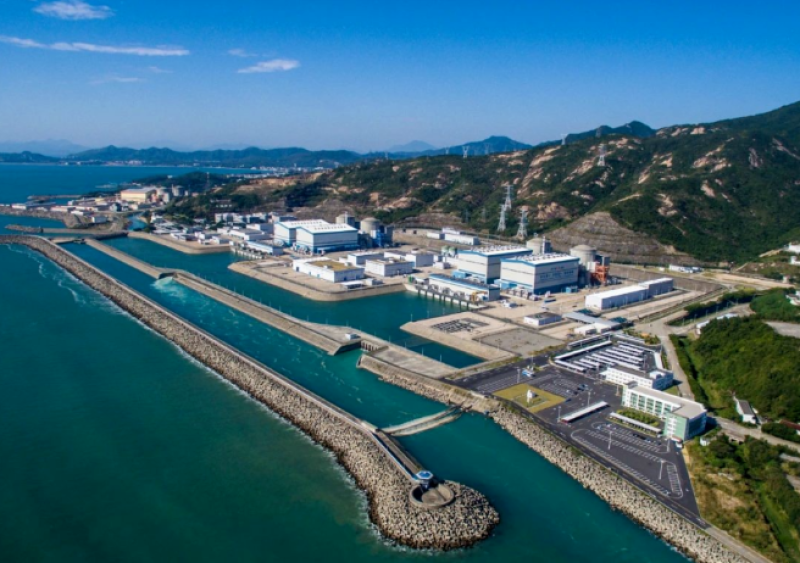
Global nuclear power construction is accelerating, particularly in the Asian region. China is currently the most active country in nuclear power construction worldwide, with more than twenty nuclear reactors under construction, far surpassing other nations. This large-scale investment reflects China's emphasis on energy security and reducing carbon emissions. India follows closely behind, also actively expanding its nuclear power capacity to meet growing electricity demand and achieve climate goals. Beyond Asia, several European countries are also increasing their nuclear power capacity. Although France already possesses a large number of existing nuclear power plants, it is also advancing the construction of new nuclear reactors, aiming to maintain the share of nuclear energy in its energy mix. The United Kingdom is likewise committed to developing nuclear power, with plans to build new...
2026-08-03
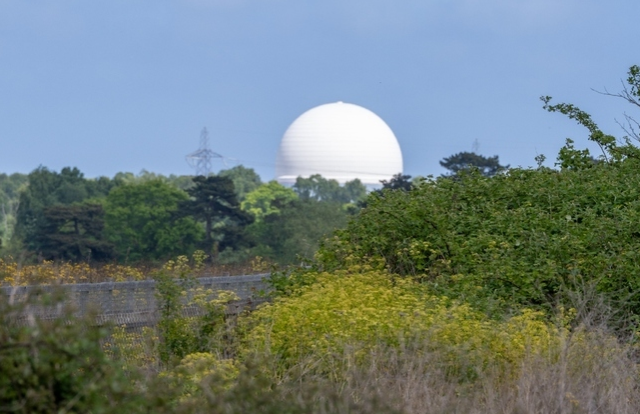
UK Poll Shows Nearly Half of Public Support Nuclear Energy Development
A new UK opinion poll shows that nearly half of respondents support the country's development of nuclear energy to address climate change and energy security challenges. Although public concerns over nuclear power plant safety persist, with growing awareness of the intermittency of renewable energy and rising calls to reduce dependence on fossil fuels, the role of nuclear energy in the UK's energy mix is attracting increasing attention. The survey results show that 48% of respondents consider nuclear energy an important component of achieving net-zero emission targets, while 29% hold opposing views. The main reasons for supporting nuclear energy include its reliability and low-carbon characteristics. Unlike renewable sources such as wind and solar, nuclear power plants...
2026-08-03

Fuse Signs Five-Year Cooperative R&D Agreement with Nevada National Security Sites
U.S. fusion energy company Fuse Energy Technologies Corporation (Fuse) announced on August 2 that it has signed a five-year Cooperative Research and Development Agreement (CRADA) with Mission Support and Test Services (MSTS) at the Nevada National Security Sites (NNSS). MSTS manages and operates NNSS. The agreement establishes a long-term collaboration framework between Fuse and NNSS. The initial research projects will focus on next-generation fusion technology validation, tritium-related capability enhancement, increasing neutron yield from pulsed fusion generators, and U.S. domestic...
2026-08-03
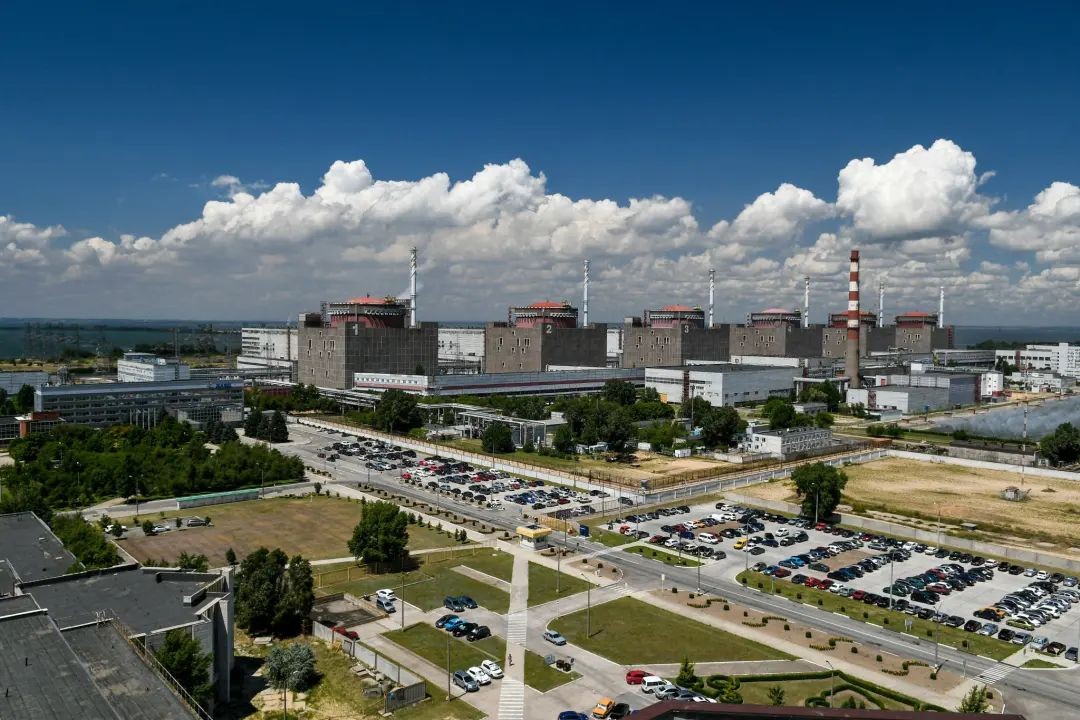
Zaporizhzhia Nuclear Power Plant currently relies on only one external power line for electricity supply
Alexey Likhachev, President of Rosatom, stated that the Zaporizhzhia Nuclear Power Plant currently obtains electricity through only one 330 kV external transmission line—Ferrosplavnaya-1—and that the instability of external power supply remains one of the main safety hazards facing the facility. According to the company's press office, Likhachev noted that the lack of a second operational external transmission line at the Zaporizhzhia NPP increases the risk to the safe operation of the plant's units. Although the plant is in a shutdown state, its safety-critical systems still require a stable power supply to ensure the continued operation of equipment related to nuclear safety...
2026-08-03
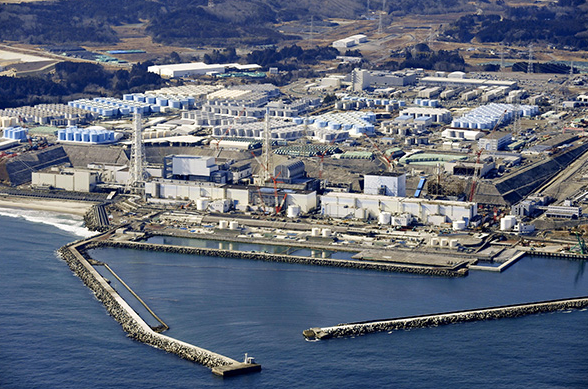
Nitrogen Supply Unit at Fukushima Daiichi Nuclear Power Station Resumes Operation After Malfunction
Tokyo Electric Power Company (TEPCO) reported on August 1 that a reactor nitrogen supply unit at the Fukushima Daiichi Nuclear Power Station malfunctioned that day, but was subsequently repaired and resumed gas supply. The company stated that during the malfunction, no significant fluctuations were observed in hydrogen concentrations inside the reactors of Units 1 to 3 or in surrounding radiation monitoring data, and no risk of hydrogen explosion was confirmed. The reactor containments and pressure vessels of Units 1 to 3 at the Fukushima Daiichi Nuclear Power Station require continuous nitrogen injection to suppress hydrogen accumulation resulting from radiolysis of water. If hydrogen concentrations exceed a certain level, the risk of hydrogen explosion may increase. According to TEPCO, at 11:14 a.m. on August 1, a worker...
2026-08-03
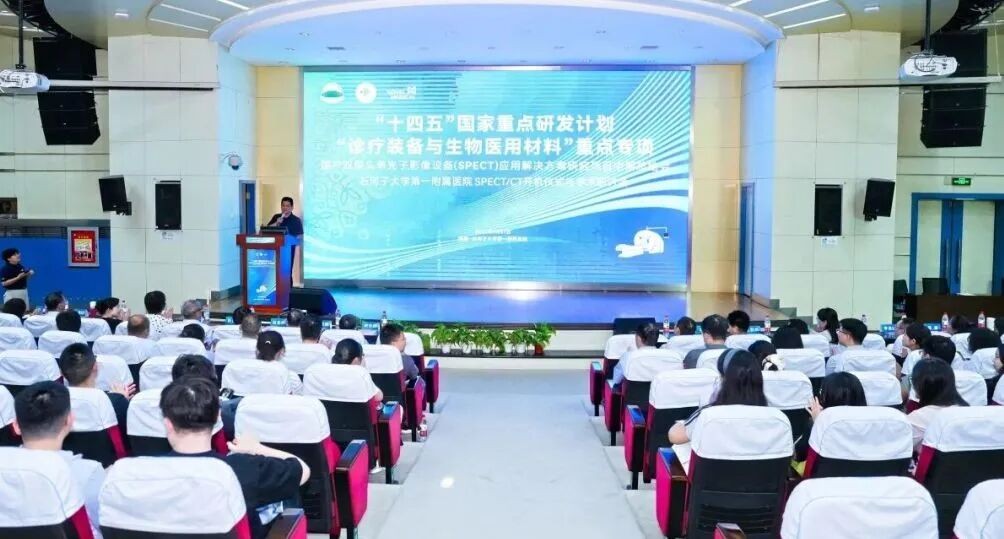
Xinjiang's First Domestically Developed SPECT/CT Put into Operation at the First Affiliated Hospital of Shihezi University
Recently, the mid-term summary meeting of the National Key R&D Program project "Research on Application Solutions for Domestically Developed Dual-Head Single-Photon Imaging Equipment (SPECT)" under the 14th Five-Year Plan, along with the SPECT/CT commissioning ceremony and academic seminar, was held at the First Affiliated Hospital of Shihezi University. The Insight four-dimensional quantitative SPECT/CT from永新医疗 (Yongxin Medical) was officially installed in Xinjiang, becoming the first domestically developed SPECT/CT system put into clinical use in the region. A representative from the First Affiliated Hospital of Shihezi University stated that the commissioning of the domestically developed SPECT/CT will help the hospital improve its precision diagnosis and treatment system in northern Xinjiang and enhance regional nuclear medicine service capabilities. Experts attending the meeting noted that the deployment of this system in clinical practice will help explore the standardized application pathways of SPECT/CT in primary hospitals and accumulate clinical experience in the use of nuclear medicine imaging equipment in western China.
2026-08-03
Wuke Superconducting Completes Tens of Millions in Angel Round Financing, Accelerating the Industrialization of High-Temperature Superconducting Tapes
In late July 2026, Beijing Wuke Superconducting Technology Co., Ltd. (hereinafter referred to as "Wuke Superconducting") completed an angel round financing of tens of millions of RMB. This round was jointly invested by CASSTAR, Zhongguancun Capital, and Huairou Hard Technology Fund. The joint backing of several renowned venture capital institutions fully confirms the capital market's high recognition of Wuke Superconducting's core team, technical strength, and industry development prospects. Wuke Superconducting was initiated by the technical team of the Institute of Physics, Chinese Academy of Sciences, focusing on the R&D, preparation, and industrial application of a new generation of high-temperature superconducting tapes. The company is dedicated to overcoming the key bottlenecks in transitioning high-temperature superconducting materials from laboratory to large-scale application, building an integrated platform covering superconducting target development, core equipment R&D, high-performance tape preparation, and ultimate performance characterization of wires and tapes.
2026-08-03
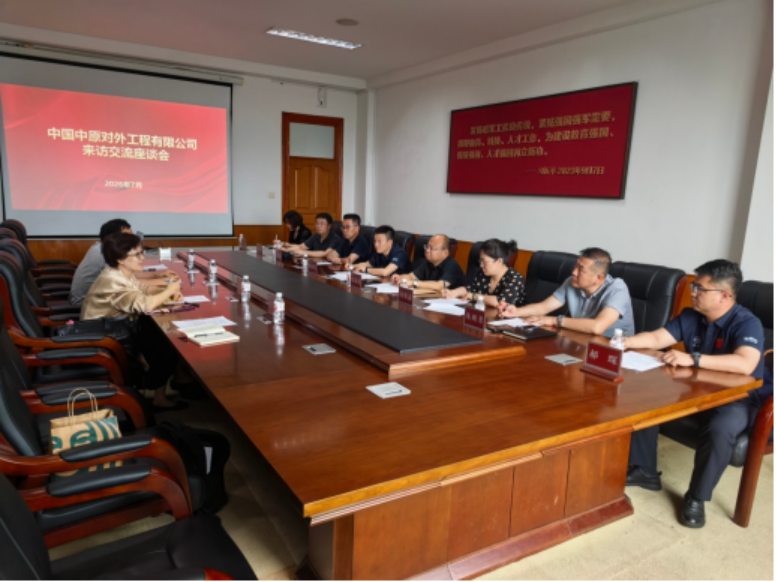
Mao Yawei, General Manager of China Zhongyuan Engineering Corporation, Leads a Delegation to Visit Harbin Engineering University
On July 28, a three-member delegation led by Mao Yawei, General Manager of China Zhongyuan Engineering Corporation, visited Harbin Engineering University (HEU). Chen Hailong, Assistant President of HEU, attended the meeting. The two sides conducted in-depth exchanges on deepening international talent cultivation and scientific research cooperation. Chen Hailong extended a warm welcome to Mao Yawei and his delegation. He stated that HEU has been continuously and thoroughly implementing the important speech and directives delivered by General Secretary Xi Jinping during his visit to the university, closely aligning with the national nuclear industry development needs, and advancing education, science and technology, and talent development in an integrated manner. China Zhongyuan and HEU have a solid foundation for cooperation and broad prospects, having already achieved fruitful results in areas such as joint cultivation of international students, international talent training, and platform resource sharing...
2026-08-03

Unit 3 of the Huaneng Changjiang Nuclear Power Phase II project—Hainan Province's first "Hualong One" nuclear power project—has been connected to the grid and is generating electricity
On August 1, Unit 3 of the Huaneng Changjiang Nuclear Power Phase II Project, the first large-scale pressurized water reactor nuclear power project under controlling construction by China Huaneng Group Co., Ltd. and the first "Hualong One" nuclear power project in Hainan Province, was connected to the grid, generating Huaneng's first kilowatt-hour of pressurized water reactor nuclear power. This marks that the unit has officially gained the capability to transmit power to the grid, taking a key step toward the goal of commercial operation. The project plans to build two 1.2-million-kilowatt nuclear power units, equipped with China's independently developed third-generation pressurized water reactor nuclear power technology, the "Hualong One." It vigorously promotes the independent design of nuclear power and the localization of equipment manufacturing, and adopts a safety design concept combining active and passive systems, which can significantly improve the reliability and safety of the nuclear power plant. ...
2026-08-03