
Search Results
Keyword:ESS

U.S. Fusion Company Advances Deuterium-Helium-3 Fusion Testing
American Fusion Inc. on August 27 announced progress in ongoing testing of the Texatron Fusion Engine and released computational and experimental observations regarding the device's ability to achieve deuterium-helium-3 (D-³He) fusion conditions. The company stated that the test program is evaluating two Texatron configurations at approximately 500 kilowatts and 5 megawatts, with the core technical approach being proprietary pulsed magnetic compression. Texatron's R&D focus is on utilizing short-duration, high-intensity electromagnetic pulses to compress and heat plasma in extremely short timeframes, simultaneously creating the conditions required for fusion, including high temperature, high pressure, high density, and a certain confinement time. American Fusion Inc...
2026-08-28
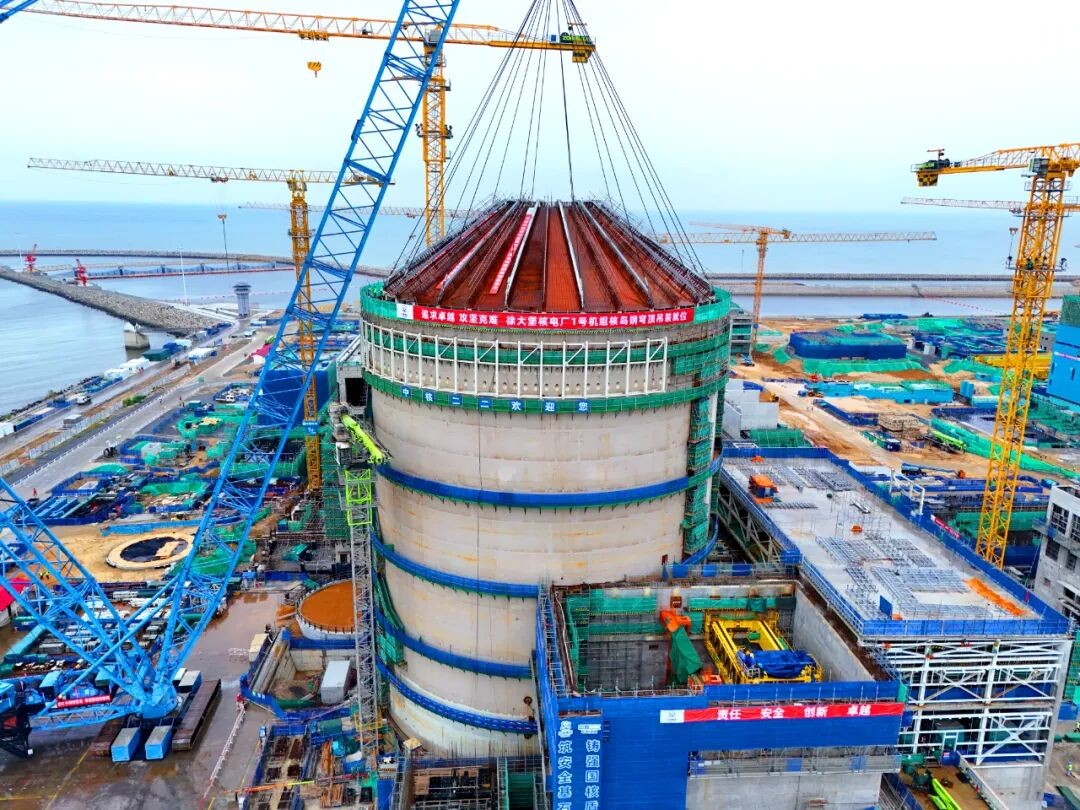
Steel Dome of Unit 1 at Liaoning Xudabao Nuclear Power Plant Hoisted into Place
On August 28, the steel dome of the nuclear island of Unit 1 at Liaoning Xudabao Nuclear Power Plant, invested and controlled by China National Nuclear Corporation (CNNC)'s China National Nuclear Power, was hoisted into place, marking that the large steel structure module construction of the unit has entered its final stage and laying a solid foundation for achieving the milestone of structural completion of the nuclear island buildings. As the core load-bearing structure of the nuclear island, the steel dome sits atop the steel-plate concrete structure, bearing all loads from the passive containment cooling water storage tank and the structures above. It serves as a critical barrier safeguarding the structural integrity and sealing reliability of the reactor building. The dome is conical in shape, composed of radial main beams, ring beams, steel cladding panels, and a bottom steel platform, with a diameter of approximately 41 meters, a height of 11 meters, and a total hoisting weight of nearly 1,000 tons...
2026-08-28
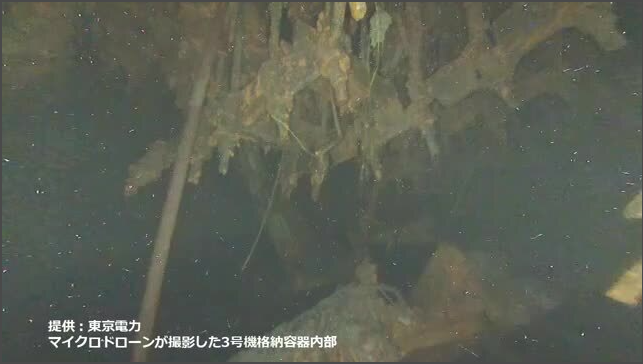
Hole of about 3 meters confirmed at bottom of reactor pressure vessel of Unit 3 at Fukushima Daiichi Nuclear Power Station
Tokyo Electric Power Company (TEPCO) announced on August 27 that a hole approximately 3 meters in diameter has been confirmed at the bottom of the reactor pressure vessel of Unit 3 at the Fukushima Daiichi Nuclear Power Station. The pressure vessel is a steel container that held nuclear fuel before the accident, with a cylindrical shape and a diameter of about 5.5 meters. This is the first time since the core meltdown accident at Units 1 to 3 of the Fukushima Daiichi Nuclear Power Station in 2011 that the specific size and shape of such a hole have been confirmed on the pressure vessel. The hole is believed to be related to the falling of melted nuclear fuel during the 2011 accident. After the accident, the containment vessel of Unit 3 has maintained a relatively high water level for an extended period, and access routes into the containment vessel are limited. TEPCO previously used a micro drone measuring approximately 12 centimeters per side...
2026-08-28
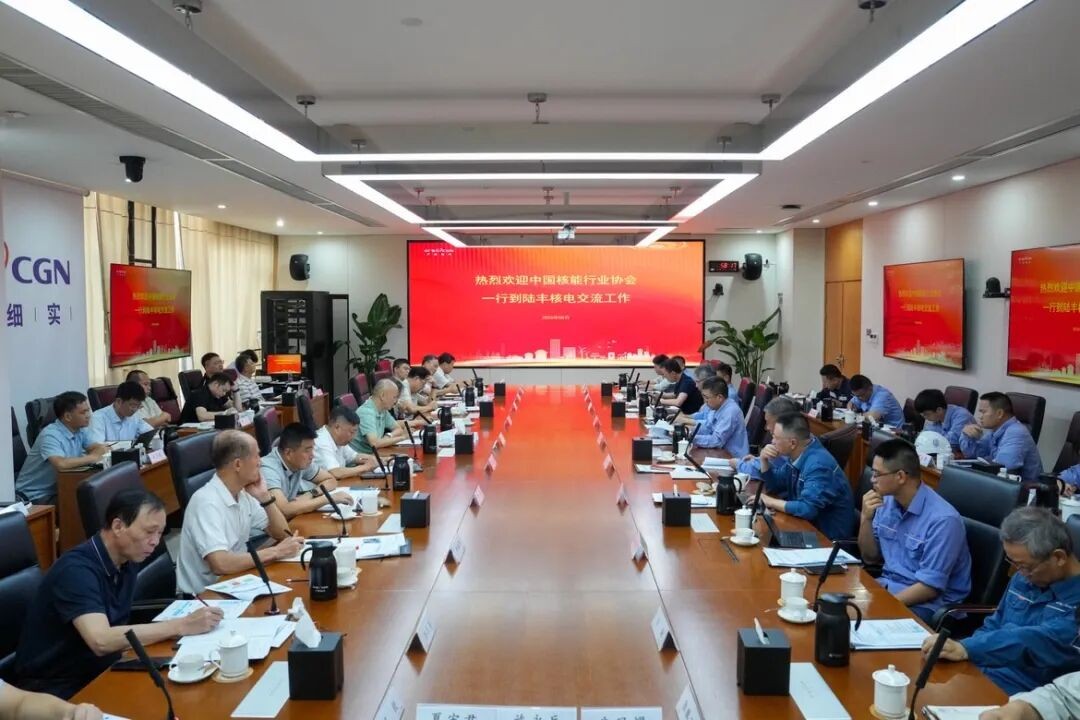
Lufeng Nuclear Power Unit 1 Nuclear Island Installation and High-Quality Cold Test Sand Table Exercise Successfully Concluded
From August 18 to August 21, 2026, the China Nuclear Energy Association (hereinafter referred to as the Association) organized relevant experts to successfully carry out the sand table exercise for the nuclear island installation and high-quality cold test of Lufeng Nuclear Power Unit 1. The sand table exercise was led by Hu Guofeng, former Director of Shanghai Nuclear Engineering Research and Design Institute Co., Ltd. and Deputy Director of the Science, Technology and Development Expert Committee, with Li Jingxi, former Director of the South China Nuclear and Radiation Safety Supervision Station of the Ministry of Ecology and Environment, Li Qibin, former Chairman of China Nuclear Industry 23 Construction Co., Ltd., Zeng Hao, former Chairman of CNNC Maintenance Co., Ltd., and Wang Mingliang, former Deputy General Manager of China Nuclear Industry Fifth Construction Co., Ltd., serving as advisors. A total of 24 external experts participated...
2026-08-28
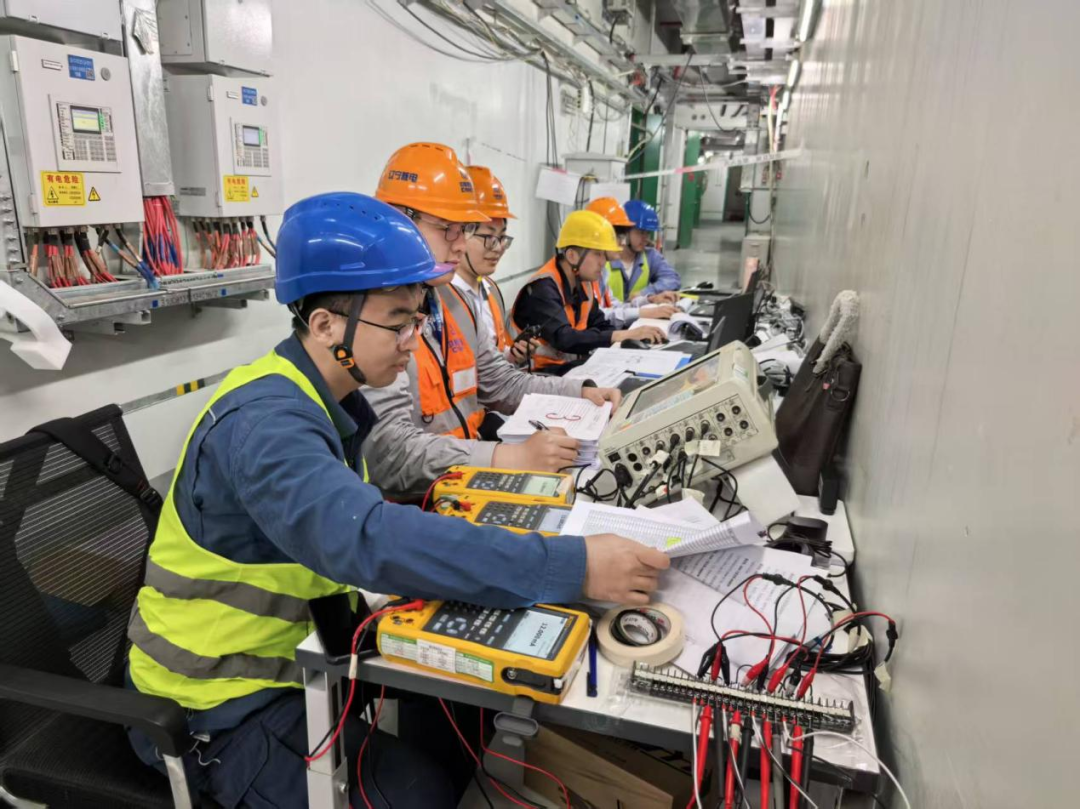
Safety-level DCS Response Time Testing for Unit 3 of Xudabao Nuclear Power Plant Successfully Completed
Recently, with the final test data confirmed to be accurate, the safety-level DCS (Digital Control System) response time testing for Unit 3 of Xudabao Nuclear Power Plant was successfully completed. All test results met the requirements, with no abnormal equipment actions throughout the entire process, providing reliable instrumentation and control assurance for the subsequent fuel loading and stable operation of the unit. The test lasted 14 days and covered 182 test cases, encompassing more than 1,500 functional tests for reactor trip and engineered safety features systems. As a critical step before fuel loading, the safety-level DCS response time test holds significant reference value for verifying the response performance of the unit's safety systems. To ensure the successful completion of the test, the instrumentation and control team adhered to the work philosophy of "comprehensive preparation, strong collaboration, experience feedback, and pragmatic execution," advancing all tasks in an orderly manner.
2026-08-27
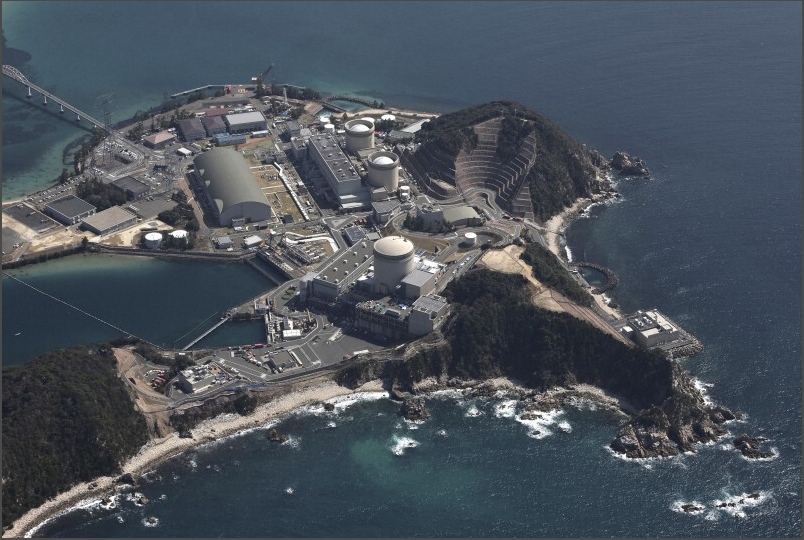
Kansai Electric Power Revises Nuclear Emergency Disaster Prevention Business Plans for Three Nuclear Power Plants
Kansai Electric Power Co., Inc. announced on August 27 that it has revised the nuclear operator disaster prevention business plans for the Mihama, Takahama, and Oi nuclear power plants in accordance with Japan's Act on Special Measures Concerning Nuclear Emergency Preparedness, and filed them with the Prime Minister and the Nuclear Regulation Authority on the same day. The revisions pertain to nuclear emergency disaster prevention arrangements at the three nuclear power plants. Kansai Electric Power stated that it will continue to ensure the safety of the nuclear power plants and enhance nuclear emergency disaster prevention measures in accordance with the relevant plans. According to the documents, the consultation period prior to the revisions was from May 13 to July 30, 2026, totaling 79 days. The consultation parties included the local governments where the nuclear power plants are located and related neighboring local governments.
2026-08-27
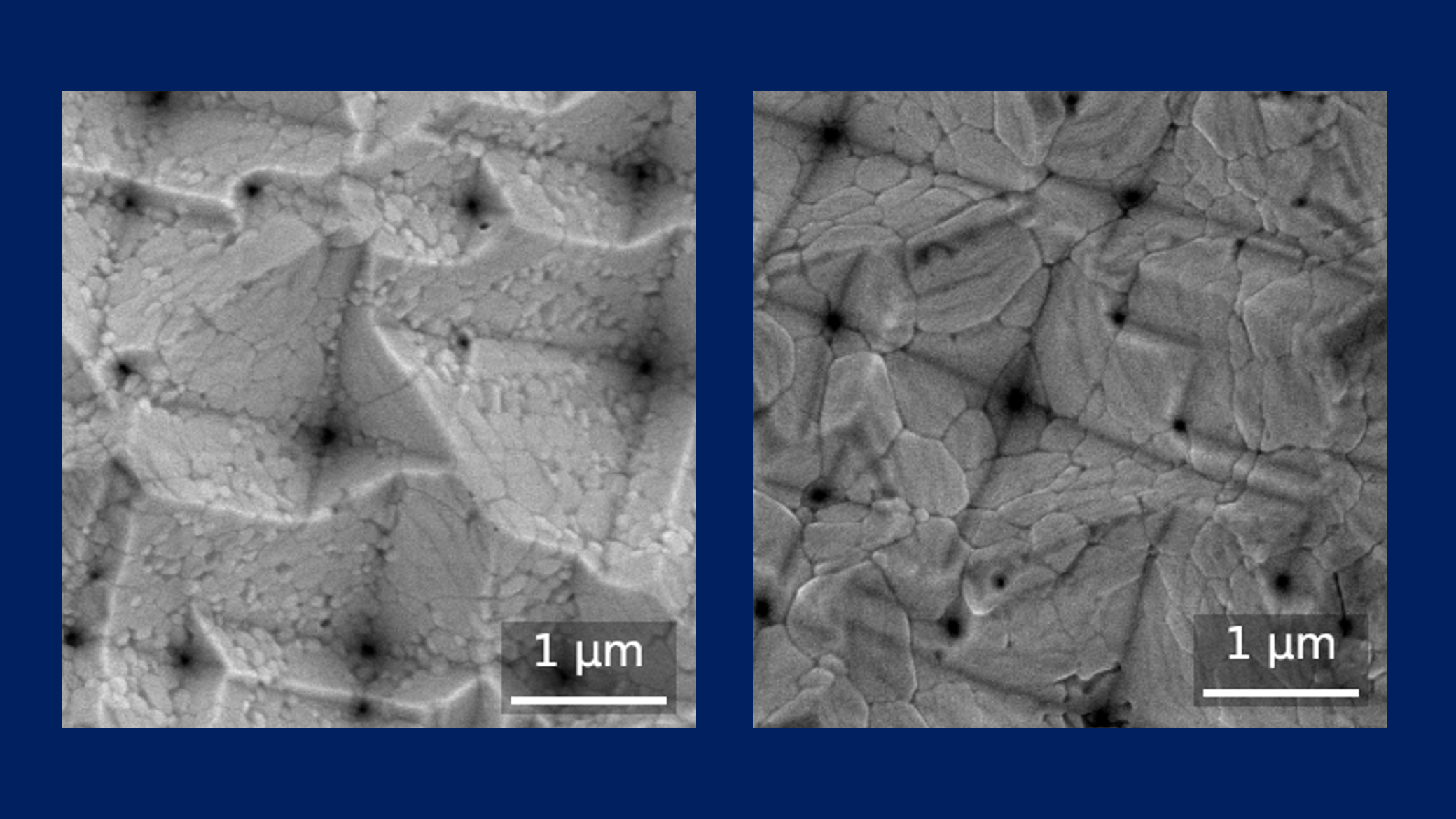
German BESSY II Research Reveals: Cesium Chloride Seed Layer Can Improve Quality of Perovskite-Silicon Tandem Solar Cells
A team from the Helmholtz-Zentrum Berlin (HZB) in Germany used the BESSY II synchrotron radiation facility to conduct nanoscale analysis of perovskite-silicon tandem solar cells fabricated by evaporation methods, and proposed a new approach to improve the quality of perovskite thin films. The study shows that introducing a thin cesium chloride (CsCl) seed layer between the two sub-cells promotes uniform growth of the perovskite layer while reducing undesirable lead iodide deposition at the interface. The research demonstrates that the cesium chloride seed layer improves the growth of the evaporated perovskite layer and reduces the formation of lead iodide. Scanning electron microscopy images show that the perovskite layer grown without a seed layer (left image) consists of extremely fine crystallites...
2026-08-27
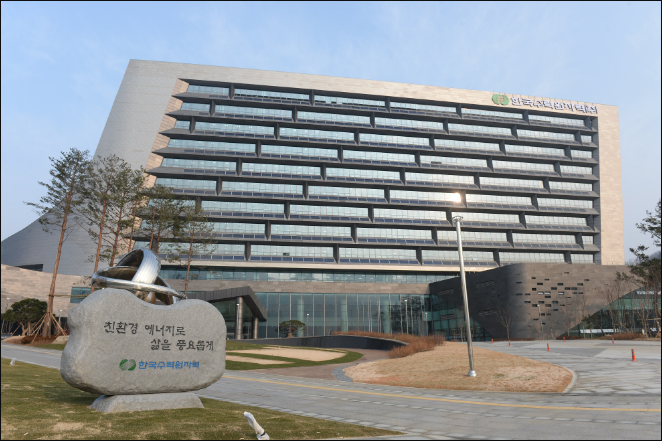
KHNP Advances Nuclear Process Heat-Based Hydrogen Production Ecosystem
Korea Hydro & Nuclear Power (KHNP) held a preparatory meeting in Daejeon on August 26 to establish an advisory body for building the Korean solid oxide cell industrial ecosystem, and discussed R&D strategic alliances and industry-academia-research cooperation frameworks. The collaboration will bring together industry, academia, and research institutions, including the Korea Institute of Ceramic Engineering and Technology (KICET). KHNP plans to use the advisory body as a platform to connect R&D, demonstration, and commercialization, promoting the self-reliance of Korean solid oxide cell (K-SOC) related technologies. According to the meeting agenda, KHNP will serve as the lead enterprise, proposing technology development directions needed for demonstration applications and commercialization; the Korea Institute of Ceramic Engineering and Technology will play a supporting role in supplying core industrial technologies.
2026-08-27

U.S. SuperCritical Materials Corp. Completes Independent Engineering Assessment of Seawater Uranium Extraction Platform
SuperCritical Materials Corp. announced on August 26 that Kellogg Brown & Root (KBR) has completed an independent engineering assessment of its seawater uranium extraction platform. The assessment covered the uranium extraction platform, deployment architecture, offshore operation plans, uranium recovery process, commercialization pathway, and key engineering conditions required for future large-scale deployment. The assessment reviewed SuperCritical Materials' conceptual production plan. Under this plan, the system would use approximately 10,000 metric tons of adsorbent and operate on a continuous 21-day deployment cycle, capable of supporting a uranium processing facility with an annual output of 1.85 million pounds of triuranium octoxide (U3O8)...
2026-08-27
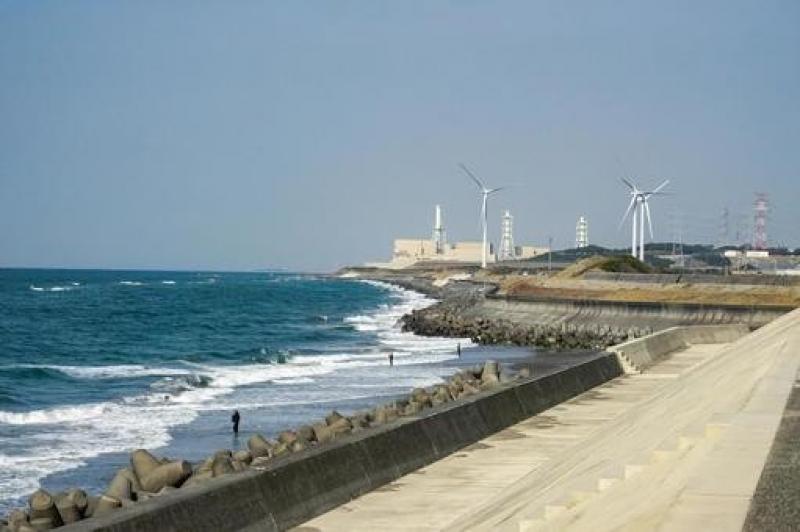
Chubu Electric Power Suspected of Falsifying Decommissioning Progress at Hamaoka Nuclear Power Plant
According to disclosures, Japan's Chubu Electric Power Company (CEPCO) is suspected of submitting improper reports to the Japan Spent Fuel Reprocessing and Decommissioning Promotion Organization (NuRO), which manages decommissioning funds, during the cost declaration process for the decommissioning of Units 1 and 2 at the Hamaoka Nuclear Power Plant, overstating project progress and settling related costs accordingly. The Hamaoka Nuclear Power Plant is located in Omaezaki City, Shizuoka Prefecture, Japan. Chubu Electric Power decided to shut down Units 1 and 2 of the plant in 2008, with related decommissioning work commencing in 2009. Sources say that when declaring decommissioning project costs, the company is suspected of reporting project progress as faster than actual conditions and using inaccurate data in documents submitted to the fund management organization...
2026-08-27
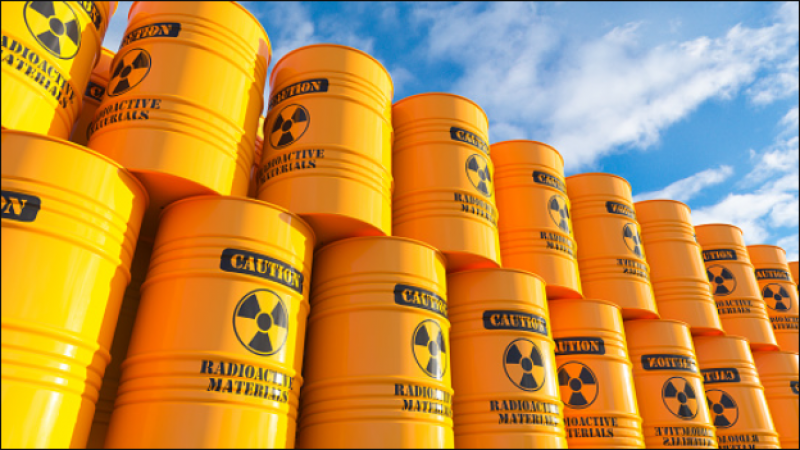
Belarus Advances Preparations for Radioactive Waste Disposal Facility
Belarus is advancing preliminary work on the construction of a centralized radioactive waste disposal facility. Mikhail Kisel, Director of the Belarusian Radioactive Waste Management Organization, recently stated at a public discussion on the environmental impact assessment report held in Mstsislaw that, according to the country's radioactive waste management strategy through 2050, existing storage facilities will need to be decommissioned in the future, and the new radioactive waste disposal facility is planned to be completed by 2030. Kisel noted that the sources of radioactive waste are not limited to the nuclear energy sector, but also include healthcare, industrial, and scientific research activities. Currently, centralized long-term storage of such waste is handled by the specialized enterprise Ekores. Belarusian radioactive waste...
2026-08-27
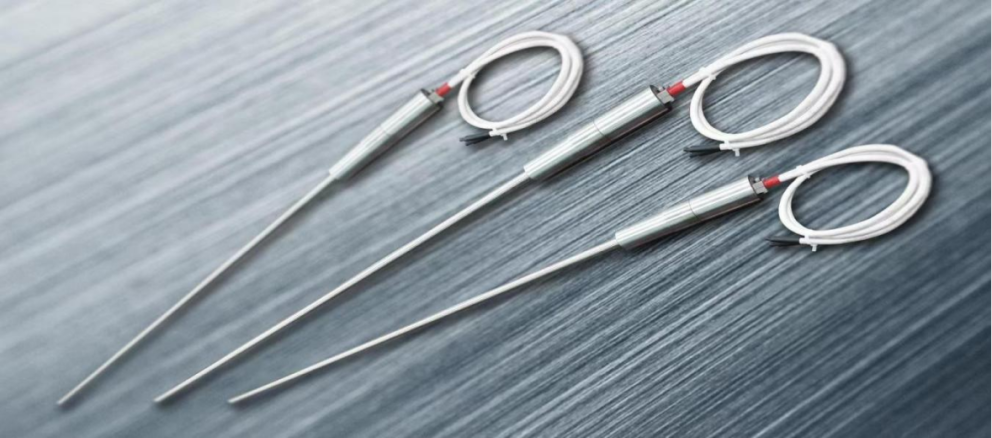
Hualong One Pressurizer Electric Heaters Achieve Coverage of Two Major Technical Routes
The pressurizer electric heater is an important safety-class component of the reactor coolant system (primary loop) in pressurized water reactor nuclear power plants, directly affecting unit pressure regulation and safe, stable operation. The localized pressurizer electric heater developed by Chuanyi Instrument Co., Ltd., a subsidiary of SINOMACH Instrumentation Group under SINOMACH Group, has been applied to China's self-developed Generation III nuclear power units such as "Hualong One." The photo shows the qualification prototype of the Hualong One pressurizer electric heater. With the batch construction of Hualong One units advancing, units adopting different technical routes have imposed new customized operating condition requirements on pressurizer electric heaters. In October 2019, Chuanyi Instrument, together with China General Nuclear Power Engineering Co., Ltd., initiated the development of the CGN-version Hualong One pressurizer electric heater...
2026-08-27
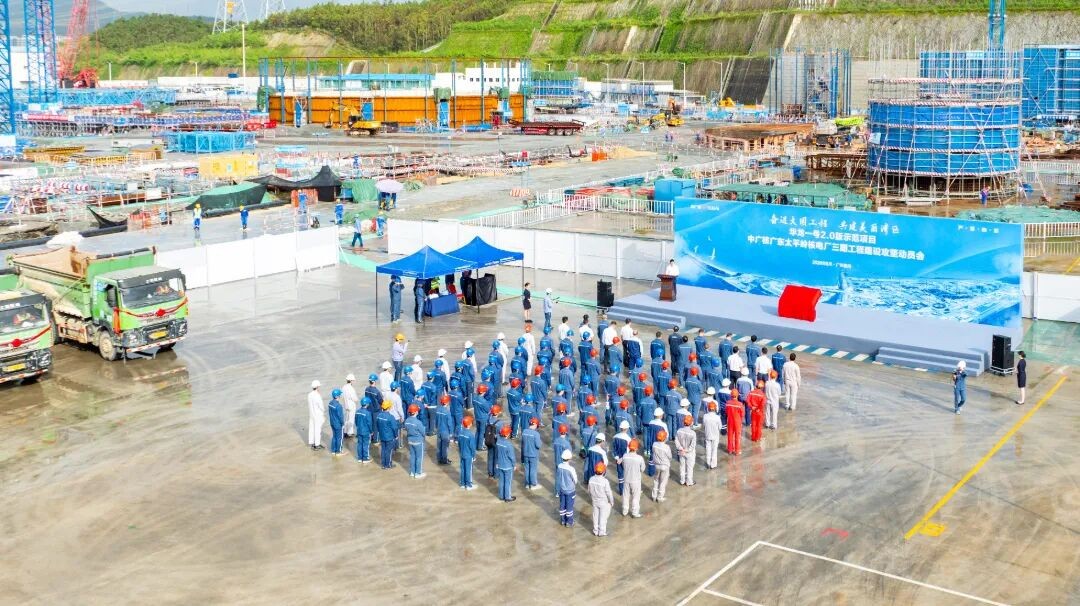
Construction of Access Tunnels Commences for Phase III of Taipingling Nuclear Power Project
On August 26, 2026, CGN's Guangdong Taipingling Nuclear Power Plant held a mobilization meeting for the construction of its Phase III project. At the meeting, the "Safety and Quality Responsibility Agreement for the Construction and Operation of CGN Guangdong Taipingling Nuclear Power Plant Phase III Project" was unveiled, aiming to further consolidate safety and quality responsibilities in nuclear power engineering construction, strengthen project quality management, and ensure the safe and orderly progress of project construction. At the mobilization meeting, Zhang Guoqiang, Secretary of the Party Committee and Chairman of CGN Huizhou Nuclear Power Co., Ltd., announced the official commencement of access tunnel construction for the Phase III project. Upon completion of the access tunnel construction, it will help improve the organizational efficiency of project construction in areas such as material transportation and module hoisting, and create conditions for the subsequent pouring of the first batch of nuclear island concrete.
2026-08-27
Symposium on Marine Radiation Monitoring and Emergency Response Technology Exchange Successfully Held
To further enhance the technical support capability for marine radiation environment monitoring and promote scientific research innovation and practical application in marine radiation monitoring and emergency response, the National Marine Environmental Monitoring Center (hereinafter referred to as the Marine Center) recently conducted a technical exchange with the Jinan Zhongke Nuclear Technology Research Institute. The two sides engaged in comprehensive discussions on technology development, equipment application, data analysis, and standards development, focusing on the new situation and new requirements facing marine radiation environmental safety. The Marine Center systematically presented its operational system, technical capabilities, and practical experience in the field of marine radiation monitoring and emergency response. The Jinan Zhongke Nuclear Technology Research Institute highlighted its core...
2026-08-27
Finland Launches Its First IAEA International Assessment of Radiation Emergency Preparedness
Finland has recently launched its first international assessment of radiation emergency preparedness. At the invitation of Finland's Ministry of Economic Affairs and Employment, an international expert team assembled by the International Atomic Energy Agency began assessing Finland's preparedness for radiation emergency response on August 25, with the work continuing through September 1. The assessment is coordinated by the Radiation and Nuclear Safety Authority of Finland. This authority also serves as the IAEA contact point and participates in this review as one of the assessed entities. The coordination group designated by Finland's Ministry of Economic Affairs and Employment is chaired by Karim Peltonen from the Radiation and Nuclear Safety Authority of Finland. The assessment employs the IAEA's Emergency Preparedness Review mechanism,...
2026-08-26