
Search Results
Keyword:ESS
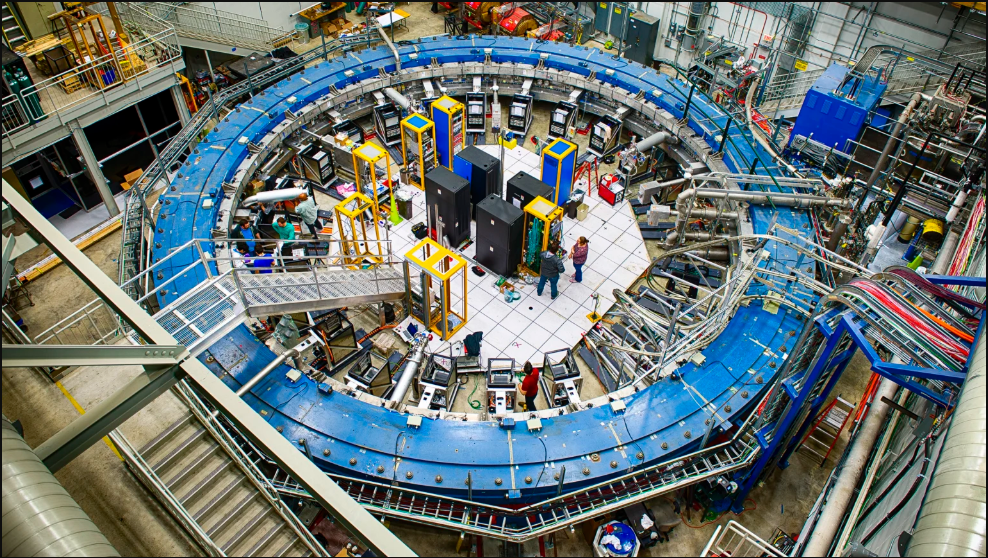
After 25 Years, the Muon Wobble Puzzle Sees Key New Progress in Physics
For 25 years, precise measurements of how muons wobble in a magnetic field have been a major puzzle in particle physics. Early experiments showed a discrepancy between the measured value of the muon's g-factor and theoretical predictions, a difference once seen as a possible hint of unknown particles. Recent new theoretical calculations and experimental analyses have brought a new twist to this puzzle. The muon is a heavier cousin of the electron that precesses like a tiny magnet in a magnetic field. Its extra wobble is quantified by the muon g-2 coefficient. According to quantum theory, known particles and interactions influence this coefficient through fleeting quantum fluctuations, making muon g-2 a key test of the Standard Model...
2026-08-03
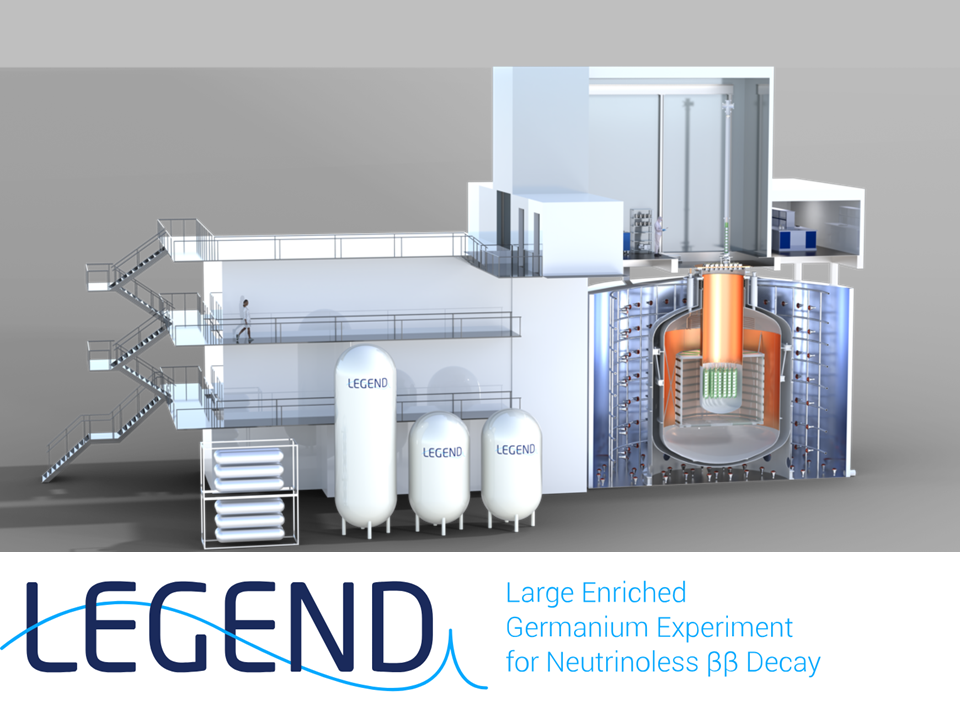
German Science and Humanities Council Supports German Participation in the LEGEND-1000 Neutrinoless Double Beta Decay Experiment
On July 27, 2026, the German Science and Humanities Council expressed its support for German participation in the LEGEND-1000 experiment. The project had previously passed scientific evaluation and was deemed significant for a broad research community in the fields of particle physics and nuclear physics. LEGEND-1000 is the next phase of the large-scale enriched germanium neutrinoless double β decay experiment, planned to be constructed by an international collaborative team at the underground laboratory of the Gran Sasso National Laboratory in Italy. German participating institutions include the Max Planck Institute for Nuclear Physics in Heidelberg and the Technical University of Munich, with project leaders being Professor Susanne Mertens and Professor Stefan Schönert, respectively. According to the project...
2026-08-03
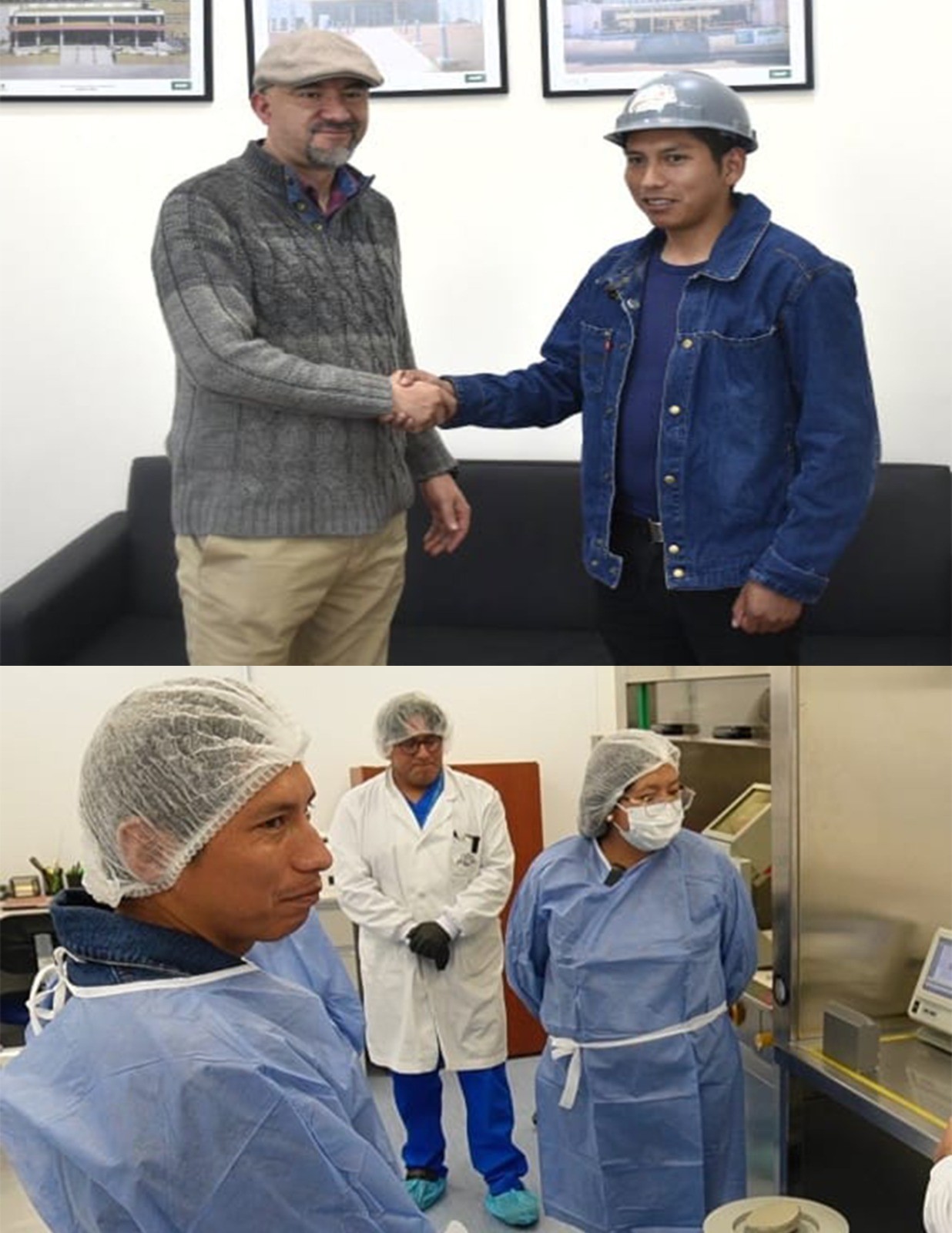
Bolivia Advances Legislative Process for Peaceful Nuclear Technology Applications
EL ALTO, Bolivia, July 29 - The Bolivian Nuclear Energy Agency (ABEN) recently held working exchanges with relevant committees of the Plurinational Legislative Assembly to discuss the reactivation of related legislative agendas, focusing on the continued advancement of Bolivia's nuclear energy program and peaceful nuclear technology application projects. René Soria Sausedo, Executive Director of ABEN, stated that as the primary operating entity of Bolivia's nuclear program, ABEN bears the responsibility of driving the implementation of peaceful nuclear technology application projects. These efforts require modern legal instruments to define institutional mandates, technical standards, and the fundamental legal framework for project development. The parliamentary delegation, led by the President of the International Policy and Migration Protection Committee, visited ABEN facilities...
2026-08-03
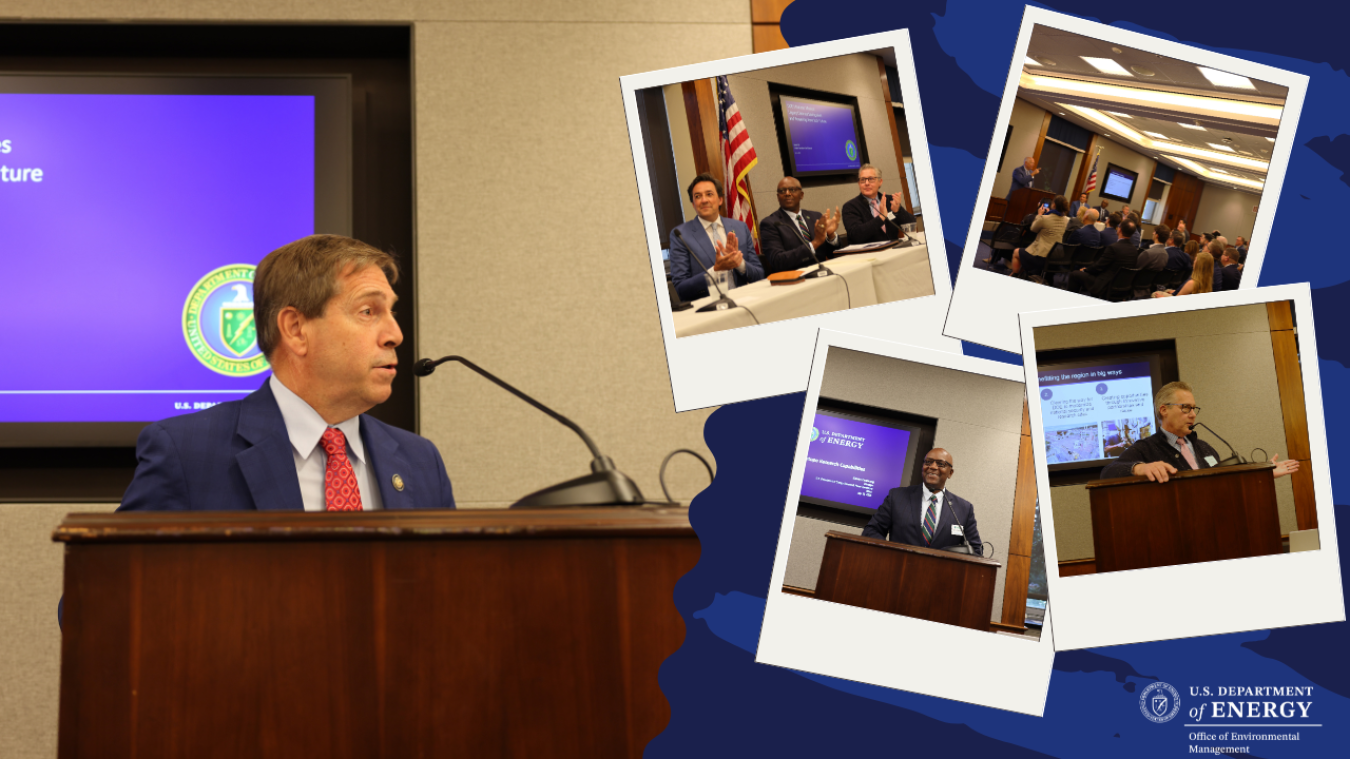
U.S. Department of Energy Highlights Progress in Legacy Waste Cleanup and Medical Isotope R&D
Recently, senior officials from the U.S. Department of Energy attended an event hosted by the U.S. House Nuclear Cleanup Caucus, presenting the application progress of legacy nuclear waste cleanup efforts in medical isotope R&D and future energy technologies. The event, themed "DOE's Isotope Mission: Legacy Cleanup Saves Lives, Empowers America's Future," focused on how nuclear cleanup missions align with isotope production and medical research. DOE's Under Secretary for Science Dario Gil, along with Oak Ridge National Laboratory Environmental Management Office Manager Eric Olds and Savannah River Operations Office Manager Edwin DeShon, jointly attended the event. DeShon...
2026-08-03
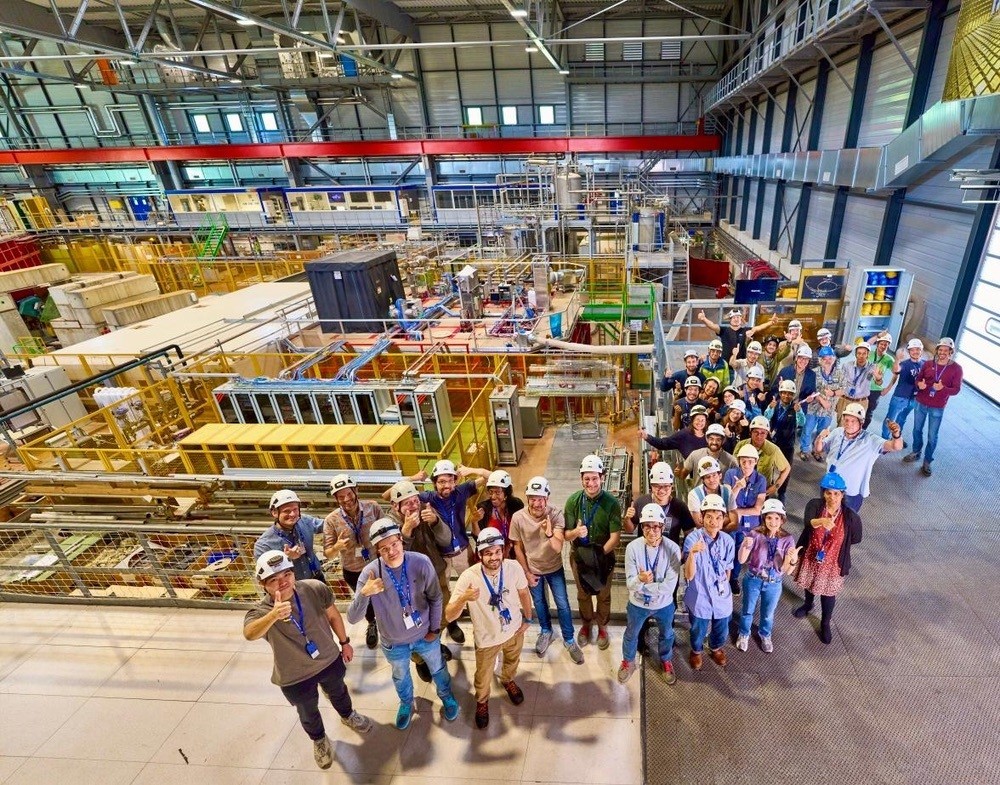
DUNE Prototype Detector Undergoes 300 kV Pressure Test at CERN
The Deep Underground Neutrino Experiment (DUNE), an international collaborative project led by the Fermi National Accelerator Laboratory under the U.S. Department of Energy, is conducting pressure tests on the prototype detector ProtoDUNE at CERN's Neutrino Platform to verify the long-term stability of the relevant detection technology under extreme operating conditions. DUNE is designed as a large-scale neutrino research experiment aimed at studying the properties of neutrinos and their role in the evolution of the universe. The experiment will install large liquid argon time projection chamber detectors approximately one mile underground at the Sanford Underground Research Facility in South Dakota, USA. Once the detectors are filled with liquid argon and sealed, internal components will be difficult to access for extended periods...
2026-08-03
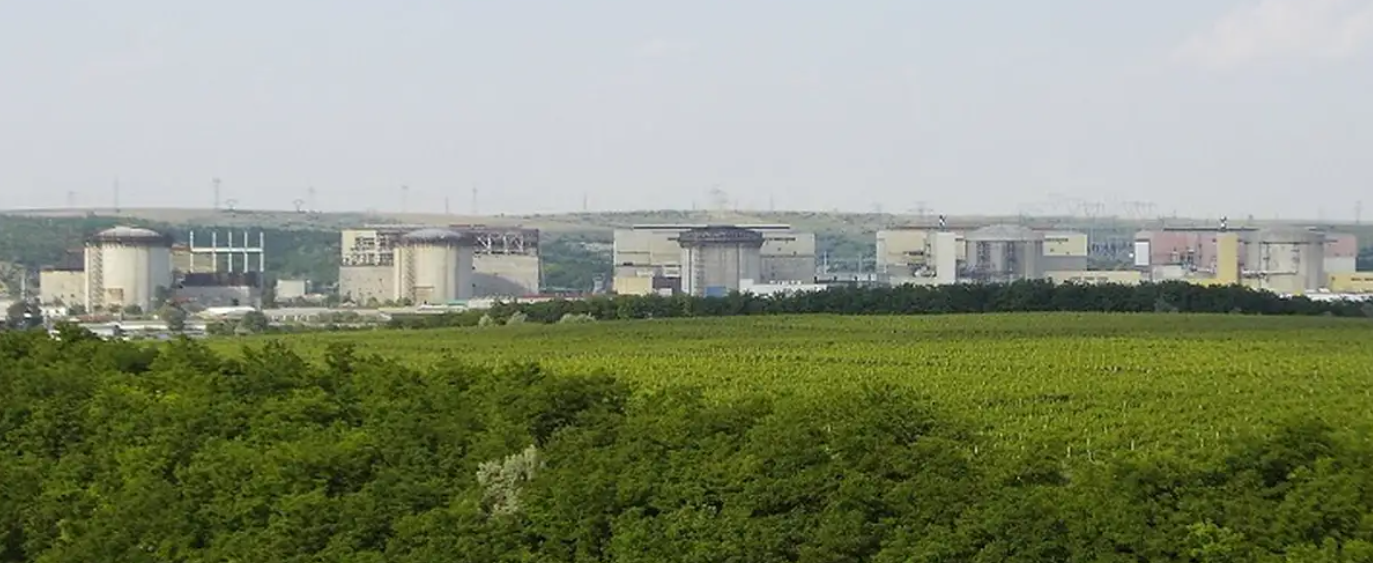
Danube Water Levels Continue to Drop, Putting Pressure on Romania's Cernavodă Nuclear Power Plant Operations
Romanian official Sorin Lindasu said on August 1 that if the Danube River water level continues to decline, the Cernavodă Nuclear Power Plant in Constanța County, southeastern Romania, may only be able to continue operating for 4 to 5 days. To ensure the water level required for continuous plant operation, relevant parties have begun implementing hydraulic engineering works on the Danube. Lindasu stated that the Danube water level is currently dropping at a rate of about 2 to 3 centimeters per day. A flow rate of 1,590 cubic meters per second has been recorded at the Baziaș inlet where the Danube enters Romanian territory, and this figure is expected to continue declining, potentially falling to about 1,450 cubic meters per second by August 7. Under these conditions, Cernavodă...
2026-08-03

Portuguese Parliament Advised to Assess Feasibility of Small Modular Reactors in the Country
On July 30, the Portuguese Parliament received a draft resolution recommending that the government adopt a pro-nuclear stance and conduct an assessment of the feasibility of using small modular reactors in the country. The draft emphasizes that, against the backdrop of the Russia-Ukraine conflict, successive wars in the Middle East, and the increasing fragility of international supply routes, energy security is no longer merely an economic or environmental issue but a core element of national sovereignty and strategic autonomy. Portugal should not ideologically exclude any low-carbon technology without objective research. The draft resolution points out that Portugal's current energy policy should balance supply security, economic competitiveness, consumer protection, and emission reduction goals, without preemptively rejecting any technology that could contribute to these...
2026-08-01
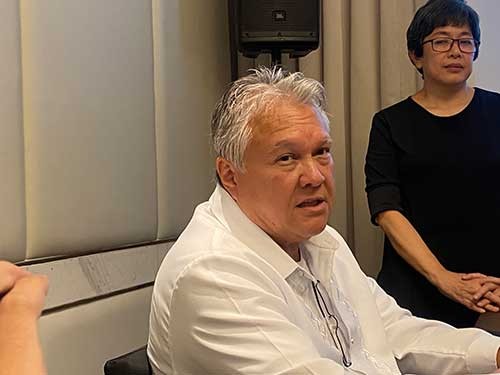
Philippine Lawmaker Says Nuclear Energy Could Ease Power Supply Pressure in Western Visayas
Mark Cojuangco, chair of the House of Representatives Committee on Nuclear Energy and representative of the Second District of Pangasinan, said on July 29 that if the Philippines adopts nuclear energy technology, the Western Visayas region could gain access to lower-cost and more stable electricity supply. Cojuangco noted that Iloilo and other parts of Western Visayas still rely heavily on coal-fired power, and the repeated power supply issues in recent years indicate the region needs more reliable and cost-controllable energy options. He is one of the principal authors of the Philippine National Nuclear Energy Safety Act (Republic Act No. 12305), which establishes a legal framework for the safe use of nuclear energy in the Philippines and provides for...
2026-08-01

Follow-up consultations on ROK-US nuclear-powered submarine and nuclear cooperation agreement progress slowly
According to a South Korean diplomatic source on July 31, South Korea and the United States have yet to finalize the schedule for the second working-level consultation, and the follow-up talks originally planned for July have not yet taken place. The consultations are aimed at implementing the security-related agreements outlined in the joint statement issued at last year's summit between the two countries, including South Korea's introduction of nuclear-powered submarines and the revision of nuclear cooperation arrangements regarding uranium enrichment and spent nuclear fuel reprocessing. The two sides previously held their first working-level consultation in Seoul on the 2nd and 3rd of last month. U.S. Under Secretary of State for Political Affairs Allison Hooker led a cross-agency delegation to South Korea at the time to discuss the implementation of the security agreement with the South Korean side. Observers...
2026-08-02
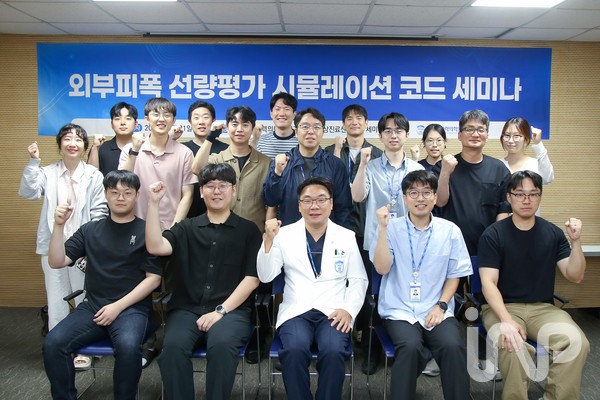
Korea Hosts McSEE Dose Assessment Program Application Workshop to Enhance Radiation Emergency Medical Capabilities
The Korea Atomic Energy Research Institute announced that the National Radiation Emergency Medical Center recently held a workshop on the application of the Monte Carlo-based dose assessment program (McSEE) in the disaster prevention education and training room. This event is part of a research project to strengthen emergency care capabilities for radiation-injured patients, aiming to promote the application of new dose assessment technologies at radiation emergency sites and enhance the practical skills of medical staff and researchers. The workshop training was conducted by the research team of Professor Kim Chan-hyeong at Hanyang University. The team introduced the principles of Monte Carlo-based radiation dose assessment, the functions of the McSEE software and its application methods, and conducted case-based practical training around simulated radiation exposure accidents...
2026-08-01
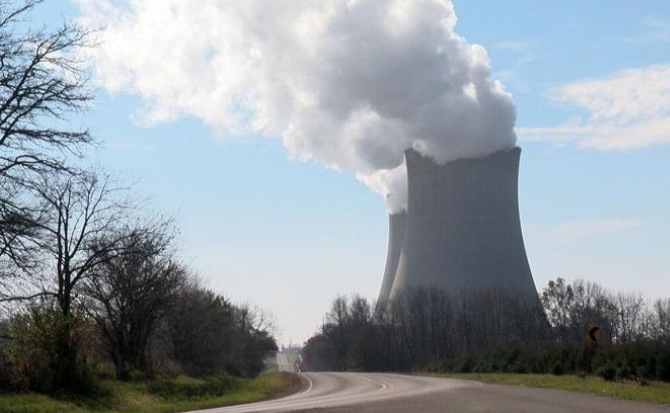
Illinois Restarts Nuclear Power in Bid to Address Energy Challenges
Illinois is actively exploring nuclear energy to address potential electricity shortages. Governor Pritzker signed an executive order requiring agencies to study adding at least 2 gigawatts of energy supply, enough to power 2 million homes or 20 large data centers. Earlier, in January of this year, the state passed the Clean and Reliable Grid Affordable Act, lifting a nearly four-decade ban on building new large-scale nuclear plants. This move aims to ensure stability of power supply and affordability of prices, especially amid growing energy demand. Illinois's nuclear development is not without challenges. For a long time, the United States has lacked a solution for safely storing nuclear waste...
2026-08-02
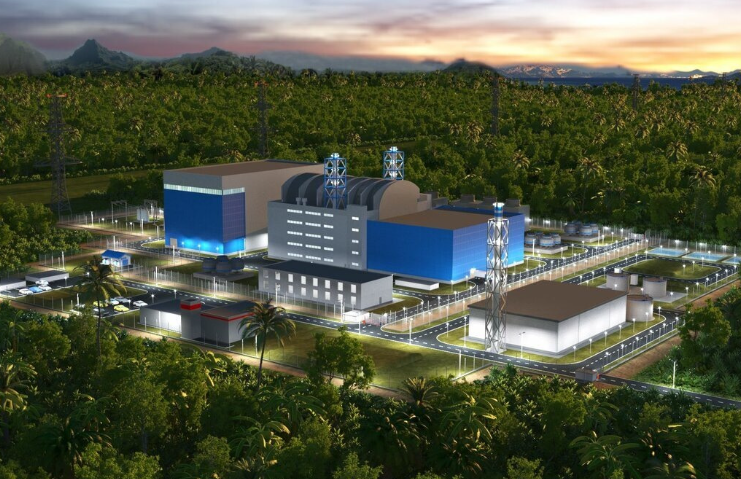
Russia-Brazil Uranium Conversion Cooperation Upgraded, Uranium Processing at Angra NPP Increased by 25%
In June 2026, Russia and Brazil signed an agreement to increase uranium conversion volumes for the Angra nuclear power plant in the South American country by 25%. This move is of strategic significance, as Russian fuel fully guarantees the operation of the country's only nuclear power plant. Russia is a key economic partner of Brazil, a Latin American nation, and one of the five historical founding members of the BRICS group. Brazil accounts for more than 50% of Russia's trade with the region, with bilateral trade volume reaching $10.9 billion by the end of 2025. The two countries are developing technical cooperation, particularly in the nuclear field. In December 2022, they signed a five-year contract to supply...
2026-08-01
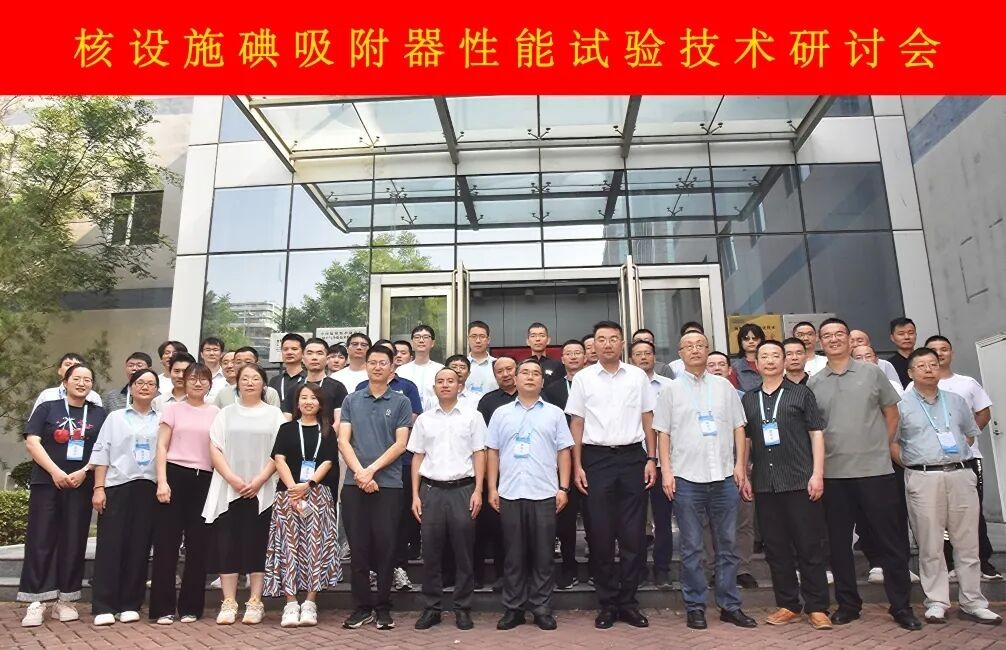
The Nuclear and Radiation Safety Center of the Ministry of Ecology and Environment Successfully Held a Technical Seminar on Performance Testing of Iodine Adsorbers in Nuclear Facilities
Recently, the technical seminar on performance testing of iodine adsorbers in nuclear facilities, hosted by the Nuclear and Radiation Safety Center of the Ministry of Ecology and Environment (hereinafter referred to as "the Center") and organized by the Key Laboratory of Radioactive Gas Purification Technology of CNNC, was held in Taiyuan, Shanxi Province. Representatives from domestic nuclear facility operation, design, testing and inspection organizations, as well as relevant personnel from the Center's Reactor Department, Event Assessment Department, and General Operations Department attended the meeting. The seminar focused on core topics such as periodic testing methods for iodine adsorbers in ventilation systems of nuclear facilities, acceptance criteria, and test cycle requirements under long-term operation. Participants conducted in-depth exchanges on the advantages and disadvantages of radioactive versus non-radioactive test methods for iodine adsorber adsorption efficiency, 2-inch...
2026-08-01

On-site assembly of the 50MW heat exchange station for Unit 4 of Xudabao Nuclear Power Plant successfully completed
On July 30, the 50MW heat exchange station for Unit 4 of Xudabao Nuclear Power Plant completed on-site assembly, providing solid equipment support for heating in the front plant area this winter. The heat exchange station measures 16 meters in length, 9 meters in width, and 7.4 meters in height, with a total weight of 150 tons. The equipment integrates heat exchangers, circulating water pumps, water treatment devices, and electrical control instruments, forming a complete integrated heating system. The system is arranged on the zero-meter floor of the turbine hall and is responsible for heating the office areas in the front plant area. To ensure the winter heating milestone, the Equipment Procurement Division of Liaoning Nuclear Power, together with the on-site Equipment Department of the engineering company, equipment manufacturers, and installation units, established a special working group, implementing mechanisms such as weekly leadership meetings, daily morning briefings for teams, and daily progress reports, and successively coordinated and resolved issues related to equipment transportation, pipeline hoisting, scaffold erection and dismantling, power supply assurance, and cross-construction coordination, completing all assembly work of the heat exchange station as planned.
2026-07-31
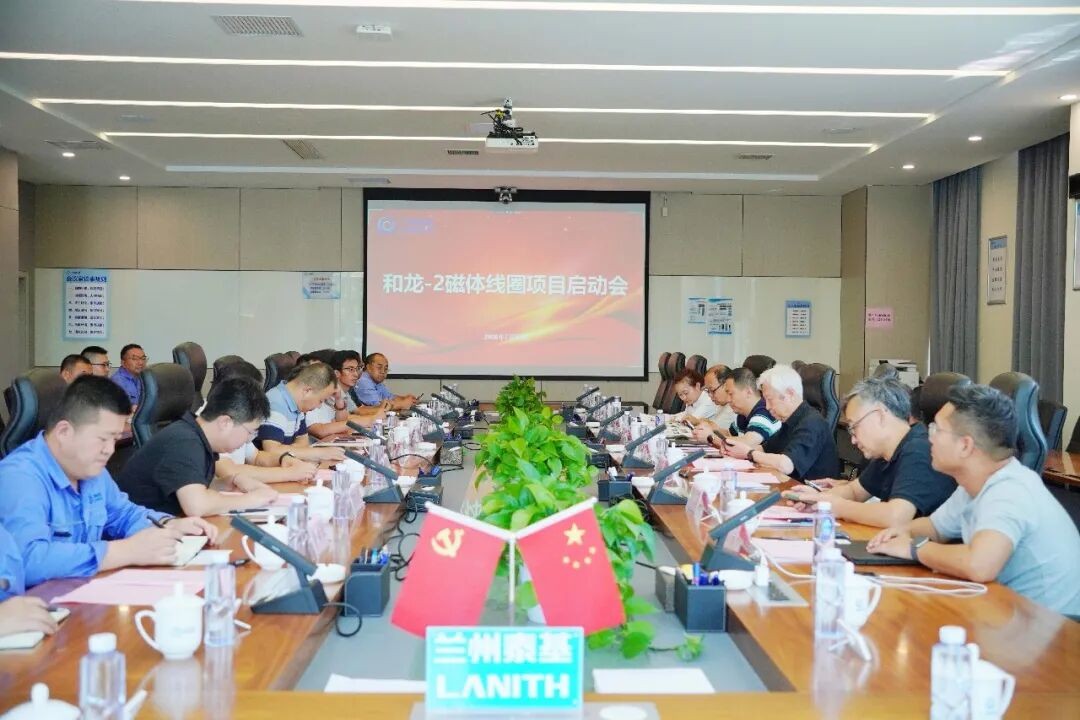
Helong-2 Magnet Coil Project Kickoff Meeting Successfully Held at Lanzhou Taiji
On July 29, 2026, the Helong-2 magnet coil project kickoff meeting was successfully held at Lanzhou Taiji. This project involves core components of ENN's third-generation spherical torus hydrogen-boron fusion device, featuring extremely high technical precision, massive system integration complexity, and stringent engineering development standards. Undertaking this core development task represents ENN Group's high recognition and full trust in Lanzhou Taiji's technical capabilities, manufacturing strength, and quality control competence, laying a solid foundation for further deepening cooperation between the two parties. In the next step, Lanzhou Taiji will coordinate its premium R&D and production resources to focus on tackling core fusion technologies, implementing strict review and meticulous control throughout the entire process from structural design, multi-physics simulation, process trial production, to manufacturing...
2026-07-31