
Search Results
Keyword:El
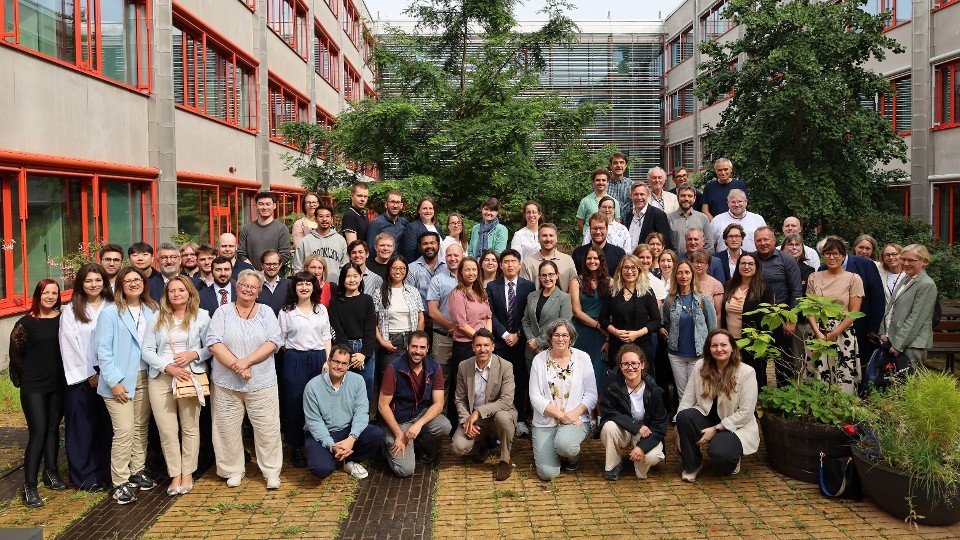
The 8th International Radiation Protection School Held in Stockholm
The Nuclear Energy Agency (NEA) of the Organisation for Economic Co-operation and Development, in collaboration with the Swedish Radiation Safety Authority (SSM) and the Centre for Radiation Protection Research (CRPR) at Stockholm University, will hold the 8th International Radiation Protection School (IRPS) in Stockholm, Sweden, from 10 to 14 August 2026. This five-day course is designed for early-career professionals in the nuclear and related fields, with a focus on helping participants systematically understand the international radiation protection system and master its practical application in emerging scenarios. The curriculum will cover the scientific foundations, historical evolution, development trajectory of the radiation protection system, and its translation into regulatory and national frameworks. According to the organisers, participants...
2026-08-11
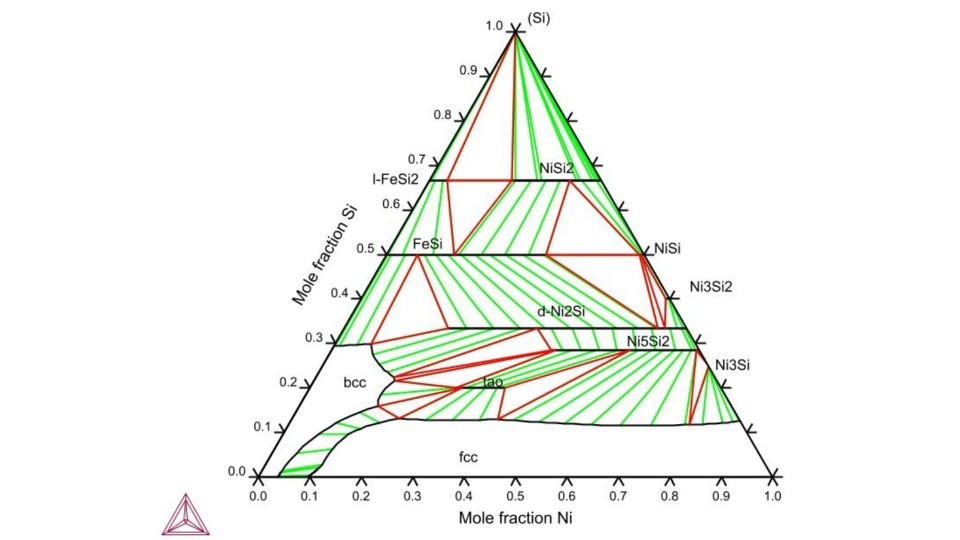
TAF-ID database 22nd edition released, expanding advanced nuclear fuel thermodynamic evaluation data
The International Thermodynamic Database for Advanced Fuels (TAF-ID) project has been running for over a decade. The project employs the CALPHAD (Calculation of Phase Diagrams) method to develop a thermodynamic database that supports computational analysis of advanced nuclear fuel materials, enabling prediction of phase diagrams and thermodynamic properties of relevant systems. According to project documentation, Version 22 of the TAF-ID database has been released. This update adds and revises assessment data for material systems including Na-U, Na-O, Na-UO₂, U-Ru, U-Si, Al-Si-U, Fe-Pu-U, and O-N-U, and updates gas-phase data based on the latest publicly available information. The database assessment scope has been expanded to 44 elements, 272 binary systems, 151 ternary systems, and 3...
2026-08-11
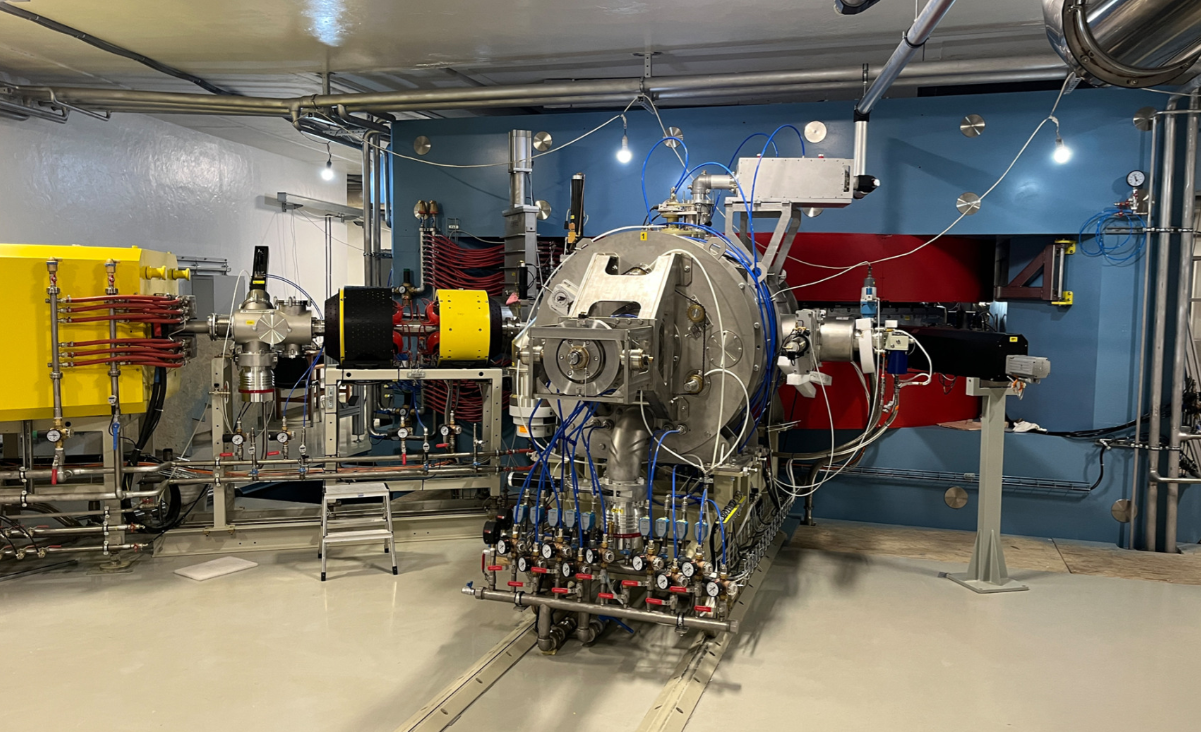
First Heavy Ion Beam Obtained at DC-140 Accelerator of the Joint Institute for Nuclear Research in Dubna, Russia
The Flerov Laboratory of Nuclear Reactions at the Joint Institute for Nuclear Research (JINR) in Dubna, Russia, has completed the construction of the DC-140 accelerator complex and obtained an accelerated heavy ion beam for the first time during commissioning on August 4. This achievement marks significant progress in the JINR applied technology development program and signifies that a new ion beam platform designed to meet scientific and industrial needs for decades to come has entered its critical commissioning phase. The DC-140 project was launched in 2020 to replace the existing U-200 and IC-100 cyclotron complex. The new facility is designed to address a wide range of fundamental and applied research needs, including solid-state physics, radiation materials science, material surface modification, and track membrane production...
2026-08-11
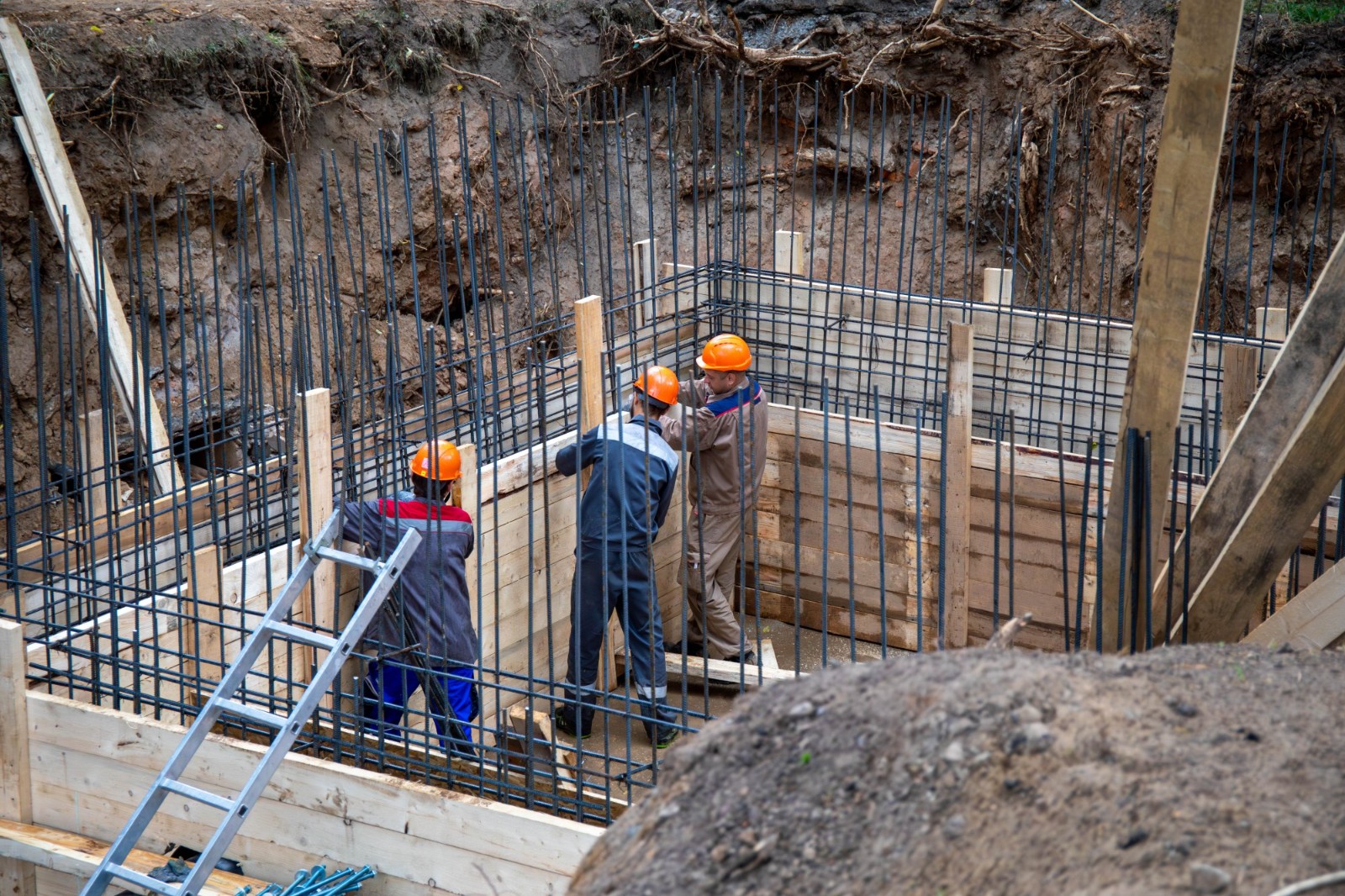
Long-term overhaul of heating networks launched in satellite town of Smolensk NPP
A large-scale modernization of the municipal heating system has been launched in Desnogorsk, the satellite town of Russia's Smolensk Nuclear Power Plant. The project is planned to last 15 years and is expected to replace more than 30 kilometers of main heating pipelines, accounting for about one-third of the city's heating network infrastructure. The work is being carried out by AtomTeploElektroSet, a company affiliated with Rosenergoatom, which operates public utility services including heating, water supply, and drainage in cities hosting nuclear power plants. Currently, renovation work has begun in the first and third residential districts of Desnogorsk. The project's progress is linked to Desnogorsk being included in...
2026-08-11
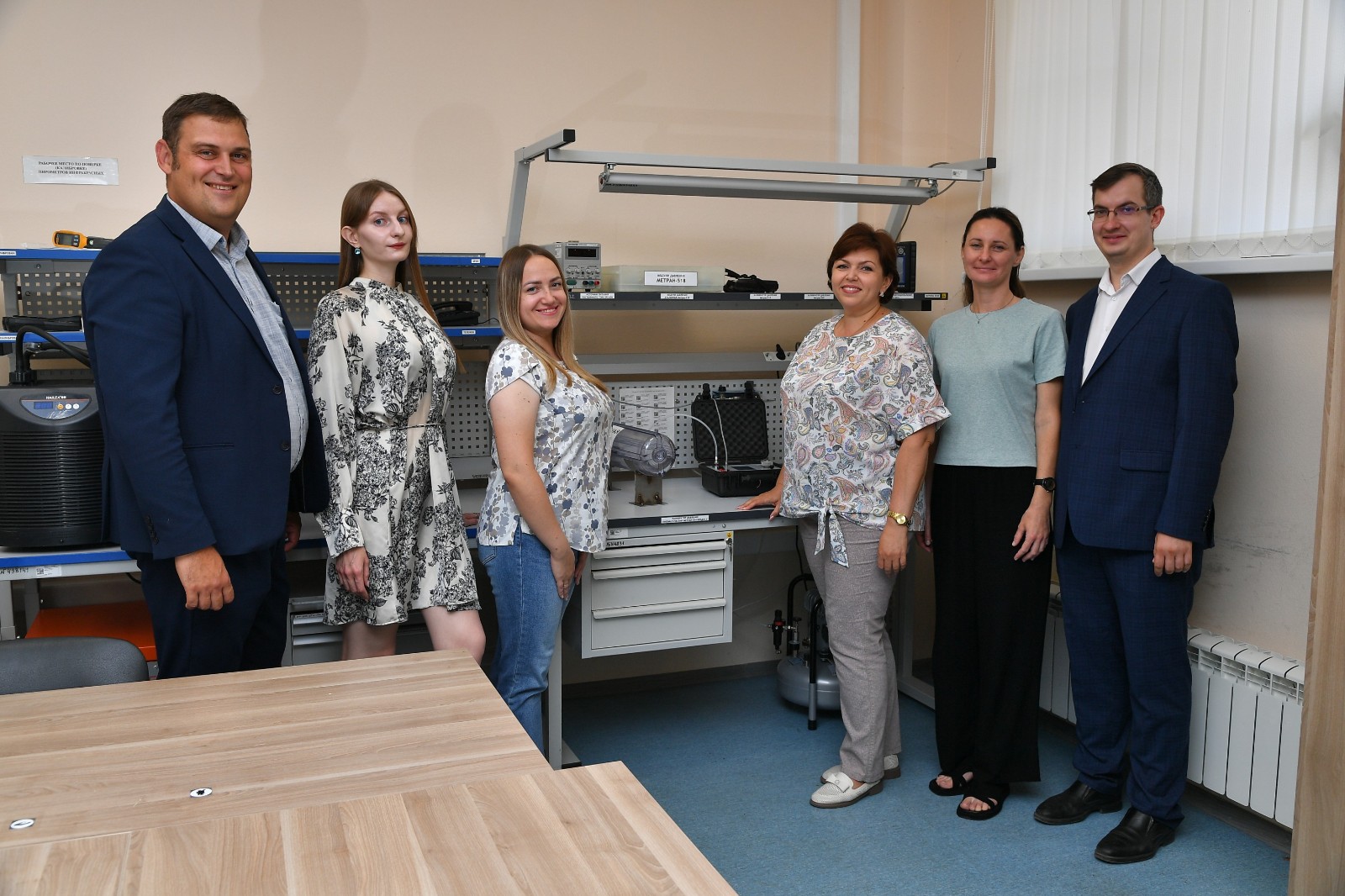
Rostov NPP's Self-Developed Device Cuts Instrument Calibration Cycle from 60 Days to 5 Days
The metrology team at Russia's Rostov Nuclear Power Plant has recently developed and put into operation a device for calibrating high-precision measuring instruments, reducing the relevant instrument calibration cycle from approximately 60 working days to 5 working days—a twelvefold reduction in time. The project was completed by the plant's metrology personnel within the framework of the Rosatom Production System. Previously, some high-precision instruments at the plant requiring regular maintenance and calibration had to be sent to specialized laboratories, with the entire process involving document preparation, equipment transportation, cargo escort, and coordination with external personnel, typically taking about two months. With the new device in operation, calibration work can now be...
2026-08-11

UK's Harlette Capital seeks partners to develop lunar micro nuclear reactor
UK-based innovative company Harlette Capital has recently issued a Request for Information (RFI), seeking support from industry and research institutions for the development of a micro nuclear reactor for lunar missions. The company stated that the project aims to provide continuous power for long-term scientific research, communications, infrastructure construction, and future crewed exploration on the lunar surface. Harlette Capital is previously better known for its luxury fashion brand Harlette. The company also operates a separate innovation business segment, which is positioning itself in space and energy assets and advancing a small modular reactor (SMR) project named Alpha Moon. According to the company, the RFI has been sent to...
2026-08-11
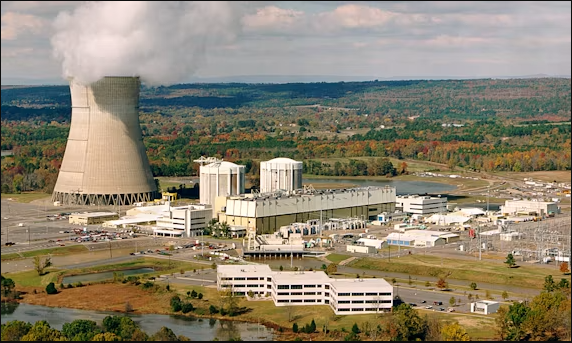
Arkansas Evaluates Six Candidate Areas for New Nuclear Power Development
A latest research report in the U.S. state of Arkansas concludes that six areas in the state could serve as candidate sites for future nuclear power development, and that new reactors are both "feasible and necessary" locally. The report states that, under a relatively aggressive timeline, a new nuclear power plant in Arkansas could begin operation by the mid-2030s. The 533-page study was completed by Excel Services Corporation, a Maryland-based consulting firm, commissioned by the Arkansas Legislature's Joint Energy Committee. The six candidate areas listed in the report include Flint Creek in Benton County, the existing Arkansas Nuclear One (...
2026-08-11

Kyoto Fusioneering to Relocate U.S. Headquarters to Oak Ridge
Kyoto Fusioneering (KF) will relocate its U.S. headquarters to Oak Ridge, Tennessee, investing $46.9 million in Anderson County and creating 51 new jobs. The project will build critical fusion testing infrastructure, with a focus on supporting the development of the fusion nuclear testing facility UNITY-3. UNITY-3 is planned to be built at Oak Ridge National Laboratory (ORNL) through a public-private partnership. The facility has received support from the U.S. Department of Energy (DOE) and has been listed as a national priority in its final "Fusion Science and Technology Roadmap." According to the plan, UNITY-3 will employ a deuterium-tritium (D-T) fusion neutron source to validate tritium breeding capabilities and related performance under conditions approaching a real fusion nuclear environment...
2026-08-11
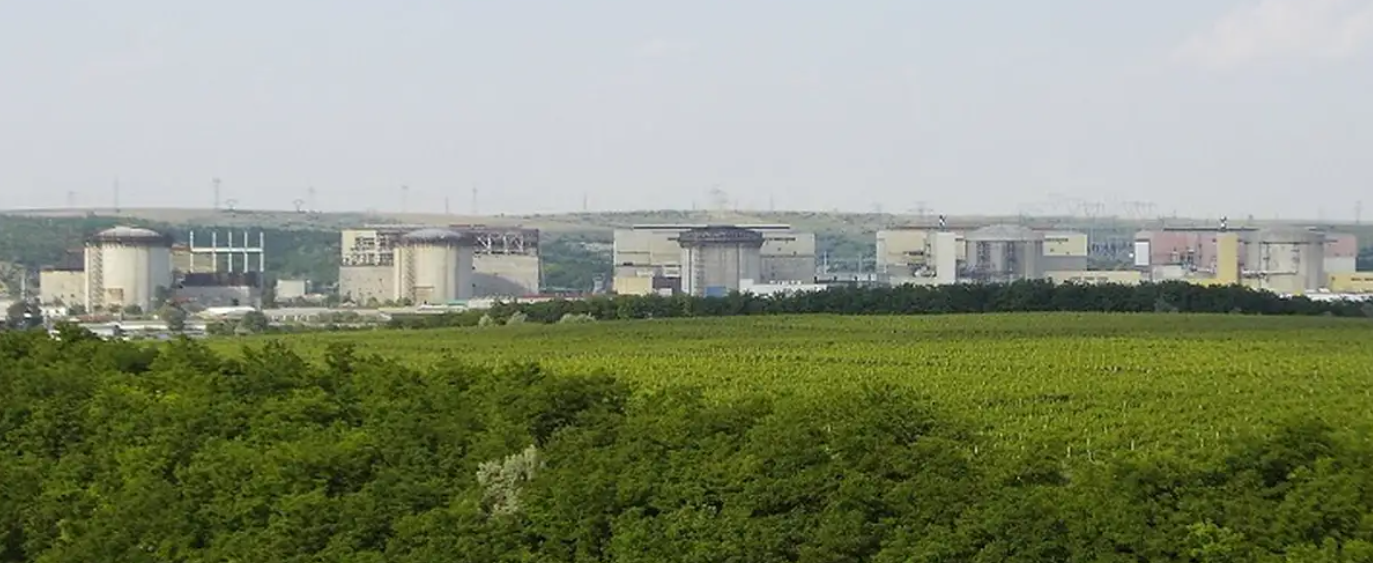
Unit 2 of Romania's Cernavoda Nuclear Power Plant Still at Risk of Shutdown
Ionel Scrioșteanu, State Secretary of Romania's Ministry of Transport and Infrastructure, stated that Unit 2 of the Cernavoda Nuclear Power Plant is currently still in operation, but the risk of shutdown has not been eliminated. On August 8, Romanian authorities took emergency measures by sinking four fully loaded barges into the Danube River to raise local water levels, increasing the water intake into the plant's cooling water system to ensure the cooling needs of the reactor units. Scrioșteanu said on social media that the related actions have achieved positive results, allowing Unit 2 of the Cernavoda Nuclear Power Plant to continue operating...
2026-08-11
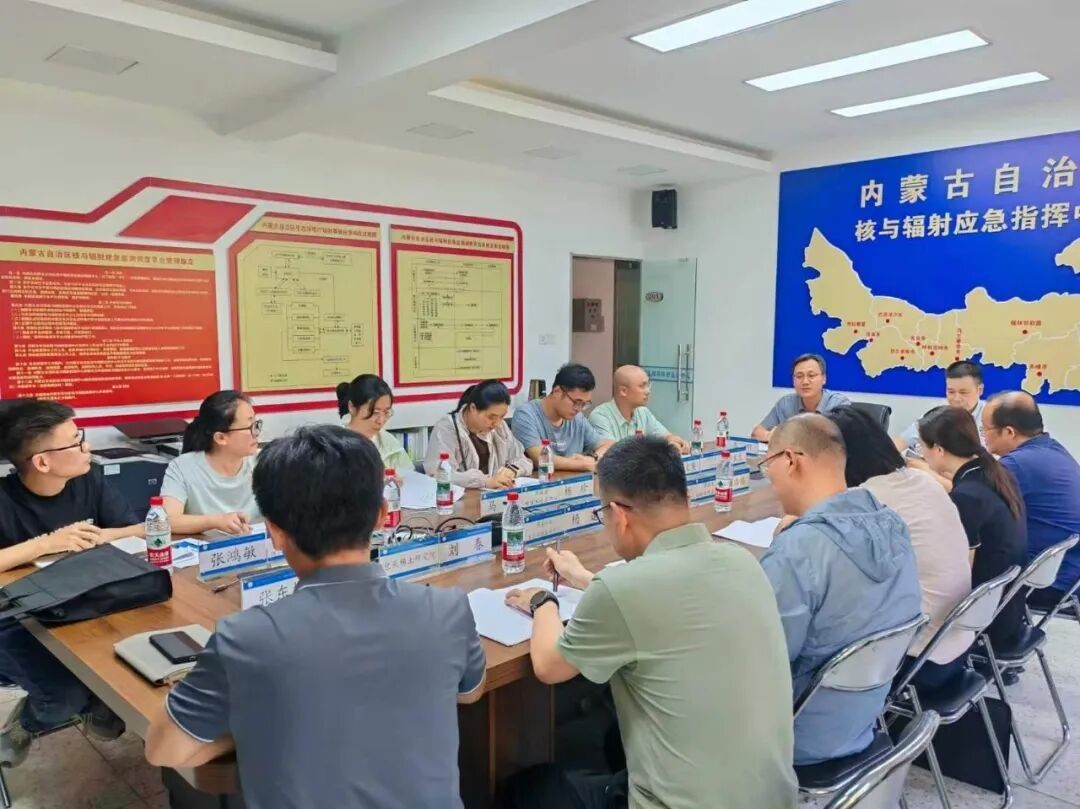
Inner Mongolia Nuclear and Radiation Monitoring Center Organizes Standard Pre-Research Exchange Meeting
In accordance with the arrangement of the radiation monitoring standard pre-research project, the Inner Mongolia Nuclear and Radiation Monitoring Center (hereinafter referred to as the Inner Mongolia Center) undertakes the pre-research task for the standard "Determination of Total Uranium and Thorium in Soil and Sediment - Inductively Coupled Plasma Mass Spectrometry." To standardize the inter-laboratory method validation process and ensure the smooth progress of the validation work, the Inner Mongolia Center recently organized a standard pre-research method validation exchange meeting in Baotou City, attended by experts from the Radiation Environmental Monitoring Technical Center of the Ministry of Ecology and Environment for on-site guidance. Seven laboratories from across the country participated in this validation exchange meeting, including provincial-level radiation environmental monitoring institutions and laboratories in the nuclear industry, nuclear technology applications,...
2026-08-11
Meeting of the New Academic Committee of the Key Laboratory of Radiation Environmental Monitoring of the Ministry of Ecology and Environment Held in Beijing
Recently, the meeting of the new academic committee of the Key Laboratory of Radiation Environmental Monitoring of the Ministry of Ecology and Environment (hereinafter referred to as the Key Laboratory) was successfully held in Beijing. Experts from multiple domestic universities, research institutes, and leading industry enterprises gathered together to discuss the construction, scientific and technological innovation, and the 15th Five-Year Plan development of the Key Laboratory. The Radiation Environmental Monitoring Technical Center of the Ministry of Ecology and Environment, the supporting institution of the Key Laboratory, attended the meeting. The meeting first announced the appointment documents for the new academic committee and held a certificate awarding ceremony. In his address, the main responsible person of the Radiation Environmental Monitoring Technical Center congratulated the establishment of the new academic committee and expressed gratitude to the experts who have long supported the construction of the Key Laboratory...
2026-08-11
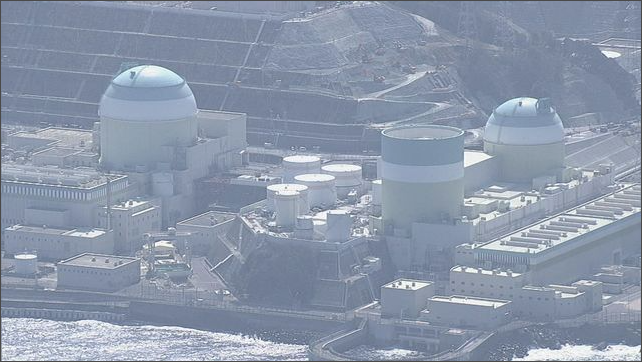
Ikata Nuclear Power Station Reports 5 Notifiable Events in July, None Causing Radiological Environmental Impact
Shikoku Electric Power Co. reported on August 10 that the five events reported to Ehime Prefecture, Ikata Town, and relevant local governments from the Ikata Nuclear Power Station in July 2026 did not fall under legally required reporting events and caused no radiological impact on the environment. The five events were as follows: On July 3, an employee of a partner company at the Ikata Nuclear Power Station experienced physical discomfort at an office location in a non-controlled area and was transported by ambulance at 17:18 that day. The employee was conscious at the time and experienced no radiation exposure or radioactive contamination. On July 16, during the decommissioning process of Unit 2 at the Ikata Nuclear Power Station, seawater leakage was discovered at the flange of the seawater outlet pipe of emergency diesel generator 2B in the reactor auxiliary building. After maintenance personnel determined that a detailed inspection of the flange was required, the leak point was isolated, and the leakage was confirmed to have stopped at 15:38 that day. The maximum estimated volume of leaked seawater was approximately 7 cubic meters, all of which was recovered in the floor drain sump within the building and did not flow outside. Subsequent inspection revealed a through-hole approximately 7 mm in diameter at the flange, and the station replaced the flange and confirmed water flow integrity, restoring normal conditions at 14:05 on July 17. This event did not affect the unit or cause radiological environmental impact, and further investigation into the cause will be conducted.
2026-08-10
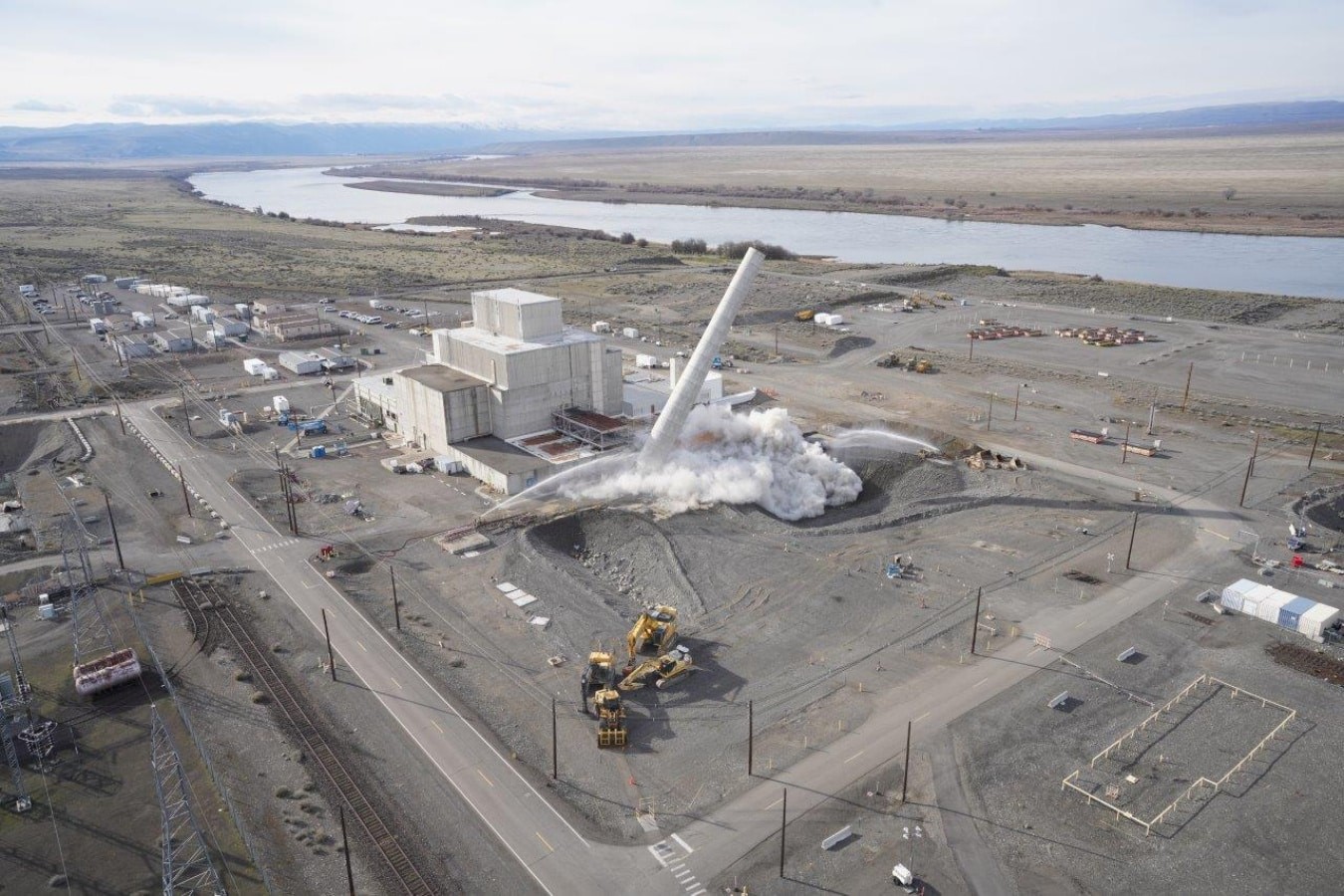
Accelerating Nuclear Facility Decommissioning Can Drive Redevelopment of Legacy Nuclear Sites
Amentum recently proposed in a report on nuclear facility decommissioning financing and site regeneration that decommissioning should not be viewed solely as a cost item for reducing environmental and radiological risks. As a wave of nuclear reactors worldwide enters shutdown phases, shortening cleanup timelines, unlocking land value, and creating conditions for new industry attraction are becoming shared priorities for the nuclear industry and local economies. The report notes that traditional decommissioning models often leave facilities in long-term surveillance and maintenance status, which, while deferring some expenditures, also delays land reuse, industry attraction, and community benefits. In contrast, accelerated decommissioning can eliminate environmental liabilities earlier, reduce...
2026-08-10
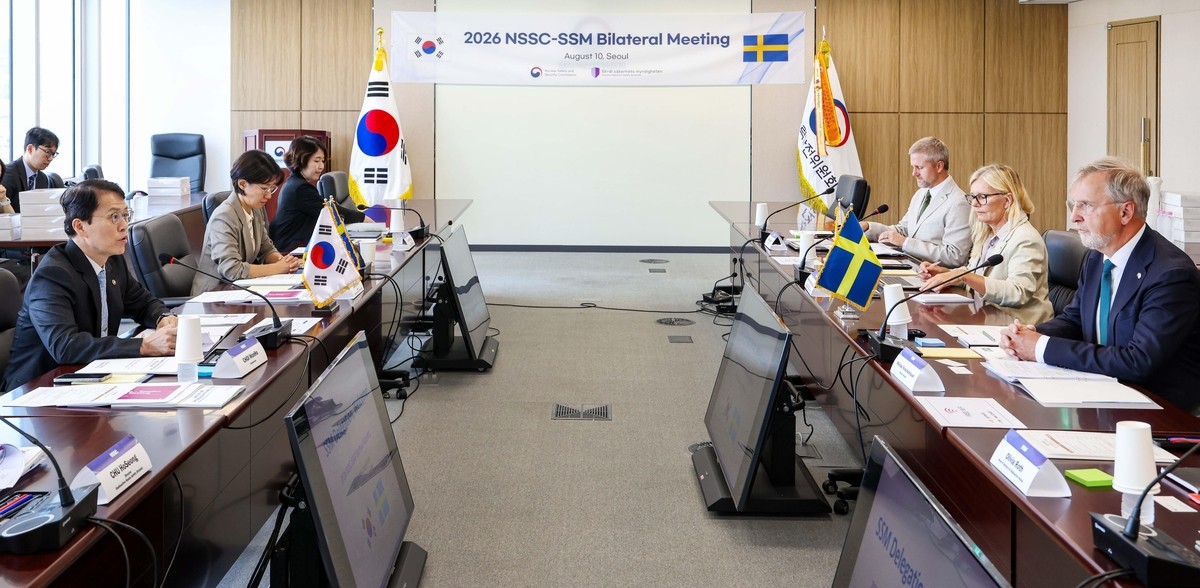
South Korea and Sweden Discuss Cooperation on High-Level Waste Disposal and SMR Regulation
The Nuclear Safety and Security Commission (NSSC) of South Korea announced on August 10 that it held a bilateral meeting with the Swedish Radiation Safety Authority (SSM) in Seoul, during which the two sides exchanged views on topics including high-level radioactive waste management, nuclear safety regulation, and the development of small modular reactors (SMRs). Sweden has accumulated strong technical expertise in the field of radioactive waste management and has developed a relatively mature technical system for high-level radioactive waste disposal. Currently, Sweden has 6 operating nuclear power units and 7 permanently shut down units, 6 of which are in the decommissioning phase. Following Finland, Sweden is constructing the world's second deep geological disposal facility for high-level radioactive waste. The NSSC of South Korea...
2026-08-10
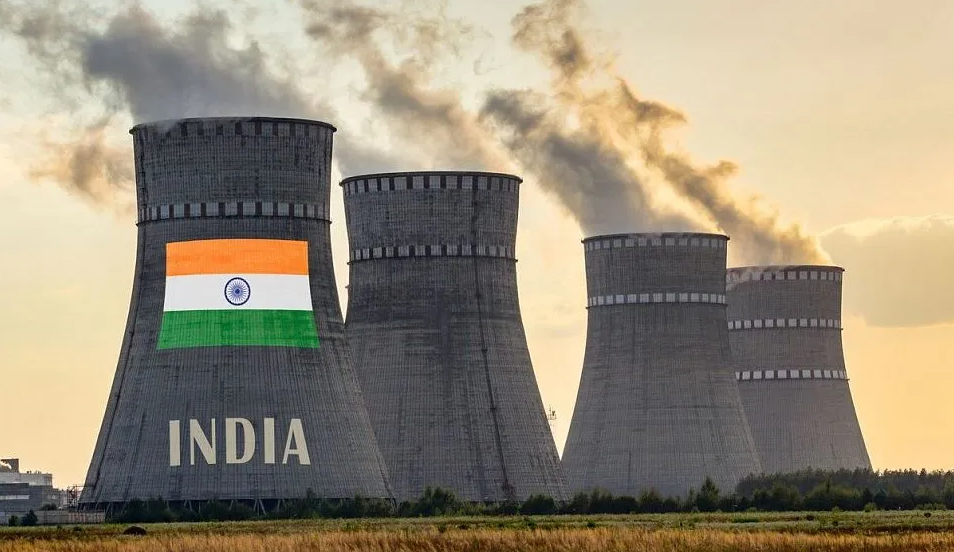
India's Nuclear Power Expansion Drives Up Uranium Demand, Annual Demand Could Reach 5,400 Tonnes
India is accelerating its nuclear energy development program, with uranium resource demand rising correspondingly. According to estimates by the Indian Parliament's Committee on Public Undertakings in its follow-up report on NPCIL performance rectification, India will require approximately 5,400 tonnes of uranium annually in the future as nuclear power projects expand. This figure reflects the urgency of India's energy structure adjustment and indicates the rising status of nuclear power in its long-term electricity planning. Currently, domestic uranium production in India can only meet about 30% of demand, with the remainder relying on imports, primarily from countries including Kazakhstan, Russia, Uzbekistan, and Canada. The Parliamentary Committee therefore emphasized...
2026-08-10