
Search Results
Keyword:FAC
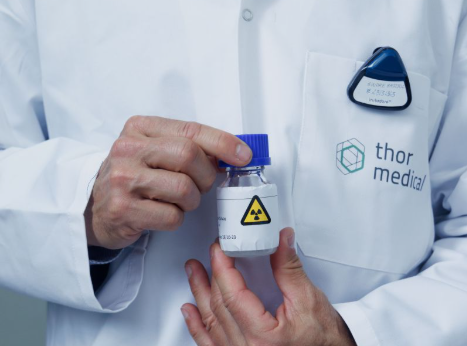
Norway's Thor Medical AlphaOne High-Purity Alpha Radioisotope Facility to Be Officially Inaugurated
Thor Medical ASA announced on August 19 that its AlphaOne production facility at the Herøya industrial park in Norway will be officially inaugurated on September 9, 2026, with Norwegian Prime Minister Jonas Gahr Støre attending the ceremony. According to reports, AlphaOne is Thor Medical's first industrial-scale production facility for high-purity α radioisotopes and the first of its kind globally. The facility is already in operation, primarily producing isotope products for next-generation targeted cancer therapies, supplying high-purity α emitters to the radiopharmaceutical industry. Thor Medical CEO Jasper Kurth stated that AlphaOn...
2026-08-19

Urenco USA Breaks Ground on National Enrichment Facility Expansion, Plans to Add 2.1 Million SWU Capacity
On August 18, local time, Urenco USA held a groundbreaking ceremony in Eunice, New Mexico, United States, to launch the future expansion of its commercial uranium enrichment facility. U.S. Secretary of Energy Chris Wright, Urenco Group Chief Executive Officer Boris Schucht, and company management attended the ceremony. Urenco USA is the only commercial-scale uranium enrichment producer in the United States, operating the National Enrichment Facility (NEF). The company announced in June this year that it would increase the facility's capacity by nearly 50%. This expansion is part of a multi-billion-dollar investment, with plans to build a new...
2026-08-19
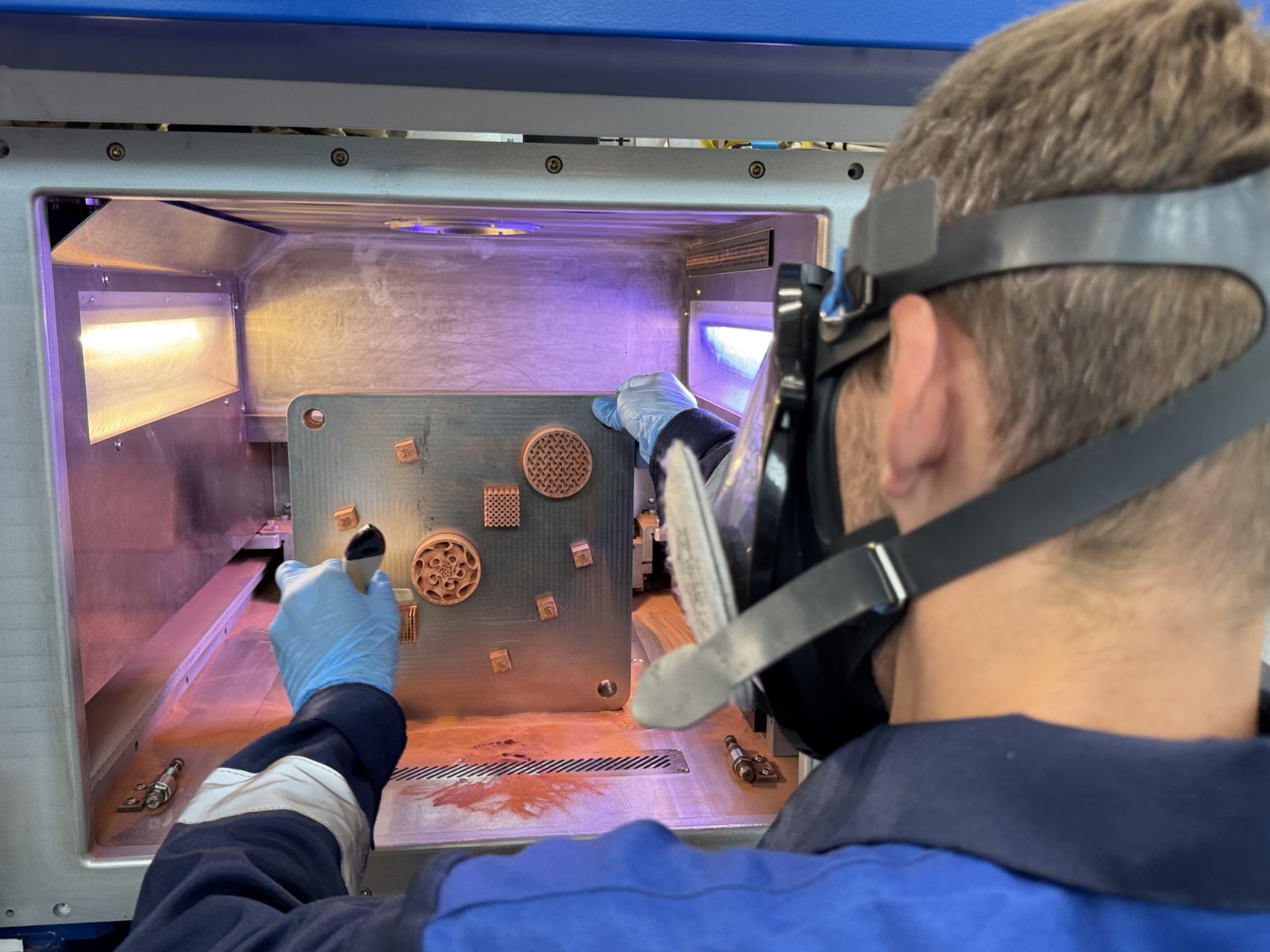
Rosatom masters 3D printing technology for copper and copper alloys
The additive manufacturing technology business division of Rosatom's Fuel Division recently announced that its experts have successfully manufactured products from copper and copper alloys using the RusMelt industrial 3D printer, marking progress in additive manufacturing with copper materials. According to reports, Rosatom had previously used selective laser melting (SLM) technology to produce metal 3D-printed equipment of various sizes, with commonly used materials including stainless steel, heat-resistant materials, and titanium. Due to copper's physical properties such as high thermal conductivity and high electrical conductivity, which also pose technical challenges for laser melting, its application in metal 3D printing has long been limited. The company's additive manufacturing technology center in Moscow...
2026-08-19
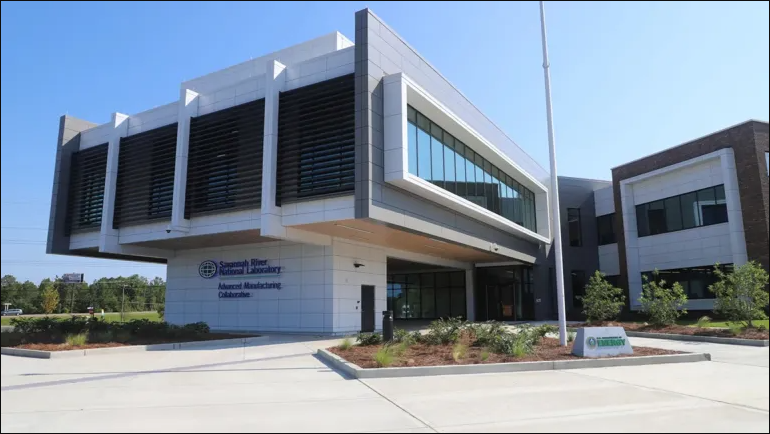
U.S. Laboratory Advances Nuclear Waste Cleanup Technology R&D with Artificial Intelligence
Researchers in South Carolina, U.S., are leveraging artificial intelligence to develop new tools for tackling complex tasks such as nuclear material disposal, waste management, and environmental cleanup. The relevant projects are being conducted at the Advanced Manufacturing Collaborative (AMC) in Aiken, a facility affiliated with the Savannah River National Laboratory (SRNL), spanning approximately 63,000 square feet, with the project launched on August 7, 2025. The Advanced Manufacturing Collaborative brings together researchers, engineers, students, industry partners, and university teams, with a focus on advancing R&D in artificial intelligence, robotics, additive manufacturing, and advanced materials. Johnny Green, Director of the Savannah River National Laboratory, stated that...
2026-08-19
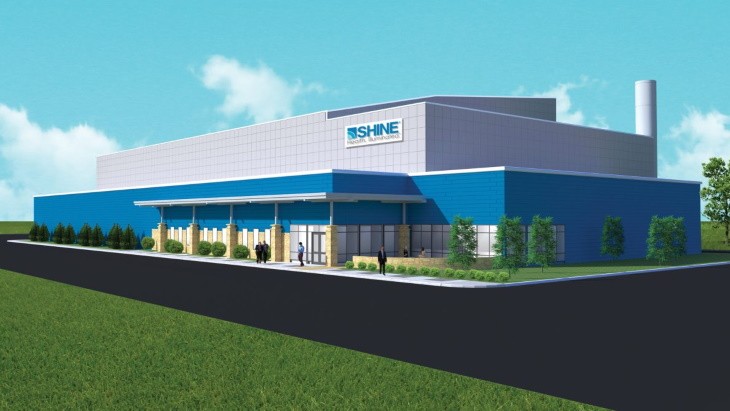
SHINE Advances Commercial Spent Fuel Recycling Facility Construction
U.S. electricity demand is growing at a rate rarely seen in decades, and nuclear energy is considered one of the key options to meet the incremental demand. Meanwhile, the current open nuclear fuel cycle still treats spent fuel primarily as single-use waste, failing to fully utilize most of the energy potential that remains within it. SHINE Technologies is developing spent fuel recycling technologies and plans to build a facility with spent fuel recycling capabilities. The company stated that multiple collaborations funded by the U.S. Department of Energy's Advanced Research Projects Agency-Energy (ARPA-E) CURIE program are advancing the work from validated laboratory-scale chemical processes toward commercial scale...
2026-08-19
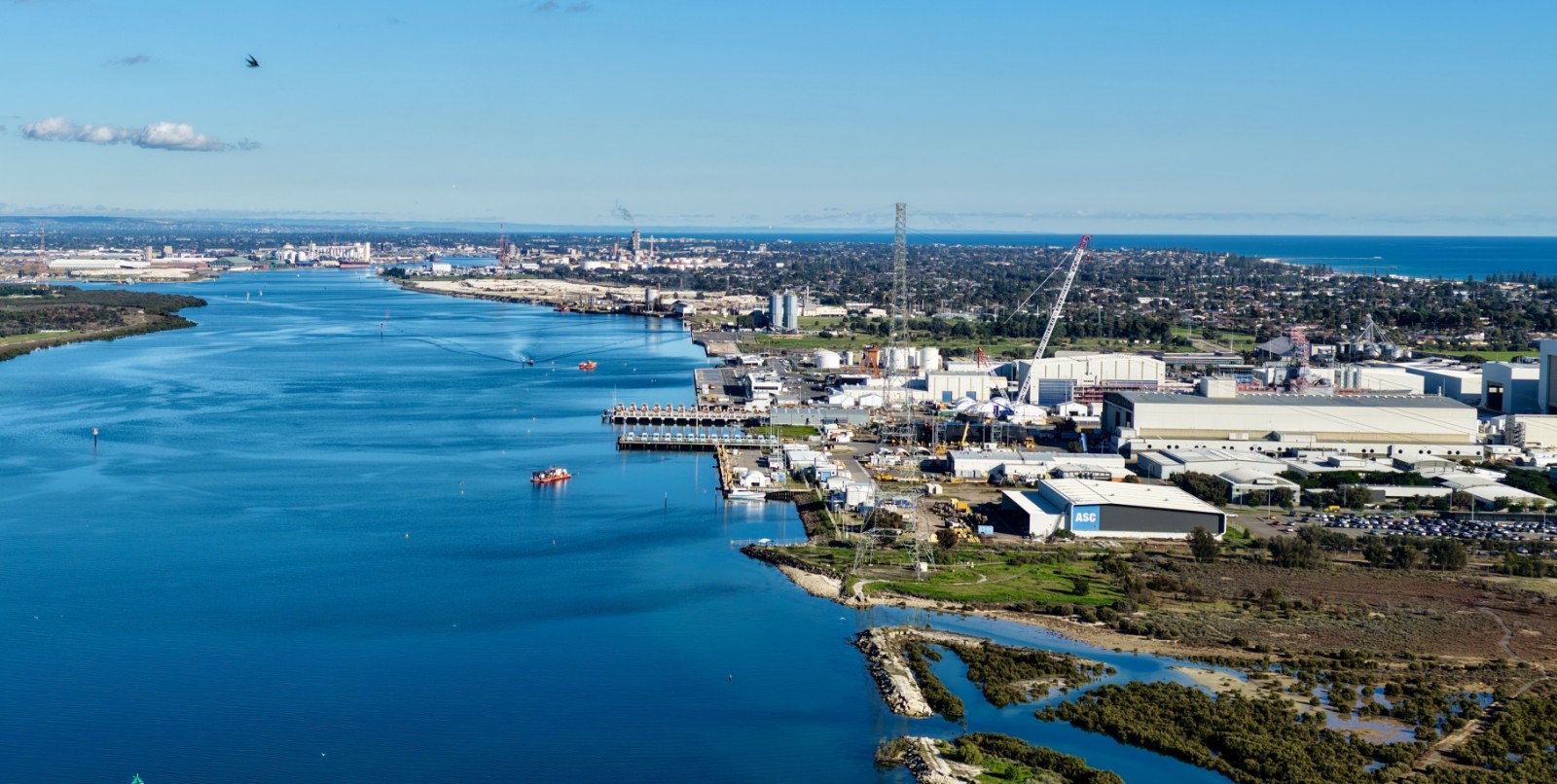
Amentum Joint Venture Selected as Capability Partner for Australia's Nuclear-Powered Submarine Shipyard Project
Australian Naval Infrastructure (ANI) has selected a joint venture between Amentum and Laing O'Rourke as the capability partner for the nuclear-powered submarine construction shipyard project in South Australia. The project is located at the new Osborne shipyard north of Adelaide, which will be used to build Australia's conventionally armed, nuclear-powered submarines under the AUKUS trilateral agreement. Under a long-term contractual arrangement, Amentum and Laing O'Rourke will undertake key support roles during the development of the new shipyard. The work will be integrated into ANI's Integrated Delivery Office, focusing on providing specialized support in nuclear-related project management, construction management, and safety management.
2026-08-19

Vivos Ships First Batches from U.S. IsoPet Production Facility, Receives AERB Approval to Build International Manufacturing Center in India
KENNEWICK, Wash. — Vivos Inc. recently announced two operational milestones: its in-house production facility in Richland, Washington, has begun delivering IsoPet® products to certified veterinary clinics in the United States; simultaneously, the company has received authorization from India's Atomic Energy Regulatory Board (AERB) to establish an international manufacturing center in India. This means Vivos will have a two-site production footprint spanning the U.S. and India. According to the company, the U.S. production facility, housed at the Applied Process Engineering Laboratory (APEL), will manufacture IsoPet® veterinary oncology products and RadioGel® human oncology products, and will serve as the center for subsequent process improvements and regulatory...
2026-08-19
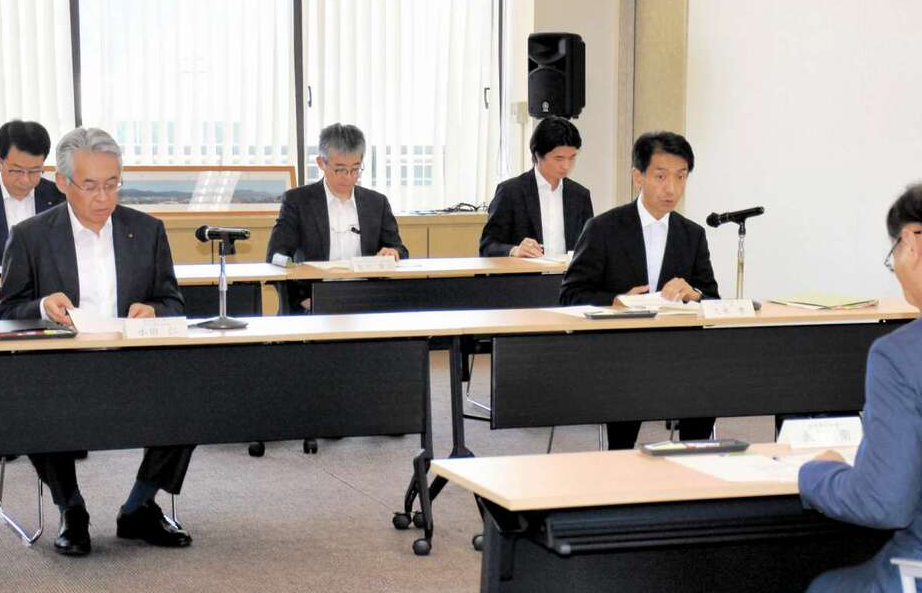
Kansai Electric says Rokkasho reprocessing plant delay does not change target of starting operation in fiscal 2027
On August 18, officials from Japan's Agency for Natural Resources and Energy (ANRE) and Kansai Electric Power Company (KEPCO) visited the Aomori Prefectural Government to explain the construction and operation schedule of the spent fuel reprocessing plant under construction in Rokkasho Village, Aomori Prefecture. The facility is a key project in Japan's nuclear fuel cycle system and is also listed as one of the receiving sites for spent fuel transported from nuclear power plants in Fukui Prefecture. Kansai Electric reiterated that even if the completion of the Rokkasho reprocessing plant is delayed from its original schedule within the current fiscal year, the target of starting operation within fiscal 2027 remains unchanged. The company stated that under the current spent fuel transport roadmap, the transport volume from fiscal 2028 onward is not expected to be significantly affected; if construction...
2026-08-19
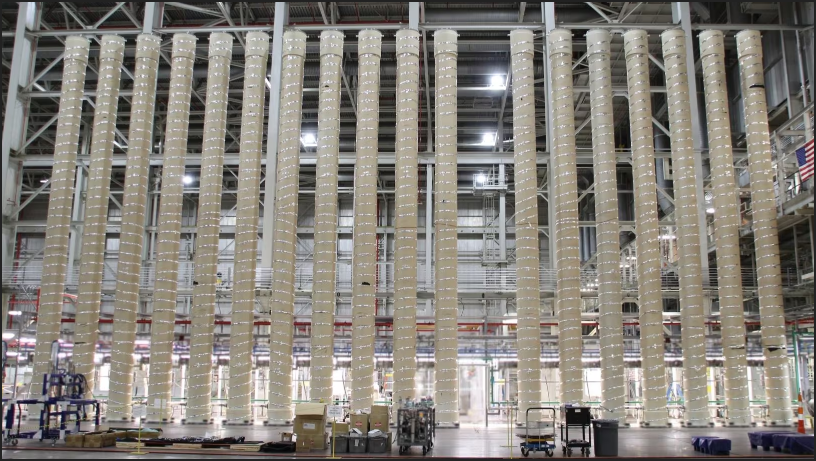
South Korea's Nuclear Expansion Faces Fuel Supply Pressure as Enriched Uranium Costs Surge Nearly Sixfold in Seven Years
Against the backdrop of accelerating global nuclear power construction and surging electricity demand from AI data centers, the nuclear fuel supply chain is facing new tensions. Due to limited uranium enrichment capacity and sanctions affecting Russian-related supplies, international uranium enrichment prices have risen sharply over the past seven years. South Korea's nuclear expansion plans are consequently facing fuel procurement pressure, with industry experts concerned that if mid- to long-term nuclear fuel security proves insufficient, newly built nuclear units could face operational risks in the future. Korea Hydro & Nuclear Power (KHNP) recently disclosed that South Korea's domestic annual enriched uranium consumption is expected to increase from approximately 460 tons currently to about 540 tons next year. The rising demand mainly stems from the overlap between life-extension operations of some older nuclear units and the commissioning of new units...
2026-08-18
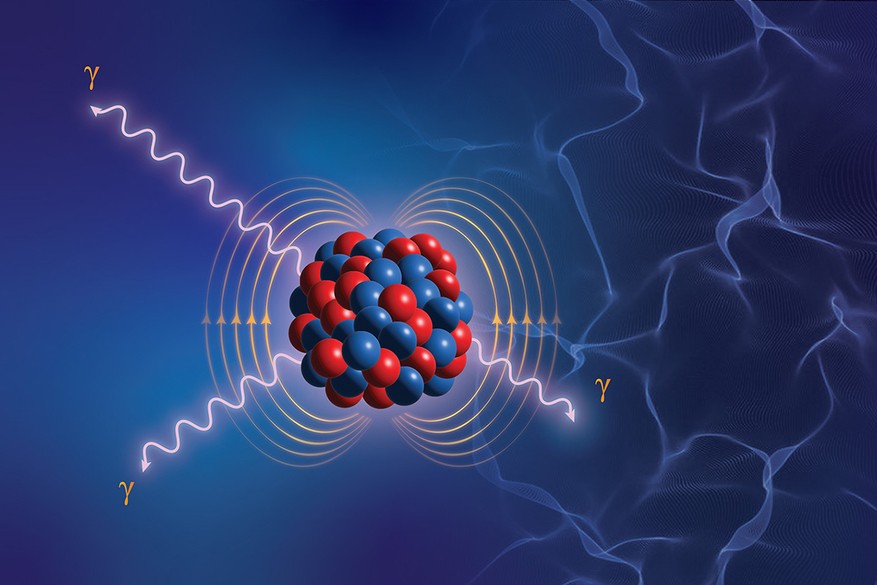
US FRIB Research Reveals Low-Energy Gamma-Ray Enhancement Originates from Nuclear Magnetic Transitions
An international research team led by the US Facility for Rare Isotope Beams (FRIB), with participation from Lawrence Livermore National Laboratory (LLNL) and other institutions, recently published findings in Nature that explain a long-standing question in nuclear physics: why some atomic nuclei emit anomalously high numbers of low-energy gamma rays. Image: FRIB Gamma rays are a type of electromagnetic radiation. Excited atomic nuclei release gamma rays during radioactive decay, gradually returning to lower, more stable energy levels. Over the past few decades, scientists have discovered that certain nuclei exhibit a low-energy enhancement phenomenon, where the number of low-energy gamma rays emitted exceeds expectations. However, this phenomenon is not universal, and its occurrence is theoretically difficult to predict.
2026-08-18

First American Nuclear Company's Regulatory Engagement Plan for Proposed HALEU Fuel Facility Accepted for Docketing by NRC
First American Nuclear Co. (FANCO) announced on August 17 that its regulatory engagement plan for the proposed Class II high-assay low-enriched uranium (HALEU) conversion and fuel fabrication facility has been accepted for docketing by the U.S. Nuclear Regulatory Commission (NRC). The facility will serve the company's EAGL-1 small modular reactor project currently under development. According to the company's disclosure, the NRC ADAMS accession number for the letter of intent is ML26222A181, and the NRC ADAMS accession number for the regulatory engagement plan is ML26222A177. This submission advances the pre-application regulatory engagement between FANCO and the NRC regarding the proposed ceramic fuel fabrication facility. The facility is planned to support the EAGL-1 lead-bismuth...
2026-08-18
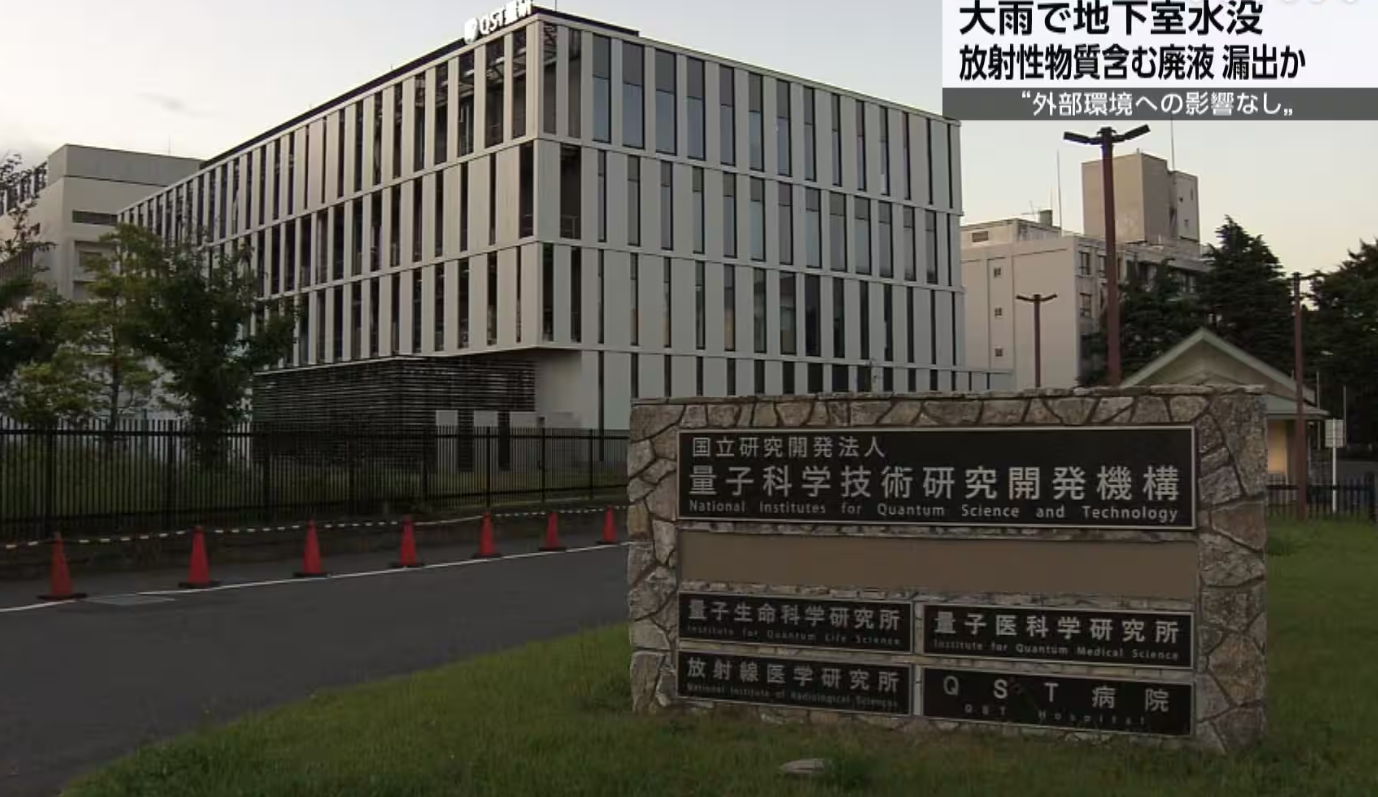
Radioactive liquid waste leak suspected at QST's underground facility in Chiba due to record rainfall
According to Japanese media reports, due to record-breaking rainfall in Chiba Prefecture, an underground facility of the National Institutes for Quantum Science and Technology (QST) in Chiba City was flooded, and radioactive liquid waste in underground storage tanks at the facility may have mixed with rainwater and leaked outdoors. QST stated that as of the 13th, an estimated 2,000 to 3,000 liters of liquid waste had accumulated in the relevant underground storage tanks. After investigating water bodies around the tanks, the institute confirmed that detected radioactive material concentrations were below standard values, and no environmental impact has been indicated so far. QST reported the incident to national and local governments the following day and plans to submit preventive measures to the Nuclear Regulation Authority of Japan.
2026-08-18
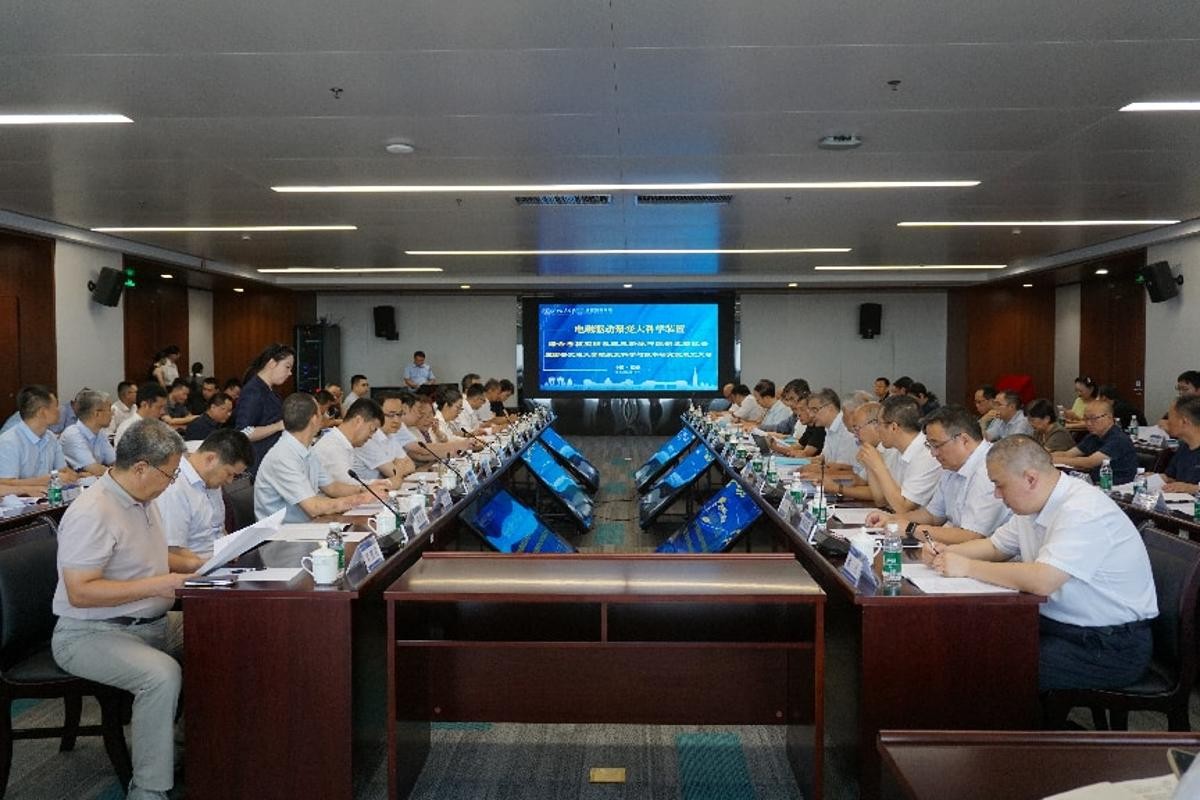
Single-Channel Pulse Source of Electromagnetic-Driven Fusion Large Scientific Facility Passes Acceptance
On August 16, the test and acceptance meeting for the single-channel pulse source of the comprehensive assessment experimental system of the electromagnetic-driven fusion large scientific facility, along with the inauguration ceremony of the Institute of Nuclear Fusion Science and Technology at Xi'an Jiaotong University, was held at the China Western Science and Technology Innovation Harbor. During the meeting, the single-channel pulse source of the comprehensive assessment experimental system passed testing and acceptance, and the Institute of Nuclear Fusion Science and Technology at Xi'an Jiaotong University was officially inaugurated. Before the meeting, attending experts and guests inspected the single-channel pulse source experimental system. During the acceptance session, the project team presented the overall status of the electromagnetic-driven fusion large scientific facility, the development progress of the single-channel pulse source, and the test verification results. The expert panel discussed the...
2026-08-18
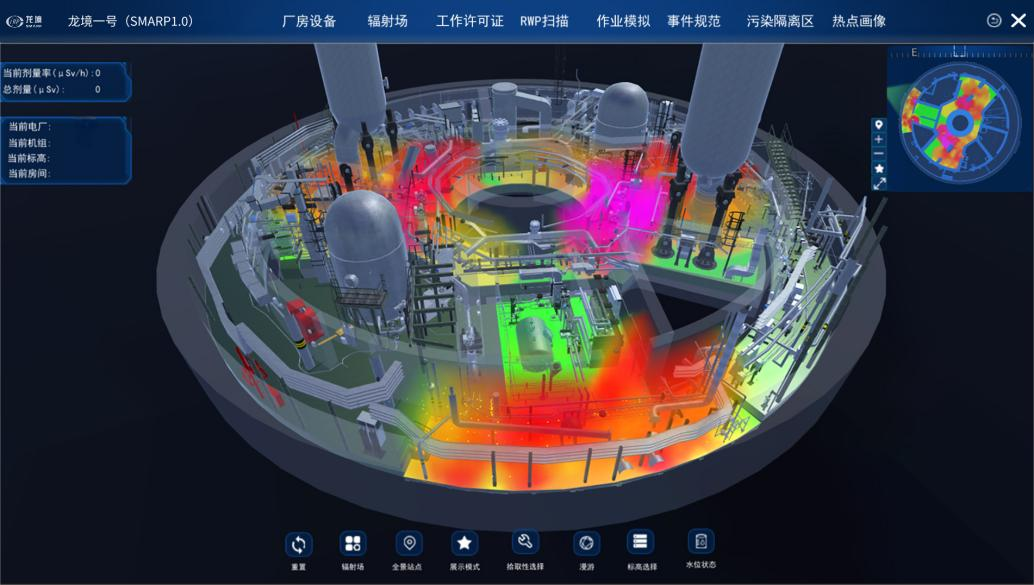
CIRP's "Dragon Realm" Series Advances Digital Upgrade of Radiation Protection for Nuclear Facilities
The Dragon Realm series is a digital radiation protection system product independently developed by CIRP (China Institute for Radiation Protection), refined over more than a decade of accumulation, based on the on-site radiation protection needs of nuclear facilities. It integrates radiation field visualization, real-time monitoring, and intelligent management and control, providing core technical support for the digital transformation of radiation protection in nuclear facilities. Dragon Realm One focuses on "seeing." It recreates the radiation environment of nuclear facilities in three-dimensional digital form, integrating scene roaming and operational simulation to make radiation risks perceivable and tangible, providing an intuitive basis for protection decision-making. Radiation field visualization: establishes a mapping relationship between dose rate and color in the radiation field, achieving 3D visualization of the radiation field. Simulation roaming: supports...
2026-08-18

Russia to Develop General Safety Rules for Controlled Thermonuclear Fusion Facilities
The Federal Environmental, Industrial and Nuclear Supervision Service of Russia (Rostekhnadzor) has completed the development of the draft federal norms and rules in the field of atomic energy use, "General Provisions for Ensuring the Safety of Controlled Thermonuclear Fusion Facilities," and has been soliciting comments and suggestions on the results of the draft review since August 17, 2026, with a feedback deadline of September 17, 2026. According to the draft, the document applies to controlled thermonuclear fusion facilities equipped with thermonuclear reactors or thermonuclear devices. The scope of application includes thermonuclear devices with a neutron production intensity exceeding 10²⁰ neutrons per second, or, in pulsed operation with a single pulse of less than 1 second, exceeding 10²⁰ neutrons per pulse, as well as...
2026-08-17