
Search Results
Keyword:Korea
South Korea's Nuclear Energy Paper Output Ranks High but Quality Impact Remains Low
According to the report "Academic Competitiveness Analysis in Five Core and Emerging Technology Fields of the United States" released by the National Research Foundation of Korea on the 12th, from 2016 to 2025, South Korea's paper output in fields such as semiconductors, artificial intelligence, nuclear energy, biotechnology, and quantum information has maintained a certain level of competitiveness overall. Among these, the number of papers in the semiconductor field ranked 4th globally, artificial intelligence and nuclear energy both ranked 7th, biotechnology ranked 8th, and quantum information ranked 14th. The quantitative and qualitative status of South Korea in the five major fields. Excerpted from the National Research Foundation of Korea report. The report is based on analysis of data from SciVal, the research performance analysis platform of Elsevier. In terms of the share of South Korean papers in the global total...
2026-08-12
South Korea Establishes New Specialized Agency to Advance Nuclear-Powered Submarine Construction Project
South Korea's Ministry of National Defense stated on the 11th that President Lee Jae-myung presided over a State Council meeting that day, deliberating and approving amendments to the "Enforcement Decree on the Organization of the Ministry of National Defense and Its Affiliated Agencies" and the "Enforcement Decree on the Organization of the Defense Acquisition Program Administration and Its Affiliated Agencies." Under the amendments, South Korea will establish a new specialized agency to advance the nuclear-powered submarine construction project. According to the relevant arrangements, a Nuclear-Powered Submarine Policy Planning Group will be established under the Ministry of National Defense, responsible for coordinating the formulation of policies and systems required for nuclear-powered submarine construction and facilitating cooperation among relevant agencies. On the side of the Defense Acquisition Program Administration, the existing Korean Submarine Project Group is planned to be reorganized and expanded into a Nuclear-Powered Submarine Project Group, with the concurrent establishment of a Nuclear-Powered Submarine Project Team and a Nuclear Power System Project Team...
2026-08-12
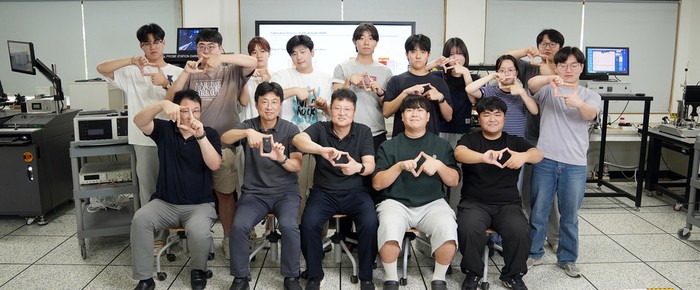
Korean Research Team First to Quantitatively Reveal Radiation Degradation Mechanisms in Gallium Arsenide Semiconductors
A semiconductor research team in Korea has recently succeeded, for the first time in the country, in quantitatively identifying the performance degradation mechanisms of gallium arsenide (GaAs) compound semiconductors under radiation environments. Gallium arsenide is regarded as a key material for next-generation aerospace, aviation, and defense systems, and the findings contribute to understanding the impact of high-energy radiation on the reliability of compound semiconductor devices. The research was led by Professor Kim Min-soo and Professor Hwang Hyun-jun from the Department of Semiconductor Engineering, in collaboration with the Advanced Radiation Research Center at the Korea Atomic Energy Research Institute and WaveTrack Corporation. The research team noted that communication and power equipment aboard low-Earth-orbit satellites or detectors, when exposed to high-energy radiation environments over extended periods, may experience...
2026-08-11
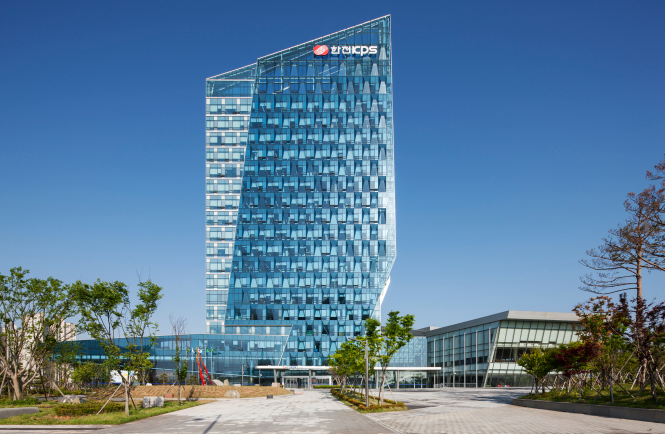
KEPCO KPS Q2 Results Miss Expectations; Nuclear Maintenance Demand Expected to Drive Recovery in H2
KEPCO KPS's Q2 results significantly missed market expectations, mainly due to factors such as extended long-term planned preventive maintenance cycles for nuclear power plants and a reduction in external and overseas variable works. Data shows that the company's preliminary Q2 sales stood at KRW 437.9 billion, down 3.5% year-on-year; operating profit was KRW 43.6 billion, down 33.6% year-on-year, approximately 30.1% below market consensus; net profit attributable to controlling shareholders was KRW 38.3 billion, down 24.8% year-on-year. The operating margin fell to 10.0%, down 4.5 percentage points from the same period last year, indicating pressure on both the revenue side and, to some extent, the cost side. The nuclear maintenance business was one of the key factors dragging down Q2 performance. In Q2...
2026-08-11
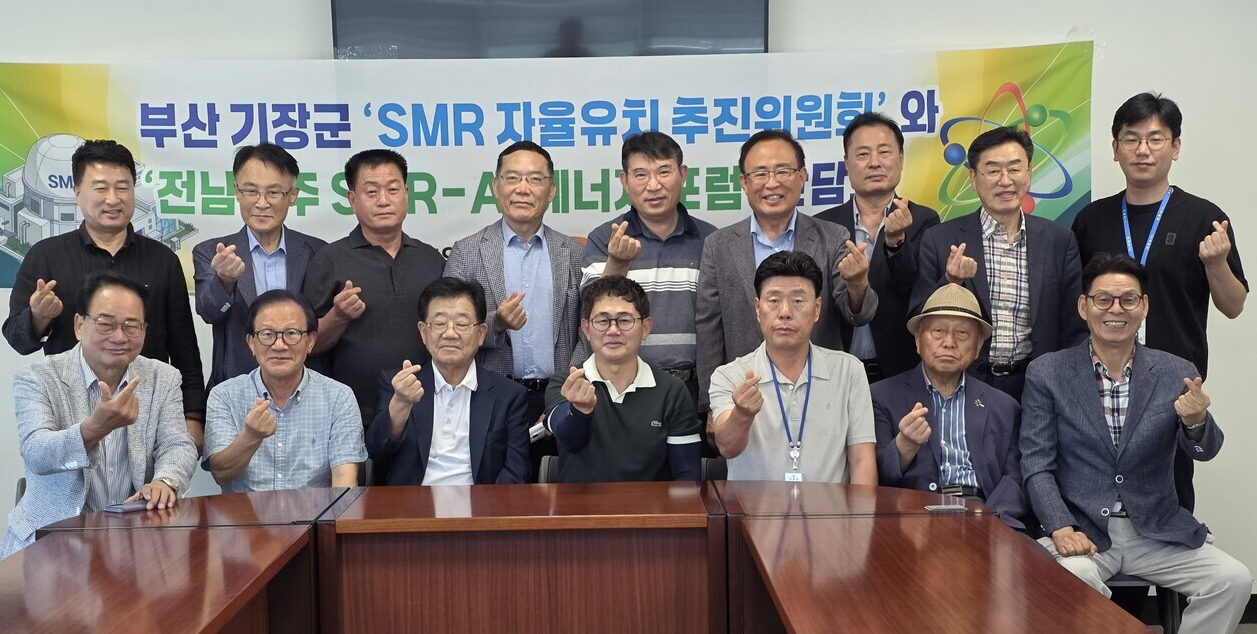
South Korea's Honam Region Visits Busan Gijang for SMR Experience, Seeking New Solutions for Stable Semiconductor Power Supply
South Korea's South Jeolla Province and Gwangju region are paying attention to Small Modular Reactors (SMR) as a potential alternative for semiconductor industry power supply. On August 7, members of the "South Jeolla-Gwangju SMR-AI Energy Forum" visited the Gijang-gun Jangan-eup Gilcheon-ri Village Hall in Busan to hold discussions with the local nuclear safety consultative body, village representatives, the Gori headquarters of Korea Hydro & Nuclear Power, and relevant Gijang-gun departments, focusing on understanding Gijang's autonomous pursuit process and resident communication experience in the siting of the innovative Small Modular Reactor (i-SMR). The direct background of this visit is the potential stable power supply challenge that the semiconductor industry in the Honam region may face in the future. Semiconductor manufacturing relies heavily on continuous, reliable large-scale...
2026-08-11
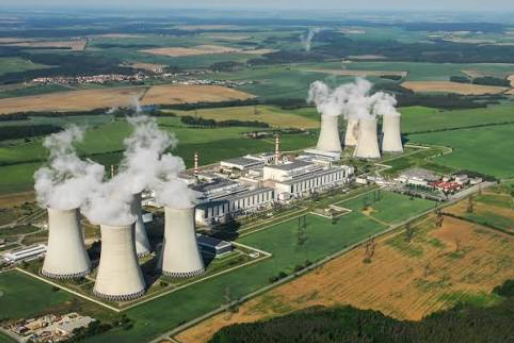
South Korean Environmental Groups to Hold Nuclear Safety Seminar, Focusing on SMR Regulatory Independence and Institutional Gaps
The Korean Federation for Environmental Movement recently announced that it will hold a session of the Continuous Nuclear Safety Seminar Series, under the safety regulation domain, at 10:00 a.m. on August 21, 2026, in Conference Room 8 of the National Assembly Members' Office Building, under the theme "Moving Beyond Promotion-Centered Nuclear Policy Toward an Independent Safety Regulatory System." The event is hosted by National Assembly member Lee Ju-hee and co-organized by the Citizens' Institute for Environmental Studies and the Korean Federation for Environmental Movement, aiming to discuss structural issues in South Korea's nuclear safety regulatory system. According to available information, the South Korean government is accelerating the research and development, industrial support, and commercialization of small modular reactors (SMRs), with the i-SMR standard design approval application already accepted and the Special Act on SMR Development Promotion scheduled to take effect in September.
2026-08-11
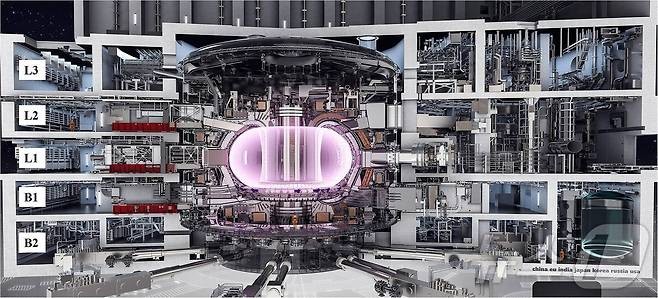
Korea's Naju Artificial Sun Research Facility Expected to Receive Preliminary Feasibility Study Results in September
The project to build the Naju Artificial Sun research facility in Korea is expected to receive the results of the national preliminary feasibility study in September. With a total investment of approximately 1.2 trillion KRW, the project plans to construct large-scale nuclear fusion research and demonstration infrastructure in Wangok-myeon, Naju City, South Jeolla Province, and is regarded by local governments as a key pillar in the future industrial layout of the South Jeolla–Gwangju Integrated Special Zone. The Ministry of Science and ICT (MSIT) designated the "Nuclear Fusion Core Technology Development and Strategic Infrastructure Construction Project" as a national R&D project and included it in the preliminary feasibility study on January 30. According to the previous schedule, the evaluation period was approximately seven months. The results were originally expected to be announced in August, but...
2026-08-11
South Korea to Launch Real-Time Query System for CT and MRI Records in December to Reduce Duplicate Tests for Patients Transferring Hospitals
The Health Insurance Review and Assessment Service (HIRA) of South Korea announced on August 10 that it has established the "Appropriate Medical Utilization Review Committee" and, at its first meeting, included computed tomography (CT) and magnetic resonance imaging (MRI) examinations in the review scope of the real-time medical utilization management program. According to the plan, the program will be managed through the "Medical Care Benefit Details Confirmation System" following approval by the Minister of Health and Welfare. The system, built pursuant to Article 41-6 of the revised National Health Insurance Act, is expected to officially operate starting December 24. Once the system is in place, medical personnel will be able to query in real time the timing and relevant records of patients' CT and MRI examinations at other medical institutions before the patients undergo examinations, thereby reducing...
2026-08-11
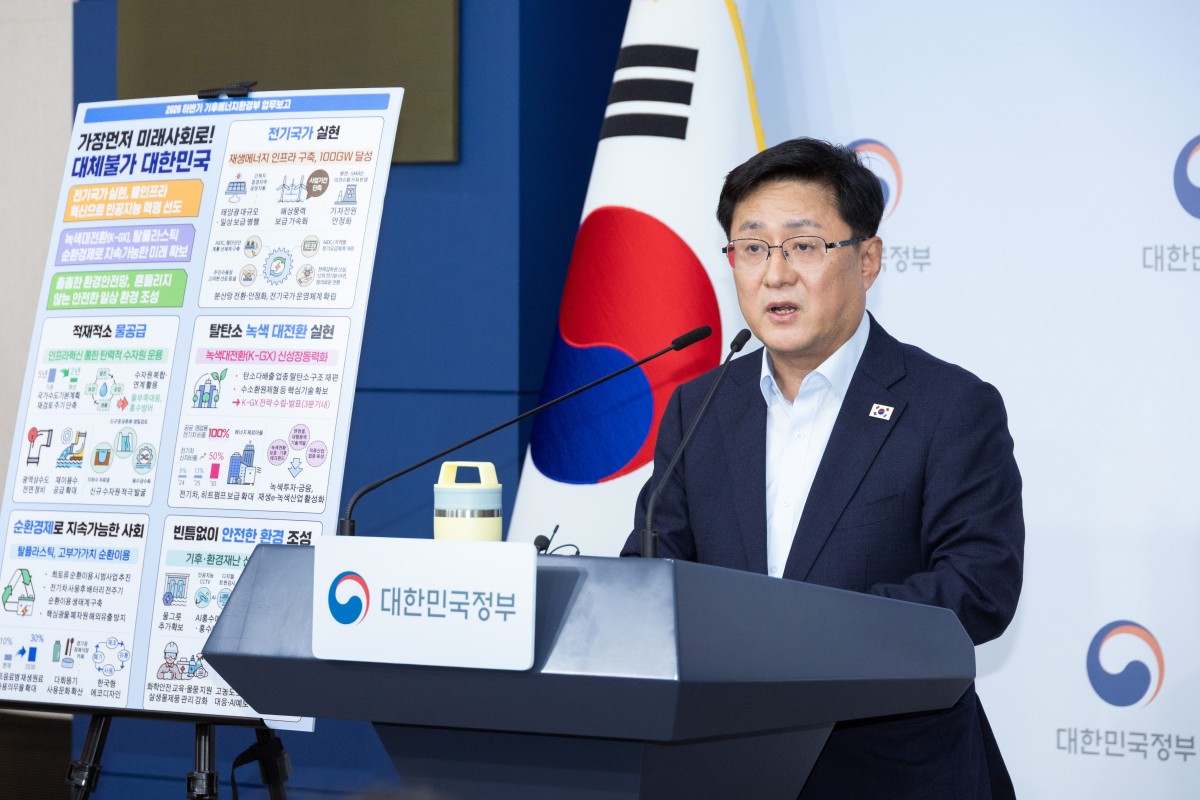
South Korea's semiconductor cluster adds about 21 GW of new power demand; government to study whether to build new nuclear units
South Korea's Minister of Climate, Energy and Environment, Kim Sung-hwan, said on the 10th that the new electricity demand from the Yongin—Hoseon semiconductor industry cluster is approximately 21 GW, equivalent to the power supply capacity of about 15 nuclear units based on an estimate of 1.4 GW per unit. The Ministry of Climate, Energy and Environment plans to seek expert and public opinions before announcing the 12th Basic Plan for Electricity Supply and Demand in October, and will decide accordingly whether to push for the construction of new nuclear units. Kim Sung-hwan stated that the electricity demand of the semiconductor industry has increased significantly compared to the past. The South Korean government has decided to raise renewable energy capacity from 78 GW to 100 GW by 2030, but whether the increase in renewable energy alone can meet the new demand still requires further assessment.
2026-08-11
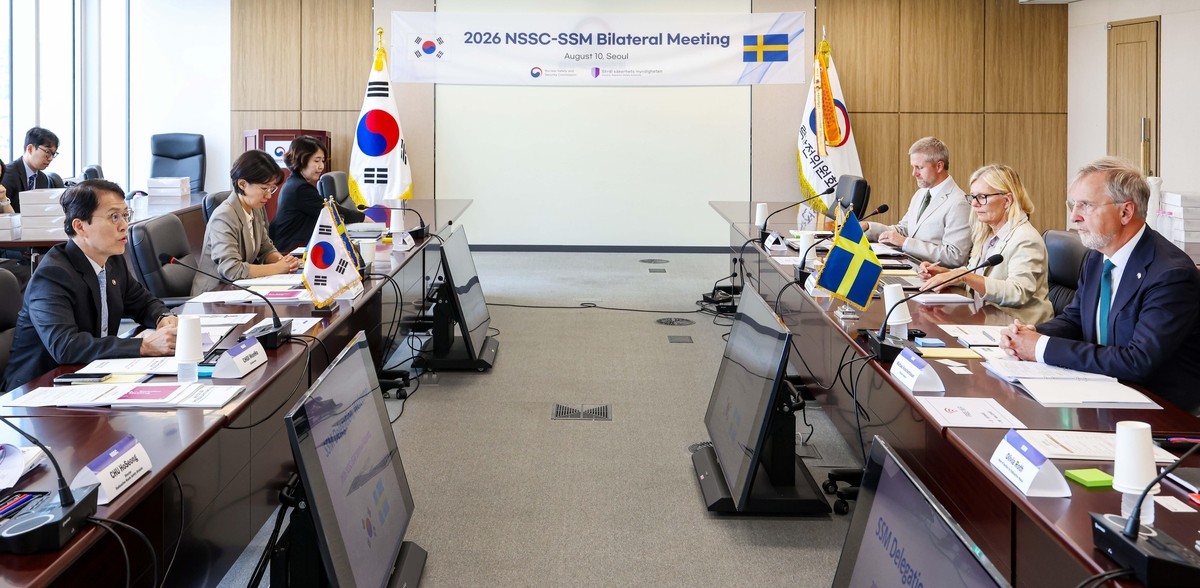
South Korea and Sweden Discuss Cooperation on High-Level Waste Disposal and SMR Regulation
The Nuclear Safety and Security Commission (NSSC) of South Korea announced on August 10 that it held a bilateral meeting with the Swedish Radiation Safety Authority (SSM) in Seoul, during which the two sides exchanged views on topics including high-level radioactive waste management, nuclear safety regulation, and the development of small modular reactors (SMRs). Sweden has accumulated strong technical expertise in the field of radioactive waste management and has developed a relatively mature technical system for high-level radioactive waste disposal. Currently, Sweden has 6 operating nuclear power units and 7 permanently shut down units, 6 of which are in the decommissioning phase. Following Finland, Sweden is constructing the world's second deep geological disposal facility for high-level radioactive waste. The NSSC of South Korea...
2026-08-10
Woori Technology Signs VMI Agreement with Korea Hydro & Nuclear Power for Nuclear Power Plant Components
Woori Technology announced on the 10th that it has signed a Vendor Managed Inventory (VMI) agreement with Korea Hydro & Nuclear Power (KHNP). Under the agreement, Woori Technology plans to supply certain components for nuclear power plant control and instrumentation as early as next month. Vendor Managed Inventory is an inventory management model in which a supplier pre-stocks critical components based on customer demand forecasts and delivers them quickly upon customer request. The customer pays the corresponding procurement costs only after the components are put into use. This agreement primarily covers long-term inventory management and supply arrangements for components related to nuclear power plant control and instrumentation systems supplied by Woori Technology...
2026-08-10
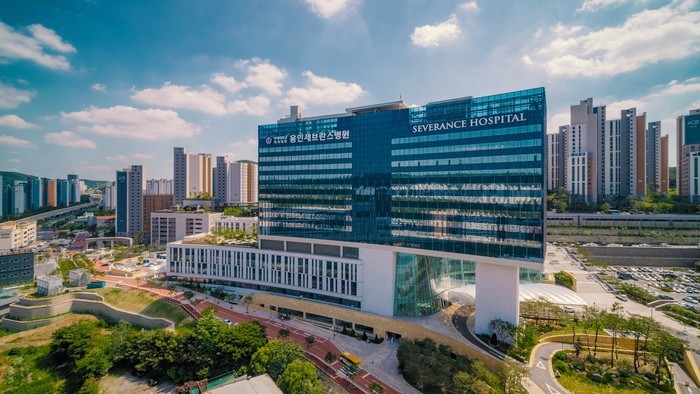
Yongin Severance Hospital in Korea to Review Introduction of Heavy Ion Therapy System
Yonsei University Yongin Severance Hospital is currently reviewing the introduction of a heavy ion therapy system to further strengthen its advanced cancer treatment capabilities. Heavy ion therapy is an advanced radiation therapy technique that typically delivers high-energy precisely to cancer cells by accelerating heavy ions such as carbon ions. This technology leverages the Bragg peak characteristics to concentrate radiation energy release at the tumor site, thereby minimizing exposure to surrounding normal tissues. According to relevant materials, heavy ion therapy is considered to offer new treatment options for certain refractory cancers with limited response to conventional radiotherapy, as well as tumors with high radioresistance. Yongin Severance Hospital hopes to leverage this technology to further...
2026-08-10
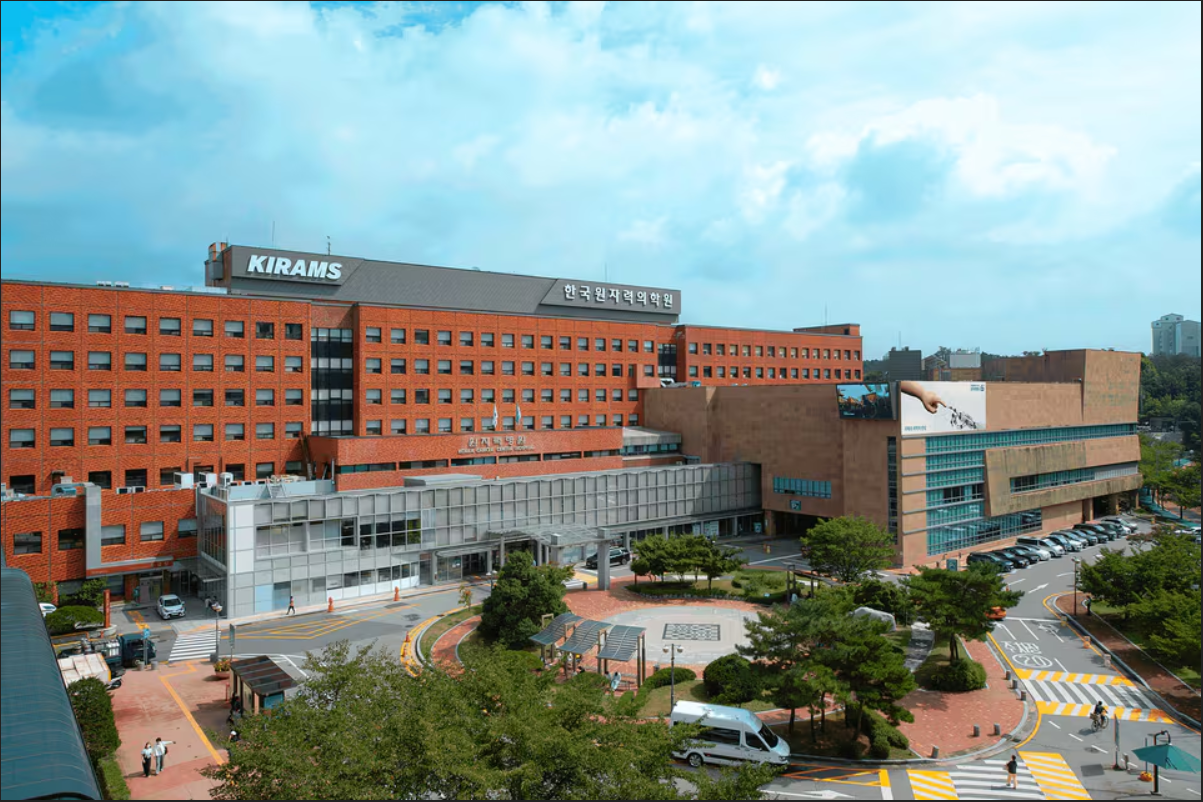
South Korea to Resume Actinium-225 Production Next Year to Ease Shortage of Raw Materials for Anti-Cancer Radiopharmaceuticals
South Korea's domestic production project for actinium-225 (Ac-225), a radioisotope used in next-generation cancer treatment, is expected to resume next year after being stalled for more than a year. Funding was secured in the first half of this year, and the Korea Institute of Radiological & Medical Sciences (KIRAMS) plans to complete facility construction and trial production before launching full-scale production in the second half of next year, aiming to alleviate the raw material shortage facing domestic clinical research and radiopharmaceutical development. KIRAMS is affiliated with the Ministry of Science and ICT. The institute received approval from the Nuclear Safety and Security Commission in May last year to produce Ac-225 using a cyclotron. The project first entered the review process in 2018 and took seven years to gain approval, with initial production originally planned by the end of last year. However, work on upgrading production facilities and procuring equipment was suspended after approximately 2 billion KRW in budget was not approved during parliamentary review.
2026-08-10
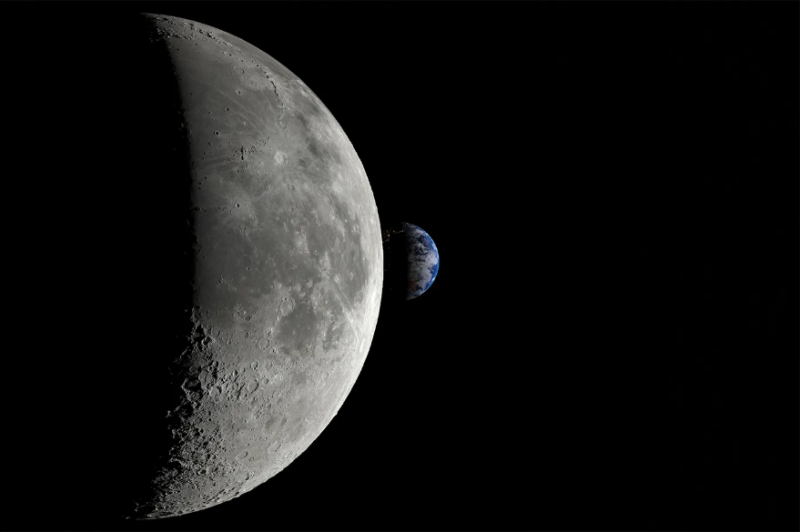
South Korea Advances K-Moonshot Initiative, Nuclear Fusion and SMR Spacecraft Listed as Key Missions
The South Korean government is accelerating the K-Moonshot initiative, seeking to tackle critical technologies that are difficult to break through via traditional research pathways through a national-level R&D organizational approach. Among these, nuclear fusion and small modular reactor (SMR) spacecraft have been included in 12 key missions, alongside new drug development, quantum technology, and artificial intelligence, all under the government's coordinated promotion. On August 10, Vice Minister Goo Hyuk-chae of the Ministry of Science and ICT (MSIT) met with the heads of the 12 mission projects and representatives of related institutions at the K-Moonshot Project Support Office in Sejong City to discuss next-stage implementation arrangements. The meeting focused on detailing...
2026-08-10
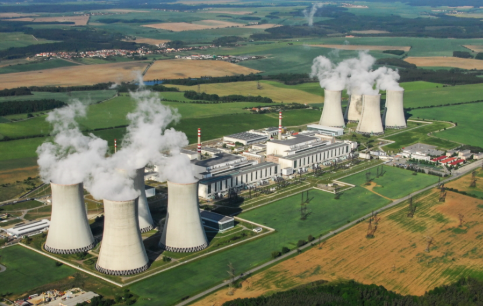
South Korea Designates SMR as National Strategic Technology, Tax Incentives to Drive New Investment in Nuclear Supply Chain
The South Korean government's inclusion of Small Modular Reactors (SMR) in its national strategic technology support scope signals that its energy and industrial policies are extending from traditional large-scale nuclear power plants to next-generation nuclear technologies. SMRs feature modular manufacturing, relatively shorter construction periods, and higher site flexibility, making them a key direction for South Korea in balancing energy security, low-carbon transition, and advanced manufacturing upgrades. This policy has gained support from South Korea's nuclear industry, with the key being that national strategic technology status typically entails tax credits and other incentives for corporate R&D, equipment investment, and related capital expenditures. For companies involved in nuclear equipment, castings and forgings, control systems, engineering design, and fuel-related businesses...
2026-08-10