
Search Results
Keyword:Korea
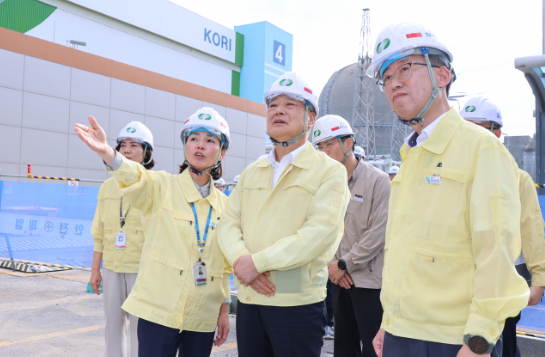
KHNP President Visits Kori Nuclear Power Plant, Pledges Stable Power Supply
Amid sustained heat waves driving up electricity demand, Kim Hoi-cheon, President of Korea Hydro & Nuclear Power (KHNP), recently conducted an on-site inspection at the Kori Nuclear Power Plant headquarters, focusing on the operational status of power generation facilities and frontline working conditions under high-temperature environments. The visit came as the South Korean government issued extreme heat warnings and strengthened its response posture, reflecting heightened attention to the stability of nuclear power as a baseload source in summer electricity supply. According to KHNP, Kim inspected work areas at the Kori plant that are vulnerable to high temperatures, reviewing employee health conditions, working environments, and the implementation of heat prevention and cooling measures. He also examined the operation of...
2026-08-10
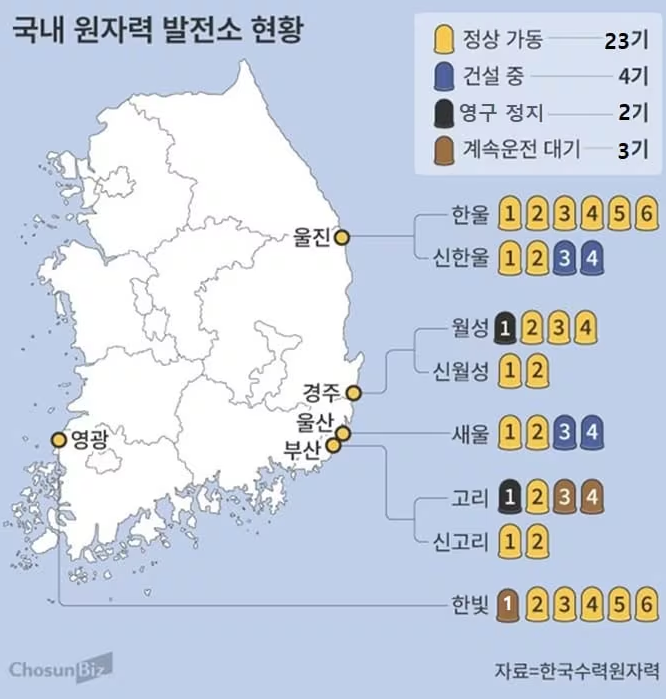
Sea Temperature Approaching Shutdown Threshold, Nuclear Power Belt on South Korea's East Coast Faces Load Reduction Pressure
Climate change is pushing nuclear power plants on South Korea's east coast toward new operational boundaries. South Korean nuclear plants generally rely on seawater as cooling water; after the heat generated by the reactor drives the turbine, seawater is needed to condense the steam back into water. Once the intake water temperature approaches or exceeds the design seawater temperature set by the equipment, heat exchange efficiency declines, affecting the heat dissipation capacity of key safety systems, and the plant must reduce load or even shut down in accordance with safety regulations. The area currently at greatest risk is around Uljin in North Gyeongsang Province. Data from the National Institute of Fisheries Science shows that nearshore surface seawater temperatures along parts of the east coast have approached 30°C, with multiple observation points near Uljin recording approximately 29.6°C to 30.2°C on the afternoon of August 7.
2026-08-10
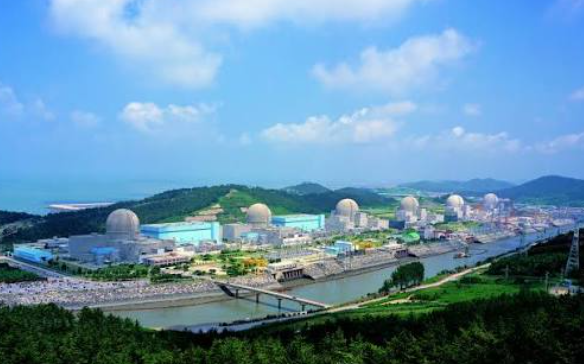
South Korea Plans to Upgrade National Radiation Monitoring System to Address Impacts of Overseas Nuclear Facility Accidents
South Korea's Nuclear Safety and Security Commission is pushing to strengthen the national radiation monitoring system, bringing radioactive contamination of the domestic environment caused by potential overseas nuclear facility accidents into institutionalized regulatory scope. According to partial amendments to the Enforcement Decree and Enforcement Rules of the Atomic Energy Safety Act pre-announced on August 7, South Korea will incorporate radioactive contamination surveys into existing radiation environment surveys and environmental radioactivity monitoring and evaluation operations, entrusting the Korea Institute of Nuclear Safety with the execution of related survey work. This institutional adjustment is a supporting measure following South Korea's revision of the Atomic Energy Safety Act in February this year, with the relevant law set to take effect on February 20, 2027. The core of the amendment lies in that when overseas...
2026-08-09
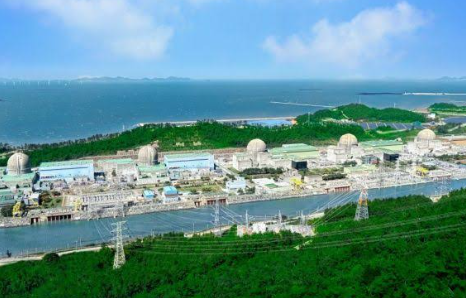
Hanbit Nuclear Power Plant launches 24-hour drone monitoring and strengthens no-fly zone publicity
The Hanbit Nuclear Power Headquarters of Korea Hydro & Nuclear Power (KHNP) recently conducted a special no-fly zone publicity campaign regarding illegal drone flights around the nuclear power plant. The campaign was held on July 27-28 at Gamame and Gusipo beaches near the Hanbit Nuclear Power Plant, focusing on educating summer tourists and drone users about flight control regulations around the plant. The publicity was jointly promoted by the Hanbit Nuclear Power Headquarters together with Yeonggwang Police Station, Gochang Police Station, Mokpo Maritime Police Station, Buan Coast Guard Station, volunteer fire brigades, and beach operators. Personnel at the site explained to visitors the drone flight restrictions around the nuclear power plant, consequences of violations, and precautions...
2026-08-08

Cancer Cryoablation Treatments at Southeast Region Nuclear Medicine Center in Korea Exceed 100 Cases
The Southeast Region Nuclear Medicine Center announced on August 8 that since introducing cancer cryoablation in 2024, the center has completed over 100 related procedures, providing treatment to a total of 104 cancer patients. Cryoablation is a minimally invasive tumor treatment method. During the procedure, doctors insert a thin treatment needle precisely into the tumor site under CT or ultrasound imaging guidance, freezing the lesion at ultra-low temperatures of minus 40 degrees Celsius or lower to cause cancer cell necrosis. As the low-temperature freezing itself has a certain anesthetic effect, this technique helps reduce patient pain, minimize damage to surrounding normal tissues, and promote faster postoperative recovery. According to the center, among the patients treated so far, there are 58 cases of liver cancer and liver metastases, 17 cases of primary lung cancer, recurrent lung cancer, and lung metastases, and 29 cases of renal cancer. Among them, 8 patients underwent treatment for two lesions simultaneously in a single procedure. Liver...
2026-08-08
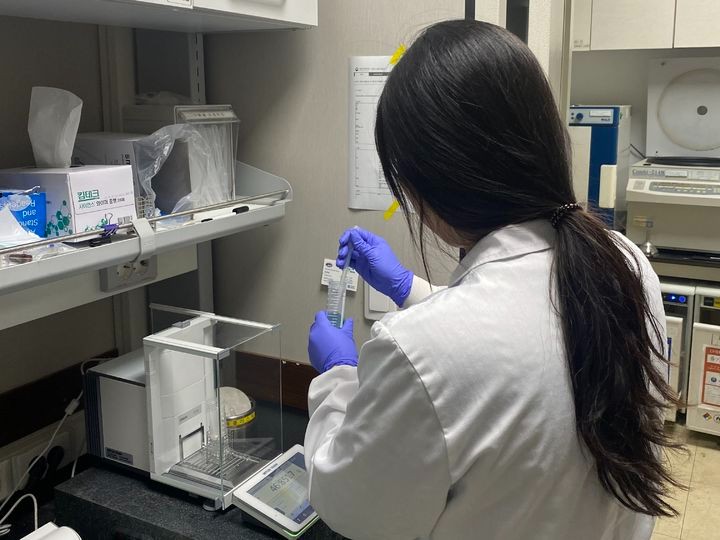
Radioactivity test results for agricultural and fishery products in North Chungcheong Province, South Korea, pass standards in first half of the year
The Chungcheongbuk-do Institute of Health and Environment announced on August 7 that it conducted radioactivity safety testing on agricultural and fishery products sold and used within the province in the first half of this year, and the results showed that all relevant samples met food radioactivity safety standards. The testing covered 119 types of agricultural products and 274 types of fishery products sold at large supermarkets, local food direct-sale stores, or used as ingredients for school meals. Testing items included indicators such as radioactive iodine, radioactive cesium, and tritium. The test results showed that the levels of radioactive iodine and radioactive cesium in the samples did not exceed the permissible limit of 100 Bq/kg for food radioactivity; tritium was not detected in any of the 80 seafood samples. The relevant test results can be found on the Chungcheongbuk-do Institute of Health and Environment website.
2026-08-07
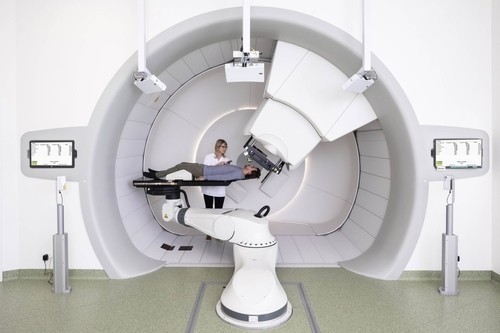
Construction of Proton Therapy Center in Ulsan, South Korea Faces Hurdles: Government Funding Allocation Adjustments Impact Project Progress
The proton therapy center construction project in Ulsan, South Korea, has recently encountered obstacles to progress. The project was once regarded as a key component in improving the regional cancer treatment system in southeastern South Korea, but due to shifts in government medical financial support priorities, the difficulty of securing large-scale national funding independently has increased significantly. According to information from Ulsan City on August 6, Ulsan City completed the feasibility study and basic planning services for the proton therapy center construction in March of last year and began seeking national funding. However, the Ministry of Health and Welfare responded that it would be difficult to provide large-scale project funding to Ulsan City alone. Previously, Ulsan City had planned to establish a proton therapy center to build a system enabling cancer patients to undergo surgery...
2026-08-07
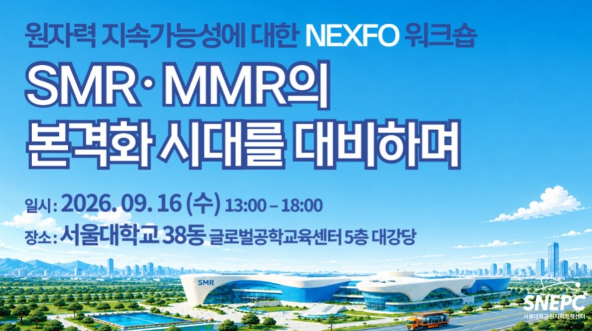
Seoul National University NEXFO Workshop: Exploring Sustainable Solutions for SMR and MMR
On August 7, the Nuclear Policy Center at Seoul National University's Institute for Future Nuclear Energy Policy announced that it will host the Nuclear Energy Sustainability NEXFO Workshop on the afternoon of September 16 at the Seoul National University Global Engineering Education Center. The event, coinciding with the center's 10th anniversary, is themed "Embracing the Era of Full-Scale SMR and MMR Deployment" and will discuss the policy, industrial, and technological conditions for the commercialization of small modular reactors and micro modular reactors. The workshop will first revisit the public discourse framework on nuclear energy sustainability, and analyze global nuclear fuel cycle trends as well as the domestic challenges facing South Korea. As SMRs and MMRs transition from technology demonstration to practical application, nuclear fuel...
2026-08-07
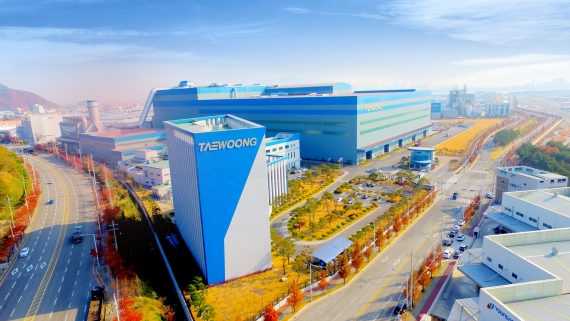
South Korea's Taesung advances order for Unit 2 of US TerraPower SMR, pivoting to new track in nuclear power and gas turbine forgings
South Korean open-die forging company Taesung is accelerating its entry into the small modular reactor (SMR) supply chain. Data shows that Taesung secured its first order in June this year for rotating plug components of the primary equipment for Unit 1 of US-based TerraPower's SMR, and is expected to advance follow-up orders for related components of Unit 2 of the same project in September. The rotating plug is installed on the upper section of the reactor to support nuclear fuel replacement and in-vessel equipment maintenance, requiring high material resistance to high temperatures and radiation, as well as large-scale forging capabilities. This order therefore not only carries revenue significance but also demonstrates the company's technical validation value in the high-end nuclear power forging segment. TerraPower, founded by Microsoft founder Bill Gates, is developing...
2026-08-07
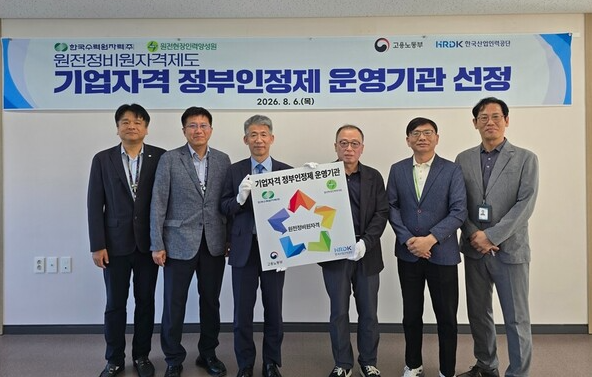
KHNP's "Integrated Nuclear Power Plant Maintenance Personnel Qualification System" Receives Official Government Recognition
On August 7, Korea Hydro & Nuclear Power (KHNP) announced that its integrated nuclear power plant maintenance personnel qualification system has officially received government recognition from the Korea Human Resource Development Service for Emerging Industries, an affiliate of the Ministry of Employment and Labor. This recognition signifies that the qualification system, used internally by the company to enhance employee job competencies, has received official confirmation in terms of evaluation standards, operational frameworks, and management mechanisms, providing a more credible institutional foundation for nuclear power plant equipment operation and maintenance capability building. The core of this recognized system lies in integrating the qualification frameworks previously operated separately by various nuclear maintenance partner companies into unified standards. This marks the first time such a standardized model has been established in Korea's nuclear maintenance sector...
2026-08-07
South Korea to Investigate Seawater Radioactivity Levels Along Maritime Transport Routes for Radioactive Waste
The Korea Atomic Energy Environment Corporation (KAEEC) will conduct an investigation this year into seawater radioactivity levels along the maritime transport routes for radioactive waste from nuclear power plants, in order to assess the radiological environmental impact during the transport of radioactive waste to the Gyeongju low- and intermediate-level radioactive waste disposal facility. According to information released on August 6 by the Korea National Electronic Procurement System, KAEEC recently published a public notice regarding radiation analysis services for seawater samples collected along the maritime transport routes for low- and intermediate-level radioactive waste. Once the contractor is selected, the investigation is scheduled to be completed by the end of this year. Under the arrangement, KAEEC will conduct three maritime transport operations of radioactive waste this year, one each from the Gori, Hanul, and Hanbit nuclear power plants to the Gyeongju disposal facility...
2026-08-07
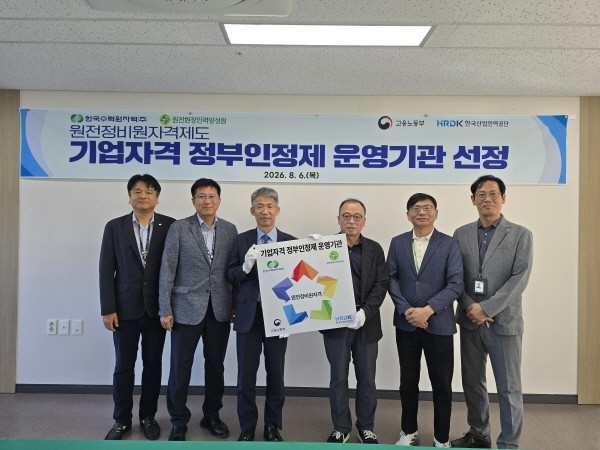
KHNP's Comprehensive Nuclear Power Plant Maintenance Qualification System Recognized by South Korean Government
Korea Hydro & Nuclear Power (KHNP) announced on August 7 that its comprehensive nuclear power plant maintenance qualification system has received government recognition from the Human Resources Development Service of Korea, an affiliate of South Korea's Ministry of Employment and Labor. The system is primarily designed for nuclear power plant maintenance positions, aiming to enhance the professional knowledge and on-site technical capabilities of practitioners. Government recognition refers to the formal confirmation by the government of a qualification certification system used within a company to improve employee skills. KHNP believes this signifies that the objectivity and credibility of its qualification assessments have been recognized at the national level, contributing to...
2026-08-07
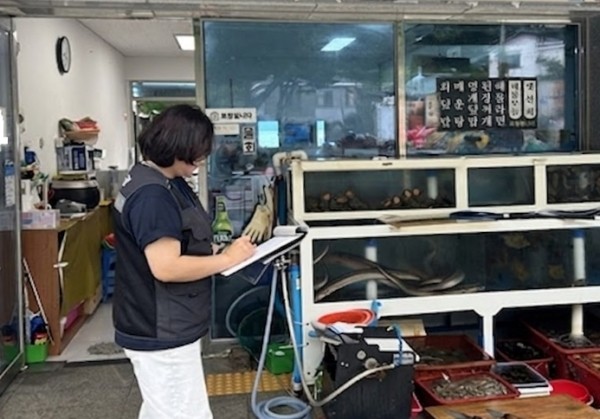
South Gyeongsang Province Completes 380 Food Radioactivity Tests in First Half of Year, All Meeting Standards
The Gyeongsangnam-do Institute of Health and Environment recently announced that in the first half of this year, it conducted radioactivity testing on agricultural products, aquatic products, and processed foods already in circulation, completing tests on 380 samples. Testing items included radioactive iodine, radioactive cesium, and tritium, with all results meeting food radiation-related standards. According to the institute, it continues to conduct radiation monitoring on foods with high market consumption to ensure the daily dietary safety of residents. Of the 380 tests completed in the first half of this year, 338 were for iodine and cesium, and 42 were for tritium, with no samples exceeding permissible levels. In terms of monitoring methods, the institute has established a...
2026-07-27
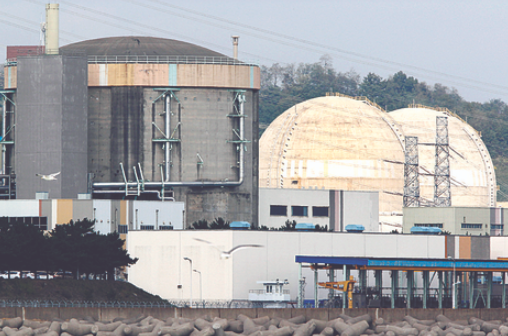
South Korea Advances First Domestic Commercial Production of Lu-177 Using Wolsong Heavy Water Reactors
Korea Hydro & Nuclear Power (KHNP) plans to use the heavy water reactors at the Wolsong Nuclear Power Plant to produce, for the first time domestically, the radioisotope lutetium-177 (Lu-177) for cancer treatment. Currently, South Korea relies entirely on imports for this material, which imposes cost pressures and supply instability on local radiopharmaceutical companies such as Cellbion and FutureChem. Industry experts generally believe that domestic production will help build a diversified supply chain and shorten transportation times. The primary goal of this plan is to achieve commercial production of Lu-177, with pilot production expected in 2028 and full-scale production commencing in 2031. Subsequently, KHNP will expand production to include cobalt...
2026-08-06
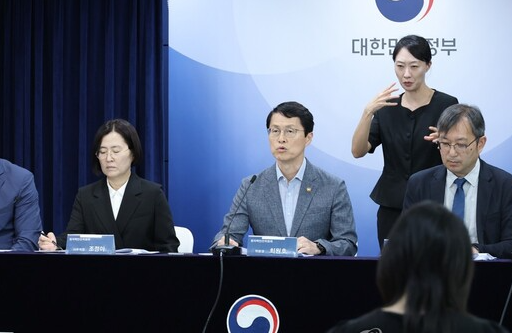
Korea's Nuclear Safety and Security Commission Conducts Safety Inspection at Hanul Nuclear Power Plant
Amid the ongoing heatwave, Korea's Nuclear Safety and Security Commission is closely monitoring safety inspections at domestic nuclear power plants. On August 6, Commission Chairman Choi Won-ho visited the Hanul Nuclear Power Plant in Uljin, North Gyeongsang Province, for an on-site inspection. The primary purpose of this inspection was to verify whether the plant's safety systems can operate properly under continuously rising seawater temperatures. As rising seawater temperature is a factor that directly affects the cooling system, the Hanul plant conducted detailed checks on heat exchanger performance and thermometer conditions. Chairman Choi also held prior discussions via video conference with relevant nuclear agencies on response measures to high temperatures. During the subsequent on-site inspection, he reviewed...
2026-08-06