
Search Results
Keyword:NEA

Hungary Plans to Sink Two Barges Near Paks Nuclear Power Plant to Raise Danube Water Level
Hungarian authorities plan to conduct controlled sinking of two giant barges, each about 80 meters long, in the river section near the Paks Nuclear Power Plant on August 14, aiming to raise the local water level of the Danube and ensure cooling water supply for the nuclear power units. According to European sources, after the two barges are sunk, the water level in the relevant river section is expected to rise by about 20 centimeters. Recently, persistent high temperatures across many parts of Europe have driven the Danube's water level to a low point, putting pressure on water intake and power generation along the river. The Paks Nuclear Power Plant is the only operating nuclear power plant in Hungary. Due to the low water level of the Danube, the plant's power output has dropped to about 25% of its installed capacity. Earlier this week, Hungarian authorities also announced plans to build a riverbed weir on the Danube. Under current expectations, the project could raise the water level in the relevant river section by about 1 meter.
2026-08-15
Argentine CNEA Expert Appointed Vice Chair of European Working Group on Nuclear Medicine Isotope Supply Security
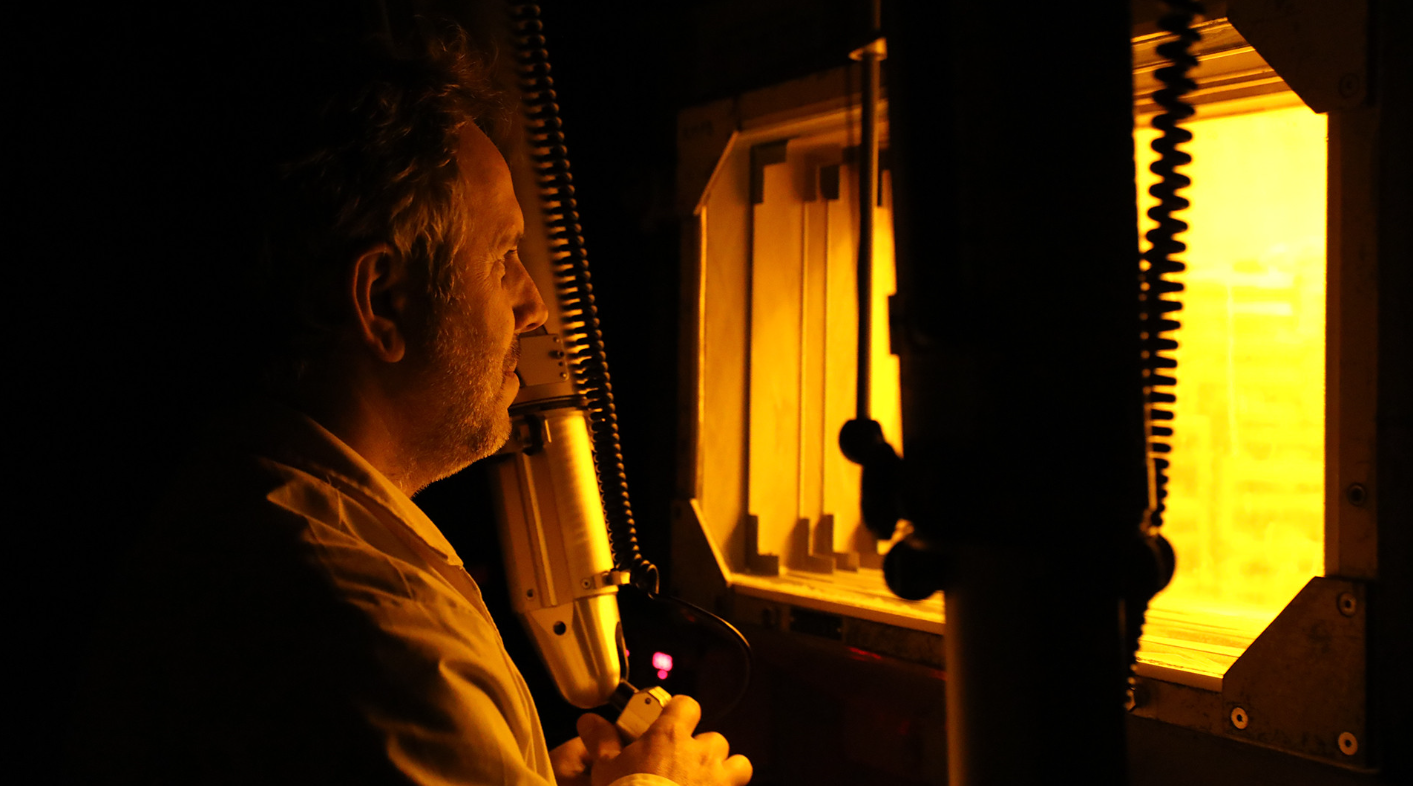
The Argentine National Atomic Energy Commission (CNEA) recently announced that Daniel Sestao, an engineer and the institution's radioisotope production manager, has been appointed Vice Chair of the Supply Security Working Group of the European Association of Nuclear Medicine. CNEA, which operates under the Nuclear Affairs Secretariat of Argentina's Ministry of Economy, views this appointment as recognition of its technical capabilities in nuclear medicine and its role in international collaboration. The Supply Security Working Group is composed of international experts and focuses on the continuity and sustainability of the medical radioisotope supply chain, covering strategic isotopes such as molybdenum-99, technetium-99m, and lutetium-177. These radioisotopes are widely used in the diagnosis and treatment of tumors and complex diseases, forming a critical component of the nuclear medicine system...
2026-08-11
Linn County, Iowa, rejects rezoning application for data center site near nuclear power plant
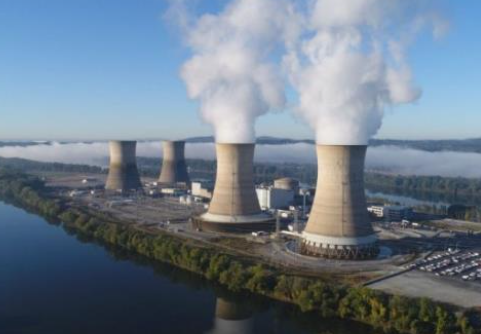
The Linn County Board of Supervisors in Iowa said Monday it will not proceed with amendments to the EU-2 zoning district. This decision means that large data centers will not be permitted to be built near nuclear facilities through this zoning rule for the time being. The current EU-2 zoning primarily allows for nuclear power generation facilities, nuclear waste storage facilities, and natural gas power generation facilities, and does not list large data centers as permitted uses. The zoning adjustment drew attention due to the potential restart of the Duane Arnold Energy Center near Palo. If the nuclear facility were to resume operations, it could provide a stable power source for energy-intensive data centers, prompting interest from data center companies in surrounding...
2026-08-11
Fractionated radiotherapy did not significantly alter surface properties of two types of dental restorative composites
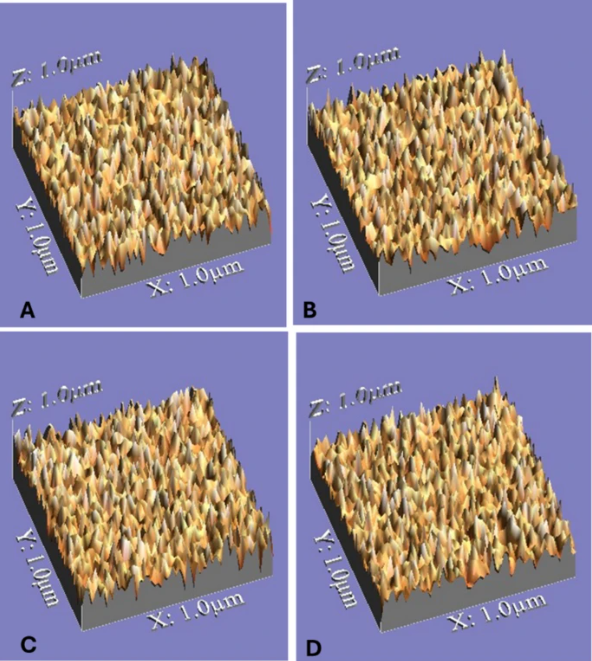
On August 5, a recently published in vitro study showed that under a simulated clinical head and neck cancer radiotherapy regimen, the surface microhardness and roughness of two modern dental restorative composites did not change significantly. The study focused on the effects of therapeutic ionizing radiation on the durability of dental restorative materials. After head and neck cancer patients receive radiotherapy, the oral environment may change, including reduced saliva secretion, mucositis, radiation caries, and other issues, which may affect the surface condition and long-term performance of restorations. To this end, the research team selected Giomer resin composite based on glass ionomer technology and Or...
2026-08-10
Jiangsu's First uLinac HalosTx Integrated Ring-Gantry CT Linac Enters Clinical Use
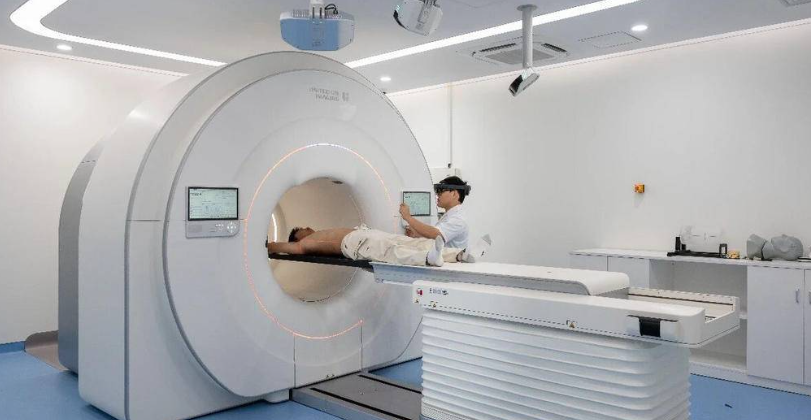
On August 7, the first uLinac HalosTx integrated ring-gantry CT linear accelerator in Jiangsu Province was officially put into clinical use at the Third Affiliated Hospital of Nanjing Medical University (Changzhou Second People's Hospital). The system integrates a diagnostic-grade CT scanner and a ring-gantry accelerator on a single platform, shifting regional tumor radiotherapy from the traditional step-by-step positioning approach to a same-platform real-time model. Radiotherapy is one of the important modalities for cancer treatment. In the conventional split-system radiotherapy workflow, patients typically need to be transported between the CT room and the treatment room, and treatment plans are mostly formulated based on static images acquired beforehand. In cases such as tumor regression or changes in patient weight, previous images may not fully reflect the actual condition on the day of treatment...
2026-08-08
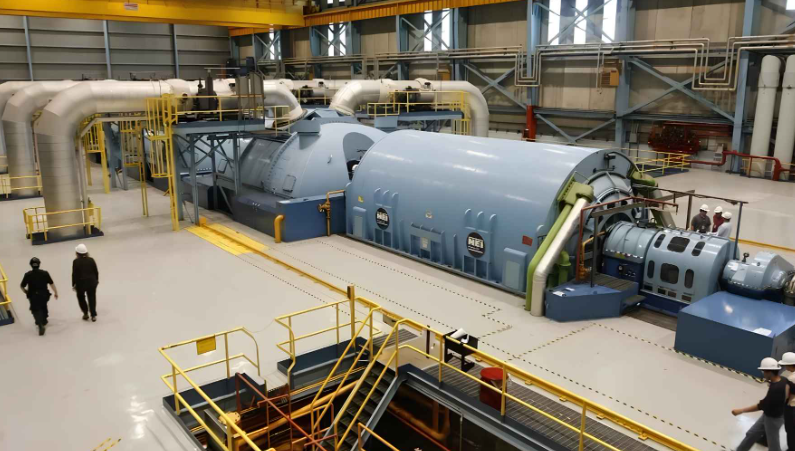
Canadian laboratory validates molten salt separation process with real spent fuel, extracting nearly 90% of plutonium in 24 hours
A chemical experiment in Canada involving real commercial reactor spent fuel has achieved noteworthy progress. Canadian Nuclear Laboratories, in shielded hot cells at Chalk River, used irradiated spent fuel from CANDU reactors to validate the first phase of Moltex Energy's waste-to-stable-salt process. The experiment showed that within 24 hours, 89.4% of the plutonium was transferred into the molten salt; by 60 hours, this proportion rose to 94.3%. Meanwhile, the vast majority of uranium remained outside the salt phase, indicating that the process exhibits strong selectivity in separating target elements. This process, named WATSS, is not a plutonium purification route but rather a group separation technology. In addition to large quantities of uranium, spent fuel contains fission products as well as transuranic elements such as plutonium and americium, the latter being a significant source of long-term radiological risk. WATSS uses high-temperature chloride molten salt and specific reducing metals to convert transuranic oxides into salt-soluble forms, while most uranium oxides remain solid. In this experiment, researchers used niobium as the reducing metal; after 24 hours, only 0.05% of uranium entered the salt, dropping to 0.02% after 60 hours, demonstrating that it does not carry large amounts of uranium into the molten salt system.
2026-08-09
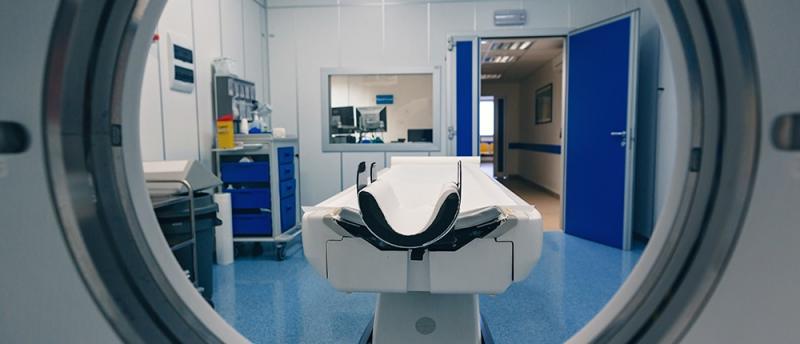
DXA Screening Among U.S. Medicare Population Declines 35% Over Nearly Two Decades
A new study shows that between 2005 and 2023, the rate of dual-energy X-ray absorptiometry (DXA) examinations among U.S. Medicare beneficiaries declined significantly, by 35%. DXA is commonly used for bone density testing and osteoporosis-related screening, and the findings suggest that disparities in screening access across different populations are widening. Researchers analyzed claims data from more than 5 million Medicare beneficiaries. The results showed that DXA utilization fell from 7,255 exams per 100,000 beneficiaries in 2005 to 4,690 per 100,000 beneficiaries in 2023. The study was published in Osteoporosis International. The decline was not uniform across populations...
2026-08-08
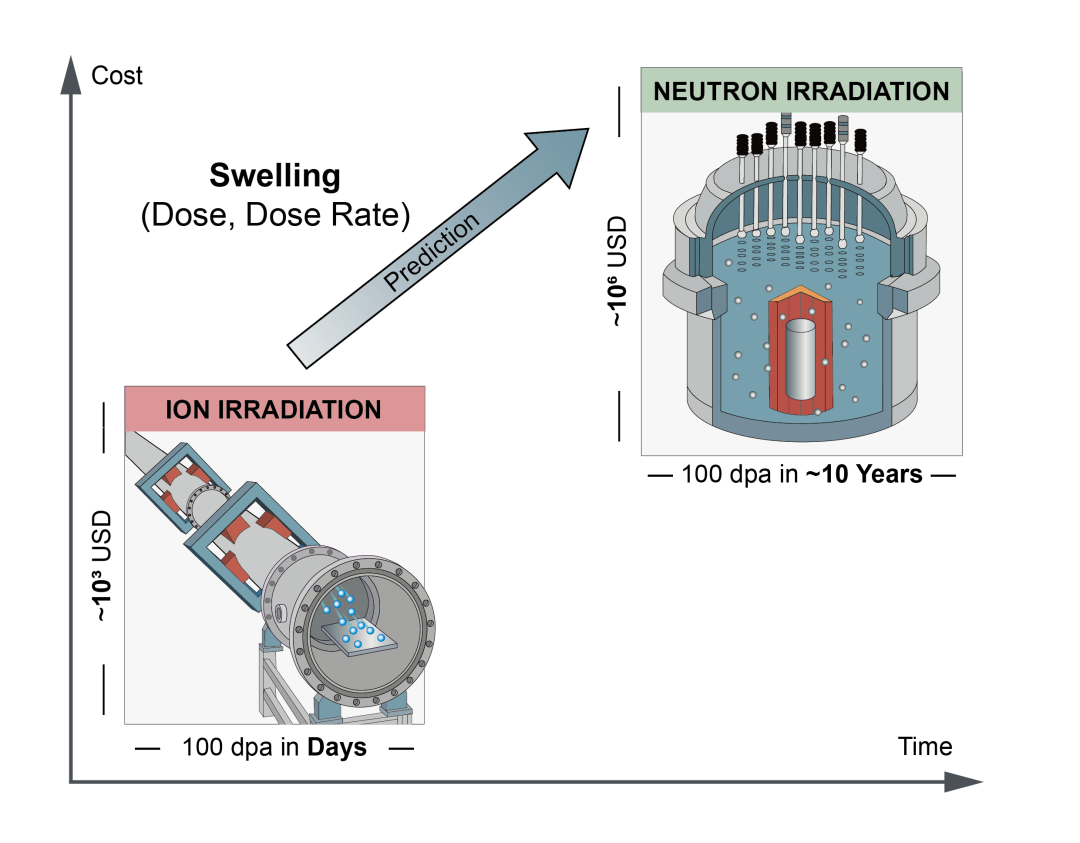
Basic research cracks an application challenge that has persisted for nearly half a century: quantitative prediction of neutron irradiation swelling via ion irradiation
Whether advanced nuclear energy systems can operate safely over the long term depends on the ability of structural materials to resist neutron irradiation damage. Neutrons create numerous atomic-scale defects in materials, which gradually aggregate into nanoscale cavities, ultimately causing material swelling, dimensional instability, and performance degradation. However, obtaining high-dose neutron irradiation data often requires years or even more than a decade, with high costs and post-irradiation sample radioactivity; in contrast, ion irradiation can simulate years of accumulated damage within days and is therefore widely adopted (approximately 95% of irradiation experimental data in existing literature come from ion irradiation). But the dose rate of ion irradiation is typically 3—4 orders of magnitude higher than that of neutron irradiation, making direct conversion between the two results difficult. Recently, the research team of Wang Chenxu and Wang Yugang from the Institute of Heavy Ion Physics, School of Physics, and the State Key Laboratory of Nuclear Physics and Nuclear Technology at Peking University, in collaboration with researchers from the University of Tennessee and other institutions, established a quantitative relationship between material swelling and irradiation dose and dose rate at fixed temperatures based on cluster dynamics simulations, theoretical derivations, and ion irradiation experiments, achieving prediction of neutron irradiation swelling using rapid ion irradiation and providing a new tool for rapid screening and lifetime evaluation of nuclear materials.
2026-08-07
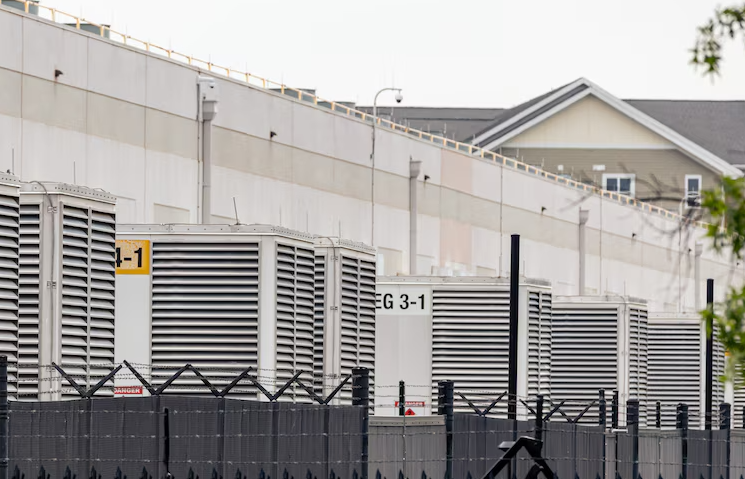
Amazon Withdraws Data Center Plans Near Calvert Cliffs Nuclear Power Plant
Amazon has withdrawn its plans to build data centers near the Calvert Cliffs Nuclear Power Plant in Maryland. The decision comes after some local residents expressed concerns about the proposal, citing potential environmental and health impacts. Nevertheless, supporters argued that the move would bring new tax revenue to the region. Amazon had originally planned to establish seven facilities across three campuses on 2,000 acres of land near the nuclear plant. Calvert County Commission officials stated they would hold a public hearing on August 18 to consider a six-month temporary moratorium on any data center development projects. The proposed ordinance would establish a temporary pause...
2026-08-05

US Intermountain Health Opens New Outpatient Clinic in Las Vegas, Equipped with PET/CT and Linear Accelerator
Intermountain Health, headquartered in Salt Lake City, recently opened a new outpatient clinic in southwest Las Vegas. Named Badura Clinic, the facility spans approximately 90,000 square feet and is located in the Spring Valley area, marking the health system's first new construction project in Nevada. The three-story Badura Clinic officially opened following a ribbon-cutting ceremony and community open house on July 30. The clinic consolidates primary care and select specialty services previously dispersed across multiple locations in the Las Vegas Valley, offering more centralized medical care for children, adults, and senior patients. According to the introduction, the clinic's services include adult and...
2026-08-05
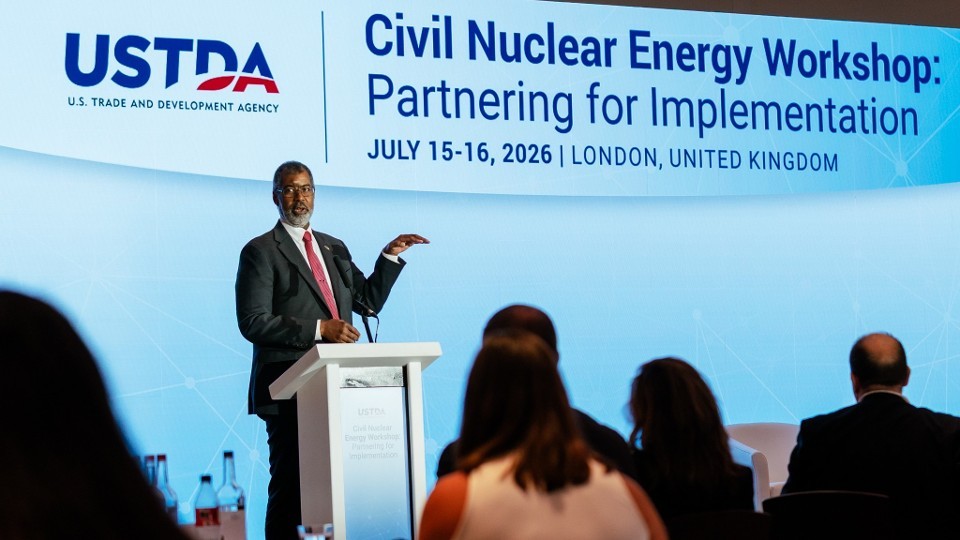
OECD Nuclear Energy Agency Director-General Attends Civil Nuclear Energy Workshop in London
William D. Magwood IV, Director-General of the OECD Nuclear Energy Agency (NEA), attended the U.S. Trade and Development Agency (USTDA) Civil Nuclear Energy Workshop held in London, United Kingdom, on July 15-16. Themed "Collaborative Advancement of Implementation," the workshop brought together government officials, industry representatives, and international stakeholders from Europe, Eurasia, and beyond to discuss how international cooperation can support the delivery of nuclear energy projects. Magwood delivered a keynote address at the opening ceremony and subsequently engaged in a conversation with Maria Korsnick, President and Chief Executive Officer of the Nuclear Energy Institute (NEI)...
2026-08-04

Argentine President Javier Milei Appoints Former Bariloche Mayor Gennuso as Vice President of the Atomic Energy Commission
Argentine President Javier Milei has appointed Gustavo Gennuso as the new Vice President of the Argentine National Atomic Energy Commission (CNEA) through Decree No. 673/2026. Gennuso previously served as Mayor of San Carlos de Bariloche (2015–2023), and this appointment brings the former mayor into a key institution in Argentina's nuclear sector, also reflecting the political expansion of the ruling party "La Libertad Avanza" in Río Negro Province ahead of the 2027 elections. Former Vice President Luis Alfredo Tomás Rovere has stepped down, as part of the restructuring published in the Official Gazette. Decree No. 655/2026 shows the CNEA undergoing major reorganization...
2026-08-03
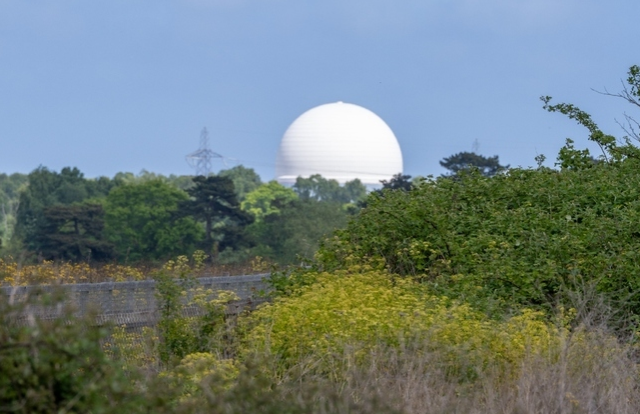
UK Poll Shows Nearly Half of Public Support Nuclear Energy Development
A new UK opinion poll shows that nearly half of respondents support the country's development of nuclear energy to address climate change and energy security challenges. Although public concerns over nuclear power plant safety persist, with growing awareness of the intermittency of renewable energy and rising calls to reduce dependence on fossil fuels, the role of nuclear energy in the UK's energy mix is attracting increasing attention. The survey results show that 48% of respondents consider nuclear energy an important component of achieving net-zero emission targets, while 29% hold opposing views. The main reasons for supporting nuclear energy include its reliability and low-carbon characteristics. Unlike renewable sources such as wind and solar, nuclear power plants...
2026-08-03
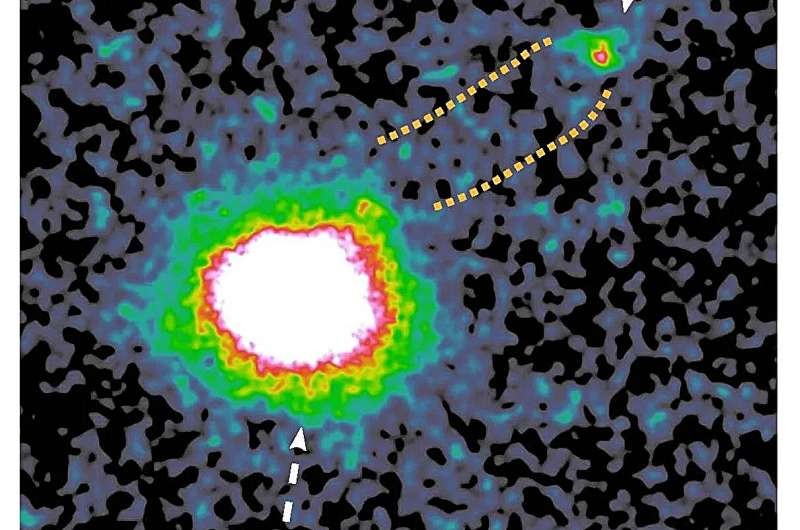
Germany's eROSITA Second Data Release Unveils Nearly Two Million X-ray Sources
On July 31, the German eROSITA consortium, led by the Max Planck Institute for Extraterrestrial Physics with participation from the University of Bonn, released its second major public dataset, eROSITA Data Release 2 (DR2). Built from the first three all-sky survey observations conducted by the eROSITA telescope aboard the Spectrum-Roentgen-Gamma (SRG) mission, this dataset is considered one of the most sensitive and comprehensive X-ray catalogs currently available to the public. The DR2 main catalog covers the 0.2–2.3 kiloelectron-volt (keV) band in the western hemisphere, containing nearly two million X-ray sources. Among these, over 1.9 million are point-like sources, primarily consisting of stars and actively accreting supermassive black holes; approximately 64,000 are extended sources,...
2026-08-01
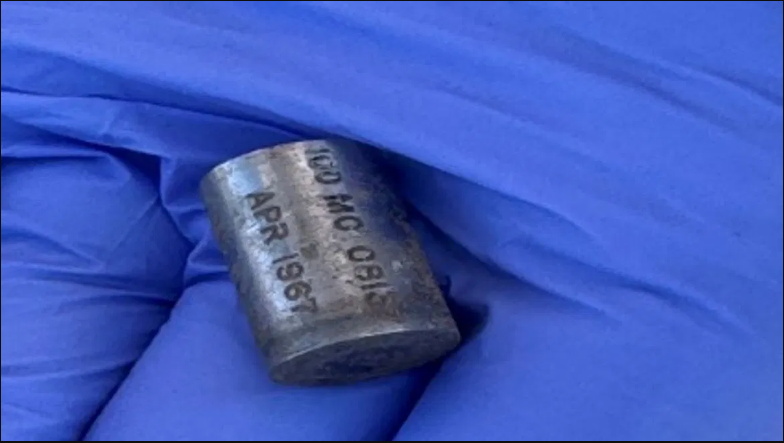
Buried Cesium-137 Sealed Source Discovered by Texas Patrol Officer Near Roadside in Midland County
According to the Texas Department of Public Safety, a corporal with the department recently discovered a buried cesium-137 sealed radioactive source with an activity of 100 millicuries during a routine patrol near a roadway in Midland County. The incident resulted in no injuries or radiation contamination, and public safety was not threatened. On July 24 local time, the corporal, assigned to the department's Radioactive/Nuclear Threat Detection Section, was patrolling near South County Road 1210 when the vehicle-mounted radiation detection system activated. He then used other detection equipment to survey the surrounding area and traced the radiation signal to an underground location. To ensure safe disposal, he requested assistance from local, state, and federal...
2026-08-02