
Search Results
Keyword:Nuclear

First Emergency Diesel Generator Successfully Introduced at Unit 6 of Lufeng Nuclear Power Plant
On September 4, 2026, the first emergency diesel generator for Unit 6 of Lufeng Nuclear Power Plant was successfully introduced into the diesel generator building. The emergency diesel generator is a critical required power source during the cold test phase of a nuclear power unit. The successful introduction of this equipment ensured the availability of emergency power during the cold test period, providing a solid power guarantee for the smooth execution of subsequent cold test work for Unit 6. The Installation Management Section of Lufeng Nuclear Power shifted from passive waiting to proactive action, planning the diesel generator introduction route in advance. The greatest challenge of this introduction task was the deep pit backfill adjacent to the main area of the siphon well on the west side of the diesel generator building, with a backfill depth exceeding 20 meters, a wide coverage area, and a graded aggregate demand of up to approximately 80,000 cubic meters. During construction...
2026-09-08
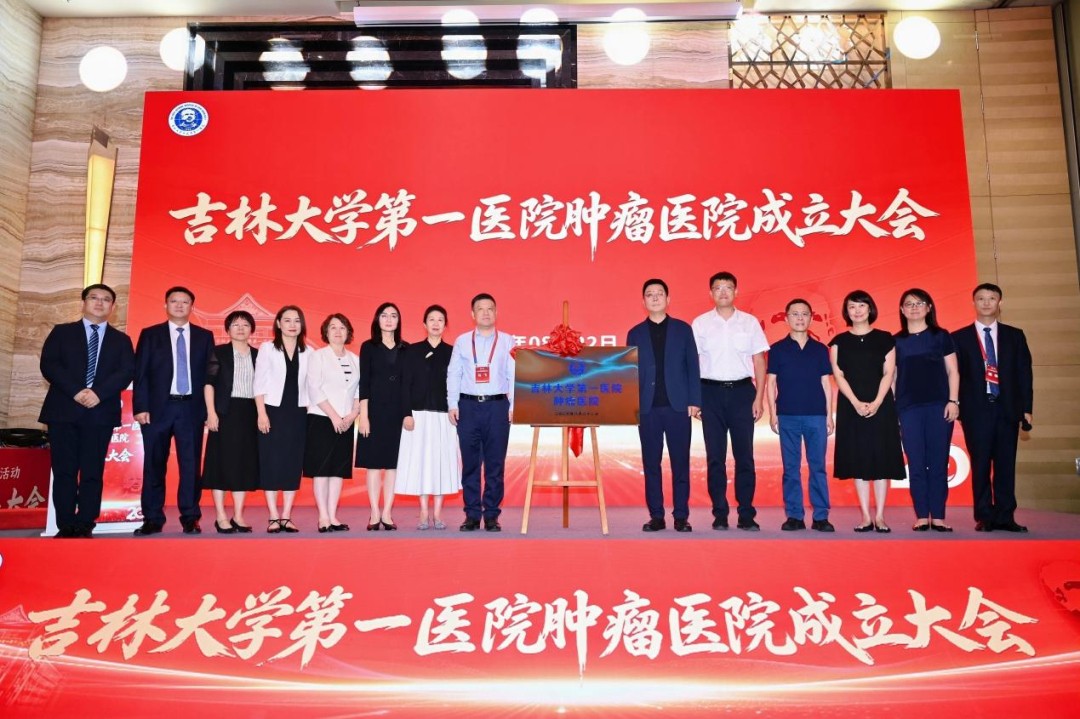
Cancer Hospital of the First Hospital of Jilin University Established, Granted Configuration Permit for Heavy Ion Radiotherapy System
Recently, the 7th Bethune Conference on New Advances in Cancer Treatment was held in Changchun, Jilin Province. The conference coincided with the 80th anniversary of Jilin University and the 20th anniversary of the Cancer Center of the First Hospital of Jilin University, aiming to establish a high-level academic exchange platform and promote the continuous improvement of cancer diagnosis and treatment capabilities in the three northeastern provinces. During the conference, the inauguration ceremony of the Cancer Hospital of the First Hospital of Jilin University was also held. According to reports, the newly established Cancer Hospital will, based on the coordinated development of the original Cancer Center, integrate three advantageous disciplines—oncology, hematology, and radiation oncology—further improve the multidisciplinary collaborative diagnosis and treatment model, promote smoother connections in cancer diagnosis and treatment processes, and enhance comprehensive treatment capabilities for difficult cancers. The conference also...
2026-09-08

CFHI and China Huaneng Hold Talks on Cooperation in Nuclear Power Equipment and Other Fields
On September 7, Lv Zhiqiang, Secretary of the Party Committee and Chairman of CFHI, together with Quan Huaqiang, Deputy Secretary of the Party Committee, Director and General Manager, visited Bai Yong, Secretary of the Party Leadership Group and Chairman of China Huaneng, for discussions on further deepening cooperation. Zhang Hao, Member of the Standing Committee of the Party Committee and Vice President of CFHI, Hao Jinyu, Deputy Secretary of the Party Leadership Group and Director of China Huaneng, and Li Qizhao, Member of the Party Leadership Group and Vice President of China Huaneng, attended the talks. Lv Zhiqiang expressed gratitude to China Huaneng for its long-standing care and support for CFHI, and briefed on the company's reform and development as well as the 15th Five-Year Plan. He stated that China Huaneng is an important partner of CFHI, having been deeply engaged in the development of China's power industry for many years and continuously leading the progress of the power generation sector. Coinciding with the inaugural year of the 15th Five-Year Plan, he expressed hope that both sides would focus on fields such as nuclear power equipment, wind power, high-end materials, and scientific research and development, continuously expanding the boundaries of cooperation, innovating cooperation models, and jointly serving the national energy strategy while demonstrating the responsibility of central state-owned enterprises.
2026-09-08
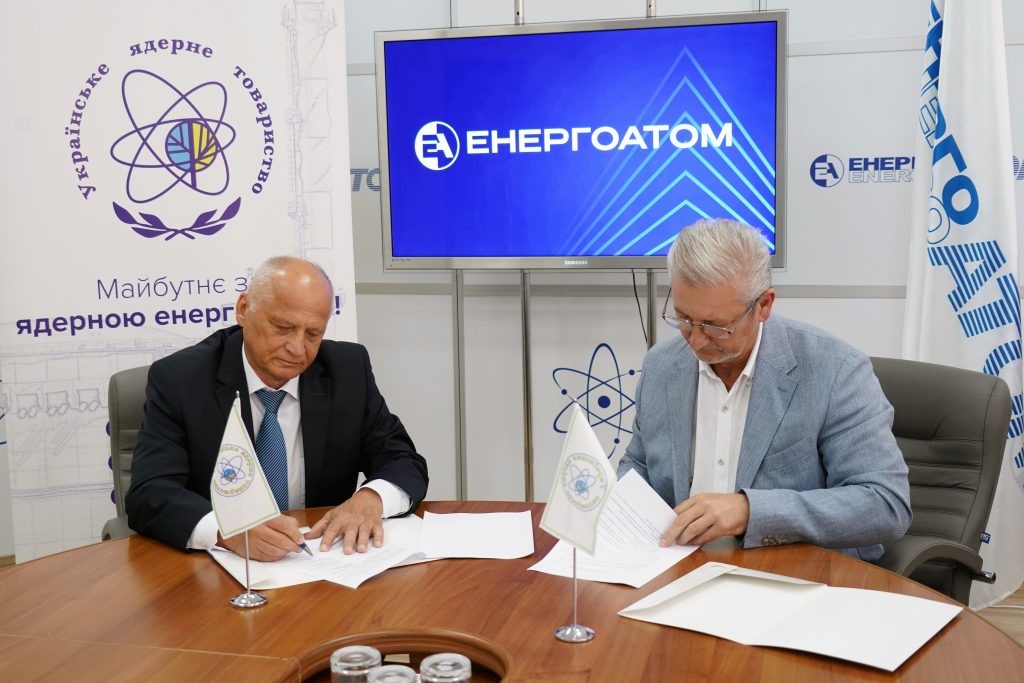
Ukrainian Nuclear Energy Association and Energoatom Trade Union Expand Nuclear Energy Cooperation
On September 2, the Ukrainian Nuclear Energy Association (UkrYat) and the Primary Trade Union Organization of NNEGC Energoatom (PPO NNEGC Energoatom) signed an interaction and cooperation agreement, under which the parties will expand cooperation in nuclear industry development, employee rights protection, personnel training, and scientific and technological capacity building. The agreement was signed by Volodymyr Kholosha, President of the Ukrainian Nuclear Energy Association, and Serhiy Snitkov, Chairman of the Primary Trade Union Organization of NNEGC Energoatom. Under the agreement, the parties will jointly promote the development of Ukraine's nuclear industry, safeguard the labor rights and socio-economic interests of industry professionals...
2026-09-07
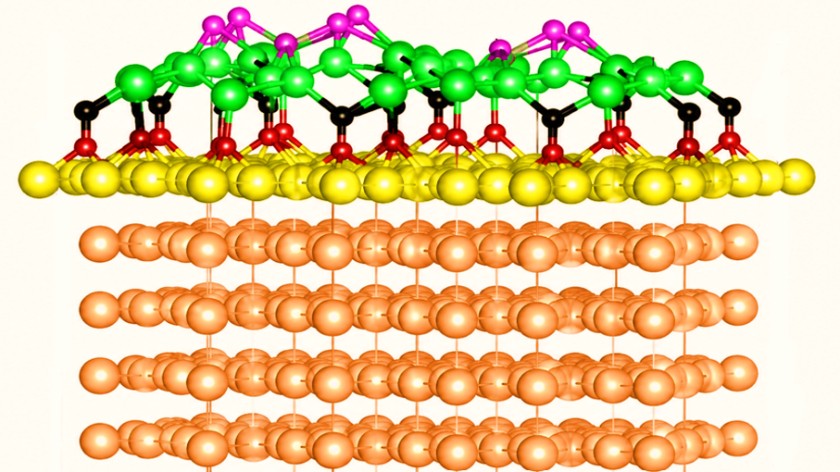
BESSY II reveals early-stage copper oxidation: providing evidence for catalyst development and corrosion research on nuclear waste final disposal containers
Germany's BESSY II synchrotron facility has recently provided new experimental insights into the early-stage oxidation process of copper surfaces. The study shows that before the formation of pure copper oxides, copper and oxygen atoms first form complex surface superstructures, such as "29"CuₓO. The chemical state of such structures has long been debated, and the findings are of reference value for catalyst research as well as for corrosion protection studies of copper containers used for radioactive waste final disposal. Before the formation of pure copper oxide, complex superstructures composed of copper and oxygen atoms emerge—such as "29"CuxO. HZB In everyday environments, copper surfaces gradually lose their red metallic luster and form a greenish oxide layer. This layer structure can slow further corrosion over an extended period. Regarding the initial stages of this process, the core question researchers focus on is: to what extent are copper atoms actually oxidized once oxygen enters the copper surface. Since conventional spectroscopic methods struggle to clearly distinguish between pure copper and partially oxidized surfaces, such oxidation states have previously been difficult to determine directly.
2026-09-07
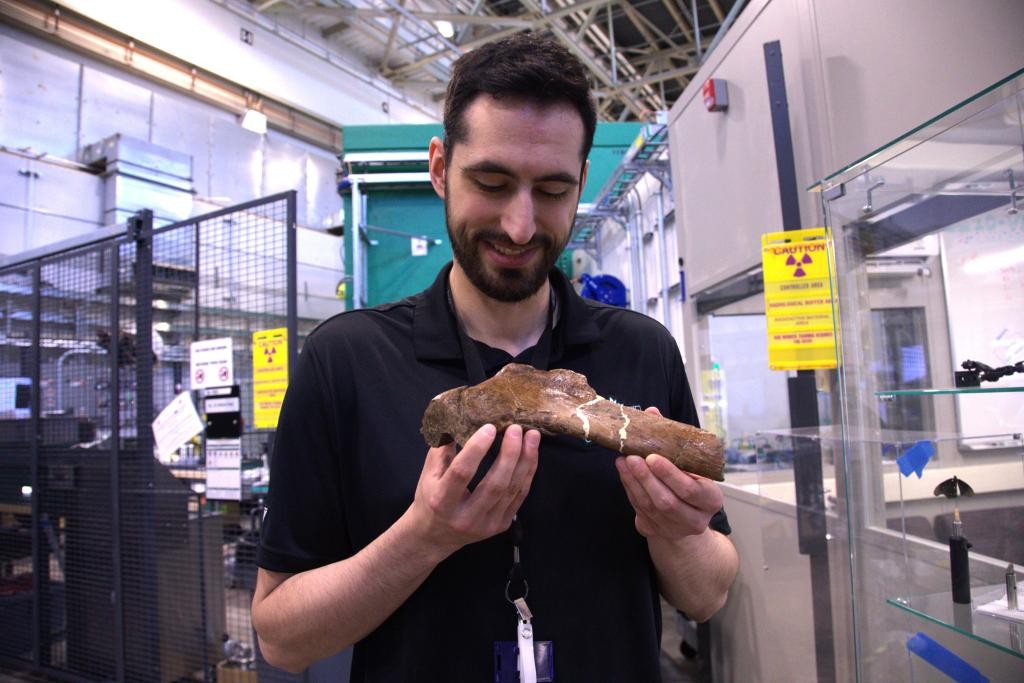
ORNL Neutron Imaging Technology Reveals Healed Rib Fracture in Tyrannosaurus Rex Fossil
Neutron imaging technology at the U.S. Department of Energy's Oak Ridge National Laboratory (ORNL) has helped researchers from the University of Regina in Canada and other institutions observe rare healing signs inside the fossilized bones of a Tyrannosaurus rex, providing new insights into ancient life from approximately 66 million years ago. The subject of this study is a fractured rib from "Scotty," the largest Tyrannosaurus rex skeleton ever discovered. Researchers found that this rib preserved a wound-healing process rarely seen in the fossil record: after the fracture occurred, iron-rich blood entered the injured area and formed a network of blood vessels to promote healing; however, before the rib had fully healed, Scotty died and was preserved in a salt marsh environment, which slowed the decomposition of the remains...
2026-09-07
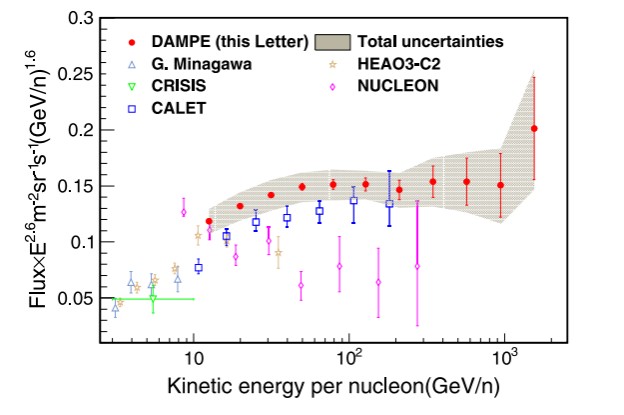
"Wukong" Detects "Super-Iron" Elements in Cosmic Rays, Achieving First High-Precision Cosmic Ray Nickel Energy Spectrum in the TeV Range
Recently, the DAMPE scientific team led by Academician Chang Jin of the University of Science and Technology of China made significant progress in direct observations of high-energy cosmic rays. Based on DAMPE on-orbit observation data, the scientific team obtained the differential flux spectrum of nickel nuclei from 10 GeV/n to 2 TeV/n. The results were published in the international academic journal *Physical Review Letters* under the title "Measurement of the Cosmic Ray Nickel Energy Spectrum from 10 GeV/n to 2 TeV/n with the DAMPE Space Mission." The origin of super-iron elements in cosmic rays has long been a challenge for the scientific community. It is generally believed that cosmic ray elements are primarily produced in nuclear fusion processes within stars, but since iron nuclei have the highest binding energy per nucleon, stellar fusion reactions typically struggle to proceed beyond elements near iron. Heavier elements than iron are generally attributed to different nucleosynthesis processes such as neutron capture. Because the abundance of super-iron elements is typically at least an order of magnitude lower than that of iron, measurements of super-iron elements in cosmic rays remain extremely scarce. Most experiments have only provided relative abundances of different elements; a few experiments have measured the differential flux spectrum of cosmic ray nickel, but with energy upper limits of only a few hundred GeV/n.
2026-09-07
Japanese Research Uses Tau PET to Reveal Association with Symptom Progression in Progressive Supranuclear Palsy
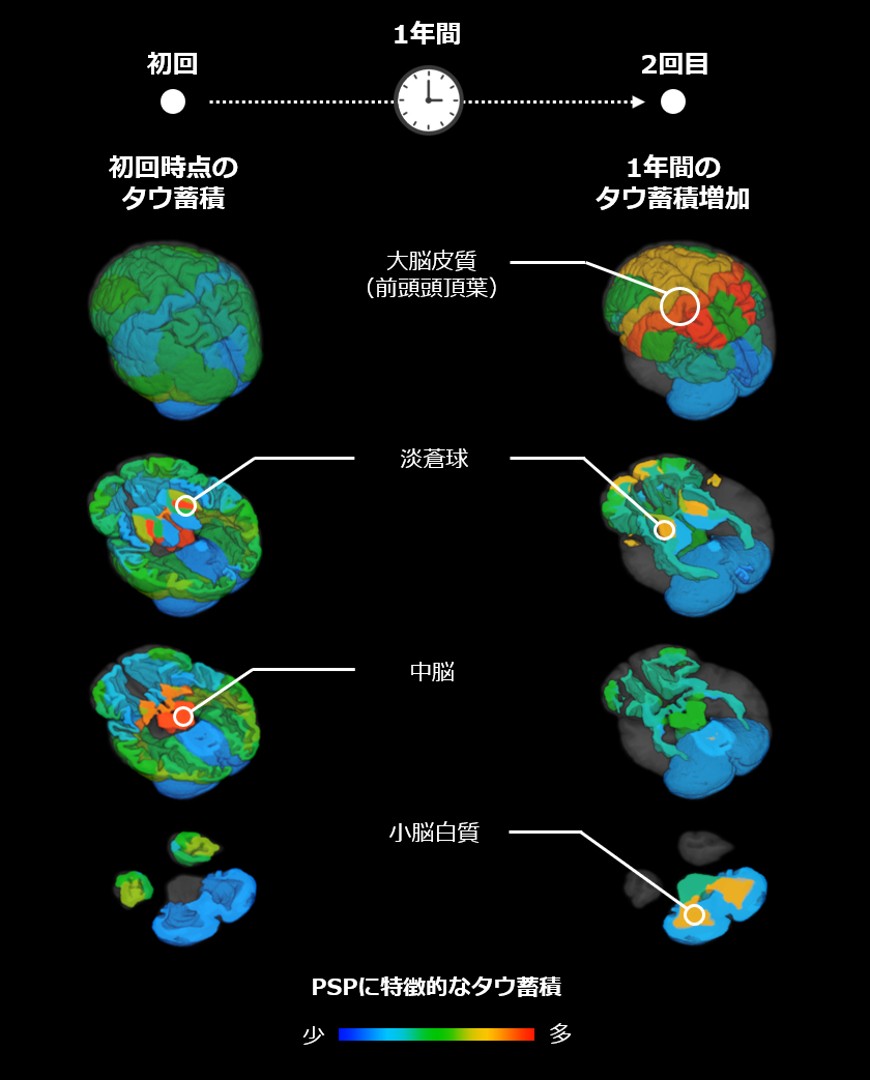
A research team at the National Institutes for Quantum Science and Technology (QST) in Japan recently announced findings from a study on progressive supranuclear palsy (PSP). Using their self-developed tau PET imaging technology, the researchers conducted follow-up scans on the same group of PSP patients at approximately one-year intervals, confirming for the first time in living brains that the faster tau protein accumulates in the globus pallidus region deep within the brain, the faster patient symptoms progress. The findings were published on September 5, 2026, in the international neurology journal *Movement Disorders*. Characteristic tau protein accumulation regions in PSP Progressive supranuclear palsy is a progressive neurodegenerative disease occurring in middle-aged and older adults, with common manifestations including increased risk of falls, difficulty with movement, eye movement disorders, postural instability, and cognitive dysfunction. There is currently no therapy that can cure or halt disease progression; therefore, establishing biomarkers that can objectively reflect disease changes and treatment efficacy has been a critical issue in drug development. Previous autopsy studies have shown that abnormal tau protein accumulation in the brains of PSP patients is an important pathological feature, particularly concentrated in deep brain regions such as the globus pallidus and midbrain. However, autopsy samples cannot be used for long-term dynamic observation, and how tau protein accumulation changes over time and how it corresponds to symptom progression had previously remained unclear. In recent years, positron emission tomography (PET) has made it possible to observe tau protein in living brains, but existing studies have mainly shown that tau protein increases over time without sufficiently demonstrating a direct association between these changes and symptom worsening. In this study, the research team used the PET radiopharmaceutical 18F-PM-PBB3 developed by QST, namely florzolotau (18F), to perform two PET examinations on 26 PSP patients and 10 healthy controls, conducted at baseline and approximately one year later. The researchers combined 57 brain regions identified by MRI and performed multivariate analysis of PET signal changes to identify PSP-related tau protein accumulation regions and their spread over time. The results showed that at baseline, tau protein in PSP patients was primarily accumulated in subcortical regions such as the globus pallidus and midbrain, consistent with previous reports. Follow-up imaging at one year showed further increases in tau protein accumulation in the globus pallidus, along with marked increases in tau accumulation in the frontoparietal lobes and cerebellar white matter, suggesting that during the course of PSP, tau protein may spread from deep brain regions to the cerebral cortex and cerebellar-related areas. The research team further focused on Richardson's syndrome, the most typical and common subtype of PSP. This subtype typically progresses rapidly, and the 18 patients with this subtype included in this study showed significant increases in PSP rating scale scores within one year. The analysis found that changes in tau protein accumulation in the globus pallidus showed the strongest correlation with the degree of symptom progression; that is, the faster tau protein accumulated in this region, the more pronounced the worsening of patient symptoms. Analyses of individual patients likewise showed that globus pallidus tau protein accumulation can reflect the course of PSP from mild to severe stages. The researchers believe that serial tau PET imaging has the potential to serve as a novel imaging biomarker for assessing PSP disease progression, and also provides a basis for tau-targeted therapeutic strategies: if future therapies can inhibit tau protein accumulation, it may be possible to slow symptom progression. Next steps still require longer-term follow-up in a larger number of patients to validate the relationship between changes in tau protein accumulation and overall symptom progression and treatment response. The imaging assessment method established in this study may not only be used for disease monitoring and clinical trial efficacy evaluation in PSP, but may also be extended to research on other tau protein-related neurodegenerative diseases and dementias, providing new technical support for the diagnosis and therapeutic development of related diseases.
2026-09-07
Digital twins are becoming an important R&D pathway in fusion research
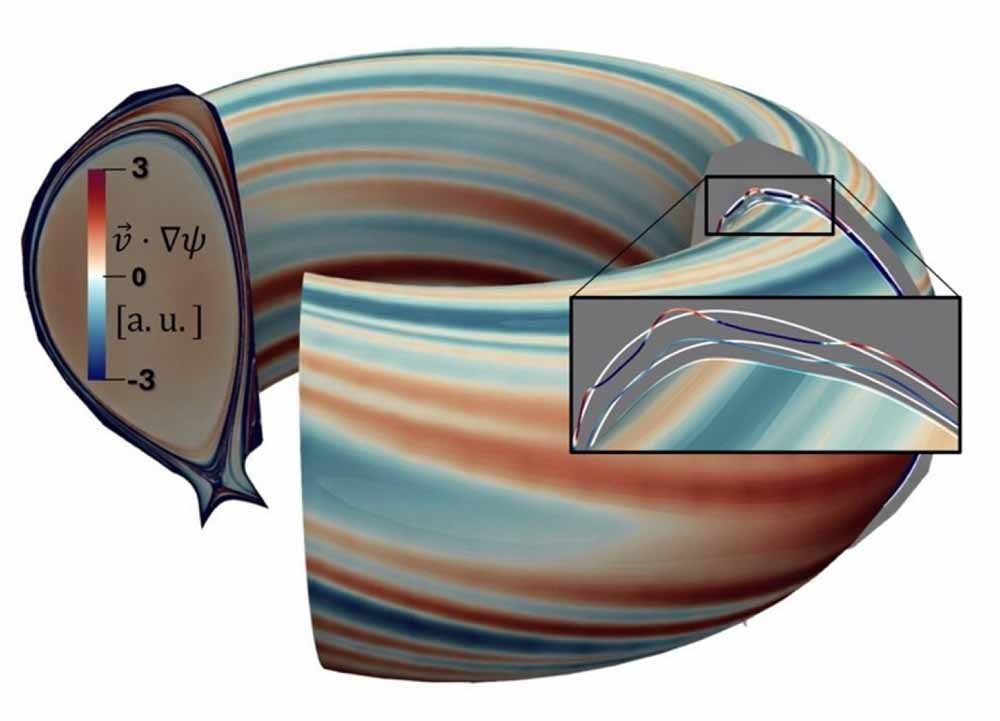
Recently, a new paper reviewed the progress of digital twin technology in fusion research over the past five years and noted that several key gaps remain before a complete digital twin model of a fusion power plant can be achieved. Simulating the movement of tungsten in the plasma core. Copyright: (F. Jenko et al., 2026, *Nuclear Fusion* 66 116014) Digital twins are a class of virtual models that reflect the structure, environment, and behavior of physical systems, and can be used to predict future system states and inform real-world decision-making. In fusion research, as issues in plasma physics, device engineering, and material interactions grow increasingly complex, digital twins are considered promising...
2026-09-07
XENONnT Observes First Low-Energy Solar Neutrino-Electron Scattering Signals
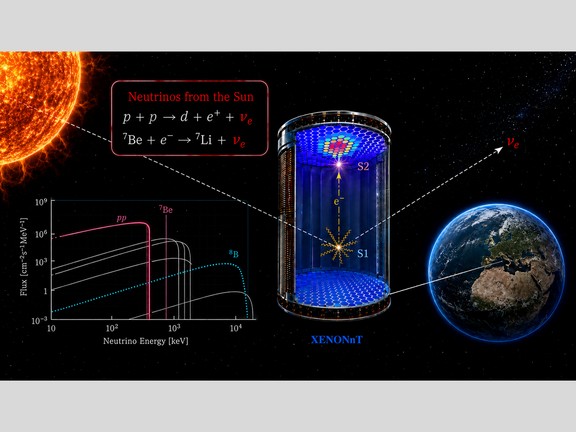
Scientists of the XENON collaboration recently announced the first observation of low-energy solar neutrino scattering off electrons in the XENONnT particle detector. The results were presented at a workshop held on August 31, 2026, at the Gran Sasso National Laboratory of the Italian National Institute for Nuclear Physics. The team of Prof. Teresa Marrodán Undagoitia and Dr. Hardy Simgen from the Max Planck Institute for Nuclear Physics played a key role in the experiment. Nuclear fusion in the Sun continuously produces vast numbers of neutrinos, with hundreds of billions passing through every square centimeter of Earth each second. Because neutrinos interact with matter extremely weakly, detecting these particles...
2026-09-07
No Evidence of Mirror Neutrons Found in Swiss PSI Ultracold Neutron Experiment
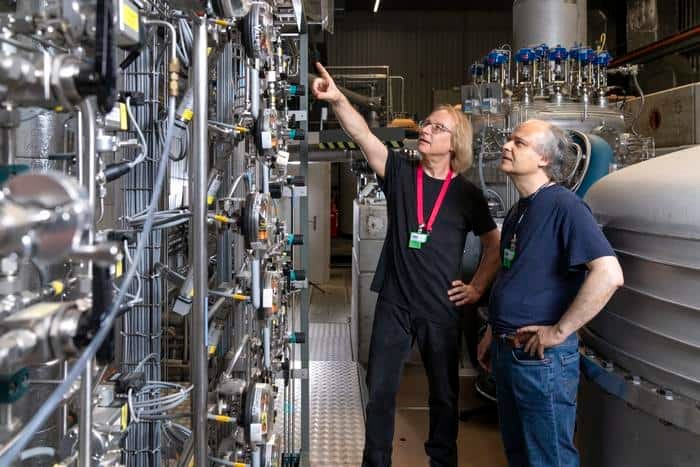
The Ultracold Neutron Physics Group at the Paul Scherrer Institute (PSI) in Switzerland recently stated that its research team found no evidence of spontaneous transformation of ordinary neutrons into mirror neutrons in a high-precision experiment. The researchers said the result essentially rules out the main parameter space previously suggested for anomalous neutron-mirror neutron oscillation signals, and also weakens the possibility that mirror neutrons could be a component of dark matter. Bernhard Lauss (left) and Géza Zsigmond examined approximately 2.5 billion neutrons at the ultracold neutron source at the Paul Scherrer Institute (PSI). They essentially ruled out the hypothesis of spontaneous transformation of neutrons into mirror neutrons. (Image courtesy of Paul Scherrer Institute PSI/Ma...
2026-09-07

China officially promotes Hualong One 2.0 Gen-III+ nuclear power technology to the global market
Nine key safety indicators of the Hualong One 2.0 Gen-III+ nuclear power technology have been significantly improved, the number of cabinets in the new-generation Harmony system has been reduced by approximately 40%, and the world's first 8.6-meter-aperture solar thermal collector, Yuanyao-1, can achieve a photoelectric efficiency of 17%... These were the highlights reported by this journalist at the CGN 2026 Sustainable Development Conference held in Shenzhen on September 7. At the conference, CGN officially released the "2025 CGN Sustainable Development Report," and simultaneously launched its global responsibility brand, the "CGN Firefly Plan." As the APEC Economic Leaders' Meeting draws near, Shenzhen is becoming the focus of Asia-Pacific attention. On September 7, CGN, headquartered in Shenzhen, hosted a sustainable development conference themed "Green Energy Illuminating Mountains and Seas, Joining Hands to Create the Future," showcasing China's clean energy development landscape and its latest progress in going global to think tanks, media, and other stakeholders from APEC member economies and countries jointly building the "Belt and Road."
2026-09-07
Japanese research team accelerates muons to 0.3 MeV, taking a step toward the world's only muon accelerator
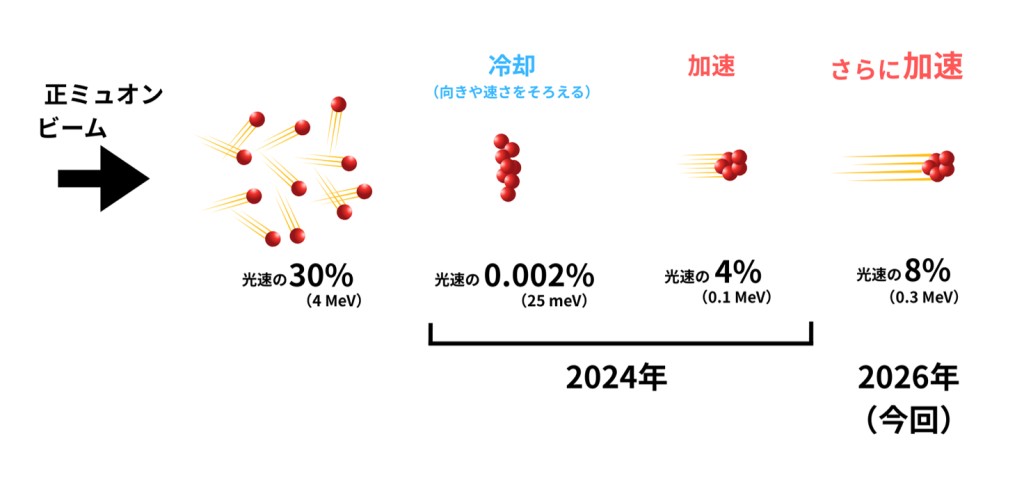
A research team comprising the J-PARC Center, High Energy Accelerator Research Organization (KEK), the University of Tokyo, Tokai National Higher Education and Research System, Nagoya University, and RIKEN recently completed muon cooling and radio-frequency acceleration experiments in the newly constructed muon acceleration experimental area at the J-PARC Materials and Life Science Experimental Facility, successfully accelerating muons to a kinetic energy of 0.3 MeV, corresponding to approximately 8% of the speed of light. Conceptual diagram of cooling and accelerating positive muon beams. By cooling positive muons with non-uniform direction and velocity, efficient high-frequency acceleration can be achieved. Muons are elementary particles similar to electrons that can be artificially produced by accelerators and are widely used in materials science, particle physics research...
2026-09-07

Malaysia Expands Nuclear Radiation Mutation Breeding Applications to Bolster Food Security and Industrial Inspection
Malaysia's nuclear technology applications are extending from traditional fields such as medicine and industry further into agricultural production and food security. Dr. Sukri, Senior Director of Project Management at the Malaysian Nuclear Agency, stated that through research and development using nuclear radiation mutation breeding technology, the agency has shortened the maturation period of cassava from the original 10 to 12 months down to 6 months. Sukri noted that this technological application helps reduce farmers' production costs, improve land use efficiency, and cultivate larger cassava varieties. In addition to cassava, the Malaysian Nuclear Agency, in collaboration with the Ministry of Agriculture and Food Security and the Department of Agriculture, has successfully developed two new rice varieties, NMR 151 and NMR 152. These new varieties feature higher yields and demonstrate strong resistance to diseases, extreme weather conditions such as prolonged drought, and flooding.
2026-09-07

Uzbekistan's Jizzakh Nuclear Power Project Investment Estimate Reaches $9.5 Billion
The nuclear power project in the Jizzakh region, developed by Uzbekistan in cooperation with Russia's State Atomic Energy Corporation (Rosatom), has a total capital expenditure estimate of $9.5 billion. The investment scope includes site preparation, reactor construction, regulatory compliance, and high-voltage grid connection. Under the project arrangement, the nuclear power plant will adopt Russian-designed advanced reactor technology to meet regional baseload power supply demands and adapt to Uzbekistan's geographical and climatic conditions. The project site in the Jizzakh region is intended to enhance power supply reliability for the central industrial corridor of Uzbekistan and promote a reduction in the country's energy structure's dependence on natural gas. Uzbek President Shavkat...
2026-09-07