
Search Results
Keyword:Nuclear Power
Russian Scientists Propose Fast Calculation Method to Simulate Plasma Ion Parameters in Seconds
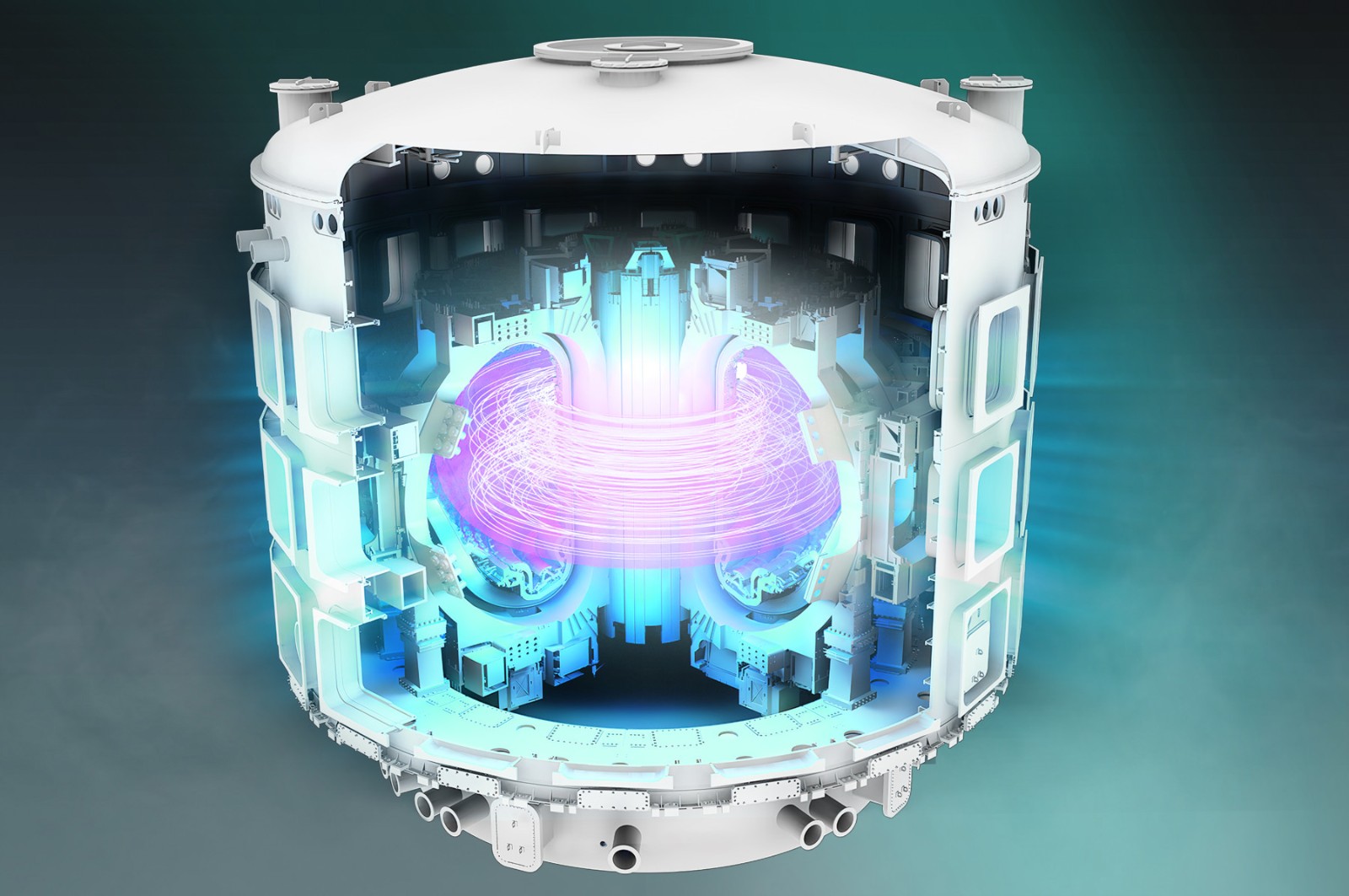
Researchers from the HSE University and the Moscow Institute of Physics and Technology (MIPT) have developed an analytical method for calculating the behavior of heavy ions in helium under strong electric fields, which can accelerate the computation of ion mobility and ion–molecule reaction rates by thousands of times. The findings have been published in Physica Scripta. Plasma, composed of charged particles such as electrons, negative ions, and positive ions, is typically quasi-neutral and highly conductive. It exists not only in fluorescent lamps and welding arcs but is also used in controlled nuclear fusion devices such as tokamaks. Atmospheric plasma jets can also be applied to wound disinfection, work surface cleaning...
2026-08-11
Russia's Atommash Commissions Ultrasonic Weld Inspection Robot to Boost NPP Equipment Testing Efficiency
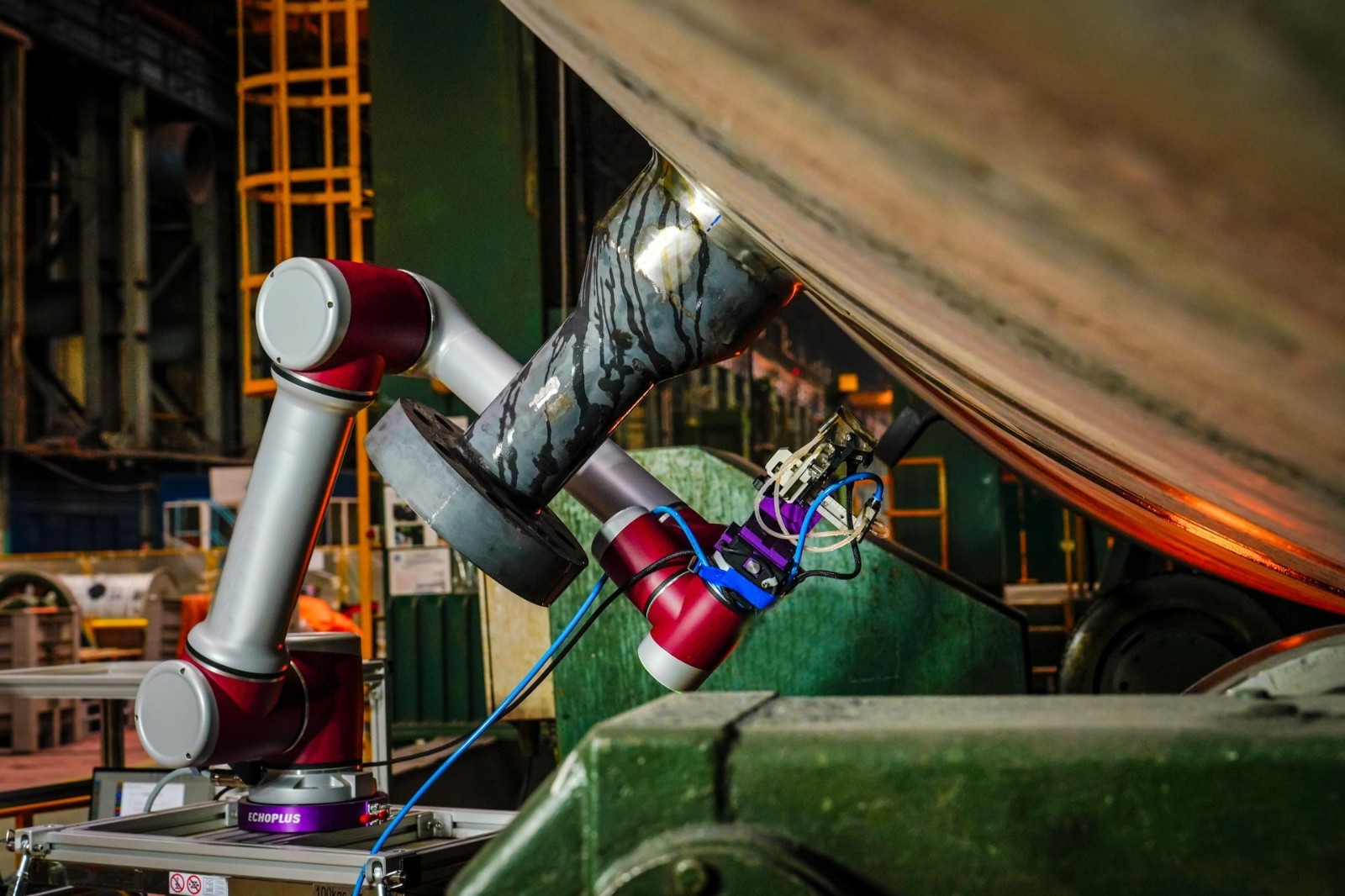
Atommash, a plant under the mechanical engineering division of Russia's State Atomic Energy Corporation (Rosatom), has recently commissioned a new ultrasonic inspection robot for welded joints, used for weld quality checks on large nuclear power equipment such as nuclear reactors and steam generators. The plant is located in Rostov Oblast, Russia. The new equipment employs two scanning modes and can identify weld defect types and locate defect coordinates. Compared with traditional inspection methods involving manual probe movement, the robot can automatically perform scanning on components with complex geometries, increasing inspection speed by approximately 30% while reducing the need for manual work in hard-to-reach areas. At present, Atommash already operates...
2026-08-11
South Korea's semiconductor cluster adds about 21 GW of new power demand; government to study whether to build new nuclear units
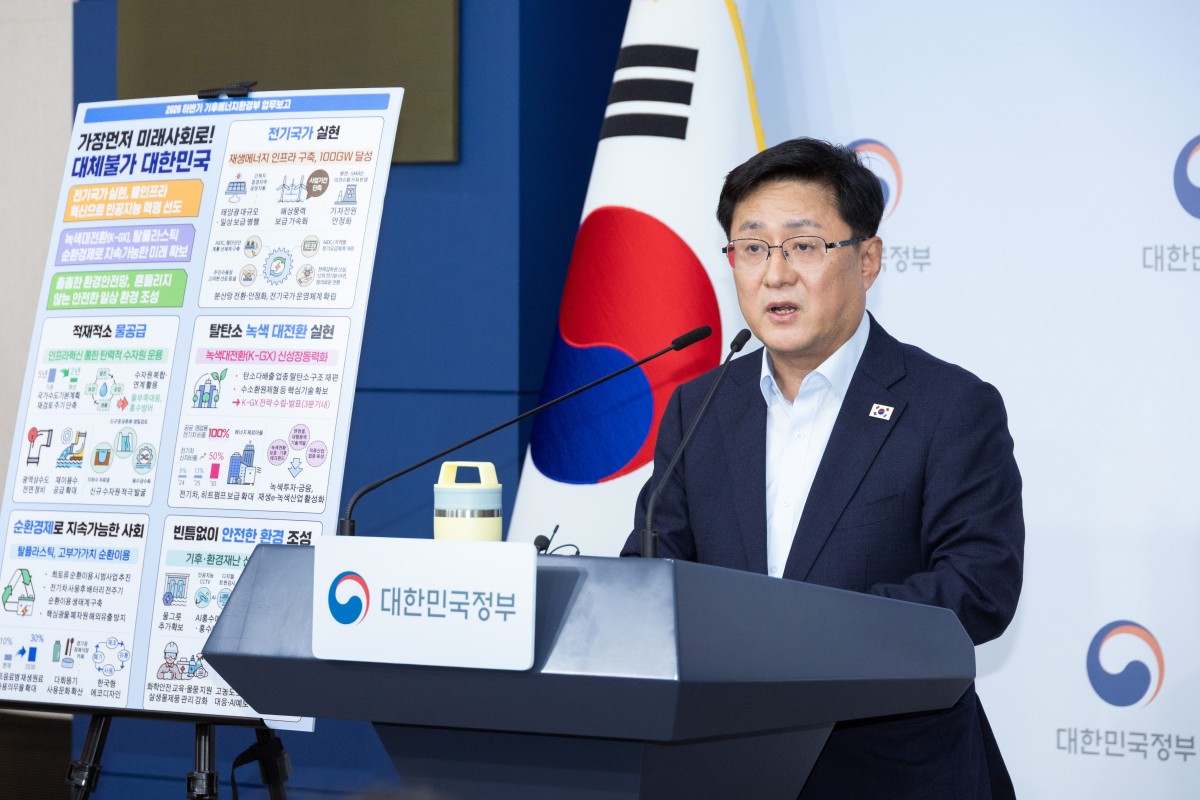
South Korea's Minister of Climate, Energy and Environment, Kim Sung-hwan, said on the 10th that the new electricity demand from the Yongin—Hoseon semiconductor industry cluster is approximately 21 GW, equivalent to the power supply capacity of about 15 nuclear units based on an estimate of 1.4 GW per unit. The Ministry of Climate, Energy and Environment plans to seek expert and public opinions before announcing the 12th Basic Plan for Electricity Supply and Demand in October, and will decide accordingly whether to push for the construction of new nuclear units. Kim Sung-hwan stated that the electricity demand of the semiconductor industry has increased significantly compared to the past. The South Korean government has decided to raise renewable energy capacity from 78 GW to 100 GW by 2030, but whether the increase in renewable energy alone can meet the new demand still requires further assessment.
2026-08-11
Installation of STT153A Tower Crane Completed at Jiangsu Xuwei Nuclear Heating and Power Plant by CEEC
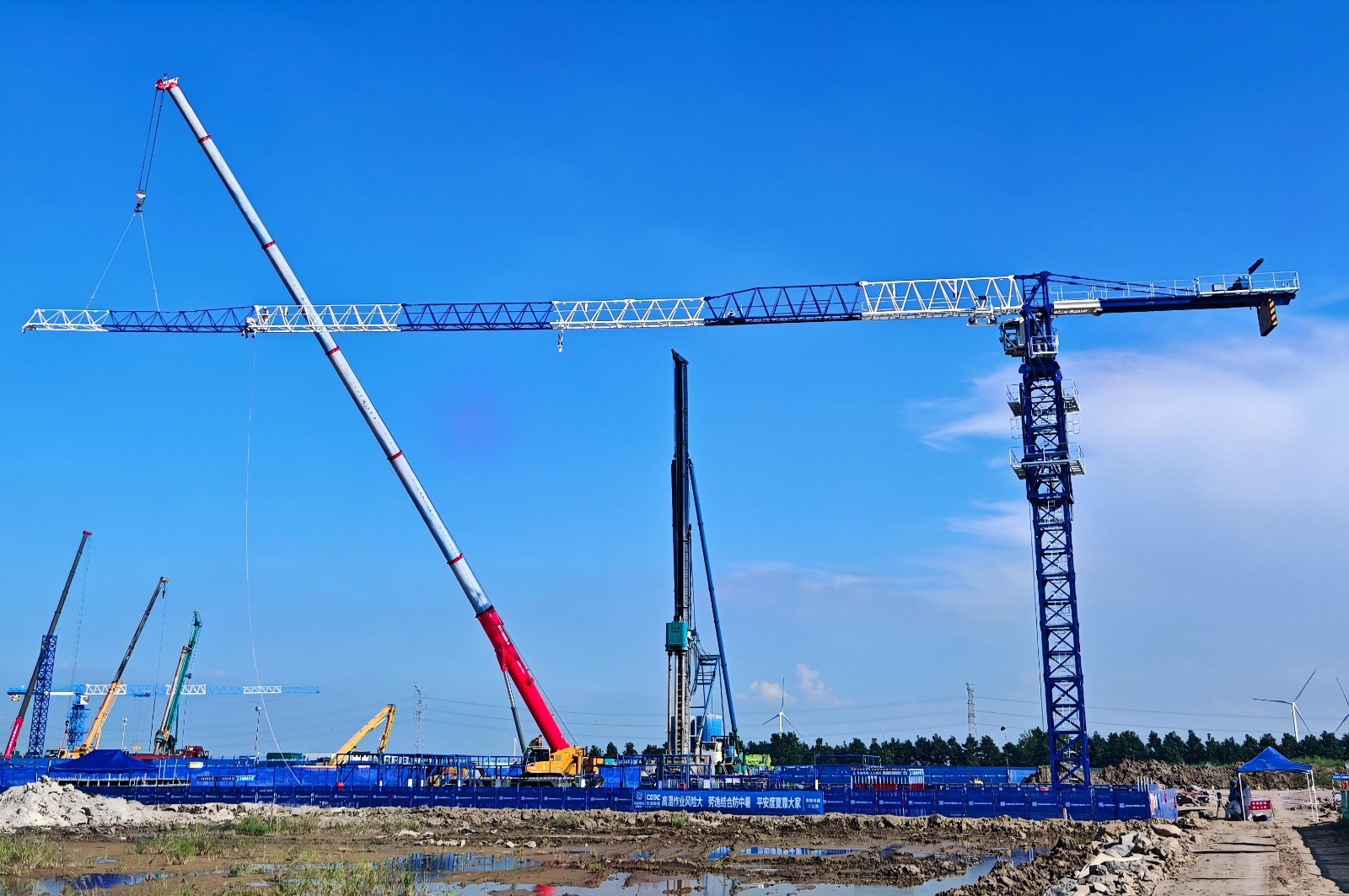
On August 6, the installation and commissioning of the first special equipment STT153A tower crane was successfully completed for Section A of the natural draft cooling tower construction and installation project for Units 1, 2, and 3 of Phase I of the Jiangsu Xuwei Nuclear Heating and Power Plant, undertaken by CEEC Mechanization Company. The tower crane installed this time was manufactured by Fushun Yongmao Construction Machinery Co., Ltd., and is positioned at the rebar processing yard of the 1PB cooling tower, with a maximum rated lifting capacity of 10t. The jib length for this installation is 65m, and the standard section height is 37.5m. Based on the on-site machinery configuration, the installation of this tower crane was completed with the coordination of one 130t mobile crane and one 25t mobile crane. The technical team of the CEEC Mechanization Xuwei Project Branch, prior to the formal commencement of the tower crane installation...
2026-08-11

Danube Water Levels Recover, Hungary Restarts Second Turbine at Paks Nuclear Power Plant
On August 10, as the Danube River's water levels recovered, Hungary began restarting a previously constrained turbine at the Paks Nuclear Power Plant. The Paks plant uses Danube water for cooling and normally supplies nearly half of Hungary's electricity. Due to heatwaves and persistent drought, the Danube's water levels fell to historic lows in recent weeks, reducing the plant's generating capacity to about 10%, with only one of its eight turbines remaining operational. According to available information, Hungarian Prime Minister Péter Magyar stated on the 10th that the Danube's water level had risen 19 centimeters from the low point recorded last week, and that restart work on the second turbine at the Paks plant had begun, with power generation expected to resume by Monday evening. He also previously mentioned...
2026-08-11

Long-term overhaul of heating networks launched in satellite town of Smolensk NPP
A large-scale modernization of the municipal heating system has been launched in Desnogorsk, the satellite town of Russia's Smolensk Nuclear Power Plant. The project is planned to last 15 years and is expected to replace more than 30 kilometers of main heating pipelines, accounting for about one-third of the city's heating network infrastructure. The work is being carried out by AtomTeploElektroSet, a company affiliated with Rosenergoatom, which operates public utility services including heating, water supply, and drainage in cities hosting nuclear power plants. Currently, renovation work has begun in the first and third residential districts of Desnogorsk. The project's progress is linked to Desnogorsk being included in...
2026-08-11
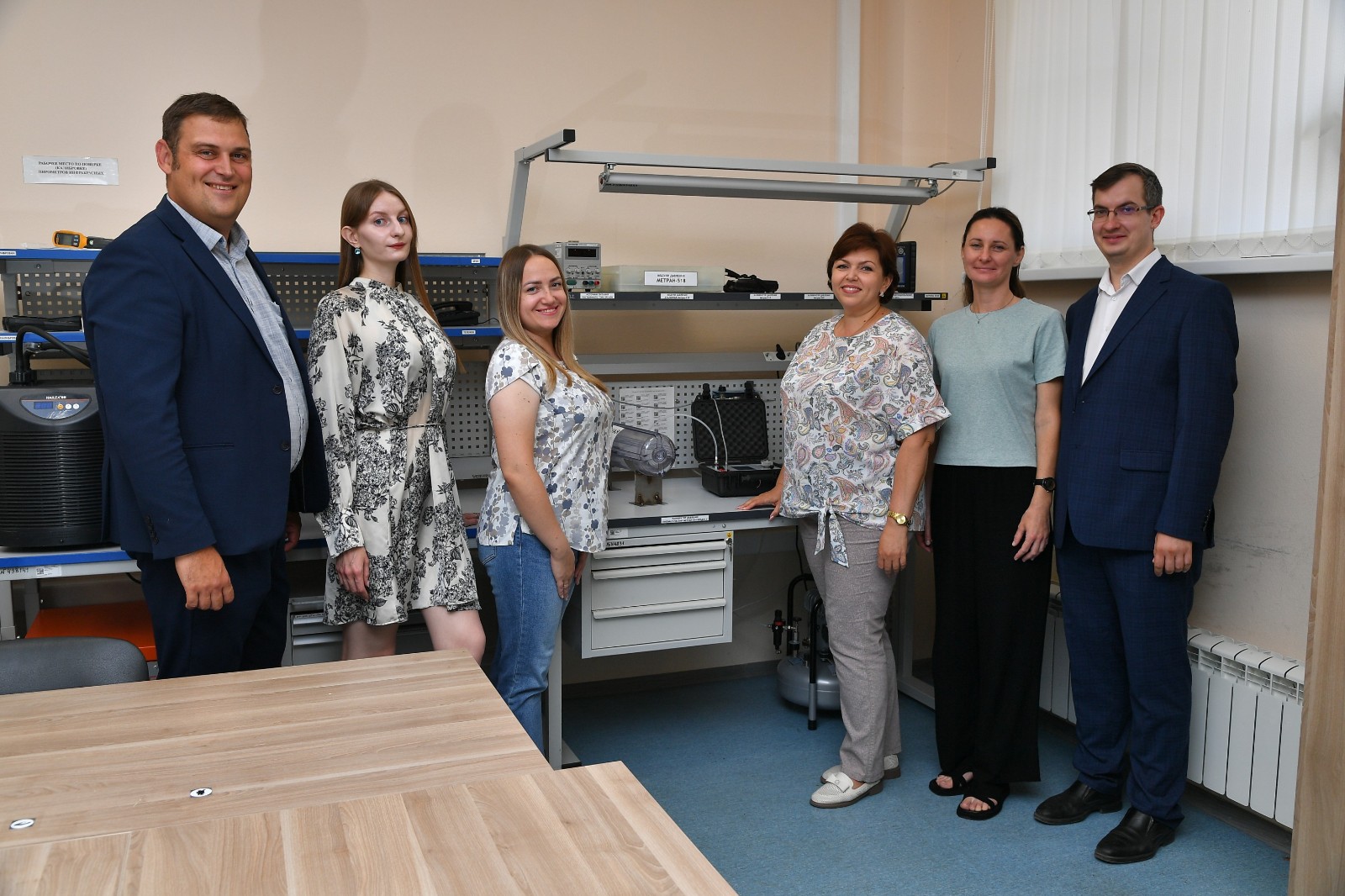
Rostov NPP's Self-Developed Device Cuts Instrument Calibration Cycle from 60 Days to 5 Days
The metrology team at Russia's Rostov Nuclear Power Plant has recently developed and put into operation a device for calibrating high-precision measuring instruments, reducing the relevant instrument calibration cycle from approximately 60 working days to 5 working days—a twelvefold reduction in time. The project was completed by the plant's metrology personnel within the framework of the Rosatom Production System. Previously, some high-precision instruments at the plant requiring regular maintenance and calibration had to be sent to specialized laboratories, with the entire process involving document preparation, equipment transportation, cargo escort, and coordination with external personnel, typically taking about two months. With the new device in operation, calibration work can now be...
2026-08-11

UK's Harlette Capital seeks partners to develop lunar micro nuclear reactor
UK-based innovative company Harlette Capital has recently issued a Request for Information (RFI), seeking support from industry and research institutions for the development of a micro nuclear reactor for lunar missions. The company stated that the project aims to provide continuous power for long-term scientific research, communications, infrastructure construction, and future crewed exploration on the lunar surface. Harlette Capital is previously better known for its luxury fashion brand Harlette. The company also operates a separate innovation business segment, which is positioning itself in space and energy assets and advancing a small modular reactor (SMR) project named Alpha Moon. According to the company, the RFI has been sent to...
2026-08-11
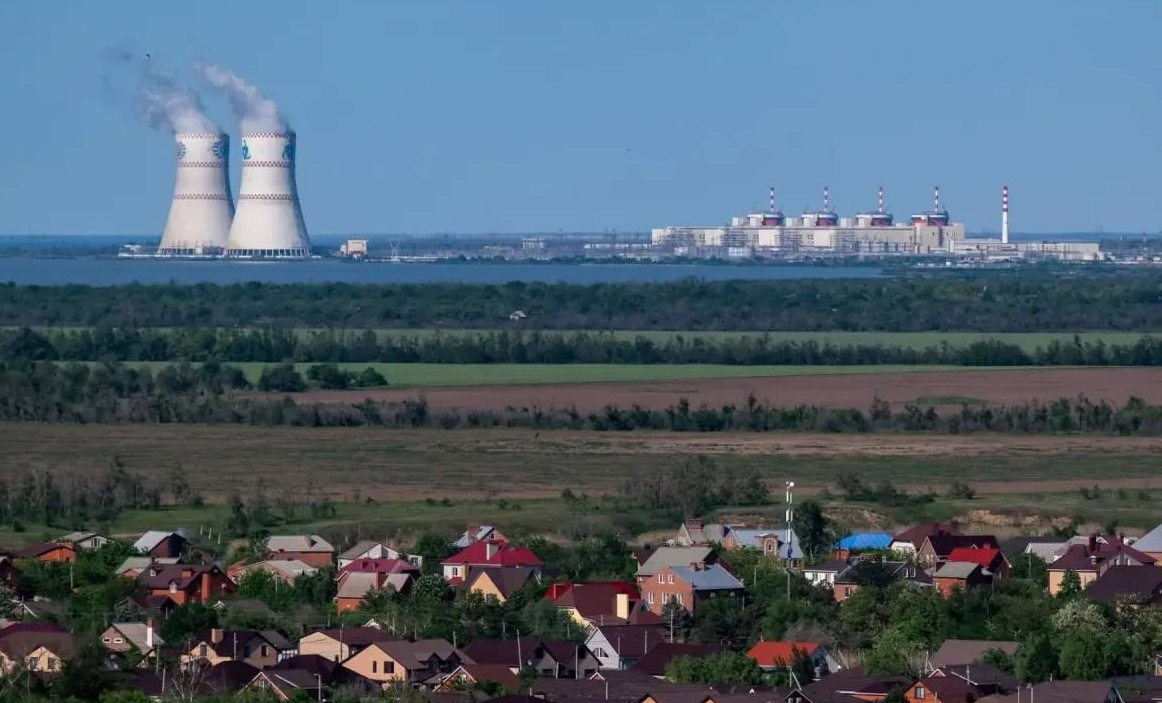
Rosatom launches project to bring medical students to closed nuclear cities
Rosatom and the Russian Student Teams (RSO) will launch a new medical project in Russia's closed nuclear cities starting in 2027, attracting medical students to work there. Mikhail Kiselev, Chairman of the RSO Supervisory Board and State Duma deputy, announced this to reporters at an event at the Siberian Chemical Combine. Kiselev stated: Starting next year, we plan to launch a large-scale medical project in nuclear cities together with Rosatom, the Russian Student Teams, the Federal Medical-Biological Agency, the Russian Youth Affairs Agency, and the Russian Ministry of Health. This will help systematically attract medical students...
2026-08-11
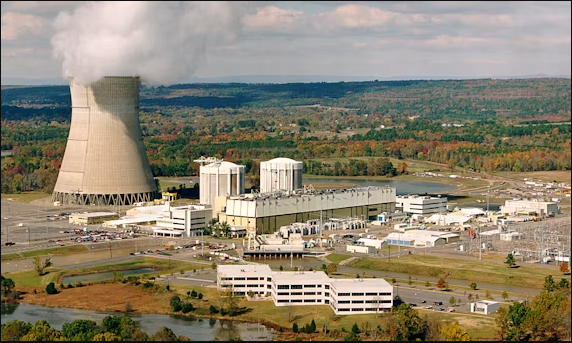
Arkansas Evaluates Six Candidate Areas for New Nuclear Power Development
A latest research report in the U.S. state of Arkansas concludes that six areas in the state could serve as candidate sites for future nuclear power development, and that new reactors are both "feasible and necessary" locally. The report states that, under a relatively aggressive timeline, a new nuclear power plant in Arkansas could begin operation by the mid-2030s. The 533-page study was completed by Excel Services Corporation, a Maryland-based consulting firm, commissioned by the Arkansas Legislature's Joint Energy Committee. The six candidate areas listed in the report include Flint Creek in Benton County, the existing Arkansas Nuclear One (...
2026-08-11

Kyoto Fusioneering to Relocate U.S. Headquarters to Oak Ridge
Kyoto Fusioneering (KF) will relocate its U.S. headquarters to Oak Ridge, Tennessee, investing $46.9 million in Anderson County and creating 51 new jobs. The project will build critical fusion testing infrastructure, with a focus on supporting the development of the fusion nuclear testing facility UNITY-3. UNITY-3 is planned to be built at Oak Ridge National Laboratory (ORNL) through a public-private partnership. The facility has received support from the U.S. Department of Energy (DOE) and has been listed as a national priority in its final "Fusion Science and Technology Roadmap." According to the plan, UNITY-3 will employ a deuterium-tritium (D-T) fusion neutron source to validate tritium breeding capabilities and related performance under conditions approaching a real fusion nuclear environment...
2026-08-11

TMTG Advances $6 Billion-Plus Merger with TAE, Pivoting to Commercial Fusion Energy
Trump Media & Technology Group (TMTG) recently disclosed that it will proceed with its merger plan with fusion energy firm TAE Technologies (TAE), despite reporting significant losses in the second quarter. The deal is valued at over $6 billion, with TMTG committing to invest $300 million in TAE before the transaction closes. According to company disclosures, TMTG recorded a loss of $238 million in the second quarter of 2026, with revenue of $1.7 million and total assets approaching $2 billion. In the first half of 2026, the company's net loss widened to $644 million, compared to a loss of $52 million in the same period last year. The company attributed the widening losses primarily to...
2026-08-11

Hadron Energy Appoints Eric Williams as Executive Vice President of Engineering
Advanced nuclear technology company Hadron Energy announced on August 10 that Eric Williams will join the company as Executive Vice President of Engineering, effective August 31, 2026. Hadron Energy is currently developing the Halo micro modular reactor (MMR) based on pressurized water reactor technology. Hadron Energy went public on Nasdaq in May 2026. The company stated that Eric Williams' addition will strengthen its engineering organization and support the advancement of Halo MMR from design and licensing to commercial deployment. According to company information, Hadron Energy has recently made progress in work related to the U.S. Nuclear Regulatory Commission (NRC), including approval of its quality assurance program description and submission of major design criteria white papers.
2026-08-11
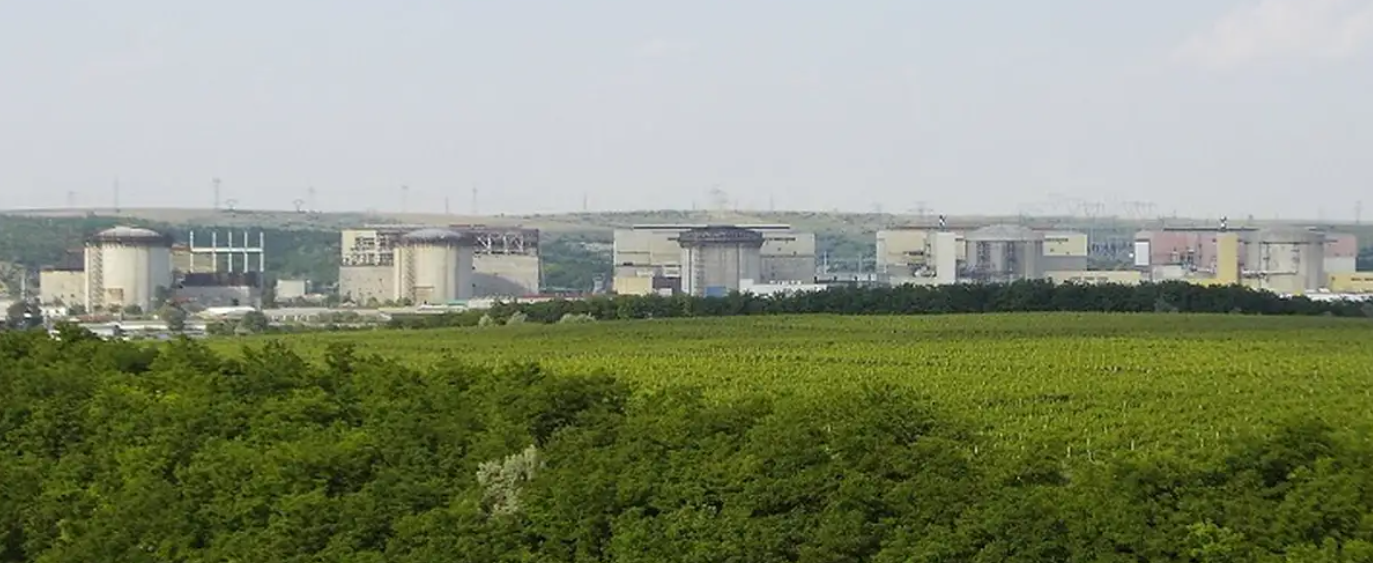
Unit 2 of Romania's Cernavoda Nuclear Power Plant Still at Risk of Shutdown
Ionel Scrioșteanu, State Secretary of Romania's Ministry of Transport and Infrastructure, stated that Unit 2 of the Cernavoda Nuclear Power Plant is currently still in operation, but the risk of shutdown has not been eliminated. On August 8, Romanian authorities took emergency measures by sinking four fully loaded barges into the Danube River to raise local water levels, increasing the water intake into the plant's cooling water system to ensure the cooling needs of the reactor units. Scrioșteanu said on social media that the related actions have achieved positive results, allowing Unit 2 of the Cernavoda Nuclear Power Plant to continue operating...
2026-08-11
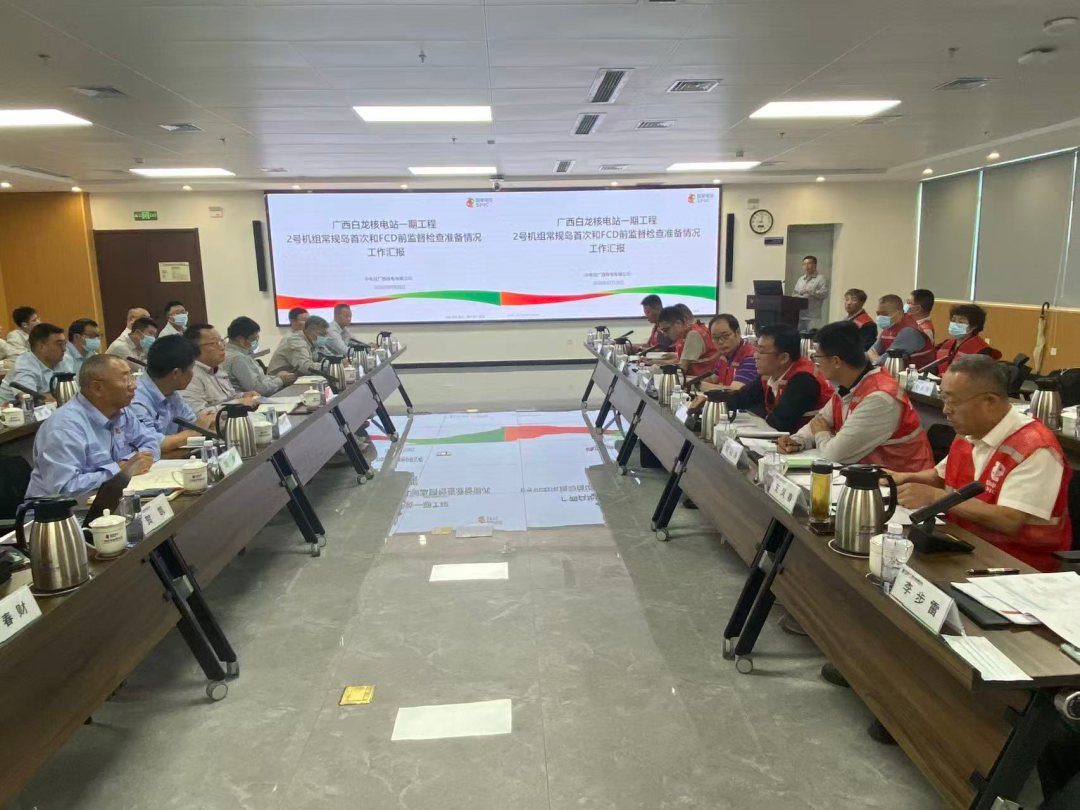
SPIC Nuclear Conventional Island Quality Supervision Sub-station Conducts Pre-FCD Supervision and Inspection on Unit 2 of Guangxi Bailong Nuclear Power Plant
Recently, the Nuclear Conventional Island Engineering Quality Supervision Sub-station of State Power Investment Corporation (hereinafter referred to as the SPIC Sub-station) completed the first and pre-FCD quality supervision and inspection of the conventional island of Unit 2 of Phase I of the Guangxi Bailong Nuclear Power Plant. The inspection adopted a cross-supervision model, coordinated by the Nuclear Conventional Island Engineering Quality Supervision Station, with the directly affiliated project station organizing a supervision team of senior industry experts, and the SPIC Sub-station providing full coordination and support throughout the process. This initiative aims to break long-standing inertial thinking and leverage external perspectives to identify management blind spots and quality hazards that may have been overlooked. Yin Jingfeng, Executive Deputy Director of the Nuclear Conventional Island Engineering Quality Supervision Group, attended the event and made work arrangements, with project leaders from the construction unit and all participating units fully involved in the supervision and inspection.
2026-08-11