
Search Results
Keyword:SIT
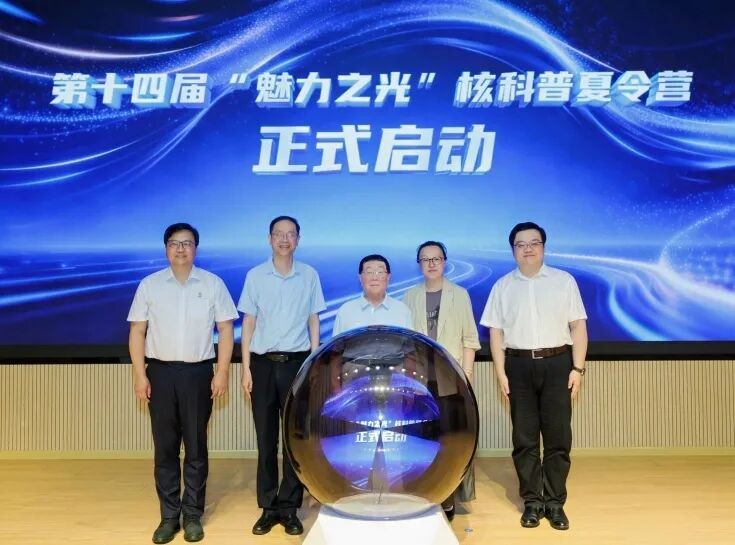
The 14th "Charm of Nuclear" Nuclear Science Summer Camp Opens at Shanghai Jiao Tong University
On July 31, the 14th "Charm of Nuclear" National Nuclear Science Summer Camp, co-hosted by the Chinese Nuclear Society and China National Nuclear Power Co., Ltd., organized by the Nuclear Power Operation Research Institute and co-organized by Qinshan Nuclear Power, opened at the Gaotian Hall on the Minhang Campus of Shanghai Jiao Tong University. The opening ceremony also featured lectures by academicians and experts, providing a high-quality platform for young people to explore nuclear science and technology through diverse and enriching science communication formats. Chai Zhifang, academician of the Chinese Academy of Sciences and honorary director of the State Key Laboratory of Radiological Medicine and Radiation Protection at Soochow University, Gao Keli, deputy secretary-general of the Chinese Nuclear Society, and relevant officials from the CNNC Shanghai Market Development Department, the Nuclear Power Operation Research Institute, and the School of Mechanical Engineering at Shanghai Jiao Tong University...
2026-08-03
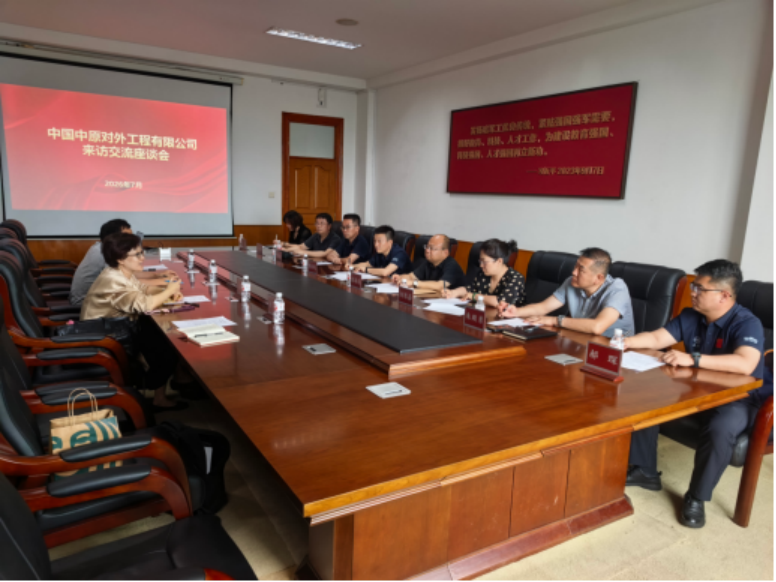
Mao Yawei, General Manager of China Zhongyuan Engineering Corporation, Leads a Delegation to Visit Harbin Engineering University
On July 28, a three-member delegation led by Mao Yawei, General Manager of China Zhongyuan Engineering Corporation, visited Harbin Engineering University (HEU). Chen Hailong, Assistant President of HEU, attended the meeting. The two sides conducted in-depth exchanges on deepening international talent cultivation and scientific research cooperation. Chen Hailong extended a warm welcome to Mao Yawei and his delegation. He stated that HEU has been continuously and thoroughly implementing the important speech and directives delivered by General Secretary Xi Jinping during his visit to the university, closely aligning with the national nuclear industry development needs, and advancing education, science and technology, and talent development in an integrated manner. China Zhongyuan and HEU have a solid foundation for cooperation and broad prospects, having already achieved fruitful results in areas such as joint cultivation of international students, international talent training, and platform resource sharing...
2026-08-03
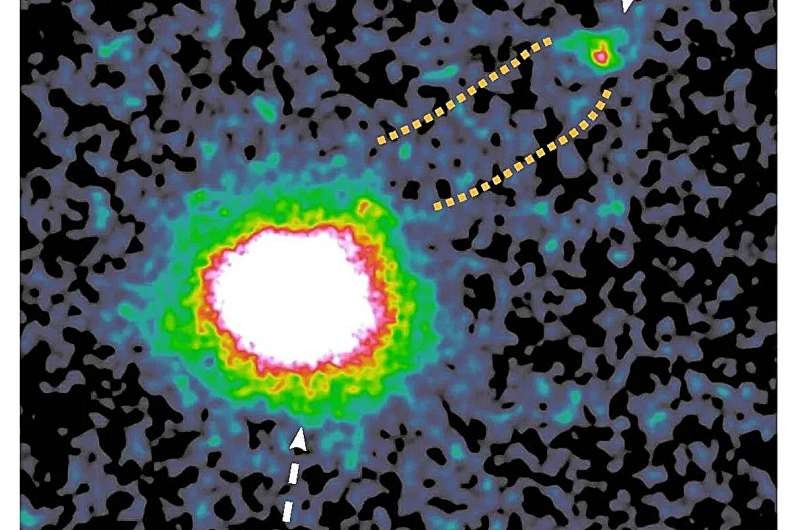
Germany's eROSITA Second Data Release Unveils Nearly Two Million X-ray Sources
On July 31, the German eROSITA consortium, led by the Max Planck Institute for Extraterrestrial Physics with participation from the University of Bonn, released its second major public dataset, eROSITA Data Release 2 (DR2). Built from the first three all-sky survey observations conducted by the eROSITA telescope aboard the Spectrum-Roentgen-Gamma (SRG) mission, this dataset is considered one of the most sensitive and comprehensive X-ray catalogs currently available to the public. The DR2 main catalog covers the 0.2–2.3 kiloelectron-volt (keV) band in the western hemisphere, containing nearly two million X-ray sources. Among these, over 1.9 million are point-like sources, primarily consisting of stars and actively accreting supermassive black holes; approximately 64,000 are extended sources,...
2026-08-01

American Fusion Completes First Phase of Texatron Testing at Texas Tech University
American Fusion (American Fusion, OTC: AMFN) announced on July 31 that the first phase of its proprietary Texatron Fusion Engine engineering and testing program has been completed at the Center for Emerging Energy Sciences, Department of Physics and Astronomy, Texas Tech University in Lubbock, Texas. The company stated that the project has achieved initial engineering goals and has advanced to the next phase of the Texatron development and testing program. According to reports, American Fusion's seven-member science and engineering team collaborated with Texas Tech University personnel this week on engineering assessments, subsystem...
2026-08-01
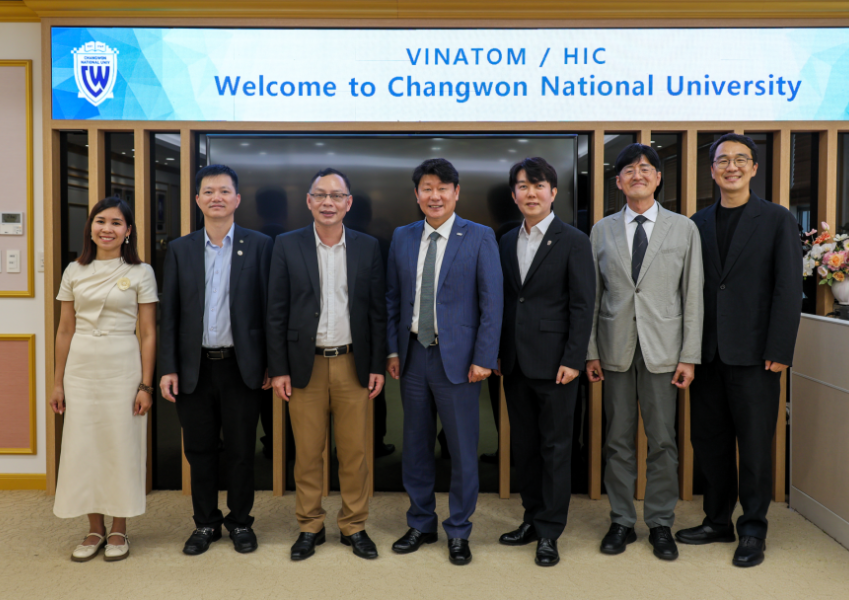
Changwon National University and Vietnam Atomic Energy Institute Join Forces to Promote Korea-Vietnam Nuclear Power Industry Synergy
Changwon National University announced that a delegation from the Vietnam Atomic Energy Institute recently visited the university for in-depth discussions on the development of Vietnam's nuclear power industry and cooperation plans in the field of small modular reactors (SMRs). The delegation was led by Dr. Phan Viet Cuong, Deputy Director of VINATOM, among others. The visit came at a time when the Vietnamese government has been comprehensively promoting the introduction of SMRs as a core national energy strategy since 2024. Through the consultations, both sides reached a consensus on close cooperation to strengthen Vietnam's nuclear power technology competitiveness and foster the next-generation SMR industry. In particular, centered on Changwon National University's "SMR² Platform National Research Institute," customized educational programs will be operated for Vietnamese researchers and students...
2026-08-01

U.S. Team Traces Source of Anomalous Gamma Rays from Zinc-70, Nuclear Magnetic Transitions May Improve Models of Heavy Element Formation
An international research team led by scientists from the Facility for Rare Isotope Beams (FRIB) at Michigan State University has recently identified the source of the large number of low-energy gamma rays emitted by zinc-70 nuclei. The study suggests that magnetic transitions occurring within the nucleus are the key reason for this anomalous signal enhancement. The findings were published in the journal Nature under the title "Magnetic character of the low-energy enhancement in 70Zn." Gamma rays are electromagnetic radiation released when excited atomic nuclei transition to lower, more stable energy levels. For a long time, scientists have observed an anomalous increase in the number of low-energy gamma rays in some atomic nuclei, known as the low-energy enhancement (LEE), but its physical mechanism had remained unclear...
2026-08-02

On-site assembly of the 50MW heat exchange station for Unit 4 of Xudabao Nuclear Power Plant successfully completed
On July 30, the 50MW heat exchange station for Unit 4 of Xudabao Nuclear Power Plant completed on-site assembly, providing solid equipment support for heating in the front plant area this winter. The heat exchange station measures 16 meters in length, 9 meters in width, and 7.4 meters in height, with a total weight of 150 tons. The equipment integrates heat exchangers, circulating water pumps, water treatment devices, and electrical control instruments, forming a complete integrated heating system. The system is arranged on the zero-meter floor of the turbine hall and is responsible for heating the office areas in the front plant area. To ensure the winter heating milestone, the Equipment Procurement Division of Liaoning Nuclear Power, together with the on-site Equipment Department of the engineering company, equipment manufacturers, and installation units, established a special working group, implementing mechanisms such as weekly leadership meetings, daily morning briefings for teams, and daily progress reports, and successively coordinated and resolved issues related to equipment transportation, pipeline hoisting, scaffold erection and dismantling, power supply assurance, and cross-construction coordination, completing all assembly work of the heat exchange station as planned.
2026-07-31
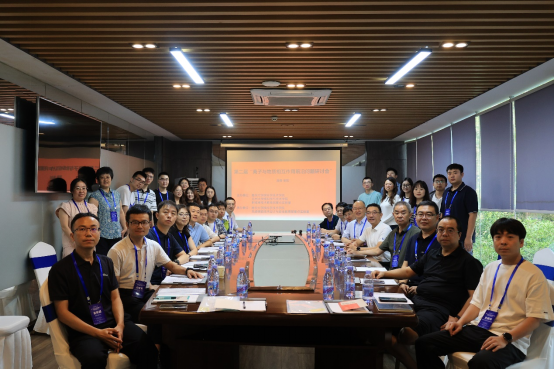
The Second Symposium on Frontier Issues of Ion-Matter Interactions Successfully Held at the School of Nuclear Science and Technology, University of South China
From July 3 to 6, the Second Symposium on Frontier Issues of Ion-Matter Interactions was held in Hengyang, Hunan Province. More than 40 experts and scholars from 15 institutions, including Beijing Normal University, Wuhan University, National University of Defense Technology, Beijing Institute of Technology, Dalian University of Technology, Lanzhou University, Xi'an Jiaotong University, North China Electric Power University, the Institute of Modern Physics of the Chinese Academy of Sciences, and the Beijing Institute of Applied Physics and Computational Mathematics, conducted in-depth exchanges and discussions on the latest experimental and theoretical research progress in the mechanisms of energetic ion beam-matter interactions. This symposium was organized by the School of Nuclear Science and Technology of the University of South China, the School of Nuclear Science and Technology of Lanzhou University, and the Key Laboratory of Beam Technology of the Ministry of Education...
2026-07-31
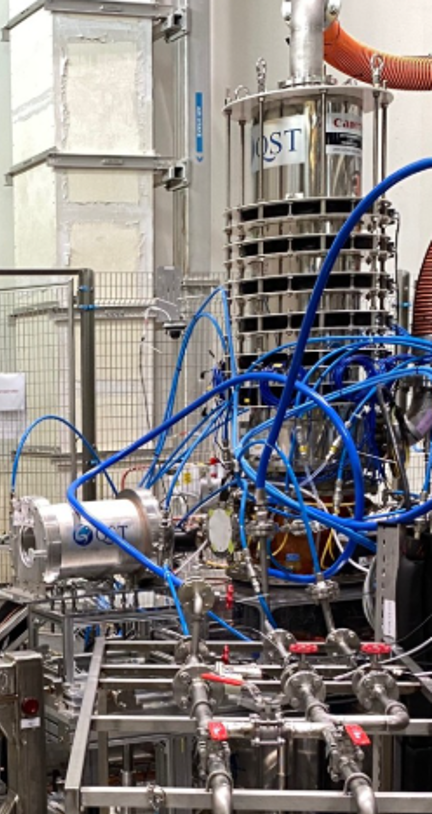
QST completes first gyrotron 170 GHz microwave output test at ITER site
The National Institutes for Quantum Science and Technology (QST) of Japan announced on July 31 that it has completed the integration and operational testing of the first gyrotron system at the International Thermonuclear Experimental Reactor (ITER) site in southern France, successfully producing 170 GHz microwave output. This system is used for ITER plasma generation and heating, and is one of the key devices for ITER's plan to commence operations in 2034. The core equipment of this test is the gyrotron, a high-power microwave source. Gyrotron operation requires the coordinated work of peripheral equipment such as power supplies, superconducting coils, and cooling systems. QST previously completed performance testing of eight ITER gyrotron systems at the gyrotron test facility of the Naka Fusion Institute in Japan, and transported components including gyrotrons, superconducting coils, and quasi-optical matching units to the ITER site. Over the past three years, QST has advanced system installation, commissioning, and operational preparation at the site.
2026-07-31
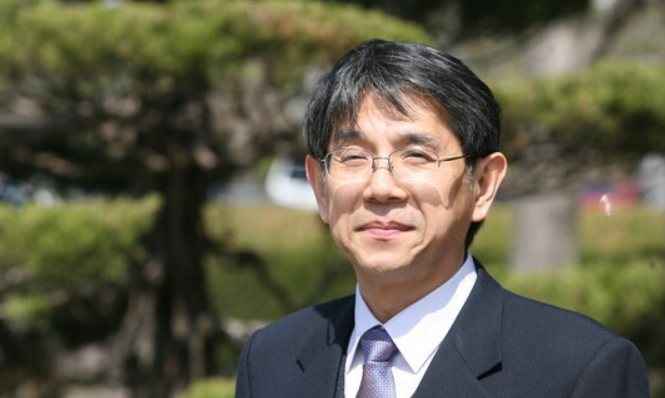
South Korean University Team Files Patent for Fusion Reactor Optimization Design Method
Professor Hong Bong-geun of the Department of Quantum System Engineering at the College of Engineering, Jeonbuk National University, South Korea, has recently filed a patent for a fusion reactor optimization design method. This method can determine device dimensions and key component structures while enabling customized performance design for fusion reactors based on different applications such as power generation, thermal energy utilization, and transmutation neutron sources. According to reports, this design technology targets the early-stage R&D phase of fusion devices and can be used to rapidly assess the technical and economic feasibility of proposals, thereby reducing trial-and-error, shortening development cycles, and lowering development costs, providing design support for fusion energy commercialization...
2026-07-31
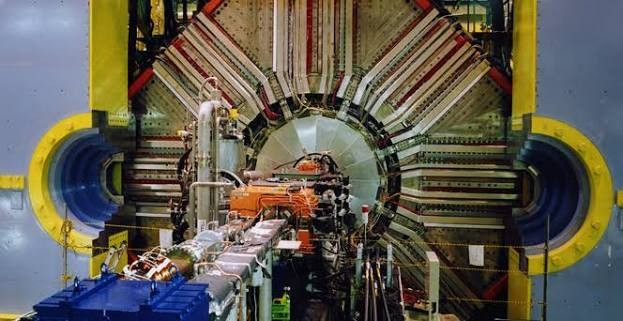
Russian researchers detect anomalous signs in bottomonium states using Belle II experiment data
The Budker Institute of Nuclear Physics of the Siberian Branch of the Russian Academy of Sciences recently announced that Russian researchers have detected anomalous phenomena in the analysis of data from the international Belle II experiment, indicating that the structure of certain excited states of bottomonium may be more complex than predicted by traditional models. Bottomonium is a class of unstable heavy particles composed of a bottom quark and an anti-bottom quark. Yevgeny Kovalenko, a young researcher at the Budker Institute of Nuclear Physics of the Siberian Branch of the Russian Academy of Sciences, stated that analysis of Belle II experiment data suggests that certain excited states of bottomonium may contain lighter quark components. In other words, these particles in specific states may not simply be plain bottom quark–anti-bottom quark combinations.
2026-07-31
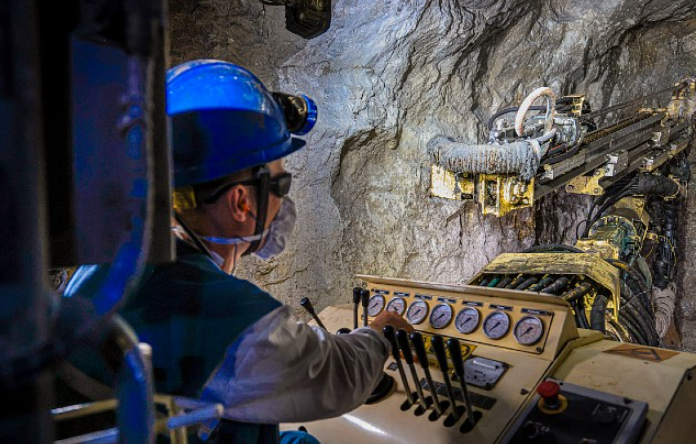
Progress in Russia's Khilonduevskoye Uranium Deposit Development: 3 Kilometers of Mine Workings Completed Ahead of Schedule
The mining division of Russia's Rosatom recently announced that underground mining crews completed three kilometers of mine workings ahead of schedule during the development of the Khilonduevskoye deposit. This milestone, originally planned for completion on August 10, was achieved by a team of workers from the Priargunsky Industrial Mining and Chemical Union (PIMCU), which is part of Rosatom Nedra. According to PIMCU, this mine connection will significantly optimize the ventilation system at the fourth level of the Khilonduevskoye deposit and improve the efficiency of rock block loading, laying the foundation for subsequent development work. The company's CEO, Ivan Kiselev, stated that this connection is of critical importance to the company, as it not only links two sections of the mine but also fundamentally transforms the logistics and safety of fourth-level operations.
2026-07-31
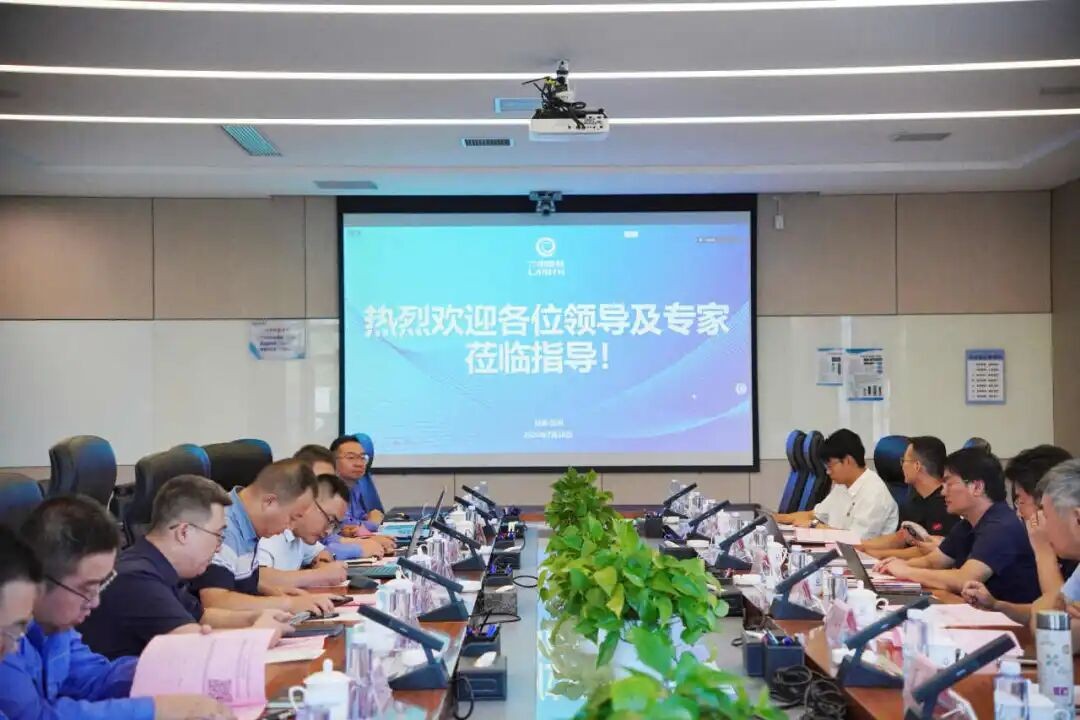
Factory Acceptance Test Completed for TM020 RF Cavity of Super Tau-Charm Facility
The 500MHz TM020 normal-conducting RF cavity, a key component of the STCF accelerator constructed by Lanzhou Taiji, passed its factory acceptance test on July 28, 2026. This marks a significant milestone in the key technology research project for the Super Tau-Charm Facility (STCF), a new-generation electron-positron collider led by the University of Science and Technology of China. The review meeting brought together experts from the Institute of High Energy Physics of the Chinese Academy of Sciences, Shanghai Advanced Research Institute of the Chinese Academy of Sciences, Chongqing University, Tsinghua University, the University of Science and Technology of China, and Dongsheng Fusion (Shanghai) Technology Co., Ltd. The expert panel conducted a comprehensive and rigorous review of the RF cavity (a 1200mm large-diameter cavity), including its structural design, secondary vacuum brazing, precision machining methods, vacuum performance, and cold test results, and unanimously agreed that all indicators met the design requirements. The measured unloaded quality factor (Q₀) reached 56900 (design value 61500), placing its performance at a leading level among similar high-performance normal-conducting RF cavities in China.
2026-07-31
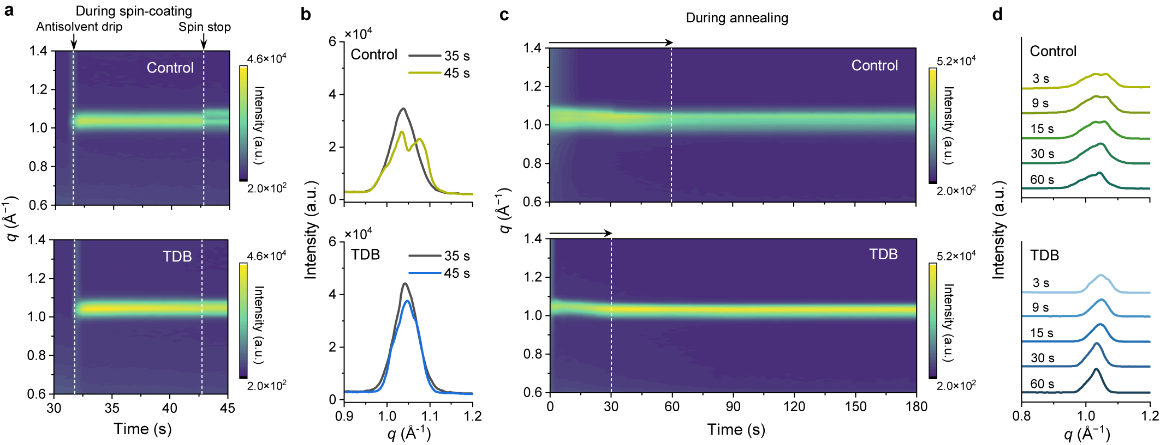
n situ GIWAXS characterization using synchrotron radiation helps overcome challenges in wide-bandgap perovskites
Wide bandgap perovskites are key light-absorbing materials for preparing high-efficiency perovskite/organic tandem solar cells. To achieve spectral matching with the narrow bandgap organic rear cell, a higher proportion of bromine is usually introduced into the perovskite composition. However, due to the different crystallization rates of iodine and bromine components during film formation, the ph...
2026-07-30
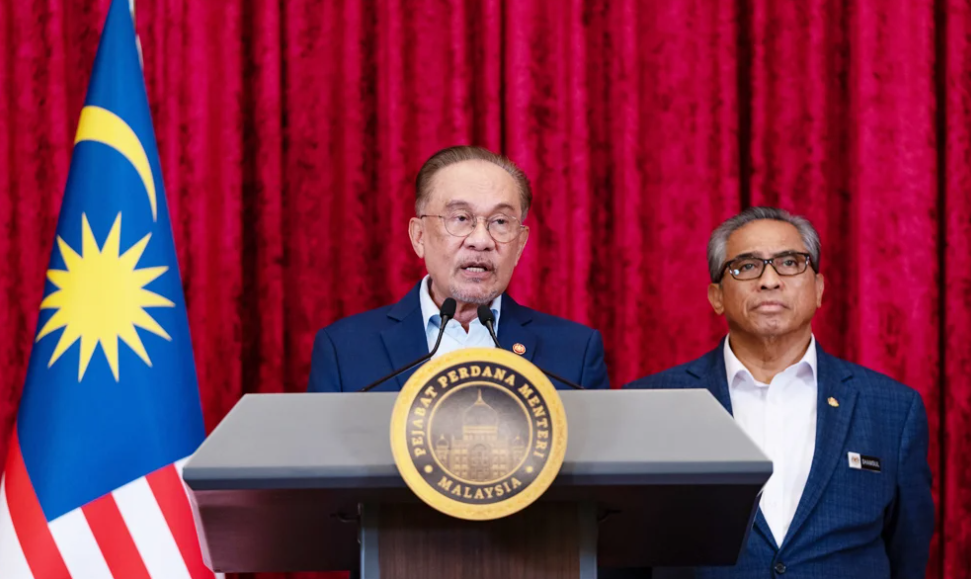
Malaysia Calls on ASEAN to Prioritize Nuclear Energy for Regional Energy Transition
Malaysian Prime Minister Anwar Ibrahim called on ASEAN countries at a regional energy conference not to overlook nuclear energy in the process of energy transition. He pointed out that as the region seeks stable, economical, and reliable energy supplies, nuclear energy deserves greater attention. Currently, although ASEAN member states are actively developing renewable energy sources such as solar and wind power, the focus on nuclear energy is notably insufficient, which is considered a regret. Malaysia has sufficient management experience and technical capabilities to explore options that can contribute to common energy goals. Prime Minister Anwar emphasized that nuclear energy can play a key role in supporting the objectives of the ASEAN Plan of Action for Energy Cooperation, especially in...
2026-07-30