
Search Results
Keyword:nuclear power plant
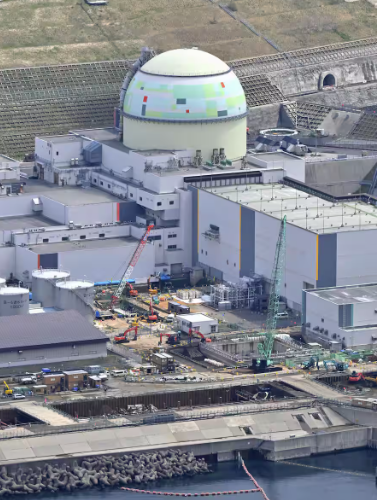
Restart of Tomari Nuclear Power Plant Unit 3 Delayed to After End of 2027
Hokkaido Electric Power Co. announced on July 30 that the restart of Unit 3 at the Tomari Nuclear Power Plant will be significantly delayed compared to earlier expectations, with the earliest possible date being the end of 2027 or later. Previously, the company had set a target of restarting as early as possible within 2027, but due to delays in the seawall construction project and the fact that the Nuclear Regulation Authority (NRA) has not yet completed its review of the relevant design and construction plans, the timeline for the unit's return to operation remains uncertain. Hokkaido Electric Power President Susumu Saito stated at a press conference that the seawall at the Tomari plant was originally scheduled for completion in the spring of 2027, but is now expected to be finished by mid-August 2027 due to additional work such as seismic reinforcement of the wharf and liquefaction countermeasures...
2026-07-31
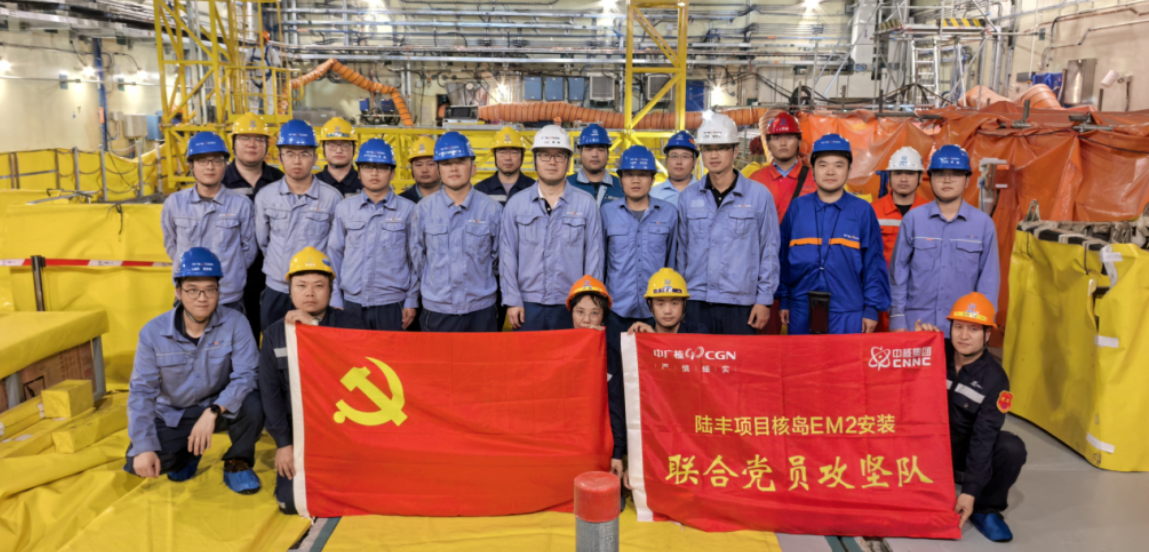
Lufeng Nuclear Power Unit 5 PMC Installation Task Successfully Completed
On July 6, 2026, with the successful installation, handover, and commissioning of the PMC02 and PMC03 systems for Lufeng Nuclear Power Unit 5, the PMC system installation work for the unit was successfully completed, marking the full achievement of the core tasks of the 5PMC Installation Joint Party Member Task Force. The smooth realization of this key milestone fully demonstrated the robust capability of the integrated engineering and production joint team in collaborative construction, driving a phased breakthrough in the construction of Unit 5. This laid a solid foundation for subsequent on-site inspections for the nuclear material license and the smooth receipt of new fuel. Collaborative Breakthrough to Ensure Milestones As the core specialized key equipment for receiving, storing, and transferring nuclear fuel in a nuclear power plant, the PMC system is a critical carrier ensuring the stable operation of the fuel handling system and an indispensable prerequisite for on-site nuclear material license inspections. Its installation quality and construction schedule directly impact the overall construction pace of the unit and the broader fuel loading and commissioning timeline. During this PMC installation phase, the on-site construction conditions were complex, and the pressure to overcome challenges was unprecedented. The team faced multiple difficulties, including intensive cross-disciplinary operations, intricate construction interfaces, severely limited workspace, and tight availability of lifting and scaffolding resources. Project progress faced significant resistance, coordination was highly challenging, and the task was extremely arduous. To fundamentally reverse the passive situation and ensure the achievement of construction goals, the Lufeng Nuclear Power Production Service Department, under the overall guidance of the company's Party Committee, took the initiative. It adopted a model where leaders personally oversaw the campaign and tackled problems directly on-site. By coordinating the construction efforts of the Safety Protection Department, Technical Department, Project Department, supervision units, and various participating construction entities, the PMC Installation Joint Party Member Task Force was formally established. The team consistently adhered to Party-building leadership in project breakthroughs, firmly upholding the value orientation of "Three Focuses." They solidified a normalized multi-party coordination mechanism involving daily meetings and on-the-spot problem-solving, effectively breaking down construction barriers and interface bottlenecks between the work teams of the two construction companies, CNNC Huaxing and China Nuclear Industry 23. By dynamically coordinating construction plans, on-site safety management, manpower organization, and resource allocation, they achieved on-site problem identification, assessment, and resolution. This efficiently resolved various issues such as cross-construction conflicts, material transport obstructions, and resource allocation tensions. Through meticulous coordination and integrated collaborative operations, they provided solid organizational support for achieving the construction goals. Innovation and Pragmatism to Set Benchmarks Throughout the entire campaign, all Party member core members took the lead, shouldered heavy responsibilities, targeted efforts precisely, and broke through difficulties, comprehensively solidifying on-site construction conditions. The team scientifically coordinated the erection, dismantling, and optimization of scaffolding in the fuel building, streamlined the construction logic for civil and installation cross-operations, and systematically completed the defect rectification and power-on work for the spent fuel crane, auxiliary crane, and 130t overhead crane, thoroughly clearing pre-installation obstacles for key equipment introduction. All personnel adhered to the principle of "taking one step forward, being proactive," ensuring that on-site conditions did not wait for procedures and that progress was not stalled by interfaces. They continuously optimized process connections and operational logic, focused on key areas in phases, assigned responsibilities by module, and dynamically optimized resource allocation. By balancing safety with progress and upholding both bottom lines and efficiency, they efficiently and successfully completed the introduction, positioning, and installation of key equipment for the PMC02 system. Concurrently, leveraging experience from previous multi-unit construction projects, the team boldly broke away from traditional fixed procedures and innovatively optimized the construction organization logic. They adopted an interleaved parallel construction approach, simultaneously carrying out multiple key specialized tasks for the first time within the group, including preliminary nuclear cleaning of the spent fuel pool hall, pressure testing of the spent fuel pool, pipe installation and flushing, and comprehensive foreign material search and removal from the fuel racks. Through innovation and pragmatic action, they created a benchmark case for efficient PMC system installation in Hualong One units. Successful Completion, Setting Off Again The successful completion of the PMC installation campaign for Unit 5 is a landmark achievement demonstrating the deep integration of Party-building and production at Lufeng Nuclear Power, efficient multi-disciplinary coordination, and the effective implementation of refined on-site management. It fully showcases the excellent spirit of the Party member team in daring to fight tough battles, being capable of winning them, charging forward, and sustaining continuous operations. The journey does not end; the campaign continues. Next, the PMC Installation Joint Party Member Task Force will persistently maintain its fighting posture, firmly anchor on the overall goal of unit fuel loading, steadily advance the commissioning and various functional tests of the PMC02 and PMC03 systems, and efficiently complete key tasks such as system commissioning and the interconnection of the four pools. They will strive to ensure the smooth passage of the on-site nuclear material license inspection, injecting strong momentum into the high-quality and safe commissioning and operation of the unit.
2026-07-31
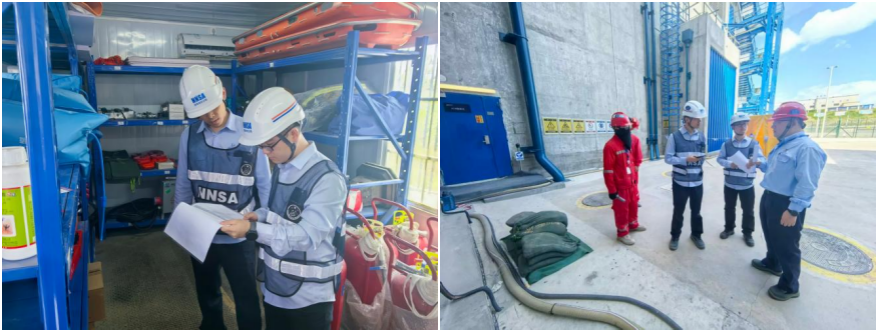
South China Regional Office of the National Nuclear Safety Administration Conducts Special Supervision and Inspection of Changjiang Units Under Construction
As the South China region enters the main flood season with concentrated typhoons and heavy rainfall, nuclear facilities face significant pressure in resisting meteorological disasters, and safety control responsibilities are critical. To rigorously prevent nuclear safety risks triggered by natural disasters during the flood season and to reinforce the primary responsibility of operating entities for safety production, the South China Regional Office of the National Nuclear Safety Administration (hereinafter referred to as the South China Regional Office) made advance deployments and carried out a special supervision and inspection of typhoon and flood prevention for the Changjiang units under construction in an unannounced manner. This inspection comprehensively verified the effectiveness of control measures, tightened the primary responsibility of the operating entity, and effectively built a safety barrier for nuclear facilities during the flood season. Inspectors went deep into the construction sites of Units 3 and 4 of the Changjiang Nuclear Power Plant and the small modular reactor demonstration project, focusing on checking nuclear...
2026-07-31
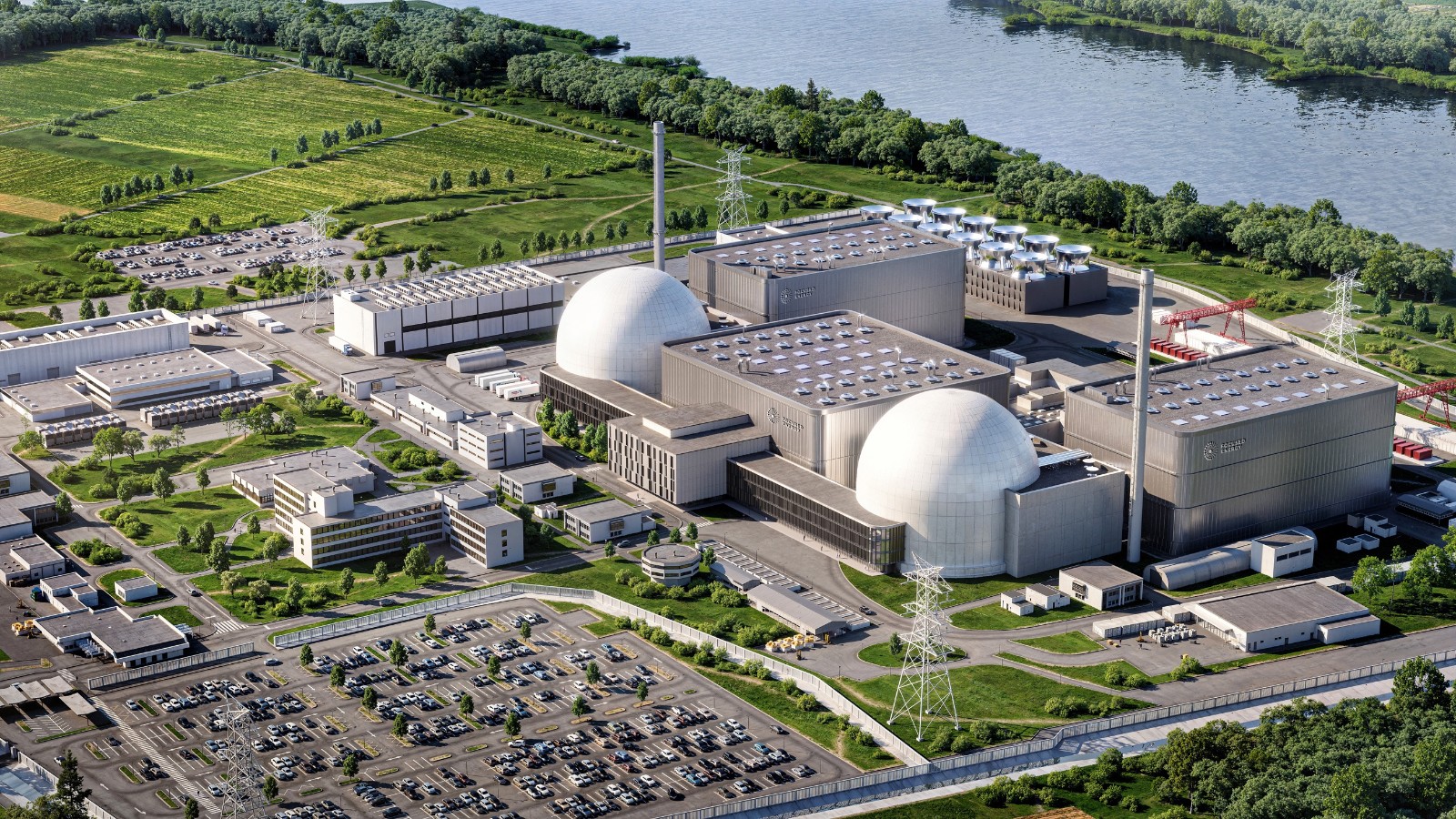
Germany's Hesse to Build National Laser Fusion Center, Plans Commercial Laser Fusion Power Plant at Biblis
The German Federal Ministry for Research, Technology and Aerospace (BMFTR) announced on July 29 that Hesse will become the site of Germany's National Laser Fusion Center. The center is one of three national fusion capability centers established under Germany's Fusion 2040 program and the High-Tech Agenda, aiming to promote the coordinated development of fusion research, industry, and infrastructure. According to the arrangement, Focused Energy will play a core role in the construction of the center. The project is located at the site of the former Biblis nuclear power plant in Hesse, where Focused Energy plans to build a laser fusion industrialization park and promote the construction of what it claims will be the world's first commercial laser fusion power plant. Germany's...
2026-07-30
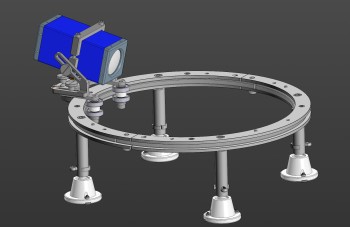
Russian flaw detection robots to be deployed for the first time at Egypt's El Dabaa NPP
Engineers from Russia's Ural Atomenergo and the Atomic Energy Non-Destructive Testing Center (NDTC) have developed an automated metal non-destructive testing system, which includes specialized inspection devices for reactor pressure vessel equipment. The system will be sent to Egypt's El Dabaa Nuclear Power Plant for related equipment inspection. This is also the first deployment of such a standardized system at a nuclear power project outside Russia. The system consists of multiple robotic arms and a magnetic wheeled robot, capable of delivering ultrasonic flaw detection sensors and measuring devices to positions that are difficult for humans to access. The developer stated that the main goal of the system is to replace manual operations in high-radiation areas, reducing the risk of personnel entering hazardous zones for inspection tasks.
2026-07-30
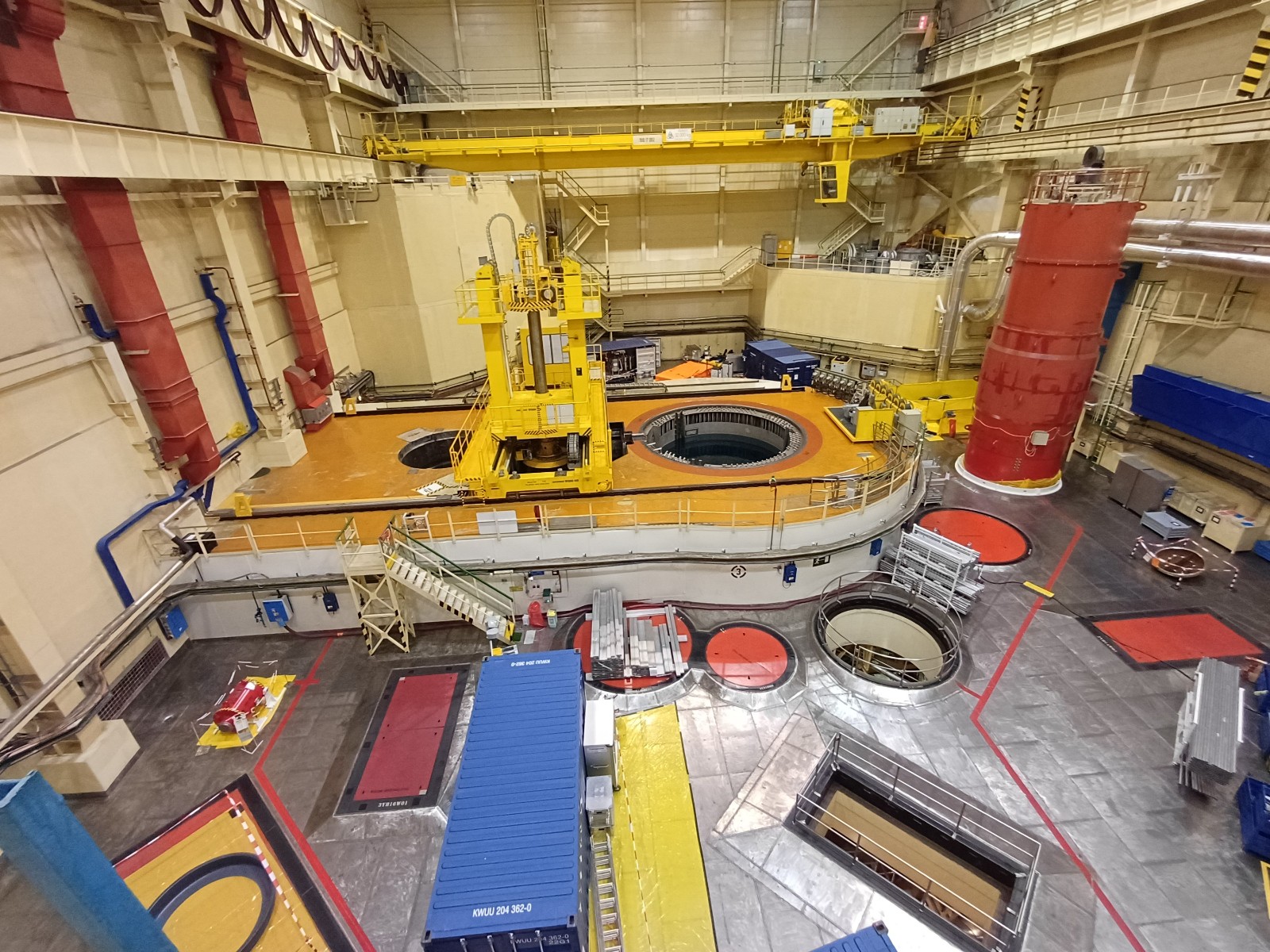
Fuel unloading completed for Unit 3 of Dukovany Nuclear Power Plant
On July 30, Unit 3 of the Dukovany Nuclear Power Plant completed the unloading of reactor fuel assemblies, and the planned refueling outage has now entered its next phase. During this outage, the plant will replace part of the nuclear fuel and carry out hundreds of inspections, tests, and maintenance activities to enhance nuclear safety levels and ensure the long-term stable operation of the unit. In this outage, although the actual number of fuel assemblies to be replaced accounts for about one-fifth of the total, operators must first remove all fuel assemblies from the entire core and transfer them to the spent fuel pool. Subsequently, the reactor water level will be lowered to create conditions for maintenance of core cooling system components and inspection of some primary circuit equipment...
2026-07-30
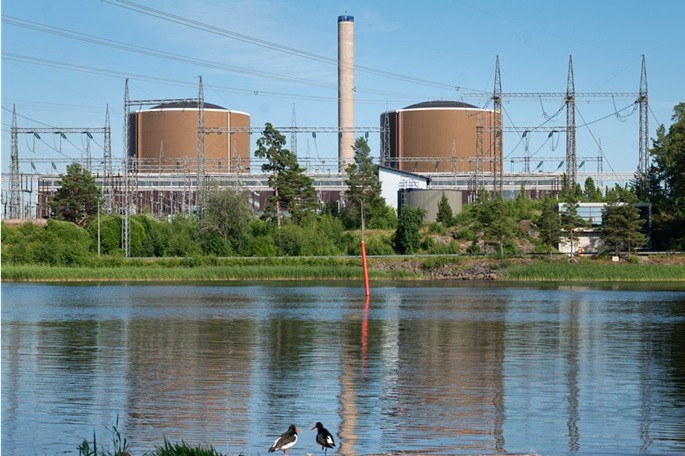
Annual outage maintenance of Loviisa Nuclear Power Plant begins on August 2
Fortum, the Finnish state-owned energy company, announced that the annual outage maintenance of the Loviisa Nuclear Power Plant will commence on August 2, starting with Unit 2 and then transitioning to Unit 1. The maintenance is scheduled to continue until October 18. During this period, the two units will be taken offline for maintenance in rotation, with the other unit remaining in operation. As planned, Unit 2 will undergo a major annual overhaul conducted every eight years. During the maintenance, staff will unload the reactor fuel, inspect and pressure test the reactor pressure vessel, replace approximately one-quarter of the fuel, and complete a series of equipment maintenance and servicing tasks. Unit 1 will undergo a shorter routine annual maintenance, primarily involving fuel replacement and related maintenance work.
2026-07-30
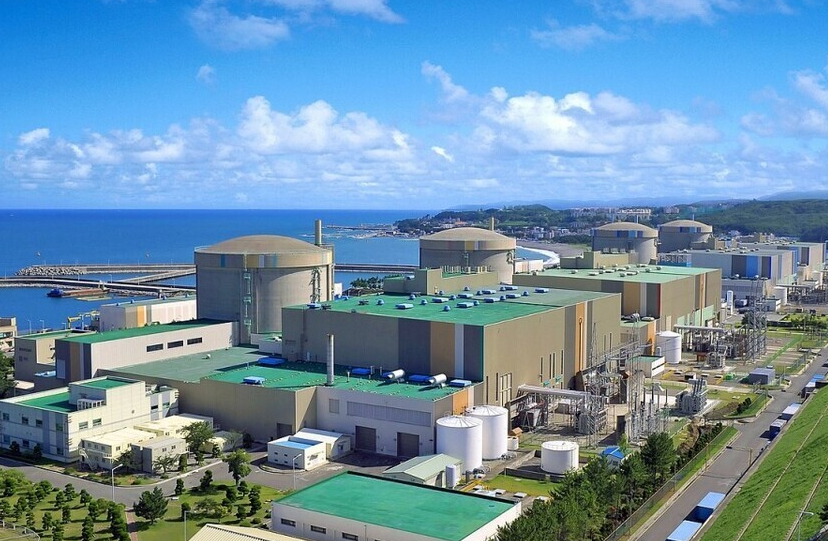
Heavy water leak at Wolseong Nuclear Power Plant Unit 2 in South Korea found to be far larger than initially reported
The actual scale of the heavy water leak that occurred at Wolseong Nuclear Power Plant Unit 2 in Gyeongju, North Gyeongsang Province, South Korea, in September last year, is reported to be far larger than the initially disclosed figure. The Gyeongju Environmental Movement Alliance disclosed on the 30th that a detailed internal report obtained from Korea Hydro & Nuclear Power (KHNP) shows the total amount of heavy water leaked was 1,311.15 kg, approximately five times the initially reported 256 kg, of which 5.14 kg was recorded as having leaked outdoors. After the incident, Korea Electric Power Corporation (KEPCO) had reported a heavy water leak of 256 kg and stated that no external leakage occurred. The detailed report now made public reveals...
2026-07-30
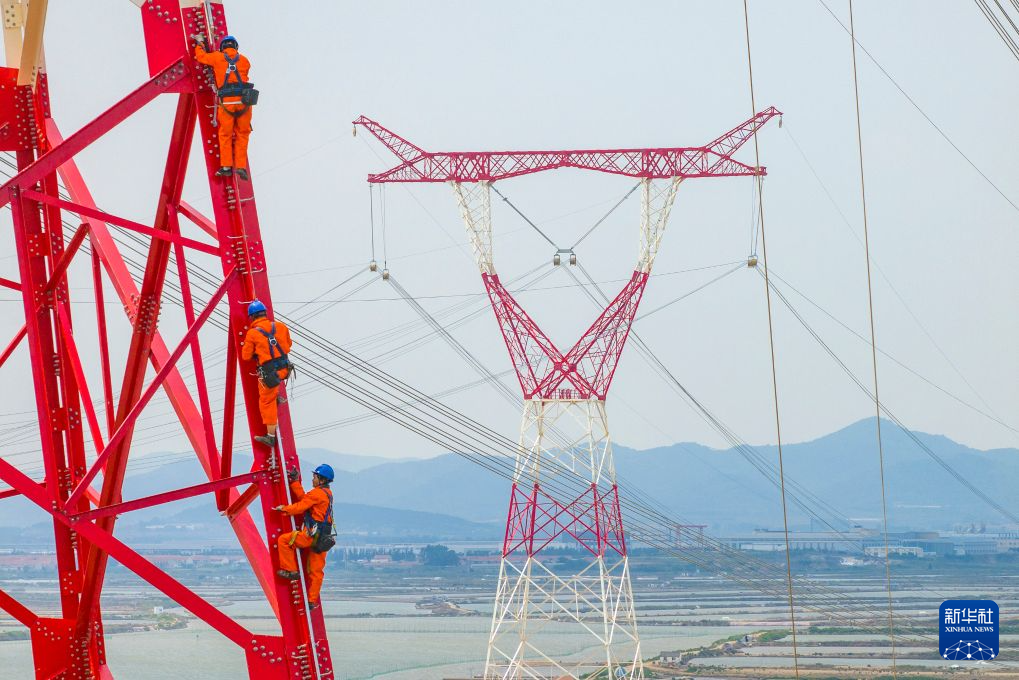
Installation of Spacer Dampers Begins on Offshore Section of Haiyang Xin'an Nuclear Power Transmission UHV Project
On July 28, the installation of spacer dampers was fully initiated on the offshore section of the 1000 kV Haiyang Xin'an Nuclear Power Transmission UHV Project, marking the final critical phase of the world's first UHV project dedicated to nuclear power transmission. This project is China's first UHV project involving offshore construction. It starts from Xin'an Town, Haiyang City, Yantai, and ends at Tuanwang Town, Laiyang City, Yantai, with a total length of 80.36 km. It is constructed with double-circuit lines and a total of 161 towers. The project commenced in June 2025 and is scheduled for completion and commissioning in October 2026. Prior to this, the Yanwei UHV Project had successfully achieved loop closure, connecting the nation's first provincial-level UHV double-ring network in Shandong. The Haiyang Xin'an Nuclear Power Transmission Project is a key node of this double-ring network...
2026-07-30
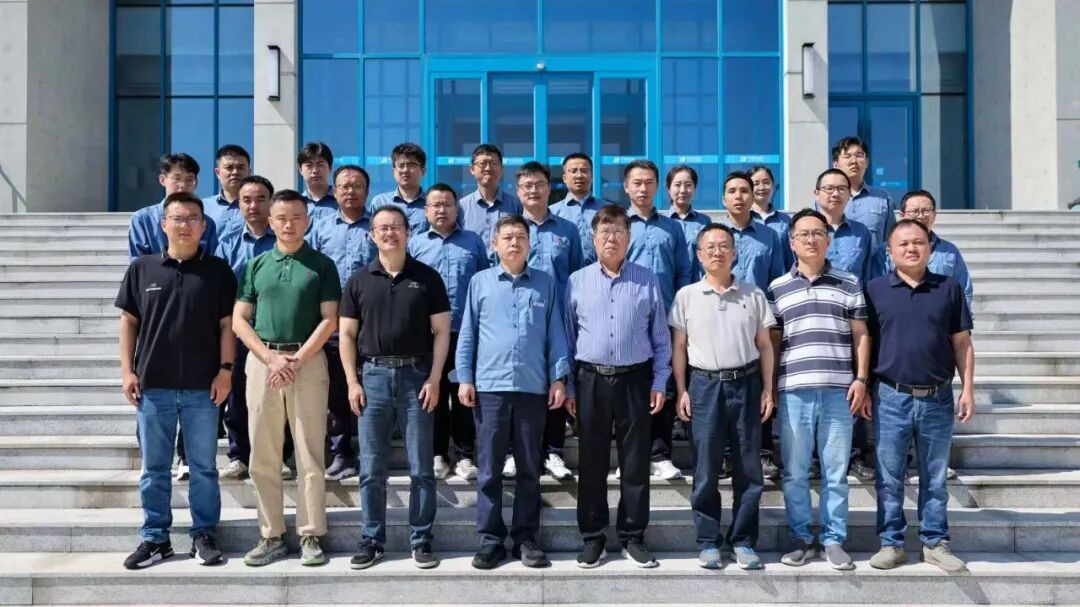
Shidaowan Nuclear Power Company Successfully Completes Member Support Activity for Predictive Maintenance and Equipment Condition Monitoring
On July 24, Shidaowan Nuclear Power Company successfully completed the member support activity for predictive maintenance and equipment condition monitoring, laying the foundation for further optimizing the predictive maintenance and equipment condition monitoring management and technical systems of the High-Temperature Gas-Cooled Reactor (HTGR) Demonstration Project, and promoting the transformation and upgrading of the equipment management model. The member support activity, lasting five days, was organized by the Nuclear Power Branch of the China Nuclear Energy Association, aiming to leverage the expertise of industry experts to drive the transformation of the equipment management model of the HTGR Demonstration Project from breakdown maintenance and periodic maintenance to data-driven predictive management, thereby strengthening the foundation of nuclear safety and operational economy. The expert team for this activity was led by Chen Lunshou, former Deputy Chief Engineer of Sanmen Nuclear Power Co., Ltd...
2026-07-30
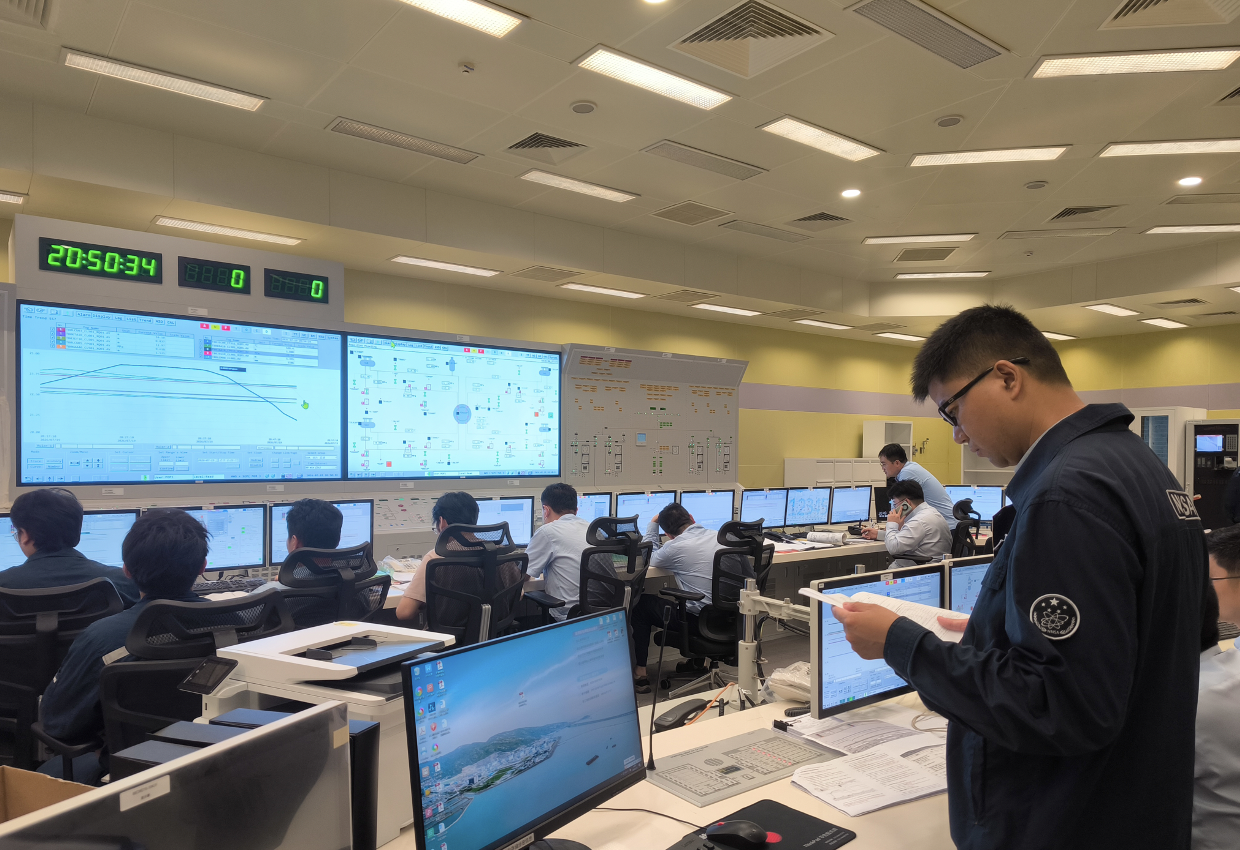
Ministry of Ecology and Environment's North China Nuclear and Radiation Safety Supervision Station Conducts Special Supervision on Cold Test Release for Tianwan Nuclear Power Unit 8
The Cold Functional Test (hereinafter referred to as the cold test) is the first major comprehensive test for a nuclear power unit transitioning from the installation phase to the commissioning phase. It is a key core link to verify the pressure-bearing capacity and sealing performance of the nuclear island main system and equipment under design pressure conditions, and serves as a critical milestone to ensure the subsequent safe and stable operation of the unit. Recently, the Ministry of Ecology and Environment's North China Nuclear and Radiation Safety Supervision Station (hereinafter referred to as the North China Supervision Station) conducted comprehensive supervision on the cold test control point release for Tianwan Nuclear Power Plant Unit 8. Adhering to the principle of supervision moving forward, the station consolidated the pre-test foundation. Upholding the nuclear safety supervision philosophy of "prevention first, moving the checkpoint forward," the North China Supervision Station focused on the preconditions for the cold test control point release, verified various items pending rectification one by one, and ensured that all hidden dangers were effectively addressed, building a solid safety barrier for the smooth progress of subsequent tests.
2026-07-30
World Nuclear Association expects global large-scale nuclear power construction spending to peak between 2041 and 2045
The World Nuclear Association (WNA) expects global nuclear power industry spending to reach a phased peak between 2041 and 2045. At 2025 prices, approximately $1 trillion will be directed toward the construction of large nuclear power plants during this period. Sama Bilbao y León, Director General of the World Nuclear Association, stated that investment interest in the nuclear energy sector has significantly increased, with 50 countries having formulated relatively specific nuclear energy development plans. She believes that implementing these plans will require substantial financial support, with the required investment scale far exceeding current levels. According to the Association's estimates, in addition to large nuclear power plant construction, approximately $450 billion will be allocated globally to small modular reactor projects between 2041 and 2045, along with $84 billion for extending the operational lifetimes of existing reactors.
2026-07-30

Rosatom says 13 small reactor pressure vessels at various production stages
Rosatom Director General Alexey Likhachev recently stated that 13 small reactor pressure vessels are currently at various production stages, and the equipment will be used for nuclear-powered icebreakers and small nuclear power plant projects. Likhachev noted that the batch includes reactor pressure vessels for the Uzbekistan nuclear power plant, which is planned to start construction in 2026. He said that the simultaneous manufacturing of 13 small reactor pressure vessels is unprecedented in the history of Russia's nuclear industry. The reactor pressure vessel is one of the core components of the primary circuit of a nuclear reactor, used to house the core and related internal structures, and withstand high temperatures and pressures during operation.
2026-07-30
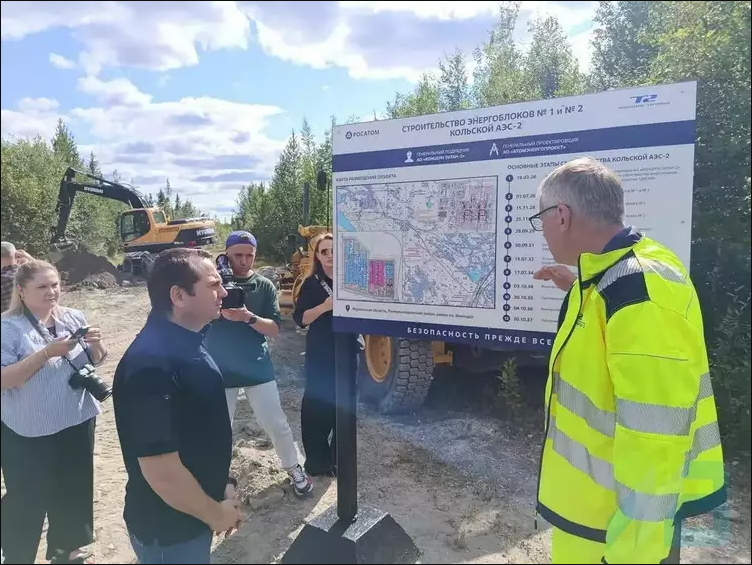
Construction of Kola Nuclear Power Plant Phase II Starts in Murmansk Region
On July 29, Murmansk Region Governor Andrey Chibis announced the start of construction of the Kola Nuclear Power Plant Phase II, located near the town of Polyarnye Zori in the region. Chibis stated that the Kola NPP is the most powerful nuclear power plant north of the Arctic Circle, having supplied energy to the Arctic region for over half a century. The newly launched Phase II project is situated adjacent to the existing plant, with a planned installed capacity of 1,200 megawatts. He noted that the Kola NPP Phase II is the second major energy facility built in the Murmansk Region in the past seven years, and will provide energy support for key regional projects over the coming decades, including the construction of new production facilities, mining projects, and the development of the trans-Arctic transport corridor and the resource base of the Northern Sea Route.
2026-07-30
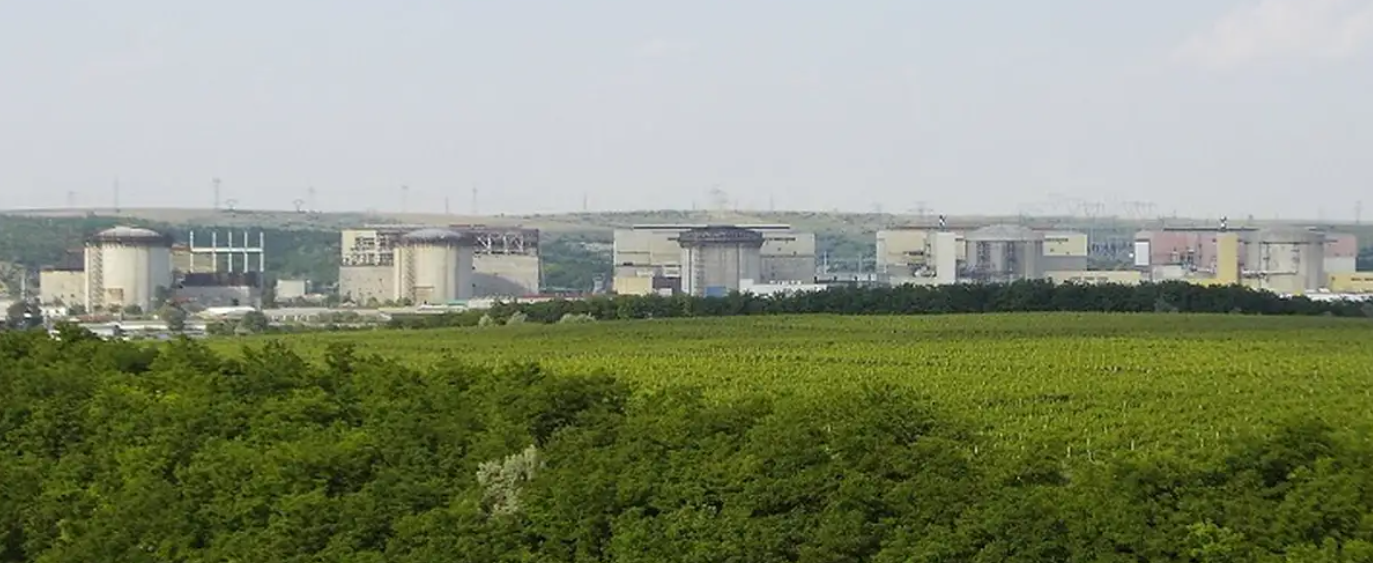
Danube River water levels continue to drop, Romania's only nuclear power plant to shut down completely
Affected by prolonged drought and high temperatures, the water level of the Danube River has been continuously declining, impacting the operation of multiple nuclear power plants along its banks. Romanian authorities have confirmed that both units of the country's only nuclear power plant, the Cernavodă Nuclear Power Plant, will be completely shut down to prevent damage to the cooling system. Romania's Acting Prime Minister Ilie Bolojan has called on residents and large industrial users to voluntarily reduce electricity consumption, especially by controlling the load between 8:00 PM and 11:00 PM. He stated that Romania often faces electricity shortage pressure during this period. Bolojan noted that the Danube River flow rate during the same period in previous years was typically 3,900 to 4,500 cubic meters per second, but it has now dropped to 1,600 cubic meters per second, and is expected to continue decreasing in the coming days.
2026-07-30