
Search Results
Keyword:research
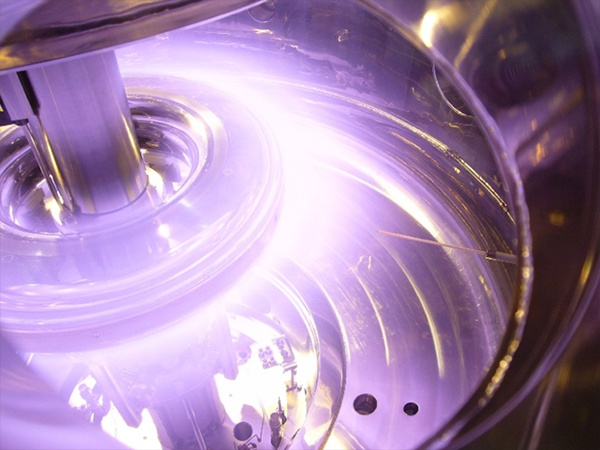
Japanese research team experimentally demonstrates that fusion plasma fluctuations can drive inward particle transport
August 3, 2026, a research team from The University of Tokyo and the National Institute for Fusion Science (NIFS) under the National Institutes of Natural Sciences announced that researchers have directly observed in experiments that low-frequency electric field fluctuations in high-temperature plasma confined by a dipole magnetic field can transport particles to the central region of the plasma. Plasma produced by the levitated dipole experiment device RT-1 (Ring Trap 1) Overall view of the RT-1 device (Kashiwa Campus, The University of Tokyo) The study was conducted using the levitated dipole experiment device Ring Trap 1 (RT-1) at The University of Tokyo. RT-...
2026-08-03
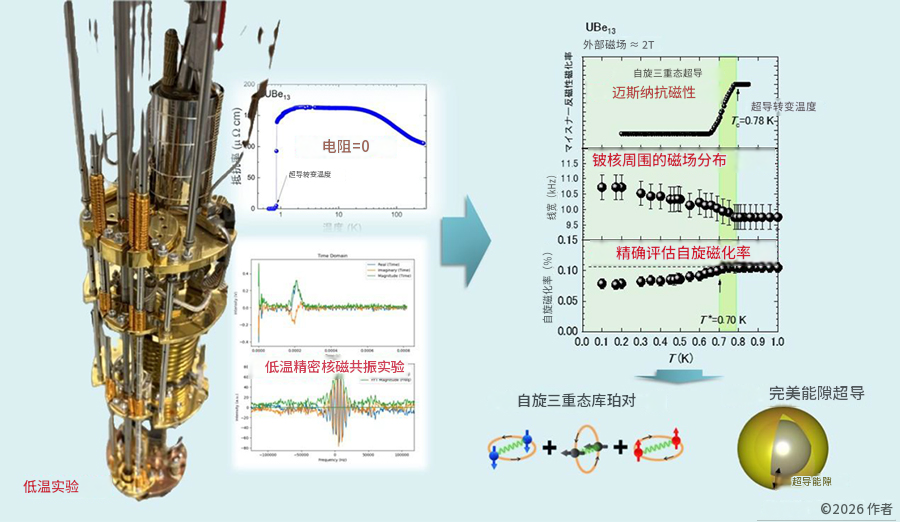
Japanese research team experimentally confirms full-gap spin-triplet superconductivity in UBe13
On July 30, 2026, Kobe University and the Japan Atomic Energy Agency announced that a research team led by Professor Hideki Higashibata of the Graduate School of Science at Kobe University, along with Shoko Minami, who was a master's student at the time of the research, in collaboration with Yoshinori Haga, Research Director at the Japan Atomic Energy Agency, and researchers from Osaka University, experimentally confirmed for the first time the existence of a spin-triplet superconducting state with full-gap characteristics in the intermetallic compound UBe13. The findings were published in the Journal of the Physical Society of Japan on June 26 and were selected as an Editor's Choice paper. Since its discovery in 1983, UBe13 has been regarded as an important candidate material for spin-triplet superconductivity. Unlike conventional spin-singlet superconductivity...
2026-08-03
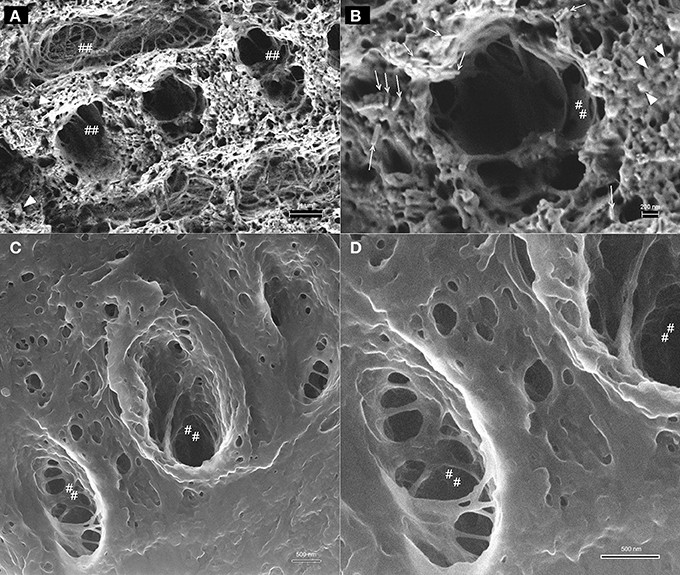
Russian research team reveals submicroscopic pore structure of chernozem using ion beam scanning electron microscopy
Researchers at the Moscow Institute of Physics and Technology and their collaborators have recently used focused ion beam scanning electron microscopy (FIB-SEM) to perform detailed characterization of the microstructure of chernozem soil samples. The study shows that this technique can identify pores smaller than 1 micron, pore morphology, and specific organic components in soil, providing a new observational tool for understanding the mechanisms of chernozem fertility formation and maintenance. The research was supported by a grant from the Russian Science Foundation and published in the 17th series "Soil Science" of the Moscow University Bulletin. Soil science research typically requires extending from the field scale to the microscopic scale. Computed tomography (CT) has been widely used to...
2026-08-03
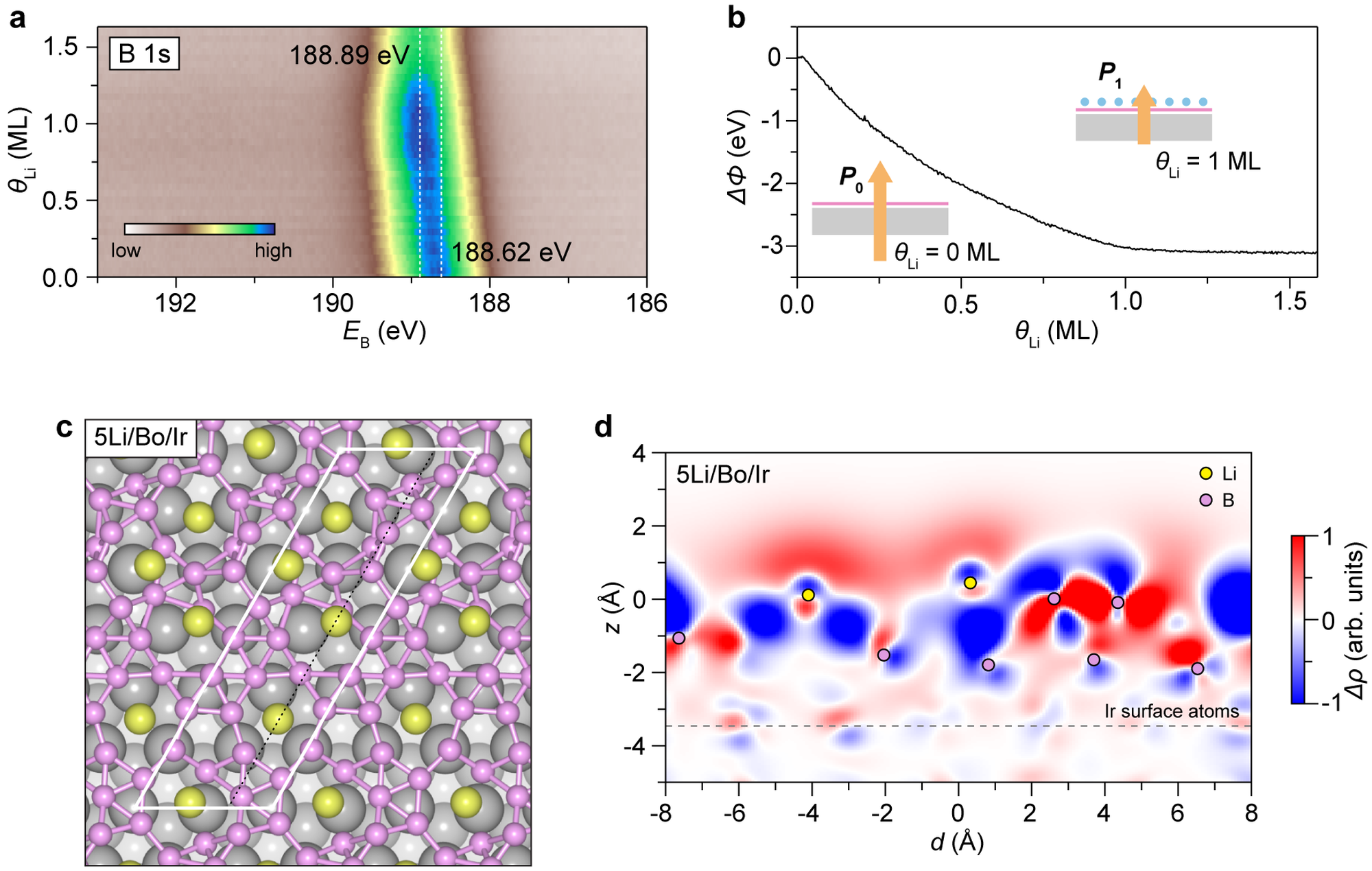
Multinational Team Reveals Mechanisms of Lithiation in Modulating the Structural and Electronic Properties of Borophene Using Synchrotron Techniques
A research team from the Institute of Physics in Zagreb, Croatia, Elettra Synchrotron in Trieste, Italy, Shimane University, and Tokyo University of Science recently conducted a study on the interaction between lithium atoms and borophene, revealing the mechanisms by which lithiation affects the atomic structure and electronic properties of borophene. The findings were published in *ACS Nano* and selected as the journal cover article. (a) Shift of the B 1s core level toward higher binding energy; (b) reduction of the sample work function due to charge transfer from Li atoms to B atoms; (c) lithium atoms (yellow) deposited on borophene (magenta) induce deformation of the borophene lattice, attributed to significant charge redistribution within the system...
2026-08-03
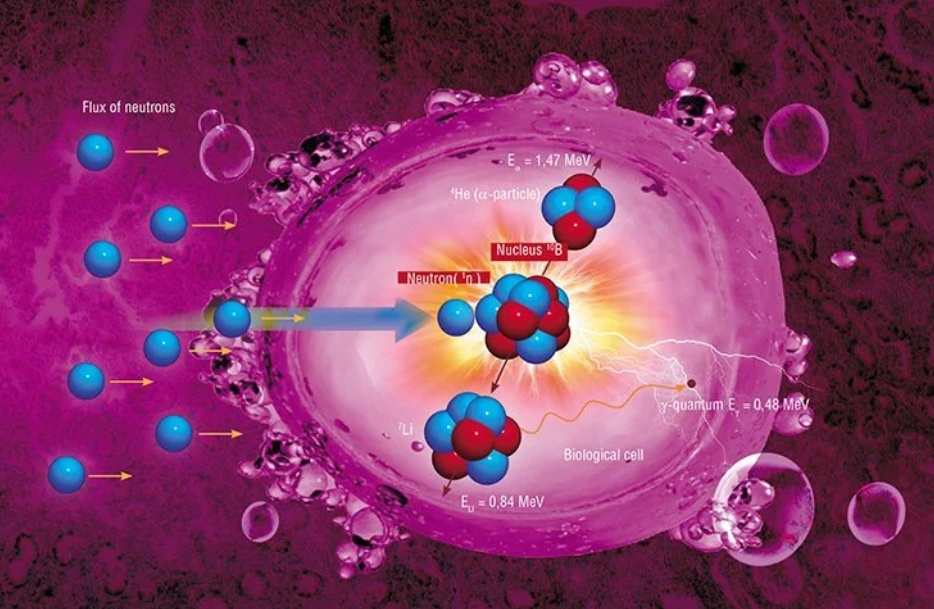
Russia's Vector Research Center Proposes Quantum Dots for Boron Delivery in Neutron Capture Therapy
Russia's Vector Research Center has proposed using quantum dots as targeted boron delivery systems in boron neutron capture therapy (BNCT) to explore more precise approaches to tumor treatment. Yuri Tumanov, the center's chief researcher, presented this research progress at a conference on engineering biology and biopharmaceuticals. Boron neutron capture therapy is a cancer treatment method that combines boron-containing drugs with neutron irradiation. The basic concept involves first allowing boron-containing drugs to accumulate in tumor cells, then subjecting the patient to neutron irradiation, which triggers a nuclear reaction that releases energy concentrated within boron-containing cancer cells, thereby destroying tumor cells. How to construct boron delivery systems that are low-toxicity, highly efficient, and capable of participating in targeted tumor destruction remains one of the key challenges in this field...
2026-08-01
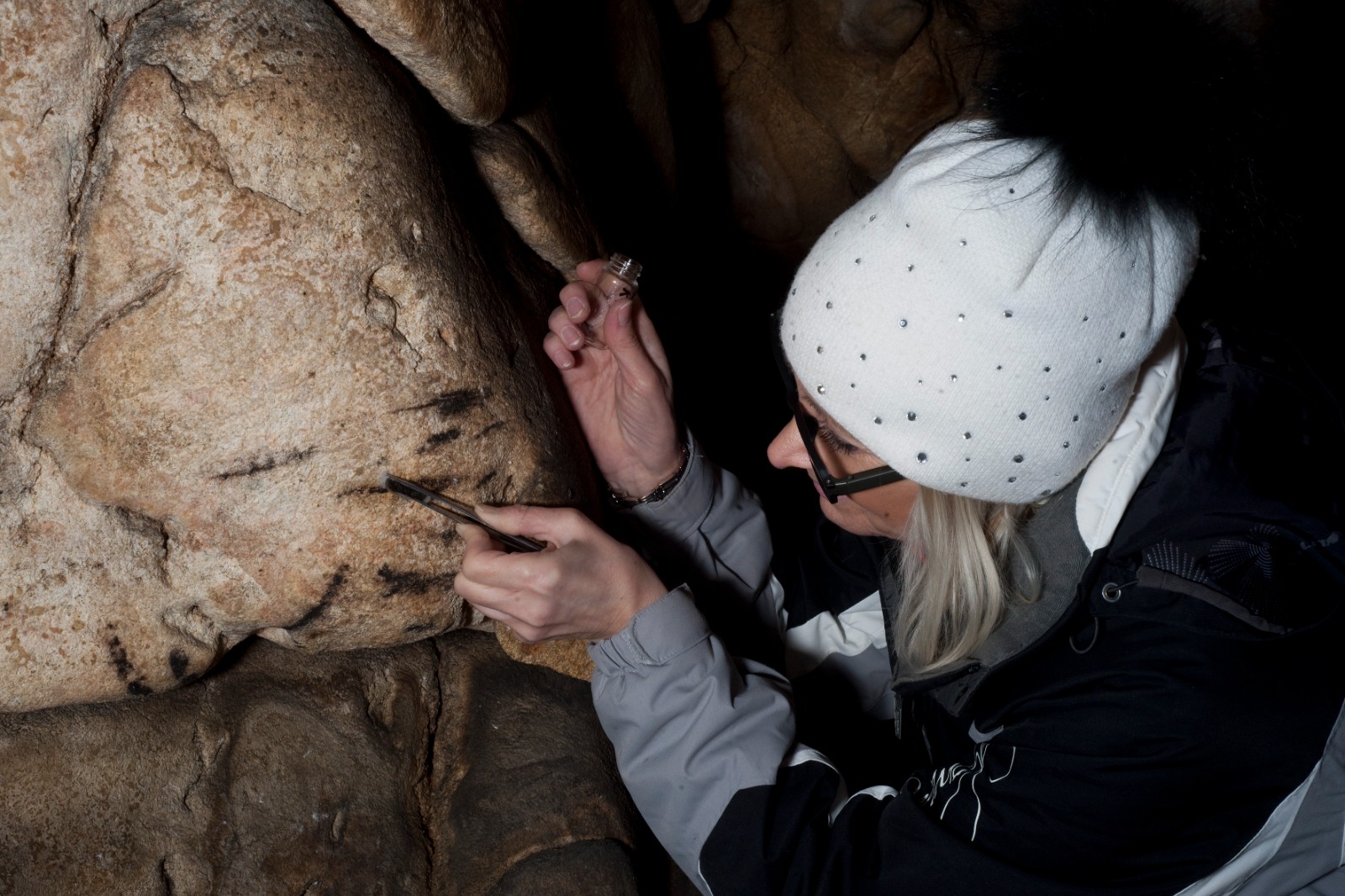
Czech research team develops minimally invasive radiocarbon dating sampling method to aid dating of prehistoric rock art
A research team at the Czech Radiocarbon Laboratory (CRL) of the Nuclear Physics Institute of the Czech Academy of Sciences has developed a minimally invasive sampling method for dating carbon-based rock art, enabling the acquisition of materials needed for radiocarbon dating with virtually no damage to the rock art's appearance. After sampling, the outline of the rock art remains intact, with only a slight lightening of color in the sampled area. This method provides a new technical pathway for dating cave paintings of historical value. In the past, sampling of cave paintings was often strictly restricted for heritage conservation reasons, which also hindered related chronological determination efforts. The new method, through a gentler sampling approach, enhances the feasibility of dating carbon-based rock art while maximizing the preservation of its scientific and cultural value...
2026-08-02

Brazilian research team uses stable isotope analysis to trace Amazon timber origins
Brazilian researchers are developing a timber traceability tool based on stable isotope analysis to help identify the origins of illegally logged wood in the Amazon region. Illegal logging is reported to be one of the major causes of deforestation in the Amazon. Local environmental and law enforcement agencies currently typically determine timber origins through plant anatomical characteristics, tree species distribution, and official records such as forest origin documents, but these methods are not always sufficient to prove that timber comes from legal areas. A research team at the Center for Nuclear Energy in Agriculture, University of São Paulo (CENA-USP) is mapping the isotopic distribution of Amazon trees. The method analyzes the ratios of different isotopes of elements such as oxygen, carbon, nitrogen, and strontium in wood cellulose to narrow down the potential harvesting areas of timber. Team leader Luiz Antonio Martinelli stated that stable isotopes are difficult to forge artificially, offering the potential to provide federal police with a more tamper-resistant technical tool.
2026-08-02
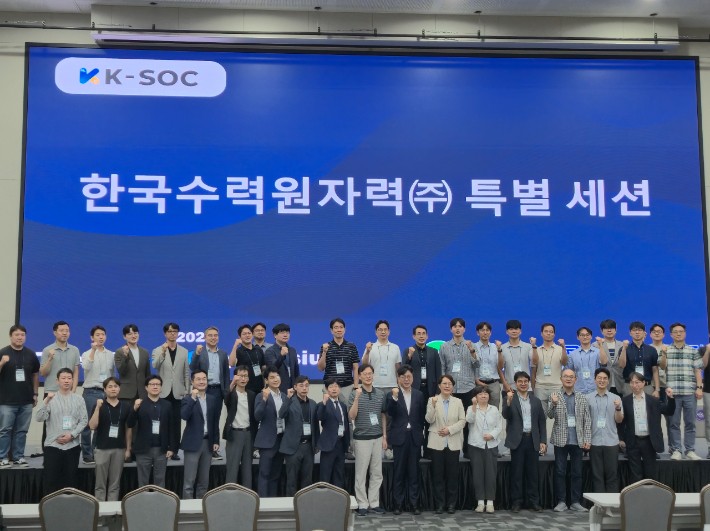
KHNP Unveils Research Findings on High-Temperature Steam Electrolysis Demonstration Planning Integrated with Nuclear Power Plants
Korea Hydro & Nuclear Power (KHNP) recently participated in the 3rd K-SOC Symposium, hosted by the Korean Ceramic Society and held at OSCO in Cheongju on July 23. During the event, KHNP held a special session on high-temperature steam electrolysis, engaging in discussions with experts from industry, academia, and research institutions on technology development directions and demonstration deployment strategies. The K-SOC Symposium is a major academic event in the field of solid-state ion engineering in South Korea, held every three years, covering topics such as materials, cells, stacks, systems, and processes for solid oxide batteries. At this special session, KHNP presented the preliminary findings of its self-conducted study on the demonstration planning of high-temperature steam electrolysis integrated with nuclear power plants...
2026-08-02
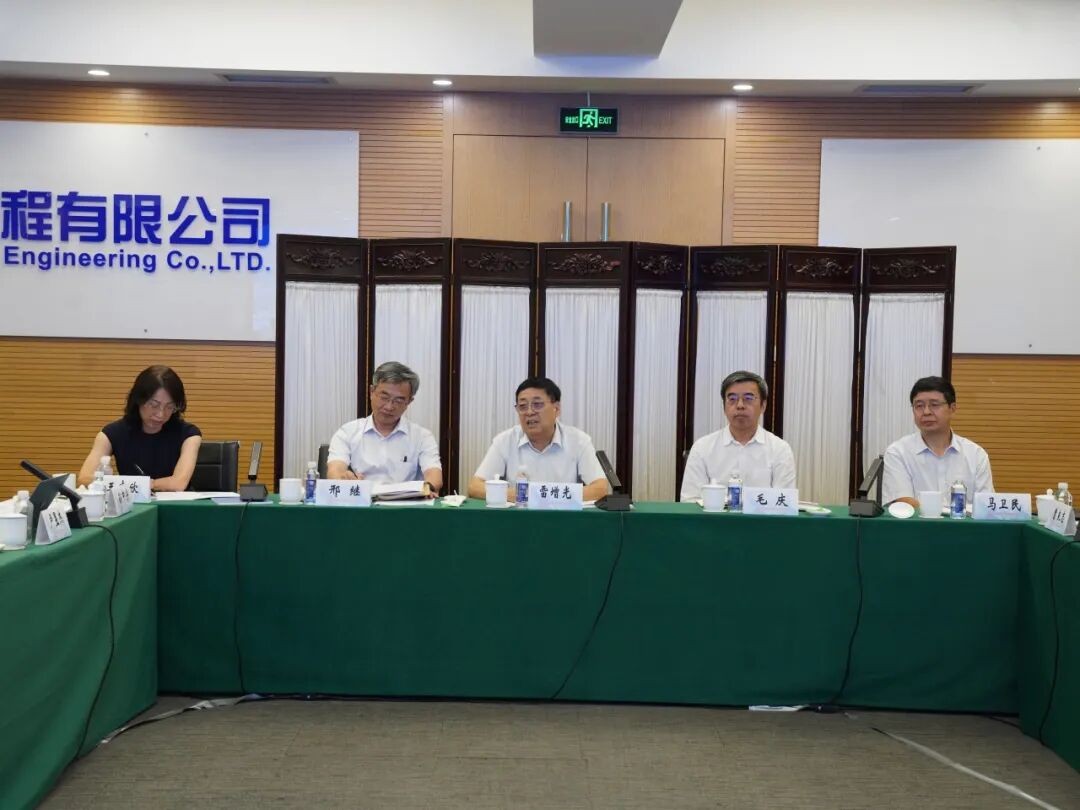
First Editorial Board Meeting of *Research & Design of Nuclear Engineering* Held in Beijing
On July 31, the first editorial board meeting of *Research & Design of Nuclear Engineering*, a high-standard English-language journal in the nuclear engineering field, was successfully held at the Beijing Nuclear Energy Building. Academician Lei Zengguang of CNNC, Editor-in-Chief, and Academician Tu Shandong of East China University of Science and Technology, Associate Editor-in-Chief, along with editorial board representatives from domestic and international universities and research institutes, including the Royal Institute of Technology (KTH) in Sweden and Tsinghua University, attended the meeting. Relevant leaders from China Nuclear Power Engineering Co., Ltd. and CGN Engineering Co., Ltd., the journal's sponsors, as well as representatives from Science Press, the publisher, participated on-site. The meeting was chaired by Liu Liping, Director of the Science and Technology Department of CNNC Engineering. At the meeting, CNNC...
2026-08-01
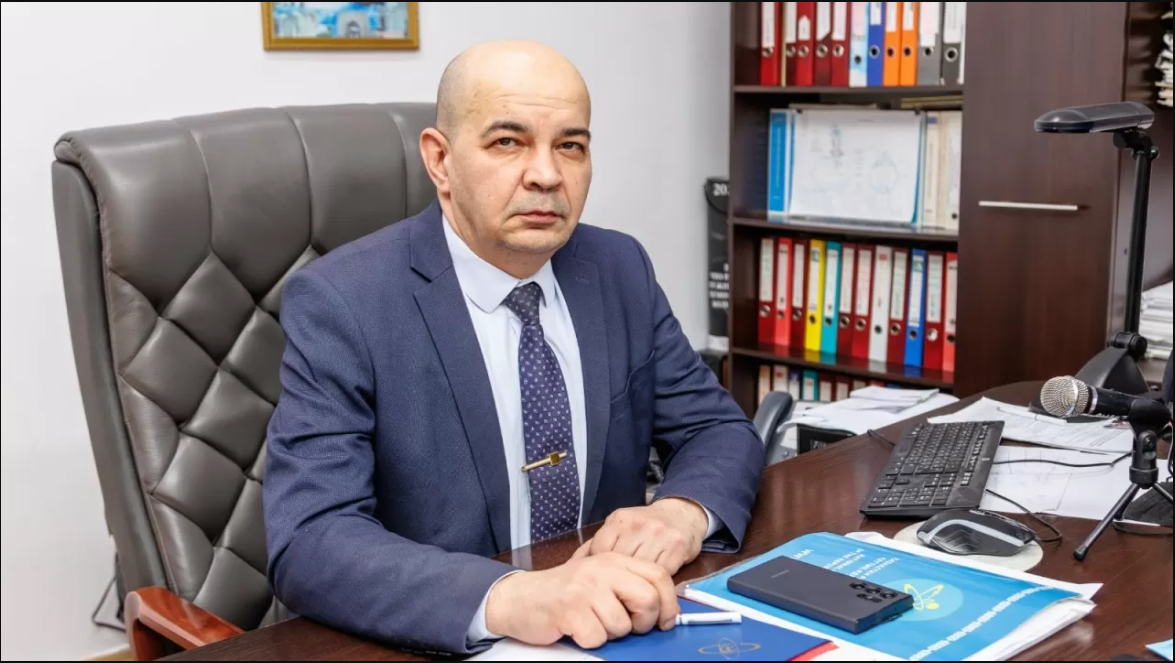
Kazakhstan's National Nuclear Center Experimental Base Supports Nuclear Power Safety and Advanced Energy Research
On July 30, Vyacheslav Gnyrya, Deputy Director of the Institute of Atomic Energy at the National Nuclear Center of the Republic of Kazakhstan (NNC RK), presented the development of the center's experimental research base. He stated that Kazakhstan is leveraging existing research facilities to establish a scientific foundation for next-generation reactor technologies and controlled thermonuclear fusion energy research. According to the presentation, the NNC RK experimental base is a strategic scientific research infrastructure developed over decades in Kazakhstan, featuring research reactors, specialized test facilities, and materials science equipment capable of simulating conditions difficult to replicate in operating nuclear reactors, including the behavior of nuclear fuel, structural materials, and safety system components under high temperatures, intense irradiation, and transient conditions.
2026-07-31
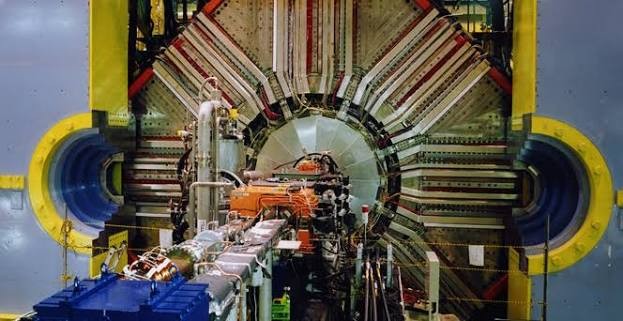
Russian researchers detect anomalous signs in bottomonium states using Belle II experiment data
The Budker Institute of Nuclear Physics of the Siberian Branch of the Russian Academy of Sciences recently announced that Russian researchers have detected anomalous phenomena in the analysis of data from the international Belle II experiment, indicating that the structure of certain excited states of bottomonium may be more complex than predicted by traditional models. Bottomonium is a class of unstable heavy particles composed of a bottom quark and an anti-bottom quark. Yevgeny Kovalenko, a young researcher at the Budker Institute of Nuclear Physics of the Siberian Branch of the Russian Academy of Sciences, stated that analysis of Belle II experiment data suggests that certain excited states of bottomonium may contain lighter quark components. In other words, these particles in specific states may not simply be plain bottom quark–anti-bottom quark combinations.
2026-07-31
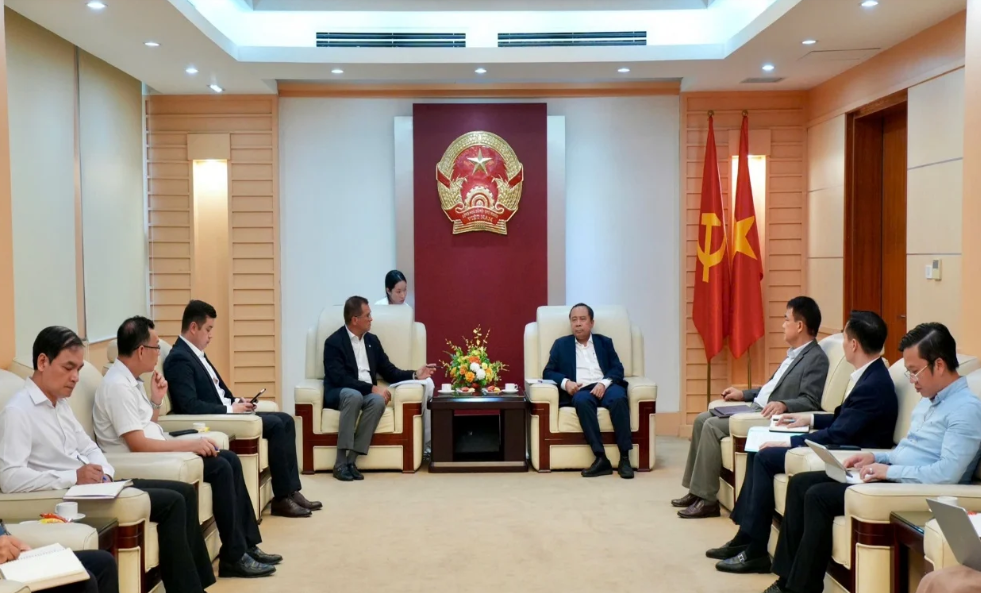
Vietnam and Russia Join Forces to Accelerate Nuclear Science and Technology Research Center Project
On the afternoon of July 30, Vietnamese Minister of Science and Technology Vu Hai Quan received a delegation led by Ilja Vergizajev, General Director of Rosatom Construction Technology Co., Ltd., a subsidiary of Russia's State Atomic Energy Corporation (Rosatom), in Hanoi. During the meeting, the Vietnamese side put forward three specific requests: accelerating the construction of the Vietnam Nuclear Science and Technology Research Center (CNST); supporting Vietnam in gradually mastering small modular reactor (SMR) technologies; and training human resources for Vietnam in the fields of atomic energy, radiation, and nuclear safety. Both sides confirmed that nuclear cooperation holds strategic significance and has long been a focus of high-level attention between the two countries. The CNST has been defined by the Vietnamese side as a...
2026-07-31

U.S. Research Team Tracks Main Drivers of Global Methane Rise Using Stable Isotope Analysis
A research team from the U.S. National Oceanic and Atmospheric Administration Global Monitoring Laboratory and the University of Colorado has recently traced the sources of the rapid rise in global atmospheric methane since 2007 through high-precision methane concentration measurements and carbon and hydrogen stable isotope analysis. The findings show that over the past two decades, microbial emissions have been the primary factor driving the increase in methane concentrations, while fossil fuel-related methane emissions may have remained relatively stable overall. A methane molecule consists of one carbon atom and four hydrogen atoms, and methane from different sources differs in its carbon and hydrogen isotope composition. Researchers used this chemical fingerprint to distinguish methane sources: fossil fuel methane such as natural gas typically contains a relatively higher proportion of carbon-13, while methane produced by microbial processes in wetlands, landfills, livestock, and agricultural environments has a lower carbon-13 proportion, exhibiting a "lighter" isotopic signature. The proportion of deuterium in hydrogen isotopes also varies with the way methane is formed, providing a further basis for source identification.
2026-07-31
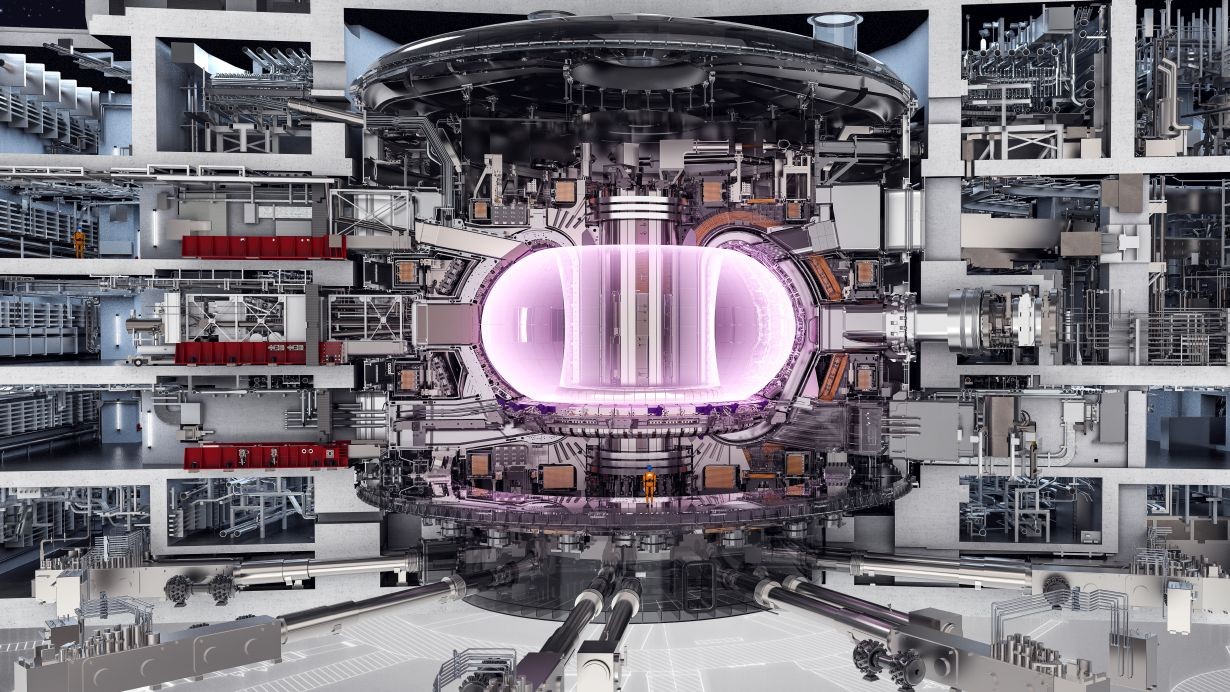
Germany to Establish Fusion Technology Research Center at Karlsruhe Institute of Technology
The German federal government is advancing the layout for the country's first fusion reactor. According to a decision announced on July 29, 2026, by the German Federal Ministry of Research, Technology and Space (BMFTR), one of three newly established fusion research centers will be located at the Karlsruhe Institute of Technology (KIT), focusing on fuel cycles, new materials, and engineering technology research for fusion power plants. In line with Germany's Fusion Action Plan, the new research centers will integrate the efforts of scientific institutions and industry to concentrate on solving key technical challenges before the application of fusion energy. The center at KIT will leverage the institute's expertise in fusion fuel cycles, high-performance materials, and core reactor components to advance related achievements...
2026-07-30
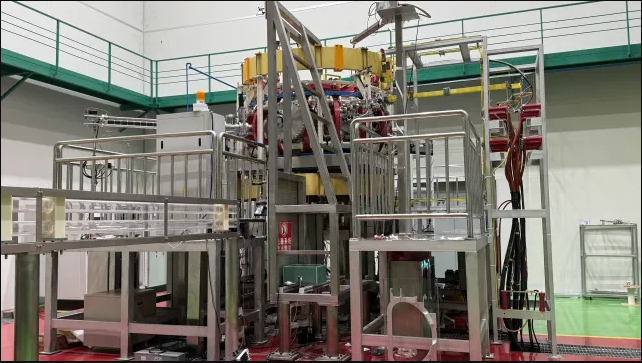
IAEA Launches New Project to Advance Research Network on Small and Medium-Sized Fusion Devices
The International Atomic Energy Agency recently launched a new Coordinated Research Project, aiming to further strengthen the global network of small and medium-sized fusion devices, supporting multinational coordinated experiments, diagnostic technology development, and personnel training, providing a platform for cultivating the next generation of fusion researchers. The Tokamak TT-1 device at the Thailand Institute of Nuclear Technology (TINT) has long participated in the IAEA Coordinated Research Project on the network of small and medium-sized fusion devices, contributing to international cooperation, research, and capacity building. (Photo: JP Cayol/IAEA) This project builds upon a previous five-year collaborative research program. The previous project was named Small and Medium-Sized Magnetic Confinement...
2026-07-30