Registration
REGISTER FOR THE CONFERENCE
Registration
REGISTER FOR THE CONFERENCE
 Apply to Exhibit
APPLICATION FOR EXHIBITION
Apply to Exhibit
APPLICATION FOR EXHIBITION
 Sponsorship
SPONSORSHIP APPLICATION
Sponsorship
SPONSORSHIP APPLICATION
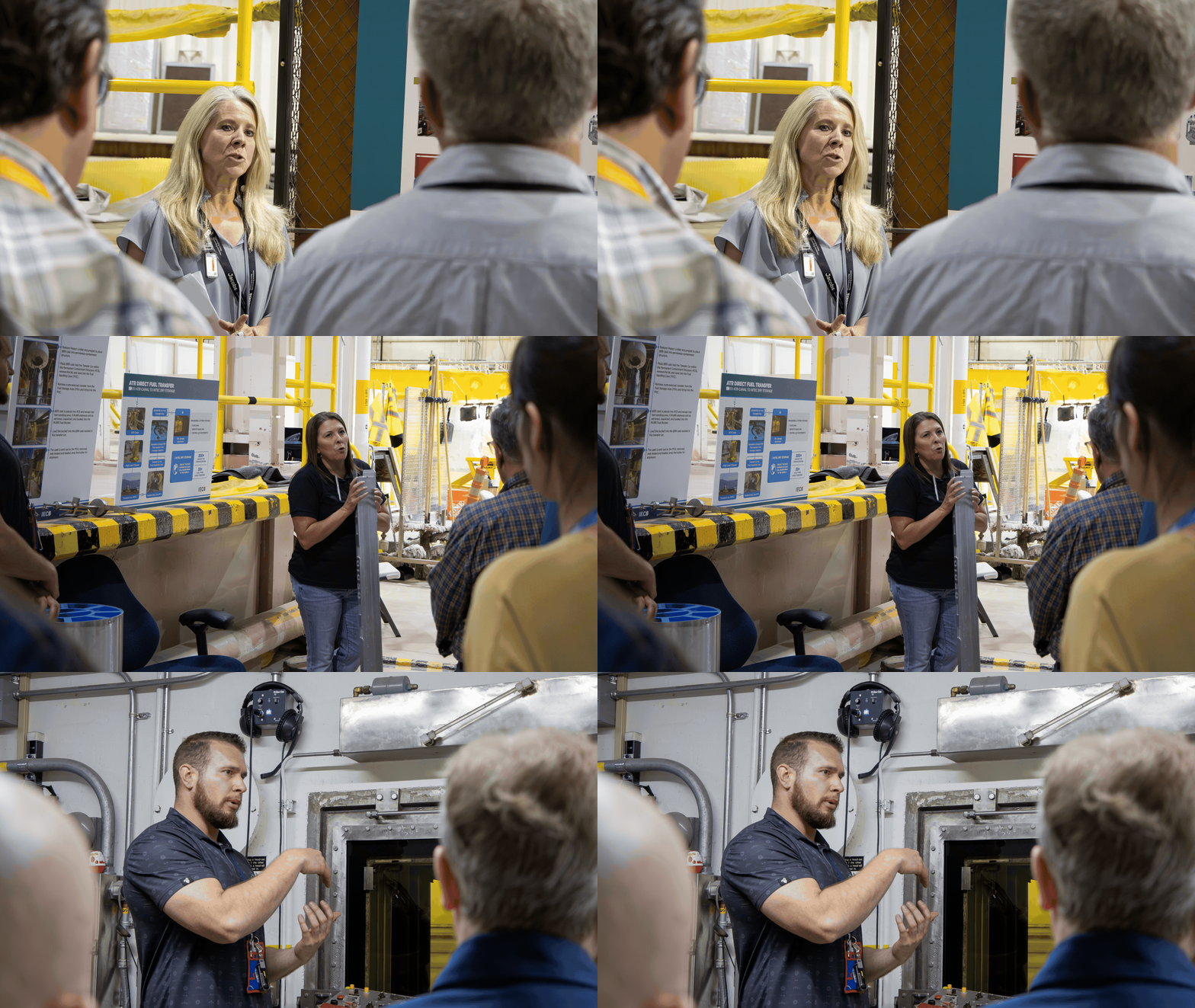
US Advances Preparations for High-Burnup Spent Fuel Shipment to Idaho for Research
The U.S. Department of Energy (DOE) recently stated that the Idaho Cleanup Project (ICP) is participating in preparations for transporting a high-burnup spent nuclear fuel research cask. The cask is planned to be shipped from Dominion Energy's North Anna Nuclear Power Station in Virginia to the Idaho National Laboratory (INL) for subsequent spent fuel-related research. INL was selected as the receiving site primarily because it possesses the specialized facilities, equipment, and personnel expertise required for handling spent nuclear fuel. The DOE noted that these capabilities are typically not part of routine commercial nuclear power plant configurations. High-burnup fuel refers to nuclear fuel that remains in the reactor for a longer period to increase energy output...
2026-08-26

Target Image of "Artificial Sun" China Huanliu-4 Released
2026-08-26
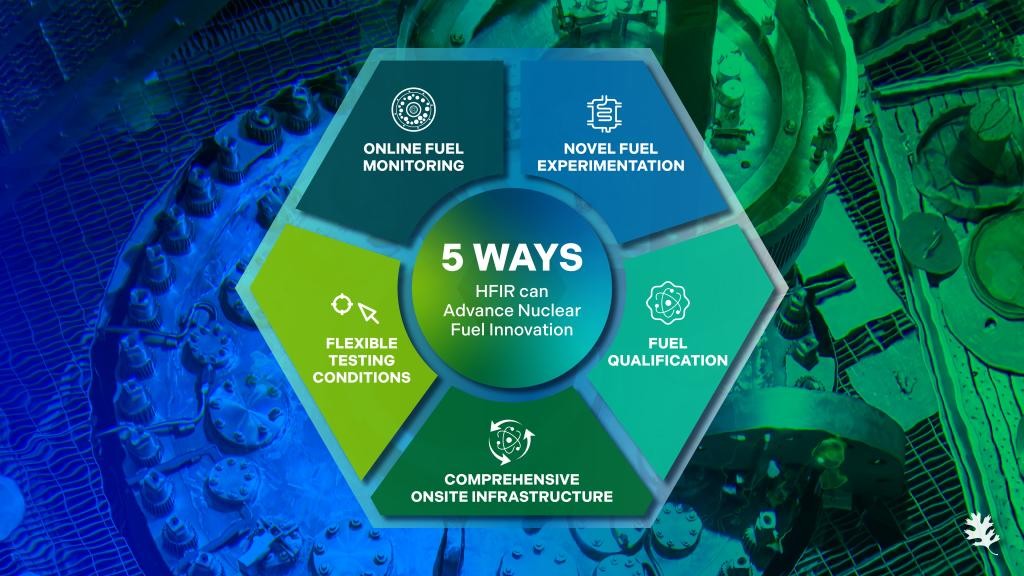
U.S. HFIR Research Reactor Boosts Validation of New Nuclear Fuels
2026-08-26
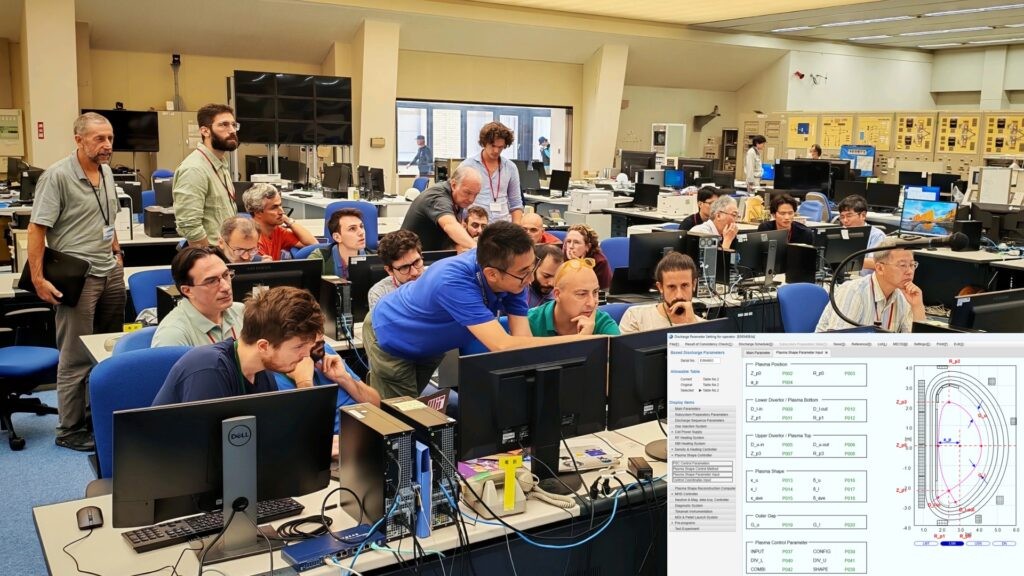
Japan's JT-60SA Experimental Team Advances Preparations for Next Operation Phase
2026-08-26
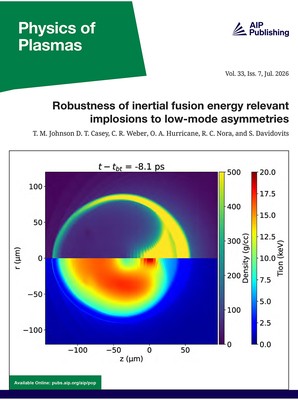
U.S. Research Reveals Diamond Melting Mechanism at High Pressure, Potentially Enhancing Inertial Confinement Fusion Performance
2026-08-26
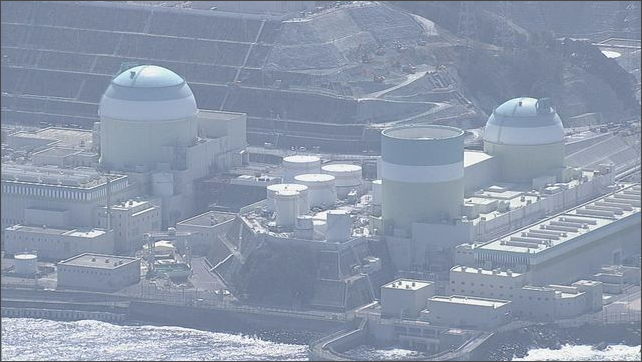
Bitumen Solidification Facility at Unit 2 of Japan's Ikata Nuclear Power Plant Returns to Normal
2026-08-26

Four Units of Egypt's Dabaa Nuclear Power Plant Under Simultaneous Construction
2026-08-26

IAEA Director General Unveils Upcoming New Initiative on Maritime Nuclear Energy
2026-08-26

Japan's Helical Fusion Publishes Research Results on High-Temperature Superconducting Magnets
2026-08-26
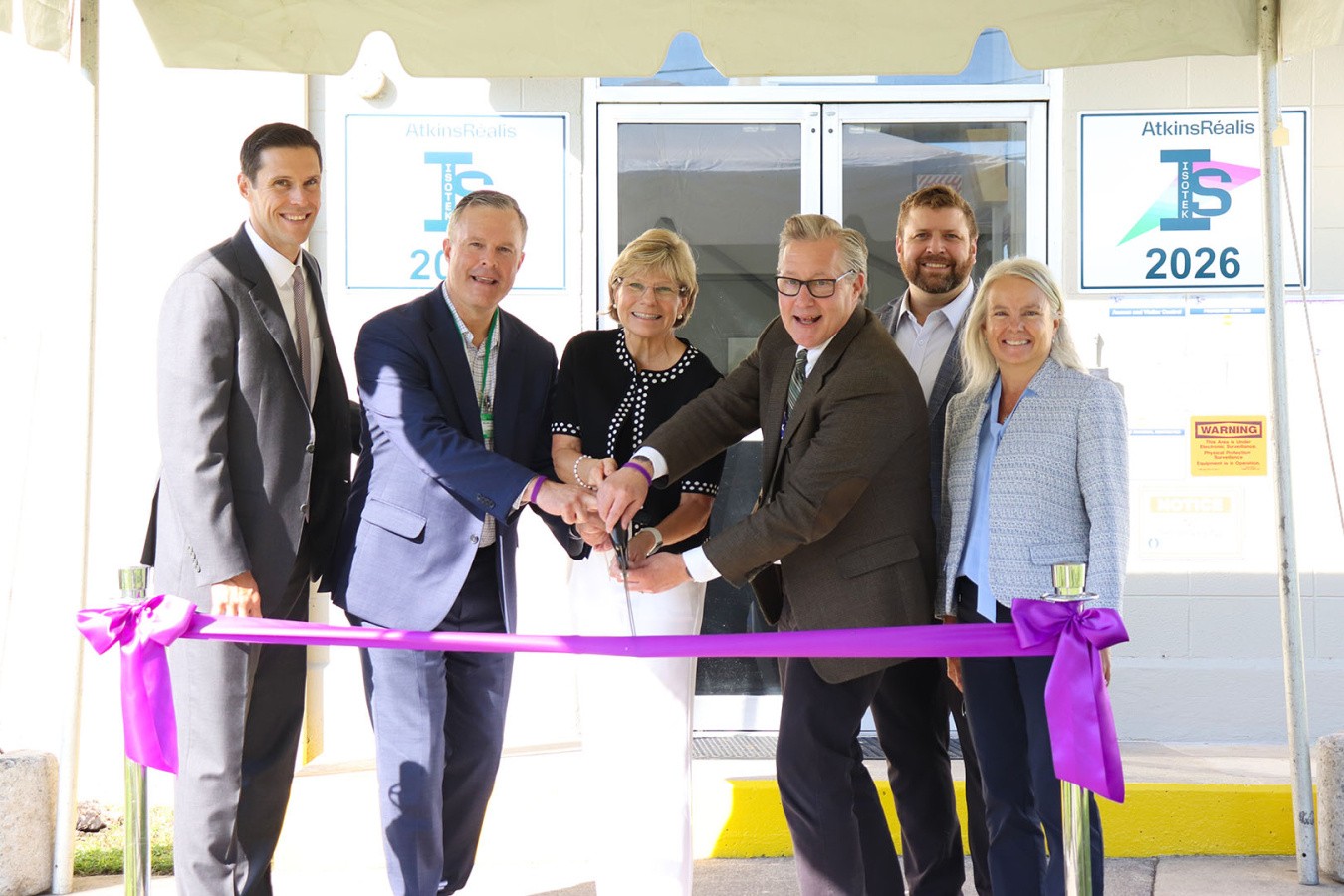
The U.S. Department of Energy Oak Ridge Environmental Management Office (OREM) and its contractor Isotek Systems completed installation of a new analytical laboratory at Oak Ridge National Laboratory (ORNL) on August 25, 2026. The laboratory will support ORNL's highest-priority environmental cleanup project and accelerate delivery of critical medical isotope materials for cancer treatment research. Isotek Systems is responsible for removing the U.S. uranium-233 inventory stored at Oak Ridge National Laboratory. Uranium-233 was primarily developed in the 1950s and 1960s, initially intended for use as nuclear reactor fuel, but was later proven unsuitable as a commercial fuel source...
2026-08-26
The U.S. Department of Energy Office of Environmental Management announced on August 25 that it has approved the operation of the fifth mega saltstone disposal unit at the Savannah River Site in Aiken, South Carolina. Designated as SDU 10, the facility will receive purified material for final disposal, marking a new milestone in the site's cleanup program. According to reports, SDU 10 completed construction in June 2024, nearly 10 months ahead of schedule. Its leak-tightness testing was completed in December 2025, and the test results verified that the unit can safely store up to 33 million gallons of purified, solidified salt solution generated at the Savannah River Site. Saltstone disposal units are the end-stage facilities in the salt waste treatment process.
2026-08-26
The U.S. Department of Energy Office of Environmental Management recently stated that its contractor, Central Plateau Cleanup Company, has resumed transuranic waste characterization and disposal certification work at the Hanford Site in Washington State, preparing for the future shipment of relevant waste to the Waste Isolation Pilot Plant near Carlsbad, New Mexico, for permanent disposal. The Hanford Site had suspended its transuranic waste treatment program in 2011 due to higher priorities for other cleanup tasks, and resumed related work in 2018. According to the plan, the site will resume shipping contact-handled transuranic waste to the Waste Isolation Pilot Plant by September 30, 2028. Hanford Site Office of the U.S. Department of Energy Office of Environmental Management...
2026-08-26
Finland has recently launched its first international assessment of radiation emergency preparedness. At the invitation of Finland's Ministry of Economic Affairs and Employment, an international expert team assembled by the International Atomic Energy Agency began assessing Finland's preparedness for radiation emergency response on August 25, with the work continuing through September 1. The assessment is coordinated by the Radiation and Nuclear Safety Authority of Finland. This authority also serves as the IAEA contact point and participates in this review as one of the assessed entities. The coordination group designated by Finland's Ministry of Economic Affairs and Employment is chaired by Karim Peltonen from the Radiation and Nuclear Safety Authority of Finland. The assessment employs the IAEA's Emergency Preparedness Review mechanism,...
2026-08-26
On August 25, 2026, a new project named STREAMLINE is combining artificial intelligence, machine learning, and supercomputing to address the nuclear quantum many-body problem in nuclear physics research, aiming to more accurately simulate the interactions between protons and neutrons within atomic nuclei and provide theoretical support for frontier topics such as neutron stars and fundamental interactions. The difficulty of the nuclear quantum many-body problem lies in the fact that as the number of particles increases, the possible interactions among them grow rapidly, and traditional computational methods quickly hit the ceiling of computing power. Even with high-performance supercomputers, only quantum systems of relatively limited scale can typically be handled. The STREAMLINE project hopes to...
2026-08-26
InHealth, a UK independent diagnostic service provider, has recently completed the first patient scan using Europe's first mobile Biograph Trinion PET/CT system. The system, supplied by Siemens Healthineers, is now in clinical use at Wrexham Maelor Hospital in northeast Wales to support cancer-related molecular imaging examinations. PET/CT is an important imaging technology in oncology diagnosis and treatment, applicable to the diagnosis, staging, treatment planning, and therapy response monitoring of various cancer types. Deploying the Biograph Trinion PET/CT system on a mobile platform means that advanced molecular imaging services can be delivered into clinical settings with greater flexibility, helping to improve patient access to...
2026-08-26
Tescan recently launched the MIRA XR ultra-high-resolution scanning electron microscope system, targeting materials characterization needs in fields such as battery technology, metallurgy, and advanced materials science. Positioned between the Tescan MIRA and Tescan CLARA, the system aims to deliver higher resolution, enhanced surface sensitivity, and a more streamlined workflow, serving applications including R&D laboratories, industrial quality control, and failure analysis. According to reports, the MIRA XR employs BrightBeam™ technology and a single high-efficiency axial detector to improve surface signal acquisition under field-free imaging conditions, making it suitable for beam-sensitive materials and magnetic samples while reducing the need for sample preparation steps such as surface coating. The system also features an aperture-free column design that minimizes manual aperture selection and adjustment steps, allowing operators to focus more on sample observation and data analysis.
2026-08-26