
Search Results
Keyword:El
UK Report Says Russia's Uranium Supply Share Could Rise to 36% by 2040
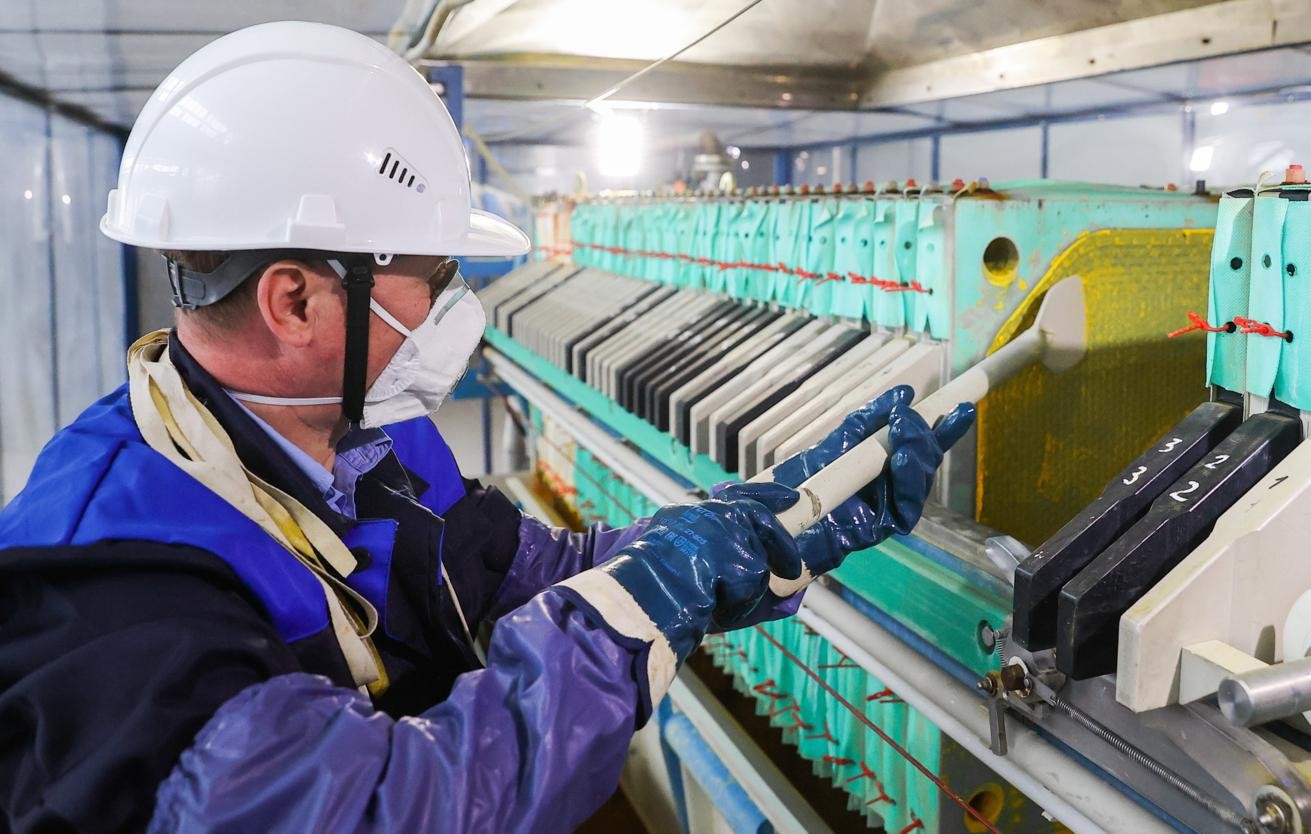
The UK-based non-governmental organization Center for Strategic Advantage (CSA) recently released a report stating that if countries advance uranium production according to existing plans and operate all deposits at full capacity, Russia's share of global uranium supply could rise from roughly one-quarter at present to 36% by 2040. The report argues that Western countries face issues such as insufficient investment and delays in permitting new mine development, making it difficult to meet future demand. Meanwhile, Russia's uranium mining capacity is expected to continue growing. Project director Gareth Heywood stated that by 2040, some countries' dependence on Russian uranium production could approach the level of their dependence on Russian natural gas and oil around 2022.
2026-09-08
Restart of Unit 3 at Japan's Tomari Nuclear Power Plant May Be Delayed to After End of 2027
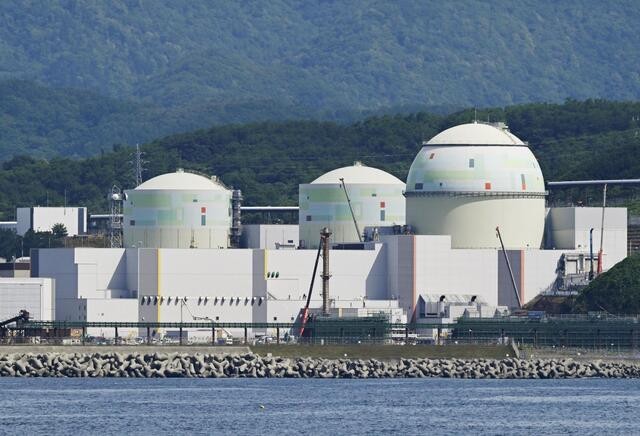
The restart of Unit 3 at the Tomari Nuclear Power Plant, operated by Hokkaido Electric Power in Tomari Village, Hokkaido, Japan, may be delayed to after the end of 2027. The company currently maintains its stated target of a restart in early 2027, but has not yet provided a specific date. Key factors affecting the restart schedule include delays in the construction of the tsunami protection embankment, a fatal accident during construction that occurred during the review process by the Nuclear Regulation Authority (NRA) of Japan, and certain technical matters that remain under confirmation and consultation. Hokkaido Electric Power has stated that the embankment is expected to be completed by mid-August 2027. The project was originally scheduled for completion around March 2027, but has been extended due to blizzard conditions and additional...
2026-09-08
Russian nuclear power plants generated 149.1 billion kWh of electricity in 2026 as of September 7
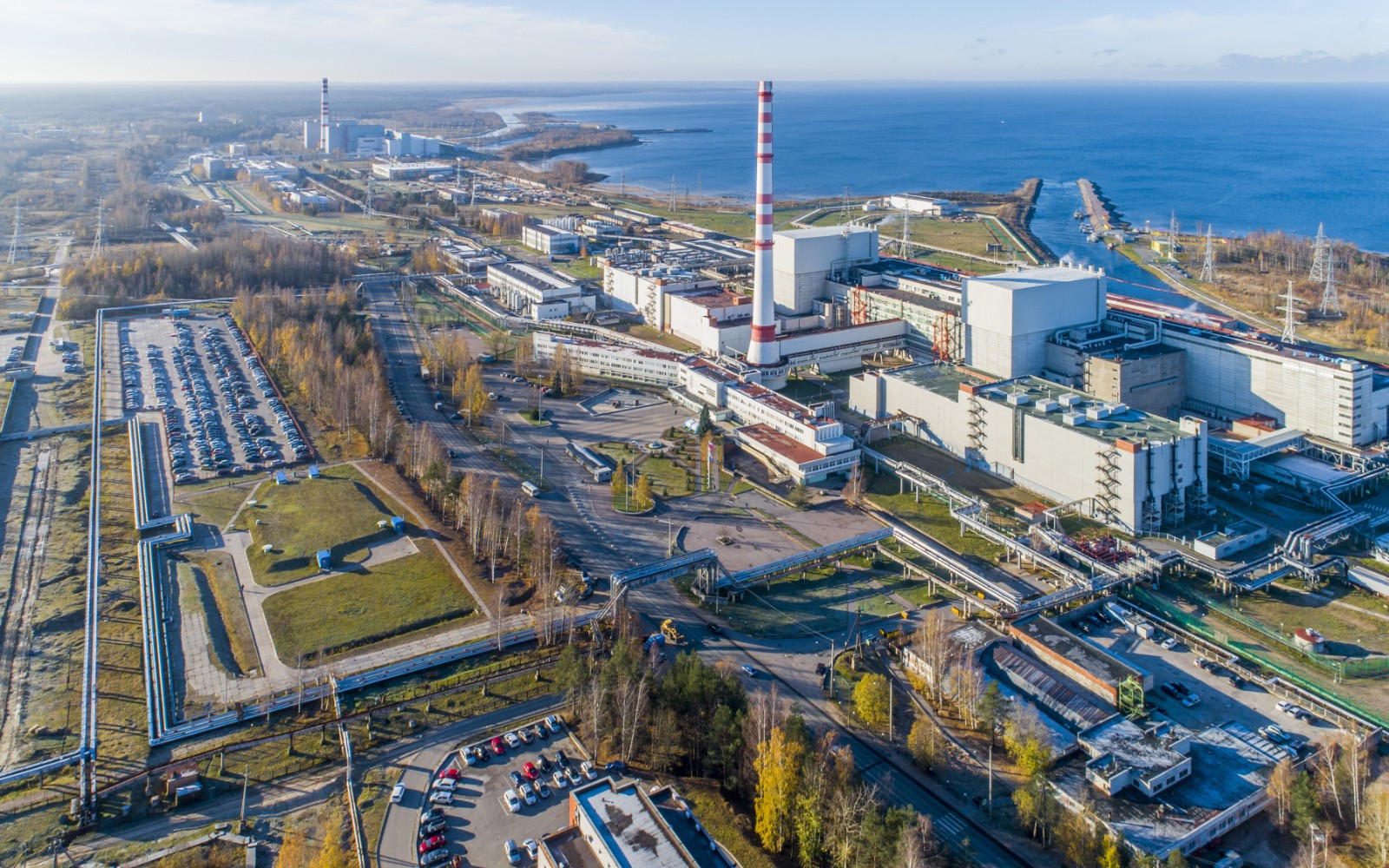
Rosenergoatom, a subsidiary of Russia's State Atomic Energy Corporation (Rosatom), recently stated that as of September 7, Russian nuclear power plants had generated a cumulative total of 149.1 billion kWh of electricity in 2026. This output exceeds the target set for the same period by the Federal Antimonopoly Service (FAS) by 6.73%. Data previously released by the Federal State Statistics Service (Rosstat) shows that from January to July this year, electricity generation at Russian nuclear power plants increased by 2.2% year-on-year, reaching 126 billion kWh. In 2025, Russian nuclear power plants generated a total of 218.35 billion kWh for the full year. Alexey Likhachev, Director General of Rosatom, stated that the company plans to exceed the government's electricity generation target for the full year of 2026. The target is no less than 214 billion kWh.
2026-09-08

First Emergency Diesel Generator Successfully Introduced at Unit 6 of Lufeng Nuclear Power Plant
On September 4, 2026, the first emergency diesel generator for Unit 6 of Lufeng Nuclear Power Plant was successfully introduced into the diesel generator building. The emergency diesel generator is a critical required power source during the cold test phase of a nuclear power unit. The successful introduction of this equipment ensured the availability of emergency power during the cold test period, providing a solid power guarantee for the smooth execution of subsequent cold test work for Unit 6. The Installation Management Section of Lufeng Nuclear Power shifted from passive waiting to proactive action, planning the diesel generator introduction route in advance. The greatest challenge of this introduction task was the deep pit backfill adjacent to the main area of the siphon well on the west side of the diesel generator building, with a backfill depth exceeding 20 meters, a wide coverage area, and a graded aggregate demand of up to approximately 80,000 cubic meters. During construction...
2026-09-08

CFHI and China Huaneng Hold Talks on Cooperation in Nuclear Power Equipment and Other Fields
On September 7, Lv Zhiqiang, Secretary of the Party Committee and Chairman of CFHI, together with Quan Huaqiang, Deputy Secretary of the Party Committee, Director and General Manager, visited Bai Yong, Secretary of the Party Leadership Group and Chairman of China Huaneng, for discussions on further deepening cooperation. Zhang Hao, Member of the Standing Committee of the Party Committee and Vice President of CFHI, Hao Jinyu, Deputy Secretary of the Party Leadership Group and Director of China Huaneng, and Li Qizhao, Member of the Party Leadership Group and Vice President of China Huaneng, attended the talks. Lv Zhiqiang expressed gratitude to China Huaneng for its long-standing care and support for CFHI, and briefed on the company's reform and development as well as the 15th Five-Year Plan. He stated that China Huaneng is an important partner of CFHI, having been deeply engaged in the development of China's power industry for many years and continuously leading the progress of the power generation sector. Coinciding with the inaugural year of the 15th Five-Year Plan, he expressed hope that both sides would focus on fields such as nuclear power equipment, wind power, high-end materials, and scientific research and development, continuously expanding the boundaries of cooperation, innovating cooperation models, and jointly serving the national energy strategy while demonstrating the responsibility of central state-owned enterprises.
2026-09-08
BESSY II reveals early-stage copper oxidation: providing evidence for catalyst development and corrosion research on nuclear waste final disposal containers
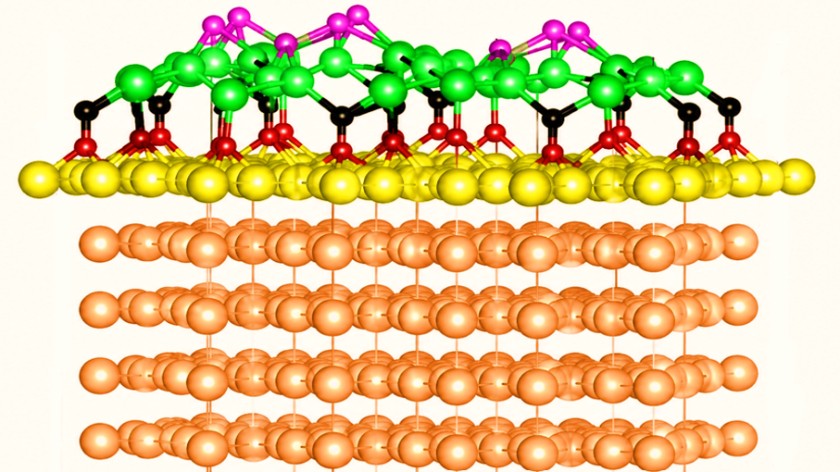
Germany's BESSY II synchrotron facility has recently provided new experimental insights into the early-stage oxidation process of copper surfaces. The study shows that before the formation of pure copper oxides, copper and oxygen atoms first form complex surface superstructures, such as "29"CuₓO. The chemical state of such structures has long been debated, and the findings are of reference value for catalyst research as well as for corrosion protection studies of copper containers used for radioactive waste final disposal. Before the formation of pure copper oxide, complex superstructures composed of copper and oxygen atoms emerge—such as "29"CuxO. HZB In everyday environments, copper surfaces gradually lose their red metallic luster and form a greenish oxide layer. This layer structure can slow further corrosion over an extended period. Regarding the initial stages of this process, the core question researchers focus on is: to what extent are copper atoms actually oxidized once oxygen enters the copper surface. Since conventional spectroscopic methods struggle to clearly distinguish between pure copper and partially oxidized surfaces, such oxidation states have previously been difficult to determine directly.
2026-09-07
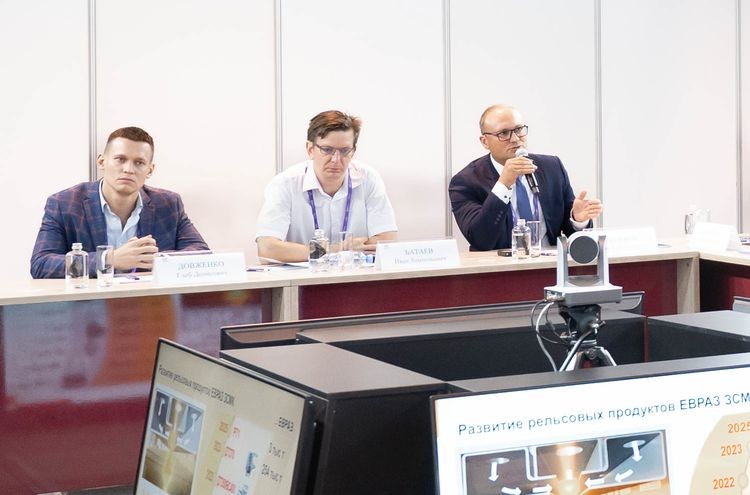
Russia's EVRAZ Plans to Develop High-Performance Railway Rails Using SKIF Synchrotron Radiation Platform
Russian railway infrastructure component manufacturer EVRAZ PJSC plans to cooperate with the SKIF Collective Use Center to develop new alloys and high-performance rails using synchrotron radiation experimental capabilities, aiming to improve the mechanical properties and operational reliability of rails. At a roundtable discussion on "Development of New Structural and Tool Materials and Mechanical Engineering Technologies Using Synchrotron Radiation" held during the Technoprom 2026 forum, participating experts discussed the application prospects of the SKIF Collective Use Center in the development of high-quality rolled metal products. EVRAZ stated that Russia's railway operating environment is complex, with long line distances, numerous mountain routes, prominent low-temperature conditions, coupled with growing freight volumes, placing higher demands on steel materials...
2026-09-07
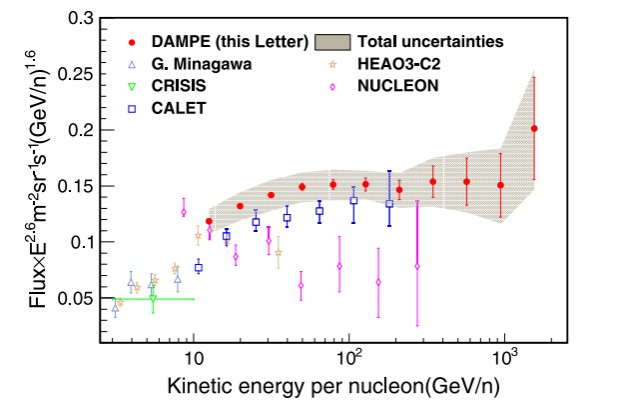
"Wukong" Detects "Super-Iron" Elements in Cosmic Rays, Achieving First High-Precision Cosmic Ray Nickel Energy Spectrum in the TeV Range
Recently, the DAMPE scientific team led by Academician Chang Jin of the University of Science and Technology of China made significant progress in direct observations of high-energy cosmic rays. Based on DAMPE on-orbit observation data, the scientific team obtained the differential flux spectrum of nickel nuclei from 10 GeV/n to 2 TeV/n. The results were published in the international academic journal *Physical Review Letters* under the title "Measurement of the Cosmic Ray Nickel Energy Spectrum from 10 GeV/n to 2 TeV/n with the DAMPE Space Mission." The origin of super-iron elements in cosmic rays has long been a challenge for the scientific community. It is generally believed that cosmic ray elements are primarily produced in nuclear fusion processes within stars, but since iron nuclei have the highest binding energy per nucleon, stellar fusion reactions typically struggle to proceed beyond elements near iron. Heavier elements than iron are generally attributed to different nucleosynthesis processes such as neutron capture. Because the abundance of super-iron elements is typically at least an order of magnitude lower than that of iron, measurements of super-iron elements in cosmic rays remain extremely scarce. Most experiments have only provided relative abundances of different elements; a few experiments have measured the differential flux spectrum of cosmic ray nickel, but with energy upper limits of only a few hundred GeV/n.
2026-09-07
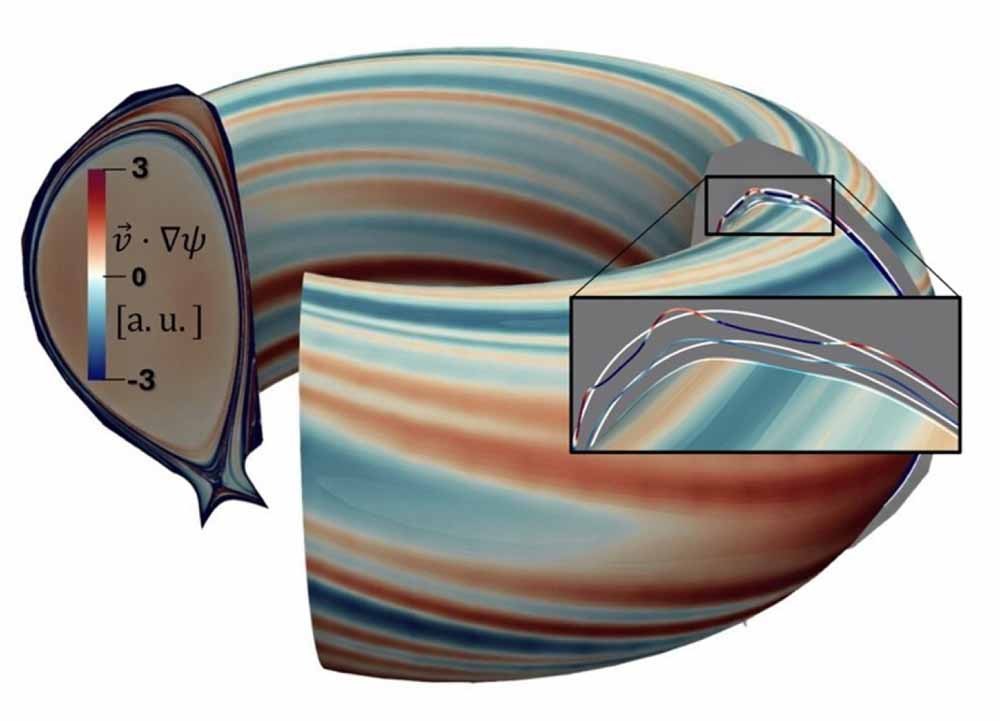
Digital twins are becoming an important R&D pathway in fusion research
Recently, a new paper reviewed the progress of digital twin technology in fusion research over the past five years and noted that several key gaps remain before a complete digital twin model of a fusion power plant can be achieved. Simulating the movement of tungsten in the plasma core. Copyright: (F. Jenko et al., 2026, *Nuclear Fusion* 66 116014) Digital twins are a class of virtual models that reflect the structure, environment, and behavior of physical systems, and can be used to predict future system states and inform real-world decision-making. In fusion research, as issues in plasma physics, device engineering, and material interactions grow increasingly complex, digital twins are considered promising...
2026-09-07
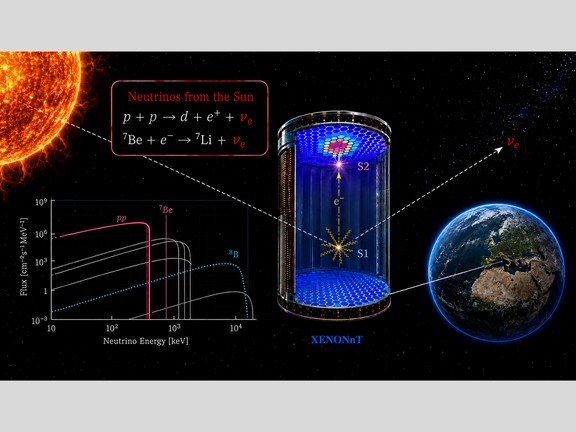
XENONnT Observes First Low-Energy Solar Neutrino-Electron Scattering Signals
Scientists of the XENON collaboration recently announced the first observation of low-energy solar neutrino scattering off electrons in the XENONnT particle detector. The results were presented at a workshop held on August 31, 2026, at the Gran Sasso National Laboratory of the Italian National Institute for Nuclear Physics. The team of Prof. Teresa Marrodán Undagoitia and Dr. Hardy Simgen from the Max Planck Institute for Nuclear Physics played a key role in the experiment. Nuclear fusion in the Sun continuously produces vast numbers of neutrinos, with hundreds of billions passing through every square centimeter of Earth each second. Because neutrinos interact with matter extremely weakly, detecting these particles...
2026-09-07
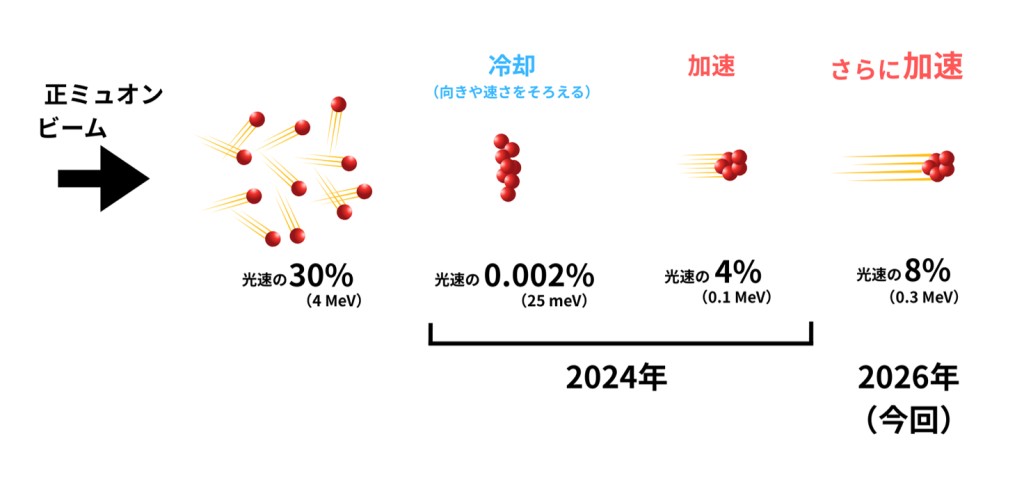
Japanese research team accelerates muons to 0.3 MeV, taking a step toward the world's only muon accelerator
A research team comprising the J-PARC Center, High Energy Accelerator Research Organization (KEK), the University of Tokyo, Tokai National Higher Education and Research System, Nagoya University, and RIKEN recently completed muon cooling and radio-frequency acceleration experiments in the newly constructed muon acceleration experimental area at the J-PARC Materials and Life Science Experimental Facility, successfully accelerating muons to a kinetic energy of 0.3 MeV, corresponding to approximately 8% of the speed of light. Conceptual diagram of cooling and accelerating positive muon beams. By cooling positive muons with non-uniform direction and velocity, efficient high-frequency acceleration can be achieved. Muons are elementary particles similar to electrons that can be artificially produced by accelerators and are widely used in materials science, particle physics research...
2026-09-07
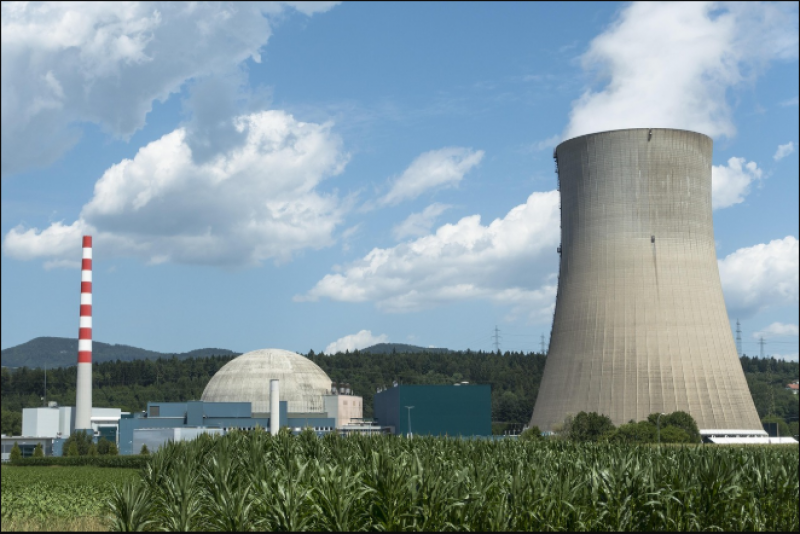
Malaysia Evaluates Inclusion of Nuclear Power in Long-Term Energy Mix
Malaysia is steadily paving the way for the future introduction of nuclear energy into its energy mix. Although such plans are unlikely to materialize in the short term, policy assessments, regulatory preparations, talent development, and business model discussions surrounding civilian nuclear energy have noticeably accelerated. The International Atomic Energy Agency (IAEA) recently held a national workshop in Malaysia to introduce a human resource development model for the nuclear sector, aimed at helping the country forecast future staffing needs and support workforce planning required for nuclear technology applications. In March this year, Malaysian Deputy Prime Minister and Minister of Energy Transition and Water Transformation Fadillah Yusof stated that Malaysia has conducted a comprehensive assessment of a potential nuclear energy program, covering policy formulation, regulatory...
2026-09-07
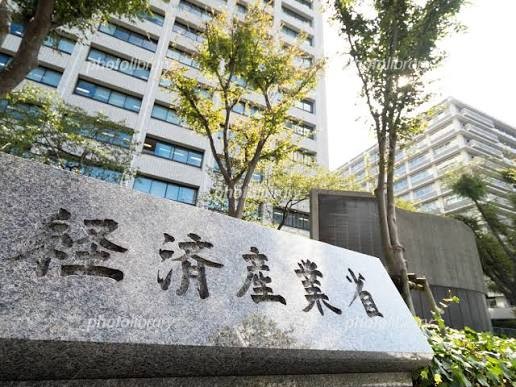
Japan Selects Four Companies for Fusion Power Program
Japan's Ministry of Economy, Trade and Industry (METI) has conditionally selected EX-Fusion, Helical Fusion, Linea Innovation, and Starlight Engine to participate in a fusion program targeting reactor operation in the 2030s. The program will provide approximately $370 million, equivalent to around €318 million, in subsidies to selected projects by the end of February 2029. Specific funding allocations are still subject to formal grant decisions. The support corresponds to commitments in Japan's 2023 fusion strategy, which sets out the goal of achieving fusion power in the 2030s...
2026-09-07
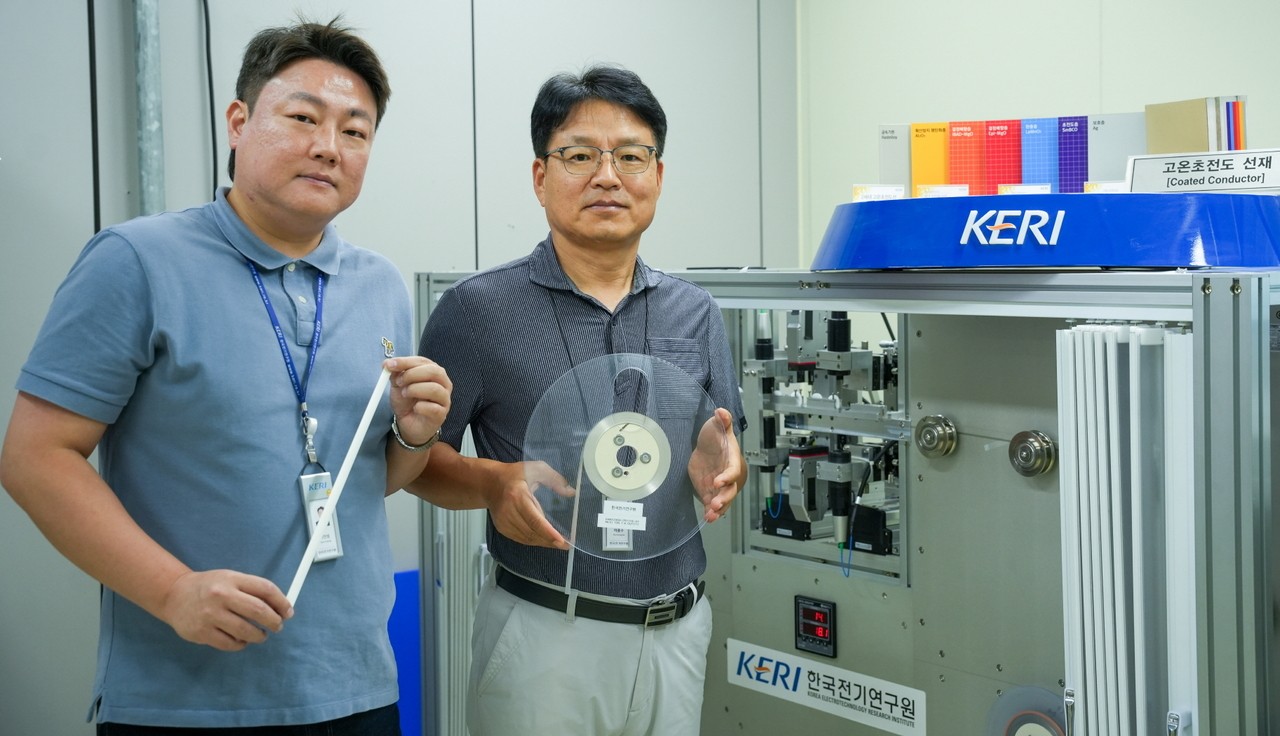
South Korea Develops 3D Non-Contact Inspection System for High-Temperature Superconducting Wire
The Korea Electrotechnology Research Institute (KERI) recently announced that a research team led by Ha Hong-su and Park In-sung at its Low-Temperature Device Research Center has developed a three-dimensional non-contact ultra-precision inspection system capable of continuously measuring the thickness and width of high-temperature superconducting (HTS) wire. The institute stated that this is the world's first such inspection system for HTS wire. KERI researchers Ha Hong-su and Park In-sung pose with a high-temperature superconducting wire beside the 3D non-contact ultra-precision inspection system. [Korea Electrotechnology Research Institute] HTS wire exhibits near-zero electrical resistance below a specific temperature, enabling high-current, low-loss transmission,...
2026-09-07
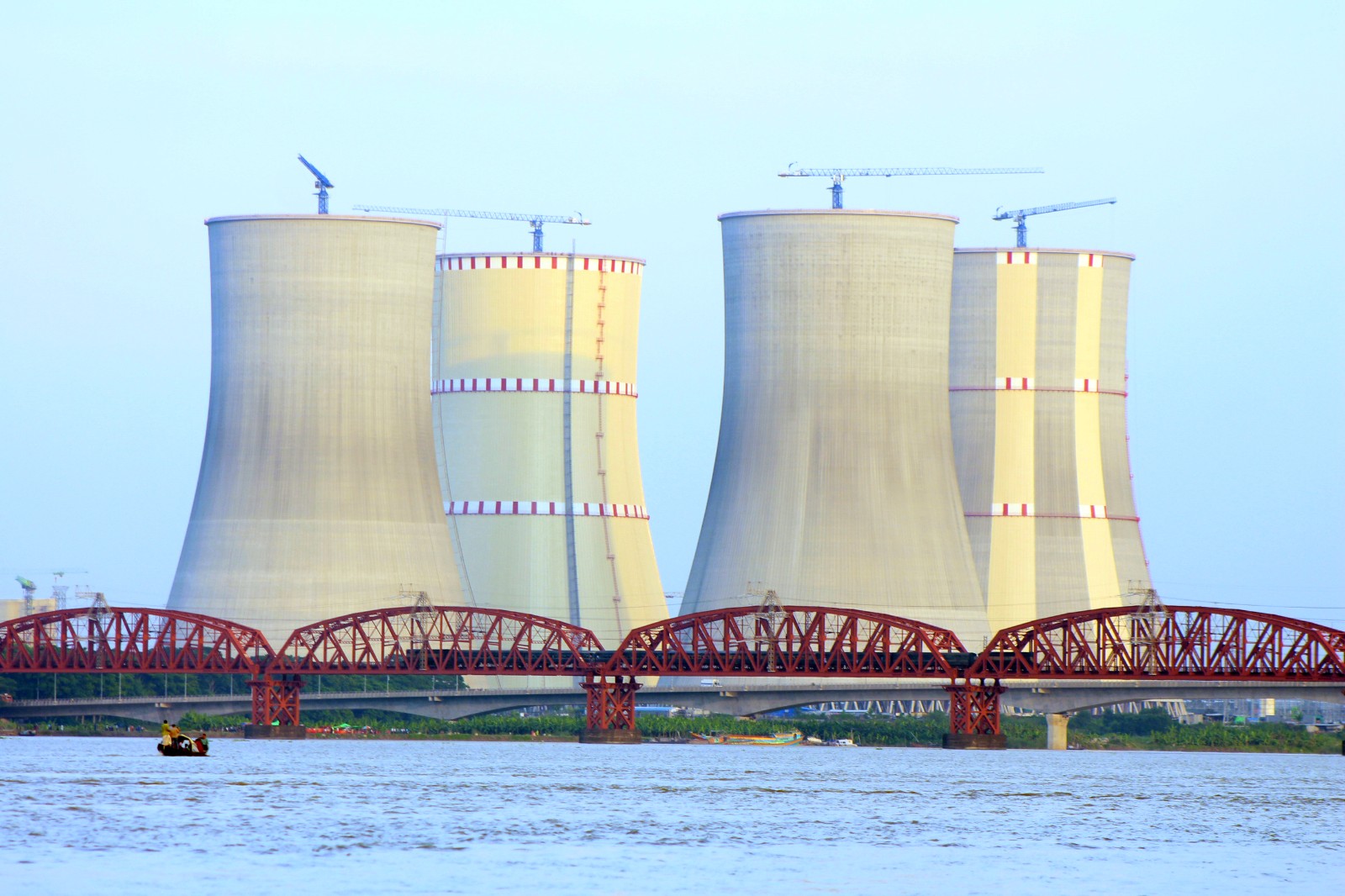
Grid Connection of Unit 1 at Bangladesh's Rooppur Nuclear Power Plant Delayed Again
The grid connection of Unit 1 at Bangladesh's Rooppur Nuclear Power Plant has been delayed once again. Fakir Mahbub Anam, Bangladesh's Minister of Science and Technology, stated that two critical safety valves of the unit exposed technical faults during testing, and the next phase of testing cannot be initiated for the time being. A specific timeline for troubleshooting and grid connection of the unit has yet to be determined. Located in the Pabna region of Bangladesh, the Rooppur Nuclear Power Plant is being constructed with financing and technical support from Russia, with plans for two VVER-1200 units totaling approximately 2,400 megawatts of installed capacity. On April 28 this year, the unit commenced fuel loading preparation and testing work, when the project...
2026-09-07