
Search Results
Keyword:FIRST
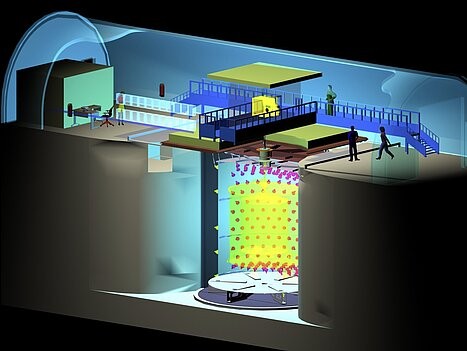
Antineutrinos Detected for the First Time in Spent Fuel Elements
Even after a nuclear reactor has been shut down, the radioactive fuel continues to emit a faint stream of antineutrinos. The Double Chooz collaboration, led by scientists from the Max Planck Institute for Nuclear Physics (MPIK), has succeeded for the first time in measuring this elusive signal, opening up new prospects for reactor monitoring, nuclear safety, and control procedures. The Double Chooz detector. Image credit: Double Chooz collaboration. The research team conducted these measurements at the Chooz nuclear power plant in northern France. The Double Chooz detector is located approximately 400 meters underground, in close proximity to two reactor cores. Inside, the detector contains more than 30 cubic meters of liquid scintillator material...
2026-08-04
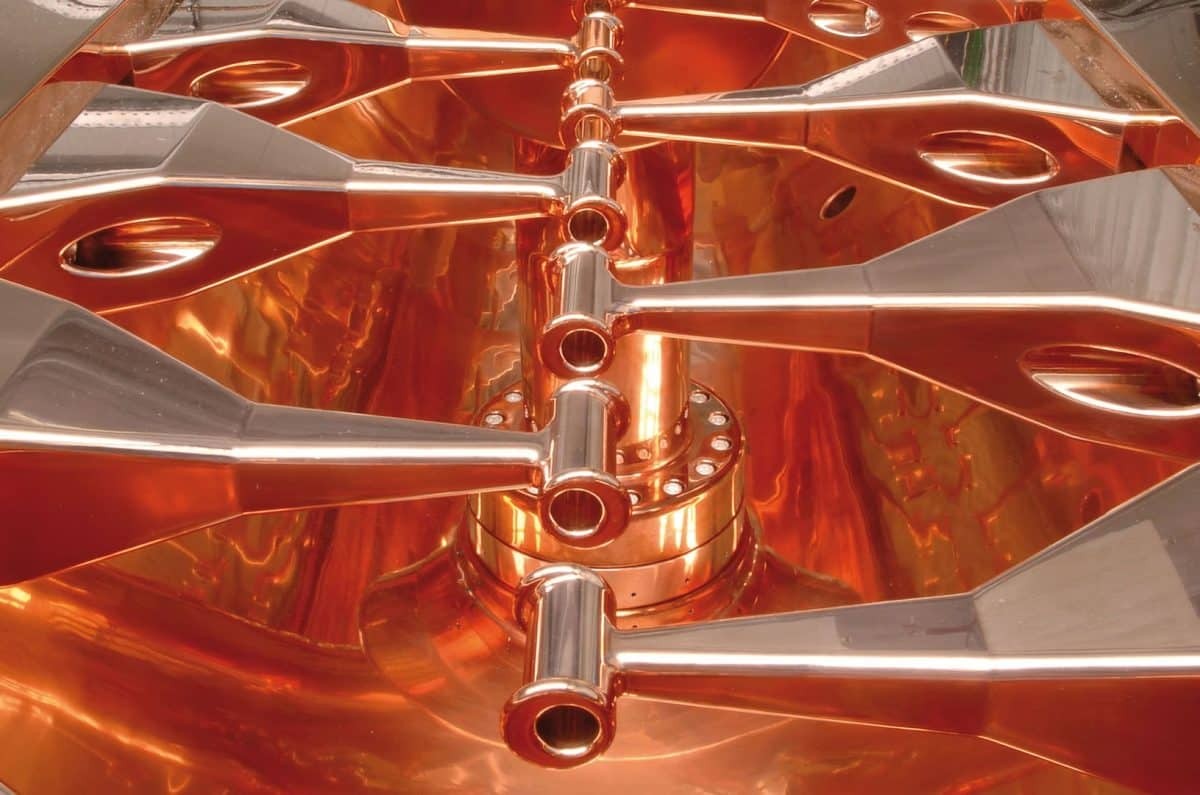
Germany Achieves First Capture of Argon Nuclei at 30% Speed of Light with Electron Cooling
On August 3, researchers at the GSI Helmholtz Centre for Heavy Ion Research in Germany successfully decelerated and captured fully ionized argon ions (^36Ar^18+) for the first time using the HITRAP highly charged ion trap facility. These ions, having lost all their electron shells, can be regarded as bare nuclei, with an initial velocity of approximately 30% of the speed of light. The research findings have been published in the journal Physical Review X. The interior of the radiofrequency resonator that slows down the ions is where highly charged ions are typically produced via particle accelerators and formed under strong electric fields and high-energy conditions. Since these ions are generated at extremely high velocities, they must first be stopped, captured, and cooled before precision physics measurements can be conducted. The research team stated that this experiment achieved, for the first time, the entire process from producing highly charged ions to storing them in a special trap for at least 11 seconds.
2026-08-04
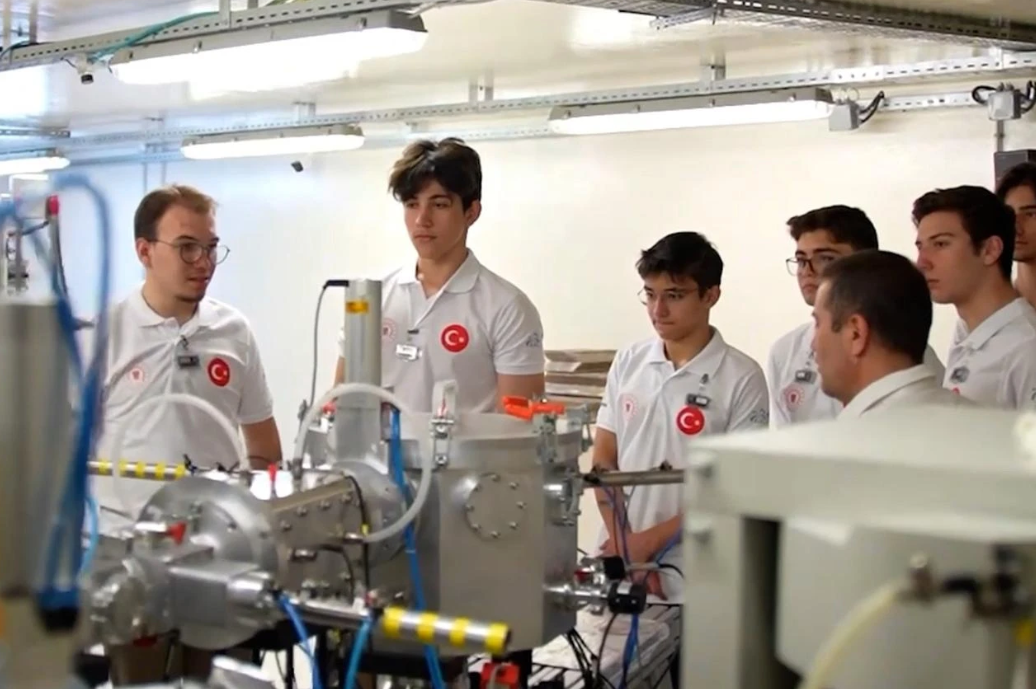
Türkiye to participate in International Nuclear Science Olympiad for first time
Türkiye will participate in the International Nuclear Science Olympiad (INSO-2026) as a competing country for the first time. The competition is scheduled to take place from August 2 to 9 in Jeddah, a city on the Red Sea coast of Saudi Arabia. According to Türkiye's Ministry of Energy and Natural Resources, the high school students representing Türkiye have completed their final preparations in the capital Ankara. The participating students come from Istanbul Private Bahçeşehir Science High School, who were selected through a nationwide competition, standing out from 30 schools to earn the right to represent Türkiye. During the preparation period, students received training in atomic structure, atomic nucleus, radiation, fission, fusion, environmental radioactivity, radiation risks and safety, as well as nuclear energy and...
2026-08-03

Serbia Launches Nuclear Program: Experts to Train in France for 17 Months, First Nuclear Power Plant Expected by 2040
The nuclear cooperation agreement signed between Serbia and France officially launched the first phase of the country's nuclear energy program on July 29. Under the agreement, Serbian experts will travel to France over the next 17 months for training, seminars, and professional visits to acquire the new knowledge and experience needed to advance the nuclear program. Radoš Popadić, Assistant Minister at Serbia's Ministry of Mining and Energy, stated that nuclear energy could become a realistic and viable solution within Serbia's energy mix. The primary task of the first phase is to assess existing capabilities and identify what additional resources are needed as the process moves forward. According to the plan, Serbia needs to strategically...
2026-08-03
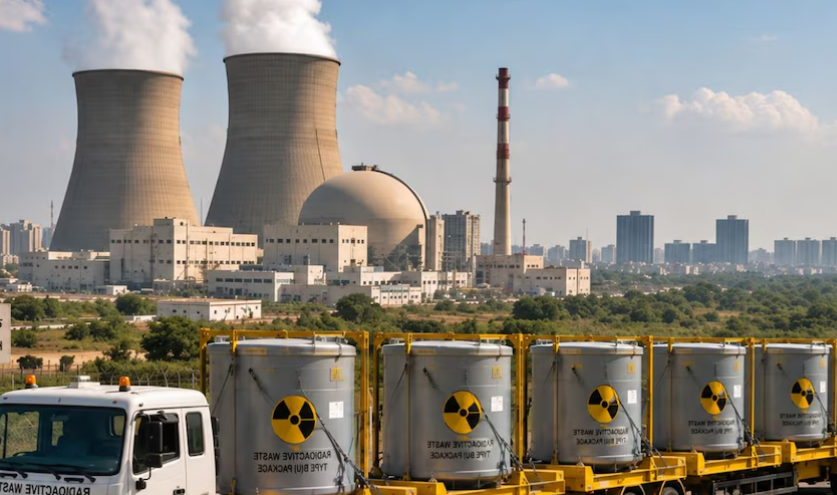
Behind India's Nuclear Power Expansion: Where Does Radioactive Waste Go? Government Details Management Process in Parliament for First Time
India is rapidly advancing its nuclear power expansion, but the safe disposal of radioactive waste is the least-publicized challenge. The government has for the first time detailed in Parliament how it handles hazardous waste. In a written reply, the Department of Atomic Energy disclosed that all nuclear power plants in India generate an average of 0.15 cubic meters (approximately 150 liters) of solid radioactive waste per megawatt (MW) of capacity annually, including waste from operational and decommissioning phases, equivalent to about 1.5 household bathtubs in volume; radioactive waste quantities and disposal records are regularly reported to the Atomic Energy Regulatory Board (AERB). The operation and maintenance of nuclear power plants generate various types of radioactive waste, including spent filter cartridges, protective clothing, tools, equipment, and other items that come into contact with radioactive materials. Waste is categorized into gaseous...
2026-08-03
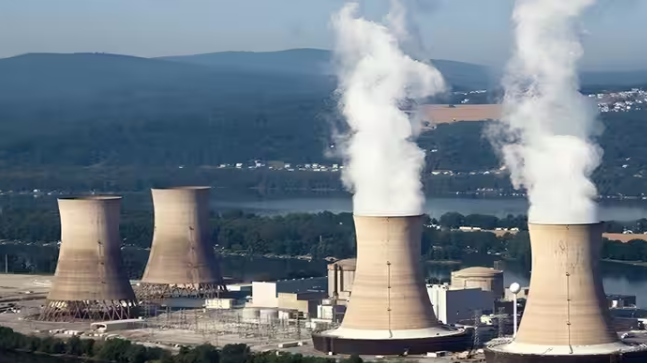
India's First Draft Rules for SHANTI Nuclear Energy Act Prepared, in Consultation with Ministries and Industry
The Indian government is formulating implementation rules for the SHANTI Act (Sustainable Harmonious Advancement of Nuclear Technology in India Act), aimed at fundamentally transforming the country's nuclear energy sector. The Act is expected to open up the previously tightly controlled nuclear industry to private companies. Relevant departments have already sought comments on these draft rules, but final publication may still take several months, as issues involving multiple agencies require careful consideration. The SHANTI Act is crucial for India's goal of achieving 100 gigawatts of nuclear power capacity by 2047. It will bring about significant structural changes to India's nuclear energy policy, integrating regulation, implementation processes, civil liability, and dispute resolution mechanisms...
2026-08-03
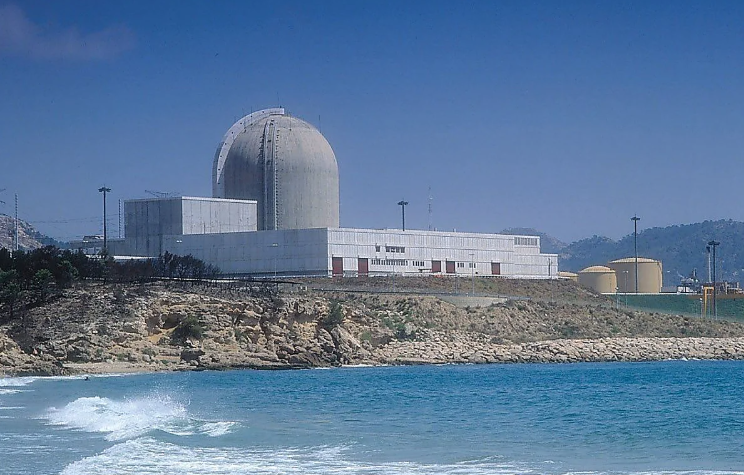
Spain's two major nuclear power holders, Iberdrola and Endesa, paid approximately €360 million in taxes and fees for nuclear power in the first half of the year
Spain's two major nuclear power holders disclosed to the CNMV: Iberdrola's expenditure on the "production tax on spent fuel and radioactive waste derived from power generation" in the first half of 2026 was €52 million (compared to €56 million in the same period last year), plus €117 million in Enresa radioactive waste management fees (levied based on each unit's monthly gross nuclear generation) (compared to €118 million in the same period last year), totaling €169 million. Endesa paid €56 million in nuclear tax items during the same period (up €3 million year-on-year), and €135 million in radioactive waste treatment fees (up €7 million year-on-year). Due to its controlling stake in Catalan nuclear units, it also paid €76 million in the Catalan environmental tax, totaling €267 million; the two companies' combined nuclear-related taxes and fees for the first half of the year amounted to approximately €336 million (text...
2026-08-03
New Progress in First-Principles Quantum Computing for Nuclear Structure
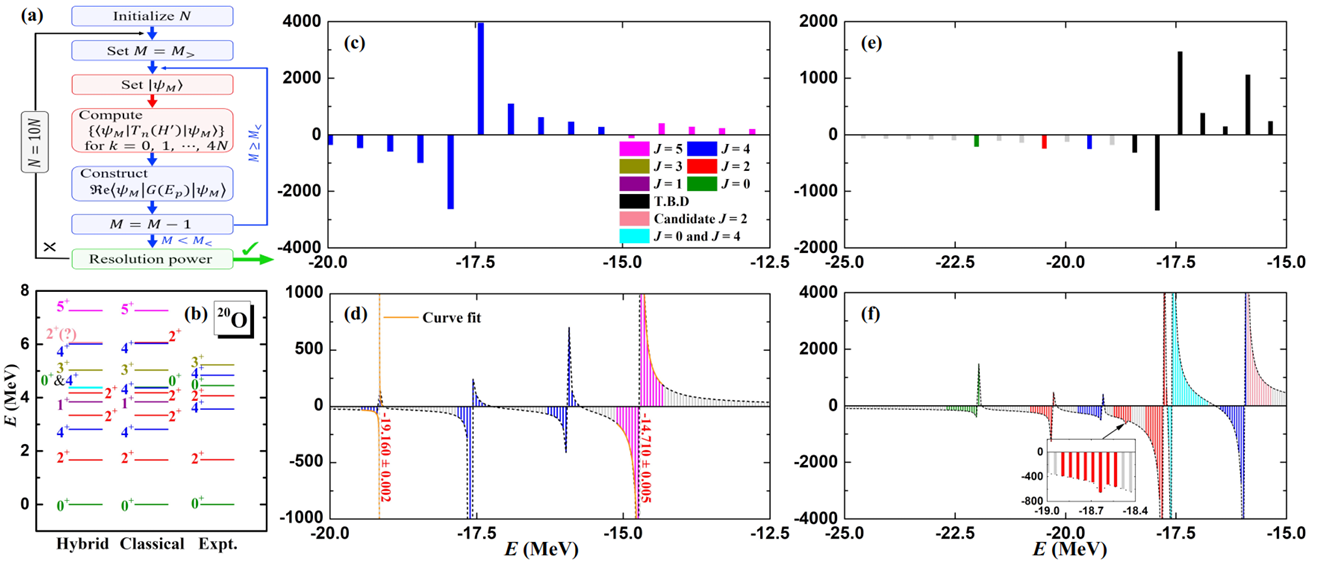
Recently, the research team at the Institute of Modern Physics, Chinese Academy of Sciences, has made new progress in quantum computing studies of first-principles nuclear structure for multi-fermion systems. The team developed a universal quantum-classical hybrid computing framework capable of calculating Green's functions and spectral functions of nuclear many-body systems. The relevant results were published as a Letter in Physical Review C. First-principles Hamiltonian many-body calculations are a core approach for revealing the laws of strongly correlated quantum systems, widely applied in fields such as quantum chemistry and nuclear physics. However, the Hilbert space of such problems grows exponentially with particle number, posing insurmountable computational resource challenges on classical computers...
2026-08-03
First Experimental Result Published from the High-Intensity Heavy-Ion Accelerator Facility
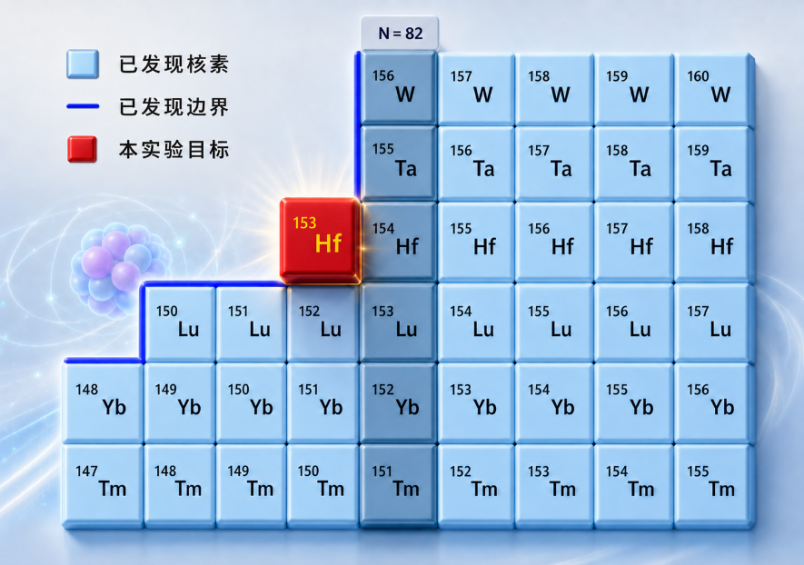
Recently, the research team from the Institute of Modern Physics (IMP) of the Chinese Academy of Sciences, together with collaborators, successfully produced and identified the rare isotope hafnium-153 using the High-Intensity Heavy-Ion Accelerator Facility (HIAF). This is the first physics result obtained during the commissioning of HIAF, demonstrating that China's new-generation high-intensity heavy-ion research facility is capable of exploring unknown nuclides and expanding the nuclear chart. It marks the official commencement of HIAF's scientific discovery journey. The result was published as a short communication in *Science Bulletin*. Figure: Position of hafnium-153 on the nuclear chart; the blue line indicates the boundary of known nuclides. Image | Hu Houyu, Li Hongfu. Atomic nuclei are composed of protons and neutrons, and different combinations of proton and neutron numbers form the diverse world of nuclides. Exploring unknown nuclides and investigating the boundaries of nuclear existence are important frontiers in nuclear physics. Hafnium-153 is located in the neutron-deficient heavy-mass region and is an important subject for studying the evolution of nuclear structure and the limits of nuclear stability. It had not been reported prior to this experiment. The discovery and precise measurement of this nuclide will help test nuclear theory models and deepen our understanding of nuclear structure regularities.
2026-08-03

Danube at Record Low, Hungary's Paks Nuclear Plant Faces First Full Shutdown in 44 Years
On August 2, Hungarian authorities stated that the Paks Nuclear Power Plant may halt electricity generation due to the Danube River dropping to a historic low. This is the country's only nuclear power plant, with an installed capacity of approximately 2 gigawatts, generating nearly half of Hungary's total electricity output. The Paks Nuclear Power Plant draws water from the Danube for cooling. Due to persistent high temperatures and insufficient rainfall, the Danube's water level has been continuously declining recently. Hungarian water authorities predict that the river, which flows from Germany to the Black Sea, will see further drops in water levels in the coming days. As of 18:37 GMT on August 2, the Paks Nuclear Power Plant's output was only slightly above 10% of its installed capacity. Péter M...
2026-08-03
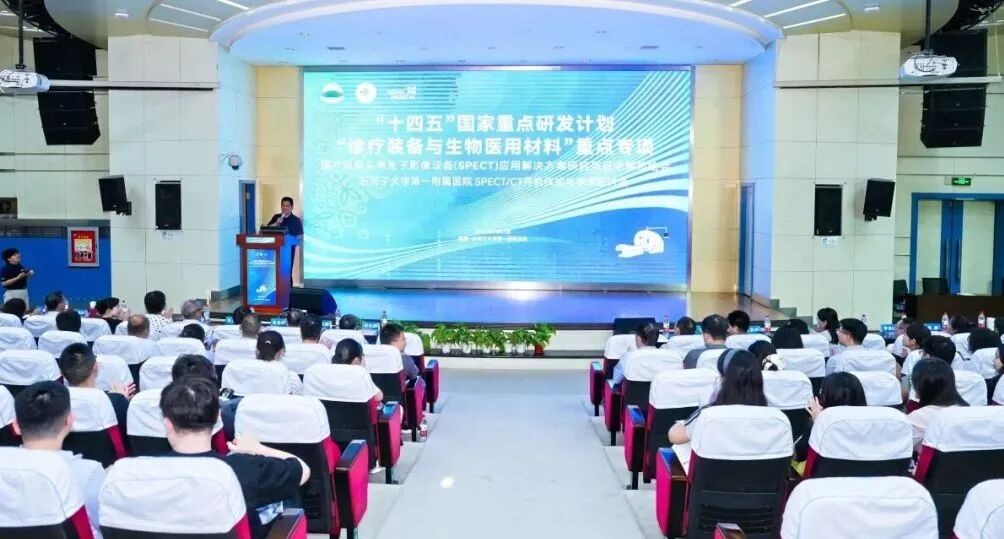
Xinjiang's First Domestically Developed SPECT/CT Put into Operation at the First Affiliated Hospital of Shihezi University
Recently, the mid-term summary meeting of the National Key R&D Program project "Research on Application Solutions for Domestically Developed Dual-Head Single-Photon Imaging Equipment (SPECT)" under the 14th Five-Year Plan, along with the SPECT/CT commissioning ceremony and academic seminar, was held at the First Affiliated Hospital of Shihezi University. The Insight four-dimensional quantitative SPECT/CT from永新医疗 (Yongxin Medical) was officially installed in Xinjiang, becoming the first domestically developed SPECT/CT system put into clinical use in the region. A representative from the First Affiliated Hospital of Shihezi University stated that the commissioning of the domestically developed SPECT/CT will help the hospital improve its precision diagnosis and treatment system in northern Xinjiang and enhance regional nuclear medicine service capabilities. Experts attending the meeting noted that the deployment of this system in clinical practice will help explore the standardized application pathways of SPECT/CT in primary hospitals and accumulate clinical experience in the use of nuclear medicine imaging equipment in western China.
2026-08-03
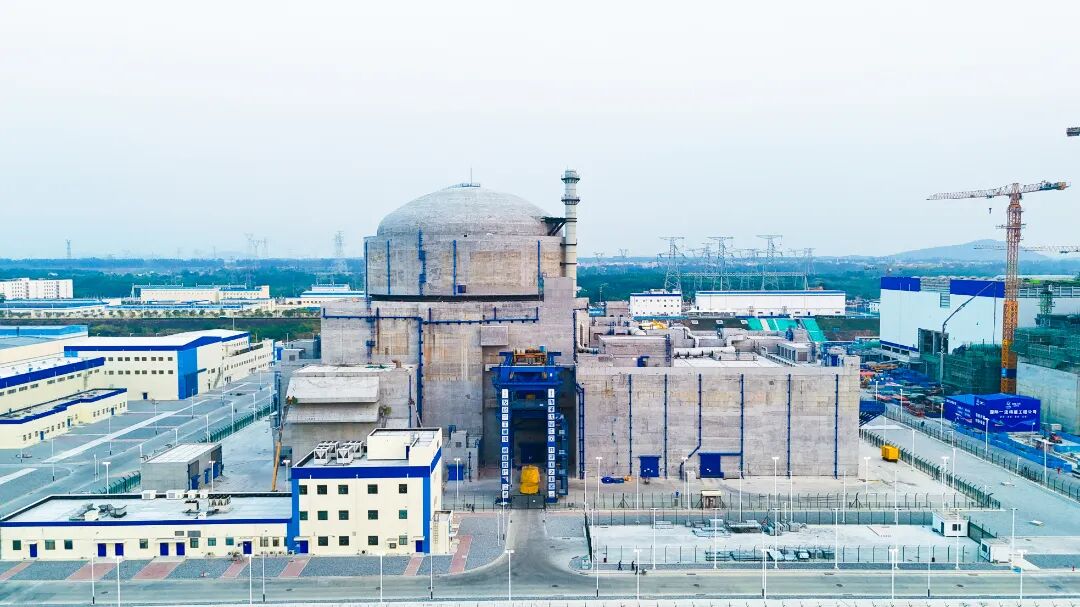
Unit 3 of the Huaneng Changjiang Nuclear Power Phase II project—Hainan Province's first "Hualong One" nuclear power project—has been connected to the grid and is generating electricity
On August 1, Unit 3 of the Huaneng Changjiang Nuclear Power Phase II Project, the first large-scale pressurized water reactor nuclear power project under controlling construction by China Huaneng Group Co., Ltd. and the first "Hualong One" nuclear power project in Hainan Province, was connected to the grid, generating Huaneng's first kilowatt-hour of pressurized water reactor nuclear power. This marks that the unit has officially gained the capability to transmit power to the grid, taking a key step toward the goal of commercial operation. The project plans to build two 1.2-million-kilowatt nuclear power units, equipped with China's independently developed third-generation pressurized water reactor nuclear power technology, the "Hualong One." It vigorously promotes the independent design of nuclear power and the localization of equipment manufacturing, and adopts a safety design concept combining active and passive systems, which can significantly improve the reliability and safety of the nuclear power plant. ...
2026-08-03
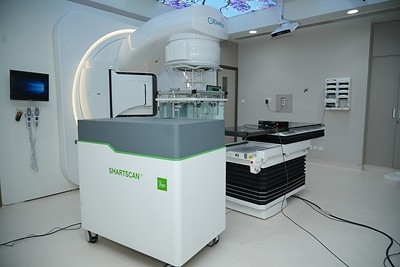
India's First Elekta Evo Installed at Manipal Hospital in Bengaluru for Online Adaptive Radiotherapy
Bengaluru, India – Manipal Hospital Yelahanka has become the first healthcare facility in India to install Elekta Evo, Elekta's AI-enhanced adaptive CT linac platform, which will support clinical teams in delivering online adaptive radiotherapy for more personalized and precise cancer treatment. The system was previously showcased at AROICON 2025, India's radiation oncology conference. According to data from the Indian Council of Medical Research, India records an estimated 1.46 million new cancer cases annually, with radiotherapy demand continuing to grow. For patients with complex conditions or those presenting at advanced stages...
2026-08-01
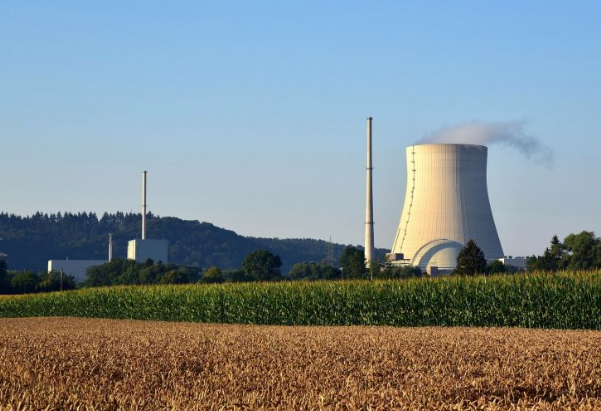
Six Polish companies enter final stage of supplier qualification for Westinghouse AP1000 first reactor
Poland's Mostostal Kielce, along with five other Polish companies, has entered the final stage of qualification jointly organized by Westinghouse and Polish Nuclear Power Company (PEJ), with the potential to participate in the construction of Poland's first nuclear power plant. The plant will be located in the Choczewo municipality and will use AP1000 technology. The six companies entering the final stage include Mostostal Kielce, FAMAK, Ferrum Welded Structures Plant, Mostostal Siedlce, Mostostal Kraków, and Energomontaż-Północ Gdynia. In the final round, they will produce structural mock-ups to verify compliance with ASME NQA-1, the international quality standard for the nuclear sector. Prior to this...
2026-08-01
American Fusion Completes First Phase of Texatron Testing at Texas Tech University
American Fusion (American Fusion, OTC: AMFN) announced on July 31 that the first phase of its proprietary Texatron Fusion Engine engineering and testing program has been completed at the Center for Emerging Energy Sciences, Department of Physics and Astronomy, Texas Tech University in Lubbock, Texas. The company stated that the project has achieved initial engineering goals and has advanced to the next phase of the Texatron development and testing program. According to reports, American Fusion's seven-member science and engineering team collaborated with Texas Tech University personnel this week on engineering assessments, subsystem...
2026-08-01