
Search Results
Keyword:IC
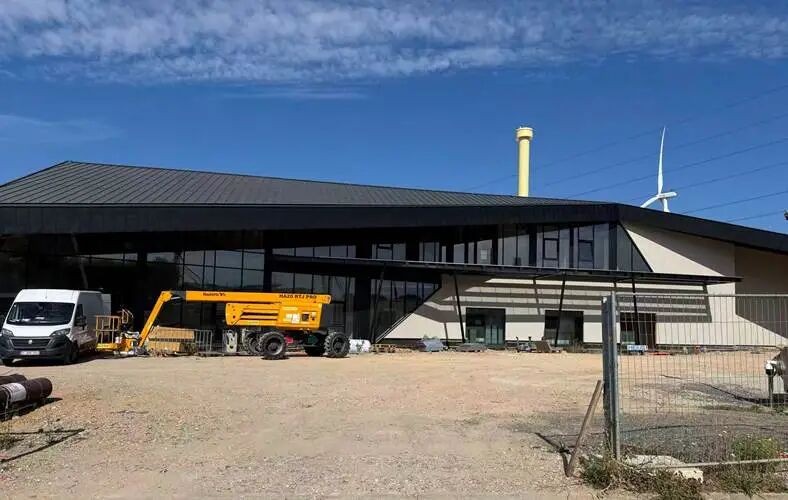
Full-Life Technologies Completes Construction of Belgian Radiopharmaceutical Production Facility and Initiates Accelerator Commissioning
Full-Life Technologies (hereinafter referred to as "Full-Life"), a privately held, fully integrated, clinical-stage international radiopharmaceutical therapy company, announced on August 20 that its radiopharmaceutical production facility in Gembloux, Belgium, has completed construction and received authorization to commence accelerator commissioning and enter the initial ramp-up phase. (Full-Life Technologies Belgium Radiopharmaceutical Production Facility) This milestone marks a significant step forward in Full-Life's vertically integrated radioisotope production capabilities moving toward formal operational status. With the completion of facility construction, the company has entered the next phase of operational preparation, including accelerator installation, phased commissioning, and validation of critical safety and operational systems.
2026-08-20
Berkeley Lab Leads Development of Portable Active-Source Muon Imager
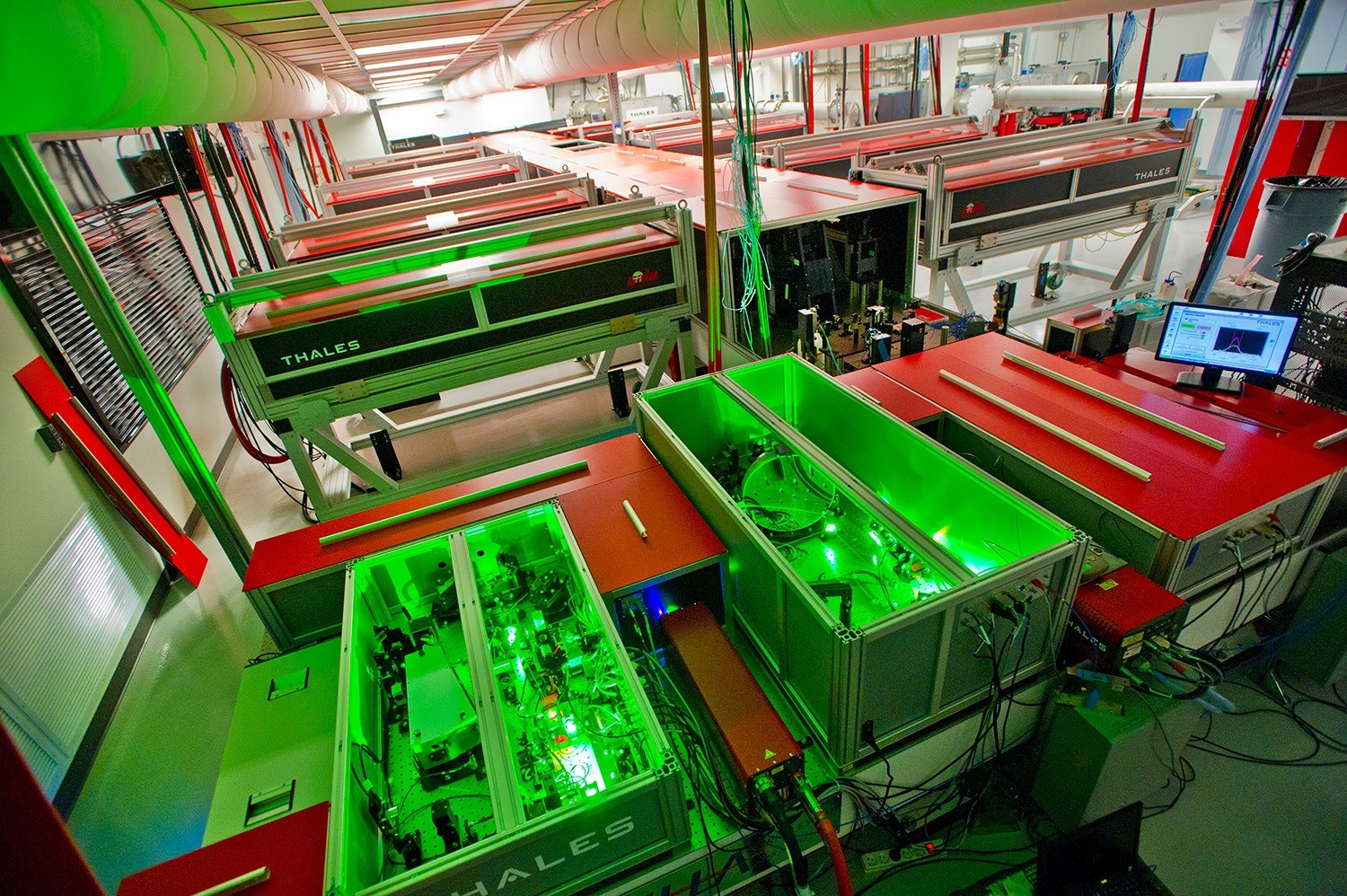
The U.S. Department of Energy's Lawrence Berkeley National Laboratory and Ideon Technologies have received funding from the DOE's Advanced Research Projects Agency-Energy (ARPA-E) to jointly develop a field-deployable active-source muon imaging technology through the Reliable Ore Characterization Using Cornerstone Sensing Technologies (ROCKS) program. The three-year project aims to enhance the detection and characterization of underground critical mineral resources. Image credit: Lawrence Berkeley National Laboratory. Muons are subatomic particles with strong penetrating capability. Previously, Ideon Technologies has used passive muons produced by cosmic rays in the atmosphere for ore body imaging in the mining sector, mapping mineral deposits and analyzing subsurface structures. However, passive muons primarily arrive from above, limiting detection angles; additionally, the natural flux is low—approximately one per square centimeter per minute—and imaging often requires days, weeks, or even months.
2026-08-20

Korean Research Team Reveals Mechanism Behind Neutron Irradiation-Induced Reliability Degradation in Ferroelectric AI Semiconductors
Jeonbuk National University announced on the 20th that a research team led by Professor Bae Hak-yeol from the Department of Electronic Engineering at its College of Engineering, in collaboration with Professor Kim Tae-wan's team at Seoul National University and Q-Beam Solution, a startup affiliated with the Korea Atomic Energy Research Institute, conducted a joint study analyzing the causes of performance degradation in next-generation ferroelectric memory and neuromorphic semiconductor devices under neutron irradiation. The findings have been published in the latest issue of ACS Applied Electronic Materials. Ferroelectric semiconductors, which can maintain their polarization state even after power is disconnected, are considered a key candidate for next-generation non-volatile memory and neuromorphic computing devices. Neuromorphic computing aims to simultaneously implement both memory and computation within a single device...
2026-08-20
Second Radiotherapy Linear Accelerator Commissioned at Buchholz Hospital in Germany
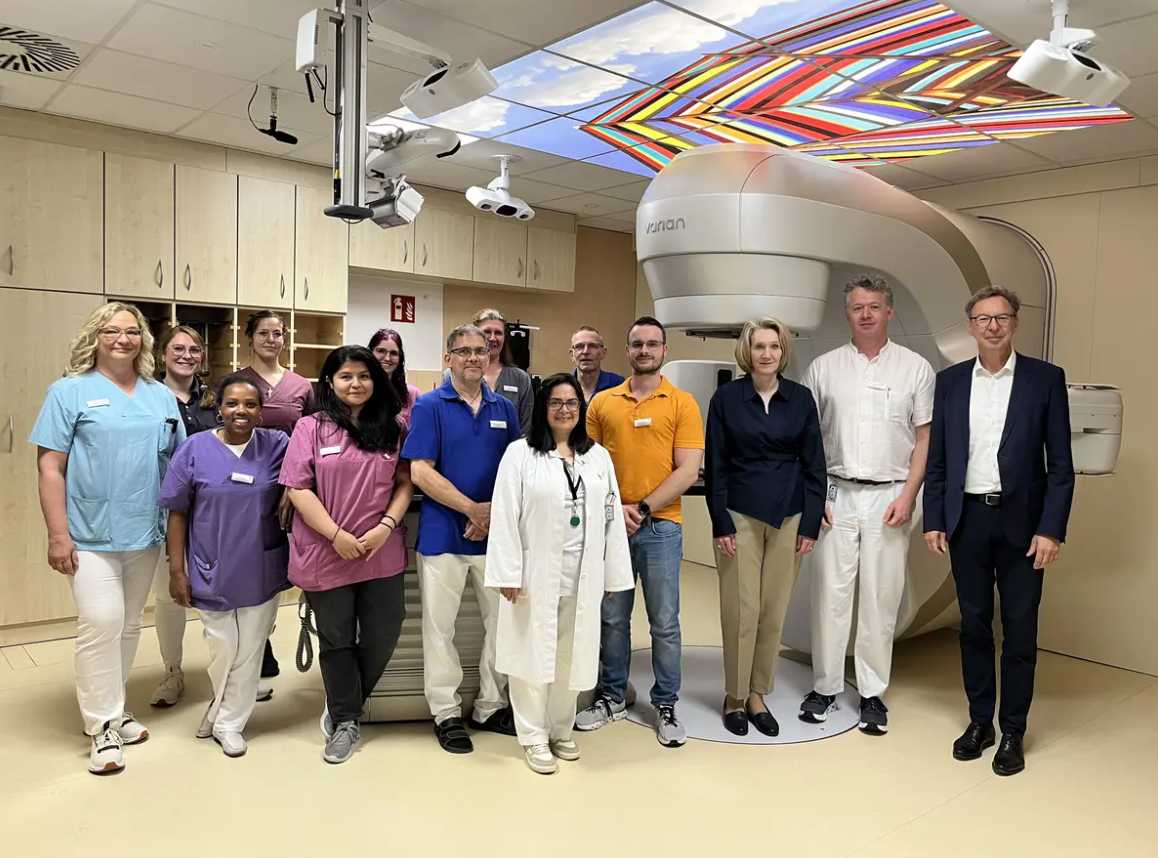
The second medical linear accelerator for cancer radiotherapy at Buchholz Hospital in the North Heath region of Germany has been commissioned. The device was activated by the hospital's radiotherapy department under the direction of Chief Physician Dr. Günter Bohlen, marking a further enhancement of local oncological radiotherapy capabilities. The management of Buchholz Hospital and Winsen Hospital, Dr. Franziska von Brunnig (third from right) and Dr. Martin Meyer (first from right), together with Chief Physician Dr. Günter Bohlen (second from right) and the radiotherapy team, posed for a photo at the official commissioning ceremony of the second linear accelerator at Buchholz Hospital. Photo: Buchholz-Winsen Hospital. According to available information, Buchholz Hospital...
2026-08-20
Yonsei Cancer Hospital in South Korea Expands Heavy Ion Radiotherapy Indications, Three Systems Operating Simultaneously
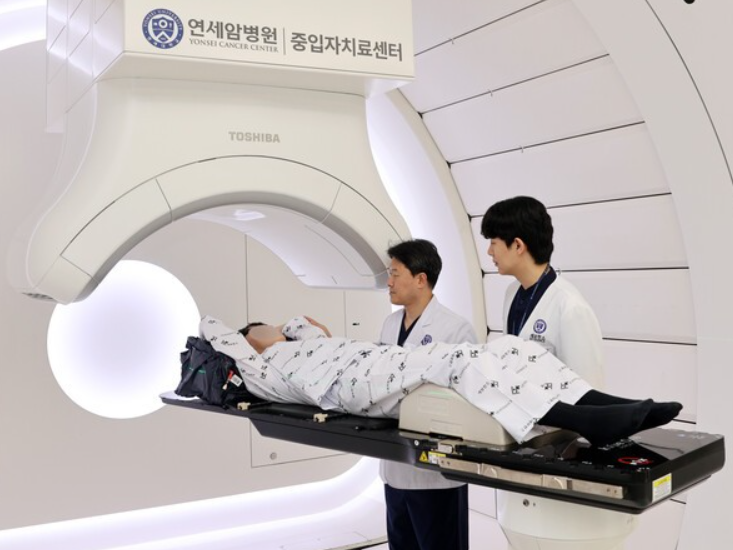
Yonsei Cancer Hospital in South Korea recently announced that it has further expanded the indications for heavy ion radiotherapy to include head and neck cancer, sarcoma, and recurrent rectal cancer. Since becoming the first hospital in South Korea to perform heavy ion radiotherapy for prostate cancer in 2023, the hospital has gradually expanded its treatment scope to cover pancreatic cancer, liver cancer, lung cancer, and other cancer types. Medical staff, including Proton Therapy Center Director Kim Woong-sub (left), are preparing for proton therapy. (Photo provided by Yonsei University Medical Center) Meanwhile, the hospital's second rotating heavy ion radiotherapy system has been fully commissioned. This brings the hospital to a configuration of one fixed-beam system and two rotating systems operating simultaneously. The hospital...
2026-08-20

Amentum Joins Babcock UK Defense Engineering Services Framework to Support Naval Nuclear Infrastructure Projects
Amentum recently announced that it has joined Babcock International Group's five-year engineering services framework, which will support projects related to nuclear energy, marine, land, aviation, and mission systems for the UK Armed Forces both domestically and overseas. The framework aims to establish closer, longer-term partnerships with key suppliers, delivering specialist engineering capabilities to critical defense programs in a more streamlined and consistent manner. Through this arrangement, suppliers can engage in multiple projects more quickly, helping to optimize procurement processes and enhance project collaboration. According to reports, this framework agreement builds on Amentum's long-standing support for Babcock-related infrastructure, involving facilities such as HMNB Devonport...
2026-08-20

Wisconsin Electric Power Company signs 20-year power purchase agreement with NextEra for Point Beach nuclear plant
WEC Energy Group said its subsidiary Wisconsin Electric Power Company has signed a 20-year power purchase agreement with NextEra Energy Point Beach to purchase 86% of the capacity, energy, ancillary services, and environmental attributes from both units of the Point Beach Nuclear Plant in Manitowoc County, Wisconsin. According to a filing submitted to the U.S. Securities and Exchange Commission (SEC), the new agreement remains subject to approval by the Public Service Commission of Wisconsin (PSC). If approved...
2026-08-20
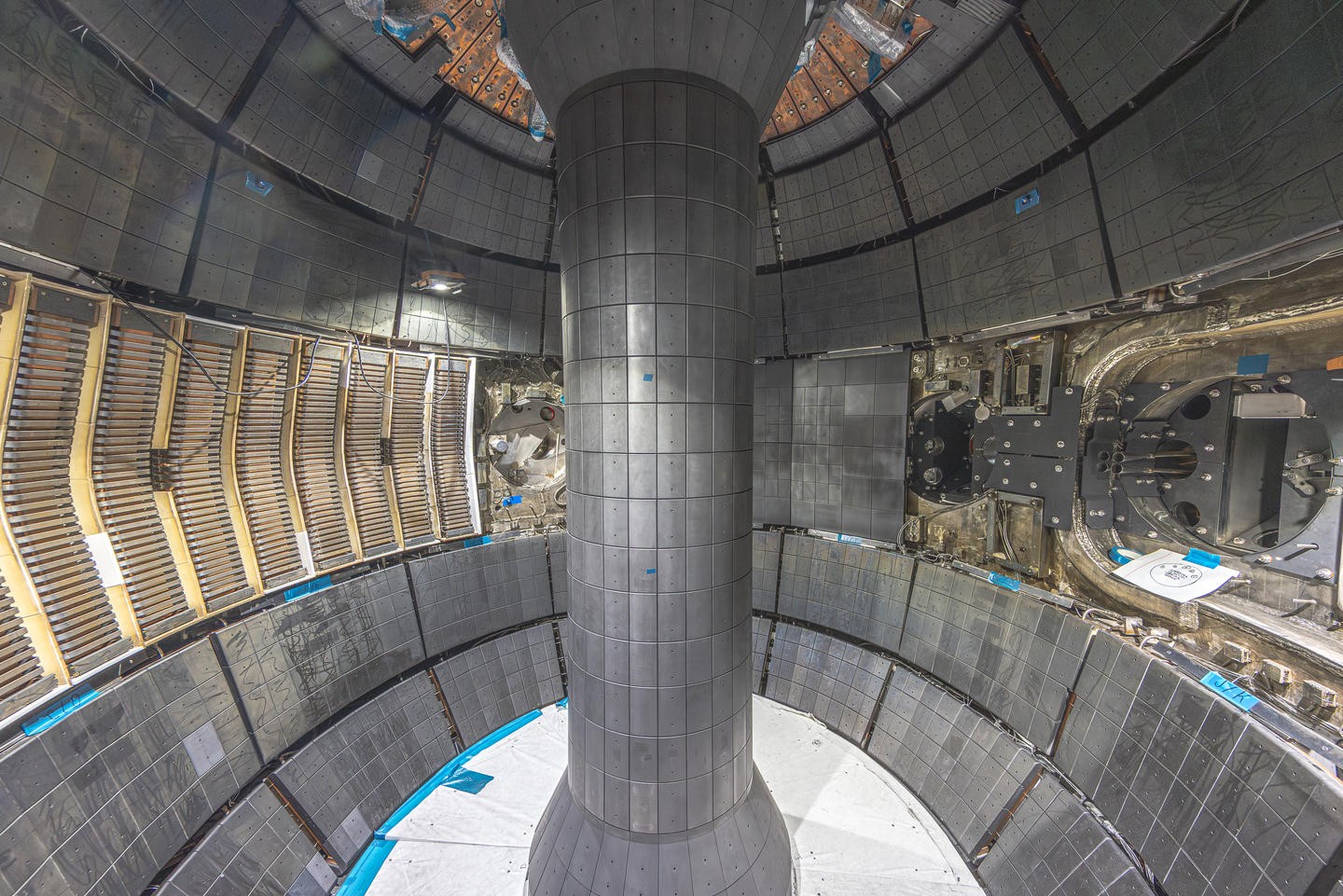
Princeton Plasma Physics Laboratory to Validate Spherical Tokamak Fusion Path with NSTX-U
The Princeton Plasma Physics Laboratory (PPPL) is advancing research on the National Spherical Torus Experiment-Upgrade (NSTX-U), planning to use this largest spherical tokamak in the United States to assess the potential of compact tokamak configurations for future fusion power plants. The device is designed to become one of the most powerful spherical tokamaks in the world and will be used to study key issues such as high-temperature plasma confinement, heat transport, material performance, and real-time control. The image above shows the vacuum vessel and center column of the NSTX-U at the Princeton Plasma Physics Laboratory (PPPL). This device will help scientists determine the optimal shape for future fusion power plants...
2026-08-20
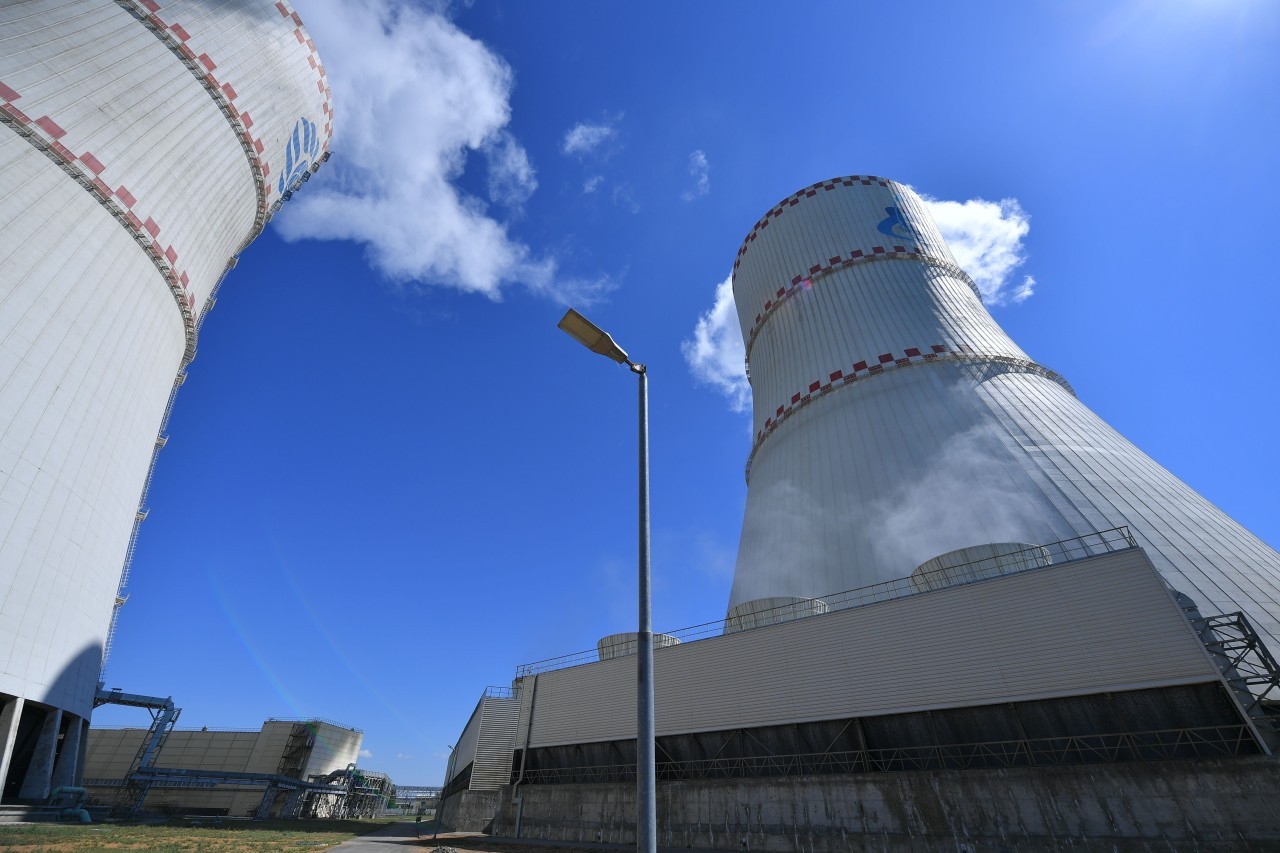
Installation of Cooling Tower Basins Completed at Rostov NPP Unit 4
The mechanical draft cooling tower project at Unit 4 of Russia's Rostov Nuclear Power Plant has recently completed the installation of all four basins, bringing the overall civil and installation readiness of the project to 80%. The facility will provide supplementary cooling capacity for Unit 4 during summer high temperatures and peak electricity demand in southern Russia. Rostov NPP is part of Rosenergoatom, the operator of Russian nuclear power plants, which is a member of the electric power division of Rosatom, Russia's state atomic energy corporation. Under the project plan, the new mechanical draft cooling tower will operate in conjunction with the existing natural draft evaporative cooling towers to enhance the unit's operational stability under high-temperature conditions. Rostov NPP's capital construction...
2026-08-20

Immersive environment launched in West Cumbria to support nuclear decommissioning
AtkinsRéalis has recently supported Sellafield Ltd in establishing a new immersive environment at the Robotics and Artificial Intelligence Collaboration facility (RAICo1) in West Cumbria, UK, to support the planning, rehearsal, and execution of nuclear decommissioning work. The project was developed in partnership between Sellafield Ltd and immersive technology company Igloo Vision. The new Robotics and Artificial Intelligence Collaboration (RAICo1) facility in West Cumbria (Image courtesy of Sellafield Ltd) The 360-degree visualisation environment can accommodate up to 10 users and can integrate remotely operated robotic systems, live data streams, and visual information within a single interactive space...
2026-08-20
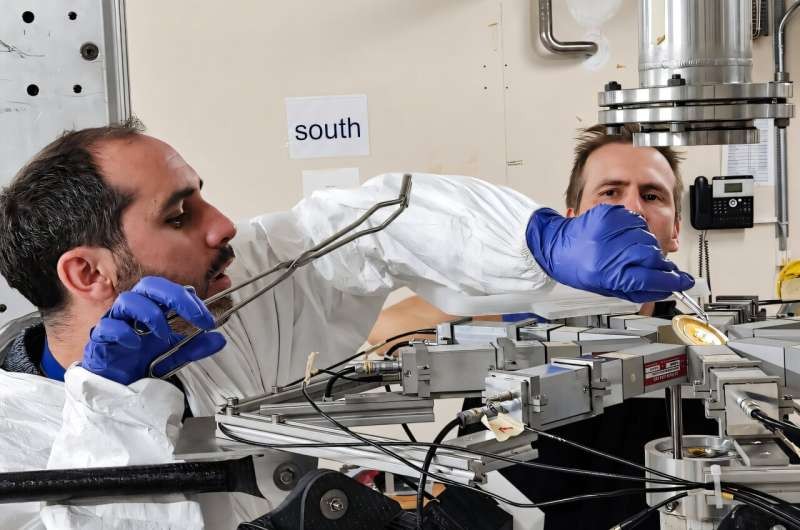
CERN measures niobium-94 neutron capture for the first time, shedding new light on the mystery of molybdenum abundance in ancient stardust
The n_TOF collaboration at CERN recently reported that researchers have for the first time measured the probability of neutron capture by niobium-94. The results, published in Physical Review Letters, provide new experimental evidence for explaining the anomalous abundance of molybdenum-94 in presolar grains. The EAR2 facility in the n_TOF experiment at CERN produces intense neutron beams, opening new possibilities for nuclear research. Credit: CERN Niobium-94 is a niobium isotope containing 41 protons and 53 neutrons, occupying a critical juncture in the nuclear reaction chain that produces heavy elements in dying stars. Researchers are interested in it because niobium-94 is very close to molybdenum-94, differing by just one fewer proton and one more neutron. Under the high-temperature, high-pressure conditions inside stars, niobium-94 may either transform into molybdenum-94 through beta decay or form niobium-95 through neutron capture. The competition between these two reaction pathways directly affects scientists' understanding of the origin of molybdenum-94.
2026-08-20
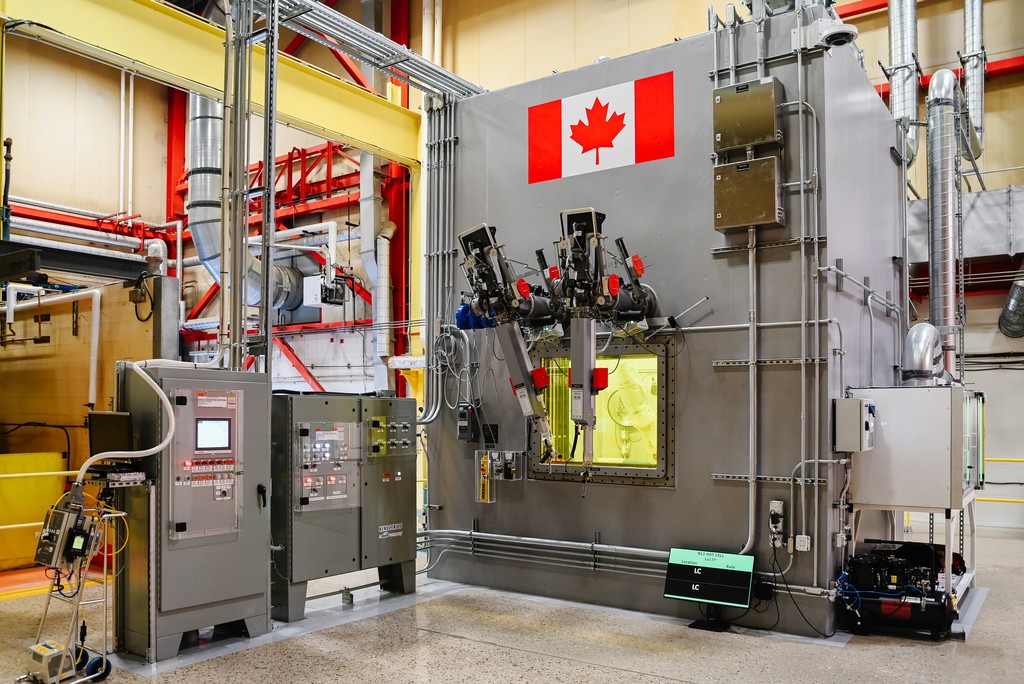
Canada Approves Bruce Power Hot Cell Facility Operations, Strengthening Lutetium-177 Medical Isotope Supply Chain
Bruce Power has recently received approval from the Canadian Nuclear Safety Commission to operate its on-site hot cell facility for target carrier removal (TCR) work, a critical step in the production process of the medical isotope lutetium-177 (Lu-177). Lu-177 is used in the treatment of prostate cancer and is increasingly applied in targeted therapies for precision medicine. Under the approval, Bruce Power can perform the relevant processing steps on site, further streamlining the isotope production process, reducing transportation requirements, while helping to enhance operational safety, lower emissions, and strengthen Ontario's capabilities in the global medical isotope supply chain. The hot cell facility was completed earlier this year...
2026-08-20

Wiley Launches Spectroscopy Analysis API Portfolio in the U.S., Enabling Rapid Identification of Unknown Compounds
HOBOKEN, N.J. — Wiley recently announced the launch of its spectroscopy analysis Application Programming Interface (API) portfolio, opening its spectral data, analytical algorithms, and predictive models to laboratories, instrument vendors, and software platforms to help users identify and verify unknown compounds faster within their own workflows. According to the company, Wiley has long been building scientific reference databases, with its spectral data applied across pharmaceuticals, forensics, environmental science, chemistry, food, and materials. The newly launched API portfolio aims to integrate these databases and analytical tools into more modern software environments, enabling laboratories to incorporate high-quality spectral information directly into existing...
2026-08-20
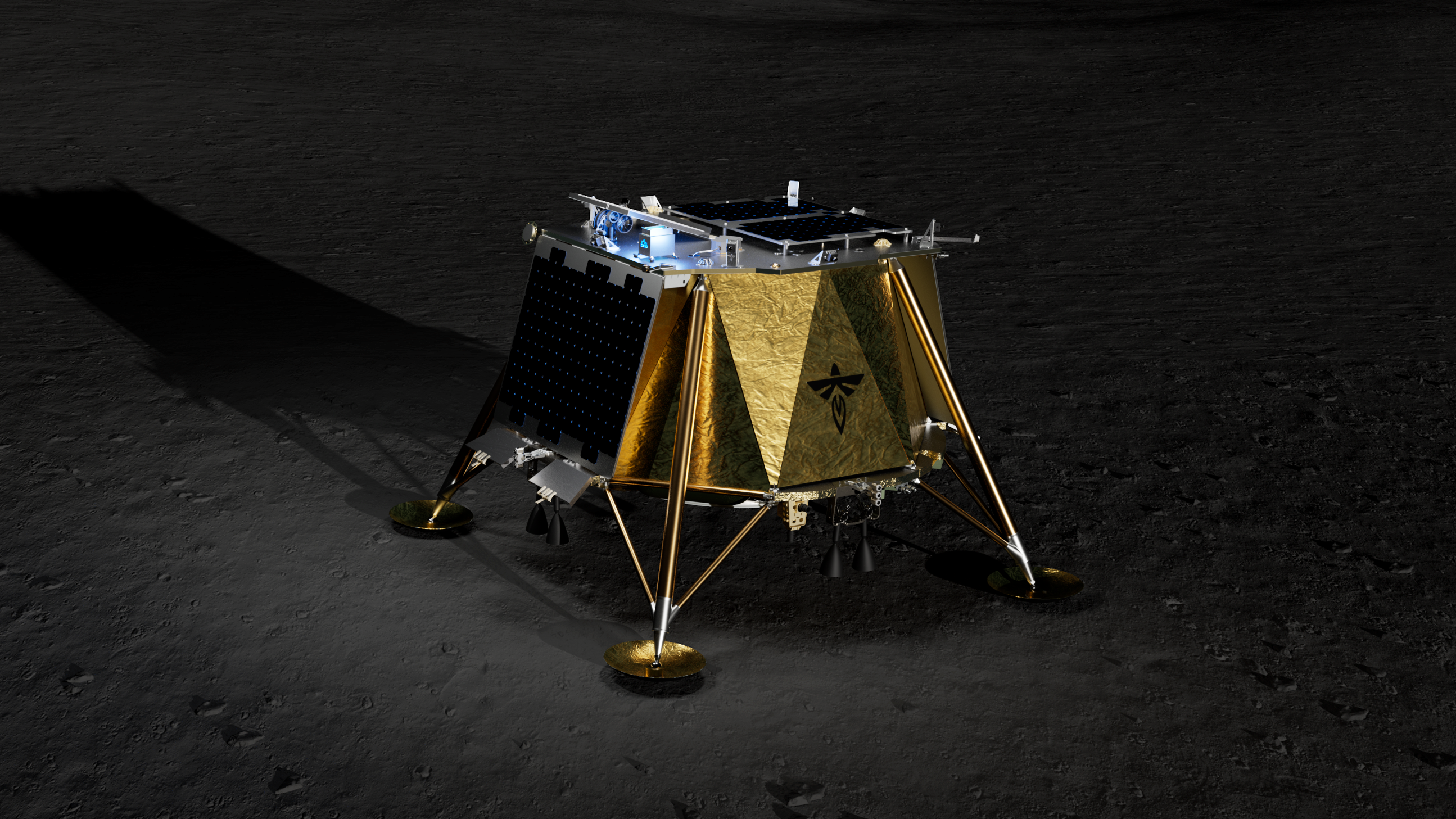
Firefly Aerospace to Fly Zeno Power Radioisotope Heater to Validate Lunar Night Survival Capability
Firefly Aerospace announced on August 19 that it has reached a commercial payload agreement with Zeno Power Systems to carry Zeno's Lunar Night Survival Package and radioisotope heater unit on a Blue Ghost lunar lander mission. The mission is scheduled to launch no earlier than 2028 and aims to verify whether the relevant nuclear power technologies can help spacecraft, lunar infrastructure, and future lunar base systems continue operating through the long, extremely cold lunar night environment. *Rendering of Firefly's Blue Ghost lunar lander with Zeno Power's Lunar Night Survival Package on its top deck. Under the plan, Zeno's payload will travel with Blue Ghost to the lunar nearside...
2026-08-20
NRC Initiates Pre-Application Review of Terra Innovatum's SOLO Construction Permit Application
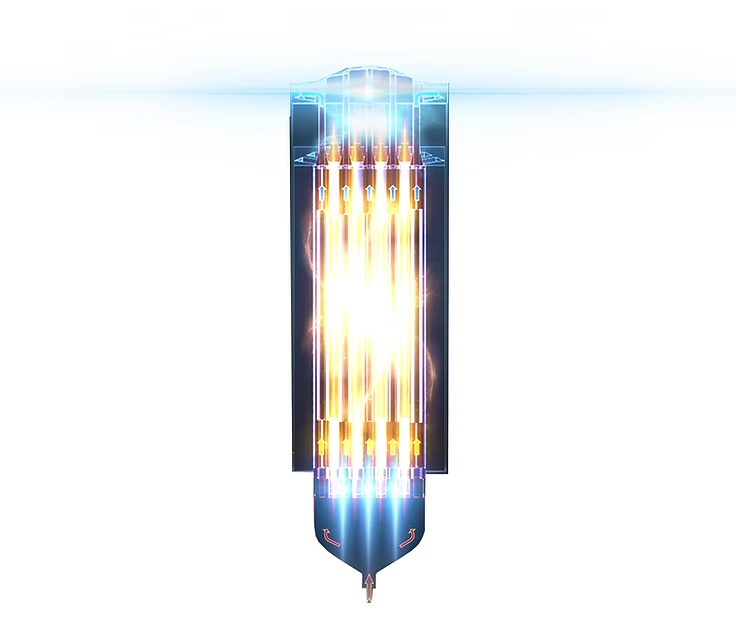
The U.S. Nuclear Regulatory Commission (NRC) has initiated the first phase of its readiness review of selected materials from the proposed construction permit application (CPA) for the SOLO micro modular reactor submitted by Terra Innovatum Global NV. This review is a limited-scope pre-application assessment designed to help the applicant identify potential information gaps, technical issues, or policy concerns early in the process. According to the schedule published by the NRC, Terra Innovatum requested a two-phase readiness review of its proposed construction permit application on July 20, 2026. The NRC subsequently developed a review plan, and the first phase began on August 10, 2026, through a kickoff meeting...
2026-08-20