
Search Results
Keyword:IC
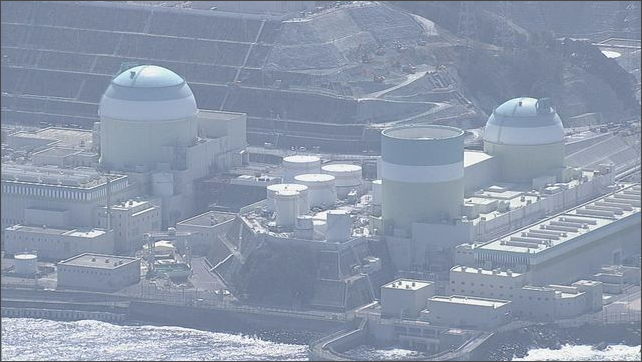
Second Phase of Decommissioning for Unit 1 of Japan's Ikata Nuclear Power Plant Approved by Prefectural Committee
The Environmental Safety Management Committee for the Ikata Nuclear Power Plant in Ehime Prefecture, Japan, held a meeting in Matsuyama City on September 2 to discuss plans by Shikoku Electric Power to proceed with the second phase of decommissioning for Unit 1 of the Ikata Nuclear Power Plant. The unit, located in Ikata-cho, Ehime Prefecture, is currently in the process of being decommissioned. The decommissioning of Unit 1 at the Ikata Nuclear Power Plant has been divided into four main phases. Shikoku Electric Power had previously conducted prior consultations with Ehime Prefecture and Ikata-cho regarding the transition to the next phase, obtained local consent, and submitted relevant applications to Japan's Nuclear Regulation Authority (NRA). In July of this year, the NRA approved the application...
2026-09-03
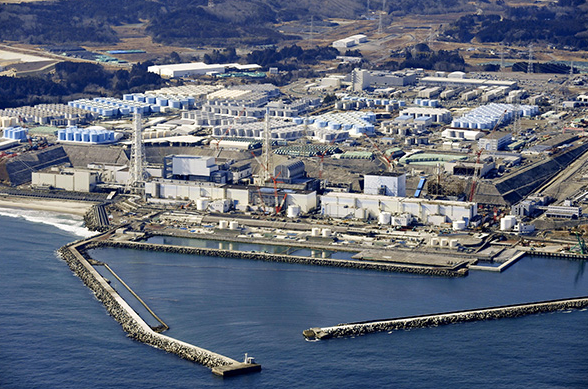
Japan considers expanding reuse of decontaminated soil from Fukushima
Japan's Environment Minister Ishihara stated after a Cabinet meeting on September 1 that the government is considering and coordinating efforts to continue the decontaminated soil reuse project from Fukushima Prefecture at government offices and other locations in other regions, in order to raise public awareness of the relevant systems and safety management approaches. Following the Fukushima Daiichi Nuclear Power Station accident, large volumes of soil removed during decontamination operations in Fukushima Prefecture are currently stored at an interim storage facility within the prefecture. Under Japanese law, this soil must be finally disposed of outside the prefecture by March 2045. To reduce the volume of final disposal, the Japanese government is promoting the reuse of decontaminated soil with lower radiation levels. Late last month, construction work was carried out at national government joint office buildings in Sendai City and Saitama City, with soil for flower beds and other areas delivered to the sites. This marked the first time decontaminated soil was reused at such government facilities outside the Tokyo region.
2026-09-03
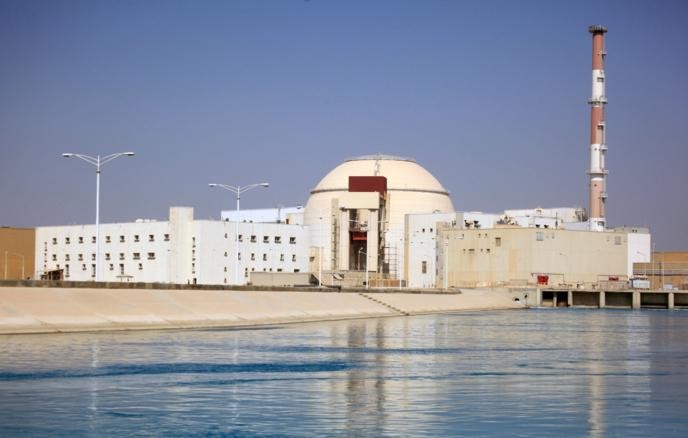
Russian personnel to participate in routine maintenance of Unit 1 at Iran's Bushehr Nuclear Power Plant
Rosatom Director General Alexey Likhachev stated during the Eastern Economic Forum that Russian personnel plan to participate in the routine preventive maintenance work at Unit 1 of Iran's Bushehr Nuclear Power Plant, which is scheduled to begin in mid-September. Likhachev said another group of workers has already arrived at the Unit 1 site of the Bushehr Nuclear Power Plant. Nuclear fuel for replacing some fuel assemblies has also been delivered to Iran. In addition to participating in the construction of Units 2 and 3 at the Bushehr Nuclear Power Plant, Russian personnel will also provide services for the operating unit. According to him, 45 Rosatom employees are currently working at the Bushehr Nuclear Power Plant, with another...
2026-09-03

Qinshan Nuclear Power Completes Overhaul Validation of Grille Cleaning Robotic Arm
The grille cleaning robotic arm, an integrated system of UAV-based intelligent inspection and robotic arm automatic cleaning independently developed by the Mechanical Team of the Fourth Maintenance Division at Qinshan Nuclear Power, recently completed on-site validation during the Unit 2 312 overhaul at Qinshan Phase II. Designed for seawater system intake grille cleaning scenarios, this equipment transforms the original manual operation requiring entry into deep wells into an unmanned operation conducted under ground-based remote monitoring. The intake grille serves as a critical barrier for the cooling water system of a nuclear power plant, and its unobstructed condition is directly related to the stable operation of the unit. In traditional cleaning methods, workers were required to enter narrow shafts more than twenty meters underground to perform inspection and cleaning in confined spaces, which involved high labor intensity, low efficiency, and safety risks such as falls from height...
2026-09-03
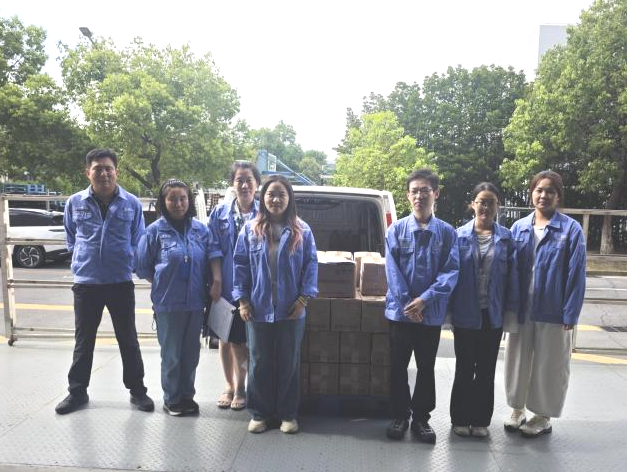
SNPAS Successfully Completes Batch Shipment of 45 Nuclear-Grade Paperless Recorders
On August 27, SNPAS successfully completed factory acceptance and shipment of 45 nuclear-grade paperless recorders. This batch delivery marks that the product has completed full-process technical iteration, with all production links across the entire chain moving toward standardization. Domestic nuclear-grade display and control equipment now possesses sustained and stable batch supply capability, with continuously growing market recognition. The nuclear-grade paperless recorder is a core product of the high-reliability display and control platform based on FPGA (Field Programmable Gate Array) architecture. The entire product operation process involves no CPU or operating system, fundamentally resolving the industry pain points of traditional display and control equipment, namely difficult operating system verification and vulnerability to virus attacks. It inherently features virus resistance, no system freezes, instant startup, and fast response...
2026-09-03

Chinese Research Team Develops Novel Adsorbent Material for Uranium Extraction from Seawater
On September 2, it was learned from the Qingdao Institute of Bioenergy and Bioprocess Technology, Chinese Academy of Sciences (hereinafter referred to as "QIBEBT") that the research team has recently made a series of advances in the field of uranium extraction materials from seawater. The team introduced discrete molecular topological design into porous organic cage systems for the first time, synthesizing the phosphate-functionalized material PhosCage, and further compounded it with aramid nanofibers to prepare composite aerogel microspheres AC-POC possessing high selectivity, high capacity, and anti-biofouling capability. The relevant results were published in the international academic journals Journal of Hazardous Materials and Separation and Purification Technology. The deep ocean harbors a vast uranium reservoir, but how to economically and efficiently extract uranium from it remains...
2026-09-03
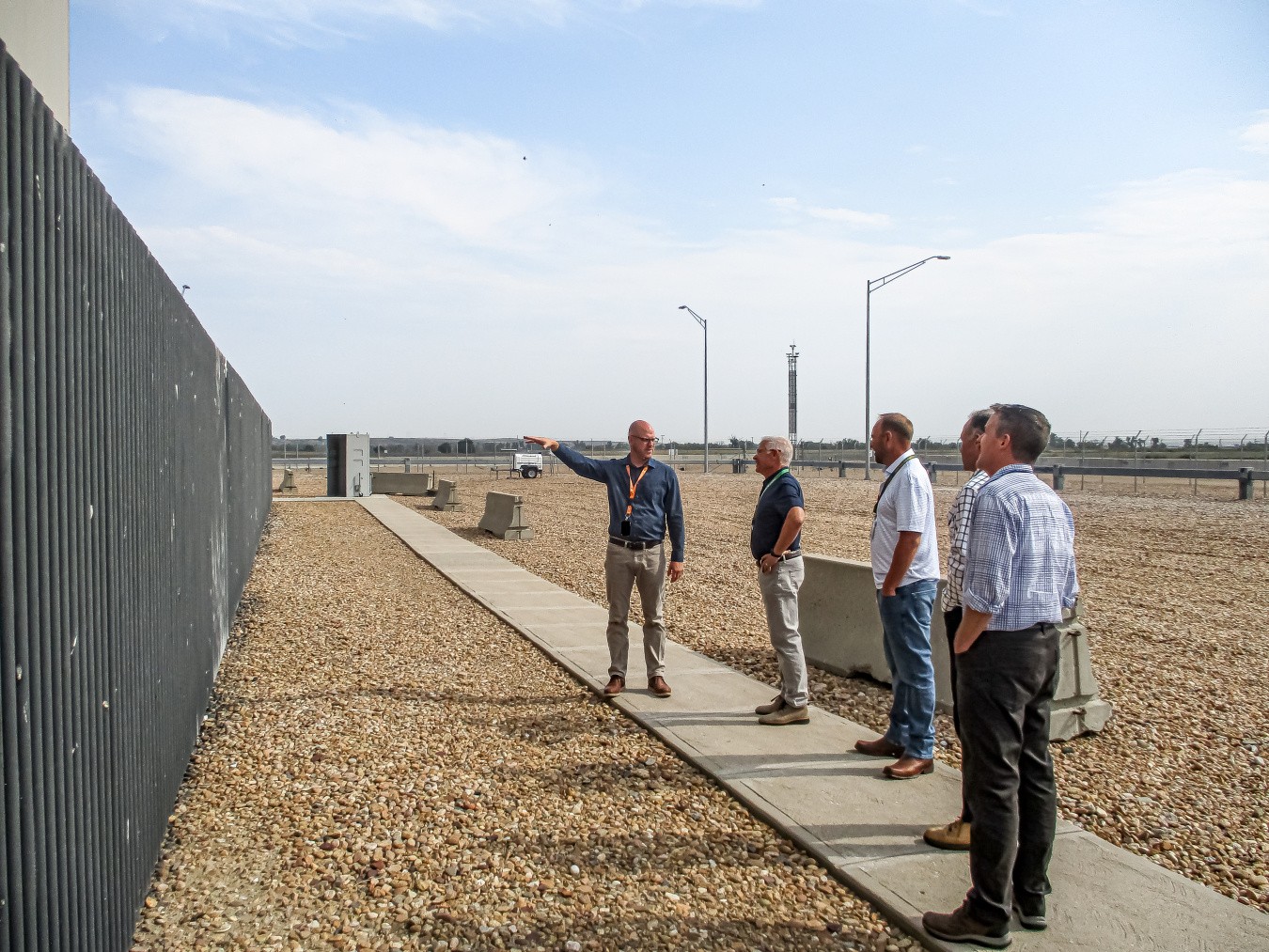
DOE Officials Visit Fort St. Vrain Spent Fuel Storage Facility in Colorado
Tim Walsh, Assistant Secretary of the U.S. Department of Energy's Office of Environmental Management (EM), recently visited the Fort St. Vrain spent nuclear fuel storage facility near Platteville in northern Colorado. The facility is managed by the DOE's Idaho Cleanup Project (ICP) and its contractor, Idaho Environmental Coalition (IEC). During the visit, Walsh inspected the storage facility and multiple supporting buildings to learn about the operational mission and historical background of the Fort St. Vrain facility. The facility currently stores spent nuclear fuel from the former Fort St. Vrain power station, which operated using gas-cooled reactor technology and was shut down in 1979...
2026-09-02

LUX-ZEPLIN Experiment Reports Anomalous Event in Dark Matter Search, More Data Needed for Verification
On September 1, the LUX-ZEPLIN (LZ) dark matter direct detection experiment released a new analysis result: researchers recorded a single-particle interaction event in the data whose characteristics could be interpreted as a Weakly Interacting Massive Particle (WIMP) signal, but the current evidence is insufficient to confirm a dark matter discovery. The LUX-ZEPLIN main detector is shown in a surface laboratory before being installed underground. (Matthew Kapust/Sanford Underground Research Facility) The LZ experiment involves approximately 250 scientists and engineers from 39 institutions, with the detector located nearly one mile underground at the Sanford Underground Research Facility in South Dakota, USA, and managed by the U.S. Department of Energy's Lawrence Berkeley National...
2026-09-02
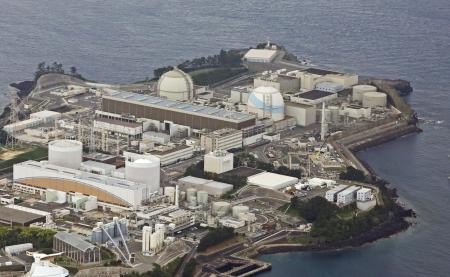
Unit 4 of Japan's Genkai Nuclear Power Plant Receives 72 New Fuel Assemblies
Kyushu Electric Power Co. announced on September 1, 2026, that Unit 4 of the Genkai Nuclear Power Plant has completed the receipt of a batch of new fuel. The new fuel was processed and shipped by Mitsubishi Nuclear Fuel Co., Ltd., with transportation carried out from August 27 to September 1, 2026. According to Kyushu Electric Power, the new fuel delivered to Unit 4 of the Genkai Nuclear Power Plant consists of 72 fuel assemblies, transported in 36 shipping containers via both land and sea routes. Two control rod assemblies were also transported along with this batch of fuel. Fuel used in nuclear power plants...
2026-09-02

U.S. to Conduct Underwater Neutrino Detection Tests in Lake Superior and Vermilion Lake
From October 2026 to approximately April 2027, a team of researchers from U.S. universities and government agencies will conduct underwater neutrino tests in Lake Superior and Vermilion Lake. The project, named the Experimental Neutrino Detector (END), aims to validate a baseline detection system in natural water bodies to identify the NuMI neutrino beam produced by Fermi National Accelerator Laboratory and distinguish it from cosmic-ray backgrounds and other noise in shallow-water environments. END will place underwater neutrino detectors on the lakebed of Lake Superior where the Fermilab neutrino beamline passes through—near Two Harbors, Minnesota. The beamline will continue toward...
2026-09-02
Japan Approves Adjusted Tsunami Height Assessment for Genkai Nuclear Power Plant
At its regular meeting held on September 2, Japan's Nuclear Regulation Authority (NRA) formally approved Kyushu Electric Power Co.'s assessment of the maximum potential tsunami height at the Genkai Nuclear Power Plant site in Saga Prefecture. Under this adjustment, the maximum tsunami height on the northwest side of the Genkai plant site has been raised to 14 meters; previously, the maximum tsunami height on the north side of the site was 6 meters. The NRA determined that the ground surface on the northwest side of the Genkai plant site is covered by bedrock with an elevation of 16 meters, and therefore no additional disaster prevention measures are required even under the new tsunami height assessment. In July, the NRA had already approved the review report draft submitted by Kyushu Electric Power...
2026-09-02
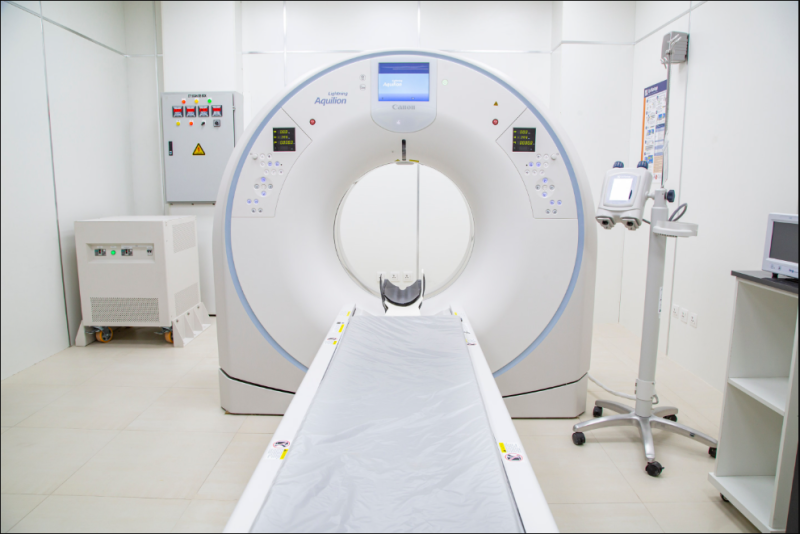
Sejong City Requests National Support for Proton Cancer Therapy Center Budget
On September 2, 2026, the Democratic Party of Korea and Sejong City held their first budget policy consultation meeting at the Sejong City Government to discuss key agenda items and budget support for the city. At the meeting, Sejong City Mayor Cho Sang-ho requested the Democratic Party's attention to several issues, including securing national funding for the construction of a cancer proton therapy center, improving the general grant system for Sejong City, and promoting the passage of the Special Act on the Administrative Capital within the year. After the closed-door consultation, a relevant spokesperson stated in a briefing that the meeting proposed allocating 300 million KRW each in the next year's national budget for a feasibility study on the construction of the cancer proton therapy center and for the formulation of the basic plan for the National Central Bioresource Center.
2026-09-02
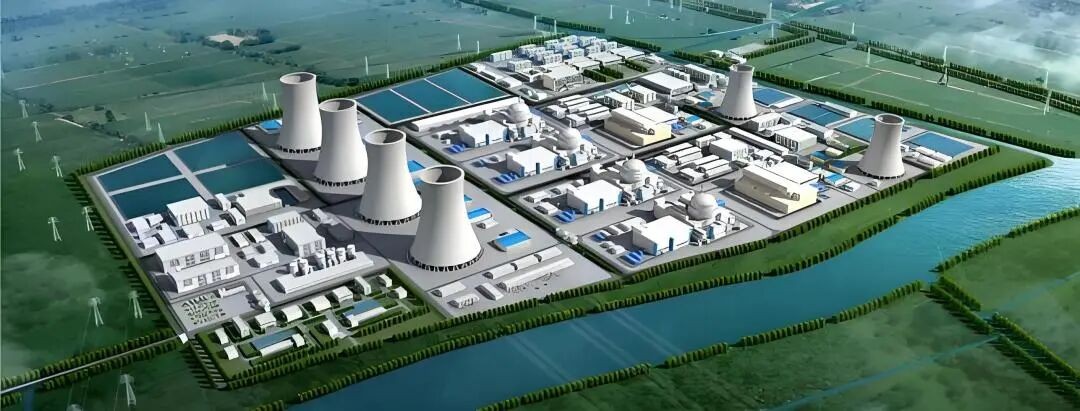
Hiconics Signs Contract for Main Helium Circulator Variable Frequency Drive Project at Xuwei Nuclear Heating and Power Generation Plant
Recently, Hiconics signed a contract for the main helium circulator variable frequency drive (VFD) project for the high-temperature gas-cooled reactor (HTGR) at the Jiangsu Xuwei Nuclear Heating and Power Plant, and will supply multiple sets of HC2000W four-quadrant water-cooled high-voltage VFDs for the project. This marks the second application of Hiconics' VFD technology in drive scenarios for key equipment related to Generation IV nuclear power, following the HTGR demonstration project at Huaneng Shandong Shidao Bay Nuclear Power Plant. The Jiangsu Xuwei Nuclear Heating and Power Generation Project is a comprehensive nuclear energy utilization project that adopts a coordinated operation model of "nuclear reactor – turbine generator unit – heating system," focusing primarily on industrial heating while also supplying electricity. Phase I of the project plans to construct two Hualong One pressurized water reactors and one HTR-PM600S high-temperature gas-cooled reactor...
2026-09-02

Russian Academy of Sciences Reveals Mechanism of Microbial Bioremediation Reducing Actinide Content in Groundwater
September 1, 2026 news: Researchers from the Vernadsky Institute of Geochemistry and Analytical Chemistry of the Russian Academy of Sciences, in collaboration with the Frumkin Institute of Physical Chemistry and Electrochemistry of the Russian Academy of Sciences and other institutions, studied the biogeochemical mechanisms affecting the distribution of actinides such as uranium, plutonium, and neptunium during bioremediation of nitrate-contaminated groundwater. Radionuclide-contaminated groundwater is a significant environmental issue in areas associated with nuclear fuel cycle facilities. Long-lived actinides such as uranium, plutonium, and neptunium, once released into the environment, can migrate over considerable distances with groundwater. Bioremediation, which alters geochemical conditions by stimulating natural microbial processes in the subsurface environment, is considered a potential approach for remediating contaminated zones...
2026-09-02
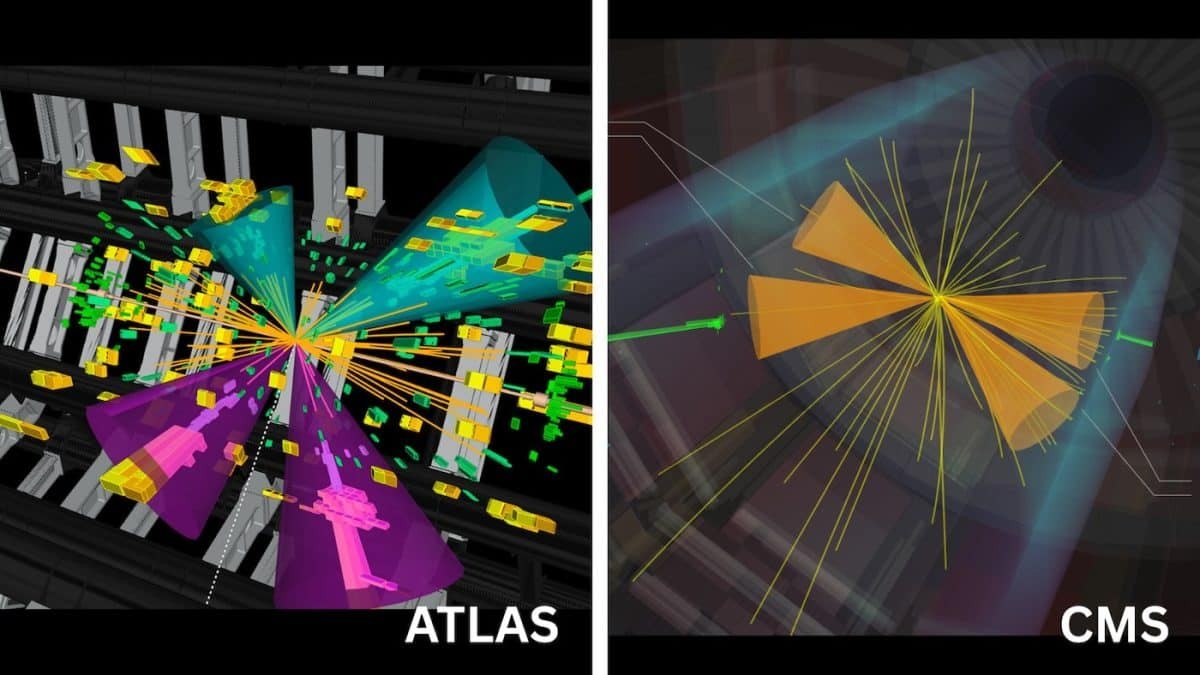
CERN Finds Statistical Hints of Higgs Boson Pair Production
Physics teams at CERN have recently found statistical hints of Higgs boson pair production in data analysis from the Large Hadron Collider. Researchers analyzed millions of collision results over eight years at the collider, with the findings presented at the ICHEP conference and published as two preprints. The figure shows schematic diagrams of events involving the production of two Higgs bosons as observed by ATLAS (left) and CMS (right) CERN The Higgs boson was discovered in 2012, and since then physicists have continuously measured its interactions with other elementary particles to test the Standard Model's explanation of the origin of mass. However, the self-interaction of the Higgs boson has not yet been directly observed.
2026-09-02