
Search Results
Keyword:Nuclear Fusion
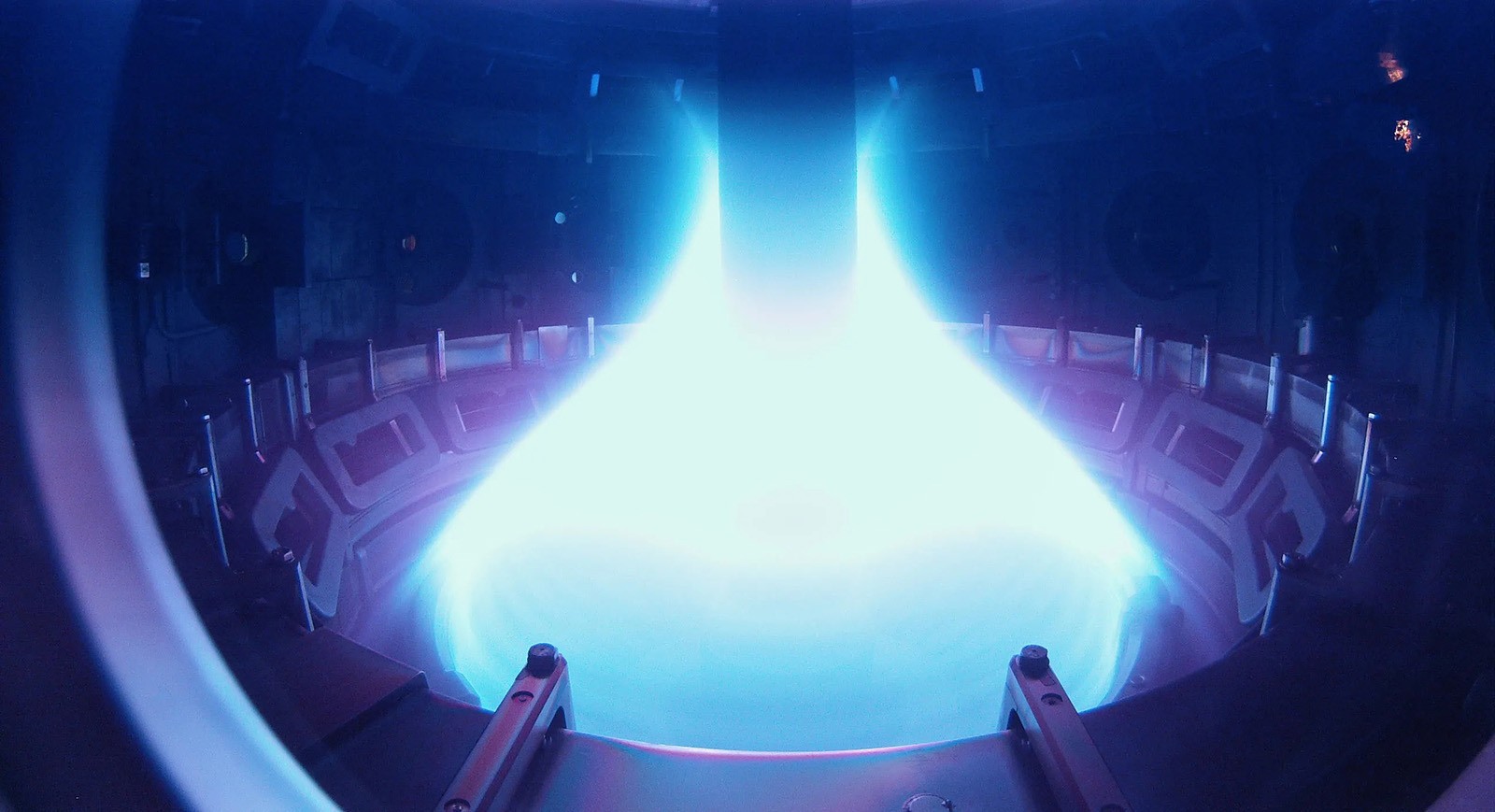
Joint Institute for High Temperatures of the Russian Academy of Sciences Discovers a New Phase Transition in Cesium Plasma: Abrupt Conductivity Jump and a Rare Double Critical Point
A research team from the Joint Institute for High Temperatures of the Russian Academy of Sciences (JIHT RAS / ОИВТ РАН) has achieved an important physics advance in the study of extreme high-temperature and high-pressure states: researchers have discovered a previously undescribed phase transition in cesium (Cesium) under dense plasma conditions, accompanied by a dramatic jump-like change in electrical conductivity. The study focuses on the microscopic physical behavior of matter at temperatures from 500 to 20,000 Kelvin (K) and pressures ranging from about 1 hectopascal (hPa) to several terapascals (TPa). Under such severe extreme conditions, interatomic distances are greatly compressed, matter undergoes multiple deep ionizations, and the traditional criteria for distinguishing solid, liquid, and gas states can no longer...
2026-10-08

Princeton Plasma Physics Laboratory Opens a New Path to Controlled Fusion Ignition: Implementing a "Heat First, Fuel Later" Strategy to Substantially Lower the Energy Threshold
A research team at the Princeton Plasma Physics Laboratory (PPPL), under the U.S. Department of Energy (DOE), has recently proposed an innovative fusion ignition control framework, charting an optimized path toward a self-sustaining burning plasma that requires the lowest external input energy. The study, jointly led by physicists Luis Delgado-Aparicio, Masayuki Ono, and Jonathan Menard, has been formally published in the top-tier physics academic journal Physical Review Letters (Phys...
2026-10-08
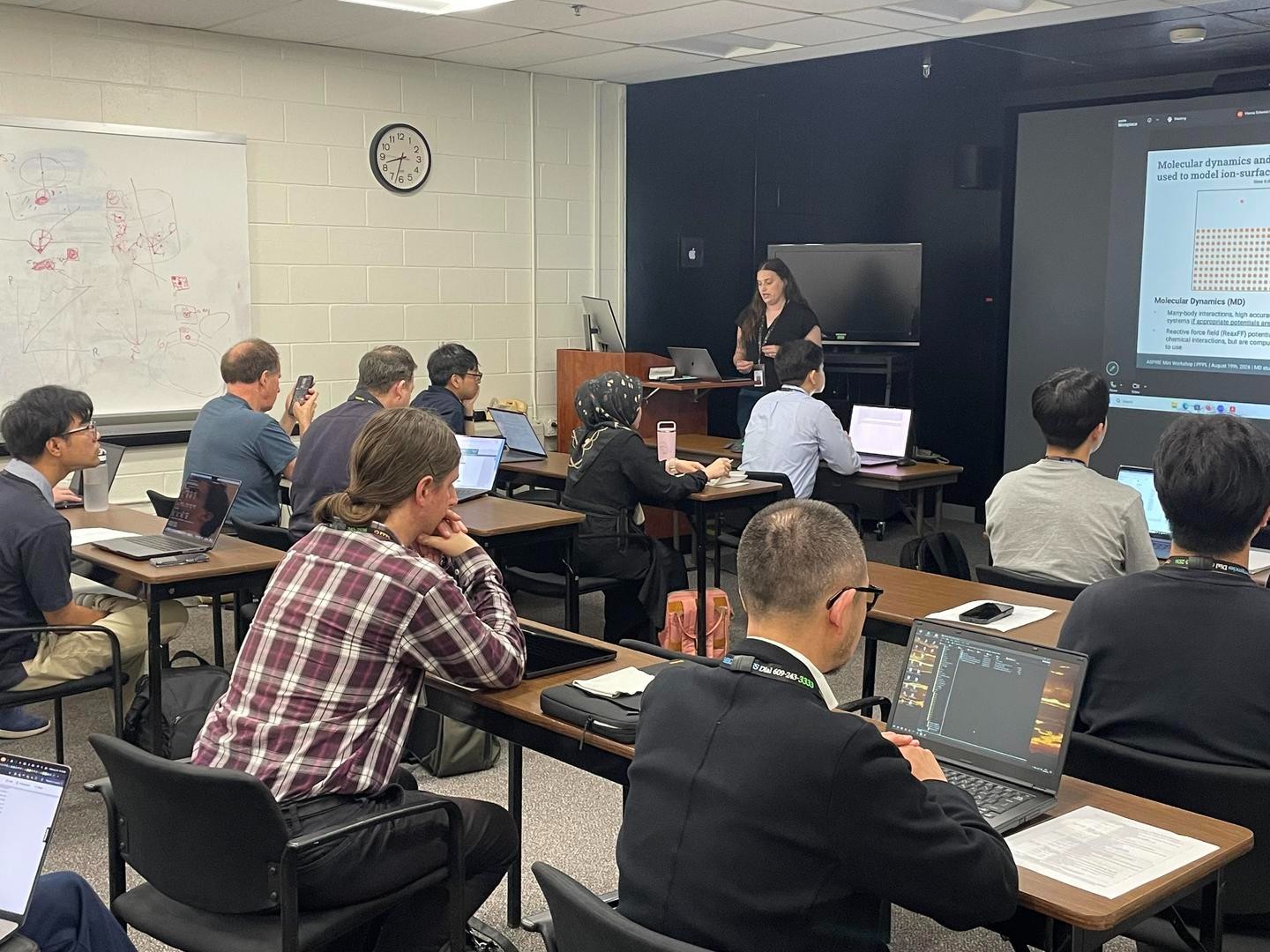
Princeton Plasma Physics Laboratory Hosts International Workshop: Deepening Cross-Disciplinary Applications of Plasma in Semiconductor Manufacturing and Controlled Nuclear Fusion
On the occasion of its 75th anniversary, the Princeton Plasma Physics Laboratory (PPPL), under the U.S. Department of Energy (DOE), hosted the second Adopting Sustainable Partnerships for Innovative Research Ecosystem (ASPIRE) international workshop in the fall of 2026. The workshop was organized by the laboratory's Applied Materials and Sustainability Sciences Directorate and brought together scholars from the University of Osaka in Japan and the Ulsan National Institute of Science and Technology (UNIST) in South Korea, as well as researchers from PPPL, to focus on...
2026-10-08
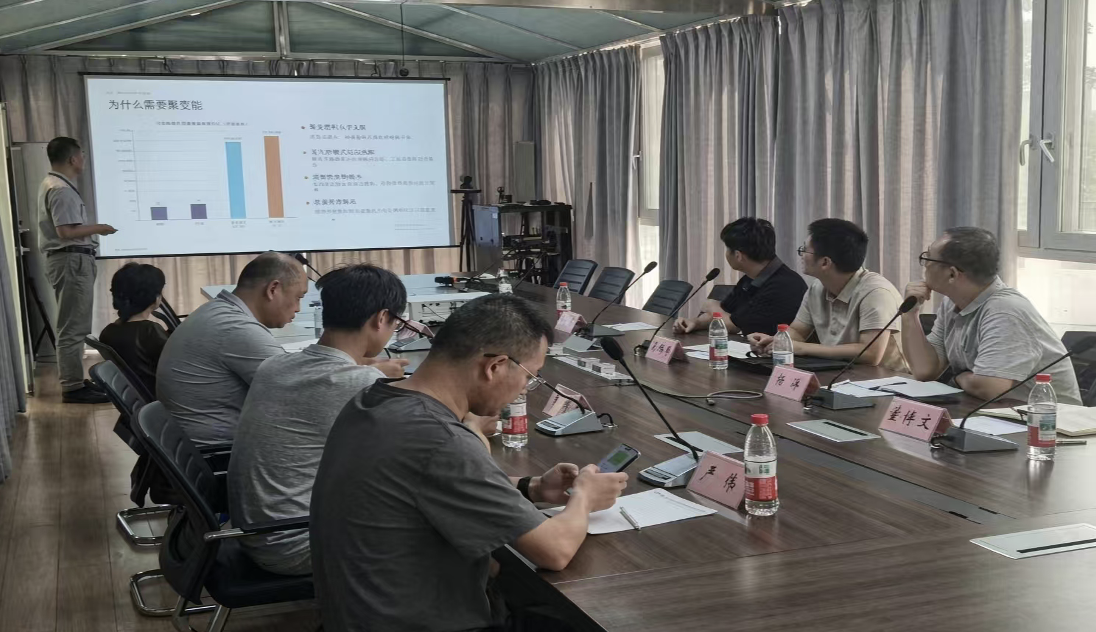
South China Regulatory Station Strengthens Fusion Device Regulation to Empower New Technology Development
Recently, the South China Nuclear and Radiation Safety Regulatory Station of the Ministry of Ecology and Environment (hereinafter referred to as the South China Regulatory Station) conducted a radiation safety regulatory inspection of the J-TEXT tokamak fusion experimental device at Huazhong University of Science and Technology. As the only large and medium-sized tokamak experimental device among Chinese universities, J-TEXT bears the important mission of fusion talent cultivation and frontier physics experiments. The South China Regulatory Station focused on key aspects including equipment operation, radiation protection, and authorization management, meticulously investigated safety hazards, verified the implementation of safety management systems, and urged Huazhong University of Science and Technology to promptly plug safety loopholes and standardize device operation procedures, effectively fortifying the defense line for the safe and stable operation of the fusion experimental device, thereby providing a solid safety guarantee for the orderly conduct of scientific research experiments...
2026-10-08
US PPPL Reconstructs 70-Year-Old Lawson Criterion, Proposes New Fusion Ignition Pathway of "Heat First, Fuel Later"
The Princeton Plasma Physics Laboratory (PPPL), under the U.S. Department of Energy (DOE), released its latest findings on October 5. Laboratory physicists have reconstructed the classic Lawson criterion that has been in use for over 70 years and published the results in Physical Review Letters. The research team integrated four real-world physics effects that were previously treated separately into a unified model, mapping out an entirely new fusion ignition topography. The study shows that adopting a pathway of first heating the plasma and then increasing fuel density can achieve the ignition conditions for self-sustaining burn with far less energy consumption than traditional pathways. For over 70 years, the nuclear fusion field has relied on...
2026-10-07
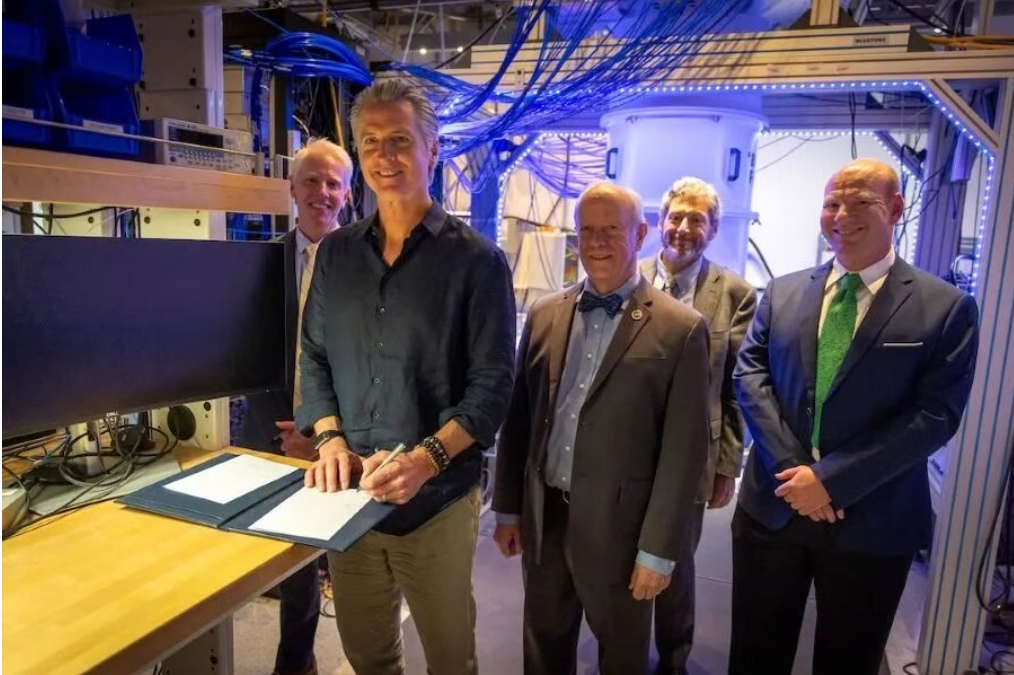
California Signs Two Bills to Reshape Advanced Nuclear Fission and Fusion Energy Strategy
California Governor Gavin Newsom recently signed two bills aimed at comprehensively advancing the state's nuclear energy development by reassessing advanced nuclear fission technology and establishing a strategic plan for nuclear fusion. In the field of nuclear fission, Assembly Bill 2647 (A.B. 2647) requires the California Energy Resources Conservation and Development Commission (CEC) to conduct a formal assessment of advanced nuclear energy technologies by January 1, 2028. The bill, introduced by Assemblymember Lisa Calderon, directs the CEC to comprehensively consider factors such as cost, grid reliability, fuel cycle, and public health in determining whether new nuclear power plants can help California achieve its 2045 zero-carbon electricity goal. Calderon stated that given current grid demands, California needs to reassess the role of nuclear energy in ensuring a stable and clean electricity supply based on modern technology.
2026-10-04
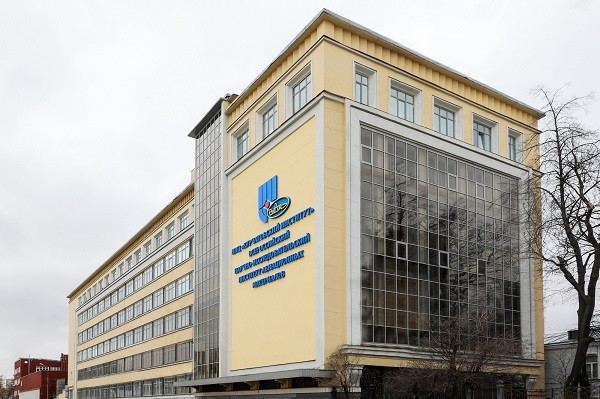
Russia's Kurchatov Institute to Receive 5.7 Billion Rubles in Fiscal Budget Support: Focusing on Controlled Thermonuclear Fusion and Advanced Plasma Technology R&D
The National Research Centre "Kurchatov Institute" will receive approximately 5.7 billion Rubles in dedicated funding support from the Russian federal budget during the period from 2027 to 2029. This fiscal allocation will be specifically used to advance key technology breakthroughs in Controlled Thermonuclear Fusion, as well as the R&D and experimental validation of innovative Plasma Technologies. The above funding plan is explicitly stated in the draft explanatory document of the 2027–2029 federal budget bill published in the electronic database of the Russian State Duma...
2026-10-03
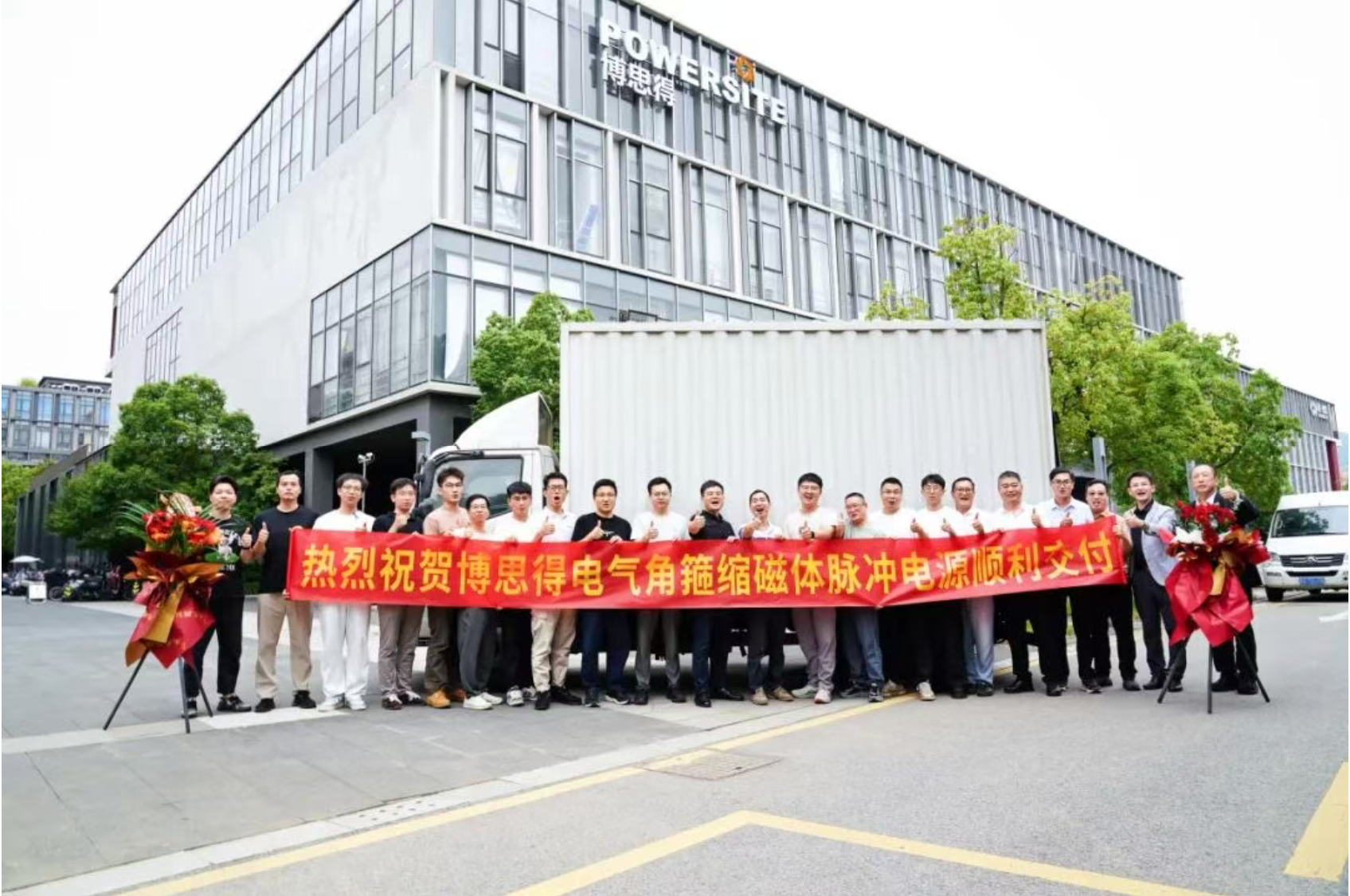
Poskom Angular Pinch Magnet Pulsed Power Supply Delivered, X-ray High-Voltage Power Supply Manufacturer Officially Enters Fusion Equipment Sector
Recently, the angular pinch magnet pulsed power supply (TP power supply) independently developed by Poskom has completed delivery, marking that this X-ray high-voltage power supply manufacturer has officially entered the controlled nuclear fusion track. This power supply primarily serves experiments including angular pinch, field-reversed configuration (FRC), magnetized plasma generation, and magnetic confinement compression. It is key specialized power equipment for magnetic confinement controlled nuclear fusion and high-energy-density physics research, featuring hardcore capabilities such as nanosecond-level multi-stage multi-channel pulse timing coordination, waveform fidelity under ultra-high current and strong electromagnetic interference, and precise regulation of mutual inductance coupling multi-waveform attenuation, capable of matching the demanding operating conditions of frontier fusion experiments. Poskom was founded in 2015, focusing on specialized high-voltage power supplies, pulsed...
2026-10-03
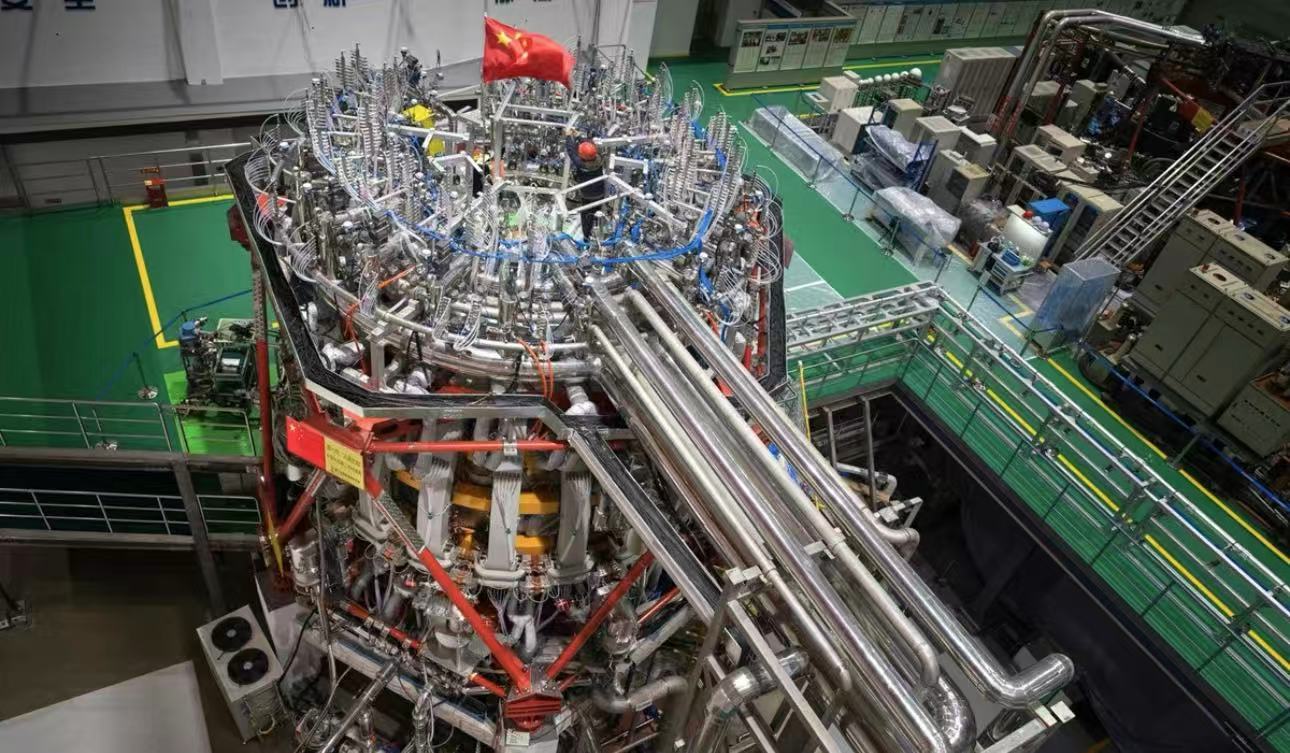
China's "Artificial Sun" BEST Campus Delivered and Commissioned, Controlled Nuclear Fusion Accelerates Toward Engineering Demonstration
On October 1, the campus of the national major project Compact Fusion Energy Experimental Device (Burning plasma Experimental Superconducting Tokamak, BEST) was officially delivered and commissioned, and the main machine simultaneously entered the core assembly stage of the "four-ring set." The device is located in Hefei, Anhui, led in design by the Institute of Plasma Physics, Chinese Academy of Sciences (ASIPP), and constructed by Fusion New Energy (Anhui) Co., Ltd. It is China's independently developed new-generation fusion burning experimental device. BEST aims to simulate solar nuclear fusion and fill the gap between experimental reactors and demonstration reactors...
2026-10-01
Strengthen Regulation of Fusion Devices, Empower the Development of New Technologies
Recently, the South China Regional Office of Nuclear and Radiation Safety Supervision of the Ministry of Ecology and Environment (hereinafter referred to as the South China Regional Office) conducted a radiation safety supervision inspection of the J-TEXT tokamak fusion experimental device at Huazhong University of Science and Technology. As the only medium-to-large tokamak experimental device at a university in China, J-TEXT bears the important mission of fusion talent cultivation and frontier physics experiments. The South China Regional Office focused on key aspects including equipment operation, radiation protection, and authorization management, meticulously investigated safety hazards, verified the implementation of safety management systems, and urged Huazhong University of Science and Technology to promptly plug safety loopholes and standardize device operation procedures, effectively building a strong defense line for the safe and stable operation of fusion experimental devices, providing solid support for the orderly conduct of scientific research experiments...
2026-10-01
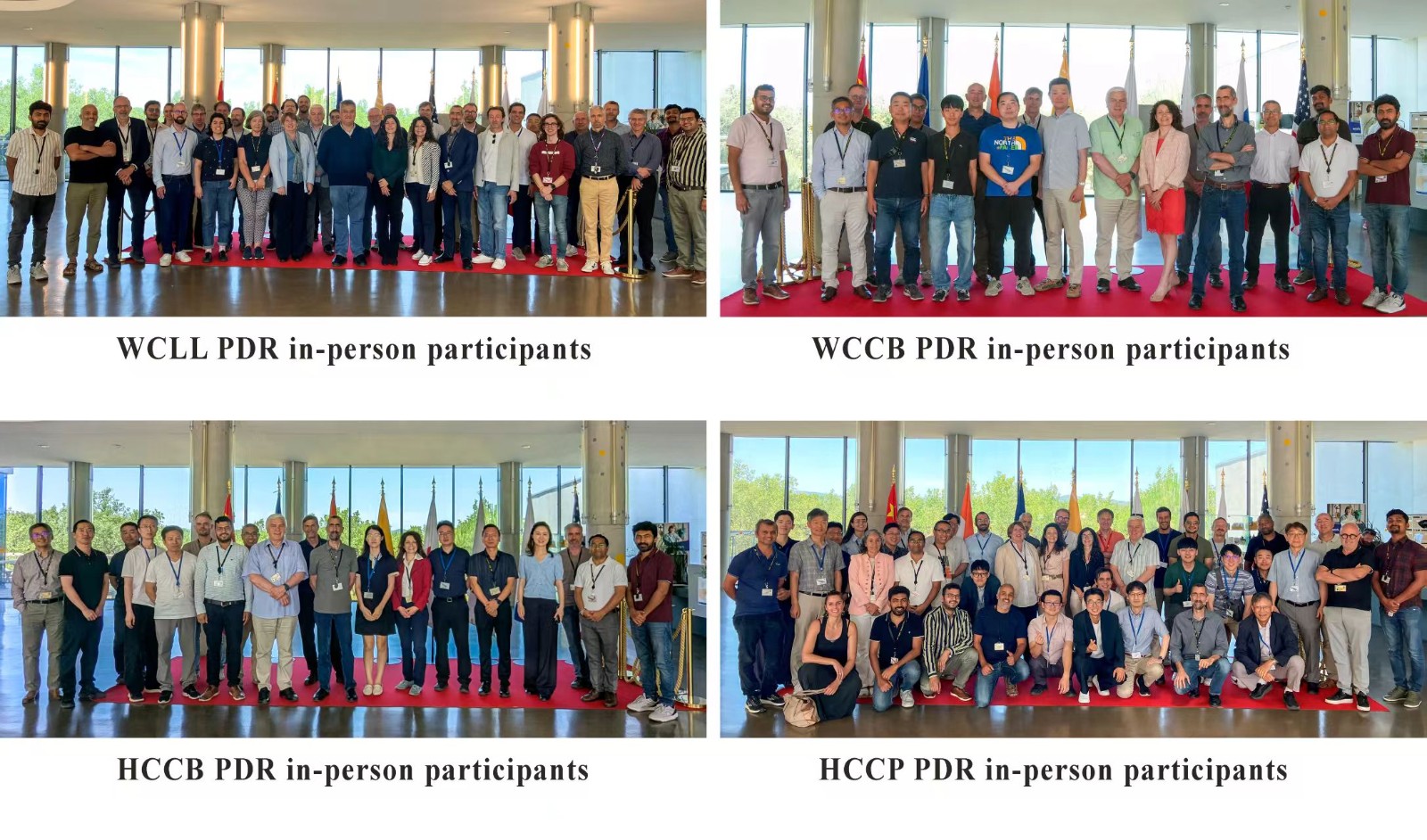
All Four ITER Test Blanket Module (TBM) Conceptual Designs Pass Preliminary Design Review
Recently, the ITER Organization officially completed the Preliminary Design Review (PDR) of four Test Blanket Module (TBM) conceptual designs. The four blanket system technical designs led by China, the EU, Japan, and Korea — core ITER member parties — all passed independent review to high standards, marking that "tritium breeding and energy extraction validation," one of ITER's three major engineering goals, has fully entered the final engineering implementation phase, providing critical engineering pathway support for the next-generation fusion demonstration reactor (DEMO) to achieve commercial tritium self-sufficiency. In the blueprint for magnetic confinement fusion power generation, deuterium-tritium (D-T) fusion reactions...
2026-09-30

MOST Sets the Pathway for Hard-Core Science and Technology Breakthroughs in the "15th Five-Year Plan": Comprehensive and Systematic Deployment of Major Basic Research on Controlled Nuclear Fusion to Solidify the Foundation of Future Strategic Energy
At the series-themed press conference on "Getting Off to a Good Start in the '15th Five-Year Plan'" held by the State Council Information Office, the Ministry of Science and Technology officially released the top-level design and core breakthrough roadmap for building a science and technology powerhouse over the next five years. When outlining the layout for major science and technology breakthroughs and original innovation, Minister of Science and Technology Yin Hejun explicitly emphasized that, in strengthening the strategic depth of basic research, China will closely anchor itself to the frontiers of the global energy revolution and, centering on underlying scientific bottlenecks in key fields such as energy and materials, comprehensively and systematically deploy major basic research tasks including controlled nuclear fusion (Controlled Nuclear Fusion), so as to seize the future...
2026-09-30
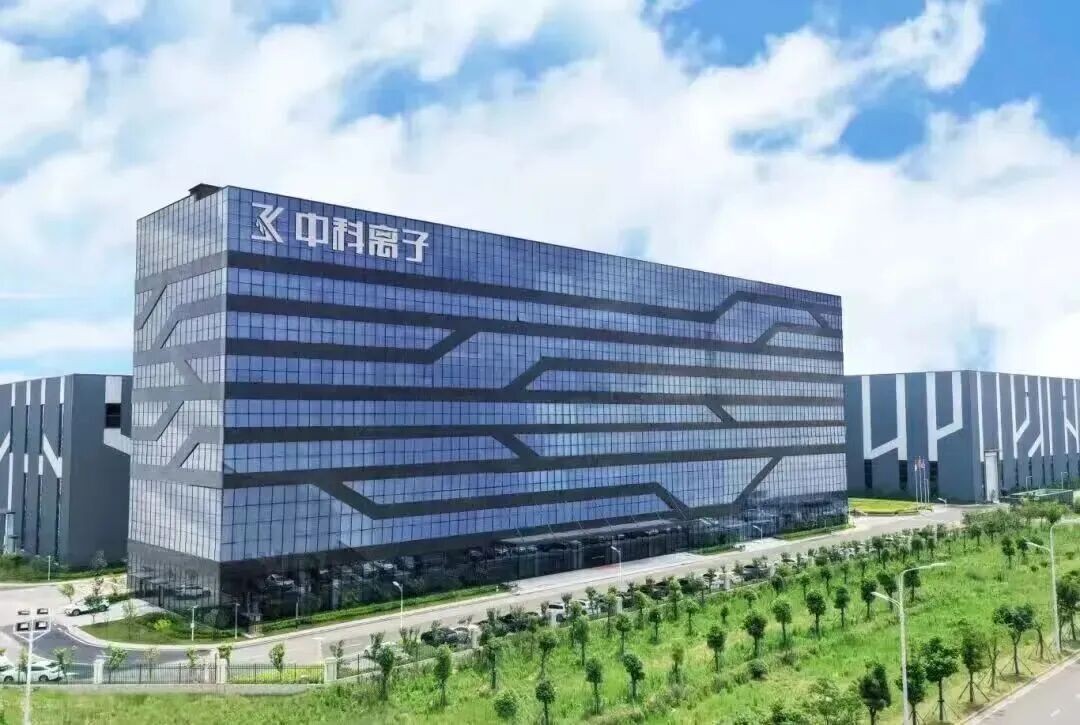
CAS Ion Completes RMB 600 Million First-Round Financing, Fusion-Derived Technology Industrialization Enters a New Stage
Recently, CAS Ion completed its first round of market-oriented equity financing, with a total amount of RMB 600 million. This round of financing was jointly participated in by CMBI, Wanneng Capital, Qianhai Ark, CITIC Construction Investment Capital, China-Belgium Fund, SMIC Juyuan, Oriental Fortune Capital, Xi'an High-Tech Investment, Ginkgo Valley Capital, Jinju Investment, Wofu Venture Capital, and Hua'an Jiaye. CAS Ion, in accordance with its own business development pace, coordinated and determined the scale of this round of fundraising, and completed all processes including project matching, due diligence interviews, agreement signing, and capital delivery within 3 months. This financing received an enthusiastic market response, with numerous investment institutions actively expressing investment intentions, fully confirming the capital market's recognition of the company's core technology, industrialization capability, and long-term growth...
2026-09-30
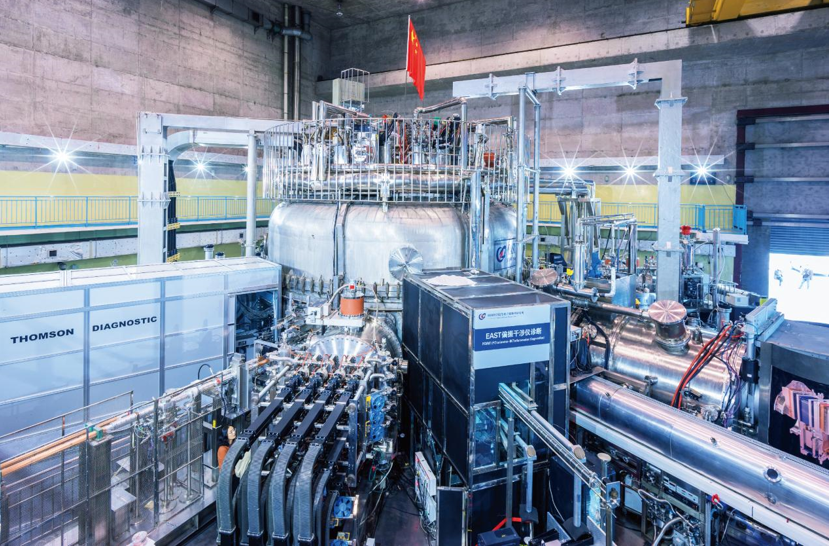
The Fully Superconducting Tokamak EAST Marks 20 Years of Operation: From a 3-Second First Cry to Thousand-Second Steady State, China's "Artificial Sun" Opens a Leap Toward Fusion Engineering
On September 28, 2006, the Experimental Advanced Superconducting Tokamak (EAST), independently designed and developed by the Institute of Plasma Physics (ASIPP) under the Hefei Institutes of Physical Science of the Chinese Academy of Sciences, successfully achieved its first plasma discharge on Hefei Science Island, with a current of 200 kA and a duration of nearly 3 seconds. This historic moment marked the official completion and operation of the world's first fully superconducting non-circular cross-section nuclear fusion experimental device, propelling China into the club of fully superconducting tokamak technology ahead of others. Over the past two decades, this artificial sun has completed more than 160,000 physical discharge experiments...
2026-09-28
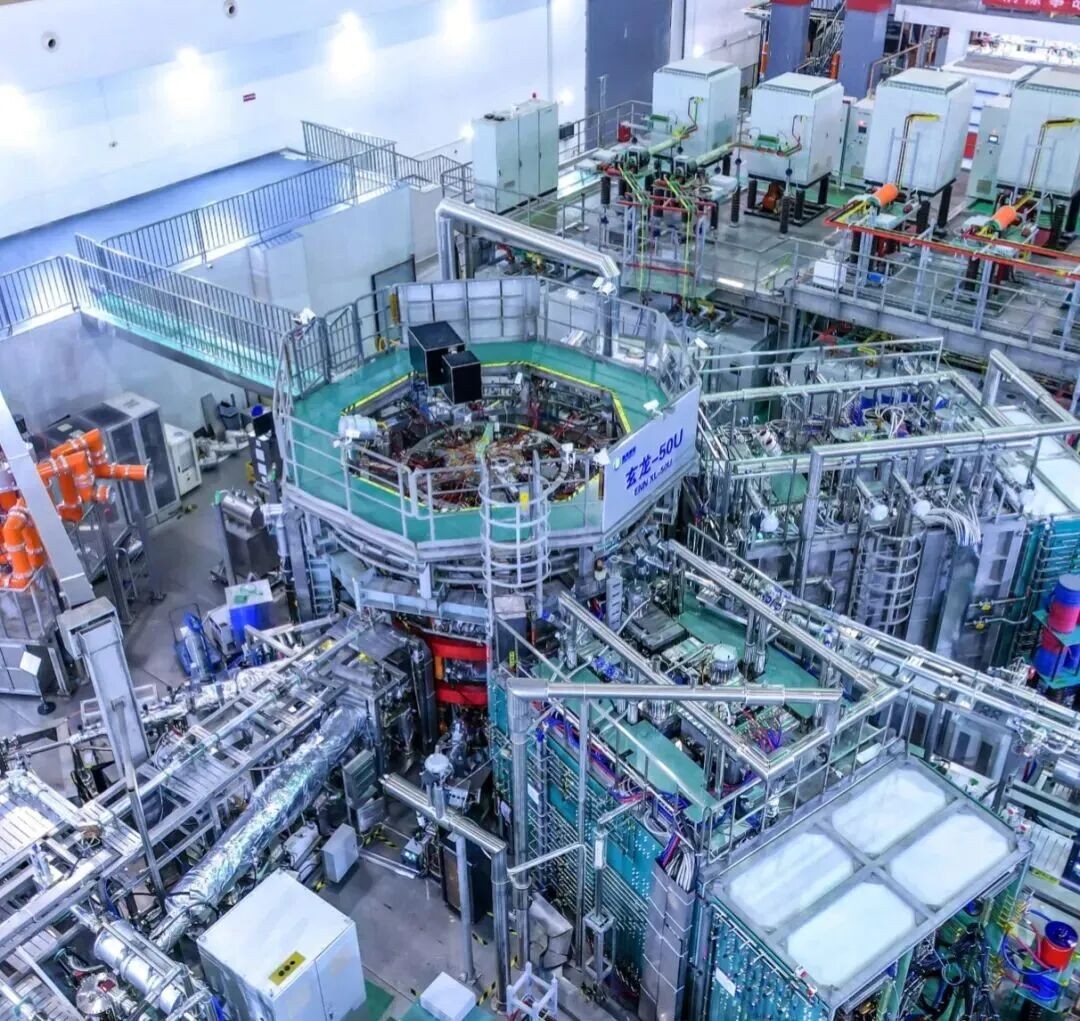
ENN's "Xuanlong-50U" Device Successfully Achieves Hydrogen-Boron Fusion Reaction
In late September 2026, ENN achieved a major breakthrough in the commercialization of hydrogen-boron fusion: the Xuanlong-50U device achieved a hydrogen-boron fusion reaction. This is the first time a global commercial fusion company has achieved a hydrogen-boron fusion reaction on its own device, and also the first time China's magnetic confinement fusion device has achieved a clean neutron-free fusion reaction with advanced fuels (hydrogen-boron, deuterium-helium-3). Hydrogen-boron fusion has commercialization advantages such as being neutron-free, having abundant and easily accessible fuel, and low cost. Its product is helium (α particles), but compared with deuterium-tritium fusion, it requires higher reaction temperature and triple product, and more demanding reaction conditions. In this experiment, the ENN fusion team, through the synergy of high-energy neutral beam injection and radio-frequency waves, greatly increased the non-thermal equilibrium fast proton fraction at the first resonance peak of the hydrogen-boron reaction...
2026-09-28