
Search Results
Keyword:Nuclear Power
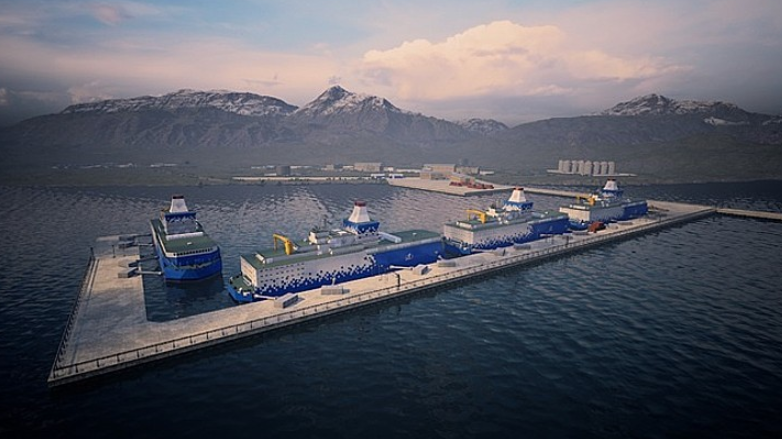
Rosatom Plans Four More Floating Nuclear Power Plants to Strengthen Energy Layout in the Arctic and Far East
Rosatom plans to build four additional floating nuclear power plants. This move indicates that Russia continues to regard small-scale nuclear energy and offshore floating nuclear power platforms as key solutions for energy supply in remote areas, particularly for the Arctic, the Far East, and resource development zones that are difficult to cover with traditional power grids. The core advantage of floating nuclear power plants lies in their deployment flexibility, providing relatively stable electricity and heat to coastal towns, port facilities, mining projects, and industrial bases. Compared with reliance on diesel, coal, or long-distance power transmission, floating nuclear power plants can reduce fuel transportation pressure and enhance energy security for large projects in remote areas. For...
2026-08-14
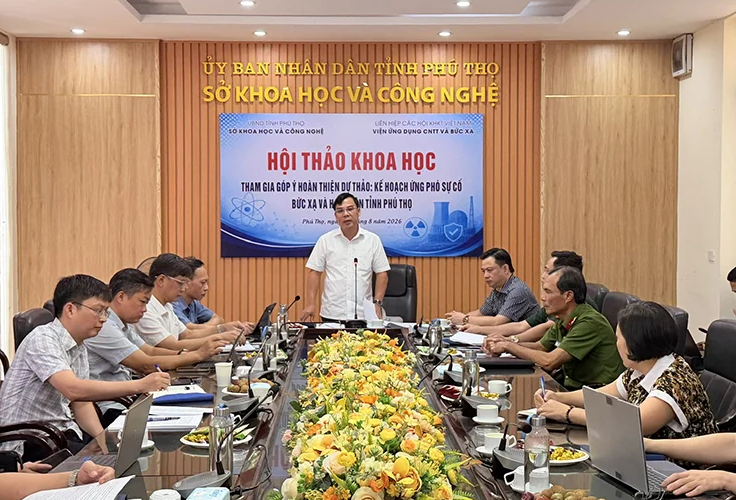
Phu Tho Province, Vietnam Advances Improvement of Radiation and Nuclear Accident Emergency Response Plan
On the morning of August 13, the Department of Science and Technology of Phu Tho Province, in coordination with the Vietnam Union of Science and Technology Associations and the Institute for Technology and Radiation Application, held a scientific seminar to solicit opinions on the draft of the "Radiation and Nuclear Accident Emergency Response Plan of Phu Tho Province." Experts, scientists, and representatives from relevant provincial and municipal departments were invited to attend, aiming to ensure the plan's feasibility, alignment with local conditions, and compliance with national requirements for atomic energy management and radiation safety. The core purpose of this seminar was to improve the emergency response plan through multi-party input, making it more suitable for local realities and meeting the requirements of atomic energy application, radiation safety, and nuclear safety management. From the local perspective, the application of radiation technology in Phu Tho Province has already reached a certain scale. Currently, the province has more than 270 institutions using radiation, equipped with over 417 X-ray machines, 2 linear accelerators, more than 500 radiation devices, and 45 radioactive sources, widely applied in fields such as medicine, industry, technical inspection, and scientific research. These technologies have played an active role in enhancing diagnostic and treatment capabilities, improving labor productivity, upgrading product quality, and serving economic and social development.
2026-08-14
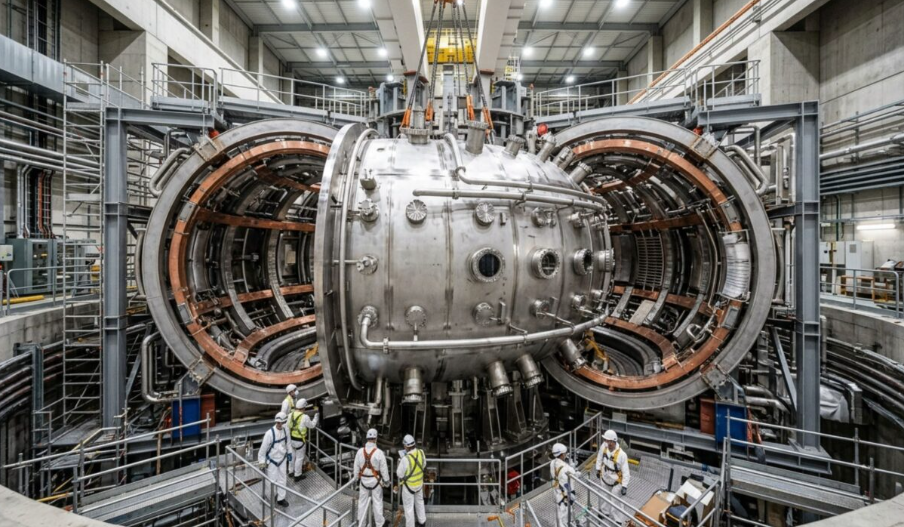
ITER Tokamak Advances Assembly in France, Fusion Experiment Targets 150 Million Degree Celsius Plasma
The ITER tokamak being assembled in southern France is one of the most closely watched large-scale experimental devices in global nuclear fusion research. The machine weighs approximately 23,000 tonnes in total and adopts a donut-shaped toroidal structure, using strong magnetic fields to confine high-temperature plasma, with the goal of replicating on Earth the conditions for fusion reactions that occur inside stars. Its plasma volume is approximately 830 cubic meters, far exceeding previous tokamak devices, and it is therefore expected to validate the key physics and engineering technologies required for future commercial fusion reactors. ITER adopts the toroidal tokamak structure because charged particles can move along toroidal paths under strong magnetic fields, thereby minimizing direct contact with the device's inner walls...
2026-08-14
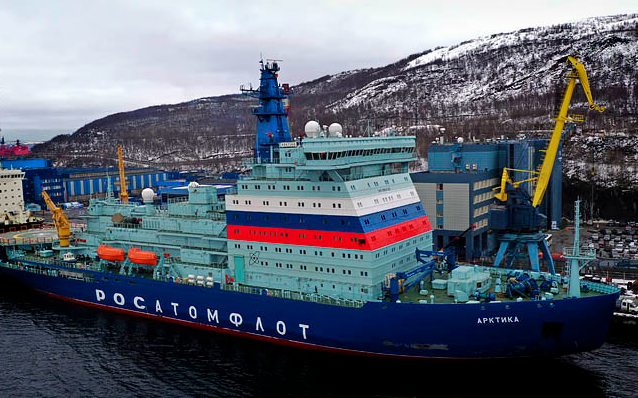
Russia Plans to Build Small Nuclear Power Plant in Kyrgyzstan, Land-Based Icebreaker Reactor in Focus
Rosatom's plan to promote the construction of a small nuclear power plant in Kyrgyzstan is centered around discussions on the RITM-200N reactor design. With a power output of approximately 55 MW, this reactor is the land-based version of the RITM-200 reactor used in Russia's new generation of nuclear-powered icebreakers. Several Russian nuclear-powered icebreakers currently operate on the same technological platform, which serves as the primary basis for Russia to demonstrate its maturity and reliability. The project first entered public discussion in January 2022. At that time, Kyrgyzstan's energy authorities stated that if a nuclear power plant were to be built, its installed capacity should be no less than 300 MW, reflecting the country's practical concerns over power shortages and energy security...
2026-08-14
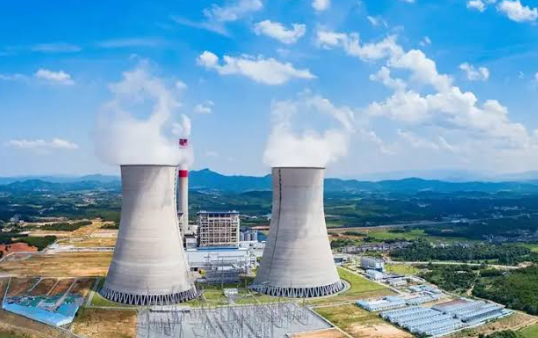
Kazakhstan Enters a New Era of Atomic Energy, with the Institute of Nuclear Physics Viewed as a Key Pillar of the National Nuclear Industry
Kazakhstan is entering a new stage of nuclear energy development. The construction of a nuclear power plant means not only the addition of a major energy project, but also the need for the country to simultaneously establish a complete nuclear industry system, including research support, personnel training, experimental infrastructure, nuclear and radiation safety systems, and indigenous technological capabilities. The article points out that a nuclear power plant can be built using foreign project designs, but true scientific and technological capability cannot be purchased along with the equipment; it is gradually formed through the long-term operation of nuclear facilities, conducting research, training engineering teams, and passing on experience. Against this backdrop, the Institute of Nuclear Physics of Kazakhstan is regarded as an important pillar of the future nuclear energy industry. The institution...
2026-08-14
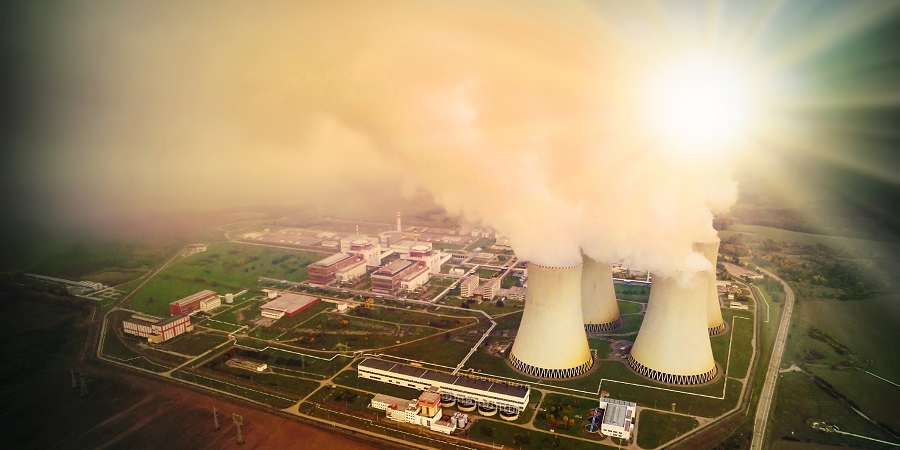
Polish Energy Ministry Moves PLN 3 Billion in First Nuclear Power Plant Construction Spending Out of 2026 Budget
The Polish Energy Ministry has deferred PLN 3 billion in spending earmarked for the construction of the country's first nuclear power plant. This change indicates that while the Polish nuclear power project remains a key component of the national energy strategy, it is facing adjustment pressures in budget execution, engineering preparation, and project milestone alignment during actual implementation. The core context behind Poland's construction of its first nuclear power plant is its long-standing reliance on coal-fired power generation, coupled with the dual constraints of EU emission reduction targets and energy security needs. Developing nuclear power is seen as an important pathway for Poland to reduce its share of fossil fuels, stabilize electricity supply, and decrease dependence on external energy sources. Therefore, changes to the relevant budget are not merely a fiscal arrangement...
2026-08-14
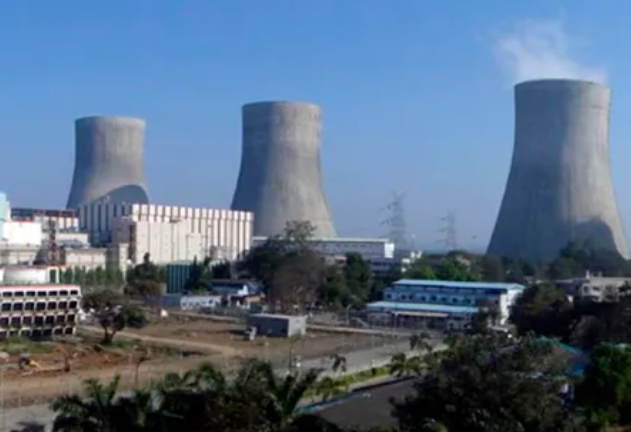
Indian Government Approves INR 133.55 Billion Equity Funding for 6 Nuclear Power Projects Under Construction
To advance nuclear power construction and meet growing electricity demand, the Indian central government has approved equity funding of INR 133.55 billion (approximately RMB 13.355 billion) for six nuclear power projects under construction, with all funds fully disbursed. This information was disclosed by Dr. Jitendra Singh, Minister of State for Atomic Energy, in a written reply to the Rajya Sabha. Singh noted that multiple technical, supply chain, and global situation factors have caused project delays: significant design modifications required under new safety standards following the Fukushima nuclear accident in Japan; delays in supply of critical equipment; and the impact of the COVID-19 pandemic on construction progress. In addition, disrupted equipment supplies from Russia, financial difficulties faced by contractors after the pandemic, complex geological conditions, and a shortage of skilled workers have also slowed project momentum. The Russia-Ukraine conflict and ongoing geopolitical tensions in West Asia have further affected supply chains.
2026-08-14
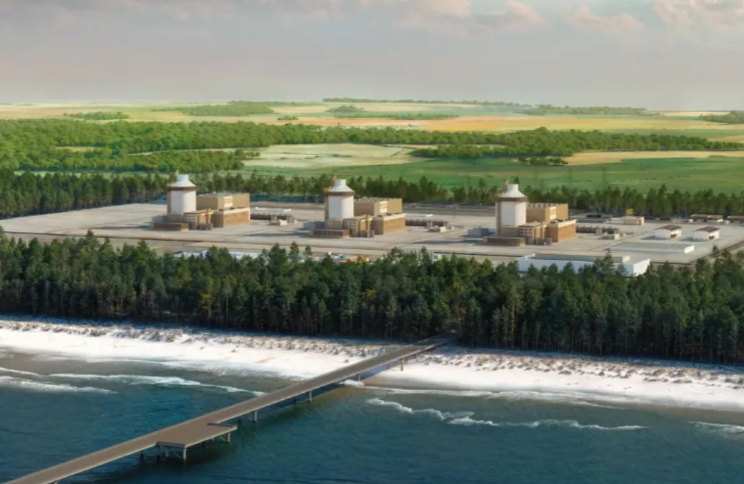
Polish President Signs Key Nuclear Power Bill, Allowing Early Construction Works to Start Ahead of Schedule
Polish President Karol Nawrocki signed an amendment to the Act on the Preparation and Implementation of Nuclear Energy Facilities and Associated Investments on August 14, aiming to accelerate the construction of nuclear power plants in the country. According to information released by the Presidential Chancellery, the core of this legal adjustment is to allow certain preliminary construction and preparation works to proceed before the final construction permit for the entire project is granted, thereby shortening the timeline for large-scale nuclear projects. The amendment concerns Polish laws related to the preparation and implementation of nuclear energy facilities and associated investments. The new regulations introduce a new type of permit, namely the permit for preliminary construction works of nuclear energy facilities. Once this permit is obtained, the investor can carry out some early-stage construction and preparation works before all complete project investment documents have been fully approved.
2026-08-14
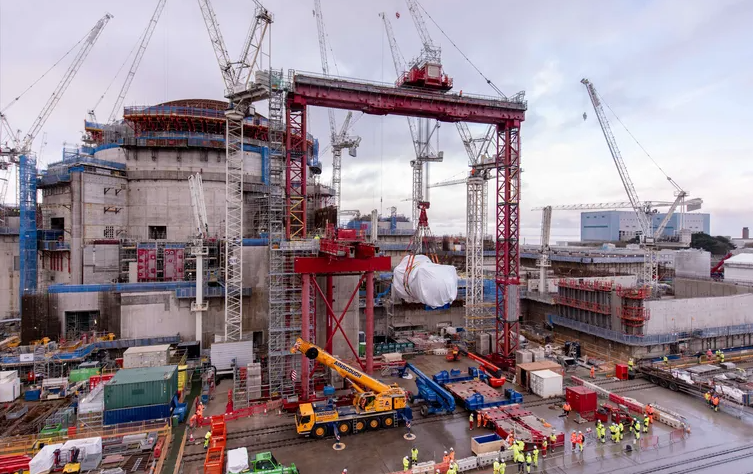
Finnish family-owned company Halton Group secures major order for UK's Sizewell C nuclear power project
Finnish family-owned company Halton Group has secured a significant order for the UK's Sizewell C nuclear power project, and will supply related equipment or systems for the construction of this large-scale nuclear power plant. The project has an installed capacity of 3.2 gigawatts, with the order value reaching the tens of millions of euros level. For an industrial company from Finland, this is not only a major breakthrough in a single project, but also demonstrates its competitiveness in the supply chain of high-demand energy infrastructure. Sizewell C is one of the key projects advancing the UK's new generation of nuclear power construction. Against the backdrop of Europe's energy structure adjustment and rising demand for low-carbon electricity, large-scale nuclear power plants have once again become an option for multiple countries to ensure power security and meet emission reduction targets.
2026-08-14
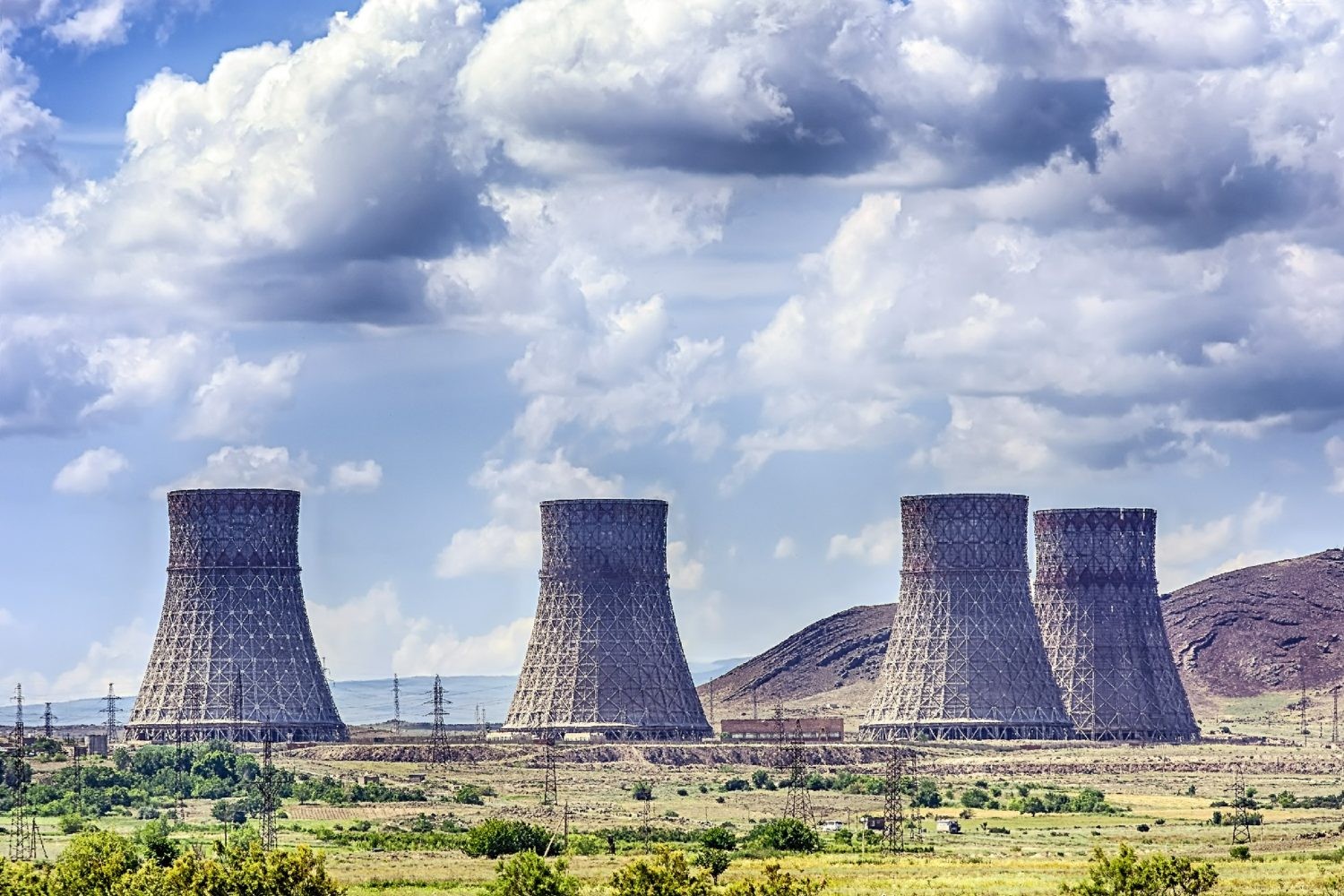
Armenia Responds to Claims of Metsamor NPP Closure: Operating License Valid Until 2036
In response to Azerbaijani President Ilham Aliyev's claims that the Metsamor Nuclear Power Plant is outdated and could pose a potential threat to the region, Arman Yeghoyan, a lawmaker from Armenia's ruling Civil Contract party, stated that the operating lifetime of a nuclear power plant is not unilaterally determined by the governments of neighboring countries. Yeghoyan noted that every nuclear power plant has an established operating period, and the Metsamor NPP is currently authorized to operate for a maximum term extending to 2036, information that has long been public. He also stated that the Armenian side has announced it is studying options for building a new nuclear power plant...
2026-08-14
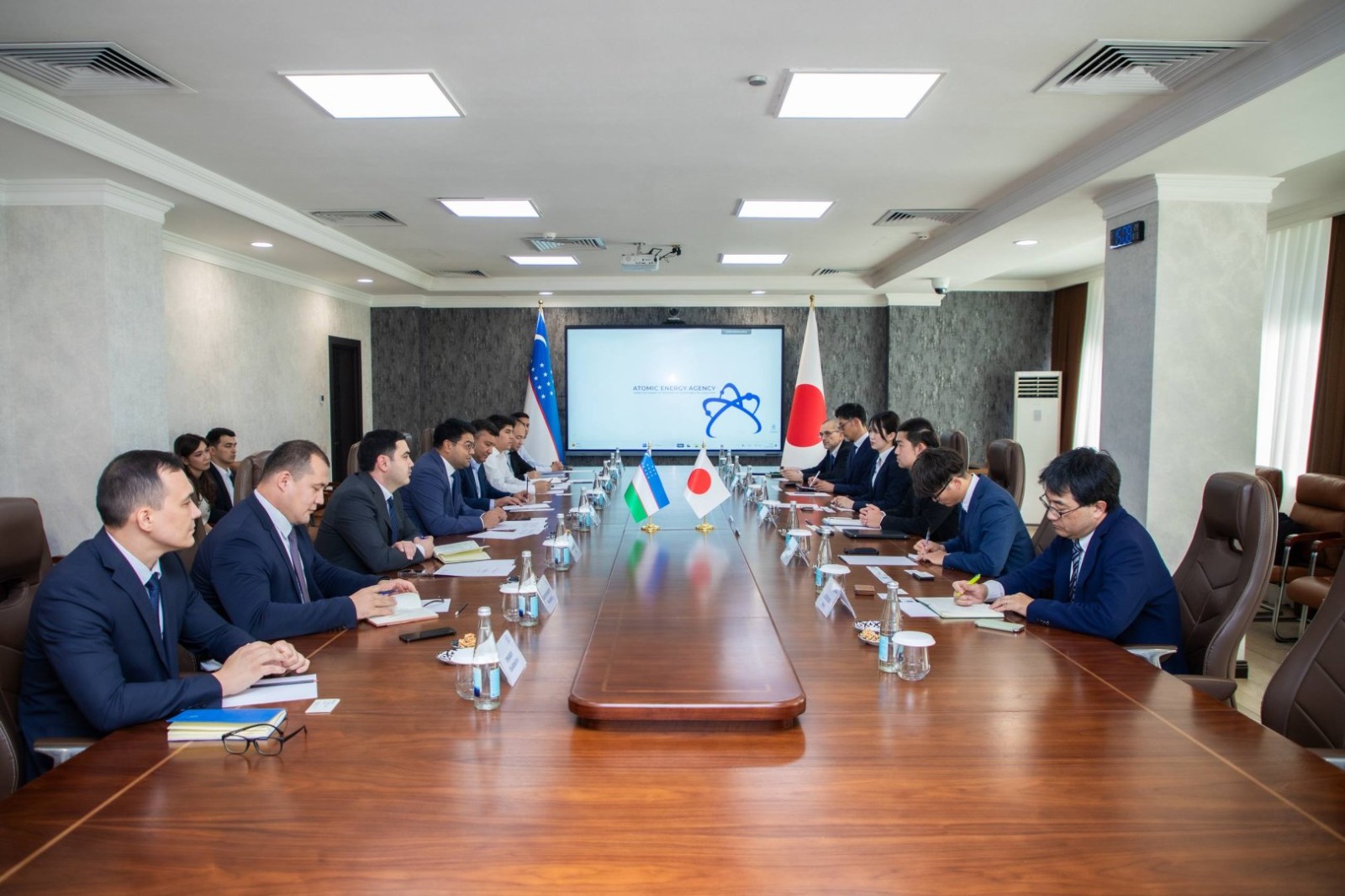
Uzbekistan and Japan Discuss Expanding Cooperation in Peaceful Uses of Nuclear Energy
The Atomic Energy Agency of Uzbekistan recently held talks with a Japanese delegation, with both sides exchanging views on expanding cooperation in the peaceful uses of nuclear energy, focusing on nuclear technology, joint projects in related industries, and energy security cooperation. The Japanese delegation comprised representatives from Japan's Ministry of Economy, Trade and Industry (METI), the Japan Organization for Metals and Energy Security (JOGMEC), and ITOCHU Corporation, led by Abe Yoshimitsu, Deputy Director of the Nuclear Energy International Cooperation Office at METI. During the talks, both sides explored possibilities for advancing cooperation in nuclear technology applications, collaboration in related industries, and experience exchange. The Japanese side expressed its willingness to continue dialogue with Uzbekistan in the peaceful uses of nuclear energy on the basis of mutual respect and common interests, and to promote practical cooperation. The Atomic Energy Agency of Uzbekistan (Uzatom) stated that it would continue to expand international cooperation with countries and organizations possessing experience in the peaceful application of nuclear technology. Uzbekistan and Japan already have a foundation for cooperation in the nuclear energy and uranium resource sectors. ITOCHU Corporation previously signed a uranium concentrate supply agreement with Navoi Mining and Metallurgy Combinat, and JOGMEC has also been involved in the development of uranium deposits in Uzbekistan. In December 2025, during Uzbek President Shavkat Mirziyoyev's visit to Japan, both sides confirmed directions for expanding cooperation, including the export of critical minerals and the introduction of advanced technologies. The current talks continue the momentum of bilateral cooperation in the energy and resource sectors.
2026-08-14
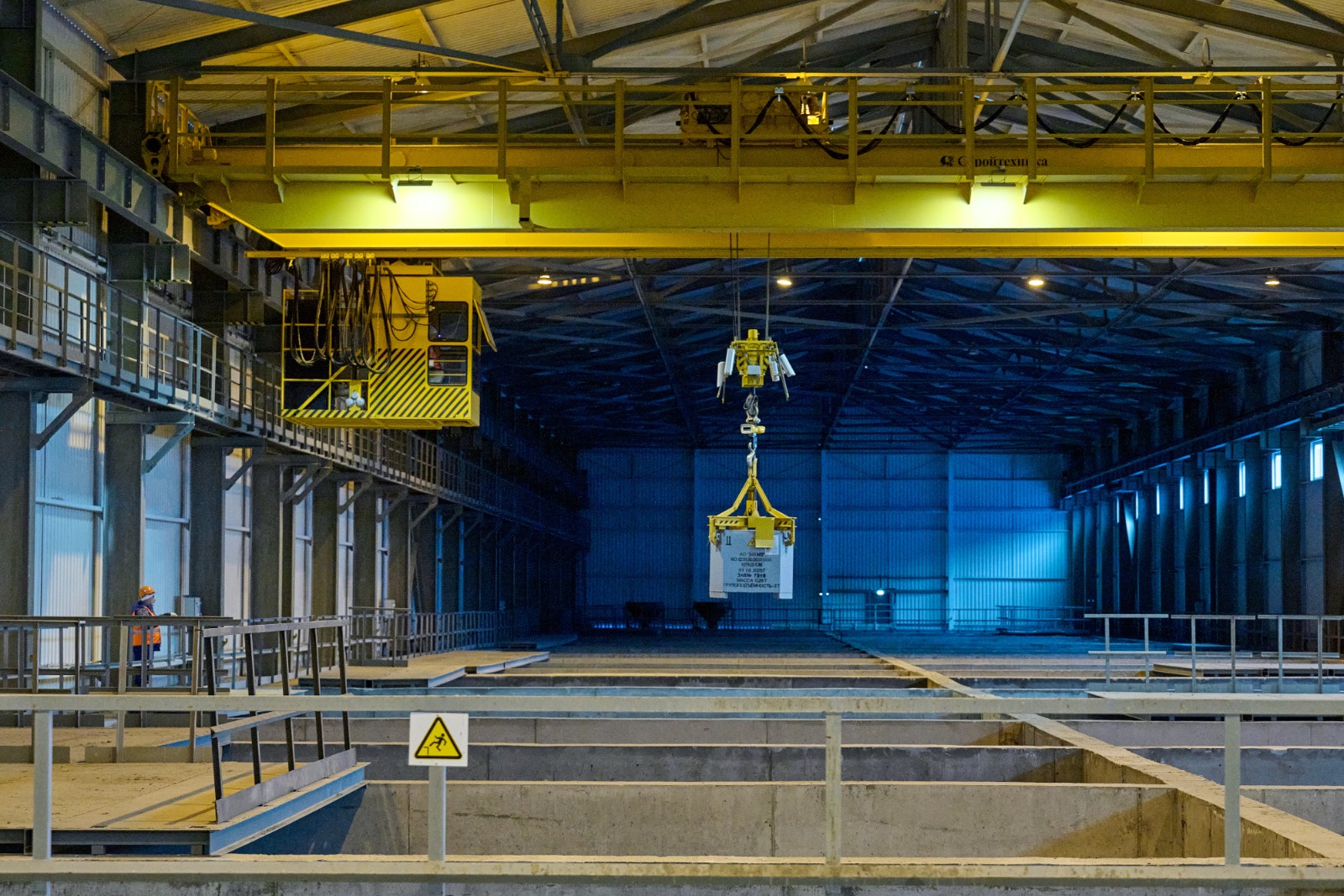
Rosatom and Lomonosov Moscow State University to Co-Host Seminar on Radioactive Waste Safety Barriers
From October 19 to 22, 2026, Lomonosov Moscow State University will host a scientific and technical seminar on the creation and monitoring of safety barriers at its sports complex. The event is jointly organized by Lomonosov Moscow State University, the Russian National Operator for Radioactive Waste Management (FSUE NO RAO), a subsidiary of Rosatom, and the Pilot Demonstration Center for Decommissioning of Uranium-Graphite Nuclear Reactors (JSC PDC UGR). The seminar focuses on the development of technologies for the creation, reconstruction, and control of engineered safety barriers. Topics include the evolution of design concepts for engineered safety barriers, selection and justification of barriers for special radioactive waste disposal and storage facilities, patterns of clay barrier material transformation and their role in safety justification for long-term radioactive waste disposal, incoming inspection of clay barrier materials during nuclear facility decommissioning, and surveys of completed barriers using various geophysical methods. Experts will also exchange views on new technologies and materials required for safety barrier construction.
2026-08-14
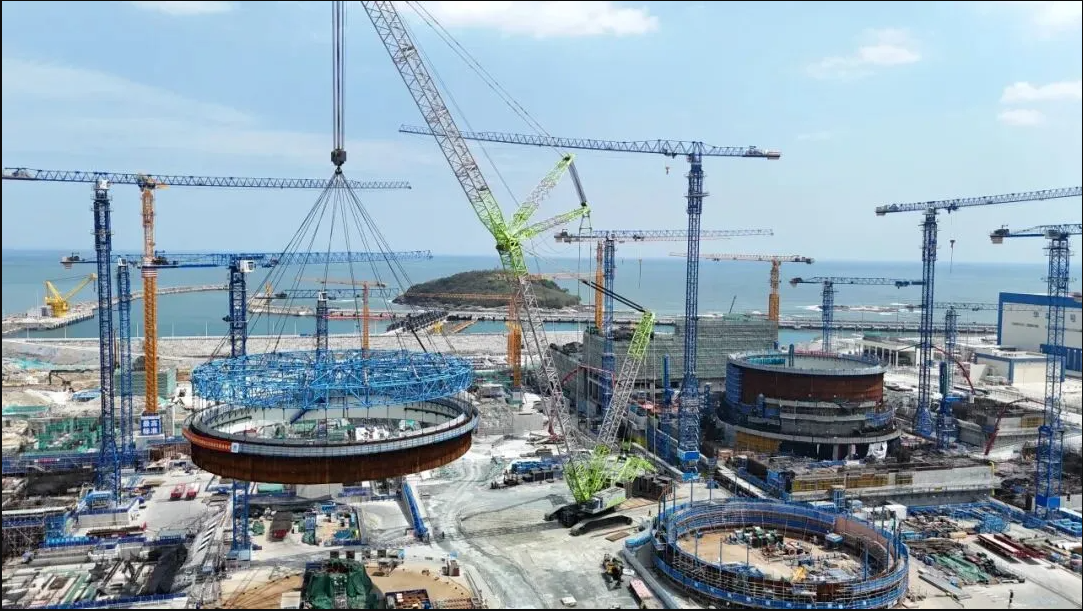
Module 5 of Containment Steel Liner Successfully Lifted at Unit 3 of Guangdong Taipingling Nuclear Power Plant
On August 10, the construction of Unit 3 at CGN's Guangdong Taipingling Nuclear Power Plant reached a critical milestone. A Zoomlion 2,000-tonne crawler crane, serving as the core lifting main force, successfully completed the precise positioning of Module 5 of the containment steel liner. This lifting operation involved significant technical challenges and demanding working conditions. The steel liner Module 5 weighed nearly 280 tonnes, with a component diameter of 45 meters, a height of nearly 6 meters, and a wall thickness of only 6 millimeters, making it a typical ultra-large thin-walled flexible component. The module's lateral windward area exceeded 300 square meters, making it susceptible to wind-induced sway during lifting, which imposed extremely high requirements on the crane's operational stability, control precision, and heavy-load adaptability. The Zo...
2026-08-14
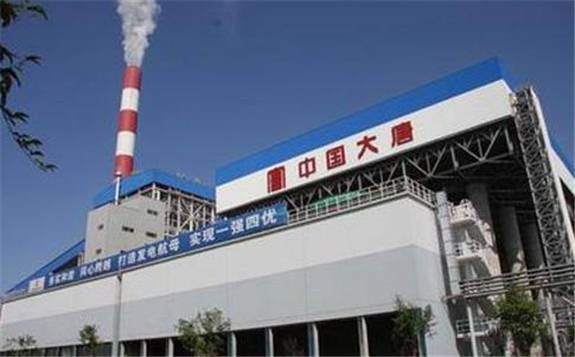
Liaoning Zhuanghe Nuclear Power Phase I Project Approved, Zhuanghe Goes All Out to Accelerate Project Implementation
Recently, the State Council held an executive meeting and decided to approve the Liaoning Zhuanghe Nuclear Power Phase I Project. Located in Lizifang Town, Zhuanghe City, Liaoning Province, the Liaoning Zhuanghe Nuclear Power Project is the first nuclear power project in Northeast China to adopt China's self-developed third-generation nuclear power technology, the Hualong One, injecting core momentum into the high-quality development of regional clean energy. The overall plan for the Liaoning Zhuanghe Nuclear Power Project includes the construction of six million-kilowatt-class Hualong One third-generation pressurized water reactor nuclear power units, with unified planning and construction in three phases. The Phase I project approved this time will build two new nuclear power units with a total installed capacity of 2.5 million kilowatts. Upon completion and commissioning, the project will deliver outstanding comprehensive benefits and strong driving effects. In terms of clean energy supply security, each...
2026-08-14
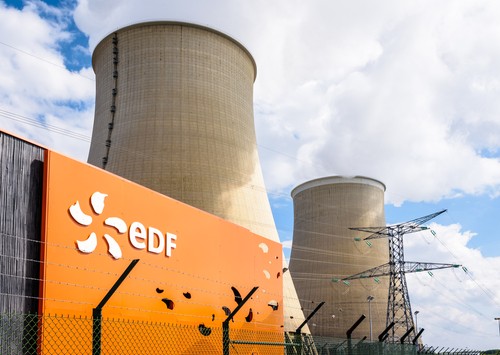
French heatwave to cut nuclear output by about 15% on Friday
Data from Electricite de France (EDF) shows that due to the fifth heatwave of the European summer, French nuclear power output is expected to fall by about 15% this Friday. At that time, nine reactors are expected to be affected, with total nuclear output reductions reaching 9.4 gigawatts during peak hours, of which six reactors will be completely shut down. This summer, many parts of Europe have experienced sustained high temperatures, with some regions seeing temperatures rise to abnormal levels, triggering issues such as water shortages and wildfires. French meteorological authorities predict that this heatwave will peak on Thursday, with temperatures across most of the country ranging between 35 and 40 degrees Celsius. From Friday, cold air from the west will first affect the Atlantic coast and the English Channel region...
2026-08-14