
Search Results
Keyword:Nuclear Power
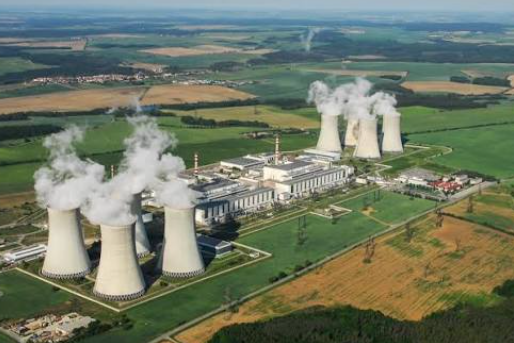
South Korean Environmental Groups to Hold Nuclear Safety Seminar, Focusing on SMR Regulatory Independence and Institutional Gaps
The Korean Federation for Environmental Movement recently announced that it will hold a session of the Continuous Nuclear Safety Seminar Series, under the safety regulation domain, at 10:00 a.m. on August 21, 2026, in Conference Room 8 of the National Assembly Members' Office Building, under the theme "Moving Beyond Promotion-Centered Nuclear Policy Toward an Independent Safety Regulatory System." The event is hosted by National Assembly member Lee Ju-hee and co-organized by the Citizens' Institute for Environmental Studies and the Korean Federation for Environmental Movement, aiming to discuss structural issues in South Korea's nuclear safety regulatory system. According to available information, the South Korean government is accelerating the research and development, industrial support, and commercialization of small modular reactors (SMRs), with the i-SMR standard design approval application already accepted and the Special Act on SMR Development Promotion scheduled to take effect in September.
2026-08-11
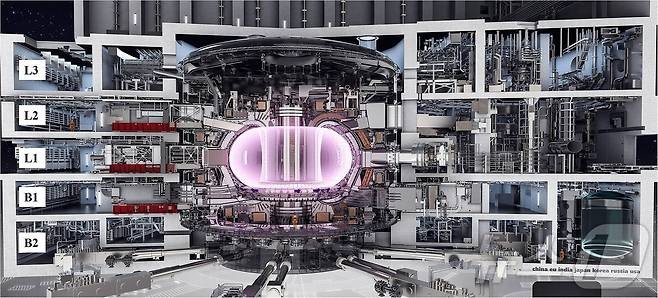
Korea's Naju Artificial Sun Research Facility Expected to Receive Preliminary Feasibility Study Results in September
The project to build the Naju Artificial Sun research facility in Korea is expected to receive the results of the national preliminary feasibility study in September. With a total investment of approximately 1.2 trillion KRW, the project plans to construct large-scale nuclear fusion research and demonstration infrastructure in Wangok-myeon, Naju City, South Jeolla Province, and is regarded by local governments as a key pillar in the future industrial layout of the South Jeolla–Gwangju Integrated Special Zone. The Ministry of Science and ICT (MSIT) designated the "Nuclear Fusion Core Technology Development and Strategic Infrastructure Construction Project" as a national R&D project and included it in the preliminary feasibility study on January 30. According to the previous schedule, the evaluation period was approximately seven months. The results were originally expected to be announced in August, but...
2026-08-11
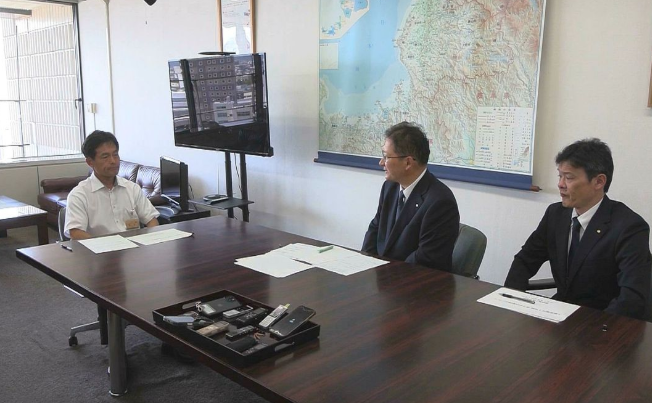
Automatic Shutdown of Unit 3 at Oi Nuclear Power Plant During Operation; Kansai Electric Power to Investigate Cause from the 12th
Unit 3 of the Oi Nuclear Power Plant in Fukui Prefecture, Japan, experienced an automatic shutdown during operation in the early hours of the 9th. Operator Kansai Electric Power stated that the fault is related to an internal abnormality in the generator and plans to formally begin a cause investigation from the 12th. Currently, there is no clear timeline for when the unit can resume operation. According to reports, an alarm related to loss of magnetic field occurred inside the generator used for power generation at the time of the incident, after which the generator stopped, and the reactor in operation also automatically shut down. On the 10th, Kansai Electric Power visited the Fukui Prefectural Government to apologize for the fault and report on subsequent response measures. Yuichiro Sakamoto, head of the Fukui Prefecture Disaster Prevention and Safety Division, pointed out that following a steam leak fault at Mihama Nuclear Power Plant Unit 3 in May this year, an unexpected emergency shutdown of a reactor in operation occurring within a short period may undermine public trust in nuclear safety. Local government authorities have demanded that the operator promptly identify the cause and implement measures to prevent similar issues from recurring.
2026-08-11
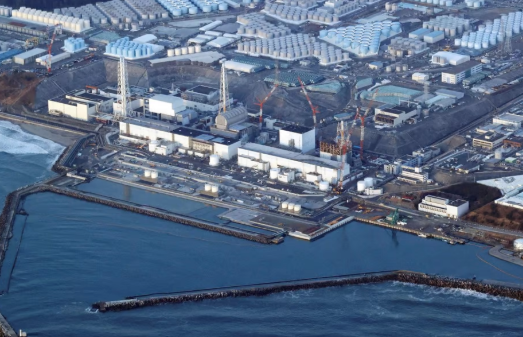
Japan's MEXT to Establish Industry-Academia-Government Collaboration Platform to Strengthen Nuclear Energy Human Resource Development
Japan's Ministry of Education, Culture, Sports, Science and Technology (MEXT) plans to launch a new initiative for nuclear energy human resource development, with the core approach being the establishment of an industry-academia-government collaborative organization within the Japan Atomic Energy Agency (JAEA). This organization will undertake coordination functions such as institutional design and budget allocation, and will promote closer cooperation mechanisms among universities, research institutions, and the industrial sector regarding nuclear energy education and practical training. Based on publicly available information, this arrangement is not merely about adding training courses, but rather an attempt to build a cross-sectoral human resource development platform. JAEA possesses research reactors, experimental facilities, and long-accumulated technical resources; incorporating these resources into the educational system will help bridge the gap between university classroom instruction and actual nuclear engineering field practice...
2026-08-11
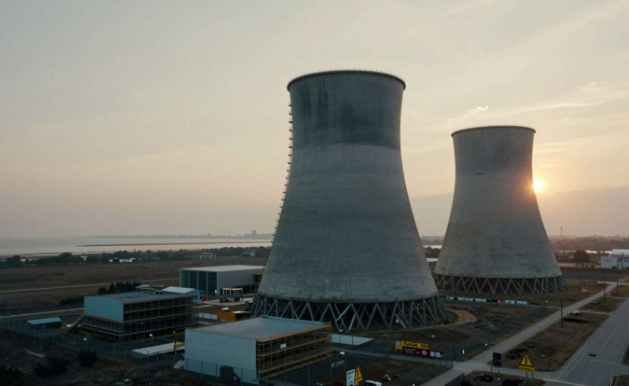
U.S. nuclear energy company Holtec advances on two fronts this week: decommissioning aging nuclear plants and positioning small reactors in the southern U.S.
U.S. nuclear energy company Holtec recently announced two significant developments, reflecting the dual trend in the current nuclear power industry of retiring existing capacity while expanding new capacity. On one hand, the U.S. Nuclear Regulatory Commission approved the license termination plan for the Oyster Creek nuclear power plant, moving the decommissioning process of this veteran commercial nuclear facility in New Jersey, which began operations in 1969, past a key regulatory milestone. On the other hand, Holtec announced a partnership with Entergy and Hyundai Engineering & Construction to evaluate potential sites for deploying new reactors in the southern Gulf Coast region of the United States. The Oyster Creek plant ceased power generation in 2018 and was subsequently taken over by Holtec for decommissioning. The recently approved license termination plan...
2026-08-11
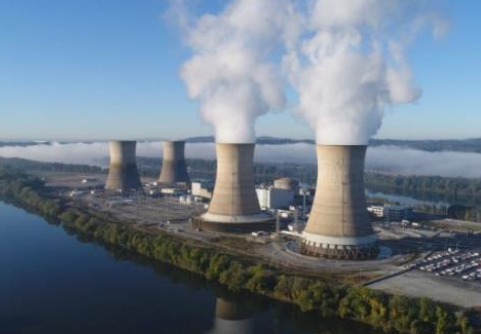
Linn County, Iowa, rejects rezoning application for data center site near nuclear power plant
The Linn County Board of Supervisors in Iowa said Monday it will not proceed with amendments to the EU-2 zoning district. This decision means that large data centers will not be permitted to be built near nuclear facilities through this zoning rule for the time being. The current EU-2 zoning primarily allows for nuclear power generation facilities, nuclear waste storage facilities, and natural gas power generation facilities, and does not list large data centers as permitted uses. The zoning adjustment drew attention due to the potential restart of the Duane Arnold Energy Center near Palo. If the nuclear facility were to resume operations, it could provide a stable power source for energy-intensive data centers, prompting interest from data center companies in surrounding...
2026-08-11
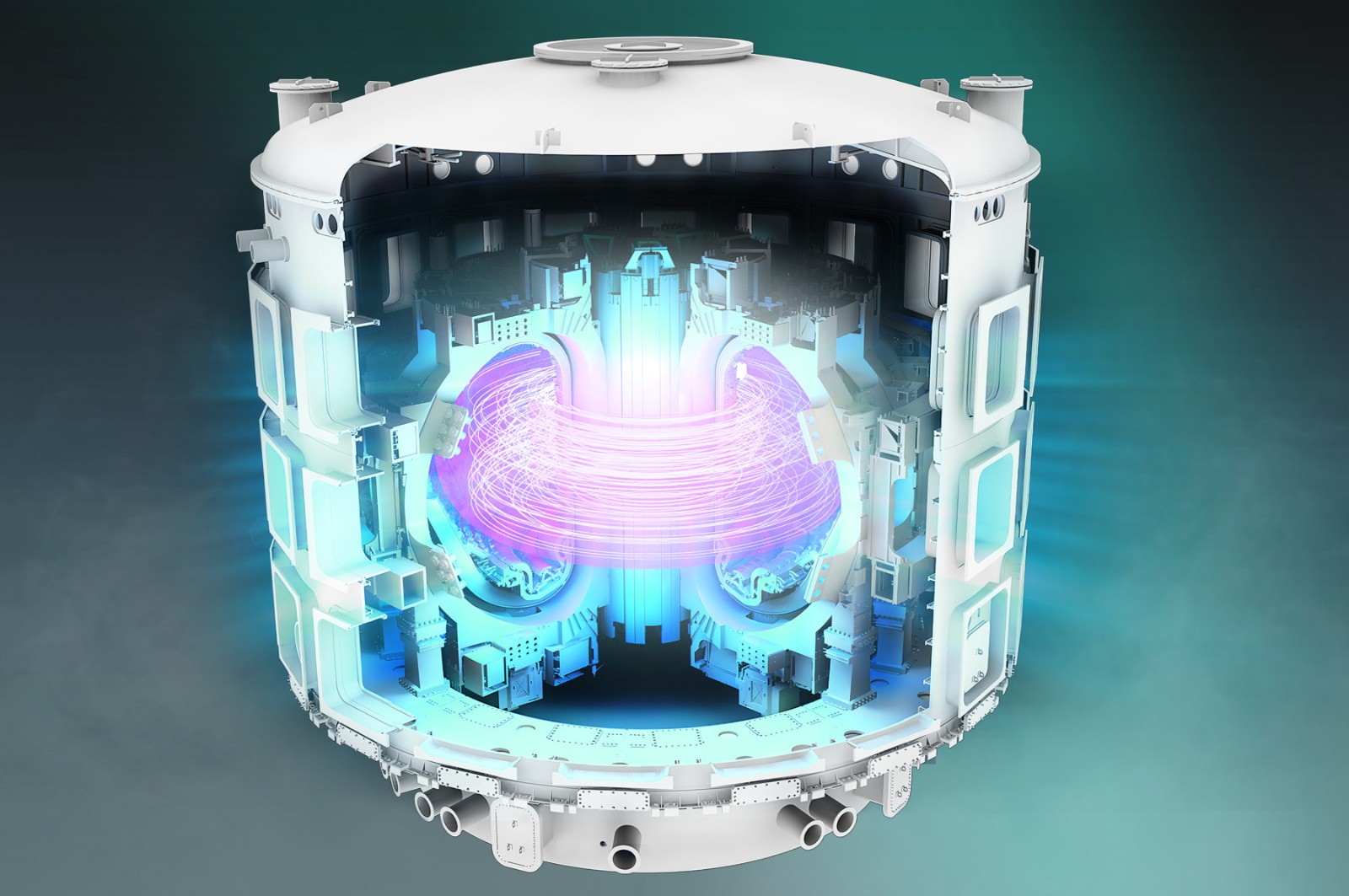
Russian Scientists Propose Fast Calculation Method to Simulate Plasma Ion Parameters in Seconds
Researchers from the HSE University and the Moscow Institute of Physics and Technology (MIPT) have developed an analytical method for calculating the behavior of heavy ions in helium under strong electric fields, which can accelerate the computation of ion mobility and ion–molecule reaction rates by thousands of times. The findings have been published in Physica Scripta. Plasma, composed of charged particles such as electrons, negative ions, and positive ions, is typically quasi-neutral and highly conductive. It exists not only in fluorescent lamps and welding arcs but is also used in controlled nuclear fusion devices such as tokamaks. Atmospheric plasma jets can also be applied to wound disinfection, work surface cleaning...
2026-08-11
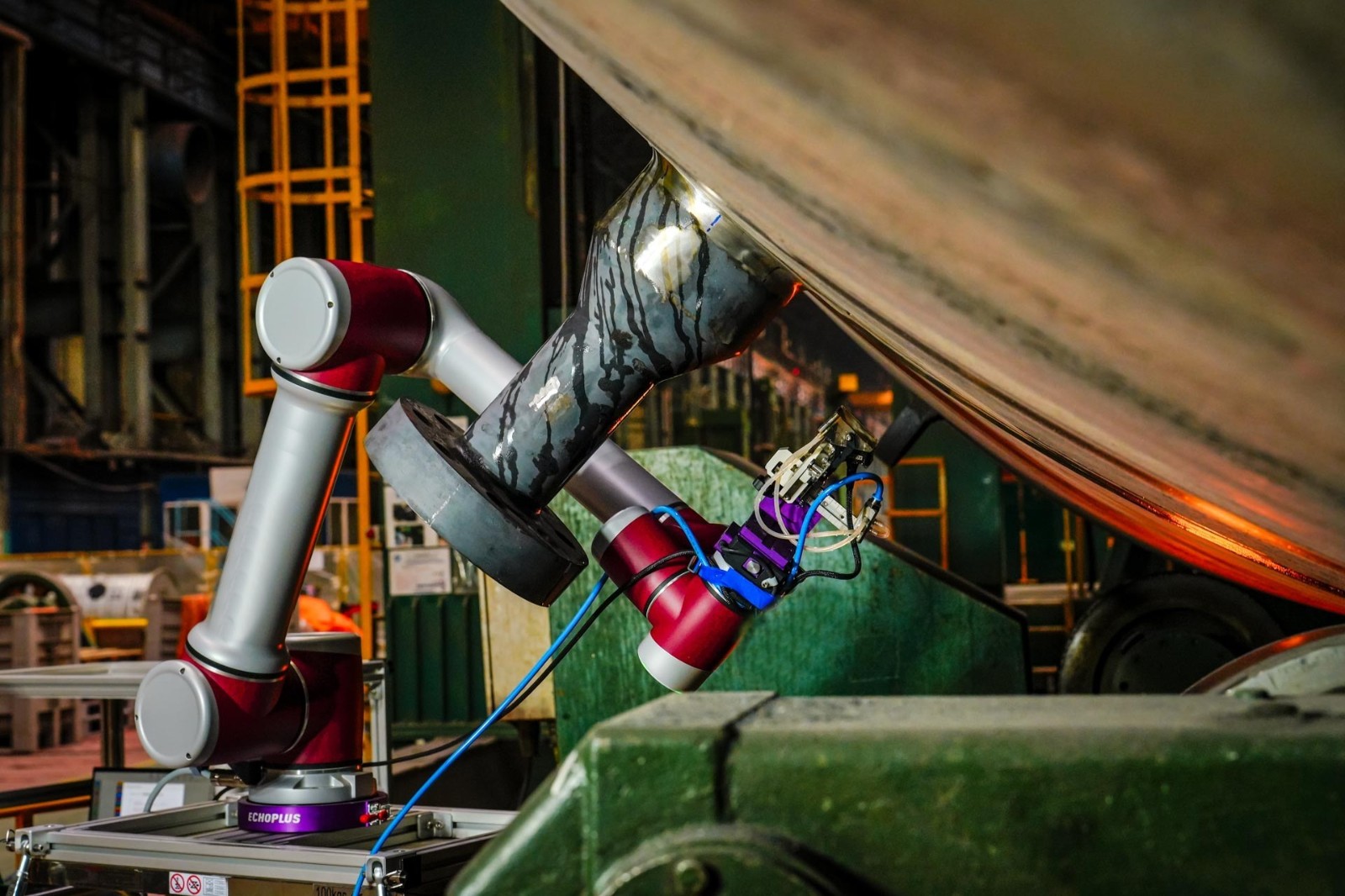
Russia's Atommash Commissions Ultrasonic Weld Inspection Robot to Boost NPP Equipment Testing Efficiency
Atommash, a plant under the mechanical engineering division of Russia's State Atomic Energy Corporation (Rosatom), has recently commissioned a new ultrasonic inspection robot for welded joints, used for weld quality checks on large nuclear power equipment such as nuclear reactors and steam generators. The plant is located in Rostov Oblast, Russia. The new equipment employs two scanning modes and can identify weld defect types and locate defect coordinates. Compared with traditional inspection methods involving manual probe movement, the robot can automatically perform scanning on components with complex geometries, increasing inspection speed by approximately 30% while reducing the need for manual work in hard-to-reach areas. At present, Atommash already operates...
2026-08-11
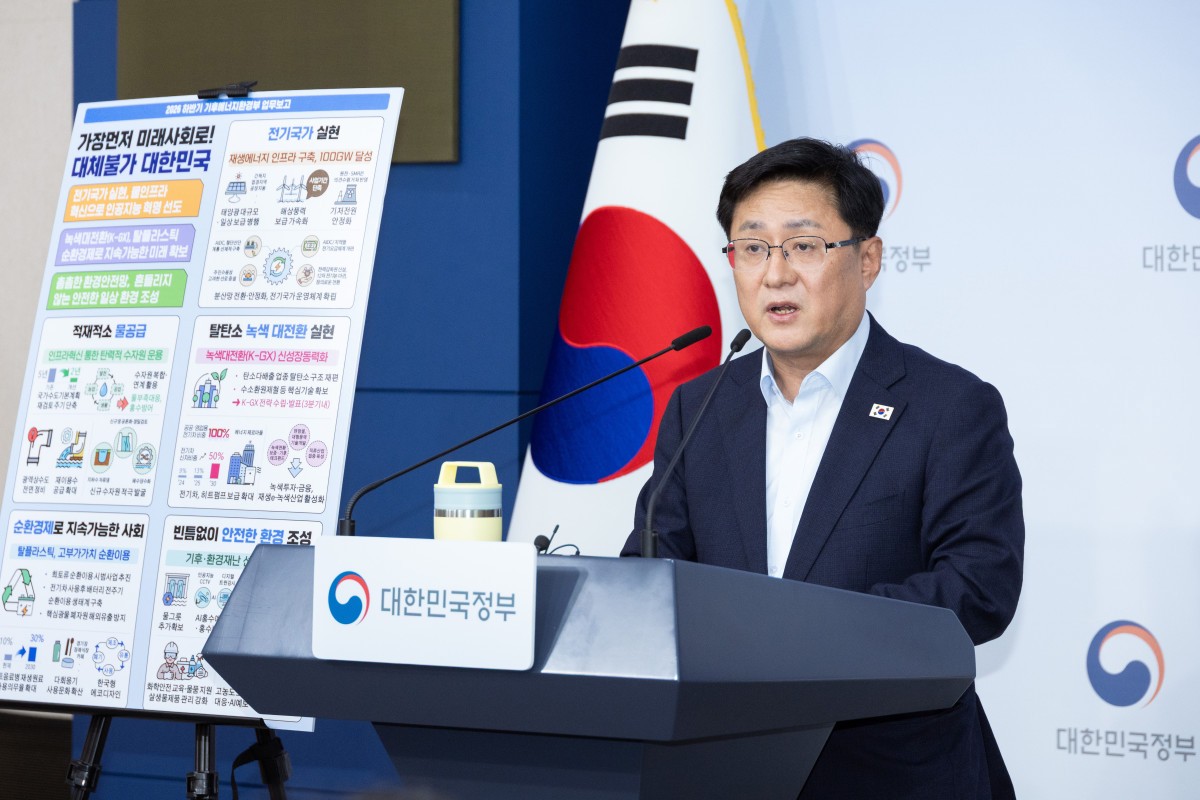
South Korea's semiconductor cluster adds about 21 GW of new power demand; government to study whether to build new nuclear units
South Korea's Minister of Climate, Energy and Environment, Kim Sung-hwan, said on the 10th that the new electricity demand from the Yongin—Hoseon semiconductor industry cluster is approximately 21 GW, equivalent to the power supply capacity of about 15 nuclear units based on an estimate of 1.4 GW per unit. The Ministry of Climate, Energy and Environment plans to seek expert and public opinions before announcing the 12th Basic Plan for Electricity Supply and Demand in October, and will decide accordingly whether to push for the construction of new nuclear units. Kim Sung-hwan stated that the electricity demand of the semiconductor industry has increased significantly compared to the past. The South Korean government has decided to raise renewable energy capacity from 78 GW to 100 GW by 2030, but whether the increase in renewable energy alone can meet the new demand still requires further assessment.
2026-08-11
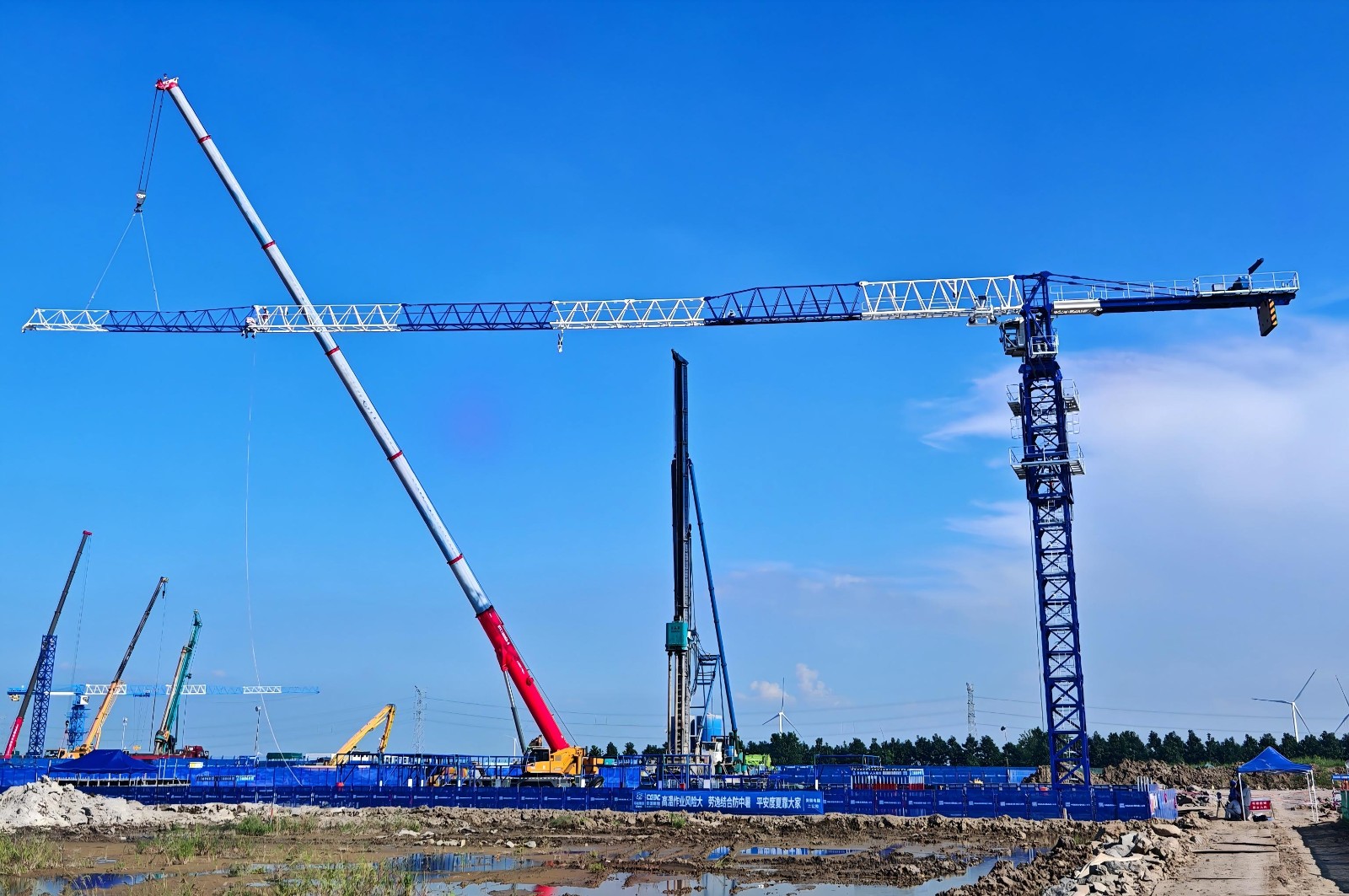
Installation of STT153A Tower Crane Completed at Jiangsu Xuwei Nuclear Heating and Power Plant by CEEC
On August 6, the installation and commissioning of the first special equipment STT153A tower crane was successfully completed for Section A of the natural draft cooling tower construction and installation project for Units 1, 2, and 3 of Phase I of the Jiangsu Xuwei Nuclear Heating and Power Plant, undertaken by CEEC Mechanization Company. The tower crane installed this time was manufactured by Fushun Yongmao Construction Machinery Co., Ltd., and is positioned at the rebar processing yard of the 1PB cooling tower, with a maximum rated lifting capacity of 10t. The jib length for this installation is 65m, and the standard section height is 37.5m. Based on the on-site machinery configuration, the installation of this tower crane was completed with the coordination of one 130t mobile crane and one 25t mobile crane. The technical team of the CEEC Mechanization Xuwei Project Branch, prior to the formal commencement of the tower crane installation...
2026-08-11
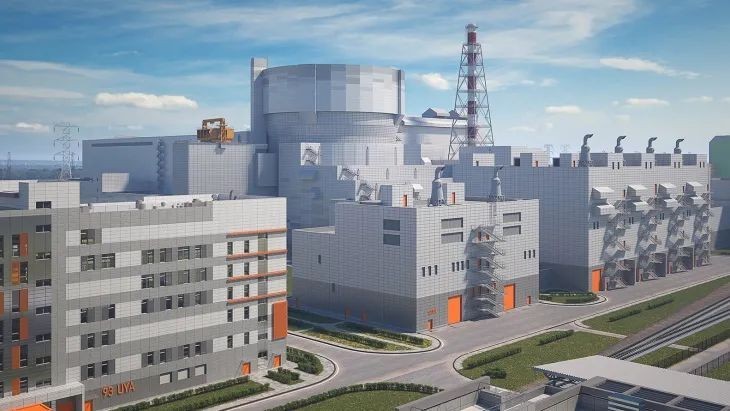
Danube Water Levels Recover, Hungary Restarts Second Turbine at Paks Nuclear Power Plant
On August 10, as the Danube River's water levels recovered, Hungary began restarting a previously constrained turbine at the Paks Nuclear Power Plant. The Paks plant uses Danube water for cooling and normally supplies nearly half of Hungary's electricity. Due to heatwaves and persistent drought, the Danube's water levels fell to historic lows in recent weeks, reducing the plant's generating capacity to about 10%, with only one of its eight turbines remaining operational. According to available information, Hungarian Prime Minister Péter Magyar stated on the 10th that the Danube's water level had risen 19 centimeters from the low point recorded last week, and that restart work on the second turbine at the Paks plant had begun, with power generation expected to resume by Monday evening. He also previously mentioned...
2026-08-11
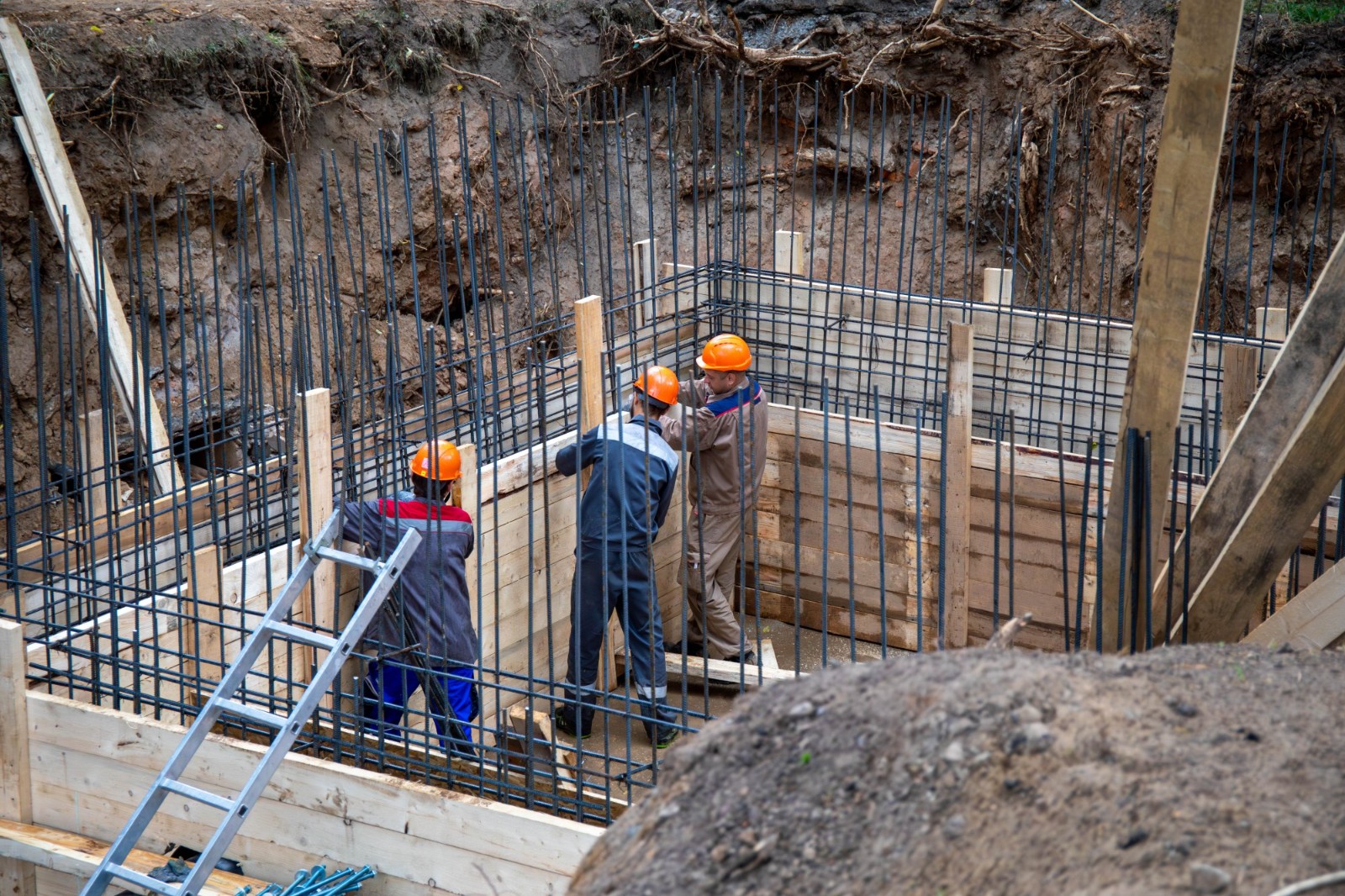
Long-term overhaul of heating networks launched in satellite town of Smolensk NPP
A large-scale modernization of the municipal heating system has been launched in Desnogorsk, the satellite town of Russia's Smolensk Nuclear Power Plant. The project is planned to last 15 years and is expected to replace more than 30 kilometers of main heating pipelines, accounting for about one-third of the city's heating network infrastructure. The work is being carried out by AtomTeploElektroSet, a company affiliated with Rosenergoatom, which operates public utility services including heating, water supply, and drainage in cities hosting nuclear power plants. Currently, renovation work has begun in the first and third residential districts of Desnogorsk. The project's progress is linked to Desnogorsk being included in...
2026-08-11
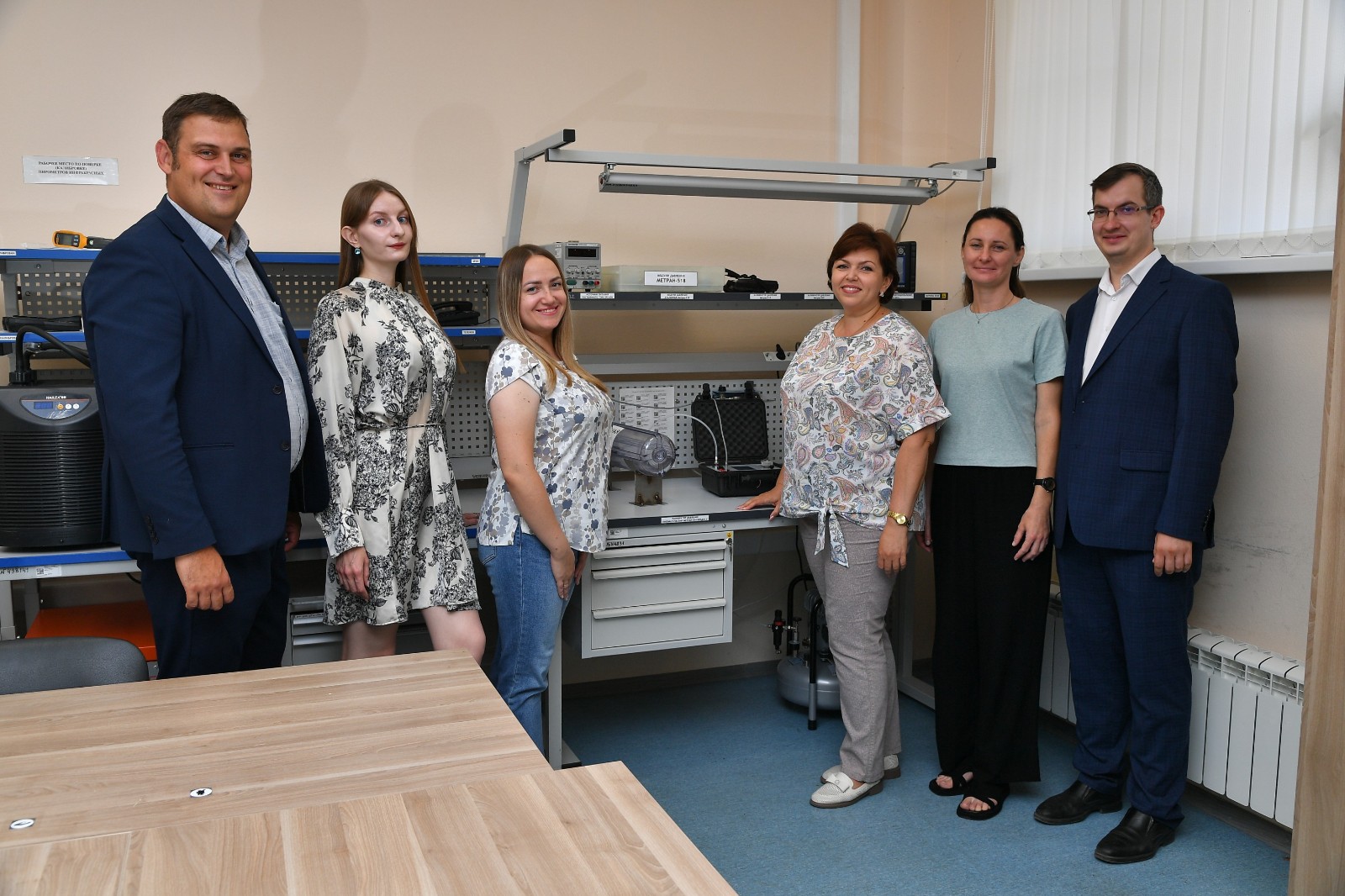
Rostov NPP's Self-Developed Device Cuts Instrument Calibration Cycle from 60 Days to 5 Days
The metrology team at Russia's Rostov Nuclear Power Plant has recently developed and put into operation a device for calibrating high-precision measuring instruments, reducing the relevant instrument calibration cycle from approximately 60 working days to 5 working days—a twelvefold reduction in time. The project was completed by the plant's metrology personnel within the framework of the Rosatom Production System. Previously, some high-precision instruments at the plant requiring regular maintenance and calibration had to be sent to specialized laboratories, with the entire process involving document preparation, equipment transportation, cargo escort, and coordination with external personnel, typically taking about two months. With the new device in operation, calibration work can now be...
2026-08-11

UK's Harlette Capital seeks partners to develop lunar micro nuclear reactor
UK-based innovative company Harlette Capital has recently issued a Request for Information (RFI), seeking support from industry and research institutions for the development of a micro nuclear reactor for lunar missions. The company stated that the project aims to provide continuous power for long-term scientific research, communications, infrastructure construction, and future crewed exploration on the lunar surface. Harlette Capital is previously better known for its luxury fashion brand Harlette. The company also operates a separate innovation business segment, which is positioning itself in space and energy assets and advancing a small modular reactor (SMR) project named Alpha Moon. According to the company, the RFI has been sent to...
2026-08-11
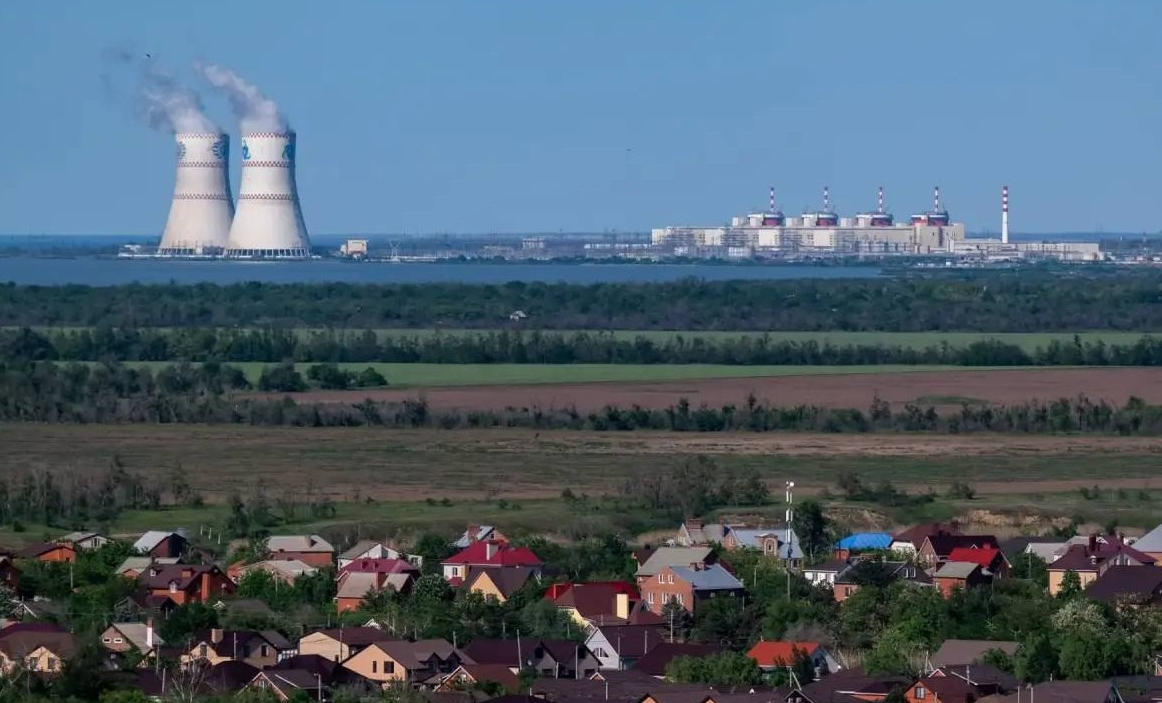
Rosatom launches project to bring medical students to closed nuclear cities
Rosatom and the Russian Student Teams (RSO) will launch a new medical project in Russia's closed nuclear cities starting in 2027, attracting medical students to work there. Mikhail Kiselev, Chairman of the RSO Supervisory Board and State Duma deputy, announced this to reporters at an event at the Siberian Chemical Combine. Kiselev stated: Starting next year, we plan to launch a large-scale medical project in nuclear cities together with Rosatom, the Russian Student Teams, the Federal Medical-Biological Agency, the Russian Youth Affairs Agency, and the Russian Ministry of Health. This will help systematically attract medical students...
2026-08-11