
Search Results
Keyword:cancer

Aktis Oncology Expands Clinical Enrollment for Actinium-Based Radiopharmaceuticals
Recently, Aktis Oncology of the United States disclosed the latest expanded enrollment arrangements for two clinical studies of innovative targeted radiopharmaceuticals based on Actinium-225. While continuing to advance the established dose-escalation trials, the company has added dedicated supplementary enrollment cohorts at selected dose levels for AKY-1189 targeting Nectin-4 and AKY-2519 targeting B7-H3, respectively, aiming to comprehensively observe the safety, tolerability, and preliminary antitumor activity of the drugs in specific patient populations, and to accumulate detailed data for subsequent large-scale clinical development. In terms of specific clinical progress, the Nectin-4-targeting AKY-...
2026-11-16
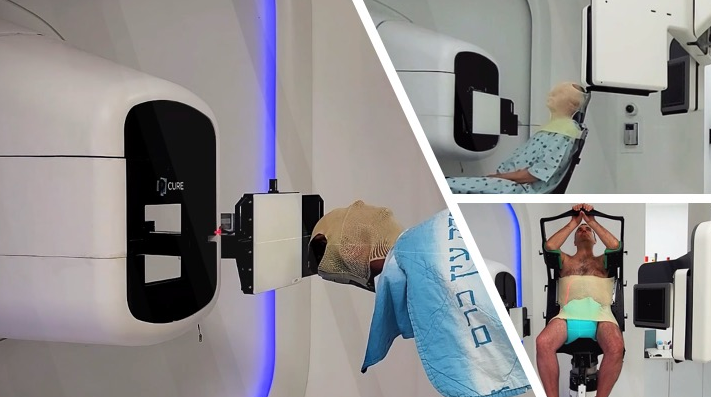
UT MD Anderson Cancer Center Collaborates on Development of Proton and Helium Ion Therapy Platform
Recently, the University of Texas MD Anderson Cancer Center (UT MD Anderson) in the United States and Israeli proton therapy equipment company P-Cure reached a strategic collaboration to jointly develop and validate a compact upright particle therapy platform. The two parties aim to enable a single system to deliver both proton and helium ion beams, so that in the future the particle type can be selected based on tumor location, disease characteristics, and treatment goals. The collaboration will start with the existing proton therapy equipment. P-Cure's compact proton system has received marketing clearance from the U.S. Food and Drug Administration (FDA); the equipment uses a synchrotron to generate proton beams and delivers dose to the target area through pencil beam scan...
2026-11-09
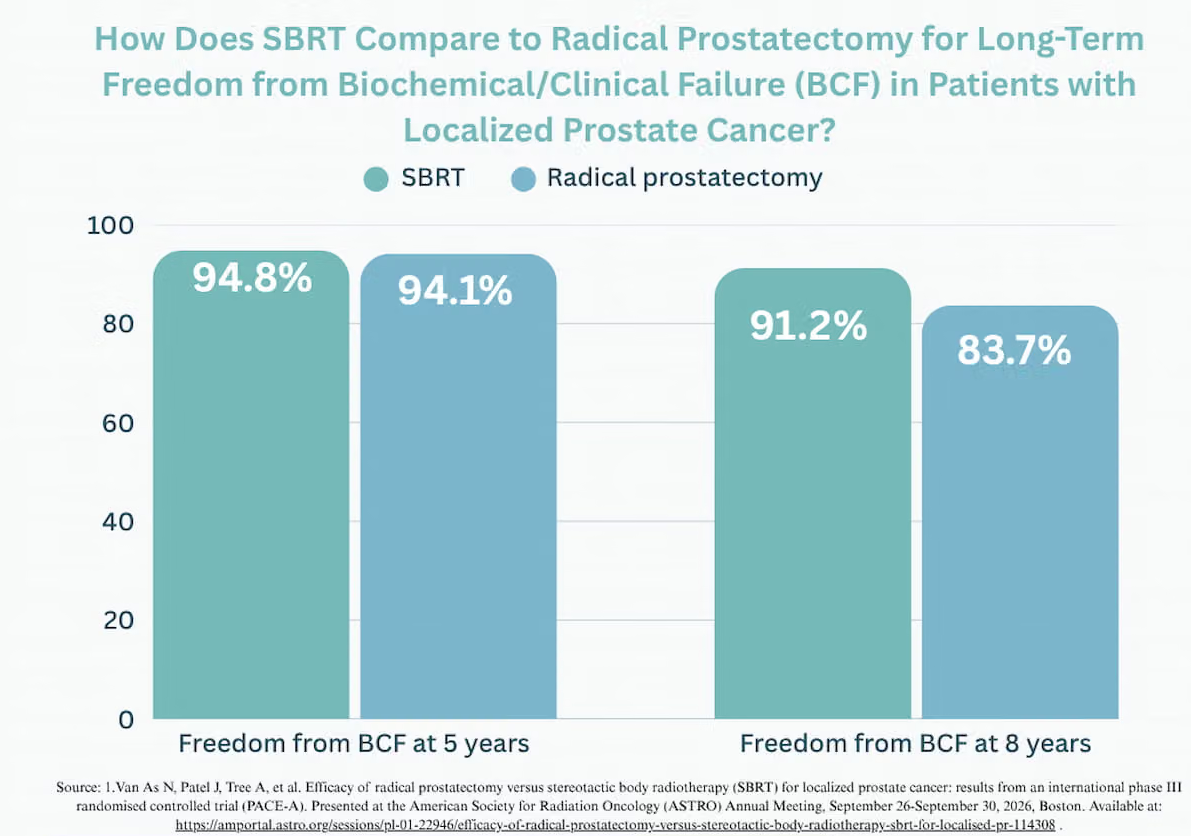
At the American Society for Radiation Oncology annual meeting, phase 3 clinical results were announced: SBRT radiotherapy for localized prostate cancer achieves long-term control rates comparable to radical prostatectomy and greatly reduces the risk of incontinence.
A latest phase 3 randomized controlled clinical study announced at the American Society for Radiation Oncology (ASTRO) annual meeting shows that for patients with localized prostate cancer (PCa), stereotactic body radiotherapy (SBRT) demonstrates excellent clinical application potential. Follow-up data show that SBRT is comparable to traditional radical prostatectomy in 8-year biochemical or clinical failure-free rates, and the incidence of urinary incontinence at 5 years after treatment is significantly reduced by nearly 40%. This phase 3 multicenter clinical trial...
2026-09-30
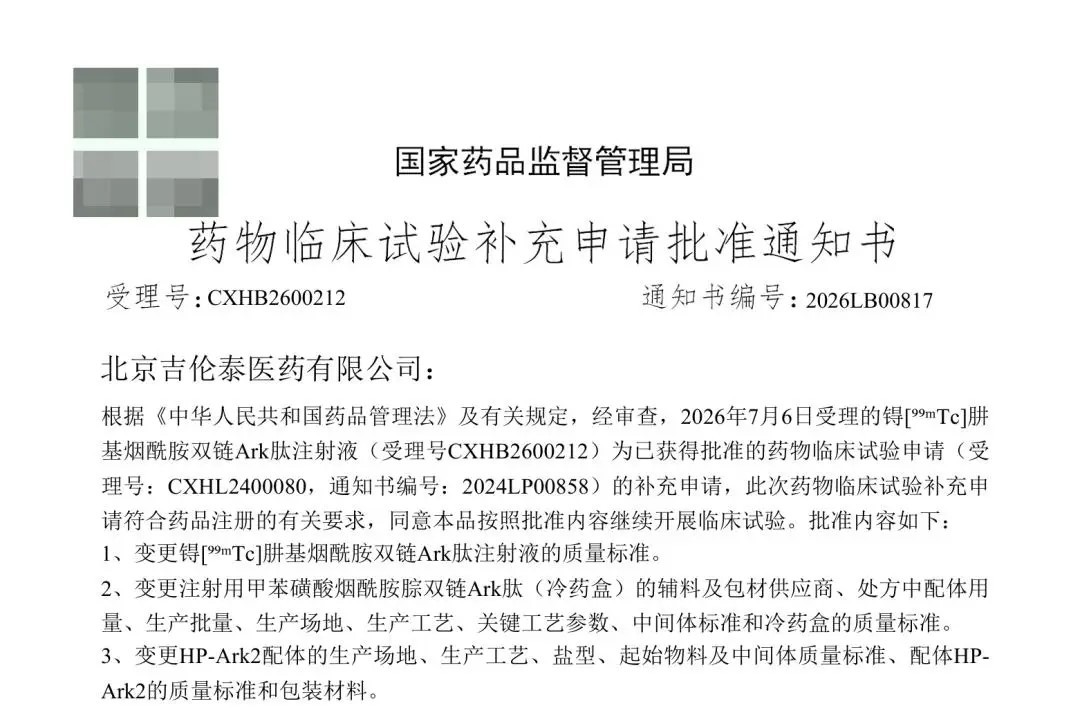
Jiluntai's independently developed HER2-targeted diagnostic new drug has been approved for clinical trials, expected to facilitate precision treatment of breast cancer
Jiluntai Company, a nuclear medicine innovation enterprise invested and incubated by Baiyang Pharmaceutical Group, has recently made important progress. Its independently developed Class 1 chemical radioactive diagnostic new drug —— Technetium [⁹⁹ᵐTc] hydrazinonicotinamide dual-chain Ark peptide injection (⁹⁹ᵐTc‑HP‑Ark2), has received supplementary clinical trial application approval from the National Medical Products Administration (NMPA), which means the product will continue to undergo clinical trials, bringing new hope for precision subtyping and treatment of breast cancer. This product is a radioactive diagnostic agent for SPECT/CT imaging, intended for the differential diagnosis of HER2-positive breast cancer. HER2 is an important prognostic indicator for malignant tumors such as breast cancer...
2026-09-21
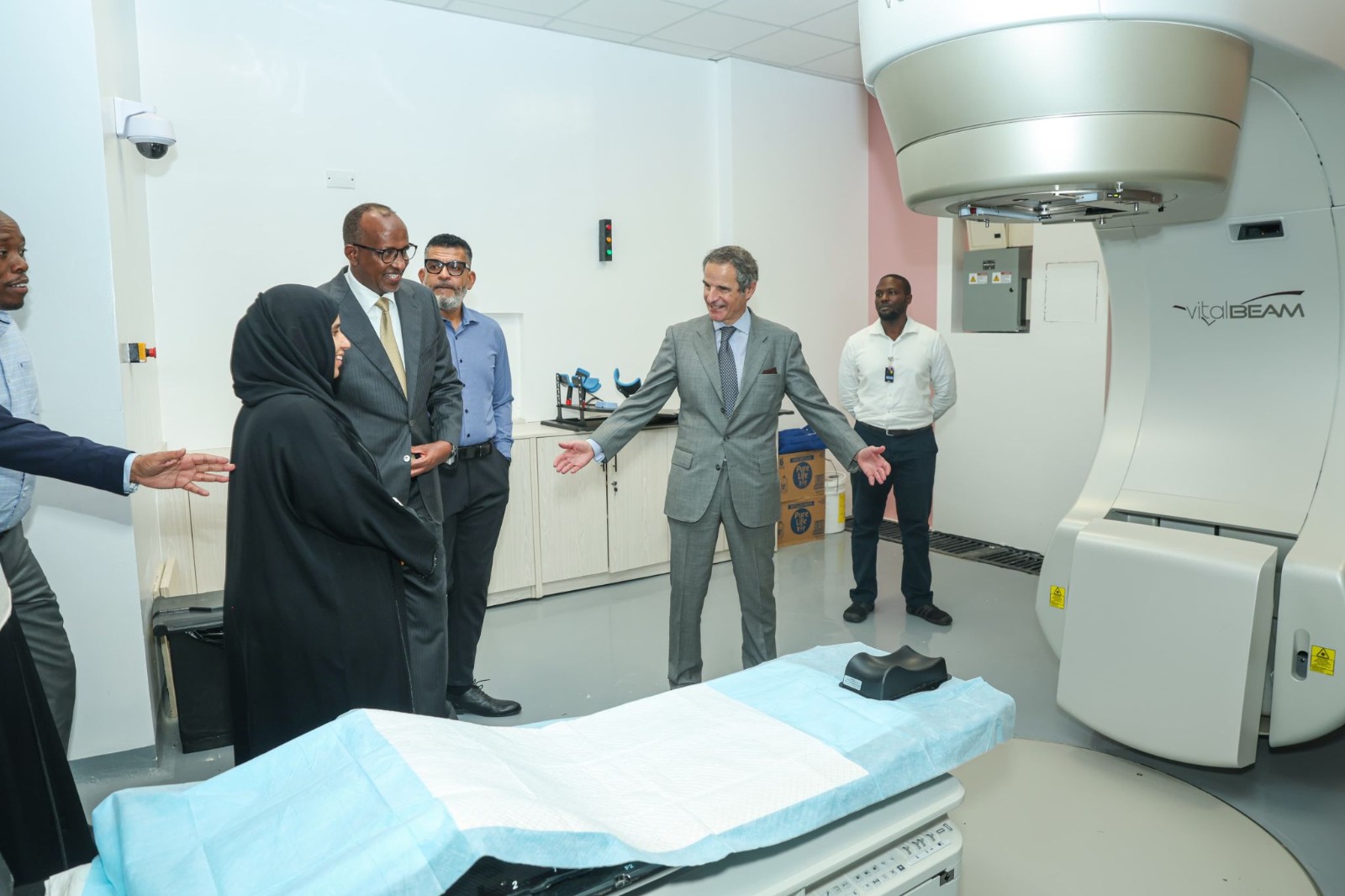
IAEA's Rays of Hope Initiative Boosts Global Cancer Care
The IAEA's Rays of Hope initiative aims to expand access to cancer care, drive innovation, and build partnerships to narrow the global gap in cancer treatment. Every year, cancer claims more than 10 million lives, and that number is expected to nearly double by 2050. While many cancers are treatable, especially when detected early, timely diagnosis and life-saving treatment are unevenly distributed around the world. Low- and middle-income countries often lack modern medical imaging and radiotherapy equipment, trained oncologists, research capacity, and basic services. More than half of cancer cases occur in these countries, and nearly two-thirds...
2026-09-16
Rapid Arc Dynamic Precision Radiotherapy Technology Launched in Western New South Wales, Australia
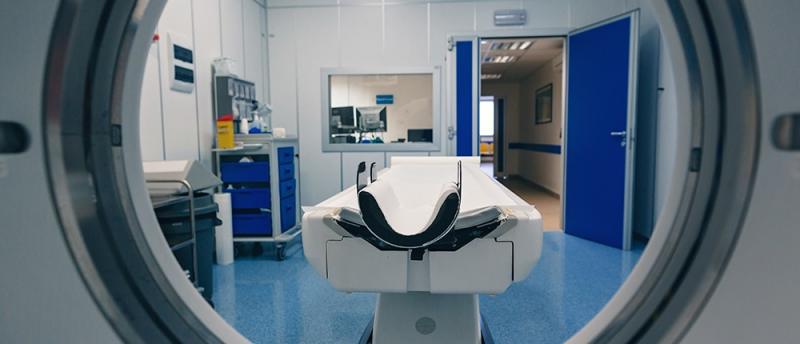
Cancer patients in western New South Wales, Australia, have recently gained a new radiotherapy option. The Western New South Wales Local Health District has introduced Rapid Arc Dynamic (RAD) technology at the Western Cancer Centre at Dubbo Health Service, becoming the first public health institution in Australia to offer this service. According to reports, RAD is a highly precise and personalized radiotherapy technology that can help clinicians more accurately target tumor areas while minimizing radiation exposure to surrounding healthy tissue. This technology is suitable for a variety of treatment scenarios, particularly for patients with longer tumor extents and lymph node metastases. R...
2026-09-10

Cancer Hospital of the First Hospital of Jilin University Established, Granted Configuration Permit for Heavy Ion Radiotherapy System
Recently, the 7th Bethune Conference on New Advances in Cancer Treatment was held in Changchun, Jilin Province. The conference coincided with the 80th anniversary of Jilin University and the 20th anniversary of the Cancer Center of the First Hospital of Jilin University, aiming to establish a high-level academic exchange platform and promote the continuous improvement of cancer diagnosis and treatment capabilities in the three northeastern provinces. During the conference, the inauguration ceremony of the Cancer Hospital of the First Hospital of Jilin University was also held. According to reports, the newly established Cancer Hospital will, based on the coordinated development of the original Cancer Center, integrate three advantageous disciplines—oncology, hematology, and radiation oncology—further improve the multidisciplinary collaborative diagnosis and treatment model, promote smoother connections in cancer diagnosis and treatment processes, and enhance comprehensive treatment capabilities for difficult cancers. The conference also...
2026-09-08

Canada's AtomVie Opens Large-Scale Radiopharmaceutical R&D and Manufacturing Facility in Hamilton
On September 4, AtomVie Global Radiopharma, a radiopharmaceutical contract development and manufacturing organization, announced the official opening of its new state-of-the-art production facility at 10 Aeropark Boulevard, Hamilton, Ontario, Canada. The facility is designed to support the full-spectrum translation of radiopharmaceuticals from early-stage research and development, through clinical development, to commercial manufacturing. According to reports, the new facility represents an investment of over $160 million and spans 72,300 square feet, making it one of the largest single-site radiopharmaceutical R&D CDMO facilities in North America. The facility offers production capabilities ranging from low-throughput to high-throughput, increasing AtomVie's overall production capacity by more than tenfold, with dedicated spaces configurable to meet clients' subsequent R&D and commercialization needs.
2026-09-05
Sejong City Requests National Support for Proton Cancer Therapy Center Budget
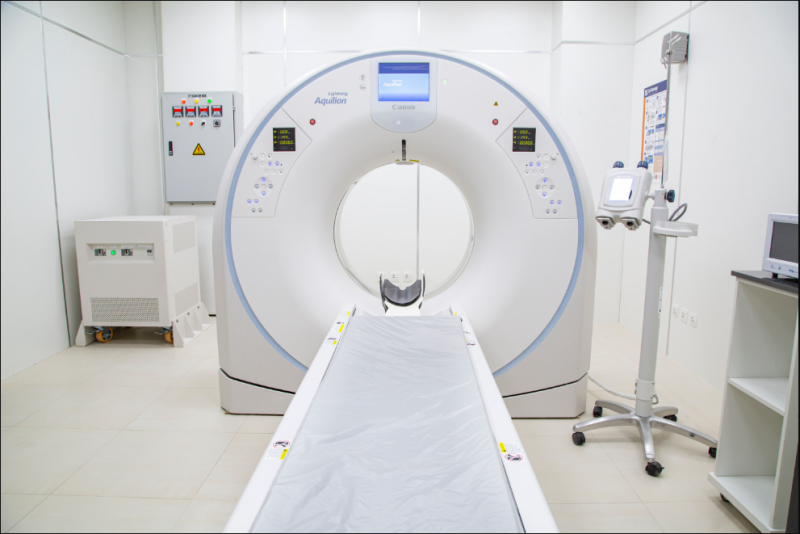
On September 2, 2026, the Democratic Party of Korea and Sejong City held their first budget policy consultation meeting at the Sejong City Government to discuss key agenda items and budget support for the city. At the meeting, Sejong City Mayor Cho Sang-ho requested the Democratic Party's attention to several issues, including securing national funding for the construction of a cancer proton therapy center, improving the general grant system for Sejong City, and promoting the passage of the Special Act on the Administrative Capital within the year. After the closed-door consultation, a relevant spokesperson stated in a briefing that the meeting proposed allocating 300 million KRW each in the next year's national budget for a feasibility study on the construction of the cancer proton therapy center and for the formulation of the basic plan for the National Central Bioresource Center.
2026-09-02

AI-Enhanced MRI System Deployed at Utah Medical Center for Cardiac and Cancer Imaging
Intermountain Medical Center in Murray, Utah, has begun using a new magnetic resonance (MR) system for imaging cardiac and cancer patients. The facility stated that the GE HealthCare SIGNA Sprint Elite MR system was placed into service earlier this year, making it the first of its kind in Utah and the second in the United States. According to the hospital, the system integrates artificial intelligence software designed to reduce image noise and enhance scan clarity. The facility believes that clearer images will help clinicians assess cardiac tissue and cancer-related conditions, while also potentially reducing the time patients spend undergoing MR exams. Cardiac imaging is one of the system's key application areas.
2026-09-02
Prostate cancer becomes most common cancer among men in South Korea, Lu-177 PSMA therapy reaches cumulative 200 procedures
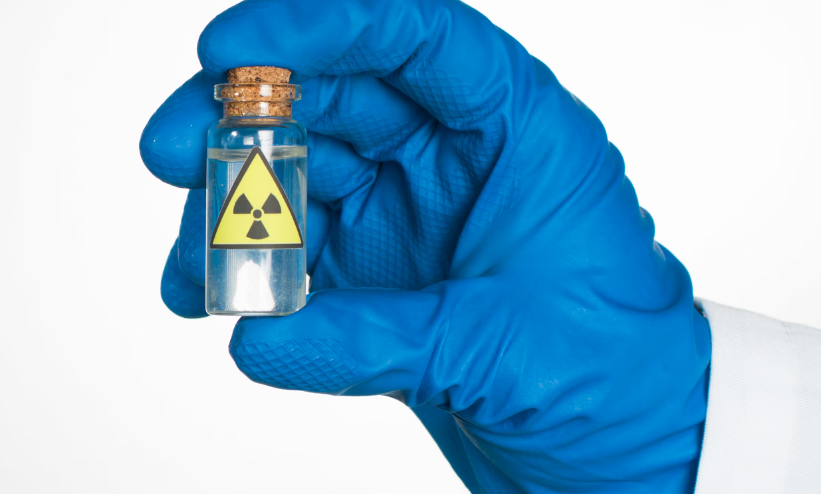
Prostate cancer incidence in South Korea has continued to rise, making it the most common cancer among men in the country. Meanwhile, a novel nuclear medicine treatment for metastatic prostate cancer—Lutetium-177 (Lu-177) prostate-specific membrane antigen (PSMA) radioligand therapy—is accumulating more clinical cases. Seoul St. Mary's Hospital Uro-Oncology Center stated on September 1 that since performing South Korea's first Lu-177 PSMA treatment on November 2, 2020, the center had administered a cumulative total of 200 such treatments to 84 patients with metastatic prostate cancer as of the 21st of last month. Metastatic castration-resistant prostate cancer refers to a state in which prostate cancer continues to progress despite androgen suppression therapy. As the disease advances, patients have fewer treatment options and a worse prognosis, making it essential to select appropriate treatment modalities and sequencing based on prior treatment history and physical condition.
2026-09-02

FDA Grants Breakthrough Therapy Designation to JBS-003 for Guiding De-escalated Radiotherapy in HPV-Positive Oropharyngeal Cancer
On September 1, Juniper Biosciences announced that the U.S. Food and Drug Administration (FDA) has granted Breakthrough Therapy Designation to its hypoxia tracer JBS-003. The product, 18F-Fluoromisonidazole (FMISO), is intended to identify tumor hypoxia and guide de-escalated radiotherapy in patients with HPV-positive oropharyngeal cancer (OPC). JBS-003 is licensed from Memorial Sloan Kettering Cancer Center (MSK). According to information released by the company, the tracer is based on F-MISO PET molecular imaging technology and can visualize specific hypoxic features within tumors. Tumor hypoxia is considered to be associated with radioresistance; by imaging hypoxic regions, clinicians can stratify patients by risk and...
2026-09-02
Dankook University Hospital Introduces Next-Generation Digital PET-CT System to Enhance Precision Diagnosis of Cancer and Other Diseases
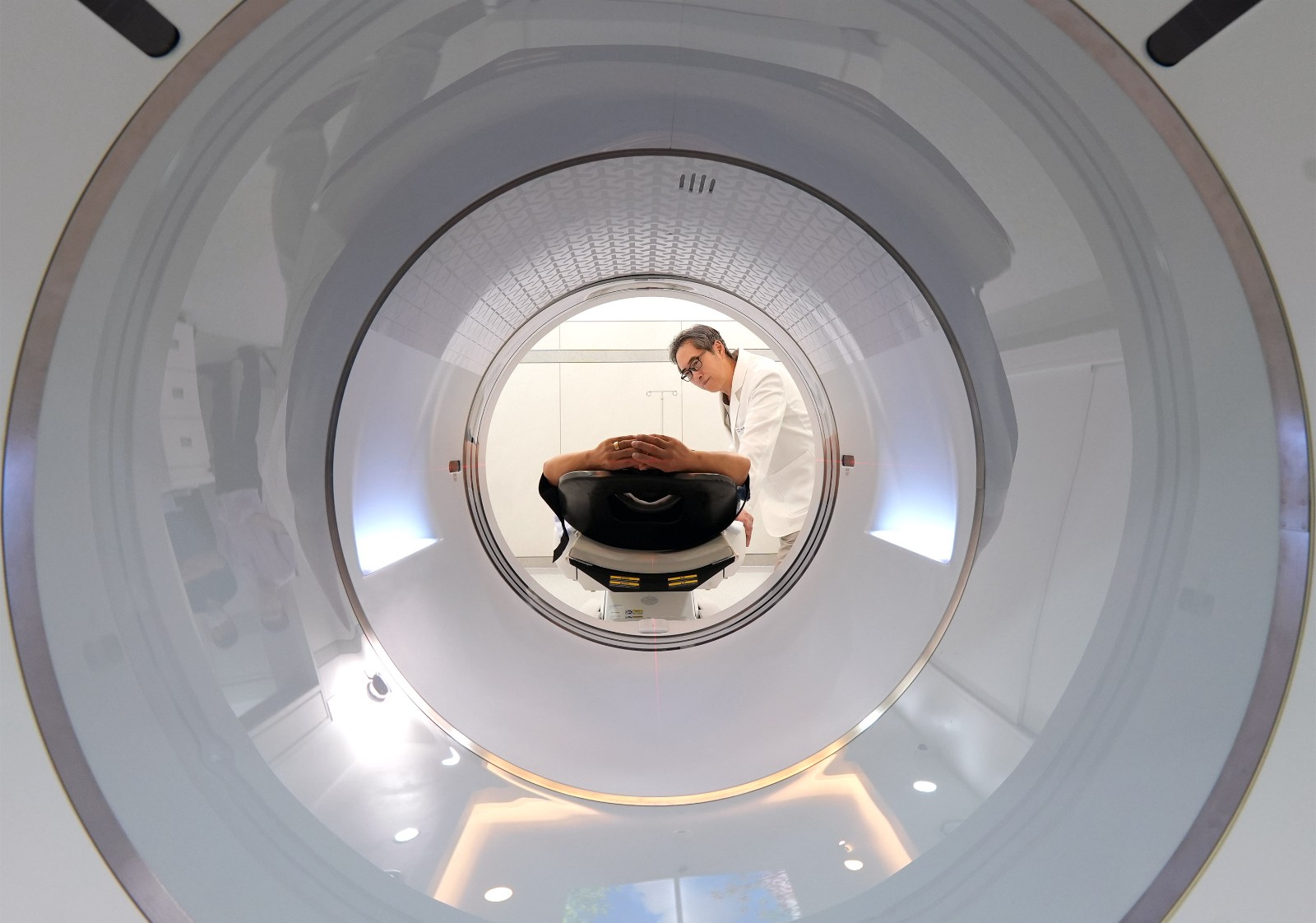
Dankook University Hospital announced on September 1 that it has introduced GE HealthCare's next-generation digital PET-CT system, the OMNI Legend 32, to enhance precision diagnostic capabilities for a wide range of diseases, including cancer, brain disorders, and cardiac conditions. PET-CT is an important nuclear medicine diagnostic imaging modality. During the examination, a radiopharmaceutical is injected into the patient, and the system observes metabolic activity through positron emission tomography (PET) while simultaneously confirming anatomical structures via computed tomography (CT), thereby providing imaging evidence for clinical diagnosis. According to the hospital, the newly introduced OMNI Legend 32 employs AI-based image reconstruction technology to visualize small lesions with greater clarity, assisting physicians in making more accurate assessments...
2026-09-01
Assam, India, Plans to Introduce Proton Beam Therapy for Cancer Treatment at a Public Hospital
Cancer treatment capabilities in Assam, India, are set to be upgraded. Assam Chief Minister Himanta Biswa Sarma announced that the state cabinet has approved the introduction of a proton beam therapy system at Gauhati Medical College Hospital. Once the project is completed, Assam will become the third region in India to offer proton beam therapy, and the hospital will be the first public hospital in India to be equipped with this technology. Currently, proton beam therapy is already in use at the Tata Memorial Centre in Mumbai and the Apollo Proton Cancer Centre in Chennai. The facility planned at Gauhati Medical College Hospital will become the third such treatment center in India. Proton beam therapy is an advanced form of radiotherapy used to treat cancer and certain non-cancerous tumors. Unlike conventional radiation therapy, which typically uses X-rays, proton therapy delivers precise irradiation to the tumor area using high-energy positively charged particles—protons. As proton beams enter the body, they release energy, causing DNA damage to cells. Healthy cells generally possess some capacity for repair, whereas cancer cells are less able to repair themselves, thereby inhibiting their growth and proliferation and helping to destroy tumor tissue.
2026-08-31
Leo Cancer Care and GE HealthCare Announce Collaboration to Advance Upright Radiotherapy Workflow Integration
Leo Cancer Care recently announced a commercial collaboration with GE HealthCare, focusing on GE HealthCare's advanced imaging solutions and intelligent radiotherapy software, with plans to apply related technologies to Leo Cancer Care's future upright radiotherapy systems to streamline patient and data workflows from simulation to treatment delivery. Under the collaboration framework, the two parties will explore integration pathways between GE HealthCare's intelligent radiotherapy software iRT and Leo Cancer Care's future upright radiotherapy solutions. iRT is an AI-assisted software developed for radiotherapy settings, primarily used to connect information, workflows, and applications across different systems, helping healthcare institutions simplify complex processes, enable patients to enter radiotherapy more promptly, and reduce clinician burden.
2026-08-30